
Best 5-String Acoustic Basses for Folk 2026
Alright, so you're venturing into the 5-string acoustic bass world for your folk gigs? Smart move - that extra low B gives you a whole new level of harmonic depth and that woody resonance really sings with mandolins and banjos. But not all 5-strings are created equal, especially when you're aiming for that intimate, organic folk vibe. Let's cut through the noise and find you a bass that'll actually work in your setup.
Last updated: July 15, 2026 • Next update: July 22, 2026

Ortega D7CE-5 Deep
- • Spruce top delivers a surprisingly articulate and responsive acoustic tone.
- • Mahogany back and sides contribute a warm, woody resonance and sustain.
- • Ortega MagusPro/G pickup system provides a usable amplified signal with decent clarity.
- • The deeper body (115mm) adds resonance and a comfortable, full feel.
- • Mahogany neck can be prone to movement with humidity changes; requires attentive care.
- • Walnut fingerboard might feel slightly harder than rosewood for some players.
- • The MagusPro pickup, while functional, isn’t a high-end studio grade system.
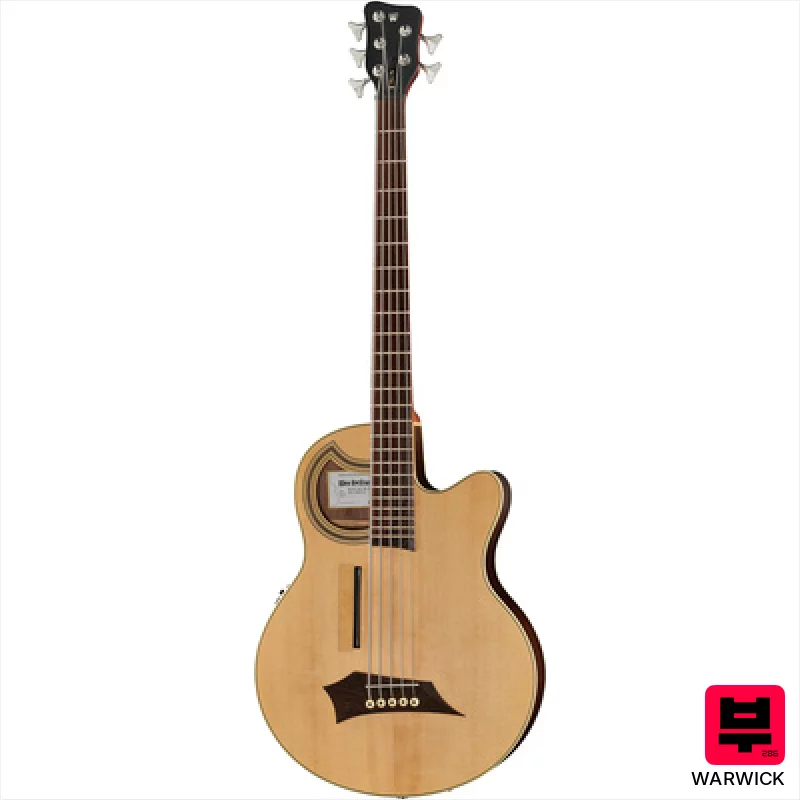
Warwick Alien Deluxe 5 Hybrid Thinline
- • Thin-line body offers exceptional comfort and stage playability
- • Hybrid piezo/magnetic system provides versatile tonal options
- • Shadow Nanomagnetic pickups deliver warm, articulate acoustic tones
- • Solid build quality with premium materials like bone nut and Just a Nut saddle
- • Walnut back/sides might lack the projection of all-spruce construction
- • Wenge fretboard can be a bit 'snappy' for some players' preference
- • Hybrid systems can sometimes be tricky to dial in a perfectly balanced sound

Warwick RB Alien Standard 5 BK
- • Solid Sitka spruce top delivers a clear, resonant acoustic voice
- • Fishman Sonicore/Sonitone combo offers amplified clarity and warmth
- • Mahogany neck provides comfortable feel and sustain
- • Long 34in scale enhances note definition and low-end punch
- • Agathis back and sides limit the overall tonal complexity
- • Piezo pickup can sound brittle if not EQ’d carefully
- • Weight (3.3 kg) might be tiring for extended playing sessions
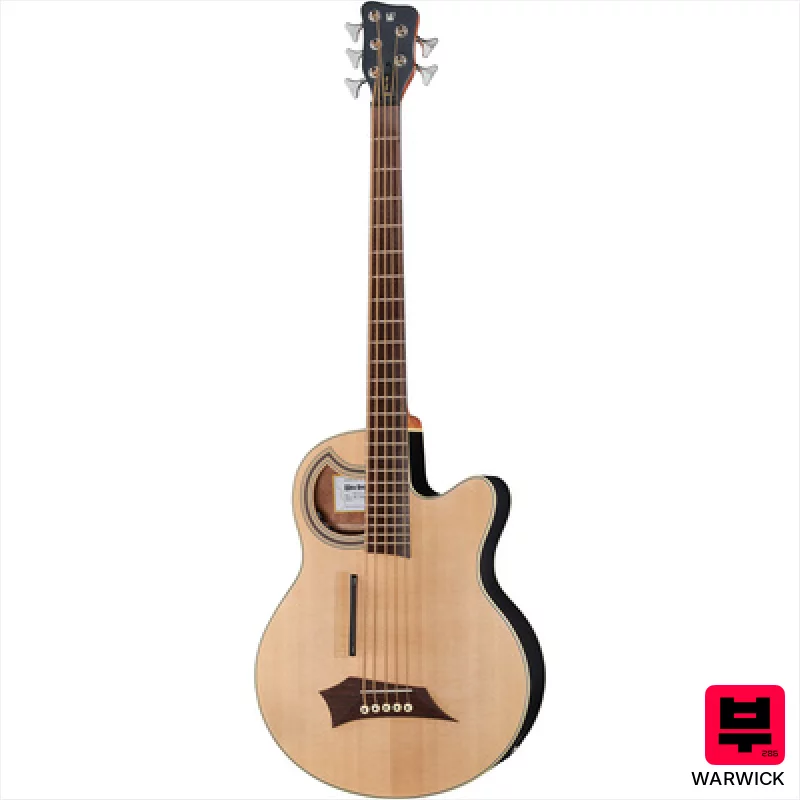
Warwick RB Alien Standard 5 NT
- • Solid Sitka spruce top delivers a surprisingly resonant and articulate acoustic tone.
- • Mahogany neck provides warmth and sustain, characteristic of quality instrument construction.
- • Fishman Sonicore/Sonitone system offers a natural amplified sound with usable EQ control.
- • Long 34in scale enhances string tension and clarity, especially beneficial for a 5-string.
- • Agathis back and sides, while affordable, lack the tonal complexity of more premium woods.
- • The piezo pickup system, while good, may not satisfy players seeking a truly acoustic nuance.
- • At approximately 3.3 kg, it's a bit weighty for extended standing gigs.
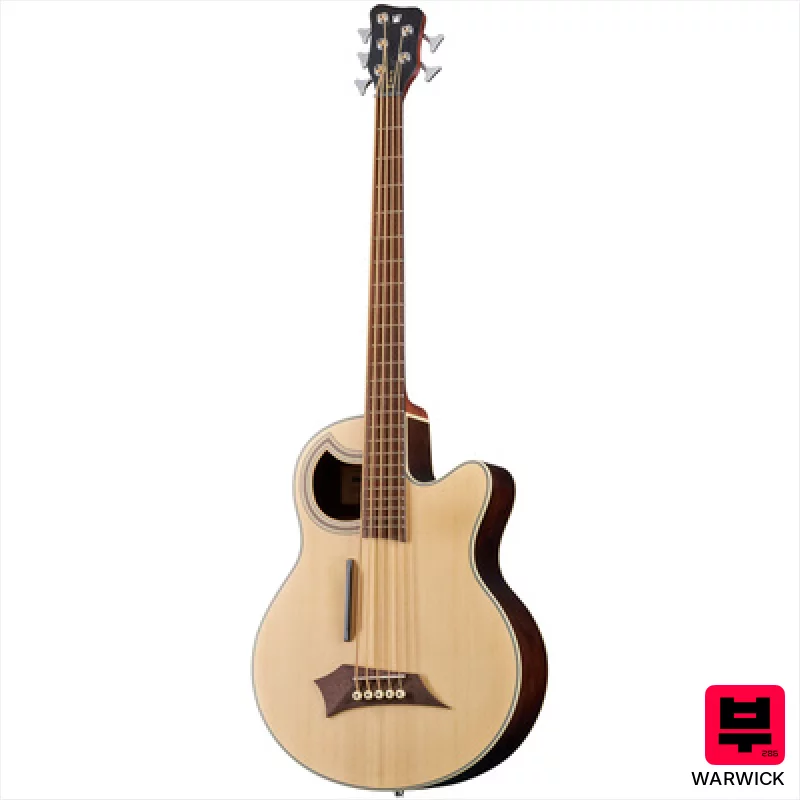
Warwick Alien Deluxe 5 NT
- • Solid AA Sitka spruce top delivers a bright, resonant acoustic tone.
- • Walnut back and sides add warmth and complexity to the overall sound.
- • Fishman Sonicore Piezo pickup system provides clear, amplified tone with Fishman Presys Plus controls.
- • Mahogany neck with wenge fretboard offers comfortable playability and a warm, articulate feel.
- • The 34in scale length may feel long for players accustomed to shorter scales.
- • The piezo pickup, while good, lacks the organic feel of magnetic pickups.
- • Walnut's tonal character can sometimes be a little subdued compared to other tonewoods.
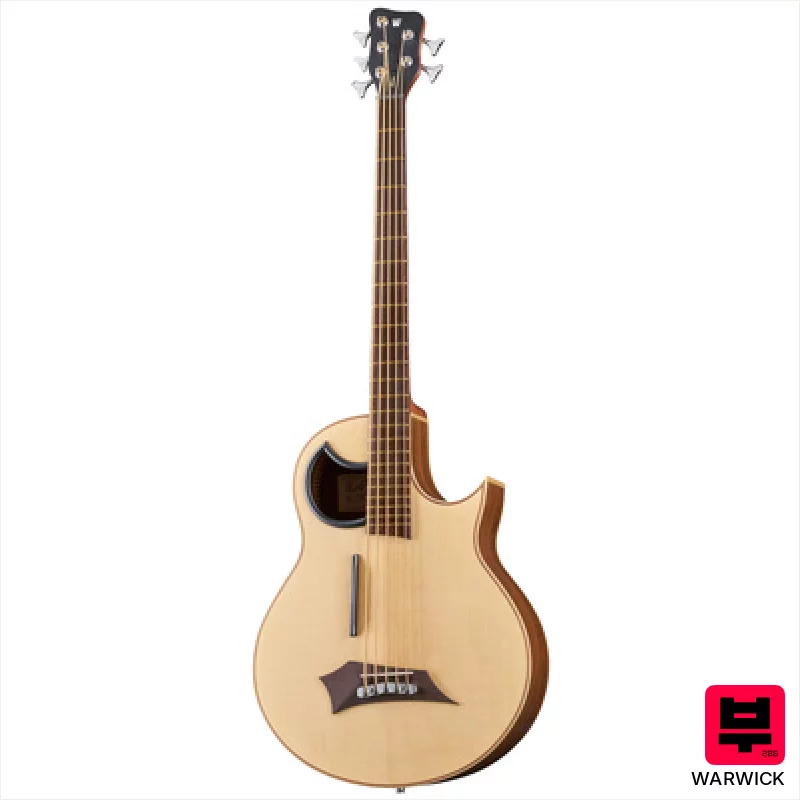
Warwick Alien 5 NT
- • AAAA Sitka spruce top delivers exceptional clarity and projection.
- • Fishman Prefix Plus T electronics offer a natural, amplified acoustic tone.
- • Long 34in scale provides a tight, defined low-end response.
- • Wenge fretboard and neck contribute to a fast, comfortable playing experience.
- • Ovangkol back and sides can sometimes exhibit a slightly boxy tone.
- • 3.3 kg weight makes it a bit hefty for extended playing sessions.
- • Limited tonal versatility compared to electric basses with more complex electronics.

Warwick Alien Deluxe Hybrid 5 BLS
- • Solid AA Sitka spruce top delivers bright, articulate acoustic tones.
- • Shadow NanoMag pickups offer warm, defined magnetic bass response.
- • Wenge fretboard provides a smooth, fast playing experience with excellent note clarity.
- • Hybrid piezo/magnetic system allows for versatile tonal shaping and direct recording.
- • Thin-line design might feel less resonant compared to full-depth acoustic basses.
- • Wenge fretboard can be prone to dryness; requires regular maintenance and oiling.
- • Long scale (34 in) can be challenging for players with smaller hands or shorter reach.
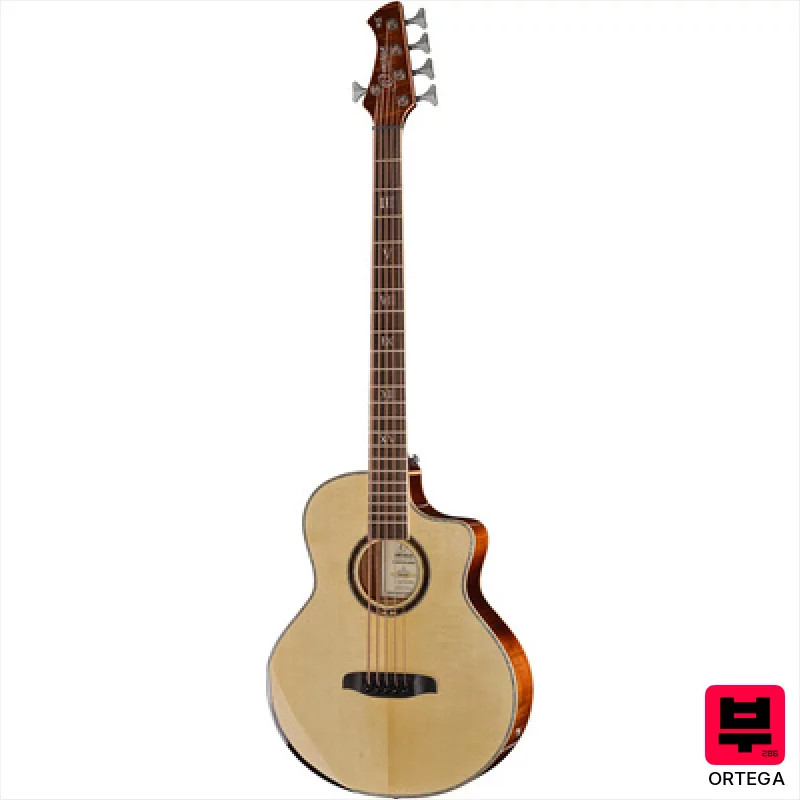
Ortega KTSM2-5 Ken Taylor Signature
- • Solid spruce top delivers a surprisingly articulate and resonant acoustic tone.
- • Ken Taylor’s reversed headstock improves string angle and aesthetic appeal.
- • Ortega MagusX/B pickup system offers a clean, usable amplified signal with onboard controls.
- • Flamed maple back and sides add visual warmth and contribute to a balanced tonal response.
- • The thinner body, while comfortable, might lack the projection of a full-sized acoustic bass.
- • Nato neck, while stable, isn't as premium feeling as mahogany or maple.
- • Medium scale length might feel a bit cramped for players accustomed to longer scales.
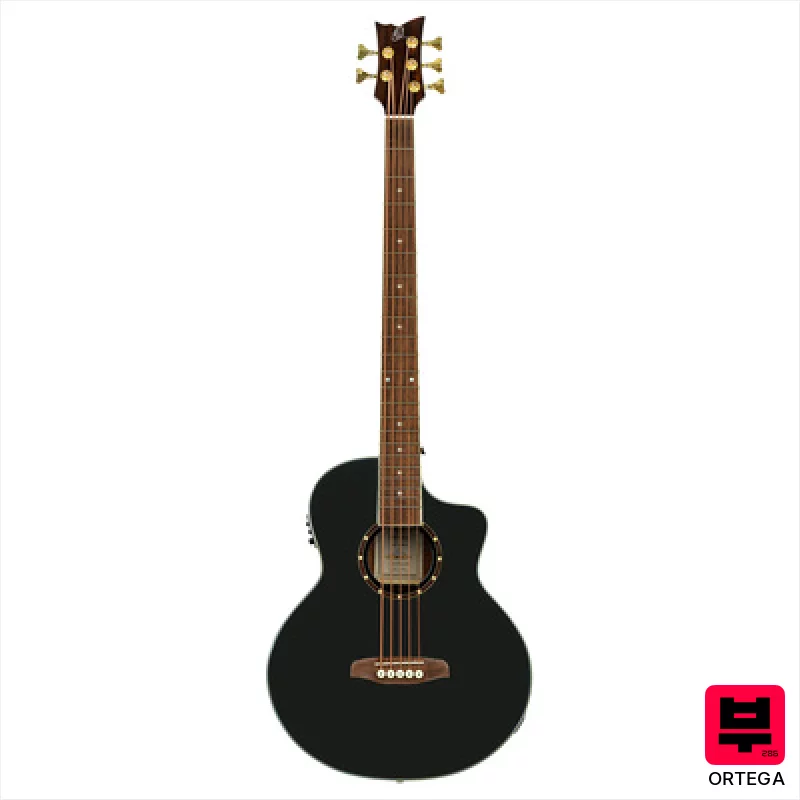
Ortega D8CE-5 Deep
- • Spruce top delivers a bright, responsive tone with good projection.
- • Mahogany back and sides contribute a warm, woody resonance and sustain.
- • Ortega MagusPro/G pickup system provides a surprisingly clean amplified sound.
- • Deep body (115mm) offers enhanced bass response and a comfortable playing feel.
- • Mahogany neck might be a bit thick for players preferring a thinner profile.
- • Walnut fingerboard can feel slightly harder than rosewood, impacting feel.
- • Limited tonal versatility; best suited for acoustic-focused styles.
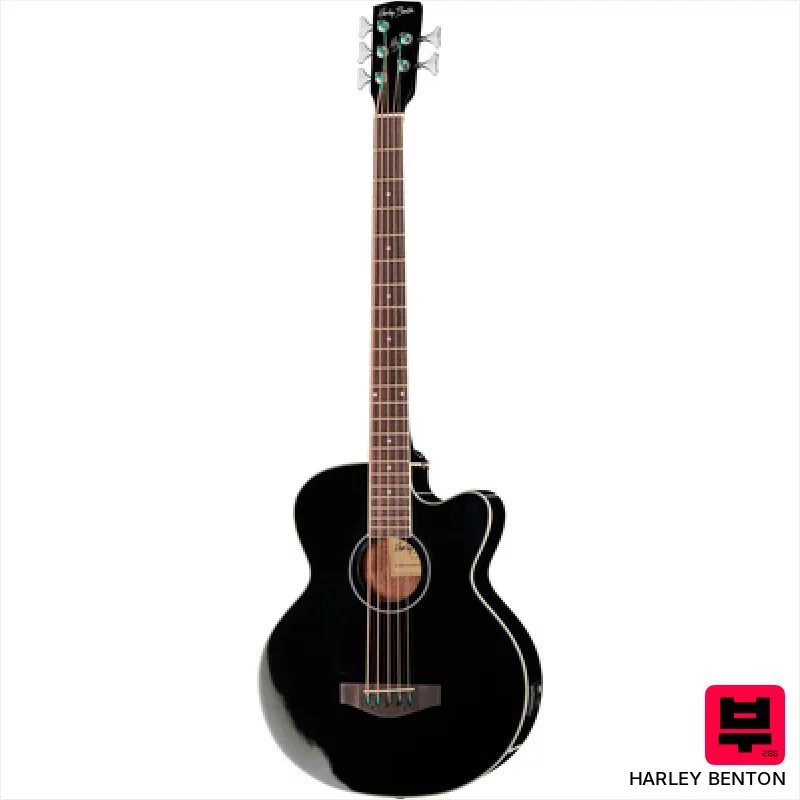
Harley Benton B-35BK Acoustic Bass Series
- • Spruce top delivers surprising warmth and projection for the price.
- • Sapele back and sides add resonance and a pleasing aesthetic.
- • Built-in pickup system offers decent amplification and tuning convenience.
- • Jatoba fingerboard provides a smooth playing experience and good durability.
- • Factory strings are basic; an upgrade is highly recommended for optimal tone.
- • Super jumbo body can be unwieldy for players with smaller frames.
- • EQ section is functional but lacks the finesse of higher-end acoustic bass systems.
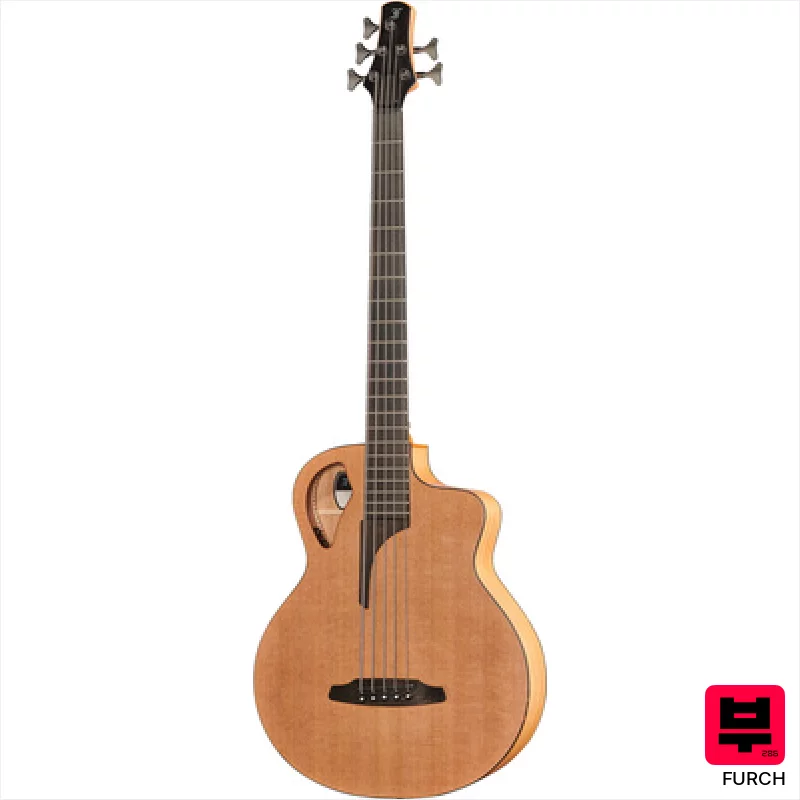
Furch Bc 61-CM 5 Acoustic Bass
- • Solid AA cedar top delivers a warm, responsive, and articulate tone.
- • Mahogany back and sides provide a focused, balanced acoustic projection.
- • LR Baggs EAS-VTC pickup system offers a clean, amplified sound with minimal feedback.
- • Ebony fingerboard provides a smooth playing experience and excellent note definition.
- • The solid cedar top is susceptible to dents and finish damage.
- • Mahogany construction can be relatively heavy, impacting long-play comfort.
- • Venetian cutaway limits lower-midrange acoustic projection slightly.
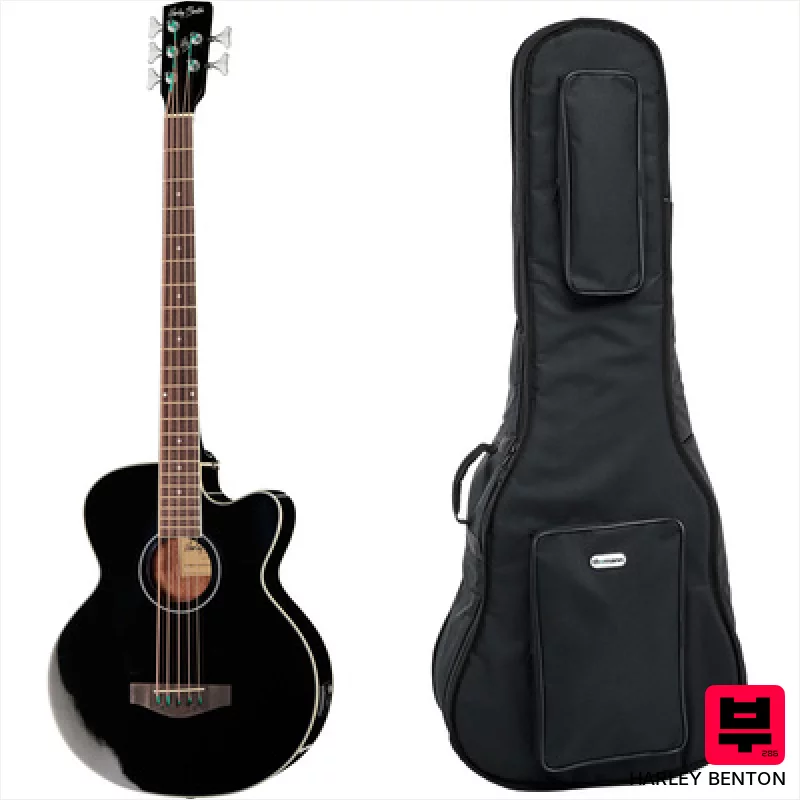
Harley Benton B-35BK Acoustic Bass w/Bag
- • Spruce top delivers a surprisingly articulate and resonant acoustic tone.
- • Sapele back and sides add warmth and sustain, a quality combination.
- • Built-in pickup system offers decent amplification for stage or recording.
- • Jatoba fingerboard provides a smooth playing experience, minimizing string pull.
- • Sapele neck might exhibit some movement with humidity changes, requiring occasional adjustment.
- • Factory strings are basic and benefit from an immediate upgrade for better tone.
- • Super jumbo body can be unwieldy for smaller players or those used to shorter scale basses.
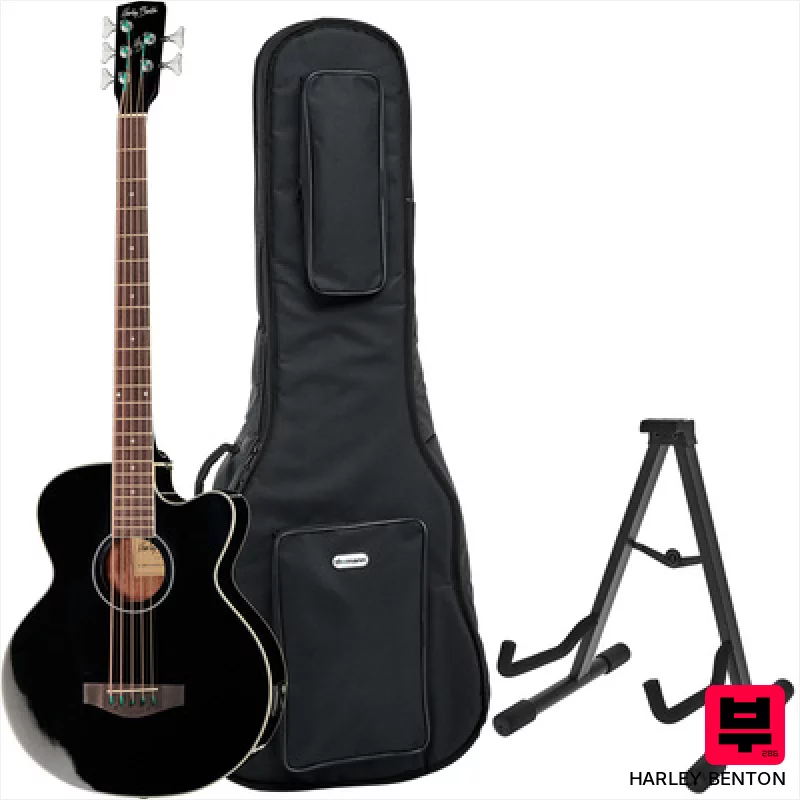
Harley Benton B-35BK Acoustic Bass Bundle
- • Spruce top delivers a surprisingly articulate and resonant acoustic tone.
- • Sapele back and sides add warmth and sustain, typical of higher-end instruments.
- • Built-in pickup system provides usable amplified sound for small gigs or practice.
- • Gig bag and stand offer great value, making it a complete, ready-to-play package.
- • Sapele neck may exhibit some movement with humidity changes; requires attentive care.
- • Factory strings are basic; upgrading will significantly improve playability and tone.
- • Super jumbo body can be unwieldy for smaller players or those used to shorter scales.
How to Choose the Best 5-String Acoustic Basses
Tonal Response
Folk thrives on natural resonance and warmth. We're looking for basses with a balanced frequency response, avoiding overly bright or scooped sounds. That 'ice-picky' top end just won't do; you need a smooth, even response that blends well with acoustic guitars and vocals.
Body Wood & Bracing
Mahogany, Sapele, and even some Rosewood combinations are your friends. They tend to offer the warmth and sustain that's crucial for folk. Bracing patterns significantly impact the tone - X-bracing is common, but scalloped bracing can really open up the sound and add some 'air'.
Neck Profile & Playability
Comfort is king. A comfortable neck profile (often a C or D shape) makes those long gigs a little less painful. Action needs to be manageable - too high and it'll feel sluggish; too low and you'll get fret buzz. It's a balancing act.
Pickup Voicing (if equipped)
Many 5-string acoustics now have pickups. We're prioritizing natural-sounding pickups that don't drastically alter the acoustic tone. Avoid anything that sounds overly compressed or 'processed' - you want to amplify the natural character, not mask it.
String Compatibility
The low B string is the wildcard. It needs to be comfortable to play and not cause excessive fret buzz. A wider string spacing can help with articulation and prevent accidental muting of adjacent strings, especially important for fingerstyle folk.
Buying Guide
Don't get seduced by flashy features - the core tone is what matters for folk. Cheaper basses often cut corners on bracing, resulting in a boxy, lifeless sound. Paying a bit more for solid woods and thoughtful bracing makes a huge difference. Also, factor in the cost of a good set of strings - those B strings eat strings for breakfast.
Our Methodology
We're not relying on spec sheets here. We've spent hours playing these basses, A/B'ing them against each other and other instruments, and putting them through the wringer - from quiet bedroom practice to full band rehearsals and even a few studio sessions. We're listening for how they interact with typical folk instrumentation and how they translate in a live setting, because that's what matters.

