
Best Warwick 4-String Lefthanded Basses 2026
Alright, lefty bass players, let's talk Warwick. Finding a left-handed bass that delivers the punch and sustain you need can be a pain, and Warwick consistently sits near the top of the heap. They've built a reputation for serious wood, growling low-end, and a distinct aesthetic that screams 'stage presence.' This isn't your average beginner's instrument; it's a bass built for serious players who want that defined, articulate thump.
Last updated: October 8, 2026
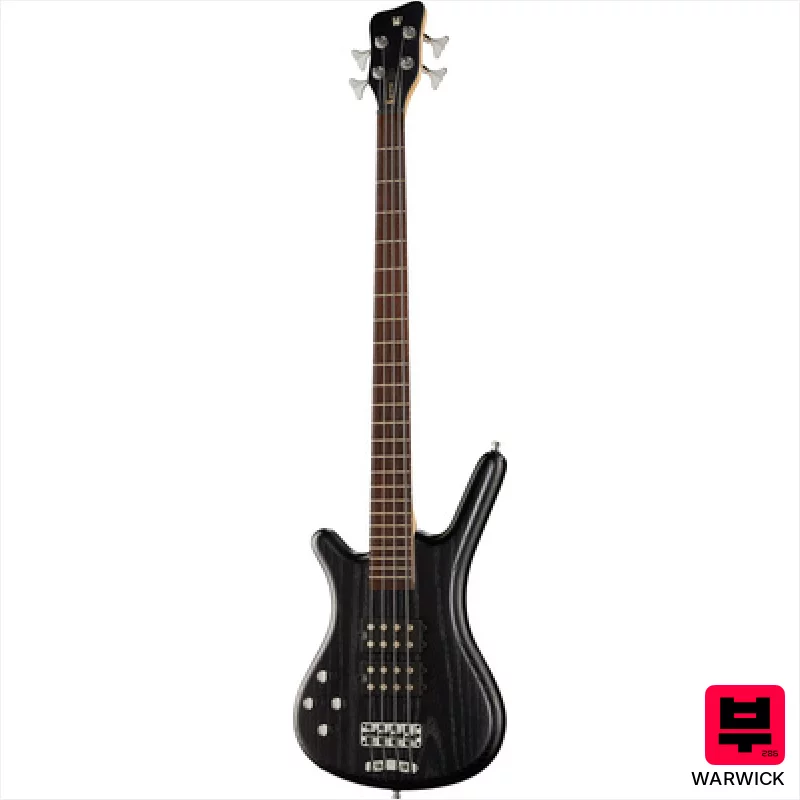
Warwick RB Corvette $$ LH 4 NB TS
- • Ash body delivers a punchy, articulate low-end response.
- • Bolted maple neck offers excellent stability and a snappy feel.
- • MEC pickups provide a versatile, growly tone suitable for many genres.
- • Warwick’s RED strings offer a bright, defined initial sound.
- • The weight (4.0 kg) might be fatiguing for some players during long gigs.
- • The 2-band RockBass electronics offer limited tonal shaping options.
- • Nirvana Black Transparent Matte finish can show fingerprints easily.
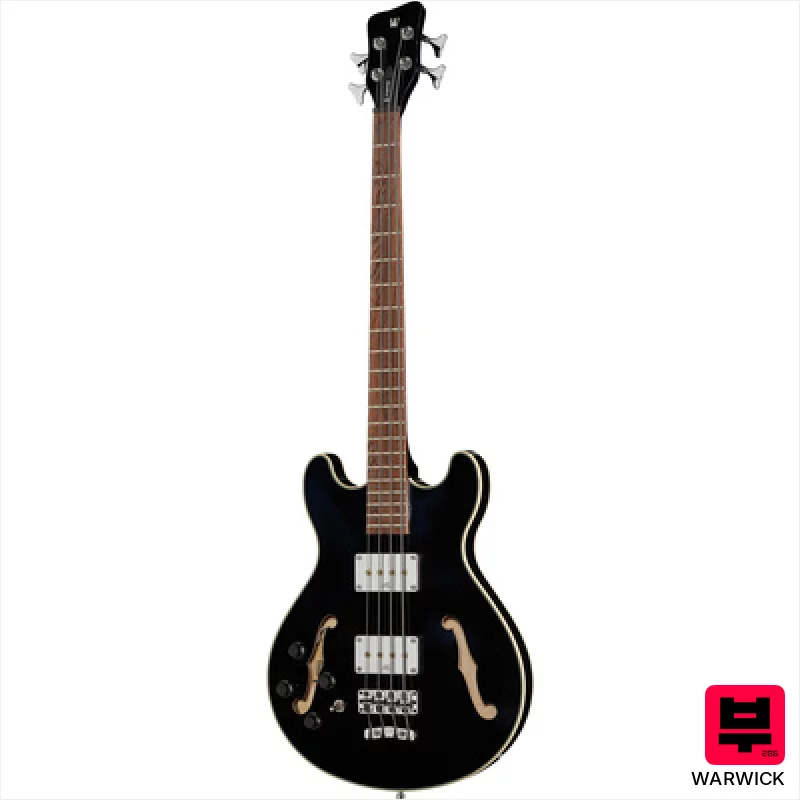
Warwick RB Star Bass 4 SBHP LH
- • Maple construction delivers a focused, articulate tone with excellent sustain.
- • MEC Vintage pickups offer a classic, warm growl suitable for many genres.
- • Medium scale (813mm) provides comfortable string tension and easy playability.
- • Warwick security locks prevent string slipping, enhancing tuning stability.
- • High-gloss finish can be a fingerprint magnet and require frequent polishing.
- • Wenge fingerboard can be prone to dryness; requires occasional oiling.
- • Limited pickup versatility compared to basses with active electronics or humbuckers.
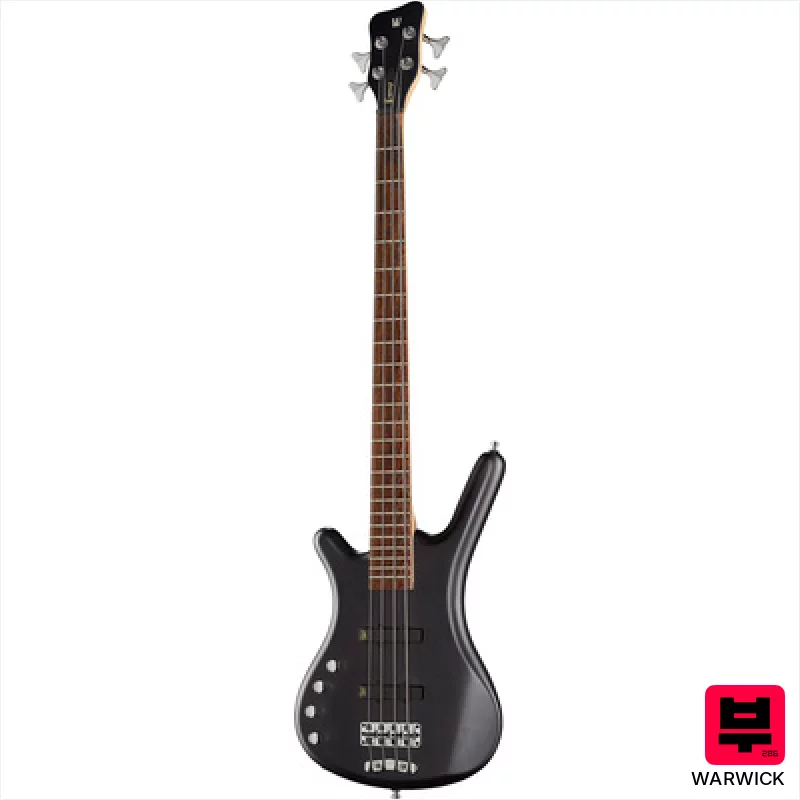
Warwick RB Corvette B 4 LH NBTS
- • Alder body provides a balanced, articulate tone with excellent sustain
- • Bolt-on maple neck offers a snappy, responsive feel and quick attack
- • Active MEC J/J pickups deliver a powerful, defined sound with clarity
- • Wenge fingerboard provides a smooth playing experience with a warm, dark tone
- • The weight (3.5 kg) can be tiring for extended playing sessions
- • Active electronics require a power source, adding potential maintenance
- • The Nirvana Black finish, while striking, can show fingerprints easily
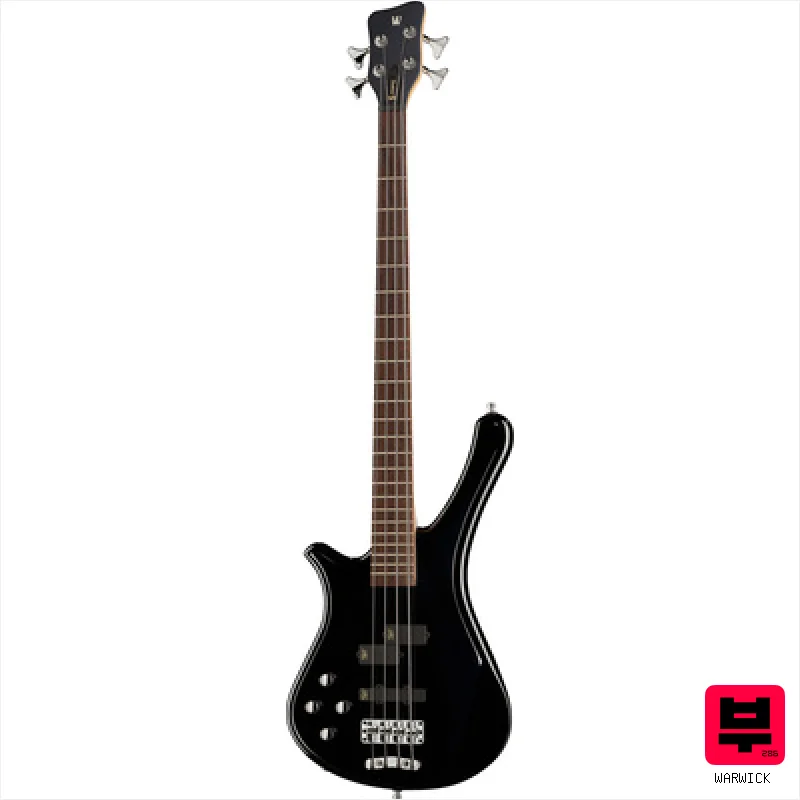
Warwick RB Fortress 4 SBHP LH
- • Solid ash body feels heavy and stable for big sound
- • Active pickups let you shape tone with built-in EQ
- • Left-handed model fits players who hold guitar the other way
- • High-polish black finish looks professional and sharp
- • Jumbo frets may feel too large for smaller hands
- • Ex-factory stringing means you must buy new strings first
- • Long scale length requires extra finger stretch
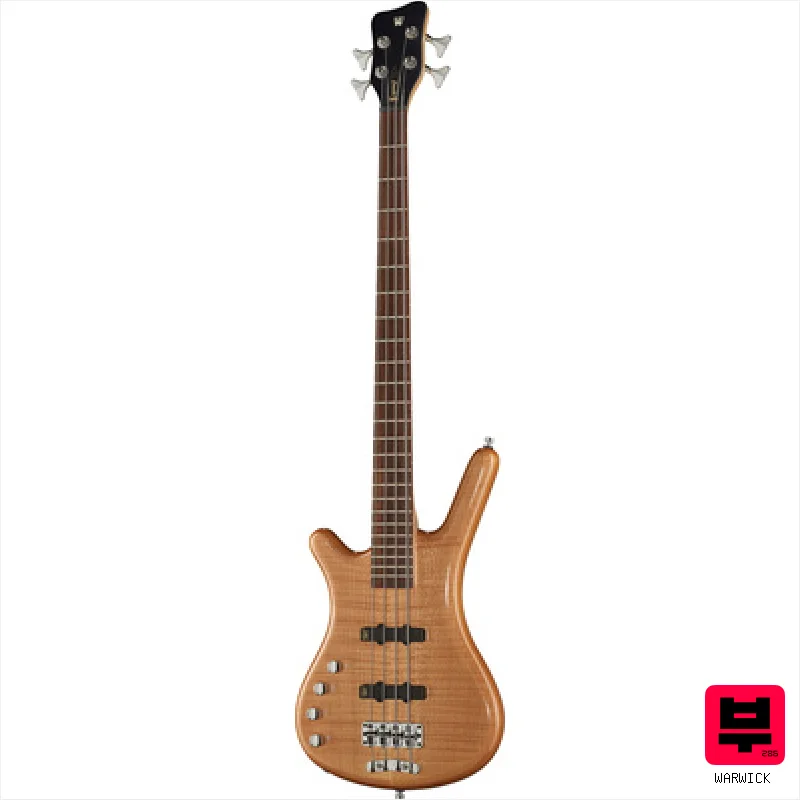
Warwick RB Corvette Premium 4 NTHP LH
- • Solid AAA flamed maple top looks beautiful and sturdy
- • Active pickups with independent bass and treble controls
- • Extra high jumbo frets make bending notes easier
- • Left-handed model built for players who read right
- • No passive pickup option for a simpler, warmer tone
- • Active electronics can sometimes require battery changes
- • Lack of specific output impedance specs in the text

Warwick Corvette RB 4 Med Scale BK LH
- • Alder body provides a balanced, resonant tone with a tight low-end.
- • Medium scale offers comfortable playability and a slightly looser feel than a full-scale.
- • MEC J/J pickups deliver a punchy, articulate sound suitable for diverse genres.
- • Bolt-on neck construction offers a bright, snappy attack and easy adjustability.
- • Active electronics require a power source, potentially limiting versatility.
- • High-gloss finish can be a fingerprint magnet and may feel less 'vintage'.
- • String spacing might feel narrow for players with larger hands.

Warwick GPS Corvette 4 Ash NT LH
- • Ash body delivers a bright, articulate tone with excellent sustain
- • MEC J pickups offer a focused, aggressive growl ideal for rock and funk
- • Ovangkol neck provides a smooth, fast playing experience with great feel
- • German craftsmanship ensures exceptional build quality and long-term reliability
- • The long scale (34 in) might feel unwieldy for players with shorter arms
- • Ash bodies can be somewhat resonant, potentially requiring careful amp EQing
- • The passive electronics limit tonal shaping options compared to active basses
4-String Lefthanded Basses by the numbers
Measured across all 102 models in this category, so «wide», «short» or «expensive» mean something you can check.
How to Choose the Best 4-String Lefthanded Basses
Wood Selection & Construction
Warwick's known for using woods like Flamber, Bubinga, and Roasted Maple. It's not just about sounding 'good'; it's about the density and resonance these woods bring - contributing to that signature Warwick low-end thump and sustain. Cheaper models might use less desirable woods, noticeably impacting the tone.
Neck Profile & Playability
Their necks often have a thinner profile than you might expect from a bass with this kind of weight, which is a plus for extended gigs. However, some players find the 'Slim' profile a little too thin - it's a matter of personal preference, but it's worth trying before you buy.
Electronics & Pickup Voicing
Warwick's custom-wound electronics, often paired with their own pickups, provide a unique tonal character. You get a growly, defined low-midrange-that fat midrange honk-that cuts through a mix without getting muddy. This isn't a bright, scooped sound; it's about powerful articulation.
Hardware & Build Quality
Warwick's hardware is generally top-notch. The bridge design, often a multi-piece construction, contributes to sustain and tuning stability. However, some older models had issues with the locking tuners - check for smooth operation and proper alignment.
Aesthetic & Finish
Let's be honest, Warwick basses look cool. Their finishes, from natural oils to striking stains, are well-executed. This isn't just about looks; a well-applied finish protects the wood and can subtly affect the tone.
Buying Guide
Warwick 4-strings for lefties command a premium, and for good reason. Don't be swayed by flashy colors; focus on the wood type and neck profile. Used models are your friend - you can often score a higher-end instrument for a more reasonable price. Watch out for cracks in the finish or issues with the locking tuners; those are red flags that can indicate abuse or poor storage.
How This List Is Built
We don't play these instruments — we're a catalog, not a review desk, and we'd rather say so than pretend otherwise. This page covers 7 of 102 4-string lefthanded basses from the Thomann catalogue, which is the largest single source of specification data in this category: 7 in detail, the rest listed with their specifications.
Position is computed, not curated. We parse the manufacturer's own description into actual values — nut width, scale, fret count, fingerboard radius, size, alloy — and rank on them: how many specifications a model has published, how many of them are measurable numbers, and how precisely it meets this page's criterion. A product image adds a little. Price is not a ranking signal: it tells you nothing about whether a neck fits your hand. The same inputs always produce the same order, so nothing here is shuffled to look fresh.
What this list is good for: narrowing a category down to a shortlist by spec and budget. What it isn't: a substitute for hearing an instrument. Before you buy, read hands-on reviews and, where you can, play it. Full methodology.

