
Best 4-String Lefthanded Basses Under $1,000 2026
Alright, so you're left-handed and on a budget for a 4-string bass? It's tougher than it used to be, finding something decent that isn't a total dog. But don't despair - there are still some solid options under $1000 that won't leave you feeling like you're compromising everything. We're gonna break down what to look for, what to expect, and a few basses that punch above their weight class.
Last updated: October 8, 2026
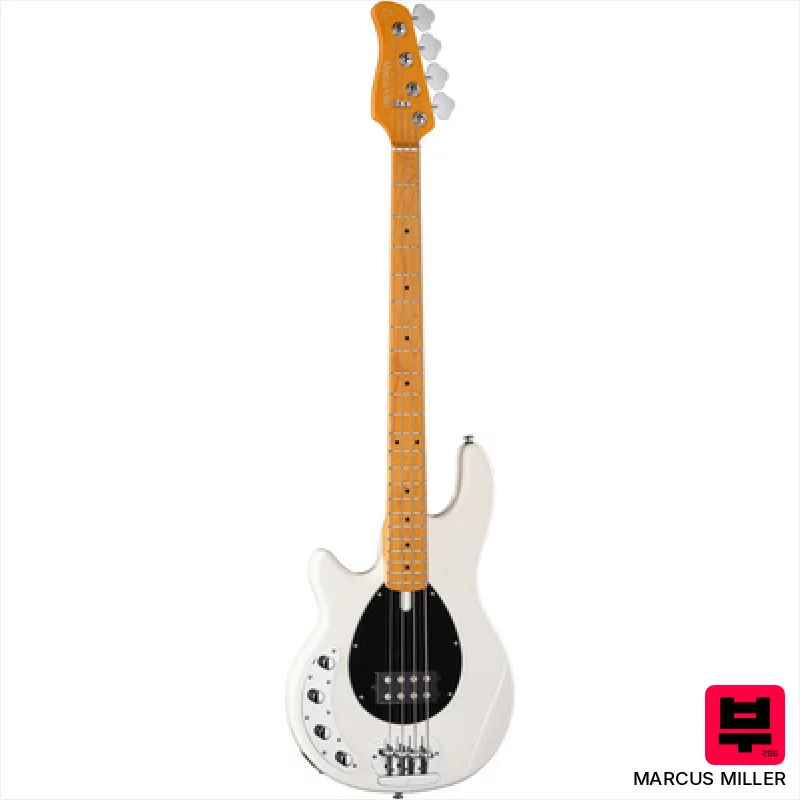
Marcus Miller Z3-4 Antique White LH
- • Mahogany body delivers warm, resonant low-end tones.
- • Sire Standard MM humbucker offers powerful, articulate output.
- • Marcus Heritage-3 preamp provides versatile tonal shaping options.
- • Edgeless fingerboard enhances playing comfort, especially for long sessions.
- • Open-gear tuners might not offer the absolute finest tuning stability.
- • Mahogany body can make it a bit heavier than some players prefer.
- • 34 in scale length isn't ideal for extended range playing.
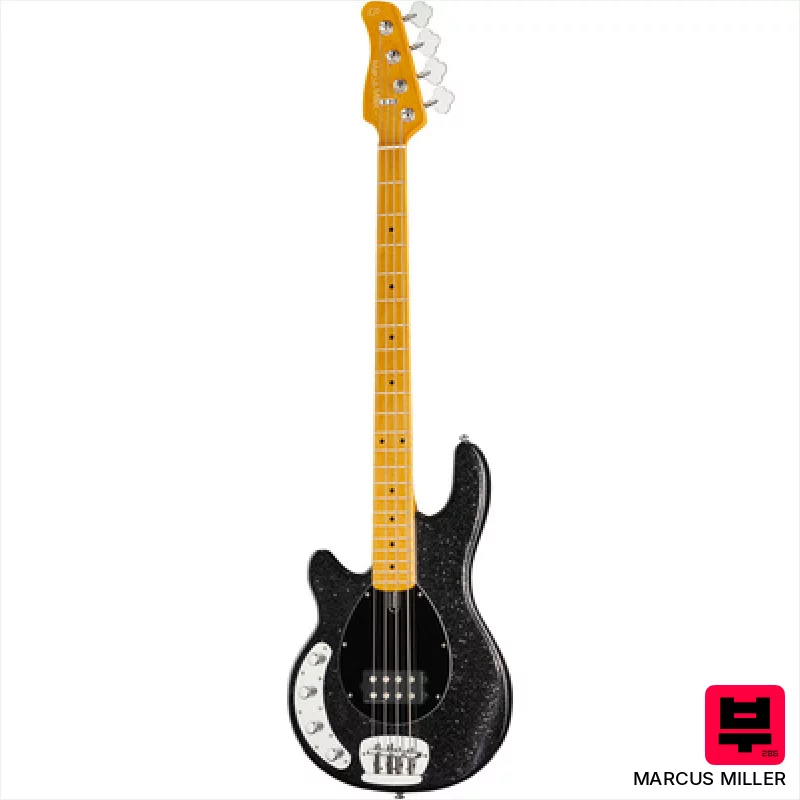
Marcus Miller Z3-4 Sparkle Black LH
- • Mahogany body delivers a warm, resonant low-end foundation.
- • Sire MM humbucker provides a punchy, aggressive tone suitable for many genres.
- • Marcus Heritage-3 preamp offers versatile EQ shaping capabilities.
- • Bolt-on maple neck provides a snappy, responsive feel.
- • Open-gear tuners might not offer the absolute finest tuning stability.
- • Sparkle Black finish can be a fingerprint magnet and prone to minor cosmetic imperfections.
- • While versatile, it leans towards modern funk and rock; vintage tones require more tweaking.
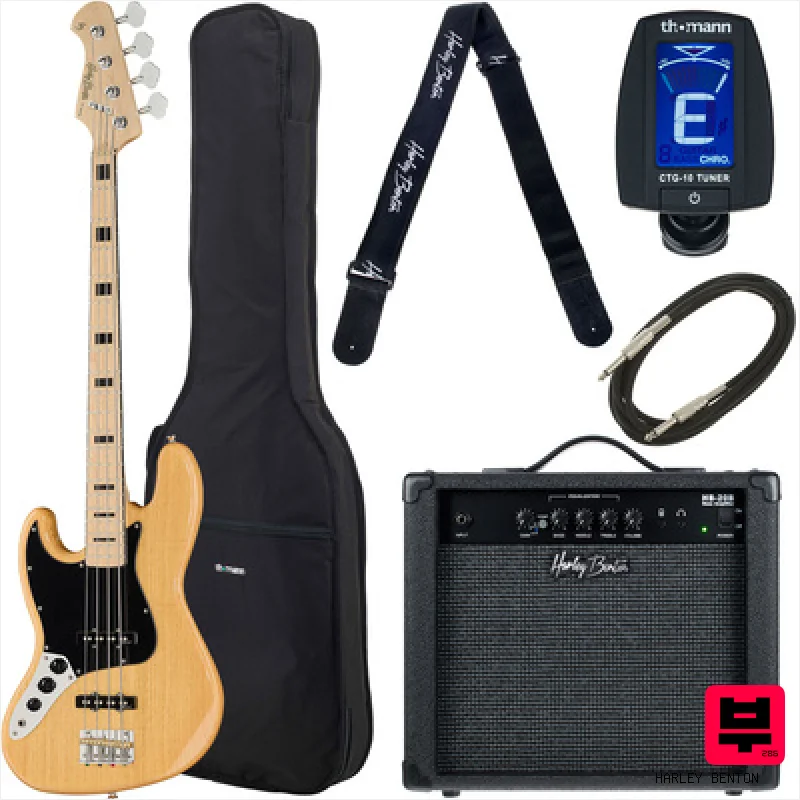
Harley Benton JB-75MN LH NA Vintage Bundle
- • Left-handed build for right-handed players
- • Vintage-style Alnico 5 single coil pickups
- • American ash body with hard rock maple neck
- • D-profile neck for comfortable playing
- • No weight specification listed in description
- • Single coil pickups prone to hum
- • Only two volume controls available
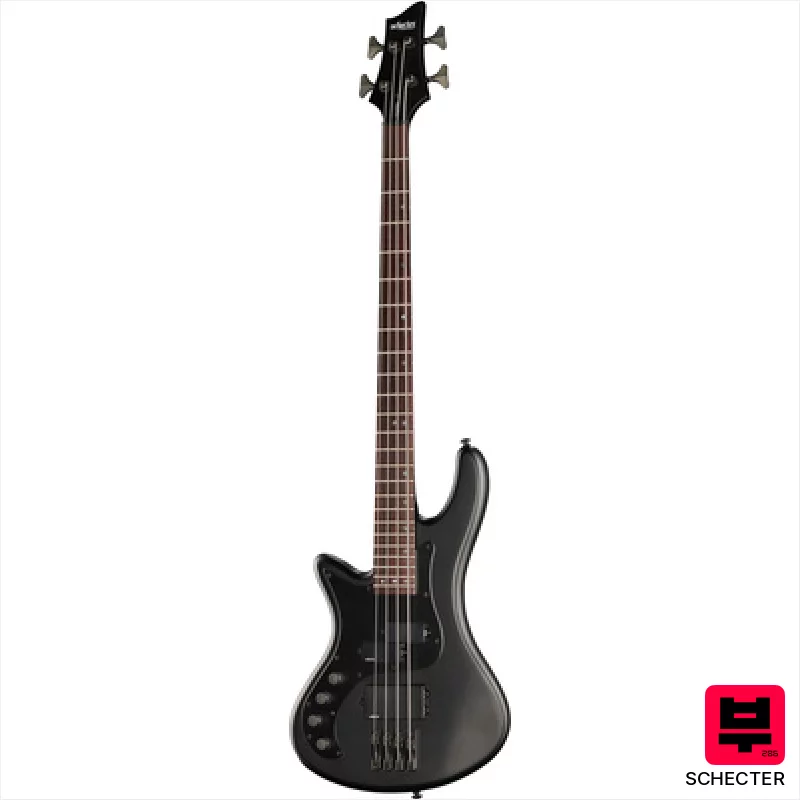
Schecter Stiletto Stealth-4 LH SB
- • Basswood body provides a balanced, resonant tone with good sustain
- • Thin C neck profile offers comfortable, fast playability for various hand sizes
- • EMG active EQ delivers a focused, punchy sound with enhanced clarity
- • S-Tek bridge enhances tuning stability and provides a solid foundation for aggressive playing
- • Basswood can lack some of the high-end articulation of more premium tonewoods
- • The bolt-on neck, while fast, lacks the inherent warmth of a set-neck design
- • The satin black finish, while stylish, can show fingerprints and grime easily
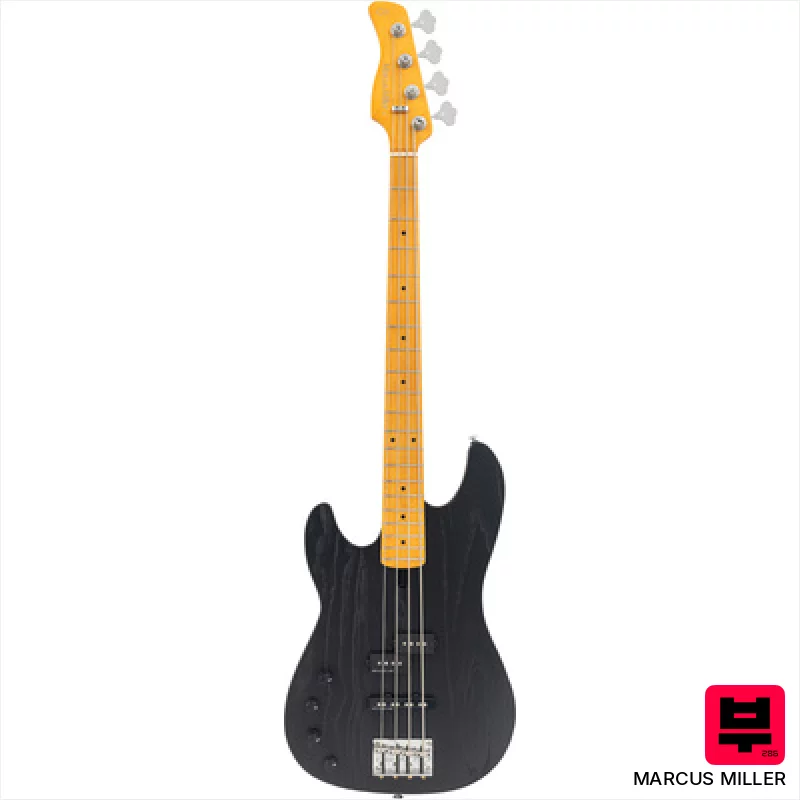
Marcus Miller P6-4 Sandblasted BK LH
- • Mahogany/Ash combo delivers warm, articulate low-end tones
- • Marcus Heritage-3 electronics offer versatile tonal shaping
- • Bolt-on maple neck provides comfortable, familiar feel and snap
- • Sandblasted finish looks fantastic and enhances the wood's character
- • Single volume/tone control can feel limiting for experienced players
- • Bass bridge, while solid, isn't as refined as higher-end options
- • The 'C' neck profile might not suit players preferring a flatter feel

Harley Benton PB-20LH SBK Bundle
- • Basswood body offers surprisingly resonant and balanced low-end response.
- • Bolt-on maple neck provides a snappy, articulate feel ideal for faster playing.
- • PB-style split coil pickup delivers a thick, vintage-inspired tone with good clarity.
- • HB-40B amp provides decent power and surprisingly usable tube emulation for practice.
- • Basswood, while resonant, lacks the sustain of mahogany or ash.
- • Amaranth fingerboard can feel a little harder than rosewood or ebony.
- • Budget hardware, particularly the machine heads, may feel a little rough.
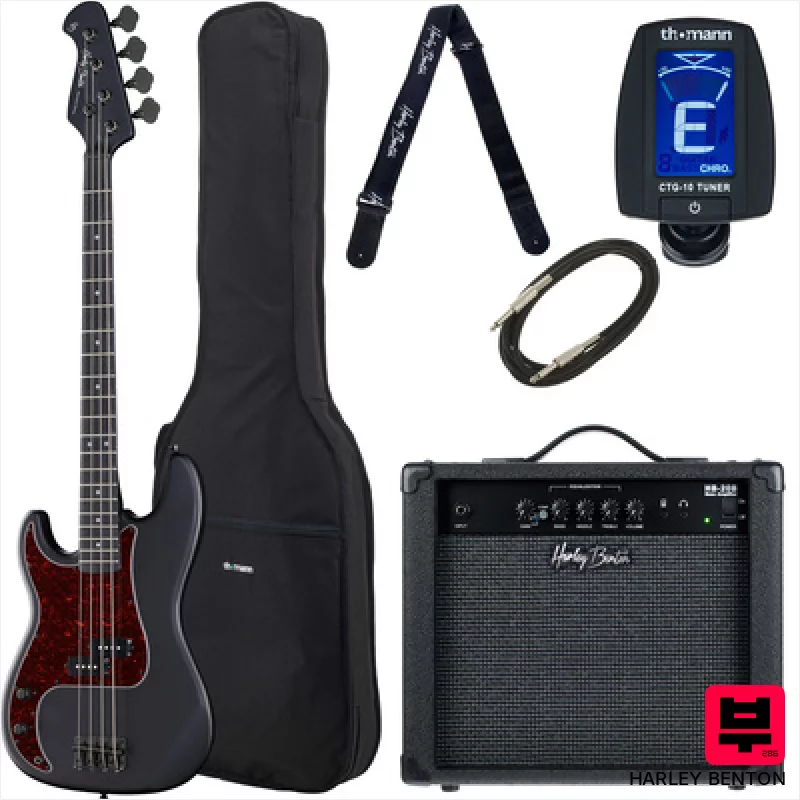
Harley Benton PB-20LH SBK Bundle
- • Basswood body delivers a warm, resonant low-end tone.
- • Bolt-on maple neck provides a snappy, responsive feel.
- • PB-style split coil pickup offers a surprisingly versatile sound.
- • HB-20B amp provides a decent starting point for practice.
- • Basswood can be a bit 'woody' and lack sustain compared to mahogany.
- • Bolt-on neck joint might not appeal to players preferring set necks.
- • The amp's TEC circuit is a gimmick – don't expect true tube warmth.
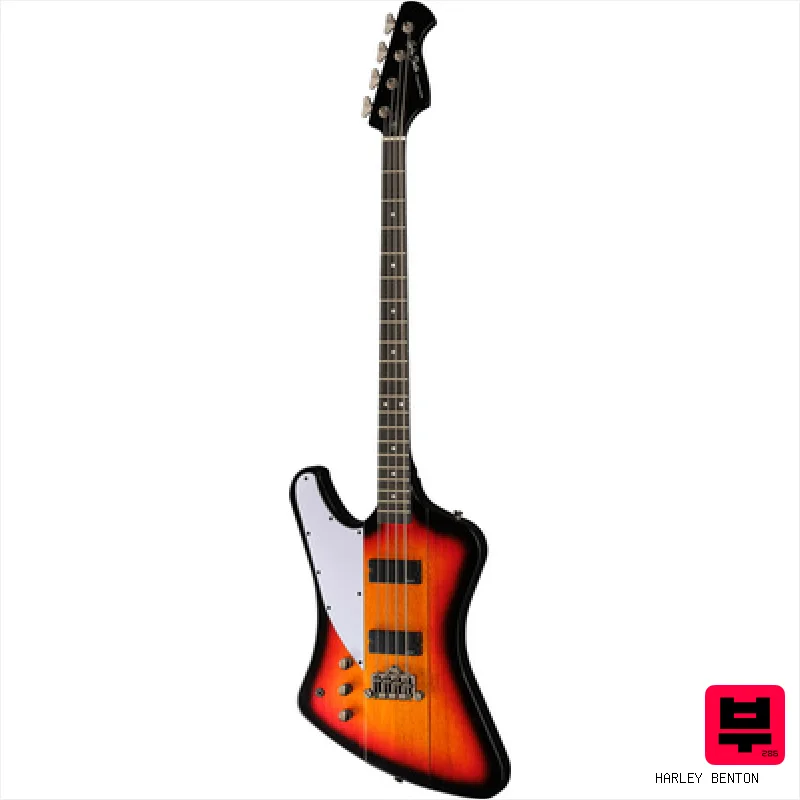
Harley Benton TB-70VS LH Deluxe Series
- • Left-handed build saves space for right-handed players in small rooms.
- • Mahogany set neck provides a solid, stable foundation for the neck.
- • Blackwood fingerboard offers a smooth feel under the fingers.
- • Active electronics give full control over bass tone and balance.
- • Okoume body material is less dense than maple or mahogany.
- • No gig bag is included with the instrument.
- • Weight is not listed so you cannot know the total mass.
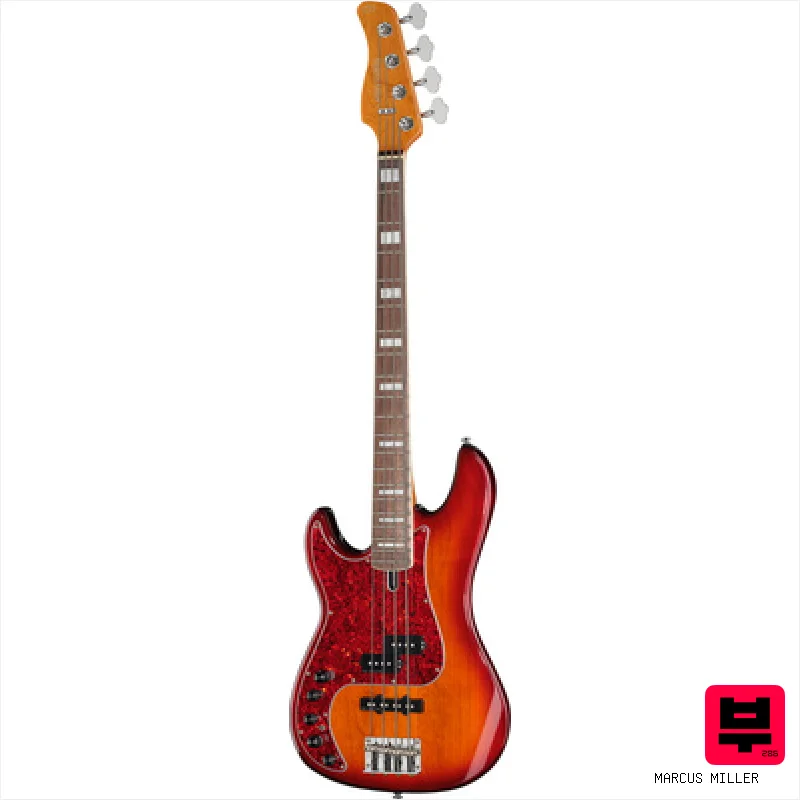
Marcus Miller P7 4 New Gen TS LH
- • Alder body offers solid resonance and durability.
- • Maple bolt-on neck ensures strong connection.
- • Super-J and Super-P Revolution pickups define sound.
- • Left-handed configuration perfect for lefty players.
- • No active EQ controls beyond bass toggle.
- • Weight not listed in provided description.
- • Limited to one bass mini toggle switch.
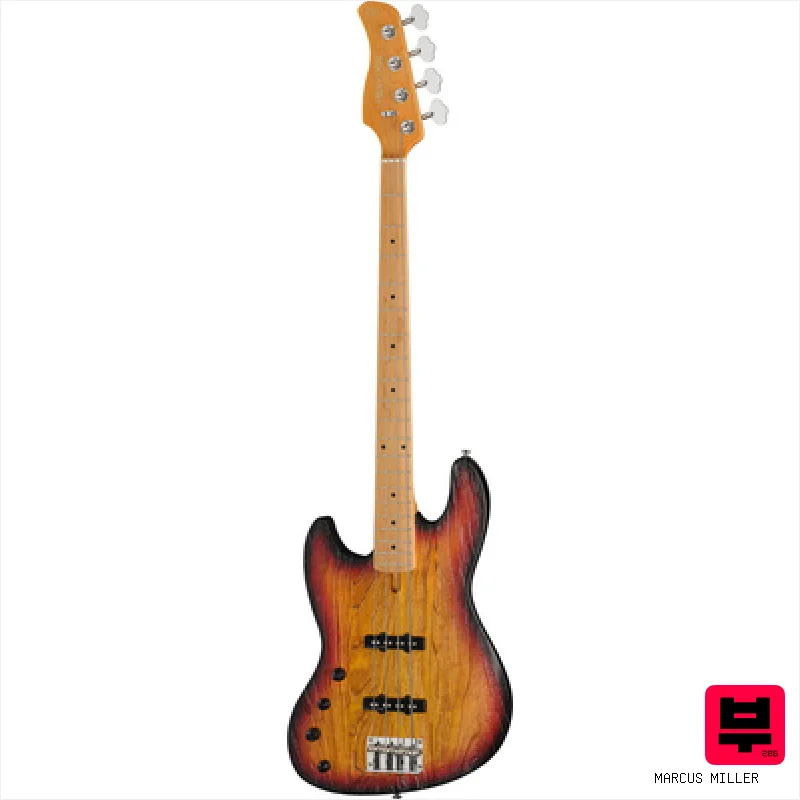
Marcus Miller V6-4 Sandblasted 3TS LH
- • Mahogany body with swamp ash top for warm, bright tone
- • Maple bolt-on neck offers strong connection and stability
- • Marcus Super-J Revolution pickups deliver focused single-coil clarity
- • Left-handed 3TS layout suits reverse-playing musicians perfectly
- • Only one volume and one tone control limits basic EQ
- • Four tone controls crowded into a single knob assembly
- • No string gauge options listed for custom setups
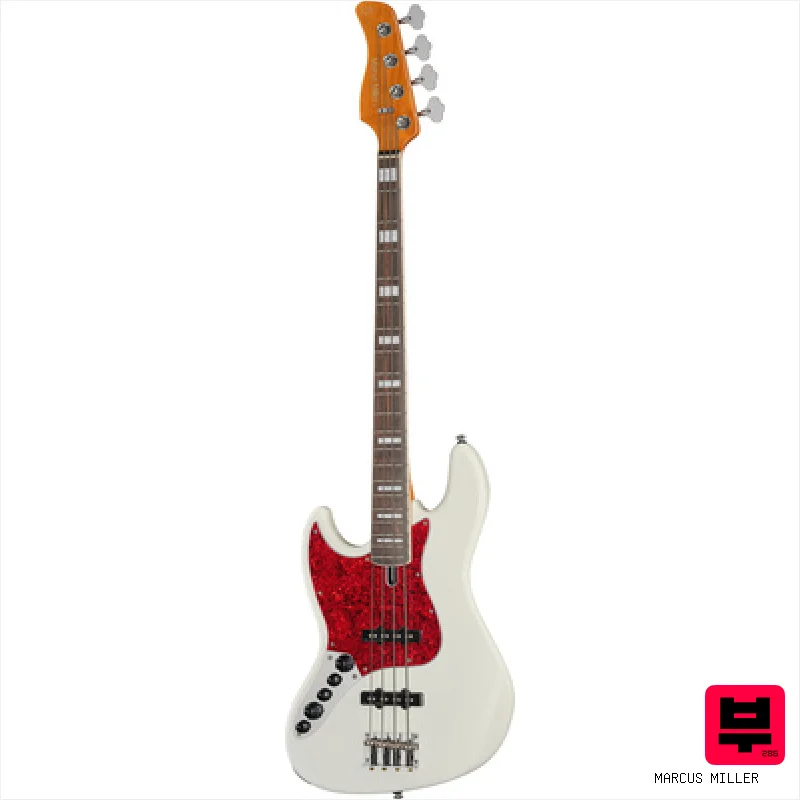
Marcus Miller V7 4 New Gen Antique White LH
- • Roasted maple neck stays stable in humidity changes.
- • Marcus Heritage-3 preamp offers active and passive switching.
- • 20 stainless steel frets provide a smooth playing feel.
- • Tortoise pickguard adds classic vintage aesthetic appeal.
- • Single coil pickups may need shielding in noisy areas.
- • No specified weight makes carrying comfort uncertain.
- • Lefthanded configuration limits resale value compared to right-handed models.
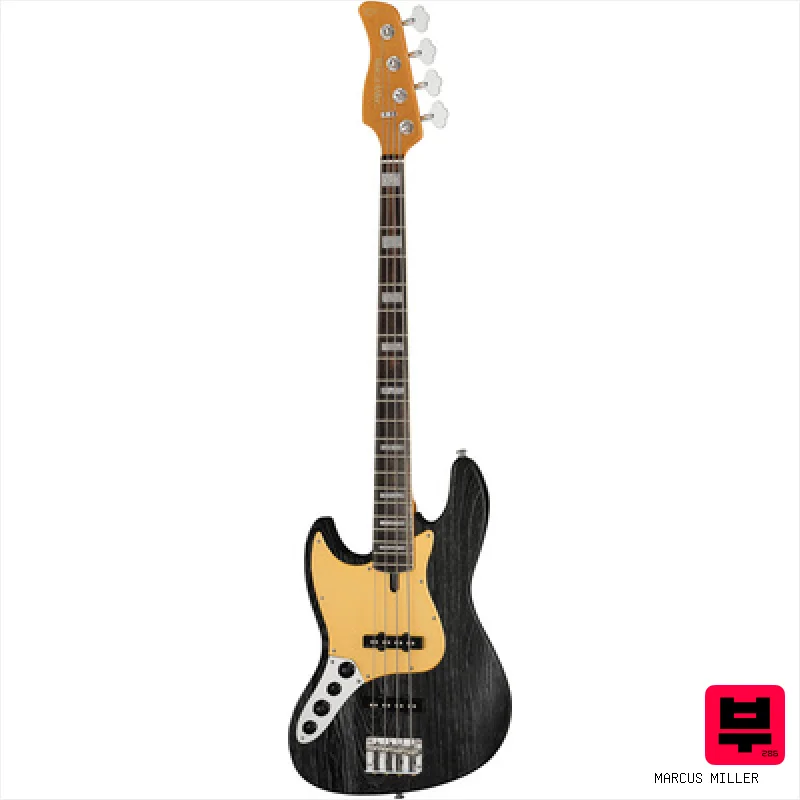
Marcus Miller V7-4 Sandblasted BK TE LH
- • Mahogany body pairs with swamp ash top for solid resonance.
- • Maple bolt-on neck ensures strong connection and stability.
- • Marcus Super-J Revolution pickups deliver crisp, clean single-coil tone.
- • Left-handed design offers immediate comfort for lefty players.
- • Only two tone controls limit basic EQ adjustments.
- • Push/pull bass switch adds complexity for simple setups.
- • Black finish may show fingerprints easily on the body.
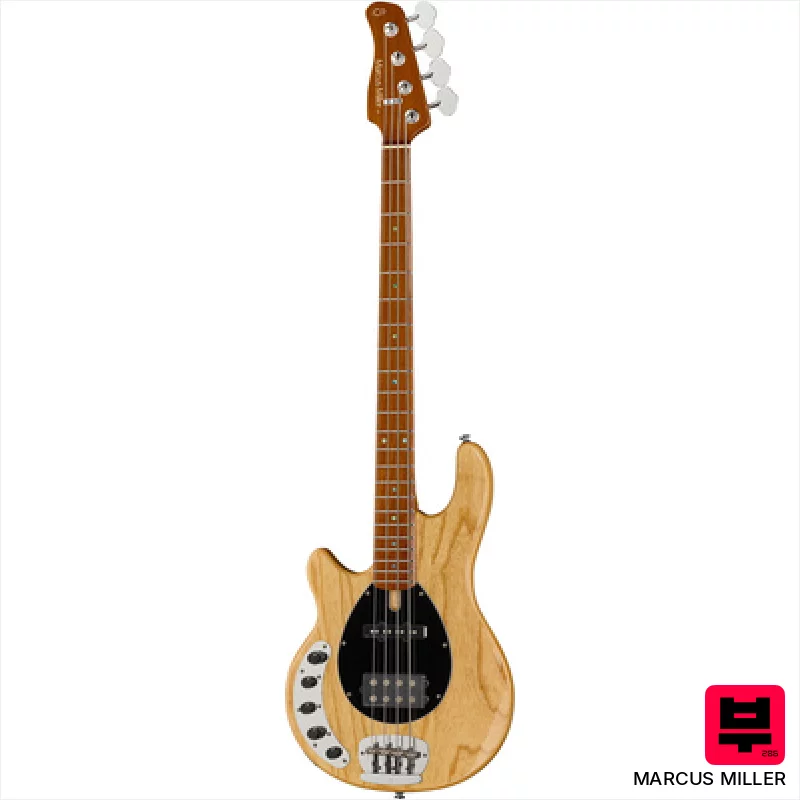
Marcus Miller Z7-4 Natural Swamp Ash LH
- • Swamp ash body delivers resonant, articulate low-end tones.
- • Roasted maple neck provides exceptional stability and smooth playability.
- • Sire pickups offer a versatile range from growl to clarity.
- • Marcus Heritage-3 preamp provides extensive tonal shaping options.
- • Swamp ash can make it slightly heavier than some other bass body woods.
- • The 'Blender' control can be tricky to dial in consistently.
- • Neck profile, while comfortable, might not suit all hand sizes.
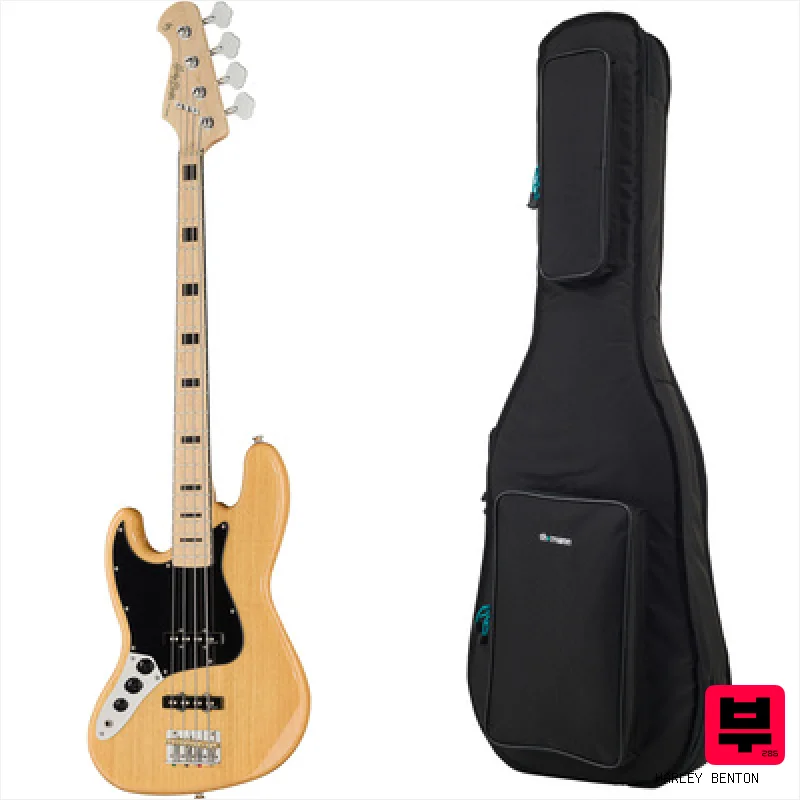
Harley Benton JB-75MN LH NA Vint Ser. w/Bag
- • Left-handed design plays naturally for lefties
- • Vintage series body uses American ash wood
- • Canadian hard rock maple neck offers solid feel
- • Alnico 5 pickups deliver warm vintage tone
- • Weight not listed makes carry less clear
- • Single coil pickups may need active EQ
- • No active electronics mentioned in specs
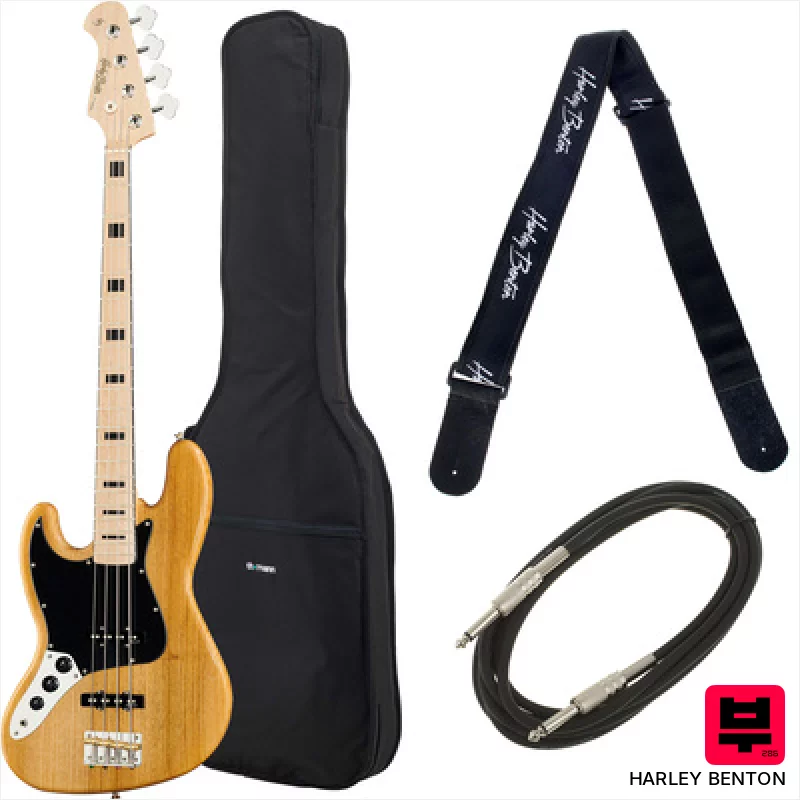
Harley Benton JB-75MN LH NA Vint Ser. Bundle
- • American ash body provides resonant, balanced tonal foundation
- • Roswell pickups deliver surprisingly articulate and punchy vintage tones
- • Canadian maple neck offers comfortable D profile and stable feel
- • Bolt-on neck construction contributes to a snappy, responsive playing experience
- • Bolt-on neck might lack the sustain of a set-neck design
- • Sung Il hardware, while functional, isn’t premium-grade
- • Ash body can be prone to finish checking with age and temperature changes
Every 4-string lefthanded basses that matches
63 models match this page. The 15 above are covered in detail; the rest are listed here with their published specifications.
| # | Model | Specifications | Price |
|---|---|---|---|
| 16 | Harley Benton JB-75MN LH NA Vintage Series | Nut width 38 mm (1.5") · Scale 864 mm (34.02") · Fingerboard radius 305 mm (12.01") · Neck profile D-shape neck · Body Ash body · Fingerboard Maple fingerboard | $200 |
| 17 | Harley Benton PB-50 LH FR Vintage Ser Bundle | Nut width 42 mm (1.65") · Scale 864 mm (34.02") · Frets 20 frets · Neck profile C-shape neck · Body Poplar body · Fingerboard Maple fingerboard | $144 |
| 18 | Harley Benton PB-50 LH FR Vintage Series | Nut width 42 mm (1.65") · Scale 864 mm (34.02") · Frets 20 frets · Neck profile C-shape neck · Body Poplar body · Fingerboard Maple fingerboard | $133 |
| 19 | Marcus Miller V3 5 New Gen TS LH | Nut width 46 mm (1.81") · Scale 864 mm (34.02") · Fingerboard radius 241 mm (9.49") · Strings 5-string · Body Mahogany body | $670 |
| 20 | Harley Benton RB-414LH BK Classic Series | Nut width 42 mm (1.65") · Scale 864 mm (34.02") · Frets 22 frets · Fingerboard radius 350 mm (13.78") · Body Okoume body | $256 |
| 21 | Ibanez EHB600L-WNF | Nut width 41 mm (1.61") · Scale 864 mm (34.02") · Fingerboard radius 500 mm (19.69") · Body Okoume body · Fingerboard Jatoba fingerboard | $949 |
| 22 | Marcus Miller V7 4 New Gen TS LH | Nut width 38 mm (1.5") · Scale 864 mm (34.02") · Fingerboard radius 241 mm (9.49") · Body Alder body · Fingerboard Ebony fingerboard | $770 |
| 23 | Marcus Miller Z7-4 Skyburst Sparkle LH | Nut width 42 mm (1.65") · Scale 864 mm (34.02") · Fingerboard radius 305 mm (12.01") · Body Alder body · Fingerboard Maple fingerboard | $714 |
| 24 | Marcus Miller V7 Alder-4 BK Sp. 2nd Gen LH | Nut width 38 mm (1.5") · Scale 864 mm (34.02") · Fingerboard radius 241 mm (9.49") · Body Alder body · Fingerboard Maple fingerboard | $647 |
| 25 | Marcus Miller V6-4 Sandblasted BK LH | Scale 864 mm (34.02") · Frets 20 frets · Fingerboard radius 241 mm (9.49") · Body Mahogany body · Fingerboard Rosewood fingerboard | $558 |
| 26 | Harley Benton Beatbass VS LH Vintage Series | Nut width 42 mm (1.65") · Scale 775 mm (30.51") · Frets 22 frets · Neck profile C-shape neck · Fingerboard Rosewood fingerboard | $234 |
| 27 | Harley Benton PB-20LH SBK w/Bag | Nut width 42 mm (1.65") · Scale 864 mm (34.02") · Frets 20 frets · Body Basswood body · Fingerboard Laurel fingerboard | $162 |
| 28 | Harley Benton PB-20LH SBK Bundle | Nut width 42 mm (1.65") · Scale 864 mm (34.02") · Frets 20 frets · Body Basswood body · Fingerboard Laurel fingerboard | $155 |
| 29 | Harley Benton PB-20LH SBK | Nut width 42 mm (1.65") · Scale 864 mm (34.02") · Frets 20 frets · Body Basswood body · Fingerboard Laurel fingerboard | $144 |
| 30 | Harley Benton PB-20BK LH Standard Series | Nut width 42 mm (1.65") · Scale 864 mm (34.02") · Frets 20 frets · Body Poplar body · Fingerboard Laurel fingerboard | $122 |
| 31 | Harley Benton JB-20 SB LH | Nut width 38 mm (1.5") · Scale 864 mm (34.02") · Frets 20 frets · Body Poplar body · Fingerboard Laurel fingerboard | $122 |
| 32 | Marcus Miller V8-4 NT LH | Nut width 38 mm (1.5") · Scale 864 mm (34.02") · Neck profile C-shape neck · Body Ash body · Fingerboard Maple fingerboard | $893 |
| 33 | Marcus Miller V5 24-4 NT LH | Nut width 38 mm (1.5") · Scale 864 mm (34.02") · Neck profile C-shape neck · Body Alder body · Fingerboard Maple fingerboard | $591 |
| 34 | Marcus Miller P5R Alder-4 NT LH | Nut width 42 mm (1.65") · Fingerboard radius 241 mm (9.49") · Neck profile C-shape neck · Body Alder body · Fingerboard Rosewood fingerboard | $535 |
| 35 | Harley Benton JB-62 LH CC SFG Bundle | Nut width 38 mm (1.5") · Scale 864 mm (34.02") · Neck profile D-shape neck · Body Poplar body · Fingerboard Laurel fingerboard | $211 |
| 36 | Harley Benton JB-62 LH CC SFG | Nut width 38 mm (1.5") · Scale 864 mm (34.02") · Neck profile D-shape neck · Body Poplar body · Fingerboard Laurel fingerboard | $189 |
| 37 | Harley Benton PB-62CC LH Black | Nut width 43 mm (1.69") · Scale 864 mm (34.02") · Neck profile D-shape neck · Body Basswood body · Fingerboard Laurel fingerboard | $173 |
| 38 | Warwick RB Corvette B 4 LH NBTS | Nut width 38.5 mm (1.52") · Frets 24 frets · Fingerboard radius 508 mm (20") · Weight 3.5 kg | $837 |
| 39 | Warwick RB Fortress 4 SBHP LH | Nut width 38.5 mm (1.52") · Scale 864 mm (34.02") · Body Ash body · Weight 4.2 kg | $837 |
| 40 | Marcus Miller V3 4 New Gen Antique White LH | Nut width 38 mm (1.5") · Scale 864 mm (34.02") · Fingerboard radius 241 mm (9.49") · Body Mahogany body | $614 |
| 41 | Sterling by Music Man S.U.B. Sting Ray4 CH Blue LH | Nut width 38 mm (1.5") · Scale 864 mm (34.02") · Fingerboard radius 240 mm (9.45") · Fingerboard Maple fingerboard | $524 |
| 42 | Harley Benton B-450LH BK Progressive Series | Nut width 42 mm (1.65") · Scale 864 mm (34.02") · Frets 24 frets · Body Alder body | $200 |
| 43 | Harley Benton MB-4LH SBK w/Bag | Nut width 42 mm (1.65") · Scale 864 mm (34.02") · Frets 21 frets · Neck profile D-shape neck | $162 |
| 44 | Harley Benton MB-4LH SBK | Nut width 42 mm (1.65") · Scale 864 mm (34.02") · Frets 21 frets · Neck profile D-shape neck | $144 |
| 45 | Harley Benton PB-50 LH SB Vintage Series | Nut width 42 mm (1.65") · Scale 864 mm (34.02") · Frets 20 frets · Neck profile C-shape neck | $133 |
| 46 | Harley Benton PB-Shorty LH BK Std. Series | Nut width 42 mm (1.65") · Scale 762 mm (30") · Frets 19 frets · Body Poplar body | $111 |
| 47 | Höfner HCT-500/1L-SB Violin Bass CTLH | Nut width 42 mm (1.65") · Frets 22 frets · Body Maple body · Fingerboard Jatoba fingerboard | $893 |
| 48 | Ibanez SR500AL-MHL | Scale 864 mm (34.02") · Fingerboard radius 305 mm (12.01") · Body Okoume body · Fingerboard Rosewood fingerboard | $770 |
| 49 | Marcus Miller P5 Alder-4 TS LH | Nut width 42 mm (1.65") · Fingerboard radius 241 mm (9.49") · Neck profile C-shape neck · Fingerboard Maple fingerboard | $591 |
| 50 | Marcus Miller P5 Alder-4 MLG LH | Nut width 42 mm (1.65") · Fingerboard radius 241 mm (9.49") · Neck profile C-shape neck · Body Alder body | $558 |
| 51 | Ibanez SR300EBL-WK | Nut width 38 mm (1.5") · Scale 864 mm (34.02") · Body Mahogany body · Fingerboard Jatoba fingerboard | $435 |
| 52 | Ortega Neo Series Solid U-Bass TGB LH | Nut width 45 mm (1.77") · Scale 512 mm (20.16") · Body Okoume body · Fingerboard Purpleheart fingerboard | $334 |
| 53 | Marcus Miller M6 Headless 4 MS LH | Fingerboard radius 406 mm (15.98") · Neck profile C-shape neck · Body Mahogany body · Fingerboard Rosewood fingerboard | $893 |
| 54 | Marcus Miller V5 Alder-4 CGM LH | Nut width 38 mm (1.5") · Neck profile C-shape neck · Body Alder body · Fingerboard Maple fingerboard | $513 |
| 55 | Warwick Corvette RB 4 Med Scale BK LH | Nut width 38.5 mm (1.52") · Fingerboard radius 508 mm (20") · Weight 3.5 kg | $759 |
| 56 | Höfner Ignition Beatles Bass V Bundle | Nut width 39.8 mm (1.57") · Frets 22 frets · Weight 4.5 kg | $547 |
| 57 | Steinberger Guitars Spirit XT-2 Bass BK Lefthand | Scale 866 mm (34.09") · Frets 24 frets · Body Basswood body | $513 |
| 58 | Ibanez GSRM20L-BK | Scale 726 mm (28.58") · Frets 22 frets · Body Poplar body | $269 |
| 59 | Danelectro 59DC Long Scale Bass LH B | Scale 864 mm (34.02") · Frets 21 frets | $781 |
| 60 | Danelectro 58 Longhorn Lefthand Bass CB | Scale 755 mm (29.72") · Frets 24 frets | $737 |
| 61 | Marcus Miller U5 TS MN Short LH | Nut width 38 mm (1.5") · Scale 762 mm (30") | $558 |
| 62 | Höfner Ignition VSB LH SE | Nut width 39.8 mm (1.57") · Frets 22 frets | $446 |
| 63 | Ibanez TMB100L-BK Talman Bass | Scale 864 mm (34.02") · Body Poplar body | $333 |
4-String Lefthanded Basses by the numbers
Measured across all 63 models in this category, so «wide», «short» or «expensive» mean something you can check.
How to Choose the Best 4-String Lefthanded Basses
Neck Profile
This is huge. A comfortable neck is essential for long gigs or hours in the practice room. Look for something that fits your hand - C, D, or U profiles are common, but try before you buy if possible.
Pickup Voicing
Budget basses often skimp here. Expect a general 'bass' tone, but listen for clarity and articulation. Some will have a muddy low-end, others a harsh upper-midrange - finding something balanced is key to versatility.
Hardware Quality
Tuners and the bridge are your first points of failure. Cheap tuners will drift constantly, making gigs a nightmare. A flimsy bridge will buzz and kill sustain. Solid hardware is worth prioritizing.
Body Wood & Construction
Don't expect mahogany or ash. You're more likely to find basswood or nato, which are lighter and cheaper. Bolt-on necks are common at this price point - they're fine, but a set-neck (though rarer) offers better sustain.
Overall Build Quality
Check for sharp fret ends, sloppy paint jobs, and uneven gaps. These aren't necessarily deal-breakers, but they're indicators of attention to detail (or lack thereof) that can impact playability and longevity.
Buying Guide
Real talk: at this price point, you're making compromises. Don't expect boutique-level build quality or boutique-level tone. Focus on a comfortable neck, decent pickups that don't sound brittle, and reliable hardware. A good setup from a tech can make a massive difference in how a bass plays and sounds, so budget for that. And seriously, check those tuners - replacing them is cheaper than a gig cut short.
How This List Is Built
We don't play these instruments — we're a catalog, not a review desk, and we'd rather say so than pretend otherwise. This page covers 63 4-string lefthanded basses from the Thomann catalogue, which is the largest single source of specification data in this category: 15 in detail, the rest listed with their specifications.
Position is computed, not curated. We parse the manufacturer's own description into actual values — nut width, scale, fret count, fingerboard radius, size, alloy — and rank on them: how many specifications a model has published, how many of them are measurable numbers, and how precisely it meets this page's criterion. A product image adds a little. Price is not a ranking signal: it tells you nothing about whether a neck fits your hand. The same inputs always produce the same order, so nothing here is shuffled to look fresh.
What this list is good for: narrowing a category down to a shortlist by spec and budget. What it isn't: a substitute for hearing an instrument. Before you buy, read hands-on reviews and, where you can, play it. Full methodology.

