
Best 4-String J-Basses for Jazz 2026
So, you're looking for a J-Bass to nail those walking basslines and subtle comping parts in your jazz trio? It's a common choice, but not all J-Basses are created equal. A bright, aggressive J-Bass meant for rock just won't cut it - you need something with a warmer, more nuanced voice that can articulate those complex harmonies without getting muddy. Let's find the right axe for your style.
Last updated: July 8, 2026 • Next update: July 15, 2026
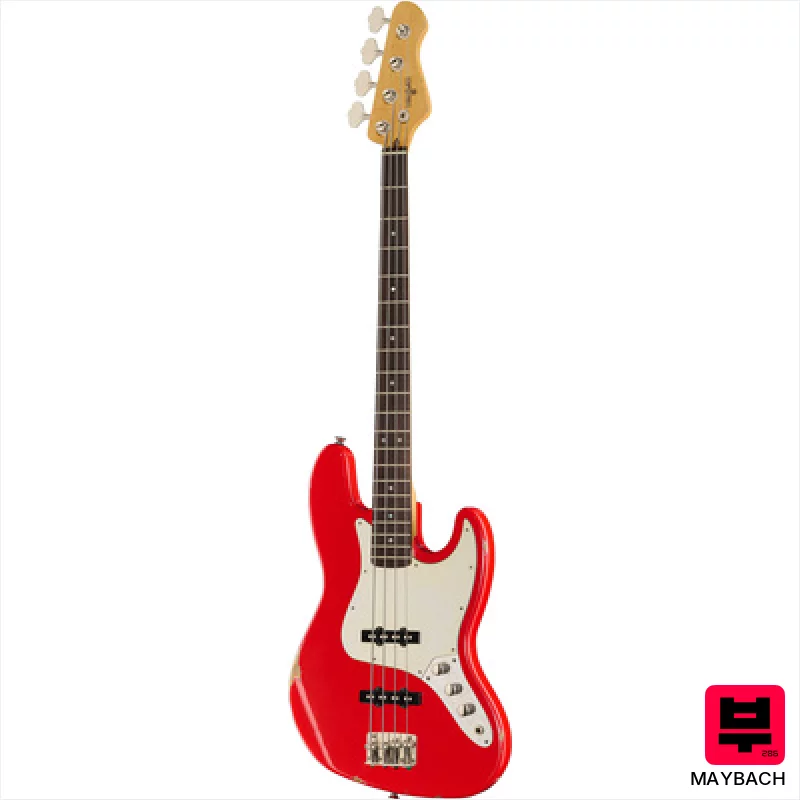
Maybach Motone J Candy Apple Red Metal
- • Moon spruce body offers a surprisingly resonant and warm tonal foundation.
- • Amber Waterfall pickups deliver a vintage-voiced, punchy, and articulate low-end.
- • Gotoh hardware ensures reliable tuning stability and smooth operation.
- • Aged nitrocellulose finish provides a classic look and enhances resonance.
- • The 864mm scale might feel slightly long for players accustomed to shorter scales.
- • Rosewood fingerboard, while nice, may not appeal to players preferring maple or ebony.
- • The aged finish, while aesthetically pleasing, could be prone to minor cosmetic imperfections.
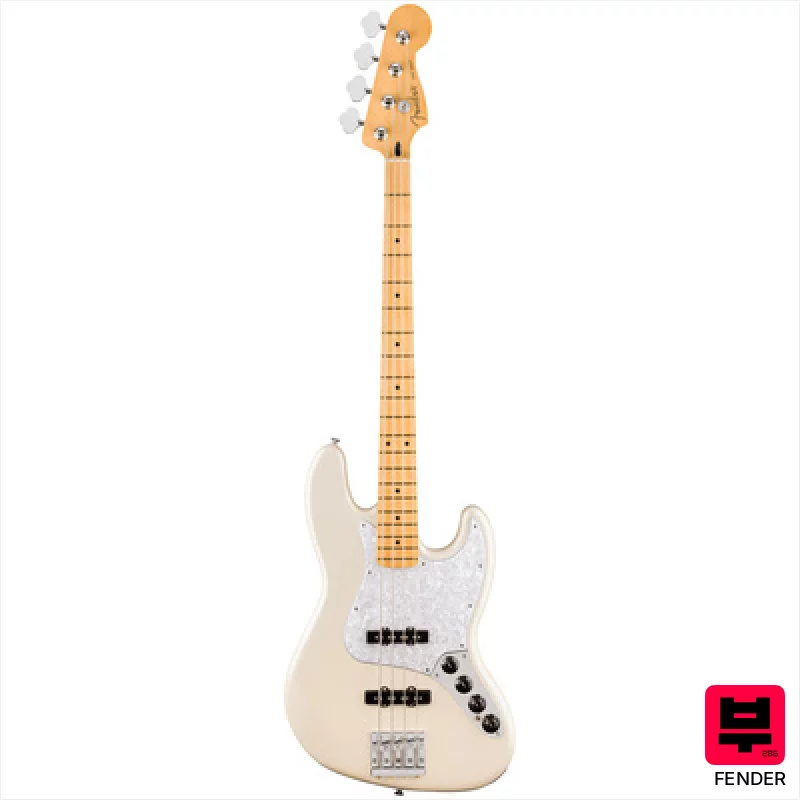
Fender Player II Mod J Bass MN OLP
- • Alder body provides a balanced, resonant tone with good sustain.
- • Player II Noiseless pickups deliver classic J Bass tone with reduced hum.
- • Modern 'C' neck profile offers a comfortable and familiar playing feel.
- • HiMass bridge enhances clarity and reduces unwanted vibrations.
- • Maple fretboard can feel a little 'slick' for some players; consider a rayon treatment.
- • Olympic Pearl finish, while striking, shows fingerprints easily.
- • While versatile, the tonal palette leans toward classic J Bass sounds; less suited for extreme genres.

FGN Expert Mighty Jazz Bass VN
- • Ash/Alder body combo delivers a balanced, articulate tone.
- • Maple neck with CFS frets offers exceptional playability and intonation.
- • FGN MJ-2 pickups provide a focused, vintage-inspired single-coil sound.
- • Active EQ with mid trimmer allows for precise tonal shaping.
- • Bolt-on neck construction might not appeal to those preferring set-neck feel.
- • Vintage Natural finish can be prone to fingerprints and blemishes.
- • The 'U' neck profile may not suit players preferring a slimmer, modern feel.
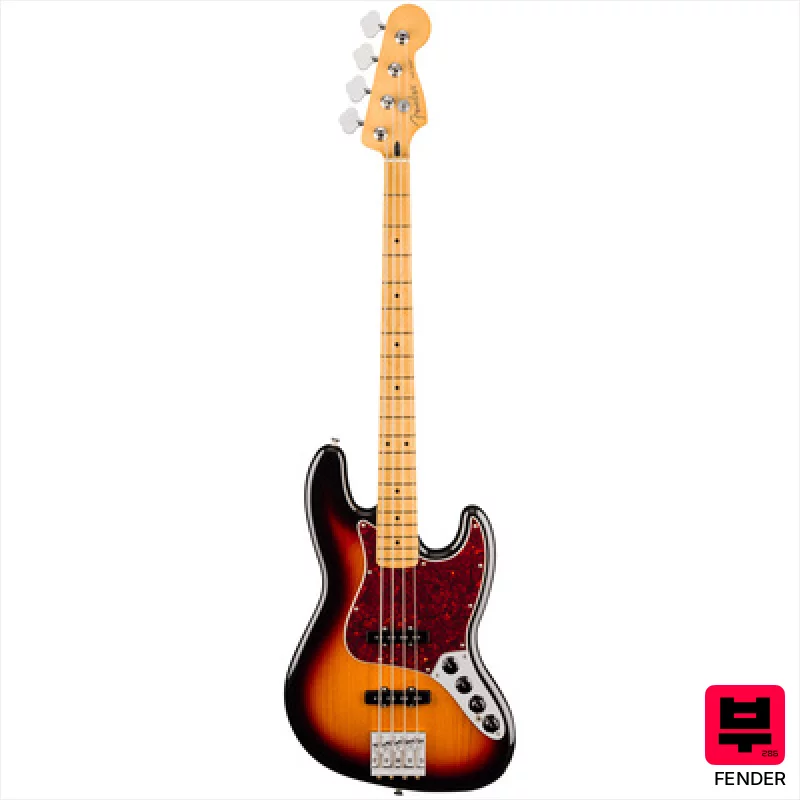
Fender Player II Mod J Bass MN 3TS
- • Alder body delivers a balanced, resonant tone with excellent sustain.
- • Player II Noiseless pickups offer clean, powerful sound with minimal hum.
- • Modern 'C' neck profile and 0.5" radius enhance playability and comfort.
- • HiMass bridge improves sustain and reduces unwanted vibrations for clarity.
- • Maple fretboard can feel a little slick for some players; consider rounding.
- • 34" scale might be a stretch for bassists with shorter arms or smaller hands.
- • Active/passive switching, while versatile, introduces a slight tonal shift.
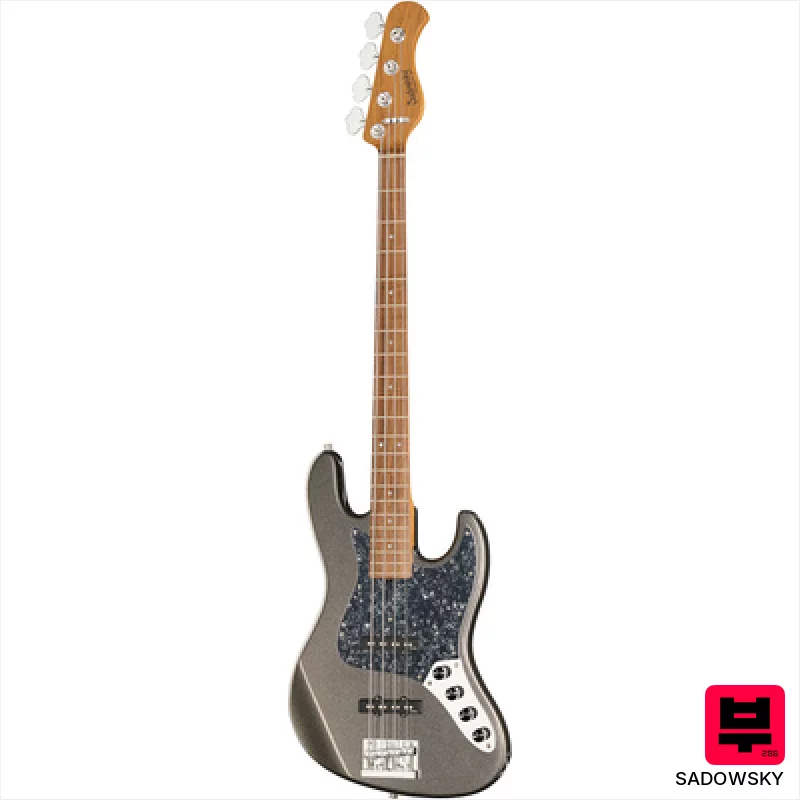
Sadowsky MetroExp21 Vint JJ4 Morado SIL
- • Okoume body offers a resonant, balanced tonal foundation.
- • Roasted maple neck provides exceptional stability and smooth playability.
- • Sadowsky JJ4 pickups deliver articulate, vintage-voiced tones.
- • Quick Access Compartment simplifies string changes and maintenance.
- • Morado fingerboard can be prone to dryness requiring regular conditioning.
- • Bolt-on neck construction might not appeal to players seeking a more integrated feel.
- • Active electronics add complexity; preamp bypass is essential to understand.

Squier CV 60s J Bass LRL TSPG TCO
- • Tahitian Coral finish is stunning, a real vintage vibe.
- • Fender-designed Alnico pickups deliver a surprisingly articulate, punchy tone.
- • Maple neck with a comfortable 'C' shape offers excellent playability.
- • Indian Laurel fingerboard provides a smooth, responsive playing surface.
- • Poplar body can feel a bit plain compared to more premium woods.
- • The bolt-on neck, while stable, lacks the resonance of a set neck.
- • Limited pickup switching options restrict tonal versatility somewhat.
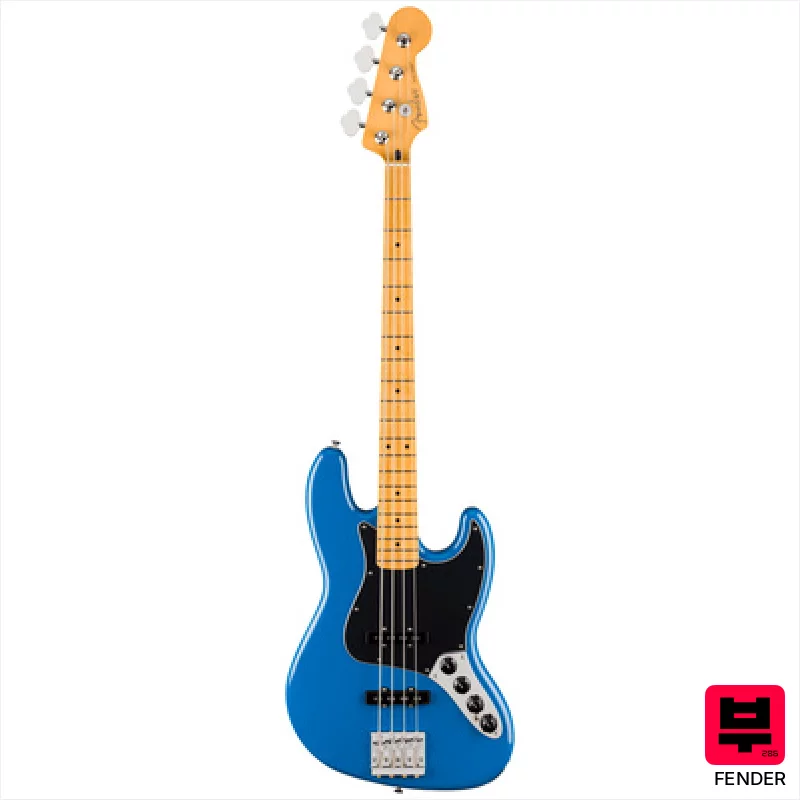
Fender Player II Mod J Bass MN ELB
- • Alder body provides a balanced, resonant tone with good sustain.
- • Player II Noiseless pickups deliver classic J Bass growl with minimal hum.
- • Modern 'C' neck profile offers comfortable playability for a wide range of players.
- • HiMass bridge enhances clarity and reduces unwanted vibrations for a tighter low-end.
- • Maple fretboard might feel a little too bright for some players' preferences.
- • The 'Pan Pot' control, while interesting, can be a bit fiddly to dial in precisely.
- • While versatile, it leans toward a more modern sound; vintage purists might want more character.
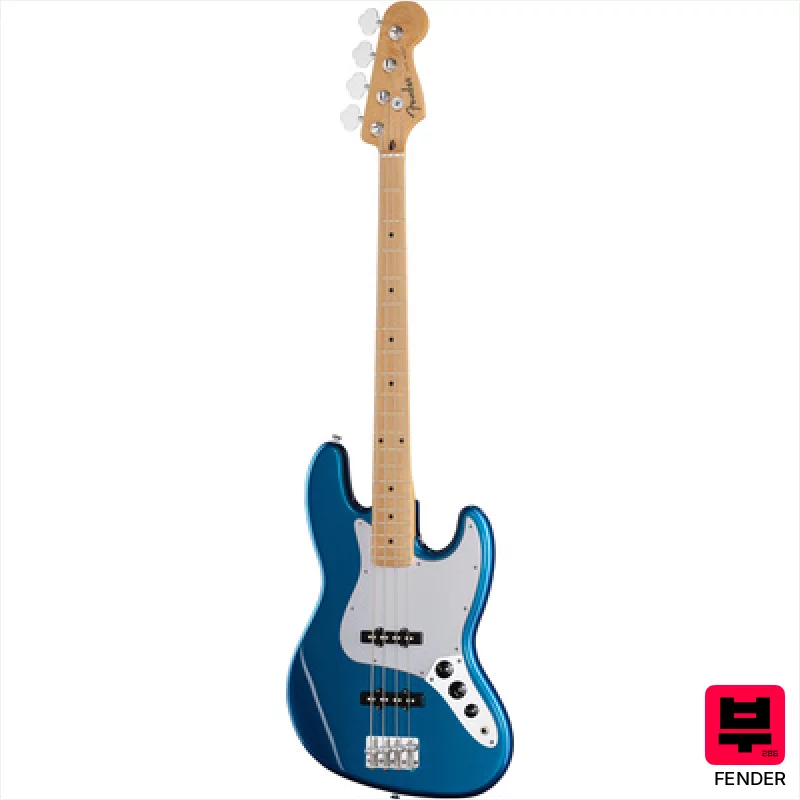
Fender Standard J-Bass MN WPG AMM
- • Maple neck-thru construction delivers excellent sustain and a comfortable playing feel.
- • Standard Jazz Bass pickups provide that iconic, articulate, and punchy J-Bass tone.
- • Maple fretboard with a 9.5” radius is player-friendly for a wide range of playing styles.
- • Aqua Marine Metallic finish is a unique and eye-catching aesthetic choice.
- • Poplar body can lack some of the tonal complexity of more premium woods.
- • Micarta nut, while functional, isn't quite as luxurious as bone or graphite.
- • The .045-.105 strings are a bit heavier, requiring more finger strength.
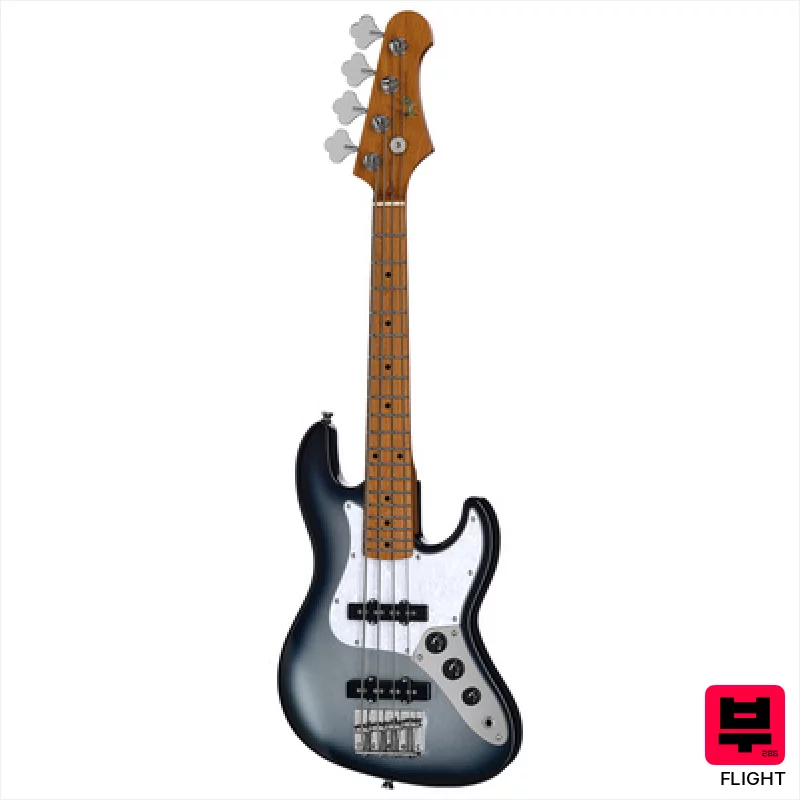
Flight Mini JB Bass Moonburst
- • Roasted maple construction delivers surprisingly resonant, warm tone.
- • Alnico 5 pickups provide a classic, punchy J-Bass growl.
- • 23" scale offers comfortable playability, especially for smaller hands.
- • Tortoise pickguard adds a touch of vintage aesthetic charm.
- • 23" scale limits low-end extension compared to a full-size bass.
- • Roasted poplar body, while good, isn’t as premium as mahogany or ash.
- • Limited tonal versatility; excels at J-Bass tones, less so elsewhere.
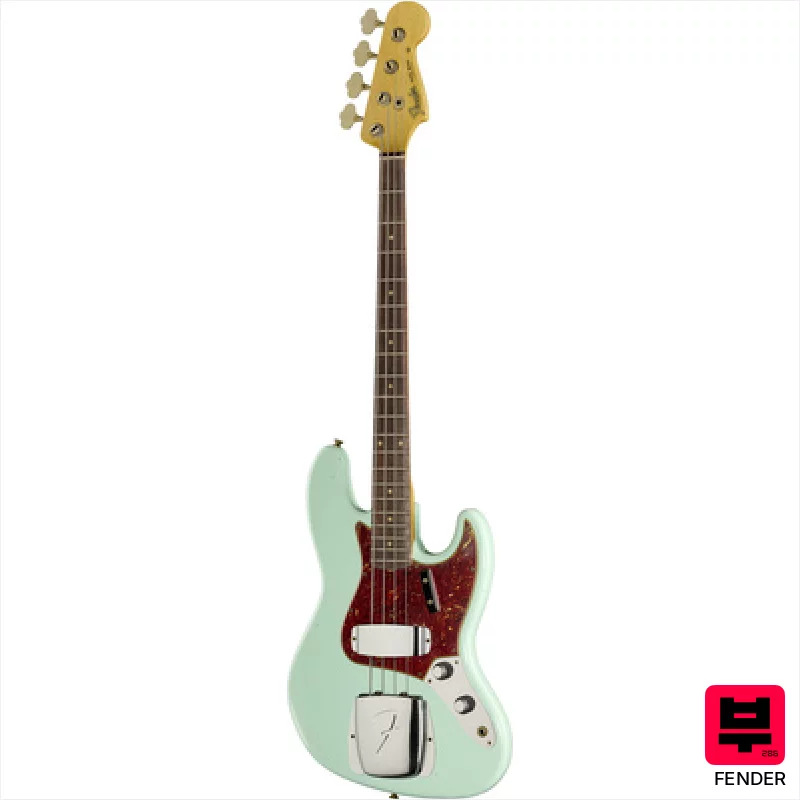
Fender 64 J-Bass SG Journeyman Relic
- • Alder body provides a balanced, resonant tone with excellent sustain.
- • Josefina pickups deliver authentic vintage Jazz Bass articulation and warmth.
- • ’60s ‘U’ neck profile offers a comfortable, familiar feel for experienced players.
- • Relic finish replicates the wear of a well-loved vintage instrument, adding character.
- • The relic'd finish, while aesthetically pleasing, isn't for those preferring a pristine look.
- • The long scale (34”) can be less comfortable for players with smaller hands.
- • Passive electronics limit tonal flexibility compared to active or modern systems.

Sadowsky MetroExp21 Vintage JJ4 RM SGR
- • Roasted maple neck and fingerboard offer exceptional stability and a smooth feel.
- • Sadowsky J-style pickups deliver a focused, articulate vintage tone with surprising clarity.
- • The 2-way active electronics provide subtle tonal shaping without harshness or noise.
- • Bolt-on construction provides a lively, responsive feel and easy access for future maintenance.
- • Okoume body, while resonant, might lack the sustain of more premium tonewoods.
- • The 12” radius fingerboard, while comfortable, isn’t ideal for extreme bending styles.
- • Active electronics, while well-implemented, limit some tonal versatility compared to purely passive designs.

Fender Standard J-Bass LRL WPG 3TS
- • Laurel fingerboard offers a unique, slightly softer feel than rosewood.
- • Standard Jazz Bass pickups deliver that iconic, punchy, articulate tone.
- • Bolt-on maple neck provides a bright, responsive feel and easy adjustability.
- • 3TS sunburst finish is classic Fender aesthetics, offering a pleasing look.
- • Poplar body can feel a bit less resonant compared to alder or ash.
- • Bolt-on neck construction, while practical, lacks the sustain of a set-neck.
- • Medium jumbo frets may not suit players preferring a very low action.

Squier CV Act 70s J Bass MN PPG OCT
- • HiMass bridge significantly enhances sustain and note clarity, a real upgrade.
- • Fender-designed Alnico Noiseless pickups deliver punchy, vintage tone with minimal hum.
- • Maple neck with a comfortable 'C' profile offers excellent playability and feel.
- • The 2-way active/passive switch provides tonal flexibility for various musical styles.
- • Ocean Turquoise finish, while beautiful, might not appeal to all players' tastes.
- • Maple fingerboard can be a bit drier than rosewood, requiring more diligent maintenance.
- • The bolt-on neck construction, while stable, lacks the resonance of a set-neck design.
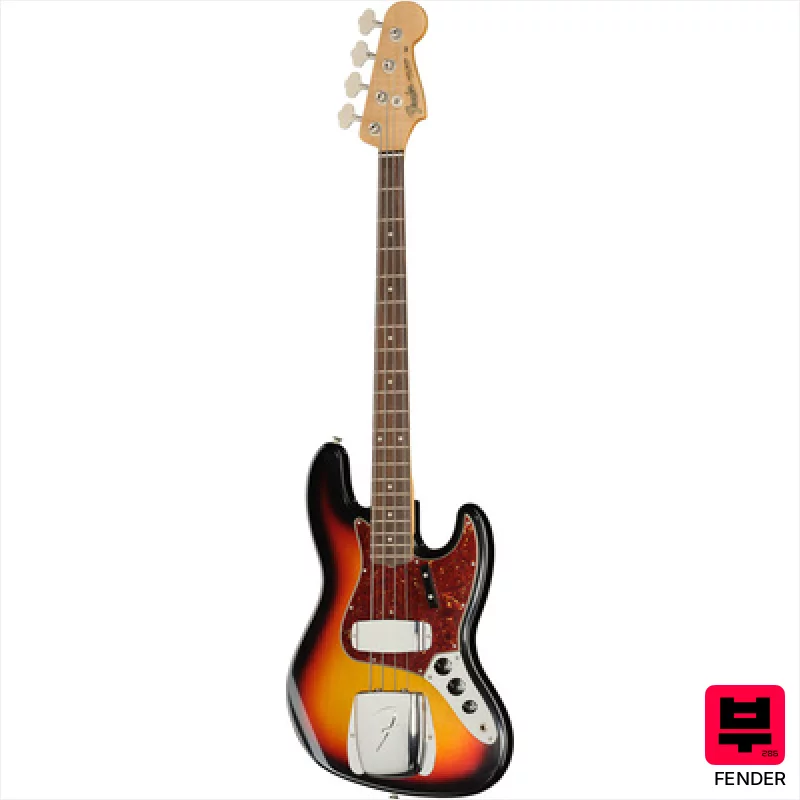
Fender 64 Jazz Bass RW 3-TSB CC
- • Josefina pickups deliver exceptional clarity and vintage-voiced warmth.
- • The '60s J-Bass profile neck provides a comfortable, familiar feel.
- • Alder body offers a balanced tone with excellent sustain.
- • CC (Cream Colored) hardware provides a refined, classic aesthetic.
- • Premium-priced, positioning it outside the reach of many players.
- • The '60s U neck profile may not suit players preferring a thinner profile.
- • The P/J configuration limits versatility compared to some modern basses.
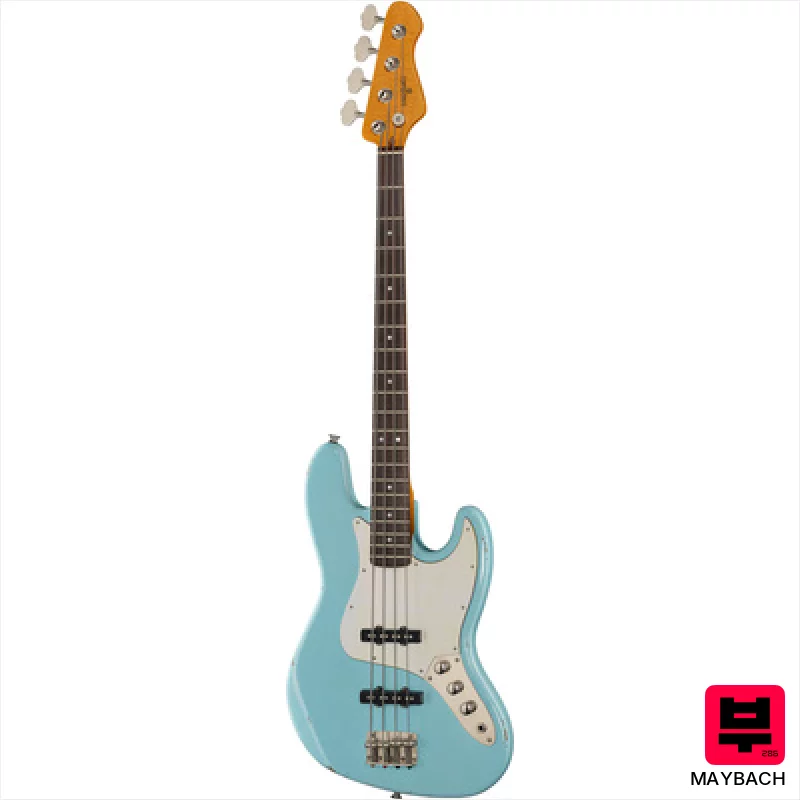
Maybach Motone J Sonic Blue Aged
- • Moon spruce body delivers resonant warmth and sustain.
- • Gotoh GB640L tuners ensure rock-solid tuning stability.
- • Amber Waterfall pickups offer a clear, articulate vintage tone.
- • Bolt-on maple neck provides a snappy, responsive feel.
- • Aged finish might not appeal to players preferring a pristine look.
- • 864mm scale feels longer, requiring adjustment for some players.
- • Limited tonal versatility compared to active basses or humbuckers.
How to Choose the Best 4-String J-Basses
Pickup Voicing
Jazz demands a smoother, rounder pickup voicing. Harsh, ice-picky highs are a no-go. You want a pickup that captures the warmth of the wood, not just a raw, aggressive signal. Look for Alnico pickups or ones with a vintage-style wind.
Neck Profile
A comfortable neck is crucial for those long gigs and intricate lines. While a slim C is often preferred, a slightly chunkier neck can offer better grip and control, especially if you're using a pick. Ultimately, it's about what feels right in your hand.
Body Wood
Alder is the classic choice for a reason - it's balanced and versatile. Ash can bring a bit more snap and bite, which can be useful if you need to cut through, but be mindful of that potential brightness. Swamp ash tends to be a bit more mellow than northern ash.
Electronics
Keep it simple. A passive preamp is generally preferred for its organic tone and reduced noise. Active electronics can add versatility, but often introduce a sterile quality that doesn't sit well in a jazz context. Quality pots and wiring are also key for consistent performance.
String Spacing & Action
Jazz often involves intricate fingerstyle work and subtle vibrato. A slightly wider string spacing can improve accuracy and reduce string noise, while a comfortable action - not too high, not too low - will allow for effortless playing.
Buying Guide
Don't chase the flashy finishes or aftermarket upgrades. A well-made, stock J-Bass from a reputable brand is often the best starting point. Cheap J-Basses often skimp on the pickups and electronics, resulting in a brittle, lifeless tone. Be prepared to spend a bit more for a bass that delivers the warmth and articulation you need - it's an investment in your sound. A good setup from a qualified tech is non-negotiable, regardless of price.
Our Methodology
We're not relying on spec sheets here. We've spent countless hours playing these basses through a variety of jazz-friendly amps - from vintage tube combos to modern Neos - and compared them side-by-side in rehearsal and recording scenarios. We're listening for that sweet spot between clarity, warmth, and enough punch to cut through a piano and drums without overpowering them.

