
Best 3/4 Size Classical Guitars for Classical Study 2026
So, you're starting your classical journey or have a younger student who needs a smaller instrument? Getting the right 3/4 size classical guitar is crucial - a bad one can make learning a real chore. It's not just about size; it's about finding something that responds well, has a decent projection, and won't fight you on basic technique. We've seen too many promising students turn off because of a poorly built instrument, and we're here to help you avoid that.
Last updated: July 22, 2026 • Next update: July 29, 2026

Alhambra 3C 3/4 Cadete NT incl.Gig Bag
- • Solid cedar top delivers a warm, responsive, and pleasingly balanced tone.
- • Sapelli back and sides provide good projection and sustain for the price point.
- • Rosewood fingerboard and bridge offer a classic feel and contribute to tonal richness.
- • The included gig bag offers basic protection and portability for students or travel.
- • Sapelli back and sides, while good, won't match the tonal complexity of more premium woods like mahogany or rosewood.
- • The 3/4 size is ideal for younger players, limiting appeal for adults with larger hands.
- • Bone nut is a nice touch, but the overall hardware is functional rather than premium.
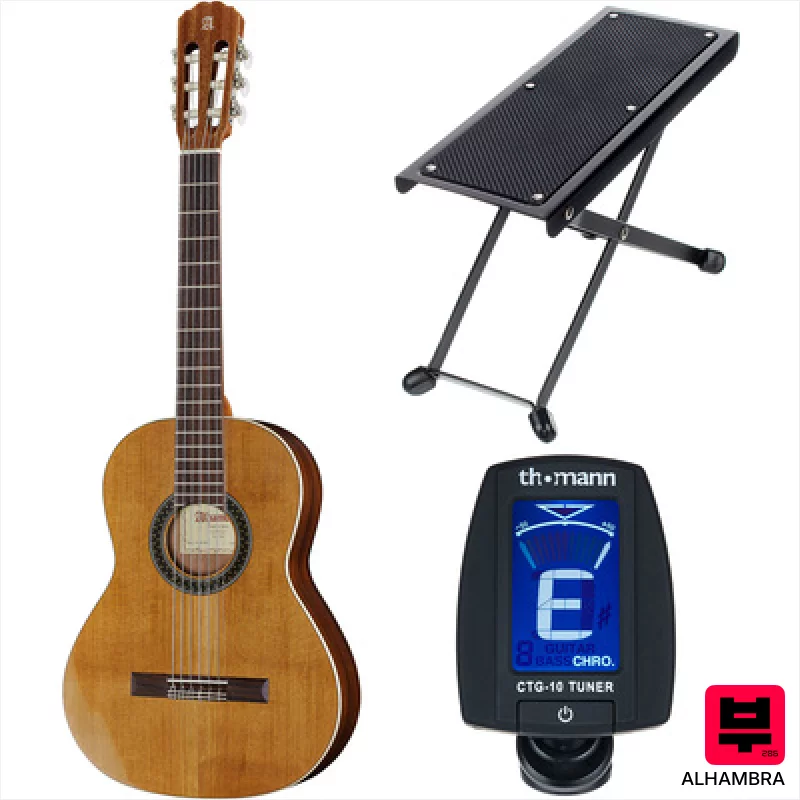
Alhambra 1C HT 3/4 incl. Gigbag Bundle
- • Solid cedar top delivers a warm, responsive, and nuanced tone.
- • Ergo neck profile promotes comfortable playing, especially for smaller hands.
- • Mahogany back and sides provide a balanced, pleasing resonance.
- • Included gig bag and footrest offer excellent value and immediate playability.
- • The 3/4 size limits projection and low-end response for larger players.
- • Open-pore body finish, while aesthetically pleasing, may require more careful maintenance.
- • Melamine nut and saddle are functional but not as premium as bone or ebony.
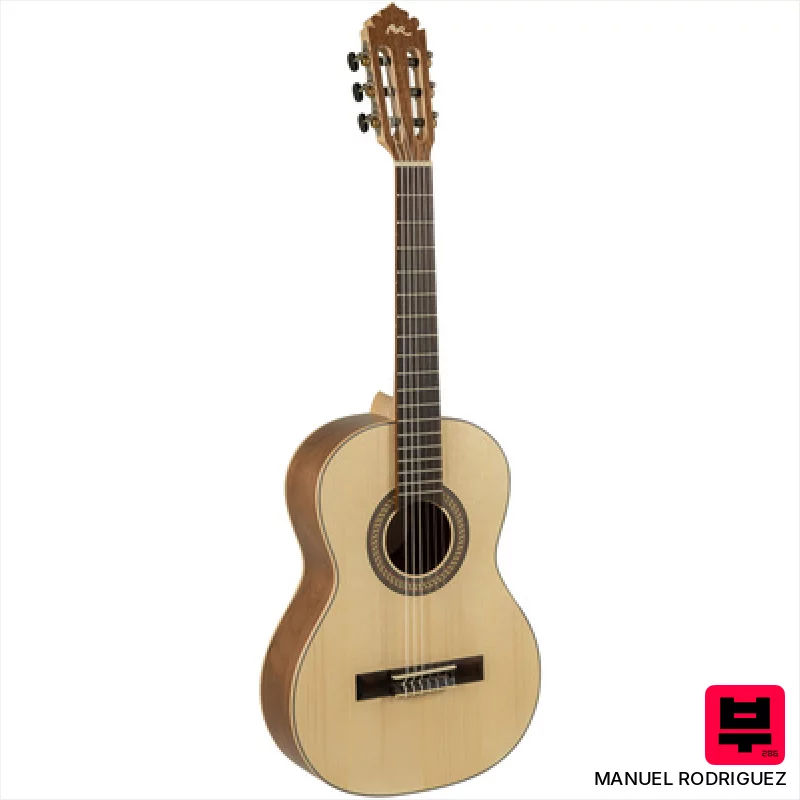
Manuel Rodriguez E-57
- • Solid spruce top delivers a surprisingly bright and responsive tone for the price.
- • Walnut back and sides add warmth and sustain, balancing the spruce's brightness.
- • Maple neck provides good stability and a comfortable feel, typical of European construction.
- • Acacia fingerboard offers a smooth playing experience and a pleasant feel under the fingers.
- • Acacia fingerboard can be prone to drying and minor fret sprout over time.
- • 3/4 size limits its appeal to smaller players or younger learners; projection is reduced.
- • While well-built, the overall finish lacks the refinement of higher-end instruments.
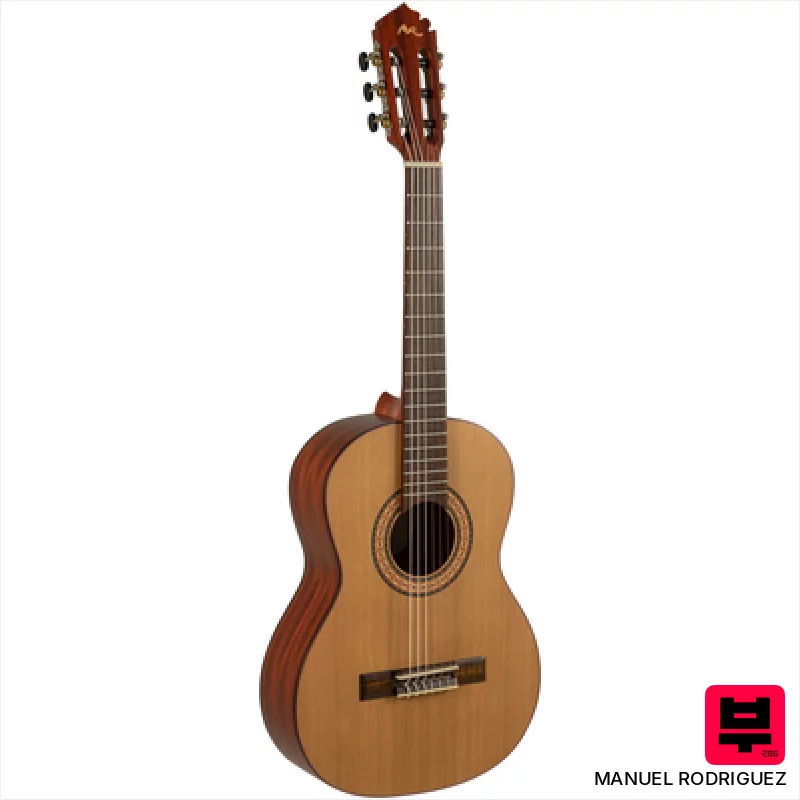
Manuel Rodriguez T-57
- • Solid cedar top delivers a warm, responsive tone with good projection.
- • Mahogany back and sides contribute to a balanced, mature sound.
- • Ovangkol fingerboard offers a smooth playing experience and durability.
- • 570mm scale and 47mm nut width are ideal for smaller hands and younger players.
- • Hannabach strings are decent, but an upgrade will significantly enhance the tone.
- • Mahogany construction can limit sustain compared to rosewood alternatives.
- • 3/4 size restricts volume and low-end response for experienced players.

Ortega RCE125-3/4
- • Mahogany back/sides provide a warm, focused tone ideal for classical and fingerstyle.
- • Spruce top offers good projection and responsiveness for a student-level instrument.
- • MagusX/G pickup system delivers a usable amplified sound with rechargeable battery.
- • Walnut fingerboard provides a smooth playing experience and a slightly darker tone.
- • Mahogany construction limits the top-end sparkle compared to rosewood alternatives.
- • 3/4 size may feel cramped for players with larger hands or longer arms.
- • ABS binding is functional but lacks the aesthetic appeal of wood binding.
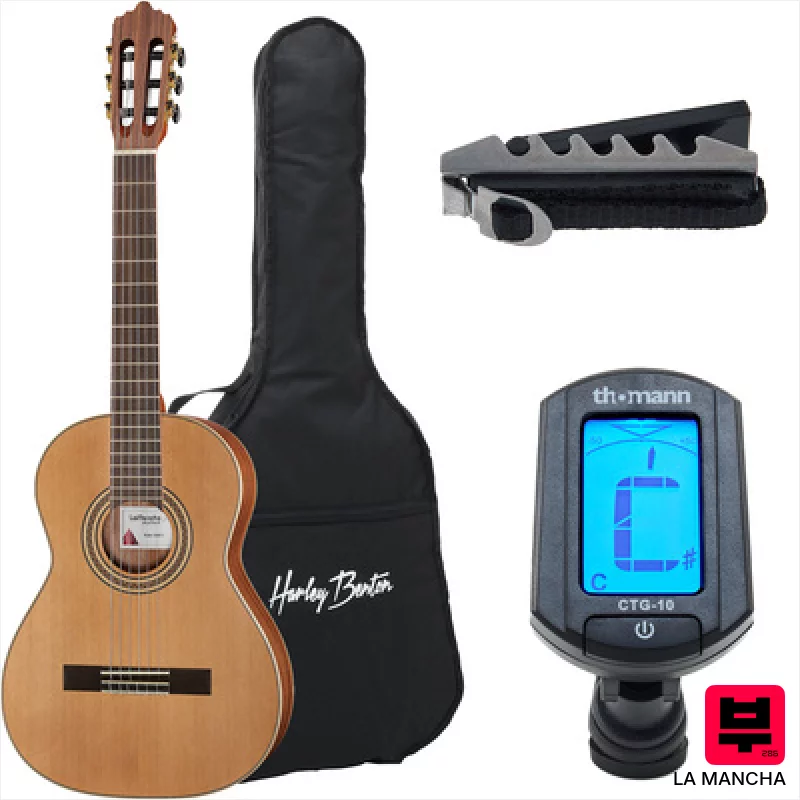
La Mancha Rubi CM/59 Bundle
- • Canadian cedar top delivers a warm, responsive tone suitable for student and intermediate players.
- • Toona Kalantas neck with carbon reinforcement ensures stability and resists unwanted warping.
- • Bone nut and saddle contribute to improved sustain and clearer note definition.
- • Gold-plated machine heads offer smooth tuning stability and a touch of visual refinement.
- • Mahogany back and sides, while pleasant, limit the guitar's overall projection and brilliance.
- • Matt open-pore finish, while aesthetically pleasing, may require more frequent cleaning and care.
- • 3/4 size restricts suitability for older or larger-handed players needing a full-size instrument.
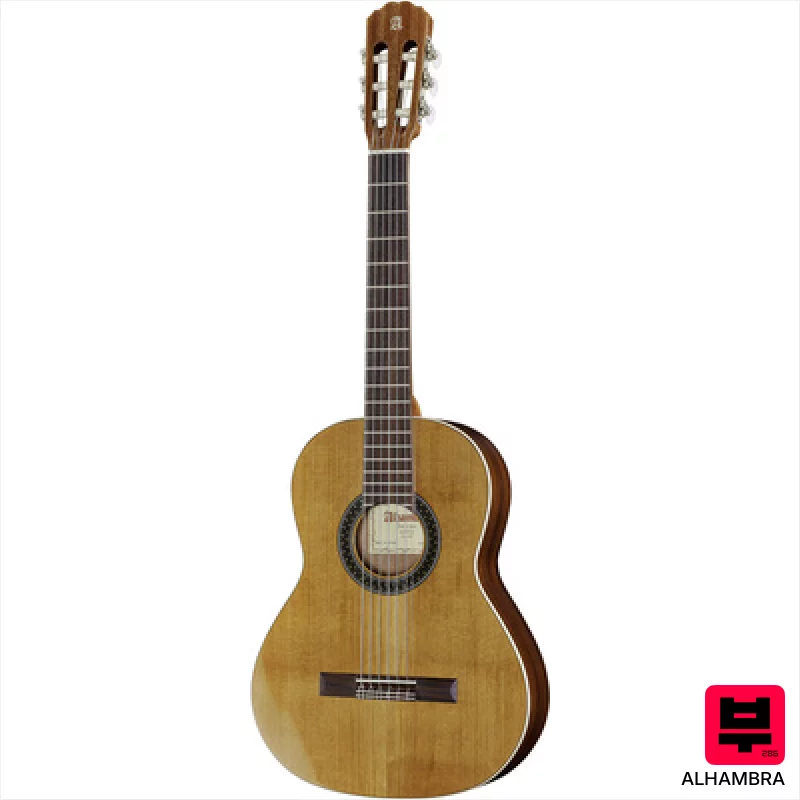
Alhambra 1C HT 3/4 incl. Gigbag
- • Solid cedar top delivers warm, responsive tone ideal for classical pieces.
- • Ergo neck profile enhances comfort, especially for smaller hands or beginners.
- • Mahogany back and sides provide a balanced, focused acoustic response.
- • Includes a gig bag, making it immediately playable and portable.
- • Cedar top can be susceptible to dings and scratches requiring careful handling.
- • 3/4 size limits projection and bass response compared to full-size models.
- • Rosewood fretboard, while standard, might feel slightly less polished than higher-end instruments.

Caballero by Manuel Rodriguez Principio CA-PM 3/4
- • Solid spruce top delivers a surprisingly resonant and clear tone.
- • Okoume neck with carbon reinforcement adds stability and reduces warping.
- • Hannabach 600HT strings provide a bright, modern sound and good projection.
- • Rosewood fingerboard offers a comfortable playing experience with good note definition.
- • Sapelli mahogany back and sides limit the overall tonal complexity and sustain.
- • ABS binding feels a bit cheap compared to traditional wood binding.
- • Matte finish, while environmentally friendly, can show fingerprints easily.
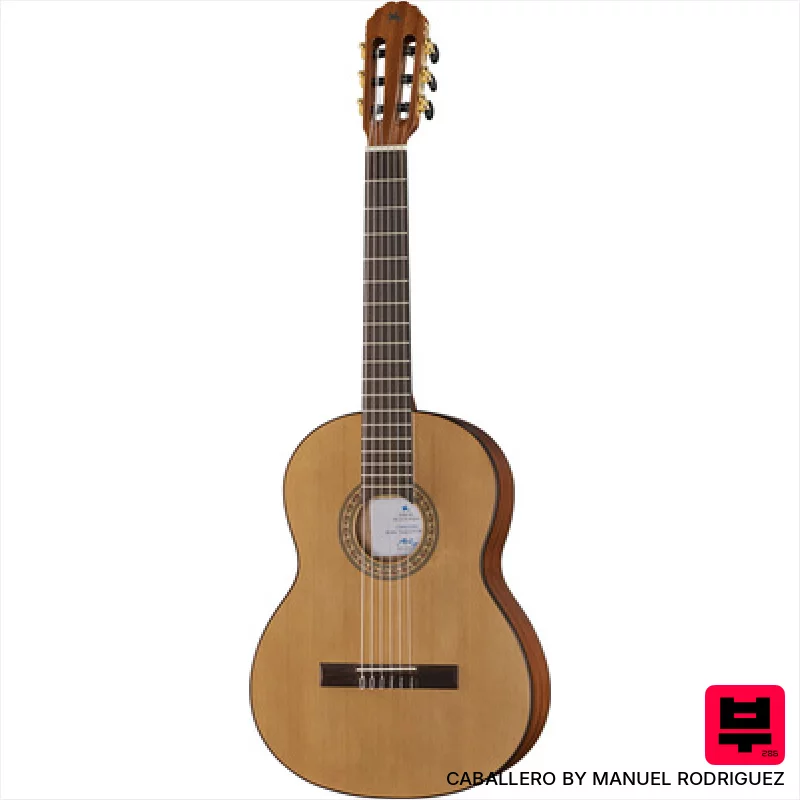
Caballero by Manuel Rodriguez Principio CA-CM 3/4
- • Solid cedar top delivers a warm, responsive, and nuanced tone.
- • Sapele back and sides add clarity and projection for balanced sound.
- • Okoume neck with carbon reinforcement ensures stability and comfortable playability.
- • Hannabach strings, especially the carbon G3, offer excellent sustain and intonation.
- • The matte finish, while eco-friendly, can feel a little plasticky to some players.
- • 3/4 size limits appeal to full-sized adult players; best for students or smaller hands.
- • Rosewood fingerboard may exhibit slight dryness requiring occasional humidification.
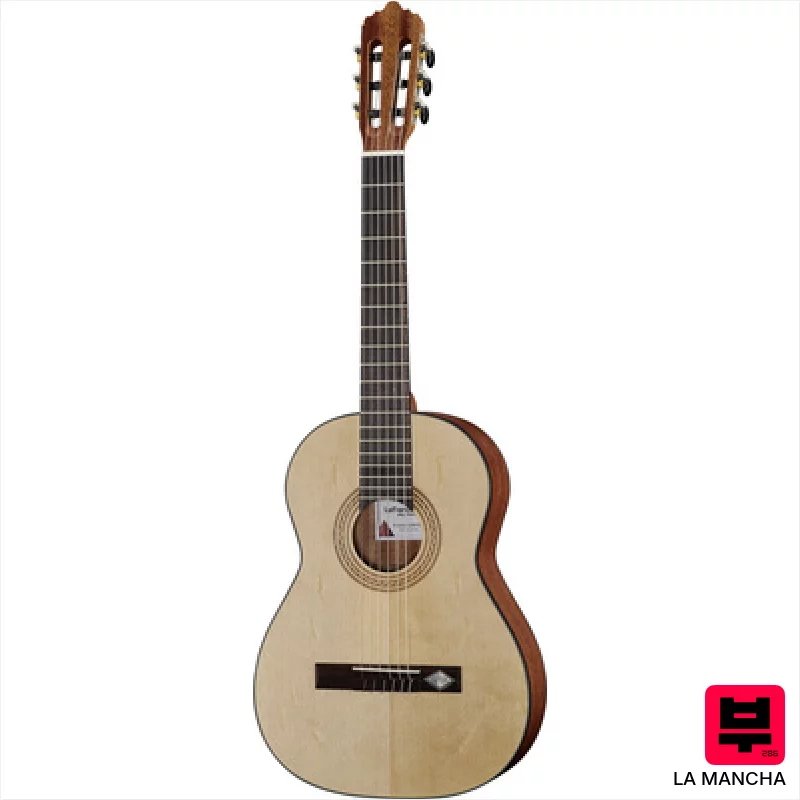
La Mancha Rubinito LSM/59-L 3/4
- • Spruce top delivers a surprisingly bright and responsive tone for the price.
- • Mahogany back & sides add warmth and a pleasant sustain.
- • Ovangkol fingerboard offers a smooth playing experience, surprisingly refined.
- • Compact 3/4 size is ideal for younger players or travel.
- • NuBone saddle, while decent, isn't a premium bone and may impact sustain slightly.
- • Matt natural finish can feel a little plain compared to glossier options.
- • Nato neck, while stable, lacks the premium feel of Spanish cedar.
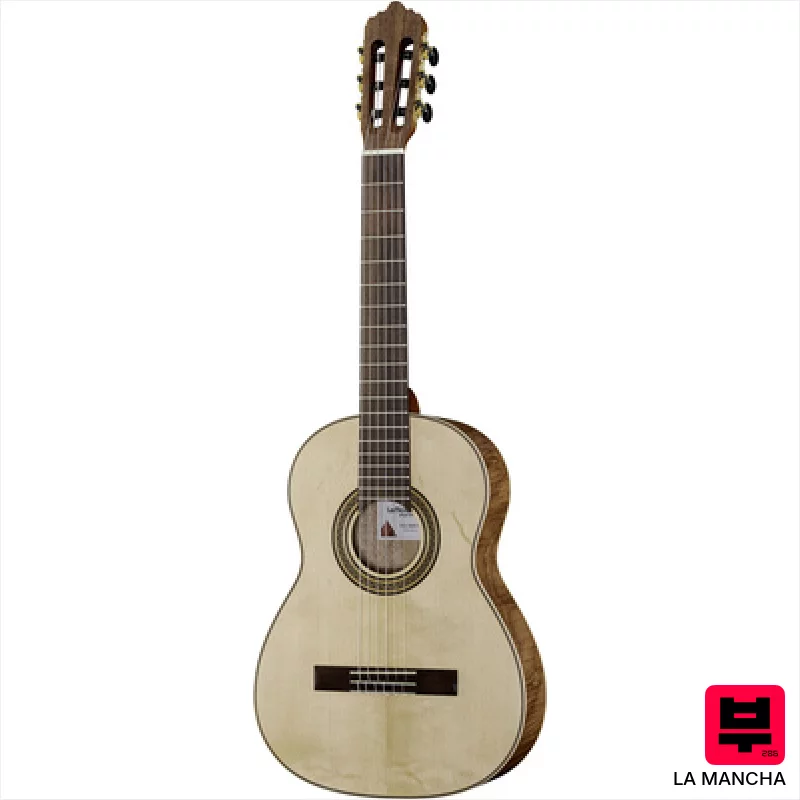
La Mancha Rubi SMX/59
- • Solid German spruce top delivers a clear, responsive tone.
- • Toona Kalantas neck provides excellent stability and a comfortable feel.
- • Carbon reinforcement enhances neck strength, preventing warping over time.
- • Ovangkol bridge and fretboard contribute to a warm, rich sustain.
- • The matte finish, while aesthetically pleasing, can be more prone to fingerprints.
- • 3/4 size limits its appeal for larger hands or experienced players.
- • While well-built, the exotic mahogany back and sides are not as tonally complex as all-solid woods.

La Mancha Rubi S / 59
- • Solid German spruce top delivers a clear, responsive tone.
- • Toona Kalantas neck with carbon reinforcement enhances stability and sustain.
- • Ovangkol fretboard offers a smooth playing experience and warm tonal character.
- • Gold-plated machine heads provide precise tuning and a touch of elegance.
- • 3/4 size limits suitability for adult players with larger hands.
- • Mahogany back and sides might lack the projection of rosewood for some players.
- • High-tension strings can be challenging for beginners.
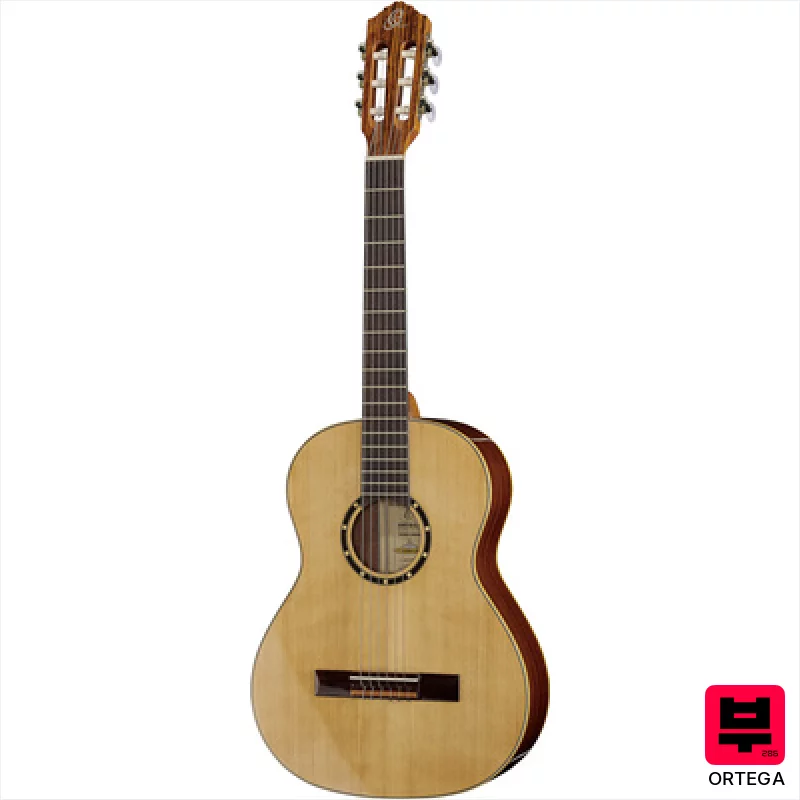
Ortega R122G-3/4
- • Cedar top provides a warm, responsive tone ideal for classical studies.
- • Mahogany back and sides add fullness and sustain to the sound.
- • Walnut fingerboard offers a smooth, comfortable playing experience.
- • 3/4 size makes it exceptionally manageable for younger or smaller players.
- • ABS nut and saddle can feel less premium compared to bone or ebony.
- • High-gloss finish may be prone to fingerprints and require more upkeep.
- • Limited tonal versatility; best suited for classical or fingerstyle playing.

Ibanez GA5TCE3Q-AM
- • Spruce top delivers a bright, responsive tone ideal for student learning.
- • Sapele back and sides add warmth and projection, surprisingly full for its size.
- • Purpleheart fingerboard offers a smooth playing experience and distinct aesthetic.
- • Ibanez under-saddle pickup system provides usable amplified sound for practice or small gigs.
- • The standard machine heads feel a bit basic; an upgrade would improve tuning stability.
- • Okoume neck, while stable, can feel a little less resonant than mahogany.
- • 3/4 size limits its appeal for adult players with larger hands or longer arms.
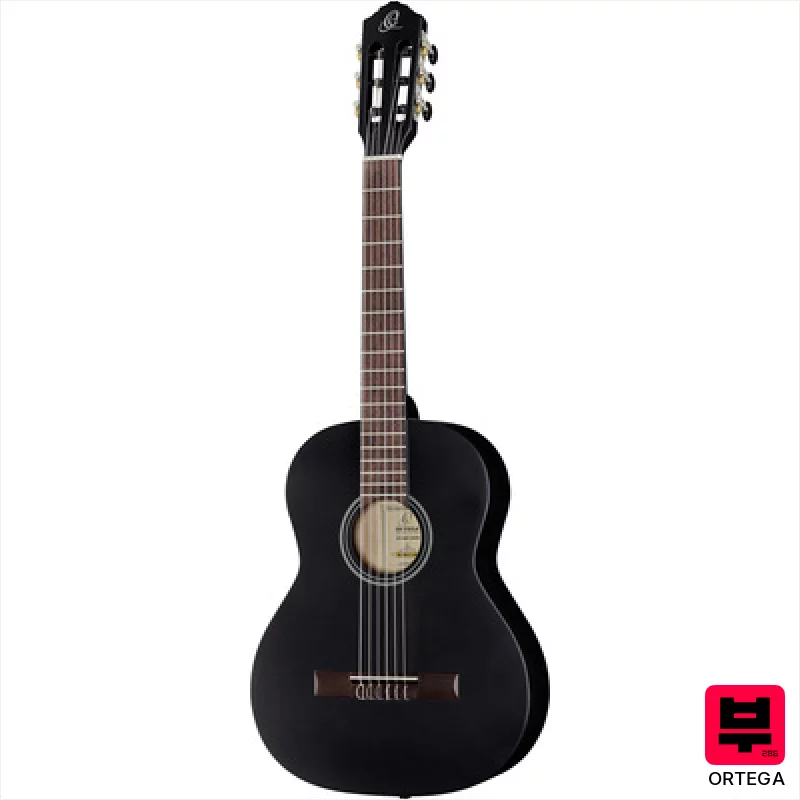
Ortega RST5M-3/4BK
- • Spruce top provides a surprisingly bright and responsive tone for a student model.
- • Catalpa back and sides offer a warmer resonance than typical beginner instruments.
- • Mahogany neck contributes to a comfortable feel and good sustain.
- • 45mm nut width suits smaller hands and classical technique comfortably.
- • Catalpa is a softer wood, so durability can be a concern with rough handling.
- • Limited tonal complexity compared to guitars with more premium woods like rosewood.
- • Chrome machine heads are functional, but a step down from geared tuners for precision.
How to Choose the Best 3/4 Size Classical Guitars
Scale Length & Neck Profile
A shorter scale (typically around 23 inches) is the obvious benefit, but the neck profile needs to be comfortable for smaller hands. A thinner, more consistent profile will make those initial fingerings much easier, especially for younger players. Avoid anything overly chunky or with abrupt transitions.
Tonal Response & Projection
Classical guitar tone isn't about 'bright' or 'warm' in the way an acoustic might be; it's about evenness and clarity across the spectrum. You want a guitar that responds well to a light touch and offers decent projection - enough to be heard clearly in a practice room or small ensemble setting. A 'woody' quality is desirable, avoiding a boxy or muffled sound.
String Spacing & Action
Narrower string spacing is a huge advantage for smaller hands, making those intricate chord voicings and arpeggios less of a reach. Equally important is the action - the height of the strings above the fretboard. Lower action (without excessive fret buzz) makes playing easier, but too low can lead to intonation problems and buzzing. A good setup is key.
Bracing Pattern & Construction
The bracing pattern significantly impacts the guitar's tone and structural integrity. Fan bracing is generally considered superior for classical guitars, offering better balance and sustain than X-bracing. Solid tops (usually spruce or cedar) are a must for any serious student - laminate tops just won't offer the same responsiveness.
Build Quality & Materials
Let's be honest, 3/4 size guitars often cut corners. Look for solid wood (top at least) and decent craftsmanship - clean fretwork, well-aligned bridges, and a generally well-finished instrument. Sloppy construction will translate to frustrating playing experiences and a shorter lifespan.
Buying Guide
Don't chase the cheapest option; you'll often pay more in the long run for lessons and frustration. A slightly more expensive, well-made 3/4 size guitar with a good setup will be far more rewarding than a poorly constructed one. Pay attention to the action and fretwork - a professional setup can make a huge difference. If possible, try before you buy - even a few minutes of playing can reveal a lot.
Our Methodology
We don't just look at specs; we play these guitars. We put them through the paces - scales, arpeggios, etudes - the stuff you actually do when you're studying. We A/B them against each other and, crucially, against full-size guitars to see how they translate to a more standard playing experience. Our assessments are based on real-world performance, not marketing hype.

