
Best 3/4 and 7/8 Violins Under $2,000 2026
Alright, so you're looking at 3/4 and 7/8 violins without wanting to drop serious cash - smart move. These sizes are perfect for younger players or those who find full-size instruments unwieldy, but quality can vary wildly. Let's cut through the noise and find you something that'll actually sound decent, play well, and not fall apart after a few gigs. We're aiming for that sweet spot of value, not just the cheapest thing you can find.
Last updated: April 11, 2026
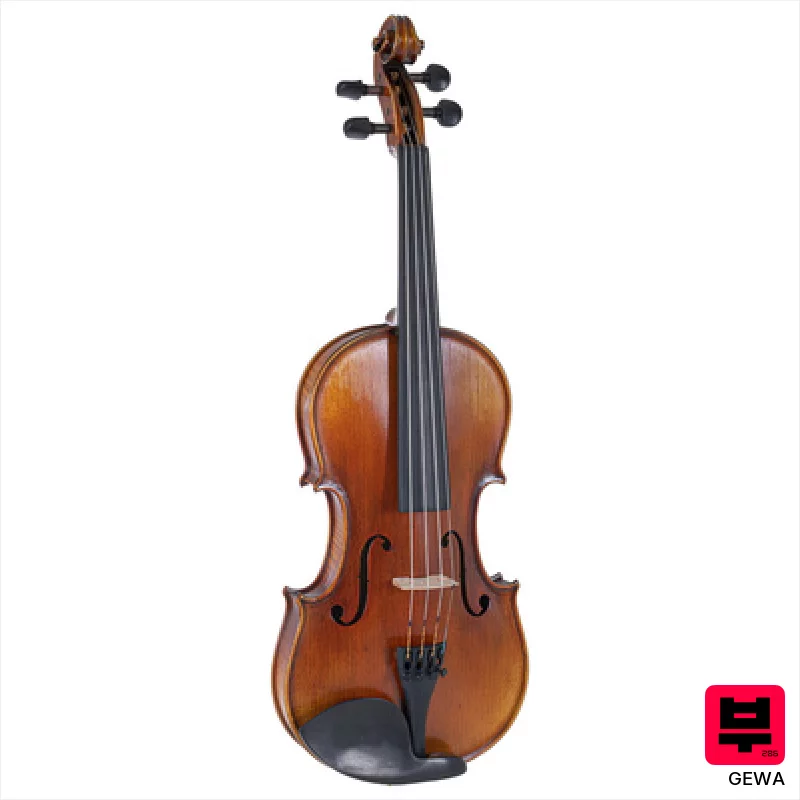
Gewa Maestro 2 Violin Set 3/4 OC CB
- • European tonewood selection provides a warmer, richer tonal palette than basic alternatives.
- • Hand-applied varnish enhances resonance and contributes to a pleasing antique aesthetic.
- • Aubert 'Mirecourt' bridge offers excellent sound transmission and responsiveness.
- • GEWA carbon bow provides consistent bounce and a reliable playing experience for beginners.
- • Hand-applied varnish can exhibit slight color variations, potentially impacting aesthetic consistency.
- • While well-made, the included bow is a basic model and may be upgraded later for serious players.
- • 3/4 size is suitable for younger players, but may feel restrictive for those nearing a full-size instrument.
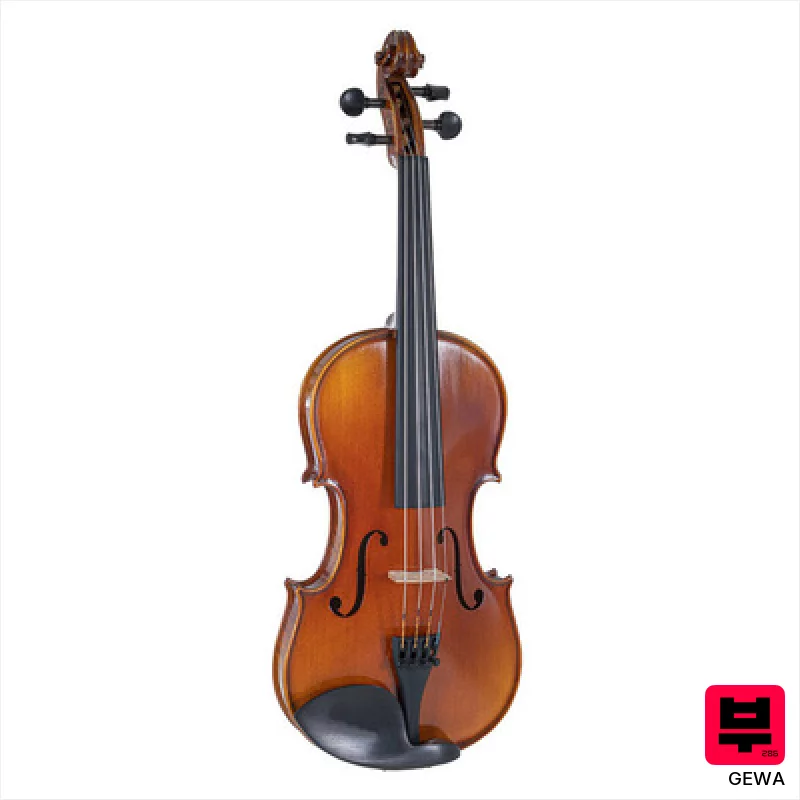
Gewa Maestro 1 Violin Set 3/4 OC CB
- • Solid European maple back/sides provide warmth and resonant projection.
- • Hand-applied spirit varnish enhances tonal complexity and beauty.
- • Aubert bridge and Wittner tailpiece offer excellent responsiveness and tuning stability.
- • GEWA carbon bow provides surprisingly good feel and responsiveness for the price.
- • The included rosin might need upgrading for optimal bow response.
- • While well-made, the Gewa case is fairly basic and lacks premium protection.
- • European tonewood, while excellent, may not offer the extreme clarity of aged instruments.
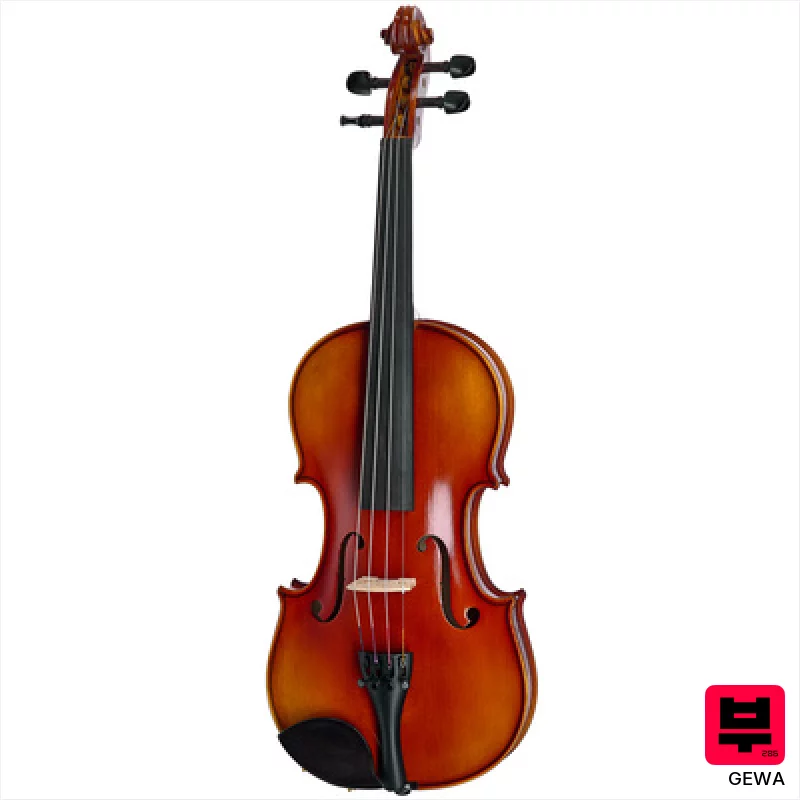
Gewa Ideale Violin Set 3/4 OC CB
- • Solid European tonewoods deliver a surprisingly resonant, mature tone.
- • Hand-applied varnish enhances projection and tonal complexity.
- • Aubert bridge and Larsen Aurora strings are a quality upgrade for a student set.
- • The included carbon fiber bow offers consistent response and durability.
- • The carbon fiber bow, while durable, lacks the nuanced feel of a quality pernambuco bow.
- • While well-made, the case is fairly basic and might not offer ultimate protection for touring.
- • The medium flame maple back/sides, while attractive, are a standard grade – not exceptional.
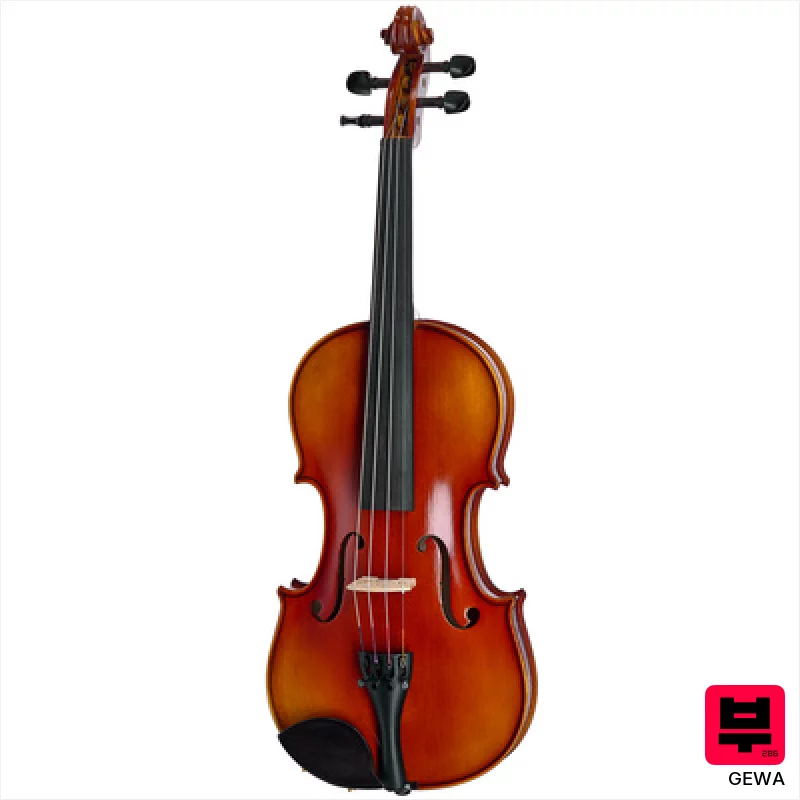
Gewa Ideale Violin Set 3/4 OC MB
- • Solid European tonewoods deliver a surprisingly resonant tone.
- • Hand-varnished finish enhances projection and warmth.
- • Aubert bridge contributes to improved responsiveness and clarity.
- • Massaranduba bow offers a decent starting point for beginners.
- • The Massaranduba bow will likely need replacement for serious study.
- • Ebony fittings, while standard, aren’t the highest grade available.
- • The case, while functional, is somewhat bulky and basic.
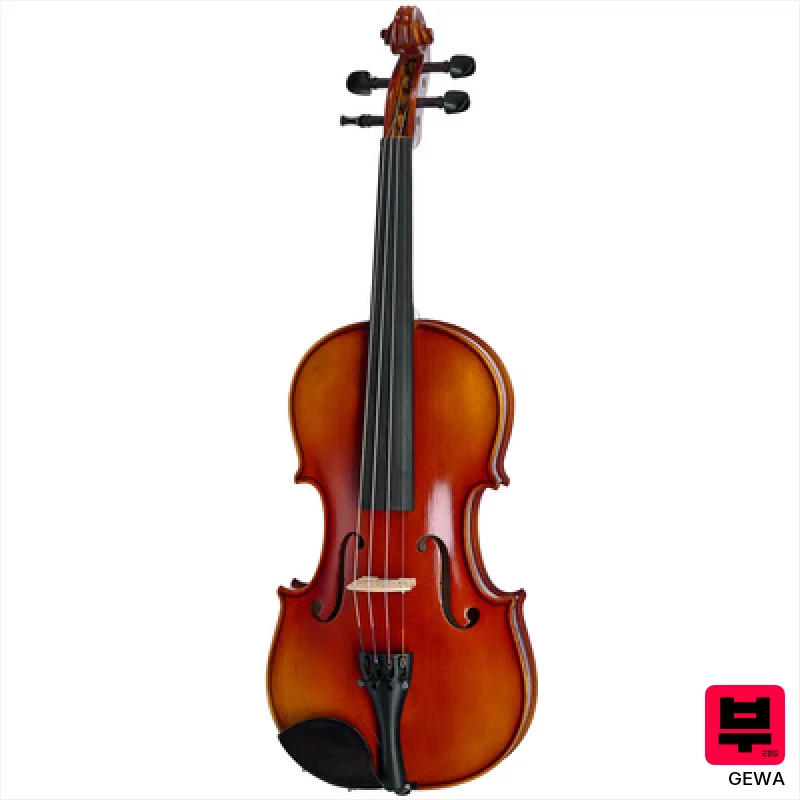
Gewa Ideale Violin Set 3/4 SC CB
- • Solid European tonewoods deliver a surprisingly rich and warm tonal response.
- • Hand-applied varnish enhances resonance and provides a refined aesthetic.
- • Larsen Aurora strings offer excellent projection and a focused sound.
- • The Gewa case provides robust protection with convenient backpack straps.
- • The carbon fiber bow, while functional, lacks the nuanced feel of a quality pernambuco bow.
- • The ebony fittings, while decent, might be a future upgrade for serious students.
- • The 3/4 size is best suited for younger players; larger students may find it cramped.
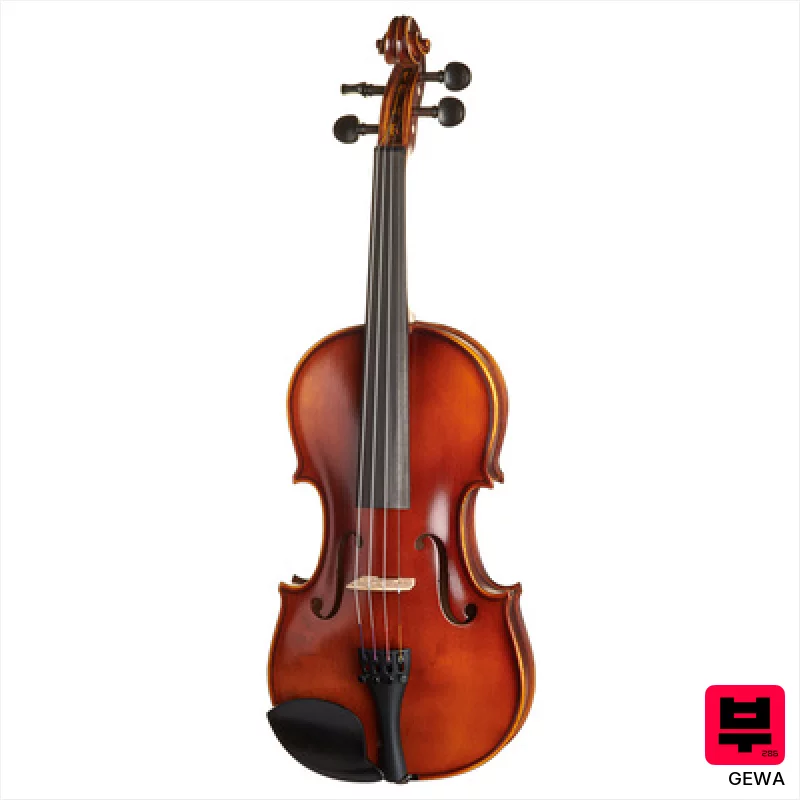
Gewa Allegro Violin Set 3/4 SC CB
- • Solid European spruce top delivers a surprisingly resonant tone.
- • Ebony fingerboard and pegs offer improved playability and response.
- • Inlaid purfling adds a touch of elegance and visual appeal.
- • Gewas reputation for quality ensures decent build and consistent performance.
- • The carbon fiber bow is serviceable, but a better bow would elevate the sound.
- • The brown-amber varnish, while attractive, can be a bit thick and dampen tone.
- • The case, while functional, feels a little lightweight for serious travel.
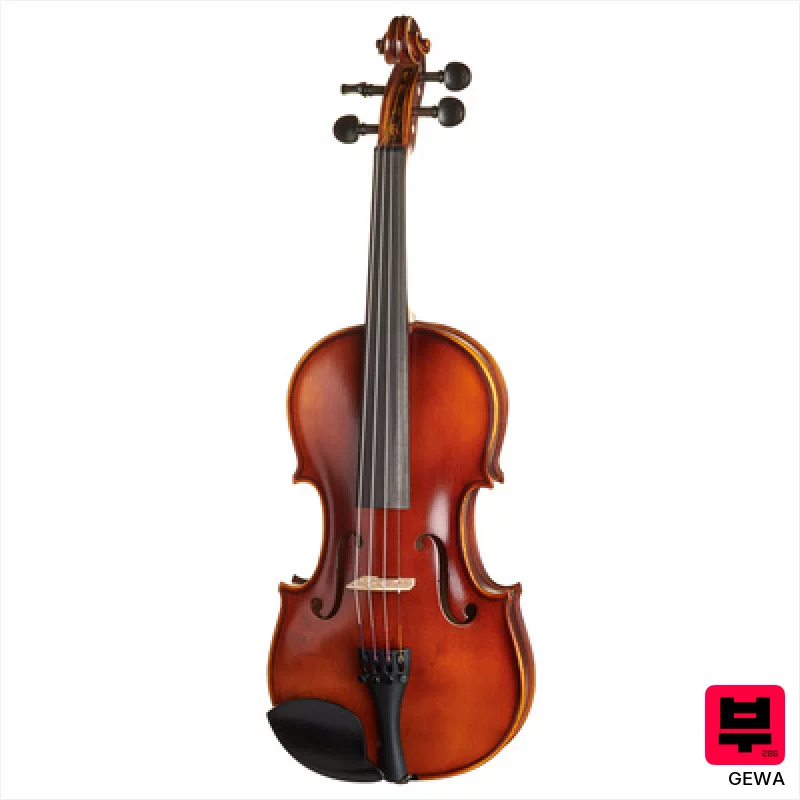
Gewa Allegro Violin Set 3/4 OC MB
- • Solid European tonewoods offer surprisingly good resonance for the price.
- • Hand-lacquered varnish contributes to a warmer, more mature tone.
- • The Wittner fine tuners simplify intonation adjustments for younger players.
- • Massaranduba bow provides a decent starting point for bow control.
- • The Massaranduba bow, while functional, won't match a higher-grade pernambuco bow.
- • The case, while complete, feels a bit lightweight and less protective than premium options.
- • The spruce top, while solid, is likely a lower grade, limiting ultimate tonal potential.
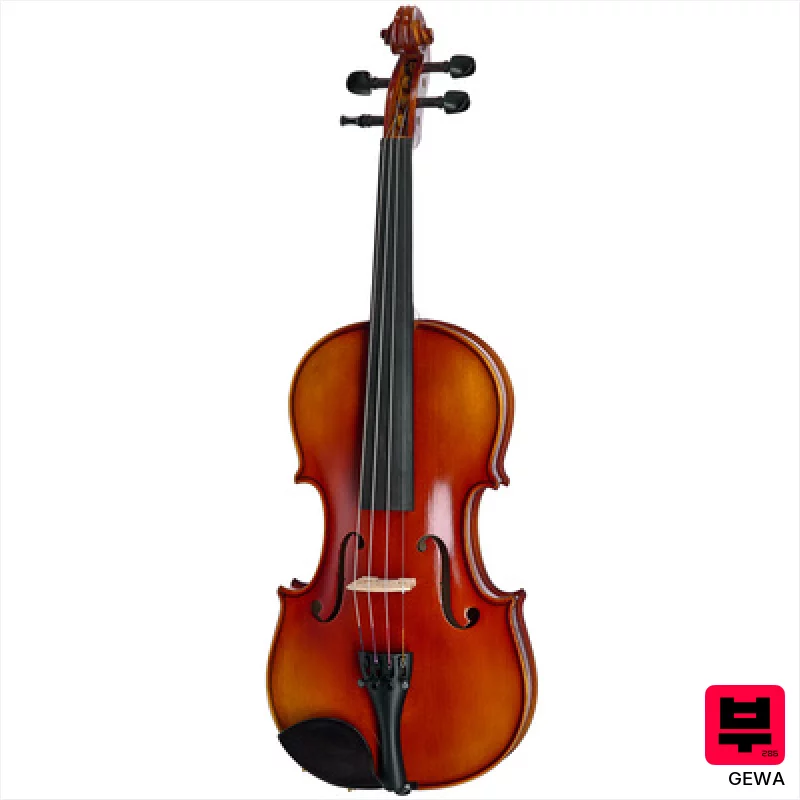
Gewa Ideale Violin Set 3/4 SC MB
- • Solid European tonewoods deliver a surprisingly rich and resonant tone.
- • The hand-lacquered varnish enhances the wood's natural beauty and projection.
- • Aubert bridge provides excellent tonal transfer and responsiveness.
- • The Massaranduba bow offers a decent starting point for bow control.
- • The Massaranduba bow, while adequate, will likely be upgraded by serious students.
- • The inlaid purfling is a cosmetic touch, not a structural enhancement.
- • While well-made, the case is a bit bulky for younger players.
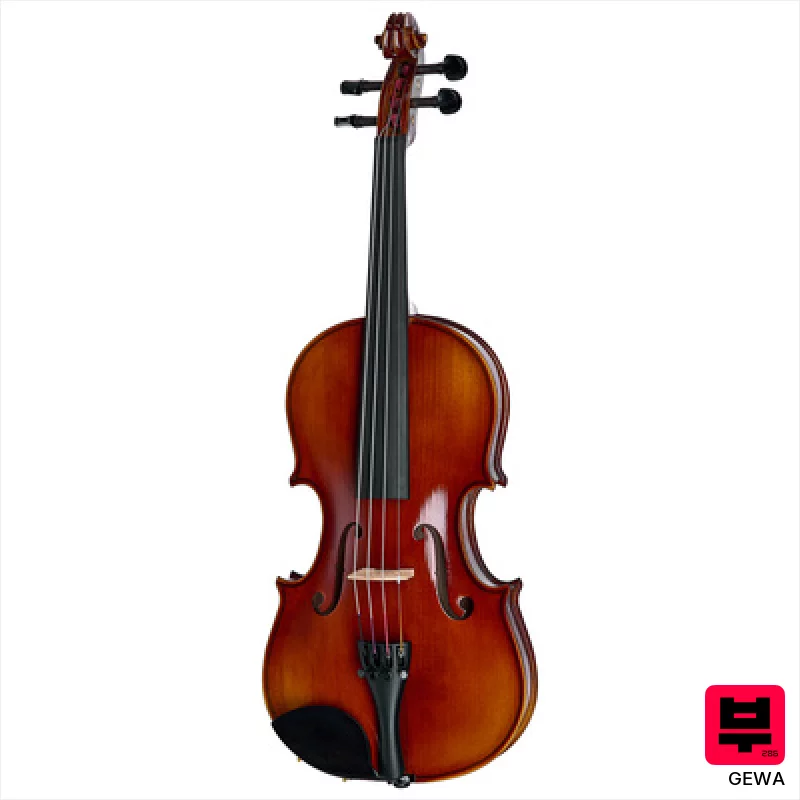
Gewa Allegro Violin Set 3/4 SC MB
- • Solid European tonewoods deliver a surprisingly rich, warm tone.
- • The hand-lacquered varnish enhances the wood's resonance and beauty.
- • Aubert bridge and Wittner tailpiece offer improved setup flexibility.
- • Massaranduba bow provides a decent starting point for bowing technique.
- • Massaranduba bow is a step below higher-end pernambuco bows, requiring eventual replacement.
- • Ebony fittings, while solid, may show minor cosmetic imperfections common at this price.
- • The case, while functional, is basic and lacks premium protection.
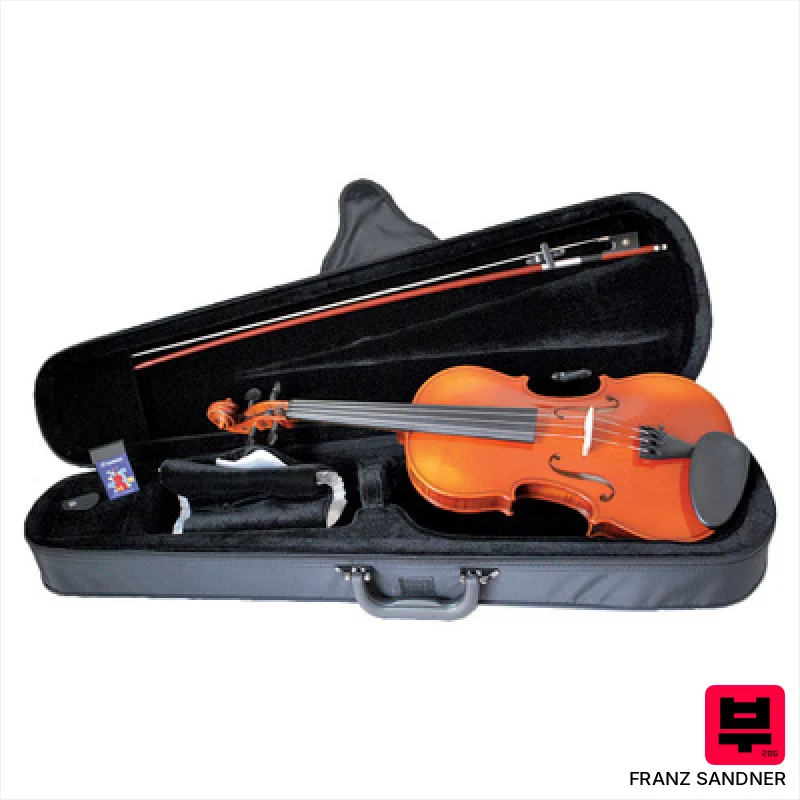
Franz Sandner 601 Violin Set 3/4
- • Solid spruce top delivers a bright, responsive tone, ideal for developing ears
- • Maple back and sides contribute warmth and projection, a mature sound for a student instrument
- • Pirastro Tonica strings offer a pleasing, full sound—a significant upgrade from basic sets
- • German craftsmanship ensures reliable build quality and consistent performance over time
- • The included bow, while functional, is a basic model and may benefit from an upgrade later
- • Spirit varnish, while traditional, can be a little thick and may dampen the tone slightly
- • The case, while protective, is a fairly standard, lightweight design lacking premium features
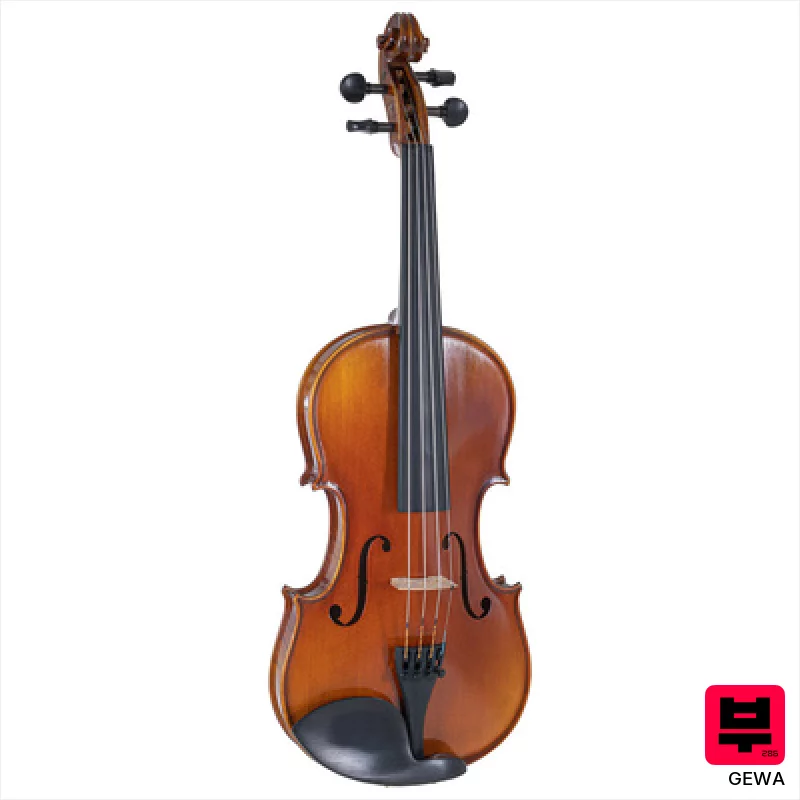
Gewa Maestro 1 Violin 3/4
- • Solid European spruce top delivers a surprisingly resonant, warm tone.
- • Well-flamed maple back and sides enhance projection and clarity.
- • Ebony fittings contribute to a refined feel and improved response.
- • Aubert 'Mirecourt' bridge offers excellent transfer of string vibrations.
- • Hand-applied varnish, while beautiful, can exhibit noticeable color variation between instruments.
- • The included bow, while functional, won't match the violin's tonal potential long-term.
- • 3/4 size is best suited for younger players; may feel cramped for older students.
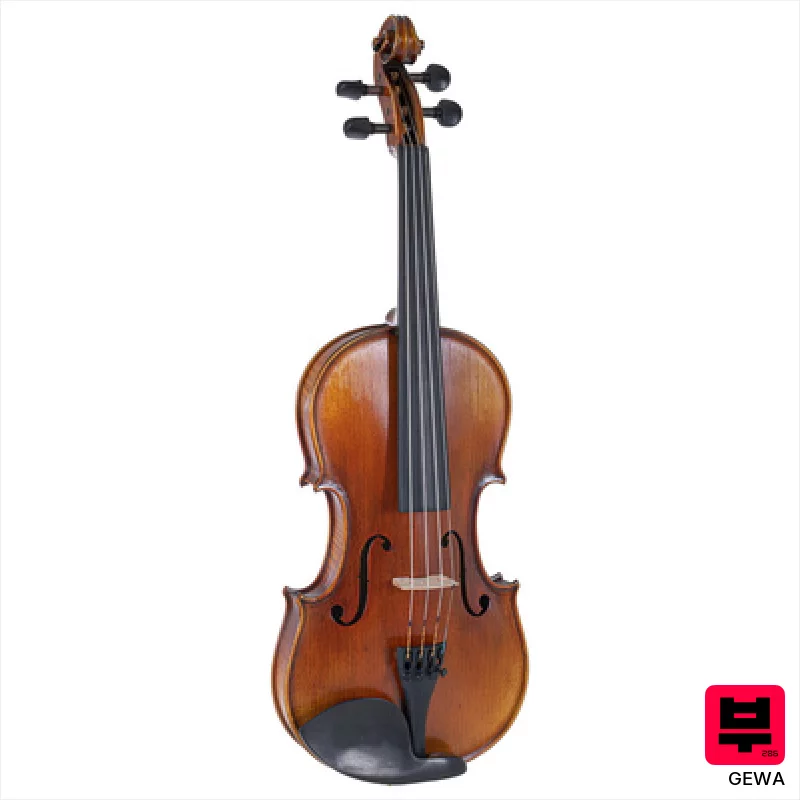
Gewa Maestro 2 Violin 3/4
- • Solid European spruce top delivers a surprisingly resonant and warm tone.
- • Well-flamed maple back and sides contribute to projection and clarity.
- • Ebony fittings offer excellent response and a refined feel under the fingers.
- • Aubert 'Mirecourt' bridge provides good transfer of string vibrations.
- • Hand-applied varnish, while beautiful, may exhibit inconsistencies in finish.
- • 3/4 size limits suitability for older or larger students; check measurements carefully.
- • While decent, the included bow is likely an area for future upgrade.
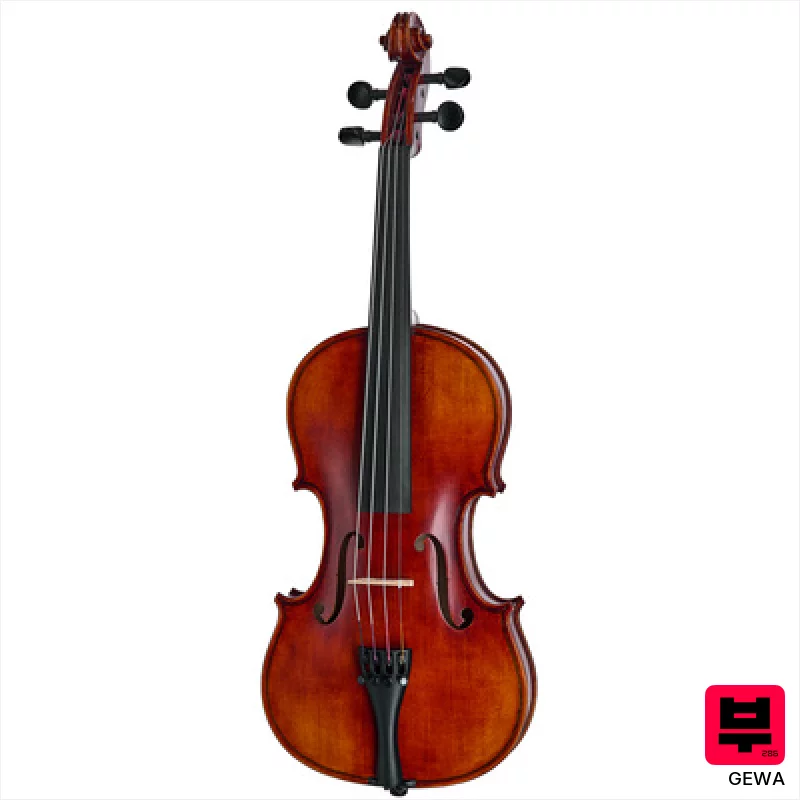
Gewa Maestro 6 Antiqued Violin 3/4
- • Solid spruce top delivers a surprisingly resonant and mature tone.
- • Diospyros crassiflora ebony fingerboard and pegs offer excellent response and durability.
- • The spirit-based lacquer provides a warm, attractive finish and good protection.
- • Inlaid purfling adds a touch of elegance and enhances the instrument’s aesthetic appeal.
- • The 'antiqued' look might feel a bit artificial to some purists.
- • While Larsen strings are decent, an upgrade would unlock even more tonal complexity.
- • The maple back and sides, while solid, aren't highly figured – a minor cosmetic point.
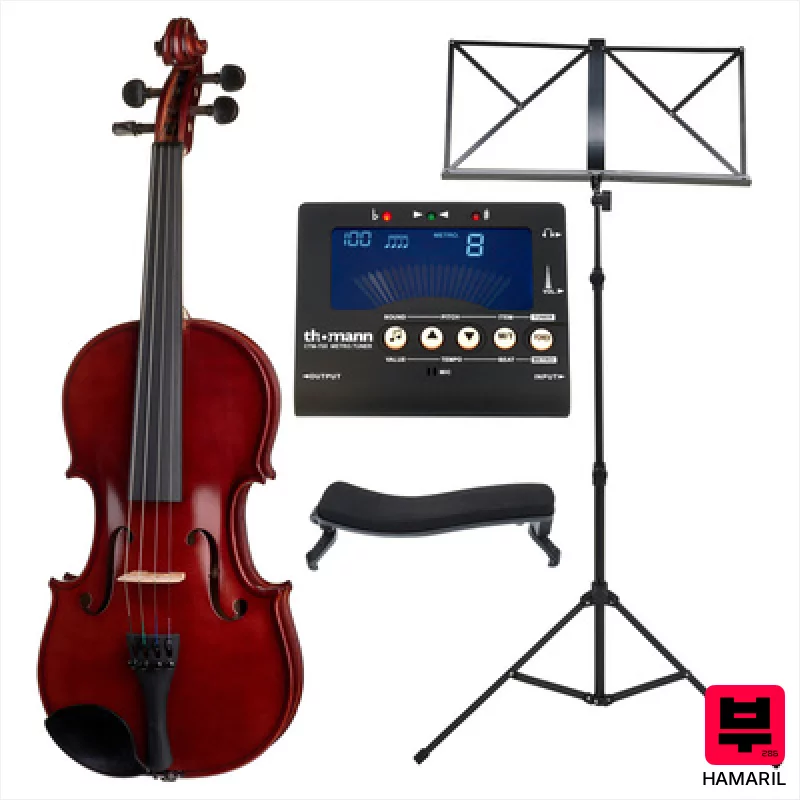
Hamaril Violin Set 1B 3/4
- • Solid wood construction offers surprisingly good tonal resonance for the price.
- • Jujube pegs and chinrest provide a decent level of comfort and grip.
- • The included Artino shoulder rest is a significant upgrade over basic models.
- • Comprehensive bundle eliminates the need for immediate additional purchases.
- • Composite bow lacks the responsiveness and tonal complexity of a brazilwood bow.
- • Matte lacquer finish, while practical, can feel a bit plasticky to the touch.
- • The Thomann workshop 'made ready to play' might still require minor setup adjustments.

Thomann Classic Violinset 3/4
- • Solid wood construction offers a surprisingly resonant tone for the price.
- • Jujube pegs and chinrest provide a decent level of comfort and grip.
- • The matte lacquer finish helps protect the wood while minimizing glare.
- • Includes a functional case with rucksack straps for easy transport.
- • The composite bow is basic and will likely need upgrading for serious playing.
- • Spruce top, while good, might lack the complexity of higher-grade European spruce.
- • The overall build quality is adequate but lacks the refined feel of more expensive instruments.
How to Choose the Best 3/4 and 7/8 Violins
Tonewood
Spruce tops are standard, but the quality of the spruce (Sitka vs. European) makes a real difference in sustain and responsiveness. Look for instruments where the wood feels dense and resonant, not brittle. Cheap violins often use lower-grade spruce that'll sound a bit flat.
Back & Sides Wood
Maple is the go-to, and figuring (the patterns in the wood grain) can indicate higher quality, but don't get hung up on that alone. The density of the maple affects the violin's projection and warmth - a denser maple will generally give you more body and a richer tone.
Setup & Playability
This is HUGE. A poorly set up violin is frustrating to play, regardless of its inherent quality. Check the action (string height) - it shouldn't be too high, making it hard to press down the strings. A comfortable neck profile is also key for avoiding fatigue during longer practice sessions.
Chinrest & Fingerboard
These small details impact comfort and intonation. A poorly shaped chinrest can make playing for extended periods uncomfortable. The fingerboard material (ebony is best, but rosewood is common) affects the feel and articulation - ebony tends to be smoother and offers better grip.
Bow Quality
Don't neglect the bow! A decent bow is crucial for drawing a good sound. Many budget violin outfits come with truly awful bows, so be prepared to potentially upgrade it later. Look for a bow with good balance and responsiveness - it shouldn't feel stiff or require excessive pressure to produce a clear tone.
Buying Guide
At this price point, expect compromises. The biggest trade-off is often in the quality of the tonewood and the precision of the setup. Don't be swayed by flashy finishes or excessive ornamentation - focus on the core sound and playability. If possible, try before you buy, or buy from a retailer with a good return policy. A slightly higher price for a properly set-up instrument is almost always worth it.
How This List Is Built
We don't play these instruments — we're a catalog, not a review desk, and we'd rather say so than pretend otherwise. This page ranks 15 3/4 and 7/8 violins from the Thomann catalogue, which is the largest single source of specification data in this category.
Position is computed, not curated. Four signals, in order of weight: how completely the manufacturer documents the instrument (number of published specifications), where it sits in the price range, how specific the model designation is — which filters out generic accessories — and whether a product image exists. The same inputs always produce the same order, so nothing here is shuffled to look fresh.
What this list is good for: narrowing a category down to a shortlist by spec and budget. What it isn't: a substitute for hearing an instrument. Before you buy, read hands-on reviews and, where you can, play it. Full methodology.

