AudioFu
AudioFu Chart · October 2026
Best 3/4 and 7/8 Violins Under $200 2026
The top pick is Alfred Stingl by Höfner AS-170-V Violin Set 3/4 ($168). Ranked by the AudioFu Index from 6 models across 5 brands, prices checked every night.
Last updated: October 18, 2026
Top 6
Full detail for the 6 highest AudioFu Index scores. Every other model is listed below.
-
Alfred Stingl by Höfner AS-170-V Violin Set 3/
4 Not on Reverb yet1 finish at Thomann
- Size3/4 size
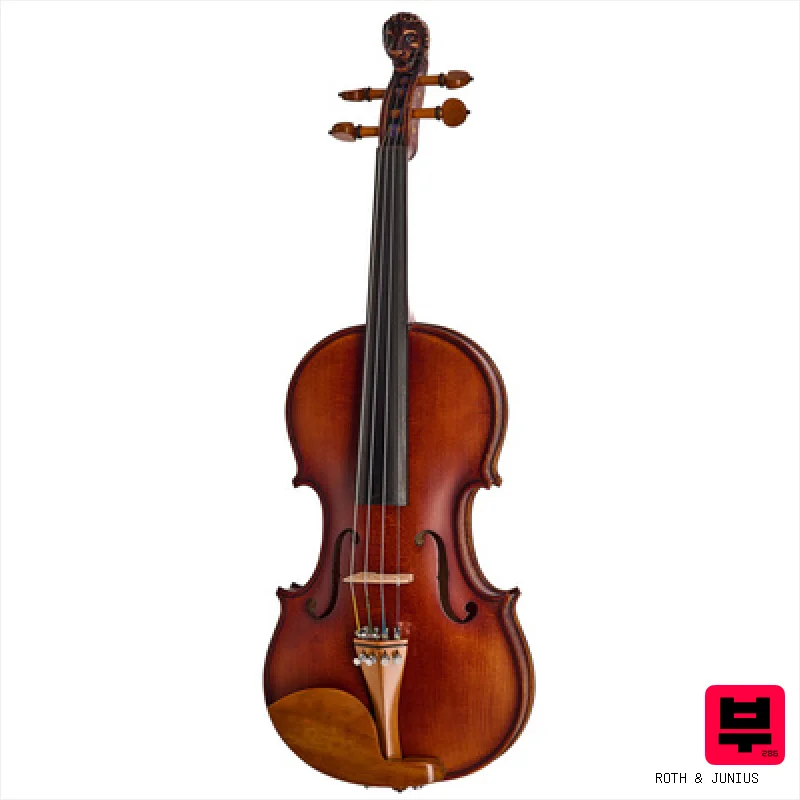
This Alfred Stingl violin is a solid wood instrument with a nice gold-brown finish. It comes with a case and a carbon bow, making it easy for a child to start playing. While the build looks good, the exact wood types and sound aren't described, so you can't tell how it will play yet.
Pros
- Solid wood construction ensures a sturdy instrument for growing children.
- Slightly flamed maple top adds visual depth and structural integrity.
- Hand-applied gold-brown spirit varnish provides a rich, warm finish.
Cons
- No specific sound character or tonal quality is described.
- Lacks detailed wood species for the back and side plates.
48AudioFu
Index↓ 40.2%since Aug 17 · lowest so far$280 · Aug 17$168 now$168€149 at Thomann · in stockCheck price ↗ -
- Size3/4 size
- Weight1.15 kg
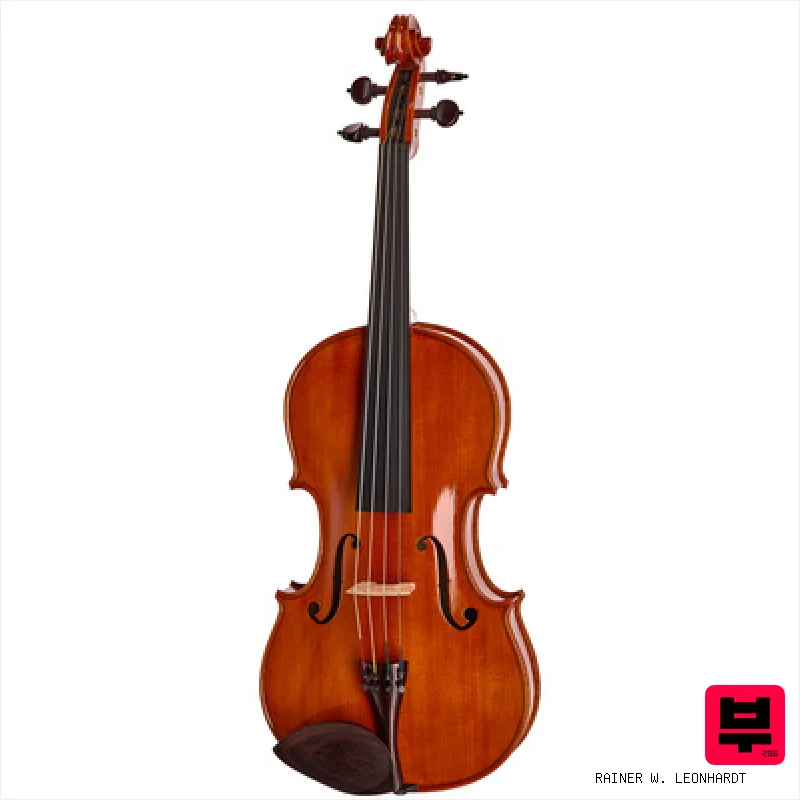
This Hamaril 1B is a solid starter set for young learners or budget-conscious adults. The all-solid wood build is a big plus at this price point, and the included accessories make it genuinely ready to play straight out of the box. It's a great way to get started without a huge investment.
Pros
- Solid wood construction offers surprisingly good tonal resonance for the price.
- Jujube pegs and chinrest provide a decent level of comfort and grip.
- The included Artino shoulder rest is a significant upgrade over basic models.
Cons
- Composite bow lacks the responsiveness and tonal complexity of a brazilwood bow.
- Matte lacquer finish, while practical, can feel a bit plasticky to the touch.
45AudioFu
IndexStableno change since Aug 14Aug 14$179 now$179€159 at Thomann · in stockCheck price ↗ -
- Size3/4 size
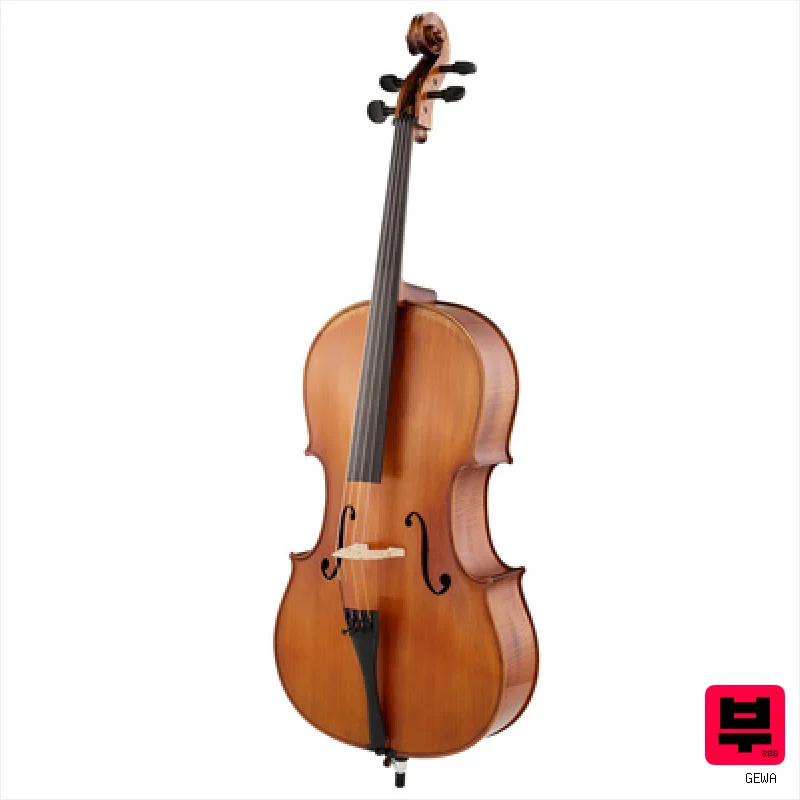
This Gewa Pure set is a solid starting point for young violin students. The solid spruce top provides a better tonal foundation than many instruments in this price range, and the included accessories make it a complete package. It's a reliable, budget-friendly option for beginners and their families.
Pros
- Solid spruce top delivers a surprisingly resonant and bright tone for the price.
- Massaranduba bow offers decent response and projection for a beginner bow.
- Inlaid purfling adds a touch of refinement often missing in student instruments.
Cons
- Hardwood fingerboard might feel a bit rough and require eventual leveling.
- Dark brown varnish appears thin and may chip with rough handling.
-
- Size3/4 size
The Stentor SR1400 is a reliable, budget-friendly starter violin set, perfect for young beginners or those exploring the instrument for the first time. The spruce top delivers a decent sound for the price point, and the included accessories make it a complete package – just be prepared to upgrade the bow eventually.
Pros
- Spruce top offers a surprisingly bright and resonant tone for the price.
- Pau Rosa pegs and chinrest provide a comfortable and stable playing experience.
- The included case offers basic protection for transport and storage.
Cons
- The included bow is quite basic and will likely need replacing as skill improves.
- Fingerboard material (malas) can feel a bit harder than ebony, impacting beginner comfort.
41AudioFu
IndexStableno change since Aug 14Aug 14$190 now$190€169 at Thomann · in stockCheck price ↗ -
- Size3/4 size
The Stentor SR1018 is a solid, budget-friendly starter violin set, ideal for young students or absolute beginners. The spruce top provides a decent tone, and the included accessories get you playing right away. Don't expect a professional instrument, but it's a reliable and affordable option to get started.
Pros
- Spruce top delivers surprisingly bright, clear tone for the price.
- Maple back and ribs contribute to a resonant, warm character.
- Included bow, while basic, is serviceable for a beginner.
Cons
- Bow hair is quite low quality; replacement is highly recommended.
- Case is functional but flimsy, offering minimal protection.
-
- Size3/4 size
This Thomann violin set is a surprisingly good entry point for young beginners or those on a tight budget. The solid wood construction gives it a warmer tone than many student instruments, and the included case and bow make it ready to play straight out of the box. It's a solid choice for initial lessons and developing basic technique.
Pros
- Solid wood construction offers a surprisingly resonant tone for the price.
- Jujube pegs and chinrest provide a decent level of comfort and grip.
- The matte lacquer finish helps protect the wood while minimizing glare.
Cons
- The composite bow is basic and will likely need upgrading for serious playing.
- Spruce top, while good, might lack the complexity of higher-grade European spruce.
38AudioFu
IndexStableno change since Aug 14Aug 14$168 now$168€149 at Thomann · in stockCheck price ↗
3/4 and 7/8 Violins by the numbers
Measured across all 6 models we track, not a sample.
most common · 6 models
How to choose the best 3/4 and 7/8 violins
Tonewood
In this price range, expect spruce tops and maple backs/sides. Don't expect premium, aged European wood. It's more likely to be from China or Romania - and that's okay, but listen carefully for any unevenness or dead spots. The better the wood, even basic wood, the more potential for a usable tone.
Setup & Playability
This is HUGE. A poorly set-up violin will be miserable to play, regardless of its inherent qualities. Action (string height) is critical; too high, and it's a struggle; too low, and you'll get buzzing. A decent setup can make a cheap violin surprisingly playable.
Bow Quality
Often overlooked! A bad bow will ruin even a decent violin. Look for bows with decent hair and a smooth response. Don't expect rosin to make a terrible bow sound amazing - it'll just make it sticky.
Construction & Hardware
Cheap hardware (tuning pegs, chin rest) means they'll be finicky and prone to slipping. Solid construction is key to longevity; flimsy joints and a poorly fitted neck will lead to problems down the line. Expect some trade-offs here, but look for something that feels reasonably sturdy.
Overall Tone
Forget about a rich, complex tone. At this price point, you're looking for something that's reasonably even across the strings, with enough sustain to be musical. Avoid instruments with a harsh, ice-picky top end or a muddy, indistinct low-end. Listen for a usable fundamental.
Buying guide
Alright, so you're looking at a 3/4 or 7/8 violin for a young player, or maybe a smaller instrument for yourself, and you're trying to keep it under $200. That's a tough spot, let's be real. We're not talking about heirloom quality here, but we can find instruments that won't make learning an absolute chore - and won't sound like a strangled cat trying to sing. This guide is about finding the best bang-for-your-buck in this budget range.
Realistically, you're making compromises. Don't expect miracles; these aren't concert-hall instruments. Prioritize playability - a well-set-up, slightly less resonant violin is better than a 'brighter' one that's a pain to hold and play.
If possible, have a local luthier check the setup before you buy, even if it's just to adjust the bridge. And remember, a good rosin can make a surprising difference.
How the AudioFu Index works
Five measured signals and nothing else — no stars from strangers, no “tested by experts” we didn’t do. The weights are fixed and public. We don’t play these instruments; we measure the market around them.
This chart covers 6 3/4 and 7/8 violins from the Thomann catalogue. Before you buy, read hands-on reviews and, where you can, play it. Full methodology.
AudioFu earns a commission when you buy through our Thomann links. It never changes the order — the index does.
- Demand40%
How many of this exact model are for sale on Reverb right now — what musicians actually buy and resell.
- Lineup20%
How many finishes Thomann stocks — makers expand the models that sell.
- Price15%
Where the price has moved since we started tracking in August.
- Specs15%
How completely the maker documents it.
- Maker10%
How deep the brand’s range is in this category.
Questions
Are 3/4 and 7/8 sizes really that different?
Yes, noticeably. 7/8 is closer in size to a full-size violin and is generally better suited for older children or smaller adults. A 3/4 is a good starting point for younger players, but pay attention to their arm length and comfort.
Can I upgrade parts later?
Absolutely. A better bow is the first and most impactful upgrade. Then consider a better bridge, strings, or even a chin rest. Upgrading the entire instrument at once is usually not cost-effective at this budget.
What about 'student outfits' - are they worth it?
They're often a convenient package deal, but not always the best value. Sometimes the individual components (violin, bow, case) are better purchased separately to ensure quality. Check reviews carefully.
What's the deal with different varnish colors?
It's purely cosmetic. The color of the varnish doesn't affect the tone or playability. Choose the one that looks best to you - it's a personal preference.
Are there any brands I should specifically look for?
Stentor, Cecilio, and Yamaha are generally considered reliable for beginner instruments in this price range. But read reviews carefully and don't be afraid to try different models.