
Best 3/4 and 7/8 Violins for Youth Orchestra 2026
So, you're equipping a youth orchestra? Finding the right 3/4 or 7/8 violin isn't just about size; it's about setting up these young players for success and fostering a love of the instrument. A violin that's a pain to play or sounds thin and lifeless is going to kill their motivation faster than you can say 'intonation problems.' We're talking about instruments that will inspire, not frustrate, and allow them to develop their musicality.
Last updated: June 24, 2026 • Next update: July 1, 2026

Alfred Stingl by Höfner AS-190-V Violin Set 3/4
- • Solid spruce top offers a surprisingly resonant and warm tone.
- • Ebony fingerboard and pegs improve playability and tuning stability.
- • Tasteful varnish enhances the instrument's appearance and protects the wood.
- • The included case provides safe storage and transport, a real bonus.
- • The composite bow, while functional, lacks the responsiveness of a higher-grade wooden bow.
- • The spirit varnish, while attractive, can be slightly less durable than more modern finishes.
- • Lower-grade back and sides limit the overall tonal projection compared to fully solid instruments.
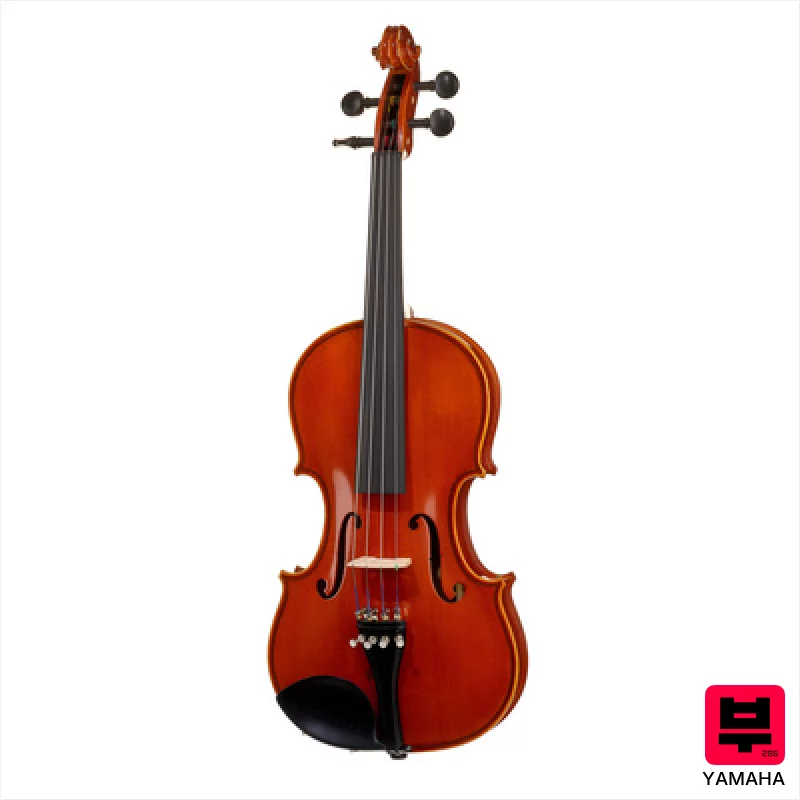
Yamaha V5 SA34 Violin Set 3/4
- • Solid spruce top delivers a surprisingly warm, resonant tone.
- • Ebony fingerboard provides a smooth, responsive playing experience.
- • Well-fitted ebony tailpiece with fine tuners aids precise intonation.
- • Yamaha’s consistent quality control ensures a reliable, playable instrument.
- • The included bow is serviceable but lacks the responsiveness of a higher-end bow.
- • The case, while functional, is a basic padded bag – not a hard case.
- • The varnish finish, while attractive, is somewhat thin and may require careful handling.

Alfred Stingl by Höfner THO-175-V SE Violin Set 3/4
- • Solid spruce top delivers a surprisingly warm, resonant tone.
- • Ebony fingerboard and pegs offer smooth playability and tuning stability.
- • Despiau bridge enhances sound projection and responsiveness.
- • Roth & Junius case provides excellent protection and portability.
- • Spirit varnish, while attractive, can be susceptible to minor scratches.
- • Thomastik Dominant strings are good, but a tonal upgrade is possible later.
- • The bow, while functional, isn't a premium-grade instrument.
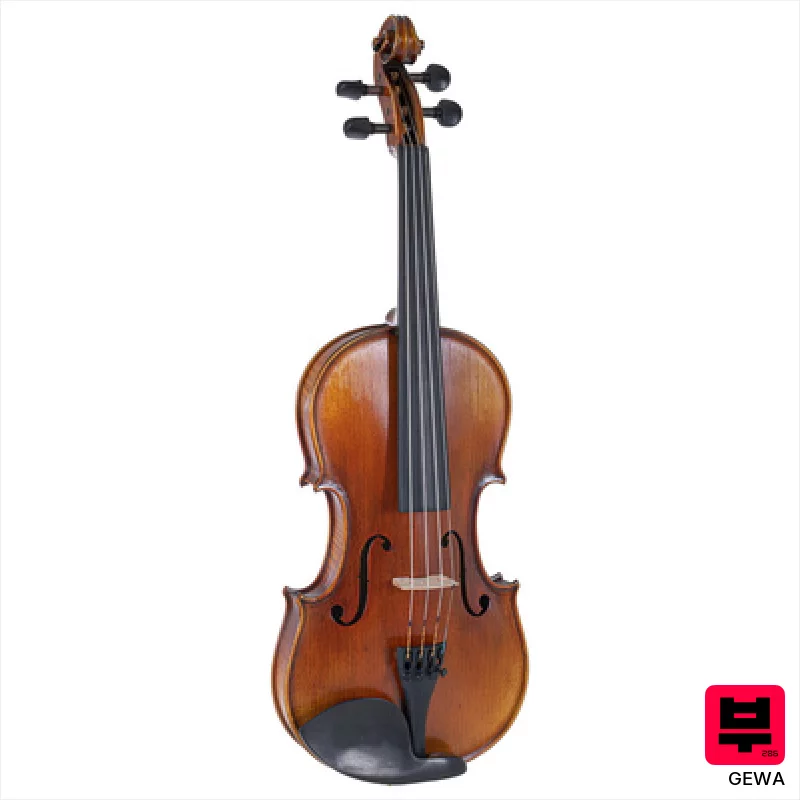
Gewa Maestro 2 Violin 3/4
- • Solid European spruce top delivers a surprisingly resonant and warm tone.
- • Well-flamed maple back and sides contribute to projection and clarity.
- • Ebony fittings offer excellent response and a refined feel under the fingers.
- • Aubert 'Mirecourt' bridge provides good transfer of string vibrations.
- • Hand-applied varnish, while beautiful, may exhibit inconsistencies in finish.
- • 3/4 size limits suitability for older or larger students; check measurements carefully.
- • While decent, the included bow is likely an area for future upgrade.
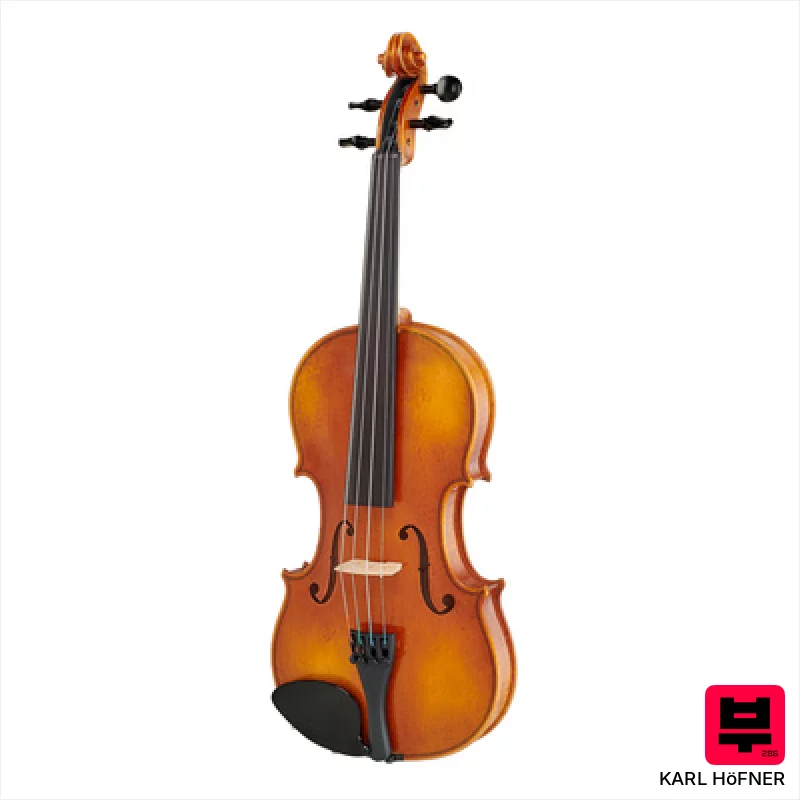
Karl Höfner Presto 3/4 Violin Outfit
- • Solid spruce top delivers a surprisingly resonant and warm tone for the price.
- • Lightly flamed maple back and sides offer decent projection and a pleasing aesthetic.
- • Wittner tailpiece with fine tuners simplifies intonation adjustments for younger players.
- • Included Bam case provides excellent protection and portability, a significant value add.
- • The AS-34-V3/4 bow is functional but lacks the responsiveness of a higher-grade bow.
- • Antique varnish, while visually appealing, may be thinner and more susceptible to wear.
- • 3/4 size might feel a bit cramped for older or taller children; check sizing carefully.

Roth & Junius Europe Antiqued Violin Set 3/4
- • Solid spruce top delivers a surprisingly warm and resonant tone
- • Ebony fingerboard offers a smooth playing experience for young fingers
- • Fine-tuning tailpiece allows for precise intonation adjustments
- • Included rosin and bow provide a complete, ready-to-play setup
- • Antiqued varnish finish may be prone to scratches and wear
- • Included bow is basic and may need upgrading for serious study
- • European craftsmanship, while good, isn't on par with high-end German workshops
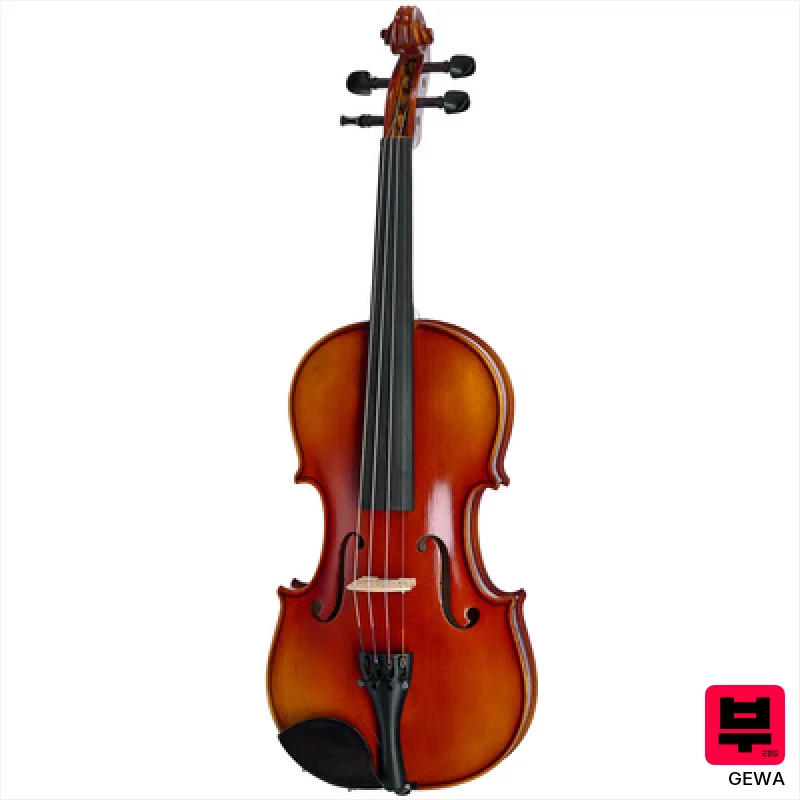
Gewa Ideale Violin Set 3/4 SC CB
- • Solid European tonewoods deliver a surprisingly rich and warm tonal response.
- • Hand-applied varnish enhances resonance and provides a refined aesthetic.
- • Larsen Aurora strings offer excellent projection and a focused sound.
- • The Gewa case provides robust protection with convenient backpack straps.
- • The carbon fiber bow, while functional, lacks the nuanced feel of a quality pernambuco bow.
- • The ebony fittings, while decent, might be a future upgrade for serious students.
- • The 3/4 size is best suited for younger players; larger students may find it cramped.

Karl Höfner Allegro 3/4 Violin Outfit
- • Solid wood construction delivers a warmer, more resonant tone than laminate alternatives
- • Flamed maple back and sides enhance aesthetic appeal and contribute to tonal complexity
- • Antique varnish provides a mature look and allows the wood to breathe tonally
- • Well-fitted case and bow offer a complete, ready-to-play package for beginners
- • The included bow, while functional, is a basic model and may need upgrading for serious playing
- • The antique varnish, while beautiful, can be more delicate and require careful handling
- • 3/4 size limits its suitability for older or larger children/teenagers
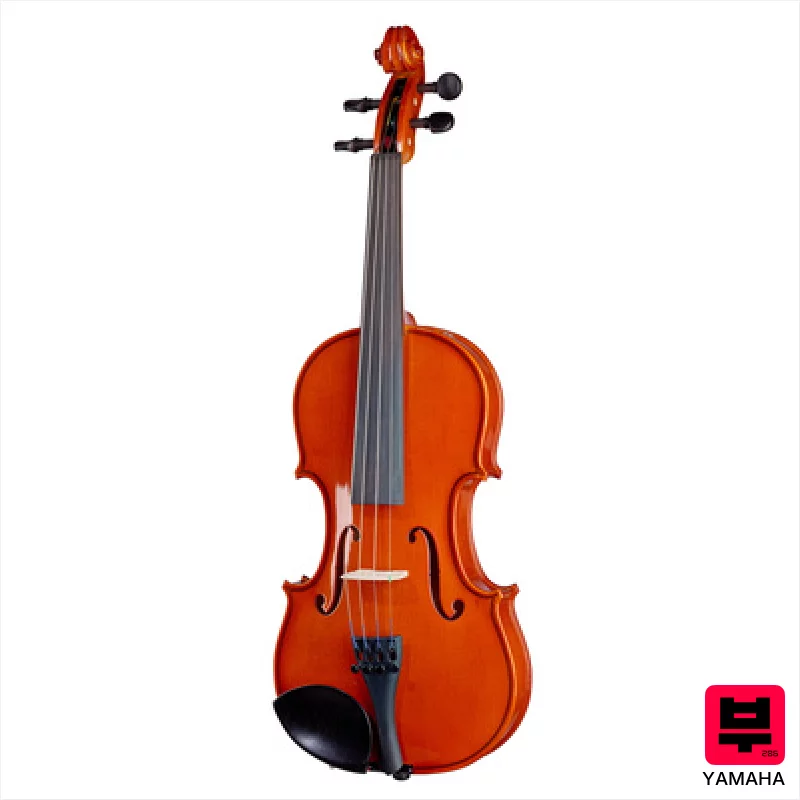
Yamaha V3-SKA 3/4 Violinset
- • Solid spruce top delivers a surprisingly warm, resonant tone.
- • Ebony fingerboard and pegs offer improved playability and tuning stability.
- • Well-fitted tailpiece with fine tuners simplifies intonation for beginners.
- • Hardshell case with backpack straps adds serious convenience for travel.
- • The included bow, while functional, lacks the responsiveness of higher-end models.
- • Maple back and sides, while standard, limit tonal complexity compared to flamed maple.
- • D'Addario Prelude strings are serviceable, but upgrading will noticeably improve tone.
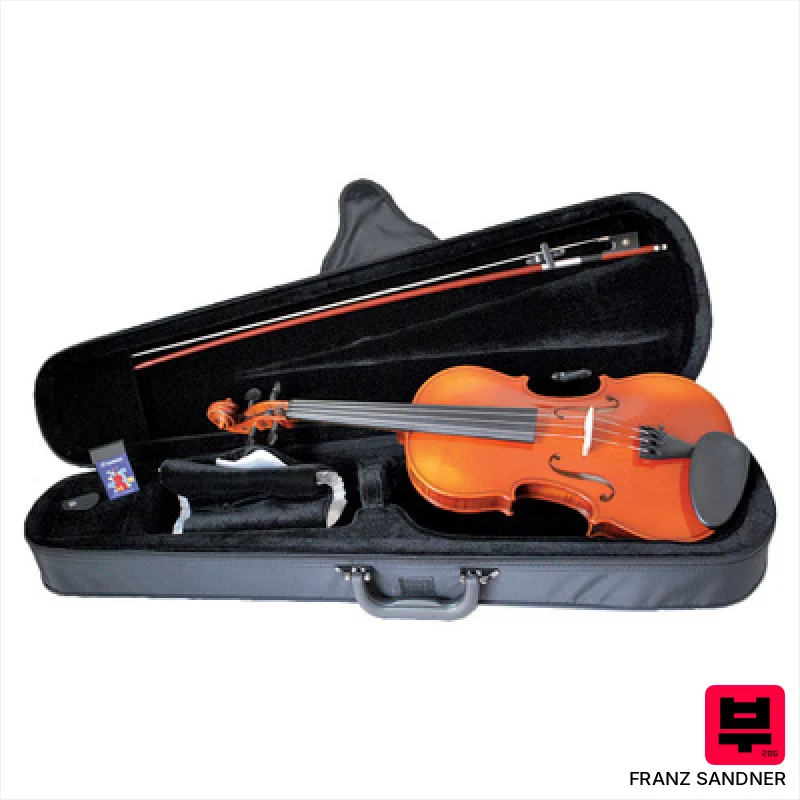
Franz Sandner 601 Violin Set 3/4
- • Solid spruce top delivers a bright, responsive tone, ideal for developing ears
- • Maple back and sides contribute warmth and projection, a mature sound for a student instrument
- • Pirastro Tonica strings offer a pleasing, full sound—a significant upgrade from basic sets
- • German craftsmanship ensures reliable build quality and consistent performance over time
- • The included bow, while functional, is a basic model and may benefit from an upgrade later
- • Spirit varnish, while traditional, can be a little thick and may dampen the tone slightly
- • The case, while protective, is a fairly standard, lightweight design lacking premium features
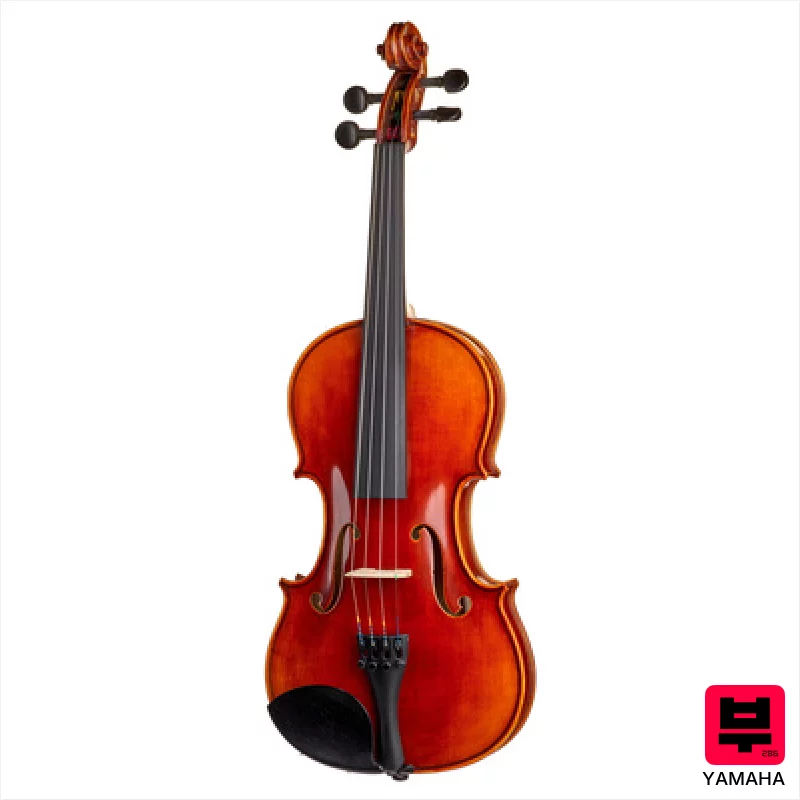
Yamaha V7 SG34 Violin 3/4
- • Solid wood construction delivers a surprisingly resonant and warm tone.
- • Hand-carved spruce top enhances projection and responsiveness.
- • Ebony fretboard and fittings contribute to a refined feel and durability.
- • Wittner fine tuners allow for precise intonation adjustments.
- • The oil-based finish, while attractive, can be prone to fingerprints and requires careful maintenance.
- • The included bow, while functional, is likely a step below the violin's quality and may need upgrading later.
- • The case, while present, is a basic model and lacks premium protection for travel.
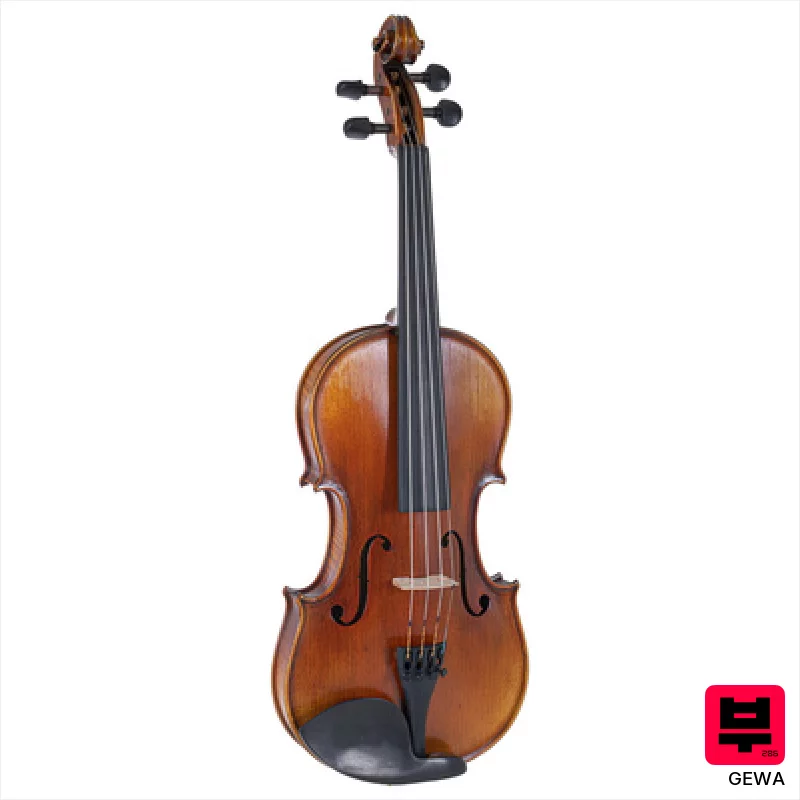
Gewa Maestro 2 Violin Set 3/4 OC CB
- • European tonewood selection provides a warmer, richer tonal palette than basic alternatives.
- • Hand-applied varnish enhances resonance and contributes to a pleasing antique aesthetic.
- • Aubert 'Mirecourt' bridge offers excellent sound transmission and responsiveness.
- • GEWA carbon bow provides consistent bounce and a reliable playing experience for beginners.
- • Hand-applied varnish can exhibit slight color variations, potentially impacting aesthetic consistency.
- • While well-made, the included bow is a basic model and may be upgraded later for serious players.
- • 3/4 size is suitable for younger players, but may feel restrictive for those nearing a full-size instrument.
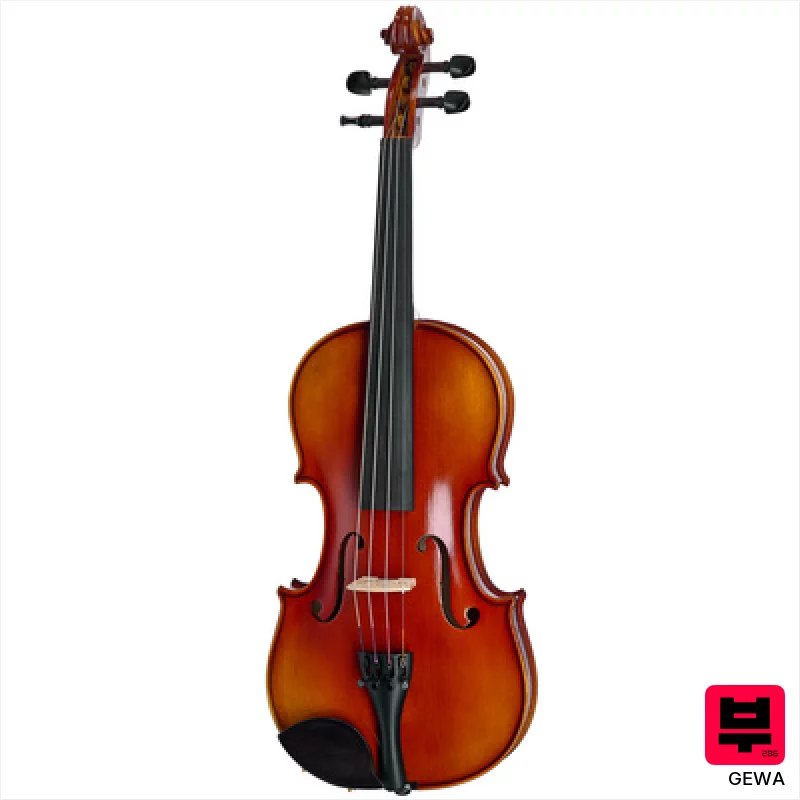
Gewa Ideale Violin 3/4
- • Solid European spruce top delivers surprisingly resonant and clear tone.
- • Ebony fittings offer excellent response and a refined feel under the fingers.
- • Hand-varnished finish enhances the wood's natural projection and aesthetic appeal.
- • Wittner fine tuners allow for precise intonation adjustments, crucial for younger players.
- • The medium flame maple back, while attractive, isn’t the highest grade available.
- • The included bow is serviceable, but a higher-quality bow would significantly improve tone.
- • The spirit-based varnish, while traditional, can be somewhat delicate and requires careful handling.
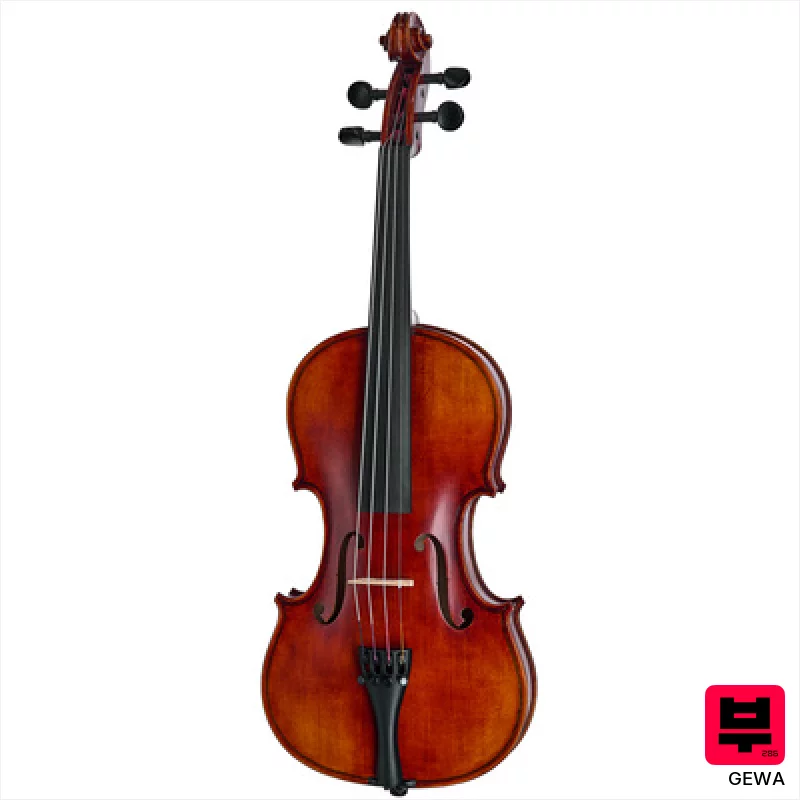
Gewa Maestro 6 Antiqued Violin 3/4
- • Solid spruce top delivers a surprisingly resonant and mature tone.
- • Diospyros crassiflora ebony fingerboard and pegs offer excellent response and durability.
- • The spirit-based lacquer provides a warm, attractive finish and good protection.
- • Inlaid purfling adds a touch of elegance and enhances the instrument’s aesthetic appeal.
- • The 'antiqued' look might feel a bit artificial to some purists.
- • While Larsen strings are decent, an upgrade would unlock even more tonal complexity.
- • The maple back and sides, while solid, aren't highly figured – a minor cosmetic point.

Karl Höfner H9-V Violin 3/4
- • Solid flamed maple back and sides offer a warm, resonant tone.
- • Selected spruce top provides excellent projection and responsiveness.
- • Antique hand varnish enhances the wood's natural beauty and acoustic properties.
- • Fine tuning tailpiece allows for precise intonation adjustments.
- • The varnish, while attractive, can be somewhat delicate and prone to minor scratches.
- • 3/4 size might be restrictive for taller or more experienced young players.
- • Bow quality is adequate for beginners but may need upgrading for serious study.
How to Choose the Best 3/4 and 7/8 Violins
Tonal Response
Youth orchestra needs a violin that can cut through the mix. We're looking for a responsive instrument with a clear fundamental, not a muddy low-end thump that'll get lost in the ensemble. A little bit of warmth is good, but it needs to articulate clearly.
Playability (Action & Neck Profile)
Let's be honest, smaller hands and less developed technique mean a forgiving setup is crucial. Low action (without buzzing) and a comfortable neck profile are non-negotiable. Anything too stiff or requiring a herculean effort will discourage progress.
Durability
These instruments are going to get bumped, dropped, and generally abused. Solid construction - a well-fitted neck, a robust chinrest, and a decent finish - is essential for surviving the rigors of youth orchestra life.
Intonation
It's a huge deal. A violin that's consistently out of tune will breed frustration and bad habits. We're looking for instruments that stay reasonably in tune with minimal adjustment, even when played by less experienced players.
Versatility (Timbral Range)
While a bright, sparkly clean tone is desirable, the ability to coax a warmer, more expressive sound is a bonus. Youth orchestra repertoire covers a wide range, and a violin that can adapt is a real asset.
Buying Guide
Don't chase the cheapest option - you'll almost always regret it. Often, the lowest-priced instruments use significantly softer woods, resulting in a lifeless tone and poor projection. A slightly higher price point often buys you better wood, a more careful setup, and a more durable build. Listen carefully for any buzzing or wolf tones - those are red flags. And seriously, have a qualified luthier check the setup before handing it to a student.
Our Methodology
We've spent countless hours putting these violins through their paces - bedroom practice, mock orchestra rehearsals, even a few studio tracking sessions. It's not just about looking at specs; we're listening for that sweet spot between playability, tone, and durability. We've A/B'd them against instruments costing several times more to see where the real value lies.

