AudioFu Chart · October 2026
Best 20" Ride Cymbals for Beginner 2026
The top pick is Meinl 20" HCS Ride ($118). Millenium 20" Still Series Ride Blue gives you the most for the money at $66. Zildjian 20" A Custom Medium Ride Cymbal leads the high end. Ranked by the AudioFu Index from 140 models across 11 brands, prices checked every night.
Last updated: October 18, 2026
Top 10
Full detail for the 10 highest AudioFu Index scores. Every other model is listed below.
-
- Size20"
The Meinl HCS 20” Ride is a solid entry-level option for students or gigging musicians on a budget. It delivers a bright, clear sound with a good stick definition, making it easy to hear in a band setting. It’s not going to blow you away with complexity, but it's a reliable and affordable workhorse.
Pros
- Bright, clear stick attack cuts through busy mixes effectively.
- HCS Bronze offers a surprisingly responsive feel for its price point.
- Defined bell provides a pleasant, articulate accent.
Cons
- Lacks the complex overtones of higher-end bronze alloys.
- Durability is moderate; expect more frequent polishing.
74AudioFu
IndexStableno change since Aug 17Aug 17$118 now$118€105 at Thomann · in stockCheck price ↗ -
Meinl 20" Byzance Dual Crash / Ride
20" HCS Crash-Ride · Meinl
23 for sale on Reverb1 finish at Thomann
- Size20"
This Meinl HCS Crash-Ride is a solid choice for beginner drummers or those needing a versatile, budget-friendly cymbal. It's surprisingly capable for both crashes and rides, though don't expect the depth of a high-end ride – it’s a great workhorse for practice and casual gigs.
Pros
- Bright, shimmering crash response with a surprisingly usable ride tone
- MS63 brass offers a warmer sound than higher bronze alloys
- The HCS series provides excellent durability for frequent use
Cons
- Lacks the complexity and sustain of higher-end cymbals
- The wash is somewhat thin and less defined than premium rides
71AudioFu
IndexStableno change since Aug 17Aug 17$118 now$118€105 at Thomann · in stockCheck price ↗ -
- Size20"
The Paiste 101 Ride is a great entry-level ride, offering a good balance of warmth and clarity. It's ideal for students, gigging musicians on a budget, or anyone needing a reliable, all-purpose ride without breaking the bank. It’s a solid choice for a wide range of musical styles.
Pros
- Bright stick attack offers immediate, clear definition.
- Balanced wash provides a warm, musical sustain.
- Solid brass construction ensures durability and longevity.
Cons
- The 101 series is relatively thin, lacking some projection.
- The bell isn't particularly powerful or cutting.
-
- Size20"
This Millenium Still Series Ride is a solid budget-friendly option for drummers needing serious volume control. It won't replace your main ride, but it's fantastic for quiet practice, low-volume gigs, or rehearsals where you don’t want to annoy the neighbors. If you're a student or just need a practice cymbal, this is a surprisingly capable choice.
Pros
- Nickel construction provides a darker, more muted tone than bronze alternatives.
- The blue finish, while cosmetic, offers a distinctive aesthetic appeal.
- Significant volume reduction makes it ideal for quiet practice and rehearsals.
Cons
- Nickel alloy lacks the complex overtones of traditional bronze rides.
- The 'still' design limits dynamic range and expressive possibilities.
-
- Size20"
The Paiste PST3 20' ride is a great entry-level option for drummers needing a reliable, clear sound. It's a solid all-rounder, perfect for gigging musicians or students wanting a workhorse ride without the premium price tag—just don't expect it to replace a boutique cymbal.
Pros
- Bright, clear fundamental tone with a defined stick attack
- Offers a surprisingly controllable wash for its price point
- Solid brass construction provides good durability and resonance
Cons
- Lacks the complexity and shimmering overtones of higher-end rides
- The 'sizzling ping' can be a little harsh for some tastes
-
- Size20"
This Millenium Still Series Ride is a solid budget-friendly option if you're primarily focused on quiet practice or unplugged gigs. The nickel construction delivers a noticeably darker, more controlled sound, and it's surprisingly lightweight for easy transport. It’s not going to fool anyone into thinking it’s a high-end bronze ride, but it gets the job done for low-volume needs.
Pros
- Nickel construction provides a darker, more muted tone than bronze.
- Regular finish reduces unwanted brightness, ideal for quiet practice.
- Still Series design effectively dampens sound for low-volume playing.
Cons
- Nickel cymbals lack the sustain and complexity of bronze alternatives.
- Regular finish can appear visually unremarkable compared to brighter finishes.
55AudioFu
Index↓ 12.7%since Aug 17 · lowest so far$89 · Aug 17$78 now$78€69 at Thomann · in stockCheck price ↗ -
- Size20"
The Sabian SBR 20 ride is a solid, dependable option for drummers needing a bright, articulate ride without the premium price tag. It's great for rock, pop, and funk where you need a clear stick definition and a usable bell. A good starting point or reliable workhorse for gigging musicians.
Pros
- Bright, clean stick articulation allows for precise patterns.
- Solid brass construction offers durability and a warm core tone.
- Versatile bell provides accents and a wider range of sounds.
Cons
- Lacks the complex overtones of higher-end, more expensive rides.
- The 'natural' finish can be prone to tarnishing requiring regular cleaning.
72AudioFu
IndexStableno change since Aug 17Aug 17$163 now$163€145 at Thomann · in stockCheck price ↗ -
Paiste 16" PST 7 Thin Crash Cymbal
PST7 20" Light Ride · Paiste
10 for sale on Reverb3 finishes at Thomann
- Size20"
The Paiste PST7 20in Light Ride is a solid, affordable option for drummers needing a do-it-all cymbal. It's great for beginners or gigging musicians who want a bright, responsive ride that can also double as a crash – it's a real workhorse.
Pros
- Bright, shimmering wash provides a versatile, usable crash/ride option
- CuSn8 bronze delivers a warm, foundational tonal character
- Relatively thin weight allows for easy control and quick response
Cons
- Lacks the complexity and sustain of higher-end ride cymbals
- The bell sound is somewhat muted and not particularly prominent
74AudioFu
IndexStableno change since Aug 17Aug 17$186 now$186€165 at Thomann · in stockCheck price ↗ -
Zildjian 20" A Custom Medium Ride Cymbal
20" S Series Medium Ride · Zildjian
85 for sale on Reverb1 finish at Thomann
- Size20"
The Zildjian S Series Medium Ride is a solid, dependable choice for drummers seeking a bright, articulate sound without the premium price tag. It's a workhorse ride – excellent for gigging musicians and students alike who need a reliable, responsive cymbal that cuts through a mix.
Pros
- B12 bronze offers a balanced, responsive feel and tone.
- Medium weight provides excellent stick definition and control.
- Brilliant finish enhances projection and visual appeal.
Cons
- The sound might be too bright for some heavier musical genres.
- Lacks the complexity and sustain of higher-end cymbals.
-
Paiste 20" PST 8 Reflector Medium Ride Cymbal
20" PST8 Reflector Rock Ride · Paiste
10 for sale on Reverb2 finishes at Thomann
- Size20"
This PST8 Reflector Rock Ride is a real workhorse for rock and metal drummers needing a bright, powerful sound. The Reflector finish adds a cool visual element and a touch of shimmer, while the solid bell gives you some serious crash power. It’s a great option if you're after a dependable, high-volume ride without breaking the bank.
Pros
- Bright, cutting sound cuts through dense rock mixes effectively
- Reflector finish offers a unique, shimmering wash alongside stick definition
- B8 bronze provides a solid, reliable, and durable construction
Cons
- The 'Radiant' finish can be prone to marking and tarnishing quickly
- Sound leans heavily towards a modern, bright rock tone; lacks vintage warmth
70AudioFu
IndexStableno change since Aug 17Aug 17$213 now$213€189 at Thomann · in stockCheck price ↗
All 140 20" ride cymbals
Same index, same nightly prices — compact. Colour options of one model share a row. Tap a photo to zoom.
- 11
Paiste PST5 20" Rock Ride '14Paiste · 2 finishes60Stable$174€155$174€155Check ↗
- 12
Millenium 20" B20 RideMillenium49Stable$145€129$145€129Check ↗
- 13
Paiste 20" Color Sound 900 Series Ride Cymbal20" 900 Series Ride · Paiste69Stable$246€219$246€219Check ↗
- 14
Meinl 20" HCS Practice Ride Cymbal20" Practice HCS Ride · Meinl60Stable$208€185$208€185Check ↗
- 15
Meinl 20" Classics Custom Dark Ride20" Classics Custom Pow. Ride · Meinl71Stable$262€233$262€233Check ↗
- 16
Zultan 20" Aja Blaze RideZultan54Stable$190€169$190€169Check ↗
- 17
Zultan 20" Aja RideZultan54Stable$190€169$190€169Check ↗
- 18
Sabian 20" B8X Medium Ride Cymbal20" B8X Ride · Sabian71Stable$269€239$269€239Check ↗
- 19
Paiste 20" Color Sound 900 Series Heavy Ride Cymbal20" 900 Series Heavy Ride · Paiste64Stable$242€215$242€215Check ↗
- 20
Paiste 20" Color Sound 900 Series Heavy Ride Cymbal20" 900 Color Heavy Ride BK · Paiste64Stable$258€229$258€229Check ↗
- 21
Zildjian 20" L80 Low Volume Ride Cymbal20" Low Volume Ride · Zildjian64Stable$258€229$258€229Check ↗
- 22
Zildjian 20" I Family Ride MediumZildjian53Stable$213€189$213€189Check ↗
- 23
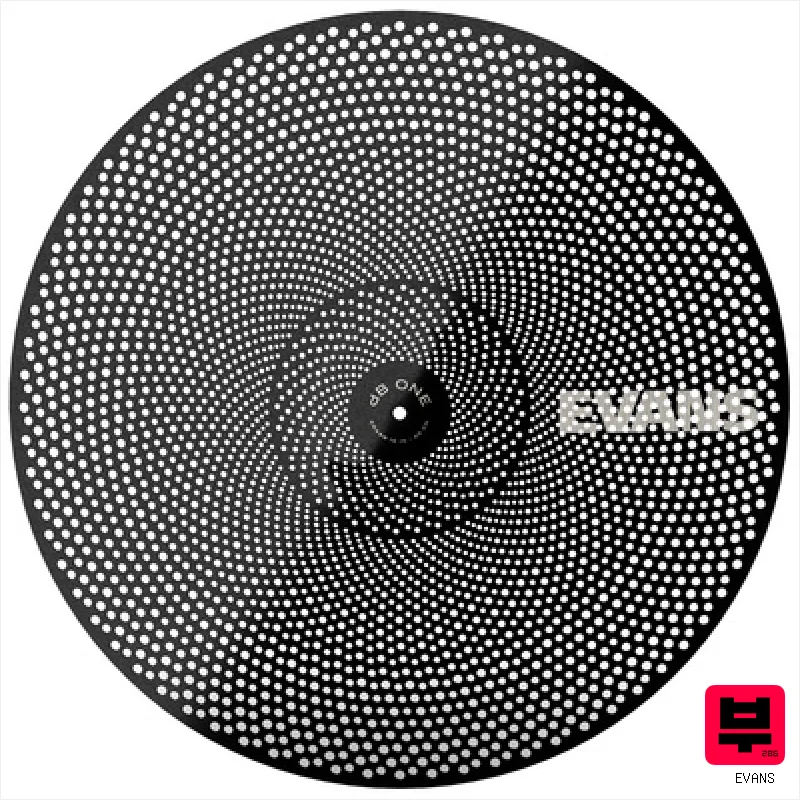
Evans 20" dB One RideEvans47Stable$197€175$197€175Check ↗
- 24
Masterwork 20" Custom Rock RideMasterwork51↓ 4.8%$224€199$224€199Check ↗
- 25
Masterwork 20" Troy Traditional RideMasterwork49Stable$224€199$224€199Check ↗
- 26
Zultan 20" Raw Jazz RideZultan54Stable$246€219$246€219Check ↗
- 27
Zultan 20" Raw RideZultan54Stable$246€219$246€219Check ↗
- 28
Paiste 20"900ColorSound HeavyRide PRPPaiste54Stable$250€222$250€222Check ↗
- 29
Zultan 20" Raw Flat RideZultan54Stable$258€229$258€229Check ↗
- 30
Zultan 20" Rock Beat Heavy RideZultan54Stable$258€229$258€229Check ↗
- 31
Zultan 20" F5 RideZultan54Stable$258€229$258€229Check ↗
- 32
Zultan 20" Rock Beat Medium RideZultan54Stable$258€229$258€229Check ↗
- 33
Zultan 20" Alaris RideZultan55↓ 4.0%$269€239$269€239Check ↗
- 34
Zultan 20" Ride Dark MatterZultan49↑ 10.1%$246€219$246€219Check ↗
- 35
Masterwork 20" Custom RideMasterwork49Stable$246€219$246€219Check ↗
- 36
Zultan 20" Aeon RideZultan54Stable$269€239$269€239Check ↗
- 37
Meinl 20" Class. Cust. Dark Heavy RiMeinl54Stable$269€239$269€239Check ↗
- 38
Zultan 20" Q RideZultan54Stable$269€239$269€239Check ↗
- 39
Zildjian 20" A Custom Medium Ride Cymbal20" K-Custom Medium Ride · Zildjian82↓ 4.2%$517€459$517€459Check ↗
- 40
Zildjian 20" A Custom Medium Ride Cymbal20" A-Series Medium Ride · Zildjian81Stable$426€379$426€379Check ↗
- 41
Zildjian 20" A Custom Medium Ride Cymbal20" A-Custom Ride · Zildjian81Stable$472€419$472€419Check ↗
- 42
Zildjian 20" A Custom Medium Ride Cymbal20" K-Series Ride · Zildjian81Stable$539€479$539€479Check ↗
- 43
Zildjian 20" A Custom Medium Ride Cymbal20" K-Custom Custom Ride · Zildjian81Stable$560€498$560€498Check ↗
- 44
Paiste 20" Signature Full Ride Cymbal20" Signature Full Ride · Paiste74Stable$584€519$584€519Check ↗
- 45
Sabian 20" XSR Ride Cymbal20" FRX Ride · Sabian72Stable$663€589$663€589Check ↗
- 46
Meinl 20" Byzance Foundry Reserve Light Ride Cymbal20" Byzance Foundry Reserve LR · Meinl · 2 finishes72Stable$697€619$697€619Check ↗
- 47
Meinl 20" Classics Custom Dark RideMeinl71Stable$287€255$287€255Check ↗
- 48
Meinl 20" Classics Custom Dark Ride20" Classics Custom Med. Ride · Meinl71Stable$291€259$291€259Check ↗
- 49
Sabian 20" Stratus Ride Cymbal20" Stratus Ride · Sabian71Stable$449€399$449€399Check ↗
- 50
Sabian 20" HHX Evolution Ride Cymbal20" HHX Evolution Ride · Sabian71Stable$573€509$573€509Check ↗
- 51
Meinl 20" Byzance Dual Crash/RideMeinl71Stable$602€535$602€535Check ↗
- 52
Zildjian 20" K Custom Dark Ride Cymbal20" K-Custom Dark Ride · Zildjian70Stable$560€498$560€498Check ↗
- 53
Istanbul Agop 20" 30th Anniversary Ride20" 30th Anniversary Med. Ride · Istanbul Agop70Stable$674€599$674€599Check ↗
- 54
Istanbul Agop 20" 30th Anniversary RideIstanbul Agop70Stable$674€599$674€599Check ↗
- 55
Zildjian 20" K Series Crash/Ride Cymbal20" A-Series Crash/Ride · Zildjian69Stable$426€379$426€379Check ↗
- 56
Zildjian 20" A Series Ping Ride Cymbal 1986 - 201220" A-Series Ping Ride · Zildjian69Stable$449€399$449€399Check ↗
- 57
Sabian 20" HHX Complex Medium Ride Cymbal20" HHX Complex Medium Ride · Sabian69Stable$625€555$625€555Check ↗
- 58
Istanbul Agop 20" Traditional Series Dark Ride Cymbal20" Traditional Dark Ride · Istanbul Agop68Stable$494€439$494€439Check ↗
- 59
Meinl 20" Classics Custom Dual Ride Cymbal20" Classics Custom Dual Ride · Meinl67Stable$303€269$303€269Check ↗
- 60
Meinl 20" Byzance Traditional Medium Ride Traditional20" Byzance Medium Ride · Meinl67Stable$562€499$562€499Check ↗
- 61
Zildjian 20" K Constantinople Medium Thin Low Ride Cymbal20" K Constantinople M Ride · Zildjian67Stable$730€649$730€649Check ↗
- 62
Paiste 20" Masters Dark Ride Cymbal20" Masters Dark Ride · Paiste66Stable$584€519$584€519Check ↗
- 63
Meinl 20" Byzance Dark RideMeinl66Stable$618€549$618€549Check ↗
- 64
Paiste 20" Formula 602 Classic Medium Ride Cymbal20" 602 Series Medium Ride · Paiste66Stable$697€619$697€619Check ↗
- 65
Istanbul Agop 20" Xist Ride20" Xist Ride Natural · Istanbul Agop65Stable$354€315$354€315Check ↗
- 66
Meinl 20’’ Byzance Jazz Big Apple Dark Ride Cymbal20" Byzance Dark B. Apple Ride · Meinl65Stable$539€479$539€479Check ↗
- 67
Istanbul Agop 20" Signature Ride Cymbal20" Agop Signature Ride · Istanbul Agop65Stable$550€489$550€489Check ↗
- 68
Meinl 20’’ Byzance Jazz Big Apple Dark Ride Cymbal20" Byzance Big Apple Ride · Meinl65Stable$562€499$562€499Check ↗
- 69
Meinl 20" Byzance Dark Raw Bell Ride20" Byzance Raw Bell Ride · Meinl65↓ 3.8%$573€509$573€509Check ↗
- 70
Meinl 20" Pure Alloy Extra Hammered Crash / Ride Cymbal20" Pure Alloy E.Hammered Ride · Meinl64↓ 2.6%$426€379$426€379Check ↗
- 71
Meinl 20" Pure Alloy Custom Extra Thin Hammered Crash Cymbal20" Pure Alloy E.Hammered C-R · Meinl64Stable$426€379$426€379Check ↗
- 72
Sabian 20" AAX X-Plosion Ride Cymbal20" AAX X-Plosion Ride · Sabian64Stable$517€459$517€459Check ↗
- 73
Meinl 20" Byzance Traditional Polyphonic Ride Cymbal20" Byzance Polyphonic Ride · Meinl63Stable$562€499$562€499Check ↗
- 74
Sabian 20" HHX Legacy Ride Cymbal20" HHX Legacy Ride · Sabian63Stable$625€555$625€555Check ↗
- 75
Meinl 20" Pure Alloy Custom Medium Thin Ride Cymbal20" Pure Alloy Thin Ride · Meinl62Stable$404€359$404€359Check ↗
- 76
Meinl 20" Pure Alloy Custom Medium Thin Ride Cymbal20" Pure Alloy Custom Ride · Meinl62Stable$426€379$426€379Check ↗
- 77
Meinl 20" Byzance Extra Dry Thin Ride20" Byzance Extra Ham. Ride · Meinl62Stable$539€479$539€479Check ↗
- 78
Meinl 20" Byzance Extra Dry Thin Ride20" Byzance Thin Ride · Meinl62Stable$562€499$562€499Check ↗
- 79
Meinl 20" Byzance Extra Dry Thin Ride20" Byzance Extra Dry M. Ride · Meinl62Stable$562€499$562€499Check ↗
- 80
Meinl 20" Byzance Vintage Pure RideMeinl61Stable$562€499$562€499Check ↗
- 81
Paiste 20" Masters Dark Crisp Ride Cymbal20" Masters Dark Crisp Ride · Paiste61Stable$584€519$584€519Check ↗
- 82
Istanbul Mehmet 20" IMC Bronze Ride Cymbal20" Ride IMC Natural · Istanbul Mehmet60Stable$321€285$321€285Check ↗
- 83
Istanbul Agop 20" Xist Brilliant Ride20" Xist Ride Brilliant · Istanbul Agop60Stable$359€319$359€319Check ↗
- 84
Meinl 20" Classics Custom Extreme Metal Ride20" Classics Extreme Ride · Meinl59Stable$291€259$291€259Check ↗
- 85
Sabian 20" B8X Rock Ride Cymbal20" XSR Rock Ride · Sabian59Stable$393€349$393€349Check ↗
- 86
Paiste 20" Masters Medium Ride Cymbal20" Masters Medium Ride · Paiste59Stable$584€519$584€519Check ↗
- 87
Paiste 20" Masters Dark Crash / Ride Cymbal20" Masters Dark Crash Ride · Paiste59Stable$584€519$584€519Check ↗
- 88
Meinl 20" Byzance Jazz Club Ride20" Byzance Club Ride · Meinl58↓ 2.2%$505€449$505€449Check ↗
- 89
Paiste 20" RUDE Power Ride Cymbal20" Rude Power Ride · Paiste57Stable$415€369$415€369Check ↗
- 90
Paiste 20" Signature Power Ride Cymbal20" Signature Power Ride · Paiste57↑ 18.9%$560€498$560€498Check ↗
- 91
Paiste 20" Signature Mellow Ride Cymbal20" Signature Mellow Ride · Paiste57Stable$584€519$584€519Check ↗
- 92
Paiste 2002 Classic 20" Heavy RidePaiste56↓ 2.7%$404€359$404€359Check ↗
- 93
Istanbul Mehmet 20" Traditional Series Original Ride Cymbal20" Original Ride Traditional · Istanbul Mehmet55Stable$449€399$449€399Check ↗
- 94
Istanbul Mehmet 20" Traditional Series Medium Ride Cymbal20" Medium Ride Traditional · Istanbul Mehmet55Stable$449€399$449€399Check ↗
- 95
Meinl 20" Byzance Jazz Extra Thin Ride20" Byzance Jazz Extra Thin R. · Meinl55Stable$539€479$539€479Check ↗
- 96
Zultan 20" Alaris light RideZultan54Stable$280€249$280€249Check ↗
- 97
Zultan 20" Ride 25Zultan54Stable$280€249$280€249Check ↗
- 98
Zultan 20" Dune RideZultan54Stable$280€249$280€249Check ↗
- 99
Zultan 20" Caz RideZultan54Stable$280€249$280€249Check ↗
- 100
Zultan 20" Aeon Light RideZultan54Stable$280€249$280€249Check ↗
- 101
Zultan 20" Heritage Flat RideZultan54Stable$303€269$303€269Check ↗
- 102
Zultan 20" Z-Series RideZultan54Stable$303€269$303€269Check ↗
- 103
Zultan 20" Mellow RideZultan54Stable$335€298$335€298Check ↗
- 104
Zultan 20" Heritage RideZultan54Stable$354€315$354€315Check ↗
- 105
Meinl Pure Alloy 20" Medium RideMeinl54Stable$393€349$393€349Check ↗
- 106
Paiste 2002 Classic 20" Power RidePaiste54Stable$404€359$404€359Check ↗
- 107
Paiste 2002 Classic 20" RidePaiste54Stable$415€369$415€369Check ↗
- 108
Istanbul Mehmet 20" Nostalgia 50s Ride Cymbal20" Nostalgia 50's Ride · Istanbul Mehmet54↓ 2.3%$472€419$472€419Check ↗
- 109
Paiste 20" Masters Thin RidePaiste54Stable$539€479$539€479Check ↗
- 110
Meinl 20" Byzance Sand RideMeinl54Stable$562€499$562€499Check ↗
- 111
Paiste 20" Traditional Light RidePaiste54Stable$674€599$674€599Check ↗
- 112
Paiste 20" 602 Mod. Essentials RidePaiste54Stable$697€619$697€619Check ↗
- 113
Paiste 20" Signature Dark Energy MK1Paiste54Stable$697€619$697€619Check ↗
- 114
Istanbul Agop 20" Xist Power RideIstanbul Agop53Stable$354€315$354€315Check ↗
- 115
Istanbul Agop 20" Xist Dry Dark Flat RideIstanbul Agop53Stable$354€315$354€315Check ↗
- 116
Istanbul Mehmet 20" Origin Dark Ride Cymbal20" Ride Origin Dark Series · Istanbul Mehmet53Stable$438€389$438€389Check ↗
- 117
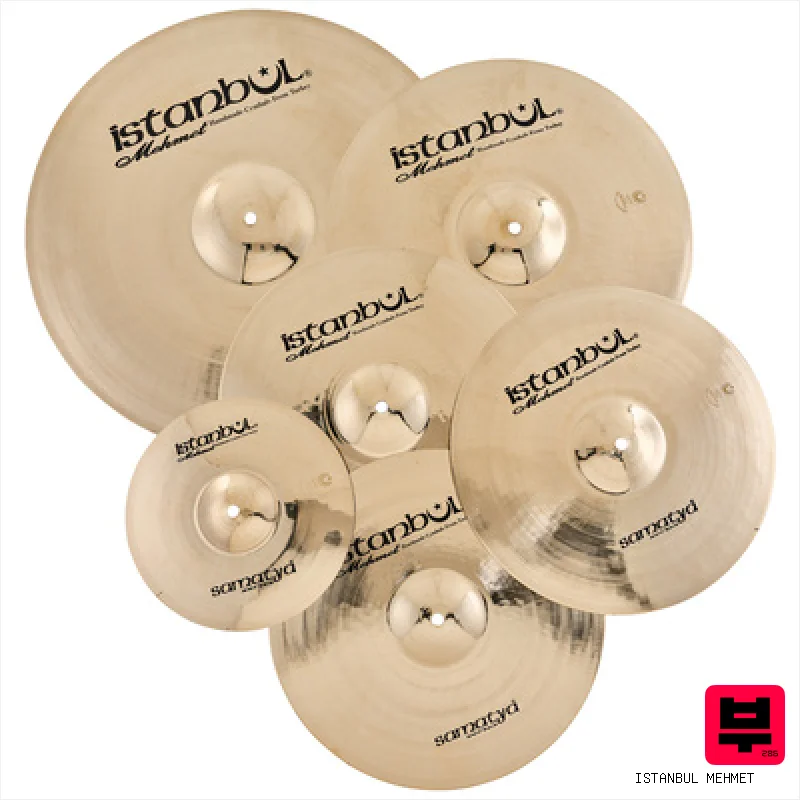
Istanbul Mehmet 20" Samatya Ride Cymbal20" Ride Samatya Series · Istanbul Mehmet53Stable$467€415$467€415Check ↗
- 118
Istanbul Mehmet 20" MC Jazz Ride Cymbal20" Ride MC Jazz Series · Istanbul Mehmet53Stable$467€415$467€415Check ↗
- 119
Istanbul Agop 20" Traditional Medium RideIstanbul Agop53Stable$473€420$473€420Check ↗
- 120
Zildjian 20" Z Custom Ride brilliantZildjian53Stable$483€429$483€429Check ↗
- 121
Istanbul Agop 20" Traditional Crash RideIstanbul Agop53Stable$494€439$494€439Check ↗
- 122
Istanbul Agop 20" Traditional Original RideIstanbul Agop53Stable$494€439$494€439Check ↗
- 123
Istanbul Agop 20" Traditional Jazz RideIstanbul Agop53Stable$494€439$494€439Check ↗
- 124
Istanbul Mehmet 20" Nostalgia 70s Ride Cymbal20" Nostalgia 70's Ride · Istanbul Mehmet53Stable$517€459$517€459Check ↗
- 125
Istanbul Agop 20" Mel Lewis 1982 Sign. RideIstanbul Agop53Stable$539€479$539€479Check ↗
- 126
Istanbul Agop 20" Custom Series SE Jazz RideIstanbul Agop53Stable$550€489$550€489Check ↗
- 127
Istanbul Agop 20" 30th Anniversary Flat RideIstanbul Agop53Stable$703€625$703€625Check ↗
- 128
Zildjian 20" K Const. Renaissance RideZildjian53Stable$730€649$730€649Check ↗
- 129
Zildjian 20" Kerope Thin High Ride Cymbal20" Kerope Thin High Ride · Zildjian53Stable$1,304€1,159$1,304€1,159Check ↗
- 130
Istanbul Mehmet 20" Sizzle Flat Ride TraditionIstanbul Mehmet52Stable$467€415$467€415Check ↗
- 131
Istanbul Mehmet 20" Black Sea 1623 RideIstanbul Mehmet52Stable$472€419$472€419Check ↗
- 132
Istanbul Mehmet 20" 61st Vintage Sizzle RideIstanbul Mehmet52Stable$505€449$505€449Check ↗
- 133
Istanbul Mehmet 20" Nostalgia 50's Sizzle RideIstanbul Mehmet52Stable$517€459$517€459Check ↗
- 134
Paiste 20" Formula 602 "Blue Label" Medium Flatride Cymbal20" 602 Series Flatride · Paiste52Stable$697€619$697€619Check ↗
- 135
Masterwork 20" Jazz Master RideMasterwork51↓ 3.7%$291€259$291€259Check ↗
- 136
Sabian 20" Ride Holger Müller Sign.Sabian51Stable$771€685$771€685Check ↗
- 137
Istanbul Mehmet 20" Turk Medium Ride Cymbal20" Medium Ride Turk Series · Istanbul Mehmet50Stable$426€379$426€379Check ↗
- 138
Istanbul Mehmet 20" Turk Jazz Ride Cymbal20" Jazz Ride Turk Series · Istanbul Mehmet50Stable$438€389$438€389Check ↗
- 139
Ufip 20" Class Series Medium RideUfip49↓ 2.9%$381€339$381€339Check ↗
- 140
Ufip 20" Bionic Series Medium RideUfip48Stable$402€357$402€357Check ↗
20" Ride Cymbals by the numbers
Measured across all 146 models we track, not a sample.
Median $426 — half of all 20" ride cymbals here cost less.
median of 146 models · 20"–20"
How to choose the best 20" ride cymbals
Wash
A beginner needs a ride that can create a full, supportive wash - it's what makes the groove feel good and fills out the sonic space. Too much wash and it'll get muddy; too little and it'll sound thin and brittle.
Stick Definition/Articulation
You need to be able to hear what you're playing! Good stick definition means the bell and bow respond clearly without getting lost in the wash. This is vital for learning different patterns and dynamics.
Playability/Action
A ride that's stiff and resistant to movement is a nightmare for a beginner. Look for something that responds easily to lighter touches and allows for a smooth, flowing action. You want to feel the cymbal, not fight it.
Overall Tone
A balanced tone is key. Too much bright, ice-picky high-end can be fatiguing and harsh. Look for a ride with a warm core and a controllable high-end - something that can cut through a band without being painful.
Durability
Let's be honest, you're probably not being super careful. A ride that's prone to cracking or denting after a few gigs isn't worth the money. Solid construction and a reasonable alloy are important for longevity.
Buying guide
So, you're starting out on the drums? Awesome! A good ride cymbal is more than just a 'ting' - it's the pulse, the wash, the feel of a groove. A 20" ride is a sweet spot for beginners, offering enough size for a decent wash without being unwieldy. Let's look at some solid options that won't leave you frustrated and will actually inspire you to practice.
Don't chase the 'big name' hype right away. Entry-level cymbals from reputable brands often offer the best value. Be wary of super-cheap, unbranded rides - they often cut corners on alloy and hammering, resulting in a lifeless, brittle sound.
A slightly more expensive, well-made ride will feel better, sound better, and last longer, ultimately saving you money in the long run. Listen for a good balance - you want something that responds, doesn't sound like a trashcan lid, and can handle a decent stick attack.
How the AudioFu Index works
Five measured signals and nothing else — no stars from strangers, no “tested by experts” we didn’t do. The weights are fixed and public. We don’t play these instruments; we measure the market around them.
This chart covers 146 20" ride cymbals from the Thomann catalogue. Before you buy, read hands-on reviews and, where you can, play it. Full methodology.
AudioFu earns a commission when you buy through our Thomann links. It never changes the order — the index does.
- Demand40%
How many of this exact model are for sale on Reverb right now — what musicians actually buy and resell.
- Lineup20%
How many finishes Thomann stocks — makers expand the models that sell.
- Price15%
Where the price has moved since we started tracking in August.
- Specs15%
How completely the maker documents it.
- Maker10%
How deep the brand’s range is in this category.
Questions
What's the difference between B8 and B20 bronze?
B8 is a common alloy for entry-level cymbals - it's more affordable but generally has a darker, less complex sound. B20 bronze is the standard for higher-end cymbals, offering more overtones and a brighter, more shimmering tone, but it comes at a higher price.
Should I get a heavier or lighter ride?
As a beginner, a medium weight is generally best. It offers a good balance of responsiveness and sustain without being too heavy to control. Lighter rides can feel flimsy, while heavier rides require more force to get a good sound.
What about different bell types?
The bell is the 'ping' you hear when you hit the center. A smaller bell will give a more focused, defined ping, while a larger bell will create a more voluminous, resonant sound. For beginners, a medium-sized bell is a safe bet.
I play in a loud rock band - will a 20" ride be loud enough?
A 20" ride can cut through a rock band, but you might need to adjust your technique and possibly consider a slightly heavier weight or a ride with a more defined bell. It's a trade-off - you'll likely need to be more precise with your playing.
Are used cymbals a good option?
Absolutely! You can often find great deals on used cymbals, but inspect them carefully for cracks or excessive keyholing. A little bit of wear and tear is fine, but avoid anything that looks structurally compromised.