AudioFu Chart · October 2026
Best Zultan 14" Crash Cymbals 2026
The top pick is Zultan 14" Aja Crash ($66). Zultan 14" Mellow Crash leads the high end. Ranked by the AudioFu Index from 7 models, prices checked every night.
Last updated: October 19, 2026
Top 7
Full detail for the 7 highest AudioFu Index scores. Every other model is listed below.
-
- Size14"
The Zultan Aja 14' is a surprisingly punchy little crash. It's a great option for drummers needing a bright, articulate crash that won't bury the kit – think pop, rock, or even lighter jazz styles where you want a defined accent. It’s a solid, affordable choice for gigging musicians or students.
Pros
- Bright, cutting sound cuts through dense mixes effectively.
- Relatively thin profile offers a responsive, quick attack.
- Zultan’s B20 bronze provides a warm, complex harmonic content.
Cons
- Lacks the wash and sustain of higher-end, larger crash cymbals.
- The 'fat' sound can be overwhelming in quieter, more nuanced settings.
-
- Size14"
This handmade 14-inch B20 bronze cymbal hits hard but fades softly. It's a great choice if you want a punchy sound that doesn't boom too long.
Pros
- Handmade construction ensures unique voice
- B20 bronze offers rich tone
- Explosive attack hits hard
Cons
- No weight listed for lift
- Finish type is unknown
-
- Size14"
This Zultan Q-Series crash is a real character piece. The contrasting finishes look fantastic, and the deep hammering gives it a really full, expressive sound – perfect for players seeking a darker, more vintage-inspired crash that cuts through the mix without being overly aggressive.
Pros
- Deep hammering creates a complex, washier sound than typical crashes
- B-20 bronze provides a warm, full tone with good sustain
- Unique contrasting finishes offer visual appeal and tonal variation
Cons
- The raw, untreated edges might require occasional maintenance to prevent oxidization
- The darker sound might not suit all musical styles, like very bright, modern pop
64AudioFu
IndexStableno change since Aug 17Aug 17$145 now$145€129 at Thomann · in stockCheck price ↗ -
- Size14"
This Zultan Rock Beat crash is a solid, dependable choice for rock, pop, and heavier styles. It's got a big, warm sound that cuts through a band without being overly splashy, and the hand-hammering gives it a nice, responsive feel. Perfect for drummers needing a reliable, affordable crash that delivers a good punch.
Pros
- Full B-20 bronze delivers a rich, complex fundamental tone.
- Hand-hammering creates a responsive, musical crash with good sustain.
- Bright, hand-polished surface enhances shimmer and visual appeal.
Cons
- The 'full' sound might be too dark for very bright, modern genres.
- Lacks the intricate trashiness of higher-end, more complex crash designs.
64AudioFu
IndexStableno change since Aug 17Aug 17$145 now$145€129 at Thomann · in stockCheck price ↗ -
- Size14"
The Aeon FX is a really interesting crash – Zultan’s B25 alloy gives it a unique warmth and shimmer that cuts through a mix nicely. It’s a great option for drummers looking for a splashy, articulate crash without the full commitment of a larger cymbal; ideal for pop, funk, and lighter rock.
Pros
- B25 bronze delivers a warm, complex harmonic content.
- Hand-hammering creates a lively, responsive feel.
- FX profile provides a unique, shimmering wash of sound.
Cons
- The B25 alloy might lack the ultimate sustain of B20 bronze.
- FX crashes, by design, aren't as versatile as traditional crashes.
64AudioFu
IndexStableno change since Aug 17Aug 17$208 now$208€185 at Thomann · in stockCheck price ↗ -
- Size14"
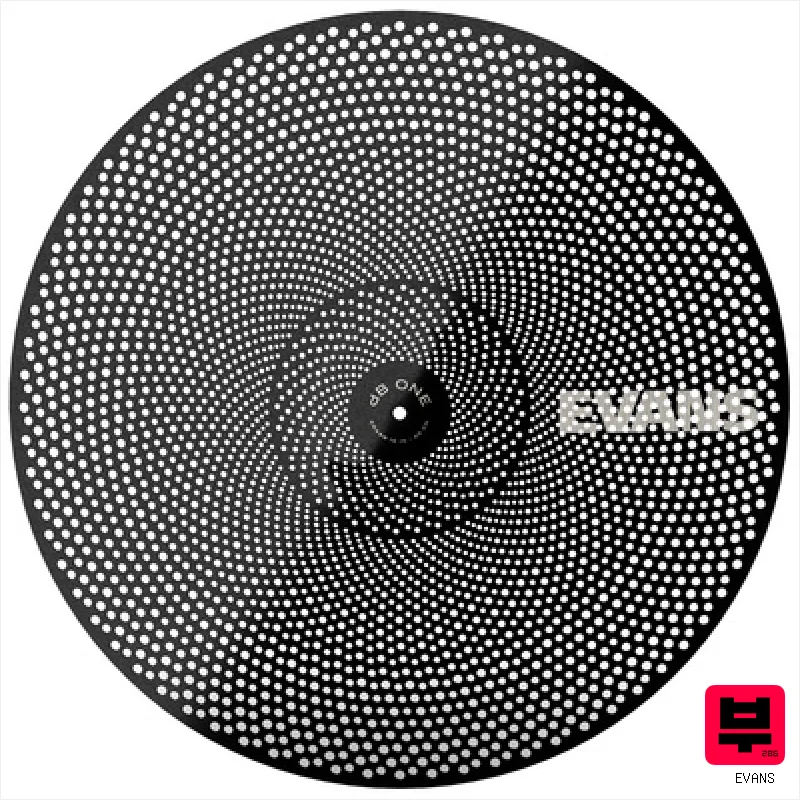
This Zultan Mellow Crash is a clever piece of kit. It gives you a really authentic feel and a warm, controlled sound without being ear-splittingly loud – perfect for rehearsals, smaller gigs, or even as a quieter alternative for e-drum setups. It’s a solid choice for drummers who need a manageable volume without sacrificing quality or feel.
Pros
- B20 bronze delivers a warm, complex fundamental tone.
- Reduced volume is genuinely noticeable, great for quieter settings.
- Hand-hammered construction ensures responsive rebound and character.
Cons
- The mellow character limits its suitability for aggressive, high-volume playing.
- The natural finish is prone to finger smudges and requires occasional cleaning.
64AudioFu
IndexStableno change since Aug 17Aug 17$219 now$219€195 at Thomann · in stockCheck price ↗ -
- Size14"
This Zultan Dark Matter is a surprisingly versatile crash for its quick decay. The B20 bronze gives it a pleasant warmth, while the splatter finish keeps things interesting. It's a solid choice for drummers in rock, pop, or any genre needing a snappy, controlled crash without a huge commitment.
Pros
- B20 bronze provides a warm, complex tonal foundation
- Hand-hammering creates nuanced overtones and responsiveness
- Perforations offer a quick decay ideal for modern styles
Cons
- The short sustain limits its versatility for orchestral or large ensemble work
- Splatter finish might not appeal to those preferring a traditional look
14" Crash Cymbals by the numbers
Measured across all 48 models we track, not a sample.
median of 48 models · 14"–14"
How to choose the best 14" crash cymbals
Turkish Bronze Alloy
Zultan uses a unique bronze alloy - B20 bronze, but with a slightly different recipe than the typical American bronze. This gives them a darker, more complex character, avoiding that overly bright, brittle sound you get with some other brands.
Hammering & Lathe Work
The hand-hammering is key. It's not just for looks; it shapes the cymbal's vibrations, creating a more responsive and nuanced wash. You can feel the difference in the action - it's not stiff and lifeless like some mass-produced cymbals.
Sustain & Articulation
These 14" Zultans don't have endless sustain, which is a good thing. They have enough to fill the space, but they retain a clear articulation - you hear the stick definition, not just a blurry wash. This cuts through the mix better, especially in tighter arrangements.
Low-End Fundamental
What sets Zultan apart is a surprising amount of low-end fundamental for a 14". It's not a booming low-end thump, but it adds weight and body to the sound, preventing it from sounding thin or flimsy. It's that extra bit of 'oomph' that makes it work well in a band setting.
Build Quality & Lathe Finish
The cymbal weight is consistent, and the lathe work is clean without being overly polished. It's clear they're not cutting corners here - the edges are even, the bell is well-defined, and the overall construction feels solid and reliable.
Buying guide
Alright, let's talk Zultan 14" crashes. You're in that sweet spot - not too big, not too small, versatile enough for everything from jazz to rock. But finding a 14" that doesn't sound like a glorified splash or a choked-out dinner plate? That's the challenge. Zultan's been quietly making incredible cymbals for decades, and their 14" crashes are seriously worth a listen if you're chasing a defined, musical sound.
Don't expect a Zultan 14" to sound like a vintage K. They have their own character - a darker, more controlled sound. They're a great choice if you're looking for a versatile crash that doesn't overpower a smaller kit or get lost in a loud band.
The price point is reasonable for the quality, but remember you're paying for that hand-hammered Turkish bronze - it's an investment in a cymbal that will age gracefully.
How the AudioFu Index works
Five measured signals and nothing else — no stars from strangers, no “tested by experts” we didn’t do. The weights are fixed and public. We don’t play these instruments; we measure the market around them.
This chart covers 7 14" crash cymbals from the Thomann catalogue (of 48 in the category). Before you buy, read hands-on reviews and, where you can, play it. Full methodology.
AudioFu earns a commission when you buy through our Thomann links. It never changes the order — the index does.
- Demand40%
How many of this exact model are for sale on Reverb right now — what musicians actually buy and resell.
- Lineup20%
How many finishes Thomann stocks — makers expand the models that sell.
- Price15%
Where the price has moved since we started tracking in August.
- Specs15%
How completely the maker documents it.
- Maker10%
How deep the brand’s range is in this category.
Questions
Are Zultan cymbals loud enough for a rock band?
They're not the loudest, but they project well. They won't be as piercing as some American-made crashes, but the clear articulation and surprisingly full fundamental help them cut through a band mix. It's a trade-off for a more musical, less harsh sound.
What's the difference between the Zultan Mastersound and the Istanbul Zultan?
The Mastersound series is generally brighter and more modern sounding, aimed at a wider appeal. The standard Istanbul Zultan line is the core of their sound - darker, more complex, and more focused on musicality.
Do Zultan cymbals oxidize quickly?
Like all bronze cymbals, they'll develop a patina over time. It's a natural process and part of what gives them character. You can slow it down with regular cleaning, but don't fight it - it's part of the aging process.
Can I use a Zultan 14" crash as a ride?
Technically, yes, but it's not ideal. The stick definition won't be as crisp as a dedicated ride, and the overall tone will be darker. It's more of an emergency option than a primary ride cymbal.
Are Zultan cymbals easy to find?
They're not as ubiquitous as some of the bigger brands, but they're becoming increasingly available online and at select drum shops. It's worth the effort to track one down - you won't be disappointed.