
Best 14" Crash Cymbals for Beginner 2026
So, you're starting out on drums? Awesome! A 14" crash is a fantastic first cymbal - manageable, versatile, and won't overwhelm you like a huge 16" or 18" might. It's easy to control the dynamics, which is critical when you're still learning to get a consistent sound. Forget those flashy, complex cymbals for now; let's find something that'll let you focus on the fundamentals and build good habits.
Last updated: September 29, 2026

Millenium 14" B20 Crash
- • B20 bronze alloy offers a surprisingly bright, responsive tone.
- • Thin profile promotes quick, explosive crashes.
- • Relatively lightweight, easing control and stamina.
- • Affordable entry point into B20 crash cymbals.
- • Lacks the complex overtones of higher-end bronze cymbals.
- • The hammering is basic, resulting in a somewhat one-dimensional sound.
- • Durability is questionable with aggressive playing styles.
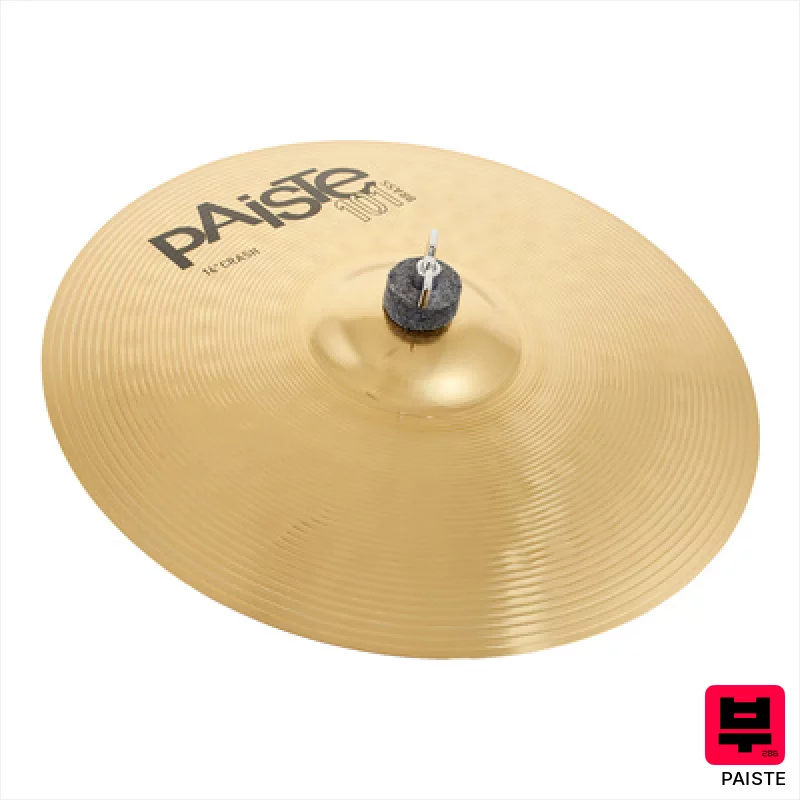
Paiste 14" 101 Crash
- • Bright, focused tone cuts through busy mixes easily
- • Paiste’s signature bronze alloy offers reliable consistency
- • Quick response makes it great for dynamic playing
- • Relatively lightweight for easy control and fast crashes
- • Lacks the complex overtones of higher-end Paiste models
- • The sound can be a bit thin for heavier genres like metal
- • Finish is prone to tarnishing, requiring regular cleaning
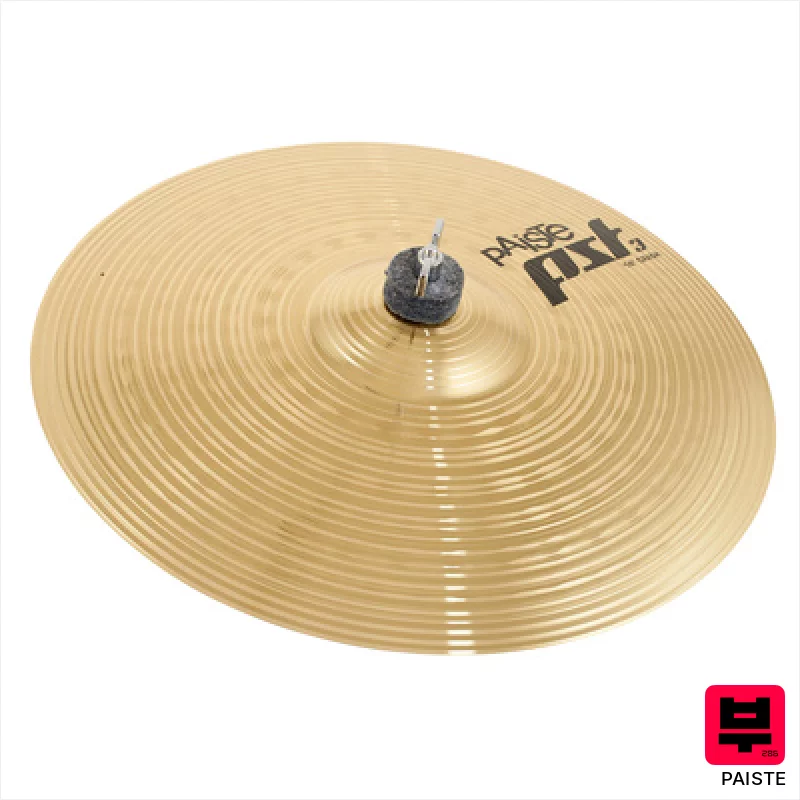
Paiste PST3 14" Crash
- • Bright, cutting sound ideal for rock, pop, and lighter genres.
- • Paiste’s bronze alloy offers a consistent, reliable tone.
- • The average weight provides a controlled, responsive crash.
- • Affordable entry point to the Paiste sound, excellent value.
- • Lacks the complexity and sustain of higher-end Paiste cymbals.
- • The piercing nature can be harsh in denser, more complex mixes.
- • Finish is prone to tarnishing and requires regular cleaning.
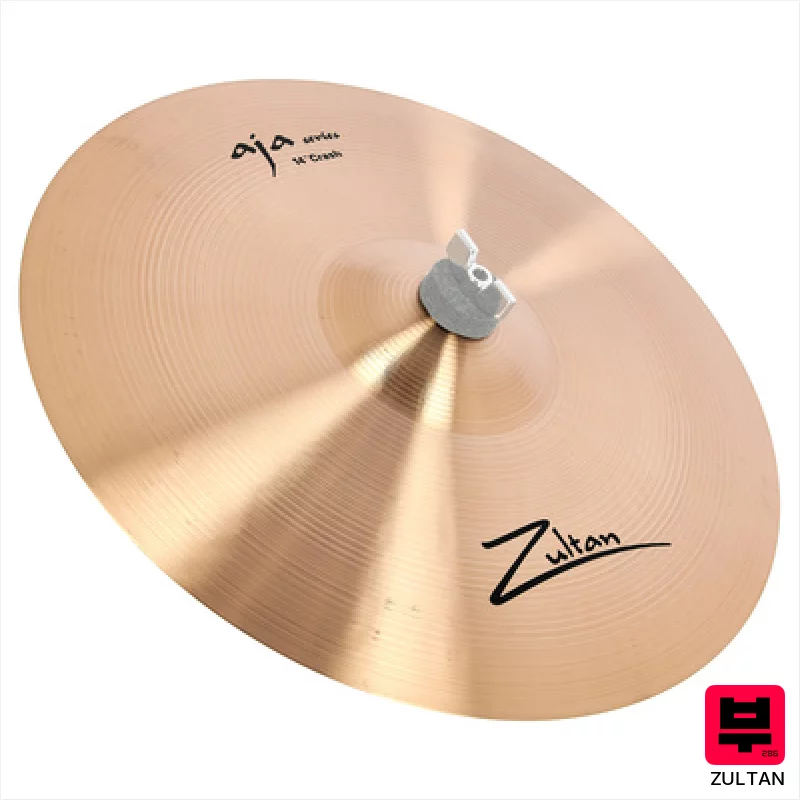
Zultan 14" Aja Crash
- • Bright, cutting sound cuts through dense mixes effectively.
- • Relatively thin profile offers a responsive, quick attack.
- • Zultan’s B20 bronze provides a warm, complex harmonic content.
- • Surprisingly durable for a cymbal in this price range, holds its pitch well.
- • Lacks the wash and sustain of higher-end, larger crash cymbals.
- • The 'fat' sound can be overwhelming in quieter, more nuanced settings.
- • Finish is prone to developing stick marks and patina quickly.
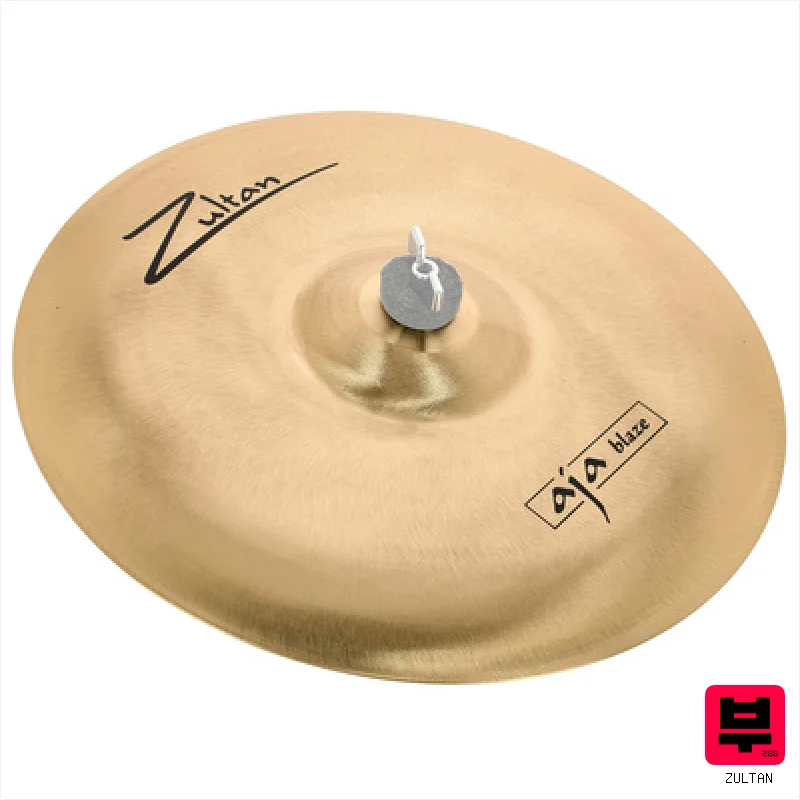
Zultan 14" Aja Blaze Crash
- • Handmade construction ensures unique voice
- • B20 bronze offers rich tone
- • Explosive attack hits hard
- • Soft decay suits soft hits
- • No weight listed for lift
- • Finish type is unknown
- • Lack of detailed specs
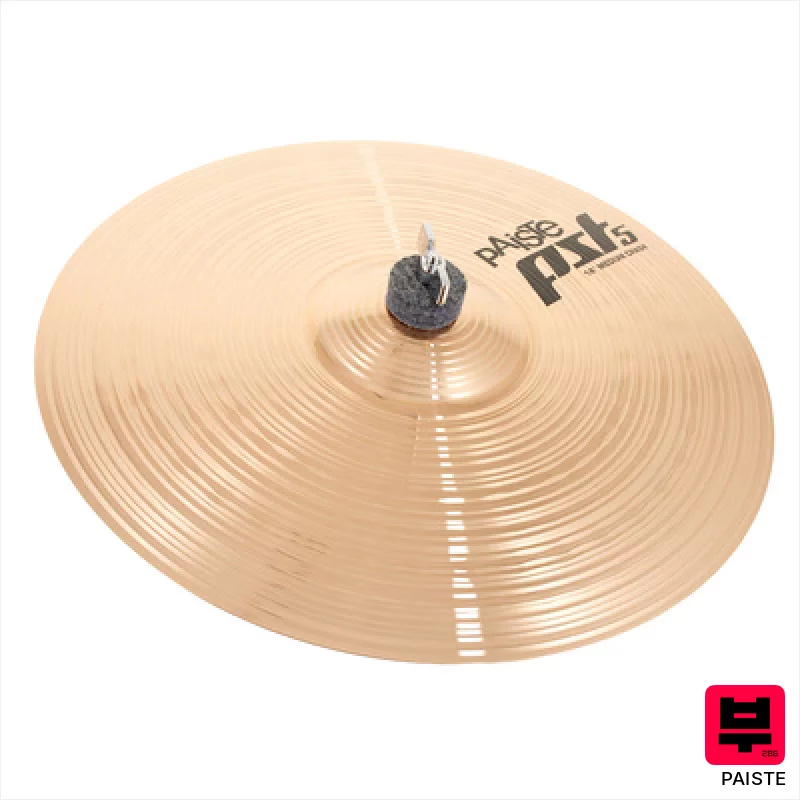
Paiste PST5 14" Medium Crash '14
- • Excellent value for a Paiste-branded cymbal.
- • CuSn8 bronze provides a warm, musical fundamental.
- • Versatile medium crash suitable for many genres.
- • Consistent sound across the PST5 series offering predictability.
- • Lacks the complexity and sustain of higher-end Paiste lines.
- • The finish is prone to finger smudging and minor scratches.
- • Can be a bit bright for very mellow or vintage-toned kits.
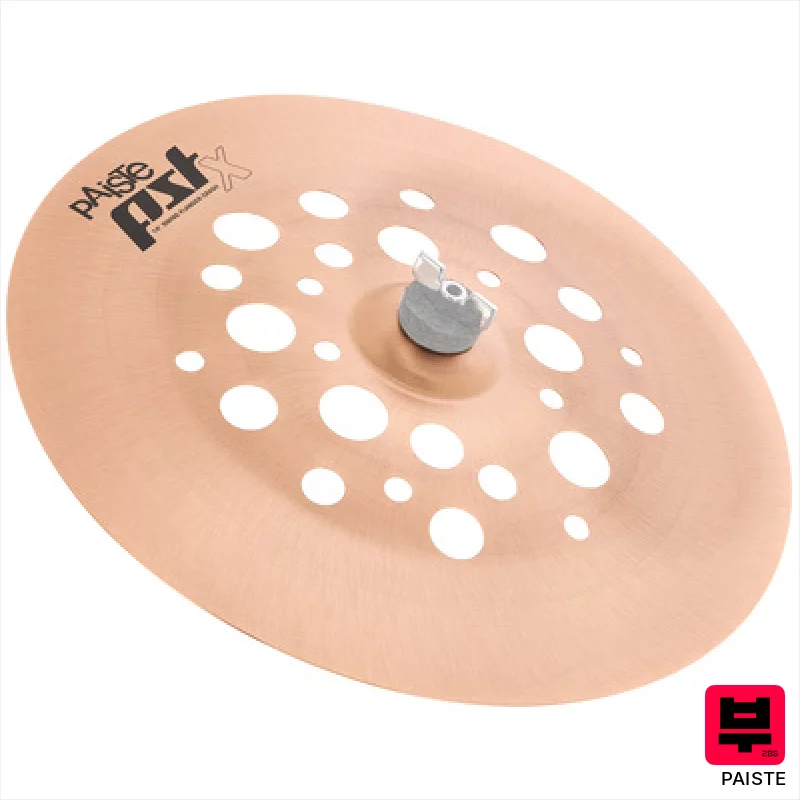
Paiste 14" PSTX Swiss Flanger Crash
- • Paiste’s PSTX series offers a uniquely bright, responsive crash sound.
- • The Swiss Flanger profile delivers a distinct, controlled wash and shimmering overtone blend.
- • The silk matte finish minimizes stickiness and reduces unwanted visual glare on stage.
- • Constructed from Paiste’s Bronze 8 alloy, it provides a robust, well-balanced fundamental.
- • The rapid decay might not suit players seeking a long, sustained wash.
- • While affordable for Paiste, it's a step up in price compared to entry-level cymbals.
- • The flanger profile, while distinctive, limits versatility for very subtle, nuanced playing.
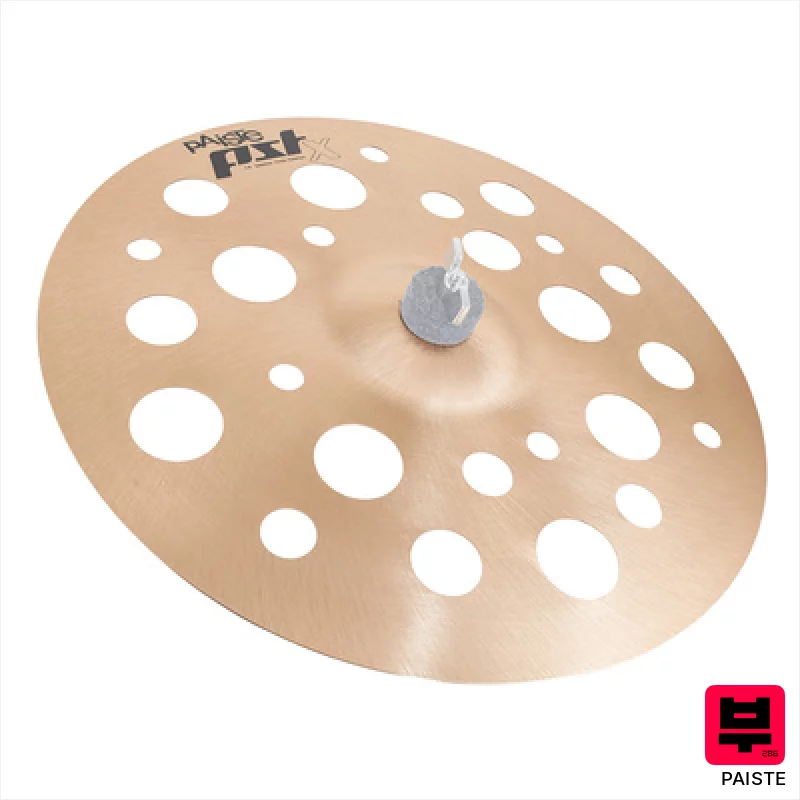
Paiste 14" PSTX Swiss Thin Crash
- • Paiste’s PSTX alloy delivers a quick, responsive feel and bright wash.
- • The Swiss Thin profile provides a relatively low, explosive volume.
- • Silk-matte finish reduces stickiness and minimizes unwanted glare on stage.
- • Well-suited for beginners and gigging musicians needing a versatile crash.
- • The PSTX alloy lacks the complex overtones of higher-end Paiste lines.
- • Sustain, while short, might be too abrupt for some players’ preferences.
- • Not ideal for highly nuanced or extremely quiet playing scenarios.
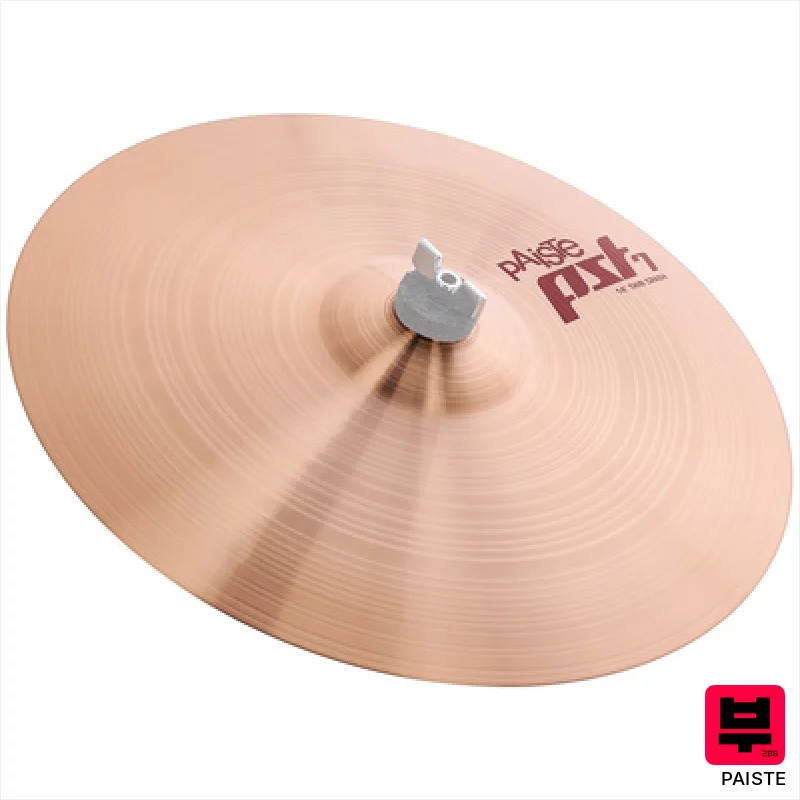
Paiste PST7 14" Thin Crash
- • Bright, shimmering wash with a quick decay for delicate accents
- • CuSn8 bronze offers a warm, musical fundamental tone
- • Relatively lightweight for easy control and responsiveness
- • Paiste’s Swiss engineering ensures consistent quality and durability
- • Lacks the complexity and sustain of higher-end Paiste cymbals
- • Thin profile can be prone to cracking with aggressive playing
- • May not cut through in very loud, dense musical situations

Zildjian 14" I Family Crash medium-thin
- • B8 bronze offers a bright, responsive feel and consistent tone.
- • Medium-thin profile provides a quick, articulate wash and shimmering sustain.
- • I Family series delivers a reliable, versatile sound for various genres.
- • Traditional lathing enhances responsiveness and a more natural cymbal feel.
- • B8 bronze isn't the most complex-sounding alloy; lacks high-end complexity.
- • The bright sound might be too aggressive for very subtle, nuanced playing.
- • Limited dynamic range compared to higher-priced, more complex cymbals.

Masterwork 14" Troy Traditional Crash
- • B25 bronze delivers a warm, complex tone lacking in brighter alloys.
- • Hand-hammering creates unique sonic characteristics and responsiveness.
- • Thin profile provides quick, sensitive response for quieter playing.
- • Traditional finish retains more of the bronze's natural overtones.
- • Lighter weight may not be ideal for heavier hitters or louder genres.
- • Traditional finish requires more diligent cleaning to prevent tarnish.
- • Smaller size limits its ability to project in very large venues.
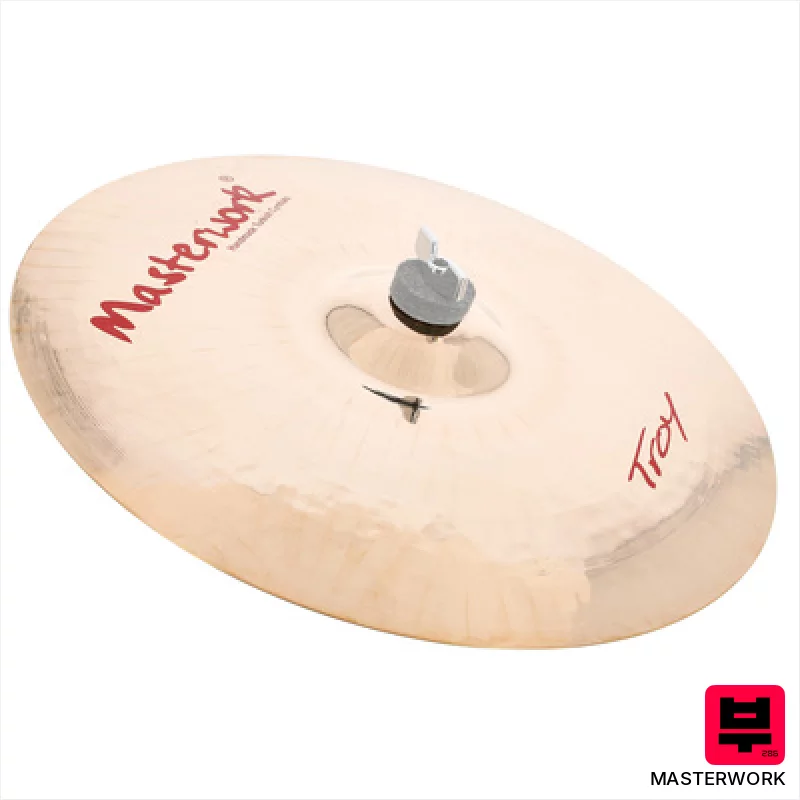
Masterwork 14" Troy Crash
- • B25 alloy delivers a warm, complex tone with surprising projection.
- • Hand-hammering creates nuanced overtones and a responsive feel.
- • Brilliant finish enhances visibility and offers a clean aesthetic.
- • Troy series provides excellent value for the sonic quality offered.
- • Brilliant finish can be prone to finger smudging and tarnishing.
- • B25 alloy isn't as bright or cutting as some other cymbal alloys.
- • 14 in size limits its versatility for louder, more dynamic styles.

Meinl 14" Classics Custom Med. Crash
- • Excellent overall tonal balance across the frequency spectrum.
- • The 'lying' fundamental provides a warm, musical sustain.
- • Brilliant finish enhances clarity and projection without harshness.
- • Versatile enough for a wide range of genres and playing styles.
- • May lack the extreme volume needed for very loud rock or metal.
- • The medium weight might feel a little heavy for some drummers.
- • The Classics Custom series isn’t the most complex or nuanced cymbal line.

Zultan 14" Dark Matter Splatter Crash
- • B20 bronze provides a warm, complex tonal foundation
- • Hand-hammering creates nuanced overtones and responsiveness
- • Perforations offer a quick decay ideal for modern styles
- • Dark Matter finish adds a unique aesthetic and focused sound
- • The short sustain limits its versatility for orchestral or large ensemble work
- • Splatter finish might not appeal to those preferring a traditional look
- • Perforations could potentially compromise long-term durability under heavy use
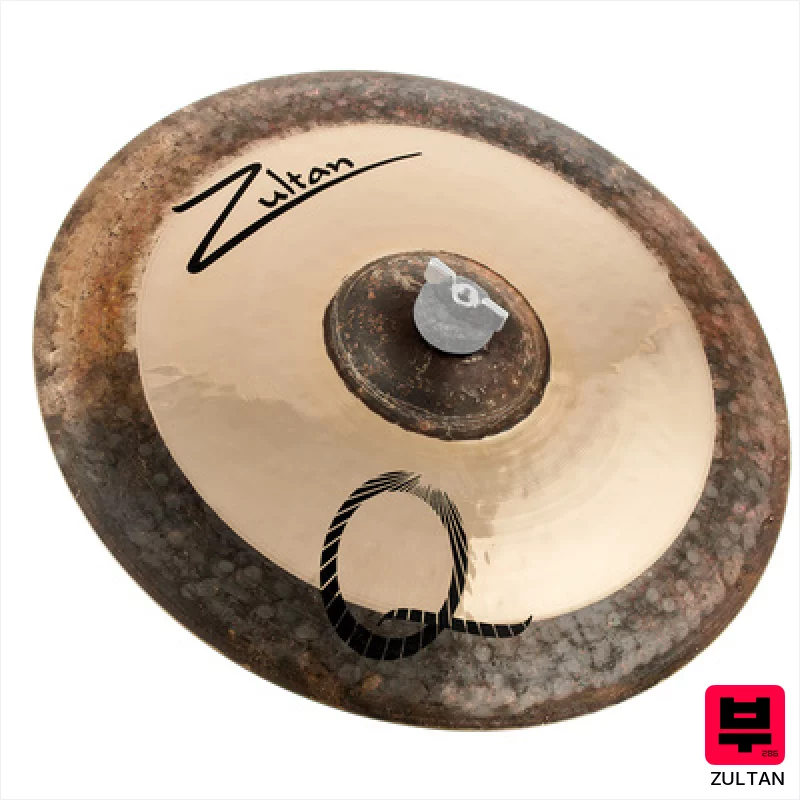
Zultan 14" Q Crash
- • Deep hammering creates a complex, washier sound than typical crashes
- • B-20 bronze provides a warm, full tone with good sustain
- • Unique contrasting finishes offer visual appeal and tonal variation
- • Hammered edge provides a responsive, quick attack and bright shimmer
- • The raw, untreated edges might require occasional maintenance to prevent oxidization
- • The darker sound might not suit all musical styles, like very bright, modern pop
- • Limited versatility compared to a larger, more all-purpose crash cymbal
Every 14" crash cymbals that matches
48 models match this page. The 15 above are covered in detail; the rest are listed here with their published specifications.
14" Crash Cymbals by the numbers
Measured across all 48 models in this category, so «wide», «short» or «expensive» mean something you can check.
How to Choose the Best 14" Crash Cymbals
Playability
Beginners need something forgiving. A cymbal that responds well to lighter touches and doesn't require a sledgehammer to get a sound is essential. Stiff, icy crashes are a nightmare when you're still developing your technique.
Sustain & Decay
Too much sustain can be overwhelming, but too little leaves you sounding thin. A moderate decay, allowing for a clear wash without lingering forever, is ideal for building a solid groove.
Tone & Articulation
You want a clear, defined "stick sound" - a clean articulation when you hit it. A muddy or choked sound makes it hard to control the dynamics and can get lost in the mix when you're playing with a band.
Durability & Latency
Let's be honest, beginner drummers aren't always the most gentle. A cymbal that can withstand some abuse without cracking or developing a bunch of unwanted overtones is a plus. Also, a cymbal that doesn't take forever to stop ringing is crucial.
Price & Value
Budget is always a factor. We're looking for the best bang for your buck, considering the build quality and the overall sound you're getting for the price.
Buying Guide
Don't chase the big, splashy sound right away. Beginner cymbals often cut corners on hammering and lathing, which means they might be a little more brittle or have a slightly harsher edge. Entry-level bronze alloys are common - they'll get you started, but don't expect the warmth and complexity of higher-end B20 bronze. Consider a pack deal - sometimes you get a better value when buying a crash and a hi-hat together.
How This List Is Built
We don't play these instruments — we're a catalog, not a review desk, and we'd rather say so than pretend otherwise. This page covers 48 14" crash cymbals from the Thomann catalogue, which is the largest single source of specification data in this category: 15 in detail, the rest listed with their specifications.
Position is computed, not curated. We parse the manufacturer's own description into actual values — nut width, scale, fret count, fingerboard radius, size, alloy — and rank on them: how many specifications a model has published, how many of them are measurable numbers, and how precisely it meets this page's criterion. A product image adds a little. Price is not a ranking signal: it tells you nothing about whether a neck fits your hand. The same inputs always produce the same order, so nothing here is shuffled to look fresh.
What this list is good for: narrowing a category down to a shortlist by spec and budget. What it isn't: a substitute for hearing an instrument. Before you buy, read hands-on reviews and, where you can, play it. Full methodology.

