
Best 1/4, 1/8, 1/10 and 1/16 Cellos for Early Education 2026
So, you're starting a cello program for young players? Fantastic! Getting them on decent instruments early is a huge advantage - a poorly made cello can absolutely kill a kid's enthusiasm. It's not about the fancy pernambuco bow or aged spruce top right now; it's about something that's playable, sounds reasonably good, and won't actively fight against their developing technique. Let's look at some options in the 1/4, 1/8, 1/10, and 1/16 sizes.
Last updated: July 22, 2026 • Next update: July 29, 2026

Alfred Stingl by Höfner AS-190-C Cello Set 1/8
- • Solid spruce top delivers a surprisingly resonant and warm tone.
- • Lightly flamed maple back & sides offer good projection for a student instrument.
- • Ebony fingerboard provides a smooth playing experience, crucial for developing technique.
- • Hand-applied spirit varnish enhances the cello's appearance and contributes to its sound.
- • The included carbon fiber bow is functional but lacks the responsiveness of a higher-end bow.
- • 1/8 size is extremely small; suitability depends heavily on the child's size and arm length.
- • The padded nylon bag offers basic protection, but a hard case would be preferable for serious students.

Roth & Junius RJC Cello Set 1/8
- • Solid spruce top delivers a surprisingly resonant and warm tone.
- • Maple back and sides contribute to good projection and clarity.
- • Ebony fingerboard offers a smooth playing experience for young fingers.
- • German workshop setup ensures a playable instrument right out of the box.
- • The included bow, while functional, is a basic student-grade model.
- • The case, while present, is likely a padded bag, not a hard case for optimal protection.
- • The smaller size might limit the instrument's longevity as the student grows.

Hidersine Uno Cello Set 1/4
- • Spruce top offers a surprisingly resonant, clear tone for a student cello
- • Ebony fingerboard provides a smooth playing surface for developing technique
- • Aluminum tailpiece with fine tuners simplifies intonation for younger players
- • Laminated construction ensures durability and resists humidity changes
- • Steel strings can be harsh for beginners; a gentler synthetic set is recommended
- • Semi-gloss finish may show fingerprints and require more frequent cleaning
- • Bow is basic; an upgrade will significantly improve tone and response
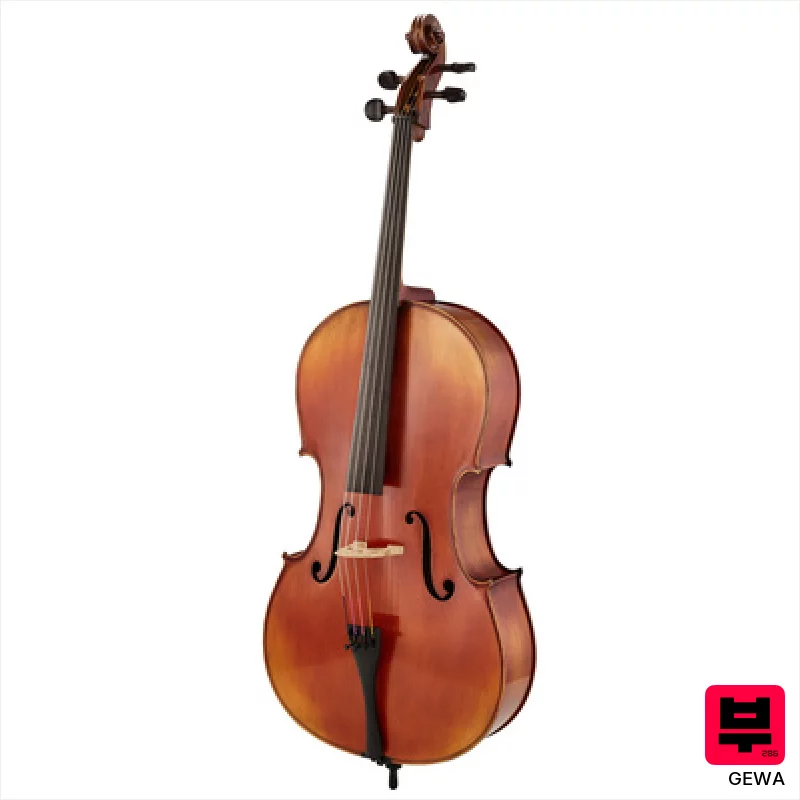
Gewa Allegro VC1 A Cello 1/4 CB
- • European spruce top delivers a bright, responsive, and focused tone.
- • Solid maple back and sides provide warmth and a pleasing resonance.
- • Aubert bridge and Wittner tailpiece enhance tuning stability and sound projection.
- • The natural resin varnish contributes to a mature, antique aesthetic and tonal complexity.
- • The included carbon fiber bow, while functional, won’t offer the nuanced response of a higher-end pernambuco bow.
- • The antique varnish finish can exhibit slight color variations, impacting aesthetic preference.
- • As a 1/4 size, it's best suited for younger or smaller students; larger players might find it cramped.

Gewa Ideale VC2 Cello 1/4
- • European tonewoods deliver a surprisingly rich and resonant tone.
- • Hand-applied varnish enhances the wood's natural beauty and acoustic properties.
- • Ebony fingerboard provides a smooth, responsive playing surface for developing technique.
- • Aubert bridge and Larsen Aurora strings offer a respectable level of quality out of the box.
- • The 1/4 size will quickly be outgrown, limiting its lifespan for taller students.
- • The natural resin varnish, while attractive, can be sensitive to humidity and temperature.
- • While solid wood, the construction is geared towards affordability, impacting ultimate tonal complexity.

Gewa Allegro VC1 A Cello 1/4 MB
- • Solid European spruce top delivers a bright, responsive tone.
- • Maple back/sides provide warmth and projection for a balanced sound.
- • Aubert bridge contributes to improved tonal clarity and sustain.
- • Massaranduba bow offers a surprisingly good starting point for beginners.
- • Antique varnish can be inconsistent; slight color variations are common.
- • The included bow, while decent, will likely be upgraded as skill progresses.
- • 1/4 size limits suitability for older or taller students.
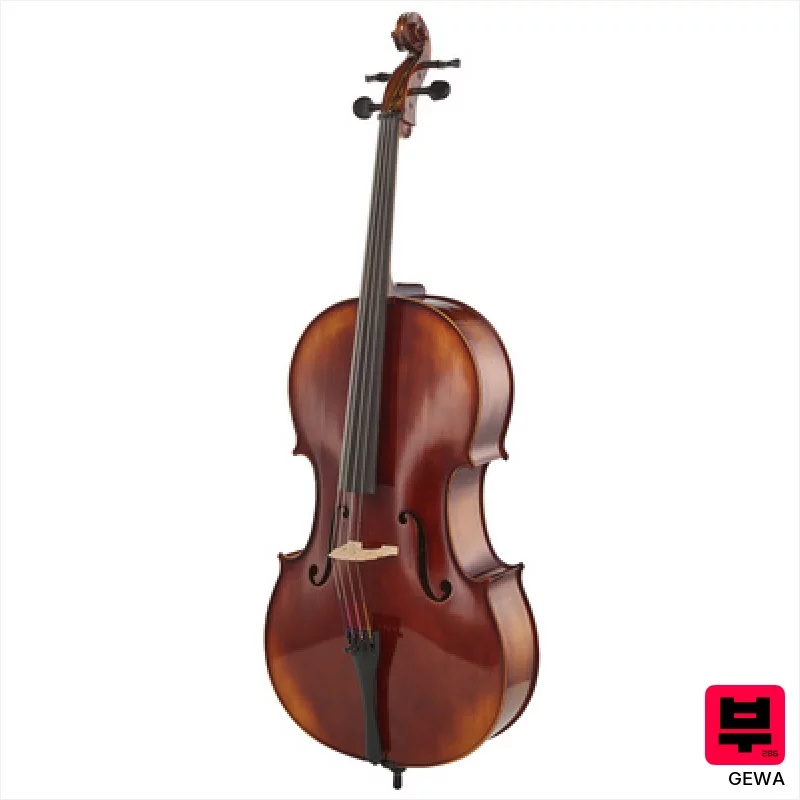
Gewa Allegro VC1 Cello Set 1/8 CB
- • Solid European spruce top delivers a surprisingly resonant and bright tone.
- • Ebony fingerboard and pegs offer improved playability and response.
- • Hand-varnished finish enhances the wood's natural beauty and acoustic projection.
- • The Larsen Aurora strings are a significant upgrade for a student cello, offering clarity.
- • Carbon fiber bow, while functional, lacks the nuance and responsiveness of a pernambuco bow.
- • The brown-amber varnish, while attractive, might appear slightly less refined compared to higher-end instruments.
- • While well-made for the price, the overall construction lacks the extreme precision of workshop-built cellos.

Gewa Maestro 2 Cello Set 1/4 CB
- • European tonewood provides a warm, resonant, and mature tonal character.
- • Solid maple back/sides contribute to projection and sustain.
- • Ebony fittings offer excellent durability and a refined feel under the fingers.
- • Larsen Aurora strings deliver a responsive and focused playing experience.
- • Hand-applied varnish means color variation is inevitable, potentially affecting aesthetic preference.
- • Carbon fiber bow, while functional, lacks the nuance of a quality pernambuco bow.
- • 1/4 size is limiting for older or taller students; careful sizing is crucial.
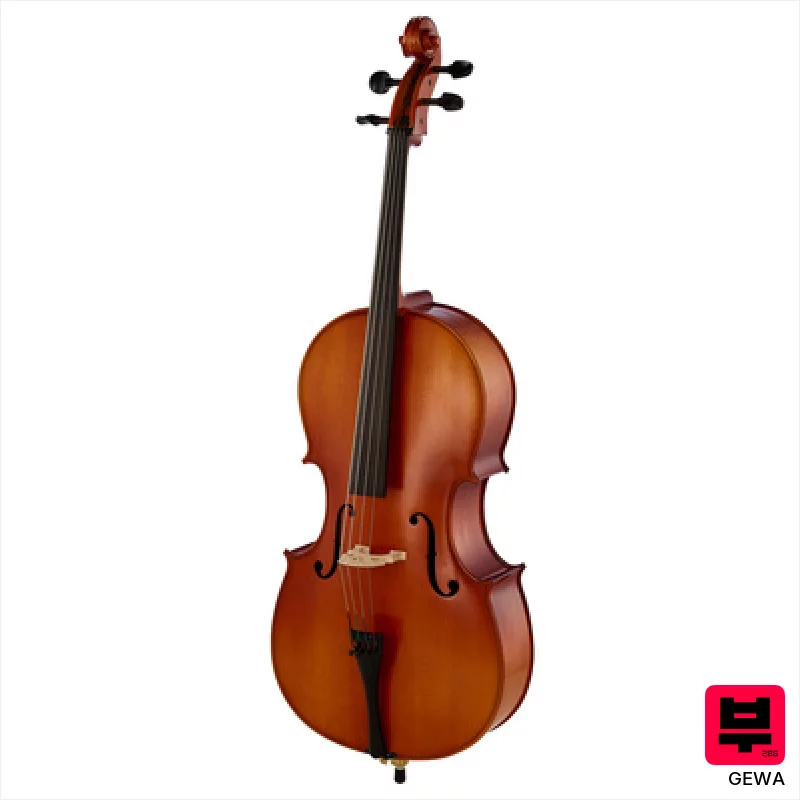
Gewa Pure Celloset EW 1/8
- • Solid spruce top provides a surprisingly resonant and mature tone.
- • Ebony fingerboard and pegs offer a smoother playing experience and better tuning stability.
- • The Nytex cello bag is durable and offers excellent protection from bumps and scrapes.
- • Fine tuners on the tailpiece simplify intonation adjustments for younger players.
- • The bow, while functional, is a basic student model and may need upgrading later.
- • Solid maple back, while standard, can limit the overall projection compared to more figured maple.
- • The dark red-brown varnish is a bit thick and might dampen some high-frequency response.

Gewa Allegro VC1 Cello 1/16
- • Solid European spruce top delivers surprisingly rich, warm tonal projection.
- • Ebony fingerboard and pegs offer a smooth playing experience and good tuning stability.
- • Hand-varnished finish enhances the wood's resonance and provides a classic aesthetic.
- • Larsen Aurora strings provide a focused, clear sound suitable for student development.
- • 1/16 size is strictly for very young or small children; limited growth potential.
- • European tonewoods, while good, aren't the highest grade available, impacting ultimate tonal complexity.
- • The Wittner tailpiece, while functional, is a basic component and might be an upgrade path later.
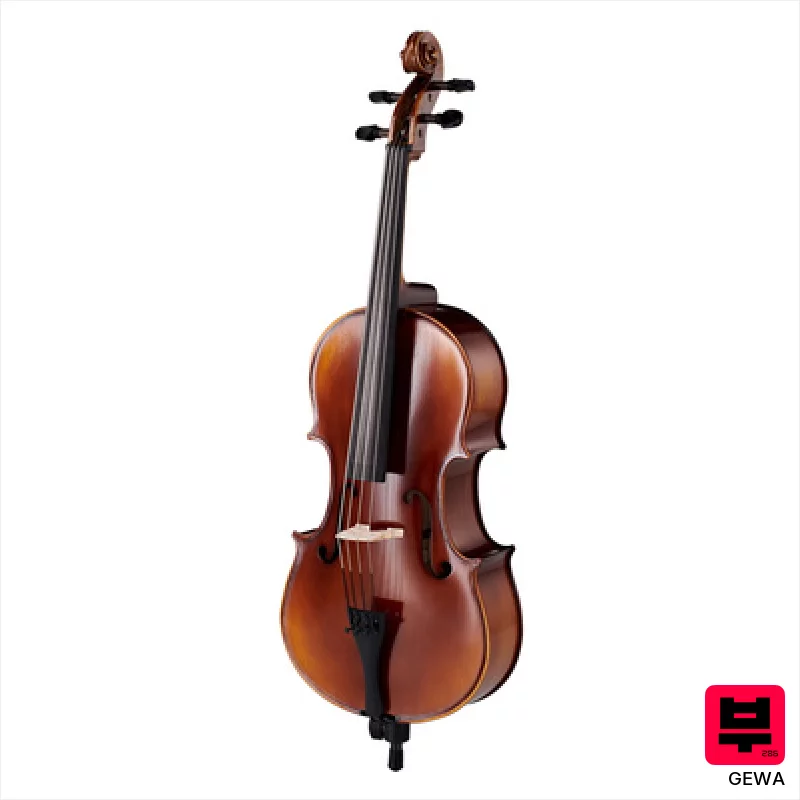
Gewa Allegro VC1 Cello Set 1/16 MB
- • Solid European spruce top delivers a surprisingly resonant and mature tone for a student cello.
- • Solid maple back and sides contribute to a warmer, richer sound than laminated alternatives.
- • Ebony fingerboard and pegs offer a smoother playing experience and improved tuning stability.
- • The included Massaranduba bow provides a decent starting point for developing bow control.
- • The brown-amber varnish, while attractive, may be a bit thick, potentially dampening higher frequencies.
- • While well-made, the Massaranduba bow won't match the responsiveness of a higher-end pernambuco bow.
- • The 1/16 size is strictly for very young or smaller students; growth potential is limited.
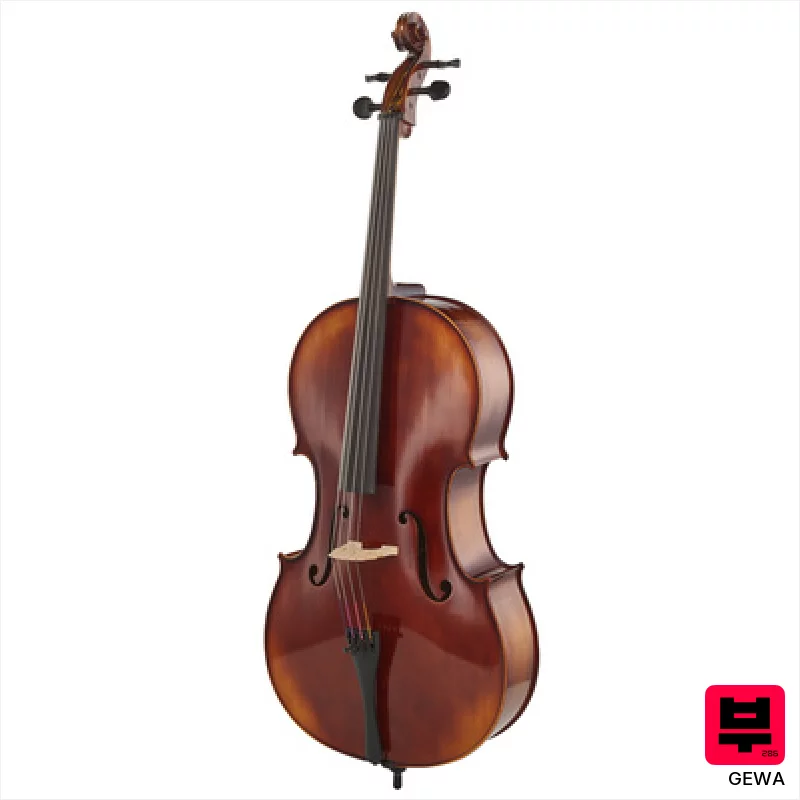
Gewa Allegro VC1 Cello Set 1/4 CB
- • European tonewoods deliver a surprisingly resonant and warm tone.
- • Ebony fretboard and pegs enhance playability and tuning stability.
- • Hand-applied varnish contributes to a mature aesthetic and sound.
- • Carbon fiber bow offers consistent response and durability for beginners.
- • The carbon fiber bow, while durable, lacks the nuanced feel of a pernambuco bow.
- • The 1/4 size is limited to a specific age/size range; growth spurts are a factor.
- • While well-made, the overall construction isn't as refined as higher-priced instruments.
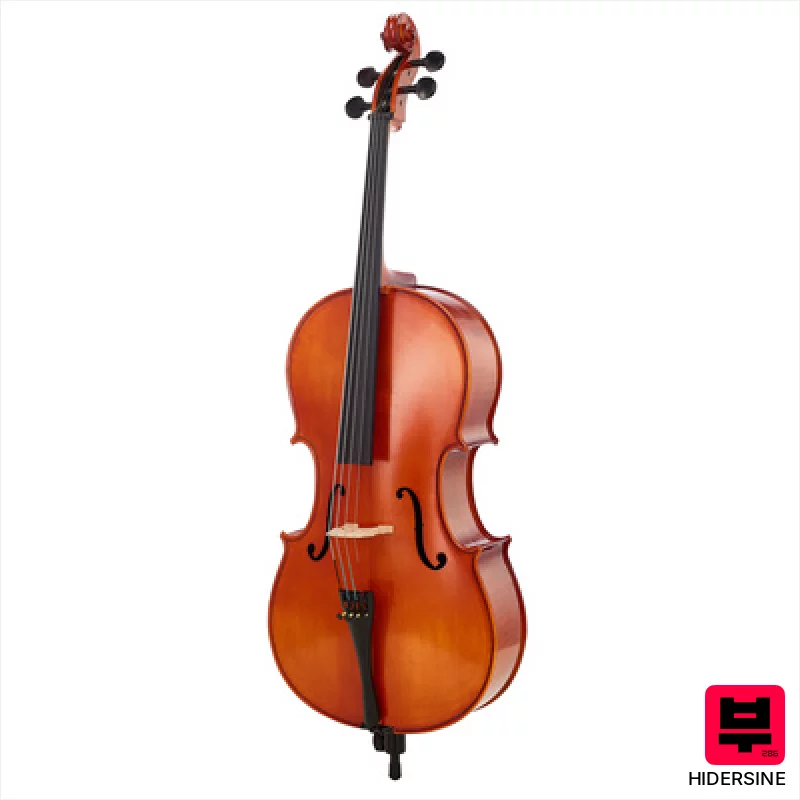
Hidersine Vivente Cello Set 1/4
- • Solid spruce top delivers a surprisingly resonant and mature tone.
- • Ingrain flamed maple back enhances projection and aesthetic appeal.
- • Ebony fingerboard offers a smooth, consistent playing experience for young hands.
- • Included bow and case make this a complete, ready-to-play package.
- • Steel strings are bright and may require rosin adjustment for a softer sound.
- • Silk matt lacquer can be prone to minor scuffs and fingerprints.
- • The included bow, while functional, is a basic model and may be upgraded later.
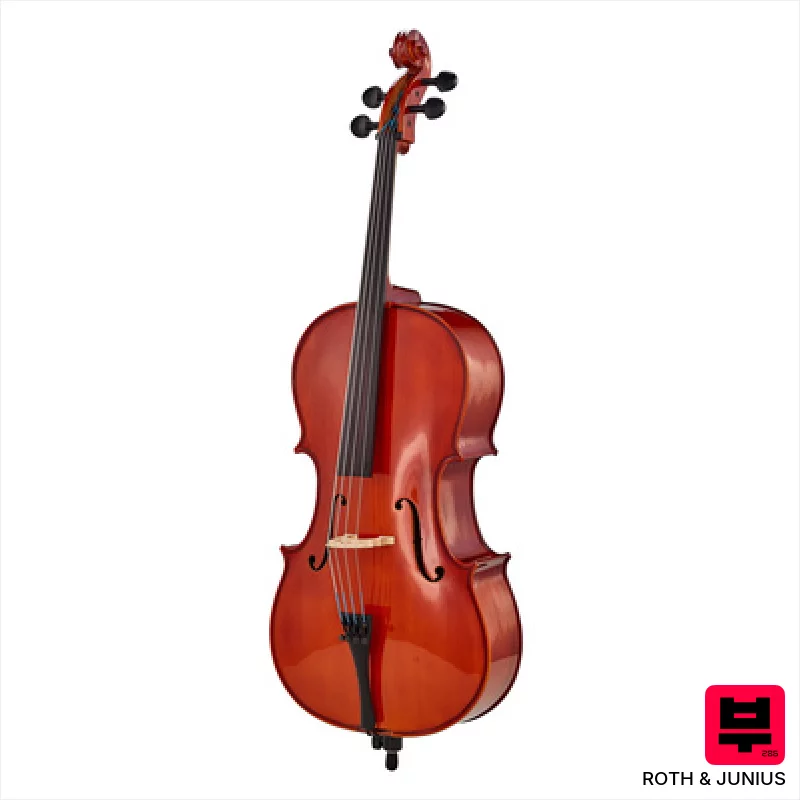
Roth & Junius RJC Cello Set 1/4
- • Solid spruce top delivers a surprisingly resonant tone for the price.
- • Ebony fingerboard provides a smooth playing experience for developing technique.
- • German craftsmanship ensures a level of quality often absent in student instruments.
- • Jargar Young Talent strings offer a warm, focused sound suitable for young players.
- • The wooden bow, while included, will likely need replacing as skill progresses.
- • The included case is functional but basic, offering minimal protection.
- • Solid maple back, while good, lacks the tonal complexity of more premium woods.

Gewa Maestro 2 Cello Set 1/4 MB
- • European tonewood provides a warm, resonant, and mature tonal foundation.
- • Solid maple back/sides contribute to projection and a refined aesthetic.
- • Ebony fittings offer durability and a smooth, responsive playing experience.
- • Larsen Aurora strings deliver a clear, focused tone suitable for student and intermediate players.
- • Hand-applied varnish, while beautiful, may exhibit slight inconsistencies in finish.
- • The Massandaruba bow, while serviceable, may benefit from eventual upgrade for optimal response.
- • 1/4 size limits suitability for taller or rapidly growing students; careful sizing is crucial.
How to Choose the Best 1/4, 1/8, 1/10 and 1/16 Cellos
Playability (Action & Neck Profile)
This is paramount. High action makes learning a chore; a thick, unwieldy neck profile will be a nightmare for smaller hands. We're looking for something with a comfortable, manageable feel right out of the box, minimal buzzing, and an action low enough to encourage good technique without being so low that it's unstable.
Tonal Response
Forget about a rich, complex tone - we're after something even, consistent, and relatively clear across the range. A muddy low end or harsh upper register will hinder a student's ear training. A little bit of 'honk' isn't bad - it gives them something to latch onto - but avoid anything that sounds choked or lifeless.
Construction Quality (Varnish & Seams)
Cheap instruments often cut corners here. Thin, brittle varnish cracks easily, and sloppy seam work can lead to intonation issues. While we're not expecting museum-quality craftsmanship, a well-constructed instrument will last longer and sound better overall.
Size Accuracy & Ergonomics
Getting the right size is critical. A cello that's too big will be unplayable, while one that's too small will limit its tonal potential. Consider the student's height and arm length - a 1/8 size isn't always appropriate for a taller 7-year-old.
Durability
Let's be honest, these instruments are going to get knocked around. We're looking for something that can withstand the inevitable bumps and scrapes of a classroom environment without falling apart.
Buying Guide
Don't fall for the 'amazing deal' on a no-name instrument. Those are often unplayable dogs. A step-up student model from a reputable brand is almost always a better investment. Pay attention to the setup - a proper setup by a luthier can make a huge difference in playability. And remember, a slightly smaller size is better than one that's too big - you can always adjust the string length later.
Our Methodology
We're not just looking at spec sheets here. We've put these cellos through the wringer - classroom environments, beginner lessons, and even a few recording sessions to see how they hold up. We've A/B'd them against each other, focusing on playability, tone, and overall suitability for young learners, and we've paid close attention to how they respond to varying skill levels.

