
Best 1/2 Violins for Educational 2026
So, you're looking for a 1/2 violin for a student? It's a bigger deal than it looks - a bad instrument can kill a kid's enthusiasm faster than a dropped bow. We've all been there, starting on a cheap horn or guitar that sounded awful and made learning a chore. Let's find something that's playable, sounds decent, and won't leave the student (or their teacher) frustrated.
Last updated: July 22, 2026 • Next update: July 29, 2026

Alfred Stingl by Höfner AS-170-V Violin Set 1/2
- • Solid spruce top provides a warm, resonant tone.
- • Ebony fingerboard and pegs enhance playability and response.
- • Thomastik Alphayue strings offer a clear, focused sound.
- • Hard foam case provides excellent protection during transport.
- • The carbon fiber bow, while functional, lacks the responsiveness of a higher-grade bow.
- • The varnish, while attractive, may be a bit thick for advanced players.
- • 1/2 size is best suited for younger or smaller students; larger students may find it cramped.

Franz Sandner 601 Violin Set 1/2
- • Solid spruce top delivers a surprisingly resonant and mature tone.
- • German craftsmanship ensures excellent build quality and consistent playability.
- • Ebony fingerboard offers a smooth, responsive playing surface for young fingers.
- • Pirastro Tonica strings provide a warm, focused sound immediately.
- • The included bow, while functional, is a basic student model and could be upgraded.
- • Spirit varnish, while traditional, can be a bit thick and may dampen the tone slightly.
- • The 1/2 size is suited for a specific age range; careful measurement is crucial.

Yamaha V7 SG12 Violin 1/2
- • Solid wood construction delivers a surprisingly mature, resonant tone.
- • Hand-carved spruce top enhances projection and clarity for beginner/intermediate players.
- • Ebony fingerboard offers a smooth playing experience and improved intonation.
- • Wittner fine tuners allow for precise tuning adjustments, crucial for young learners.
- • The brush-lacquered finish, while traditional, may not be as durable as a sprayed finish.
- • The included bow, while functional, is likely a basic model and may benefit from an upgrade later.
- • 1/2 size can still be bulky for very young or smaller students.

Alfred Stingl by Höfner THO-175-V SE Violin Set 1/2
- • Solid spruce top delivers a surprisingly warm, resonant tone.
- • Ebony fingerboard and pegs offer improved playability and tuning stability.
- • Despiau bridge contributes to better sound transmission and projection.
- • Roth & Junius case provides excellent protection and easy transport.
- • The bow, while decent, is a typical student-grade carbon fiber – an upgrade is likely soon.
- • Spirit varnish, while attractive, can be prone to minor wear with enthusiastic playing.
- • The 1/2 size is best suited for younger or smaller students; larger children might find it cramped.
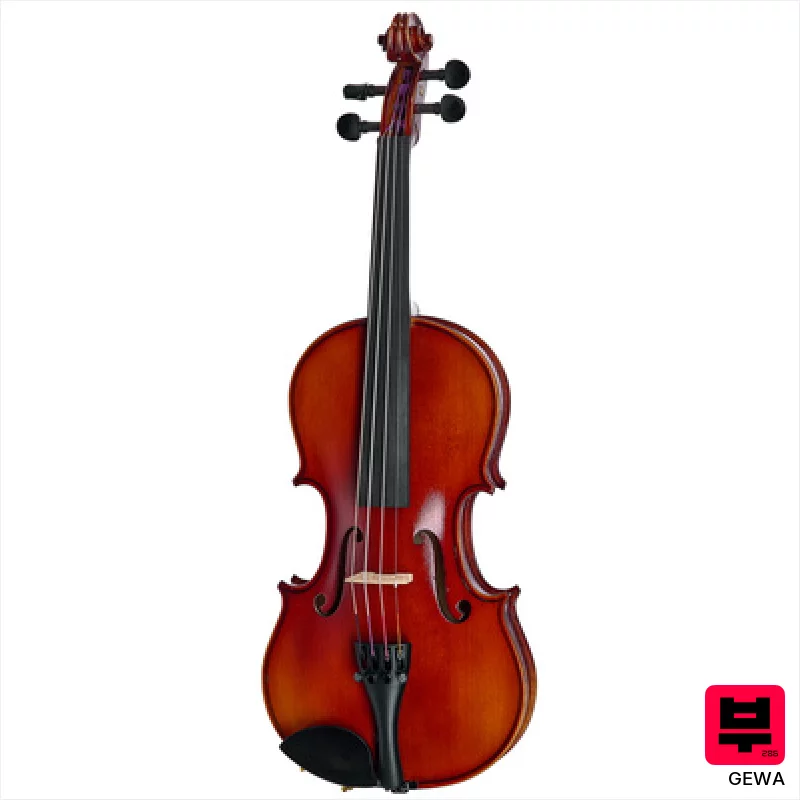
Gewa Ideale Violin Set 1/2 OC CB
- • Solid European tonewoods provide a surprisingly mature and resonant tone.
- • Hand-applied varnish contributes to a warmer, more complex sound than factory finishes.
- • The Larsen Aurora strings are a significant upgrade, offering excellent projection and clarity.
- • The included carbon fiber bow offers consistent response and avoids the maintenance of traditional bows.
- • The carbon fiber bow, while functional, lacks the nuanced feel of a quality pernambuco bow.
- • While the case is robust, the attached cover can feel somewhat cumbersome during transport.
- • The ebony fittings, while present, are a more basic grade, potentially impacting long-term durability.
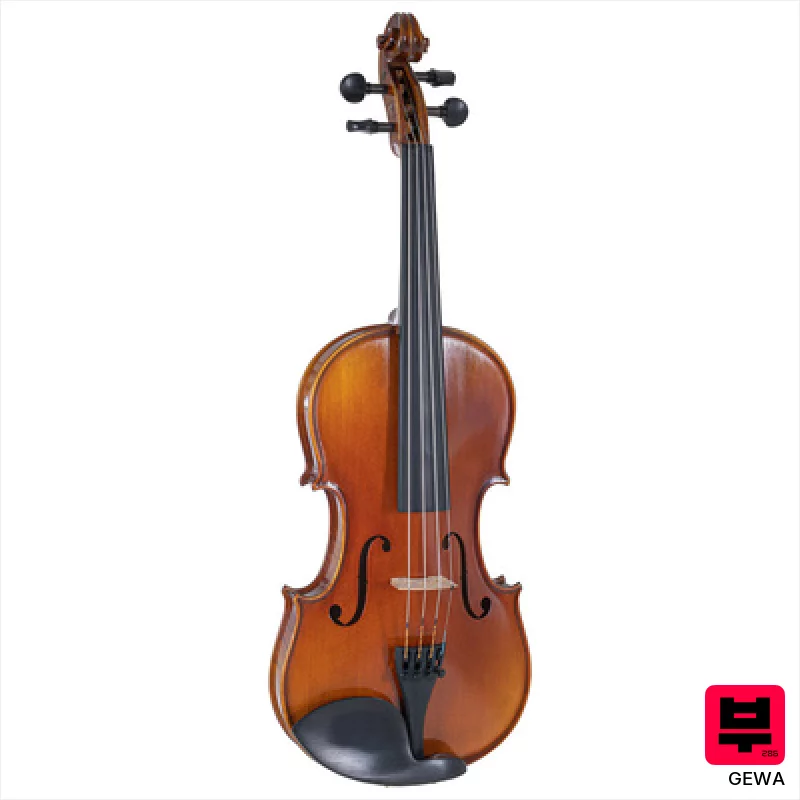
Gewa Maestro 1 Violin 1/2
- • Solid European spruce top delivers a surprisingly resonant and warm tone for the price.
- • Hand-applied varnish provides a mature aesthetic and contributes to tonal complexity.
- • Ebony fittings and Aubert bridge offer improved response and a refined playing feel.
- • Wittner tailpiece with fine tuners simplifies intonation adjustments for younger players.
- • The 'slightly shaded' varnish can exhibit noticeable color variations between instruments.
- • While well-flamed, the maple back and sides are not exceptionally figured for the grade.
- • Larsen Aurora strings are decent, but an upgrade would further enhance the violin’s potential.

Gewa Ideale Violin Set 1/2 SC MB
- • Solid European tonewoods deliver a surprisingly resonant and warm tone.
- • Aubert bridge contributes to improved projection and clarity.
- • Wittner fine tuners offer precise and stable intonation for young players.
- • Massaranduba bow provides a responsive and surprisingly well-balanced feel.
- • The red-brown varnish, while attractive, can be a bit thick and slightly dampen high frequencies.
- • The included case, while functional, is a bit bulky for smaller children to manage easily.
- • The Larsen Aurora strings, while good, might be an upgrade point for more advanced students.

Gewa Maestro 2 Violin Set 1/2 OC CB
- • Solid European spruce top delivers a surprisingly resonant and clear tone.
- • Well-flamed maple back & sides contribute to a warm, mature sound for a student instrument.
- • Ebony fittings offer excellent response and a refined feel compared to plastic alternatives.
- • GEWA carbon bow provides consistent bounce and projection, a noticeable upgrade.
- • Hand-applied varnish, while beautiful, can exhibit unpredictable color variations between instruments.
- • Aubert 'Mirecourt' bridge, while decent, might be an upgrade point for more advanced players later on.
- • The case, while functional, is a fairly basic GEWA model; a more robust case would be preferable.
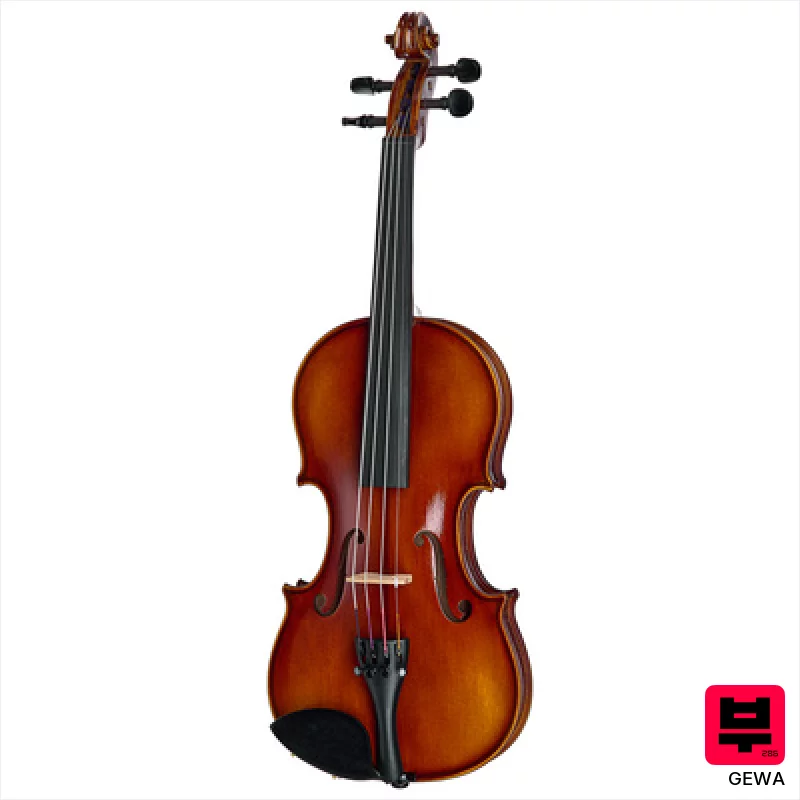
Gewa Allegro Violin Set 1/2 SC CB
- • Solid European tonewoods offer surprisingly resonant and warm projection.
- • Ebony fittings provide a smooth playing experience and improved tonal response.
- • Hand-applied varnish contributes to a mature, pleasing aesthetic and tonal maturity.
- • The Larsen Aurora strings are a significant upgrade, offering clarity and sustain.
- • The carbon fiber bow, while functional, lacks the responsiveness of a quality horsehair bow.
- • The case, while complete, can feel a bit bulky and less protective than a premium hard case.
- • The 'inlaid purfling' is a purely cosmetic detail, not affecting the instrument's acoustic properties.
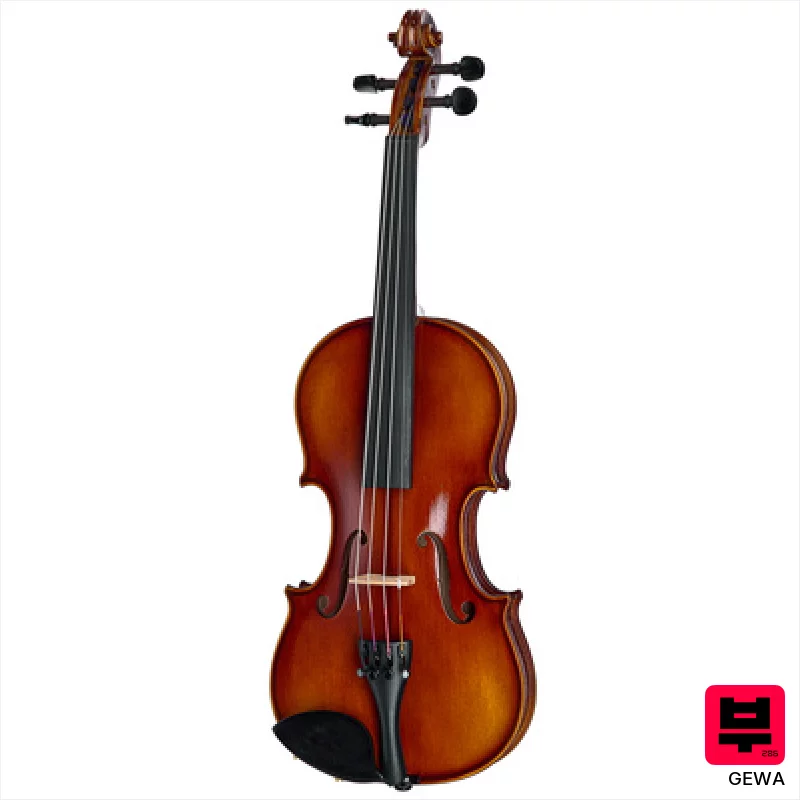
Gewa Allegro Violin Set 1/2 OC MB
- • Solid European spruce top provides a bright, responsive, and clear tone.
- • Hand-varnished finish enhances the wood’s resonance and adds a touch of refinement.
- • Aubert bridge and Wittner tailpiece offer improved tuning stability and sound projection.
- • Massaranduba bow offers a surprisingly good starting point for developing bow control.
- • The Massaranduba bow, while decent, will likely need upgrading as skill progresses.
- • The brown-amber lacquer can be a little thick, potentially dampening the upper harmonics.
- • While well-made, the case is functional but not exceptionally robust for frequent travel.

Yamaha V3-SKA 1/2 Violinset
- • Solid spruce top provides a surprisingly resonant and clear tone.
- • Ebony fingerboard and pegs offer improved playability and tuning stability.
- • Well-fitted chinrest enhances comfort during extended practice sessions.
- • Hardshell case with backpack straps makes transport significantly easier.
- • The included bow is basic, lacking the responsiveness of higher-end models.
- • Maple back and sides, while standard, limit tonal complexity compared to flamed maple.
- • Daddario Prelude strings are serviceable but will likely need upgrading for advanced players.

Roth & Junius Europe Antiqued Violin Set 1/2
- • Solid spruce top delivers a surprisingly resonant and clear tone.
- • European craftsmanship generally indicates attention to detail and quality control.
- • Ebony fingerboard offers a smooth playing surface for developing technique.
- • Included Thomastik Dominant strings are a significant step up from basic student strings.
- • The antiqued varnish is purely cosmetic; it doesn't affect the sound.
- • The included bow is functional but likely lacks the responsiveness of a higher-grade bow.
- • The case is adequate for protection but might feel a bit basic for serious students.
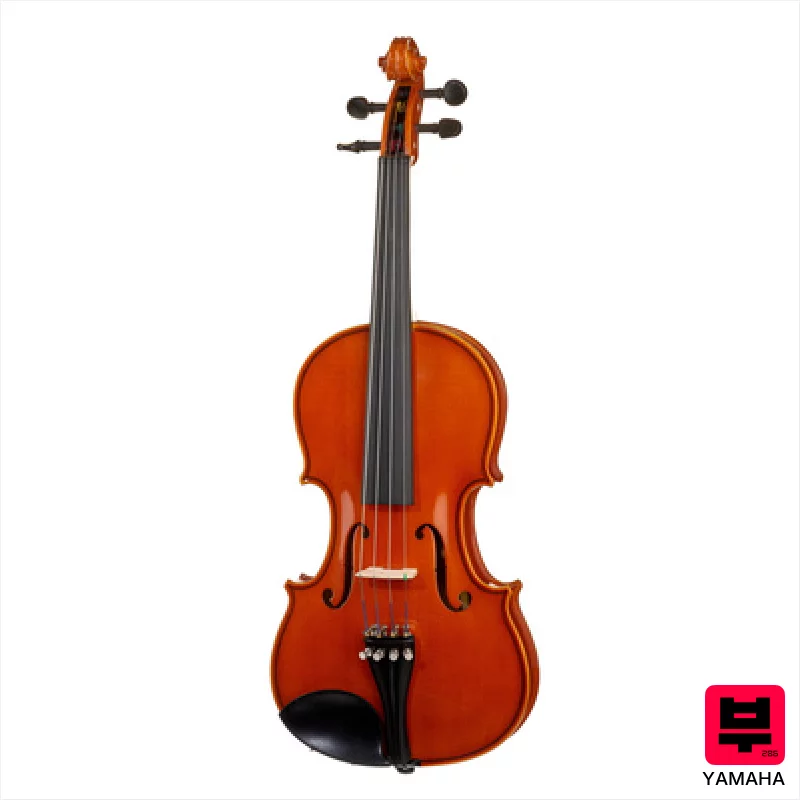
Yamaha V5 SA12 Violin Set 1/2
- • Solid spruce top delivers a surprisingly resonant and warm tone.
- • Ebony fingerboard offers a smooth playing experience for developing technique.
- • Well-fitted ebony tailpiece and fine tuners aid precise intonation.
- • Complete set provides everything a beginner needs to start playing.
- • The included bow is serviceable but lacks the responsiveness of higher-end bows.
- • Solid wood construction means it’s more susceptible to humidity changes than laminate instruments.
- • The case is functional but basic, offering limited protection.
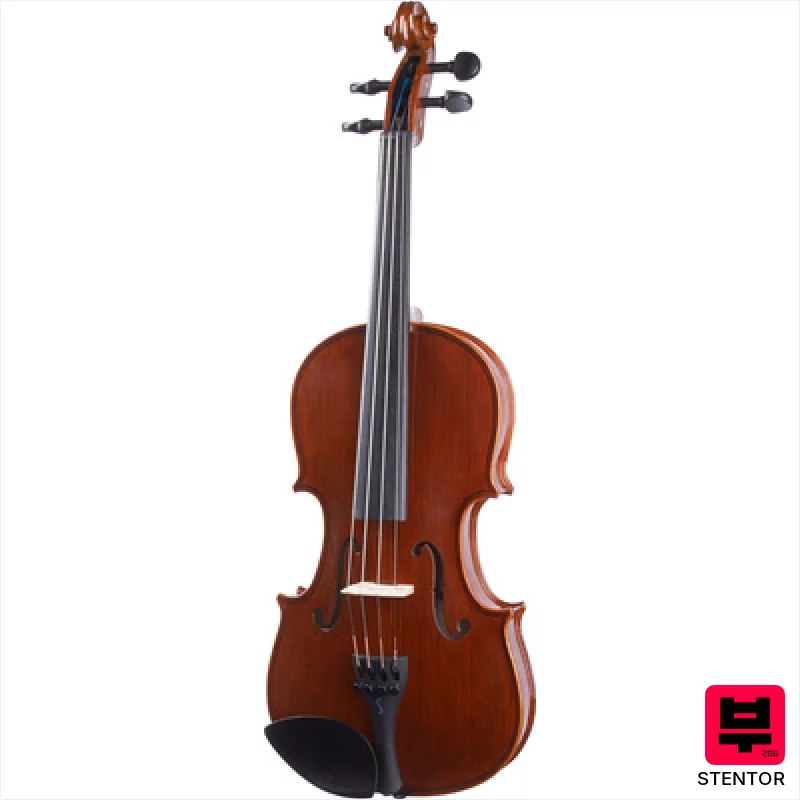
Stentor SR1550 Conservatoire 1/2
- • Solid spruce top delivers a surprisingly warm and resonant tone.
- • Strongly flamed maple back provides visual appeal and acoustic projection.
- • Ebony fingerboard and pegs offer improved durability and precise tuning.
- • Well-suited for beginner to intermediate students needing a reliable, affordable instrument.
- • The included bow is basic; an upgrade will significantly improve tone.
- • The case is functional but fairly lightweight and lacks premium protection.
- • The varnish finish, while acceptable, lacks the depth and richness of higher-end violins.
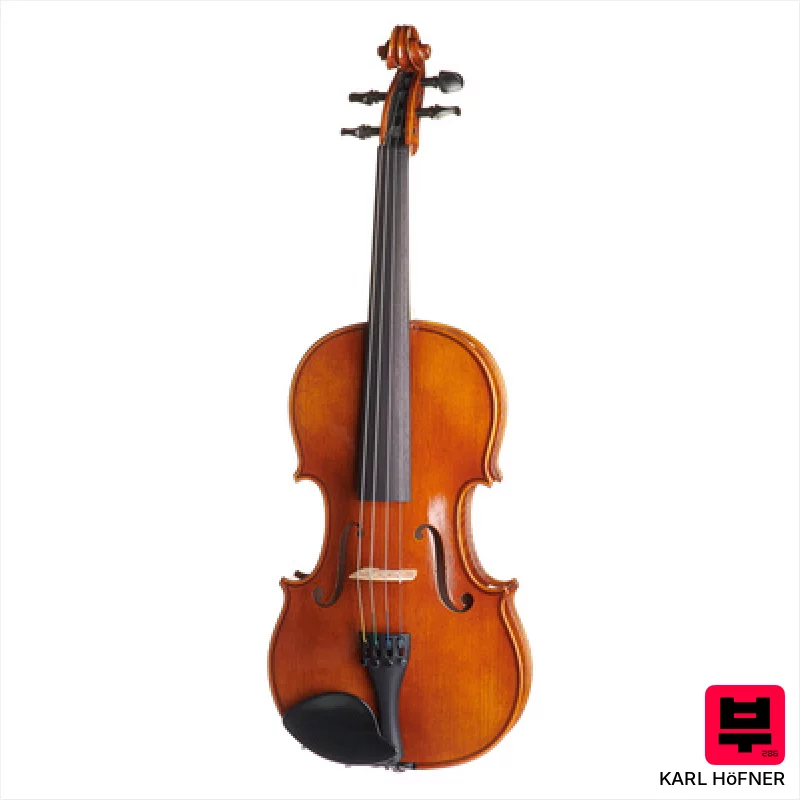
Karl Höfner H11-V Violin 1/2
- • Solid spruce top delivers a surprisingly resonant and clear tone.
- • Flame maple back and sides add warmth and complexity to the sound.
- • Wittner fine tuners allow for precise and easy intonation adjustments.
- • Well-applied spirit varnish enhances the wood's natural beauty and protects it.
- • 1/2 size is best suited for younger or smaller students; may feel cramped for adults.
- • Spirit varnish, while attractive, can be susceptible to scratches and wear.
- • Comes with basic nylon strings; upgrading to steel strings would significantly improve projection.
How to Choose the Best 1/2 Violins
Playability
This isn't just about the action (though that's crucial - too high and a beginner will fight it constantly). It's about the neck profile, how comfortably the student can reach across, and how easily they can bow without buzzing. A well-shaped neck makes a world of difference in building proper technique.
Tonal Response
We're not expecting a Stradivarius, but a violin that's dead or muffled isn't helpful. Look for something with a reasonably even response across the strings, avoiding that harsh, ice-picky top end that can be painful to listen to - a warmer, more balanced tone is much more encouraging.
Construction Quality
This means checking for solid construction - a well-fitted neck joint, a stable bridge, and decent finish. Cheap instruments often have sloppy craftsmanship that leads to tuning instability and general frustration. Pay attention to the seams - gaps here often mean poor resonance.
Durability
Let's be honest, these instruments are going to get knocked around. A harder, more resilient varnish is a plus. Cheap violins often use very soft finishes that scratch and chip easily, making them look beat up after just a few months.
Intonation
A violin that's consistently out of tune is a nightmare for a beginner. While all student instruments will have some intonation issues, look for ones that are relatively close to being in tune across the fingerboard - it'll save the teacher a lot of headaches and the student a lot of frustration.
Buying Guide
Don't fall for the "low price" trap. Seriously. A truly awful violin can do more harm than good. Prioritize playability and a decent tone over fancy appointments. Many cheap instruments skimp on the bass bar and soundpost, which are critical for tonal projection - this is where the 'thump' comes from. It's often better to spend a little more on something that's actually enjoyable to play and sounds reasonably good.
Our Methodology
We didn't just look at spec sheets here. I've spent the last few weeks putting these violins through the wringer - playing scales, simple etudes, and even trying to get a decent tone out of them while mimicking some basic orchestral excerpts. We A/B'd them against each other and against a few decent student-level full-size instruments to get a relative sense of quality, and considered how they'd hold up to regular use in a classroom or practice setting.

