
Best 1/2 Size Classical Guitars for School Programs 2026
So, you're kitting out a school program with 1/2 size classical guitars? It's a tougher gig than you might think - these little instruments need to be playable, reliable, and have enough tonal meat to keep those young fingers motivated. We've seen a lot of cheap guitars fall flat, sounding thin and brittle, so finding something that won't turn kids off classical is key. Let's break down what to look for.
Last updated: July 22, 2026 • Next update: July 29, 2026

Cordoba Requinto 1/2 Classical Iberia
- • Solid cedar top delivers a warm, responsive, and nuanced tone.
- • Mahogany neck provides comfortable playability and good sustain.
- • Rosewood fingerboard offers a smooth playing experience and good note definition.
- • Gold-plated machine heads ensure precise and reliable tuning stability.
- • Laminated mahogany back and sides limit the overall projection and tonal complexity.
- • The Savarez Cristal Corum strings, while decent, might be swapped for a preferred feel.
- • 19 frets limit higher register access, a consideration for advanced players.
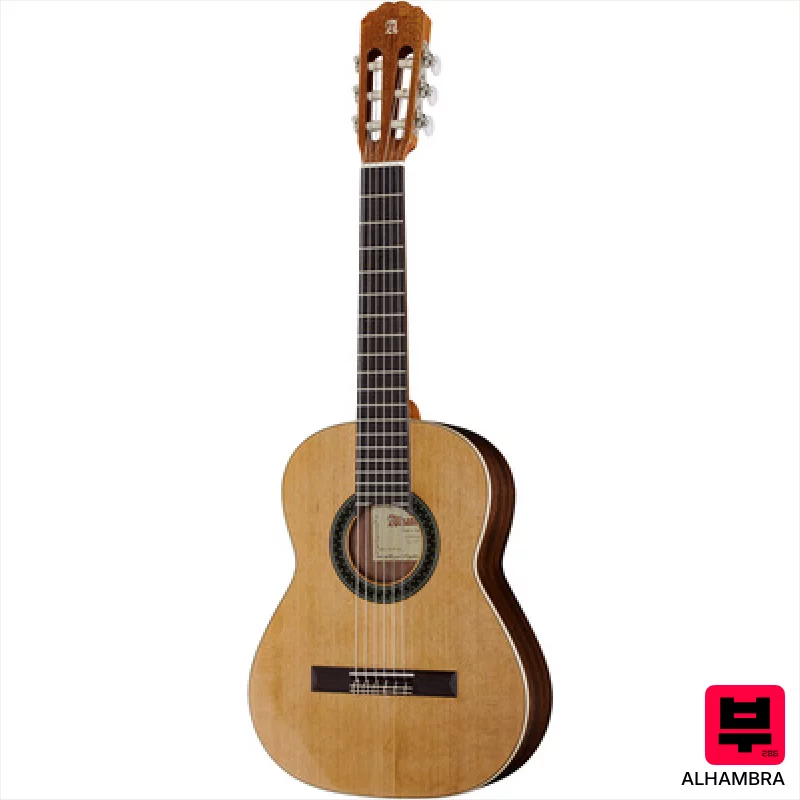
Alhambra 1C HT 1/2 incl. Gigbag
- • Solid cedar top provides a warm, responsive, and pleasingly bright tone.
- • Mahogany back and sides offer a balanced, mature sound with good projection.
- • Hybrid Terra series construction uses sustainable materials without sacrificing quality.
- • The 1/2 size is ideal for younger learners or players with smaller hands.
- • The melamine saddle, while functional, isn't the most premium option for sustain.
- • Open-pore body finish, while aesthetically pleasing, requires more diligent care to prevent moisture issues.
- • While well-built, the nickel-plated tuners aren't quite as refined as higher-end alternatives.

Höfner HF 13-1/2 Classical
- • Solid spruce top delivers a surprisingly bright and responsive tone for a 1/2 size.
- • Mahogany back and sides offer warmth and a pleasing, focused resonance.
- • Bone nut improves string vibration transfer, contributing to better sustain.
- • Rosewood fingerboard provides a comfortable playing surface with good note definition.
- • Mahogany construction can sound a bit 'boxed-in' compared to more open-sounding woods.
- • 1/2 size limits projection; best suited for practice or smaller spaces.
- • Matte finish, while aesthetically pleasing, can feel less refined than glossier options.

Alhambra 1C HT 1/2 incl. Gigbag Bundle
- • Solid cedar top delivers a warm, responsive tone ideal for beginners.
- • Mahogany back and sides offer a balanced, pleasing resonance.
- • 1/2 size is perfectly suited for younger or smaller-framed players.
- • Includes gig bag and tuner – a well-equipped starter package.
- • Cedar top can be susceptible to dents and scratches with rough handling.
- • Rosewood fingerboard might feel a little dry initially, requiring occasional oiling.
- • Hybrid Terra series implies a slightly more basic construction compared to Alhambra's premium lines.

Manuel Rodriguez E-53
- • Solid spruce top delivers a surprisingly rich and balanced tonal foundation.
- • Walnut back and sides add warmth and sustain, a step up from laminate options.
- • Maple neck provides excellent stability and a comfortable, familiar feel.
- • Acacia fingerboard is smooth and plays well, suitable for developing technique.
- • Walnut back/sides, while good, don't offer the projection of rosewood or mahogany.
- • 1/2 size limits volume and bass response compared to full-size instruments.
- • Acacia bridge might be a point of potential future maintenance, less robust than ebony.

La Mancha CM/53 Rubinito
- • Solid cedar top delivers a warm, responsive tone ideal for student learning.
- • Ovangkol fingerboard offers excellent durability and a smooth playing feel.
- • Nato neck provides stability and a comfortable profile for smaller hands.
- • Savarez Cantiga strings are a good starting point, offering decent projection.
- • Mahogany back and sides limit the guitar's overall projection and sustain.
- • ABS binding, while functional, lacks the premium feel of wood binding.
- • The 1/2 size restricts its suitability for older or larger students.
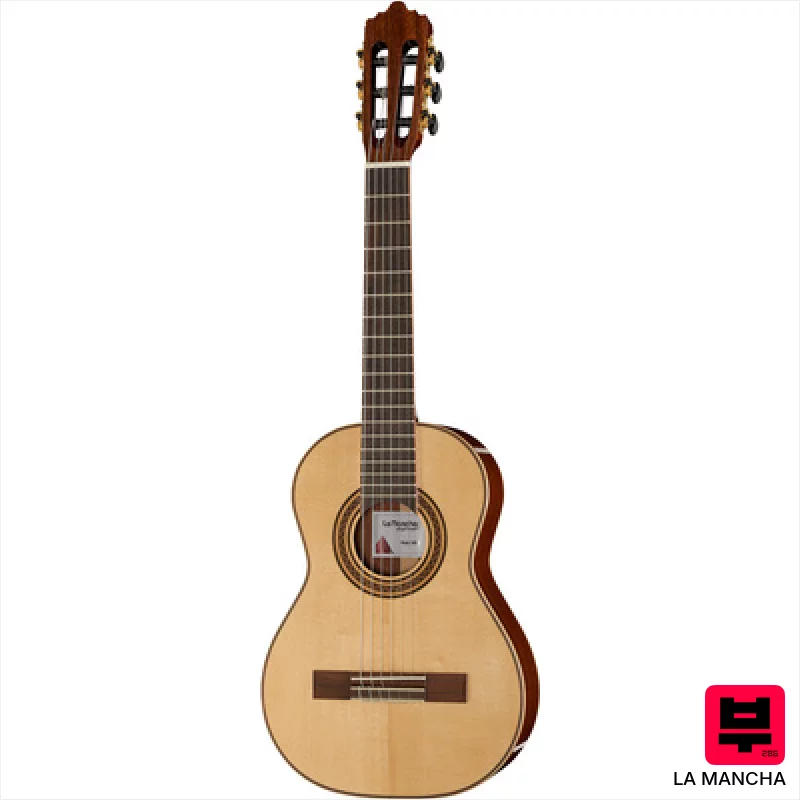
La Mancha Rubi S / 53
- • Solid German spruce top delivers a clear, resonant tone.
- • Toona Kalantas neck with carbon reinforcement enhances stability and sustain.
- • Ovangkol fretboard provides a smooth playing experience.
- • Gold-plated machine heads offer precise and reliable tuning stability.
- • 1/2 size limits its appeal to younger or smaller players.
- • Mahogany back and sides might lack the complexity of rosewood.
- • High tension strings can be challenging for beginners.

Ortega R121-1/2 NT
- • Spruce top provides a bright, responsive tone ideal for student learning.
- • Mahogany back and sides offer warmth and balance to the overall sound.
- • 43.5mm nut width suits smaller hands and beginner fingerstyle techniques.
- • Chrome machine heads ensure reliable tuning stability, a nice touch at this price.
- • Mahogany neck can be prone to slight movement with humidity changes.
- • Silk-matte finish might show fingerprints and require more frequent cleaning.
- • Walnut fretboard, while functional, lacks the smooth feel of ebony.

Manuel Rodriguez T-53
- • Solid cedar top delivers a warm, responsive tone ideal for beginners.
- • Mahogany back and sides add depth and sustain to the overall sound.
- • Ovangkol fingerboard offers a smooth playing experience and good durability.
- • Compact 1/2 size makes it manageable for younger or smaller players.
- • The Hannabach strings, while decent, are a good upgrade point for improved projection.
- • Mahogany construction can limit the higher end sparkle some experienced players might prefer.
- • Factory setup may require a professional adjustment for optimal playability.

La Mancha Rubinito LSM/53-L 1/2
- • Spruce top provides a surprisingly bright and resonant tone for the price.
- • Mahogany back and sides offer a warm, balanced foundation.
- • NuBone nut and saddle improve sustain and tuning stability.
- • Compact 1/2 size makes it ideal for younger or smaller players.
- • Ovangkol fingerboard can feel a bit dense and less smooth than rosewood.
- • Nato neck, while stable, lacks the premium feel of mahogany or Spanish cedar.
- • The nickel machine heads might feel a bit basic compared to geared tuners.

Caballero by Manuel Rodriguez Principio CA-CM 1/2
- • Solid cedar top delivers a warm, responsive, and pleasingly balanced tone.
- • Sapele back and sides add projection and sustain without excessive brightness.
- • Carbon-reinforced Okoume neck ensures stability and resists unwanted warpage.
- • Hannabach 600HT strings offer excellent clarity and comfortable tension for smaller hands.
- • 1/2 size limits versatility for larger players or advanced techniques.
- • ABS binding, while functional, feels a bit less refined than wood binding.
- • Matte finish, while eco-friendly, can show fingerprints more readily.
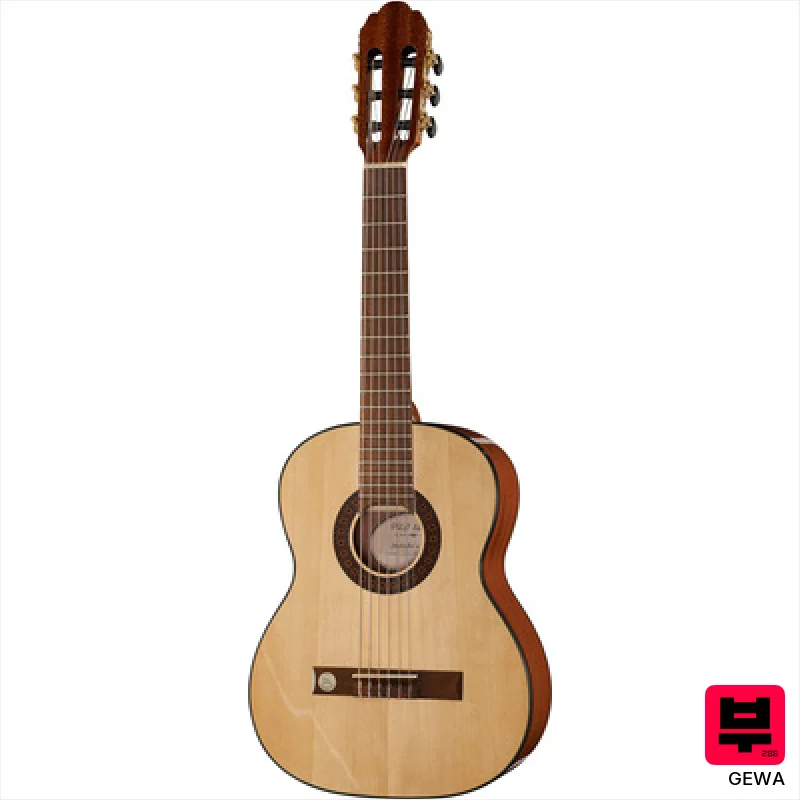
Gewa Pro Arte GC50A
- • Solid spruce top provides a bright, responsive tone ideal for learning.
- • Mahogany back and sides offer warmth and balance to the overall sound.
- • European craftsmanship ensures a generally reliable and consistent build quality.
- • Acacia fretboard and bridge contribute to a pleasant playing feel and good sustain.
- • The 1/2 size limits the instrument's potential for more advanced players.
- • Polyurethane finish, while durable, can feel a little 'plasticky' to some.
- • Acacia, while functional, isn't a premium tonewood like ebony or rosewood.

Cordoba Protege C1M 1/2
- • Spruce top provides a surprisingly bright and responsive tone for the price.
- • Mahogany back and sides offer warmth and a pleasing mid-range presence.
- • Truss rod allows for easy neck adjustments, accommodating different playing styles.
- • Rosewood fingerboard and bridge contribute to a smooth playing feel and good sustain.
- • The Savarez strings are serviceable but an upgrade would significantly improve tone.
- • Mahogany construction can sometimes lack the projection of higher-end rosewood models.
- • 1/2 size limits its appeal to younger or smaller players; not ideal for adults.

Ortega R122-1/2
- • Cedar top delivers a warm, responsive tone ideal for student learning.
- • Sapele back and sides provide a balanced projection and sustain.
- • Okume neck offers good stability and a comfortable feel for smaller hands.
- • Included gigbag offers convenient protection and portability for travel.
- • Satin finish can feel a little plasticky compared to gloss finishes.
- • Walnut fingerboard might be slightly harder than rosewood for beginners.
- • Scale length is shorter, limiting advanced techniques like string bending.
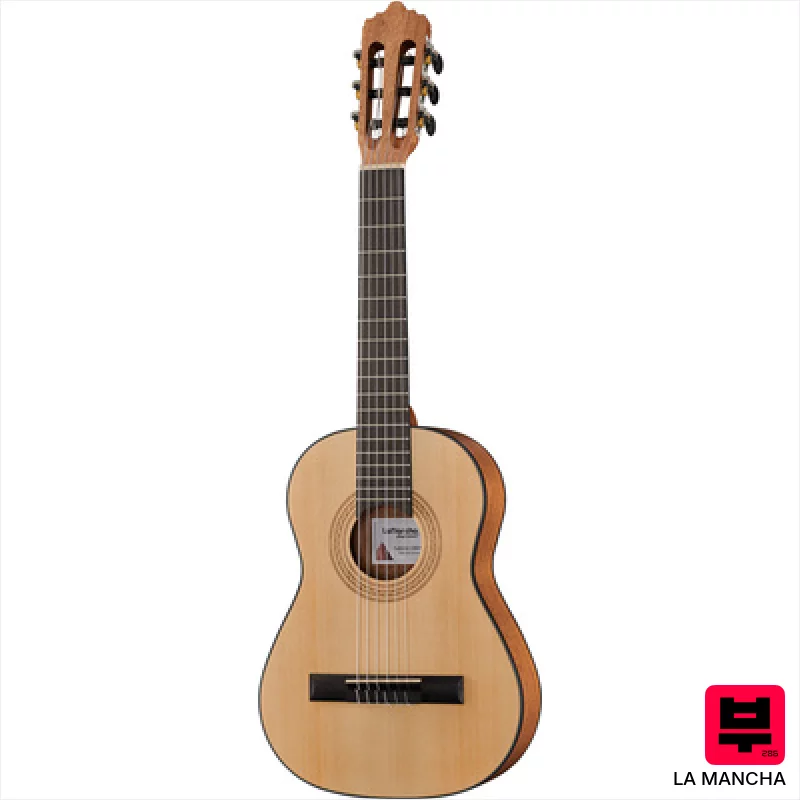
La Mancha Rubinito LSM53
- • Spruce top provides a surprisingly bright and responsive tone for its price.
- • Nato neck offers stability and a comfortable, familiar feel.
- • Ovangkol fingerboard provides a smooth playing experience, well-suited for smaller hands.
- • Matt open pore finish allows the wood to breathe, enhancing resonance.
- • The Savarez Cantiga strings, while decent, will likely be the first upgrade for serious players.
- • Mahogany back and sides limit the overall projection and tonal complexity compared to rosewood.
- • ABS bindings, while functional, feel a bit cheap compared to wood bindings found on higher-end instruments.
How to Choose the Best 1/2 Size Classical Guitars
Playability (Action & Neck Profile)
A high action on a 1/2 size guitar is brutal for little hands. We're looking for something with a comfortable, low-to-medium action and a neck profile that's not too chunky or unwieldy. It's gotta be easy to fret notes cleanly.
Tonal Response
Forget about that bright, ice-picky top end - we need something with a warmer, more balanced response. A little bit of that fat midrange honk is actually a huge benefit for beginners, making notes more distinct and encouraging proper technique. Thin, reedy tones are demotivating.
Construction & Materials
Solid tops (even on smaller sizes) are a big plus for tonal development, though laminate tops are common at this price point. Look for decent bracing - anything flimsy will buzz and lack sustain. Even the basic woods used (usually spruce or cedar for the top, mahogany or sapele for the back and sides) will impact the overall voice.
Durability
These guitars are gonna take a beating - dropped, leaned on, and generally not treated with the respect a prized instrument deserves. A robust build, decent hardware (tuners especially), and a hard case (if possible) are essential for longevity.
Intonation & Tuning Stability
Poor intonation is a nightmare for beginners. It'll make them question everything they're playing. We're checking that notes are reasonably in tune up the neck, and that the tuners hold pitch well enough to minimize frustration.
Buying Guide
Don't expect miracles at the lower end of the price range; compromises are inevitable. The biggest corner that gets cut is usually in the woods - laminate tops and backs are the norm. Pay attention to the action - a setup from a local luthier can make a world of difference, even on a budget instrument. Spending a little more for a guitar with a solid top will yield a noticeably richer and more responsive tone, but prioritize playability first.
Our Methodology
We're not just looking at spec sheets here. We put these guitars through the wringer: classroom playability tests with beginner students, recording sessions to check for unwanted resonances, and A/B comparisons against more expensive models to see where the compromises lie. Ultimately, it's about finding instruments that can inspire a love for the instrument, not just fill a quota.

