
Best 1/2 Size Classical Guitars for First Guitar 2026
So, you're getting started on classical guitar? Awesome. A 1/2 size is often the perfect starting point for younger players or those with smaller hands - it's about more than just size though. Finding one that doesn't sound like a toy and has decent playability is key to actually enjoying the learning process. Let's cut through the noise and find you a solid first guitar.
Last updated: July 22, 2026 • Next update: July 29, 2026
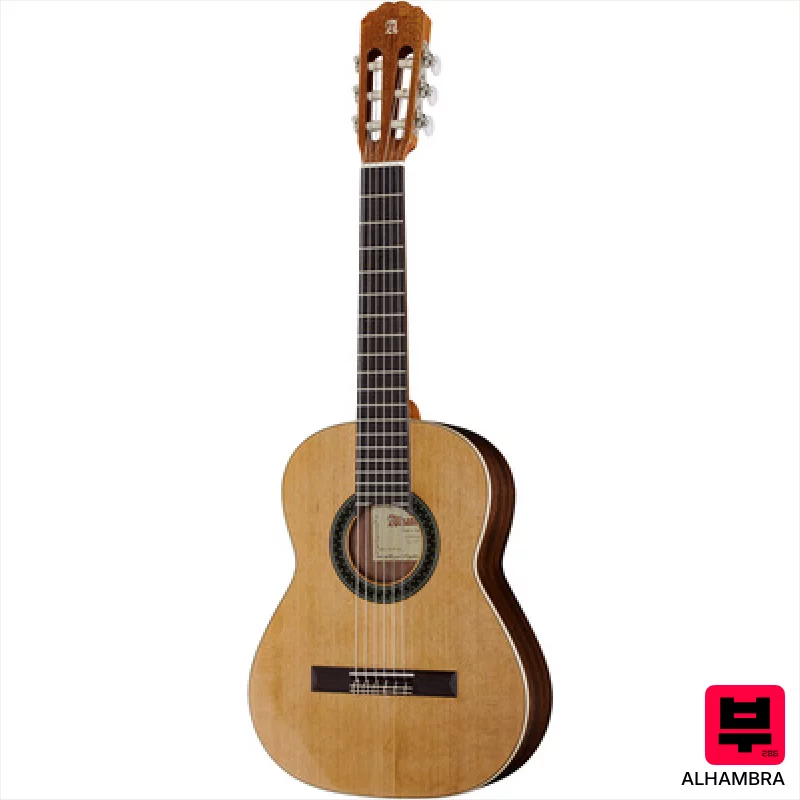
Alhambra 1C HT 1/2 incl. Gigbag
- • Solid cedar top provides a warm, responsive, and pleasingly bright tone.
- • Mahogany back and sides offer a balanced, mature sound with good projection.
- • Hybrid Terra series construction uses sustainable materials without sacrificing quality.
- • The 1/2 size is ideal for younger learners or players with smaller hands.
- • The melamine saddle, while functional, isn't the most premium option for sustain.
- • Open-pore body finish, while aesthetically pleasing, requires more diligent care to prevent moisture issues.
- • While well-built, the nickel-plated tuners aren't quite as refined as higher-end alternatives.

Höfner HF 13-1/2 Classical
- • Solid spruce top delivers a surprisingly bright and responsive tone for a 1/2 size.
- • Mahogany back and sides offer warmth and a pleasing, focused resonance.
- • Bone nut improves string vibration transfer, contributing to better sustain.
- • Rosewood fingerboard provides a comfortable playing surface with good note definition.
- • Mahogany construction can sound a bit 'boxed-in' compared to more open-sounding woods.
- • 1/2 size limits projection; best suited for practice or smaller spaces.
- • Matte finish, while aesthetically pleasing, can feel less refined than glossier options.

Manuel Rodriguez T-53
- • Solid cedar top delivers a warm, responsive tone ideal for beginners.
- • Mahogany back and sides add depth and sustain to the overall sound.
- • Ovangkol fingerboard offers a smooth playing experience and good durability.
- • Compact 1/2 size makes it manageable for younger or smaller players.
- • The Hannabach strings, while decent, are a good upgrade point for improved projection.
- • Mahogany construction can limit the higher end sparkle some experienced players might prefer.
- • Factory setup may require a professional adjustment for optimal playability.

Caballero by Manuel Rodriguez Principio CA-CM 1/2
- • Solid cedar top delivers a warm, responsive, and pleasingly balanced tone.
- • Sapele back and sides add projection and sustain without excessive brightness.
- • Carbon-reinforced Okoume neck ensures stability and resists unwanted warpage.
- • Hannabach 600HT strings offer excellent clarity and comfortable tension for smaller hands.
- • 1/2 size limits versatility for larger players or advanced techniques.
- • ABS binding, while functional, feels a bit less refined than wood binding.
- • Matte finish, while eco-friendly, can show fingerprints more readily.

La Mancha Rubi CM/53
- • Solid cedar top provides a warm, responsive, and mature tonal character.
- • Toona Kalantas neck with carbon reinforcement ensures stability and comfortable playability.
- • Ovangkol fingerboard offers a smooth playing surface and pleasing aesthetic.
- • Maple bindings add a touch of elegance and enhance the guitar’s structural integrity.
- • Mahogany back and sides, while pleasant, limit the potential for brighter projection.
- • Savarez Cantiga strings, while decent, may be a starting point for more experienced players.
- • Natural matte finish, while attractive, might require more careful handling to avoid marks.

Alhambra 1C HT 1/2 incl. Gigbag Bundle
- • Solid cedar top delivers a warm, responsive tone ideal for beginners.
- • Mahogany back and sides offer a balanced, pleasing resonance.
- • 1/2 size is perfectly suited for younger or smaller-framed players.
- • Includes gig bag and tuner – a well-equipped starter package.
- • Cedar top can be susceptible to dents and scratches with rough handling.
- • Rosewood fingerboard might feel a little dry initially, requiring occasional oiling.
- • Hybrid Terra series implies a slightly more basic construction compared to Alhambra's premium lines.

Manuel Rodriguez E-53
- • Solid spruce top delivers a surprisingly rich and balanced tonal foundation.
- • Walnut back and sides add warmth and sustain, a step up from laminate options.
- • Maple neck provides excellent stability and a comfortable, familiar feel.
- • Acacia fingerboard is smooth and plays well, suitable for developing technique.
- • Walnut back/sides, while good, don't offer the projection of rosewood or mahogany.
- • 1/2 size limits volume and bass response compared to full-size instruments.
- • Acacia bridge might be a point of potential future maintenance, less robust than ebony.
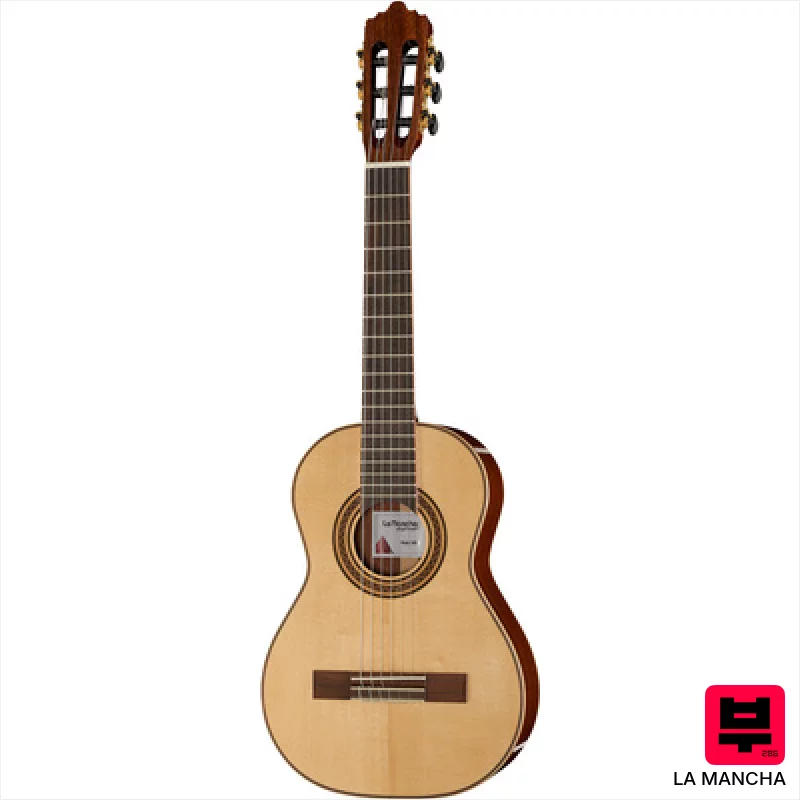
La Mancha Rubi S / 53
- • Solid German spruce top delivers a clear, resonant tone.
- • Toona Kalantas neck with carbon reinforcement enhances stability and sustain.
- • Ovangkol fretboard provides a smooth playing experience.
- • Gold-plated machine heads offer precise and reliable tuning stability.
- • 1/2 size limits its appeal to younger or smaller players.
- • Mahogany back and sides might lack the complexity of rosewood.
- • High tension strings can be challenging for beginners.

La Mancha CM/53 Rubinito
- • Solid cedar top delivers a warm, responsive tone ideal for student learning.
- • Ovangkol fingerboard offers excellent durability and a smooth playing feel.
- • Nato neck provides stability and a comfortable profile for smaller hands.
- • Savarez Cantiga strings are a good starting point, offering decent projection.
- • Mahogany back and sides limit the guitar's overall projection and sustain.
- • ABS binding, while functional, lacks the premium feel of wood binding.
- • The 1/2 size restricts its suitability for older or larger students.

Cordoba Requinto 1/2 Classical Iberia
- • Solid cedar top delivers a warm, responsive, and nuanced tone.
- • Mahogany neck provides comfortable playability and good sustain.
- • Rosewood fingerboard offers a smooth playing experience and good note definition.
- • Gold-plated machine heads ensure precise and reliable tuning stability.
- • Laminated mahogany back and sides limit the overall projection and tonal complexity.
- • The Savarez Cristal Corum strings, while decent, might be swapped for a preferred feel.
- • 19 frets limit higher register access, a consideration for advanced players.
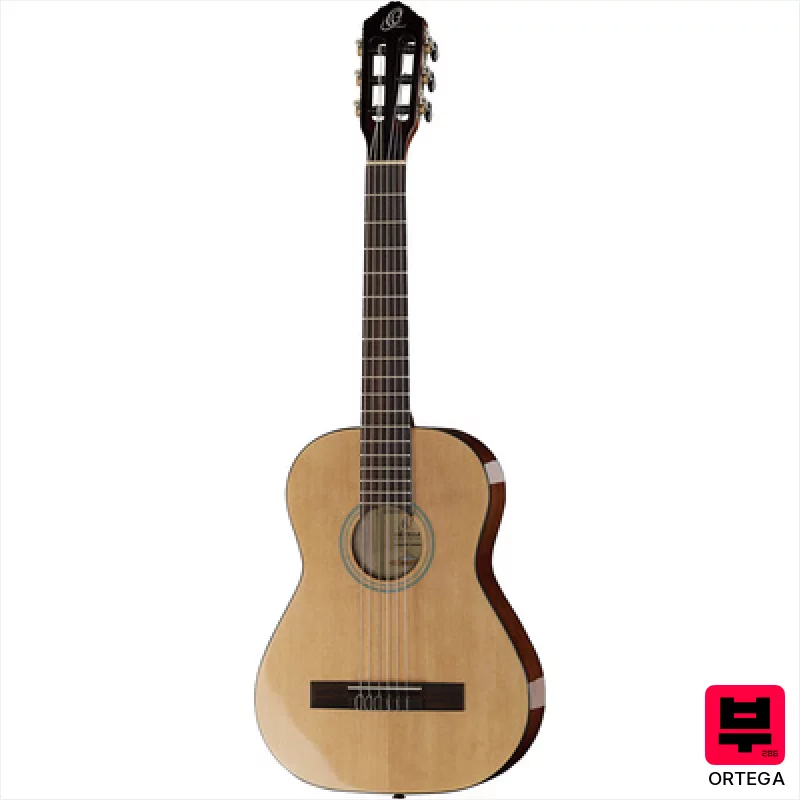
Ortega RST5-1/2
- • Spruce top delivers a surprisingly bright and responsive tone for its price.
- • Catalpa back and sides offer a warmer, balanced sound compared to all-spruce construction.
- • Mahogany neck provides comfortable playability and good sustain for smaller hands.
- • Walnut fingerboard and bridge offer a pleasing feel and contribute to a clear, focused tone.
- • Catalpa back and sides, while warm, lack the complexity of rosewood or maple.
- • The 1/2 size inherently limits projection and bass response compared to full-size guitars.
- • Hardware, including the tuners, feels basic and may benefit from an upgrade down the line.
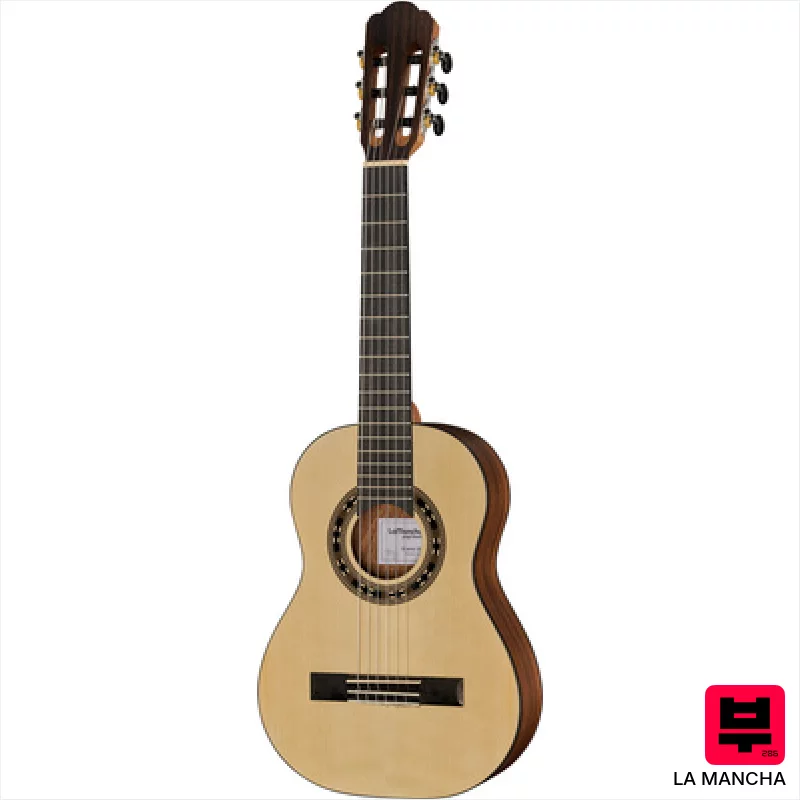
La Mancha Romero Granito 32-1/2 N
- • Solid spruce top delivers a surprisingly bright and responsive tone.
- • Mahogany back and sides offer warmth and a focused midrange.
- • Ovangkol fingerboard provides a smooth playing experience and good durability.
- • Nickel machine heads offer reliable tuning stability for a guitar in this class.
- • ABS bindings, while functional, lack the refined look of wood bindings.
- • The matte finish, while practical, can feel slightly less premium.
- • The 43mm nut width might feel narrow for players accustomed to wider classical necks.
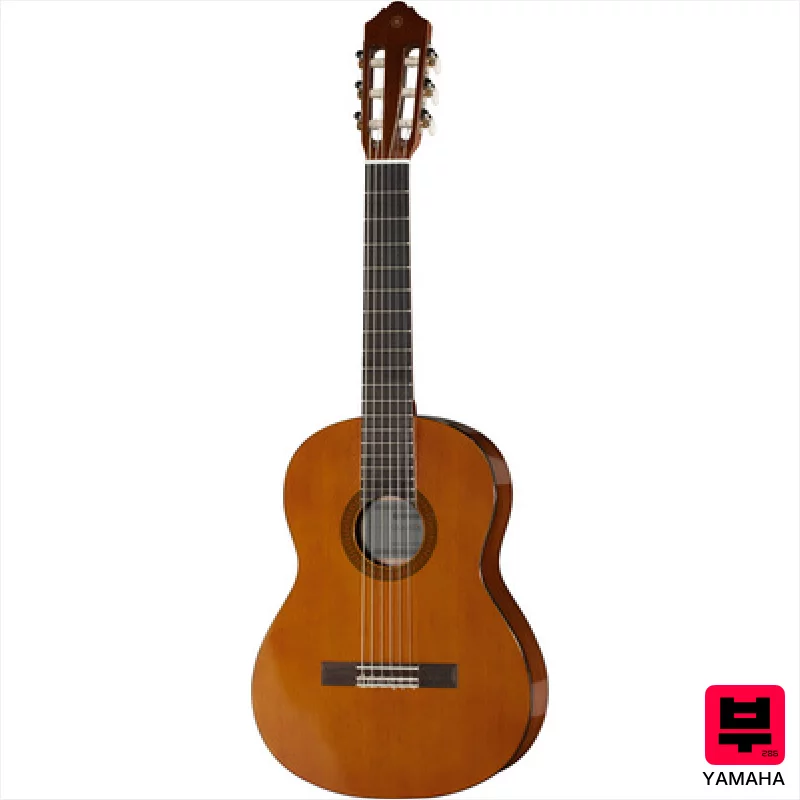
Yamaha CGS102A
- • Spruce top delivers a surprisingly full and resonant tone.
- • Meranti back and sides offer a warm, balanced character for its size.
- • Rosewood fretboard provides a comfortable playing feel and good note definition.
- • Chrome machine heads offer reliable tuning stability for beginner use.
- • Meranti construction limits the overall tonal complexity compared to higher-end models.
- • The 1/2 size may feel cramped for older or larger students.
- • Rosewood bridge is a laminate, not solid, impacting sustain and tone.

La Mancha Rubinito LSM/53-L 1/2
- • Spruce top provides a surprisingly bright and resonant tone for the price.
- • Mahogany back and sides offer a warm, balanced foundation.
- • NuBone nut and saddle improve sustain and tuning stability.
- • Compact 1/2 size makes it ideal for younger or smaller players.
- • Ovangkol fingerboard can feel a bit dense and less smooth than rosewood.
- • Nato neck, while stable, lacks the premium feel of mahogany or Spanish cedar.
- • The nickel machine heads might feel a bit basic compared to geared tuners.
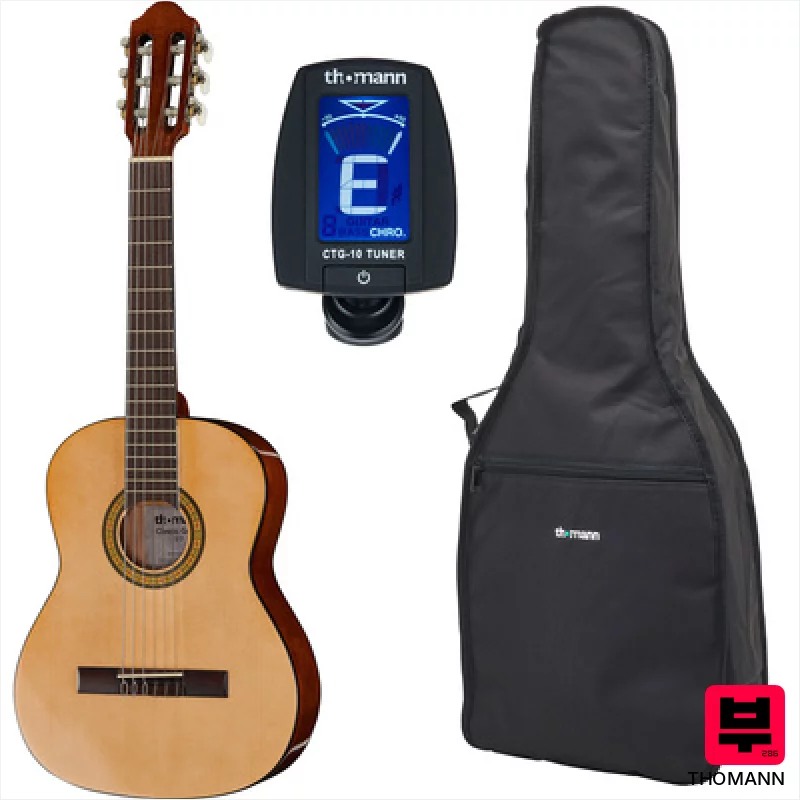
Thomann Classic Guitar 1/2 Bundle
- • Laminated spruce top offers decent projection for a beginner instrument.
- • Maple back & sides provide a warm, balanced tone – surprisingly good for the price.
- • Includes a gig bag and tuner, offering immediate playability and convenience.
- • 1/2 size is ideal for younger students or those with smaller hands, promoting comfortable learning.
- • Laminated construction limits the instrument's potential for nuanced tone development.
- • Maple fingerboard can feel a little harder than rosewood, potentially less comfortable for extended practice.
- • Nickel-plated machine heads might feel a bit 'grabby' compared to higher-end tuners.
How to Choose the Best 1/2 Size Classical Guitars
Scale Length & Neck Profile
A shorter scale (usually around 19-20 inches) is easier to reach, but a chunky neck profile will negate that benefit. Look for something with a comfortable, relatively thin neck - you want to build technique, not finger strength just fighting the neck.
Top Wood
Solid cedar tops are common on entry-level guitars and offer a warm, slightly darker tone that's forgiving for beginners. Laminated tops will sound a bit thinner and less resonant, but are more stable and often more affordable. Don't expect miracles with a laminate, though.
Action & Setup
This is HUGE. High action (string height) makes it tough to fret notes cleanly, which is incredibly frustrating for a beginner. A properly set-up guitar, even a cheaper one, will be exponentially more enjoyable to play. Factor in the cost of a setup if buying online.
Bracing Pattern
The bracing pattern influences the guitar's projection and tonal response. Simpler bracing patterns are typical on budget instruments, which often means a quieter sound and less sustain. It's a trade-off for affordability.
Intonation
While often overlooked on student instruments, decent intonation (accuracy of notes up the neck) is crucial. Out-of-tune notes will sound bad and discourage practice. Test this carefully if possible.
Buying Guide
Don't fall for the trap of thinking more expensive automatically equals better. A poorly set-up, expensive guitar is worse than a well-set-up budget one. Focus on playability first - if it feels uncomfortable, you won't practice. Be realistic about the tonal limitations of a 1/2 size, especially with cheaper materials. A little extra for a solid top and a decent setup can make a world of difference.
Our Methodology
We didn't just look at spec sheets here. We put these guitars through the wringer - bedroom practice sessions, attempted fingerstyle pieces that are way beyond our skill level, and even a few rehearsals with a local ensemble. We A/B'd them against guitars costing several times more to see if the price difference really translated to a usable improvement. It's about real-world performance, not marketing hype.

