
Rockboard RPA 100 Power Attenuator
Professional music gear - detailed information and where to buy
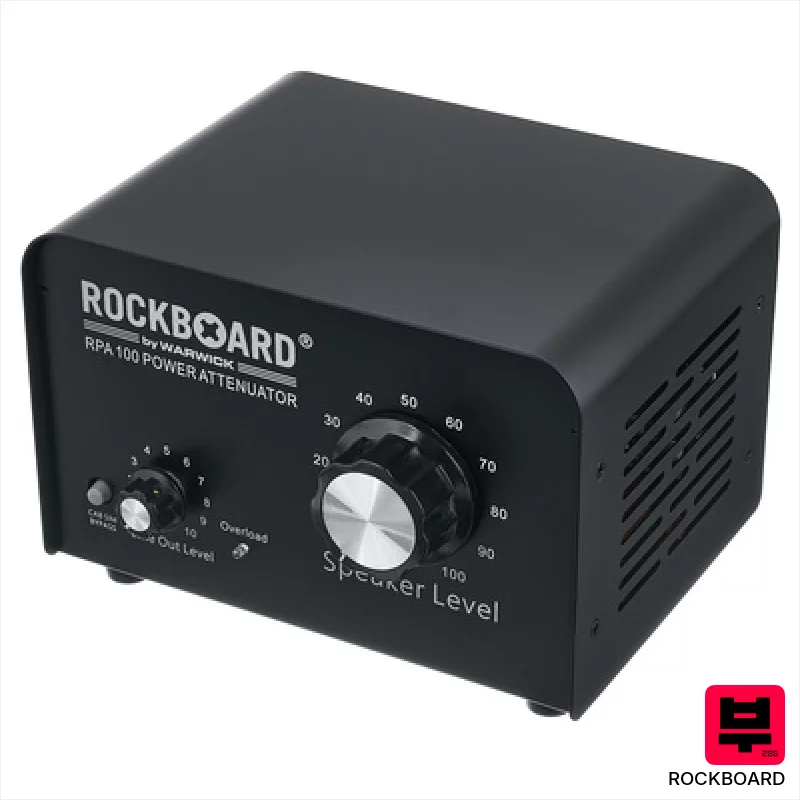
Rockboard
RPA 100 Power Attenuator
Product Info
* Prices may vary. Check retailer for current pricing and availability.
The Rockboard RPA 100 is a solid, budget-friendly attenuator that's perfect for players needing to tame high-wattage amps for home recording or smaller gigs. It’s surprisingly versatile with its multiple impedance options and DI output, giving you a lot of bang for your buck. Just be aware of the fan noise if you're after absolute silence.
Product Description
- Rockboard RPA 100 Power Attenuator
- Power Reducer
- Maximum output power of the amplifier 100 watts
- 3 Separate inputs for 4
- 8 or 16 ohms
- 1 x 3.5 mm AUX input
- 2 x 6.3 mm speaker outputs (parallel)
- 1 x 6.3 mm line level output
- 1 x 3.5 mm headphone output
- 1 x XLR-DI output
- 1 x Volume control on the speaker
- 1 x Level control for the line level output
- 1 x On/Off switch for loudspeaker simulation
- 1 x Switch for speaker simulation 2 x 12" or 4 x 12"
- 1 x 9 VDC
- 2.1 x 5.5 mm barrel connector
- centre negative
- Input voltage for operation with headphones / DI / line outputs
- 1 x Fan
- 1 x LED for overload indication
- Dimensions (L x W x H): 180 x 160 x 125 mm (incl. feet and controller)
- Weight: 1545 g
- • Compact design minimizes footprint on stage or in studio.
- • Versatile impedance switching caters to various amp heads.
- • DI output provides convenient recording and live sound options.
- • Speaker simulation adds warmth and definition to attenuated tones.
- • Fan noise might be noticeable in quiet recording environments.
- • Build quality feels a bit plasticky for frequent heavy use.
- • Limited speaker simulation options compared to higher-end attenuators.
Product Video
Key Features
Similar Products
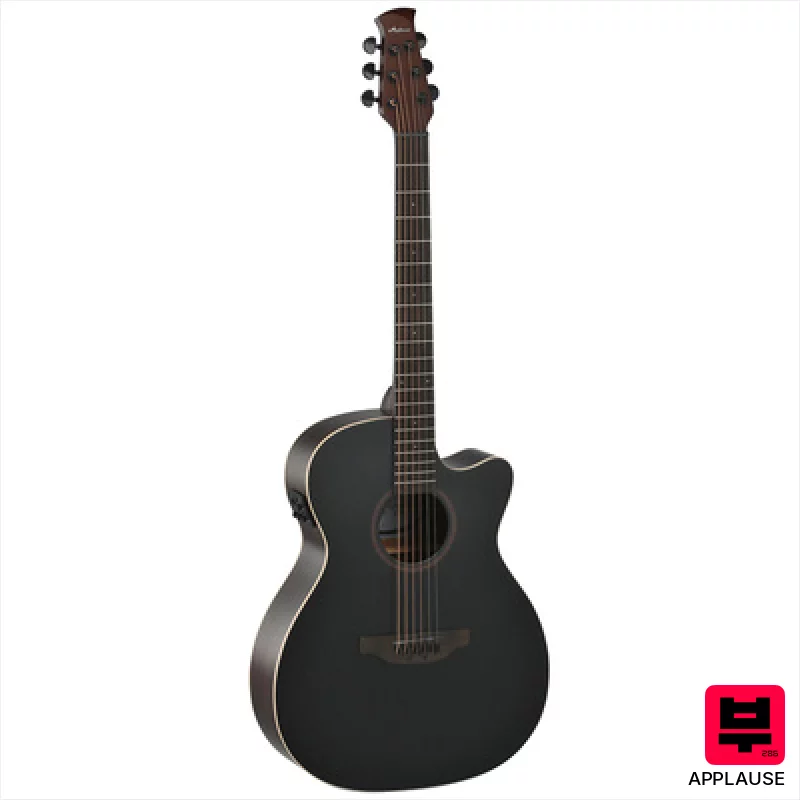
Applause Jump Dark Matter
Other Acoustic Guitars
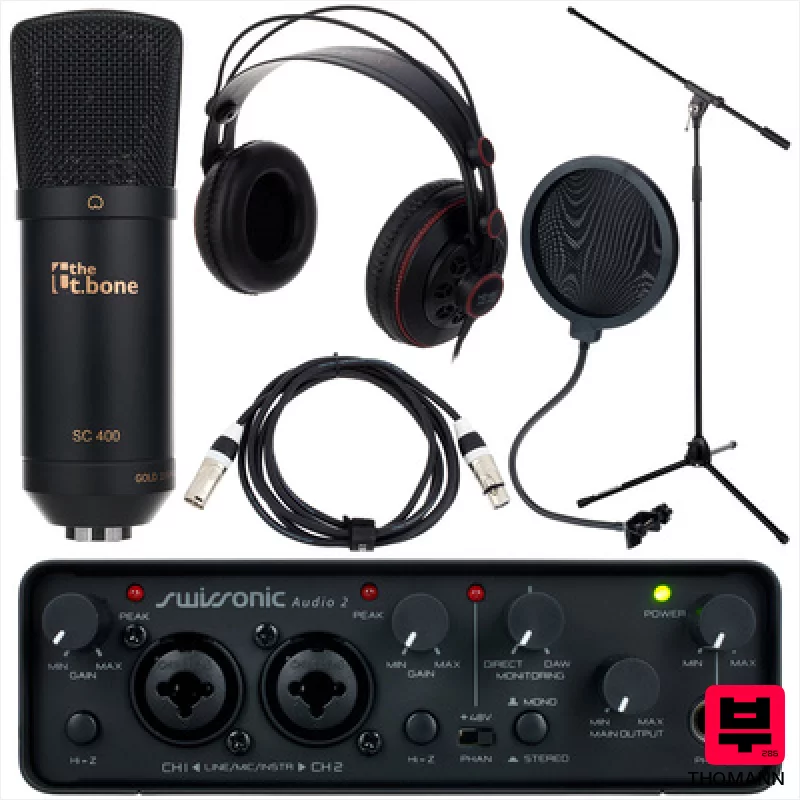
Thomann Home Studio Bundle
Studio Packages
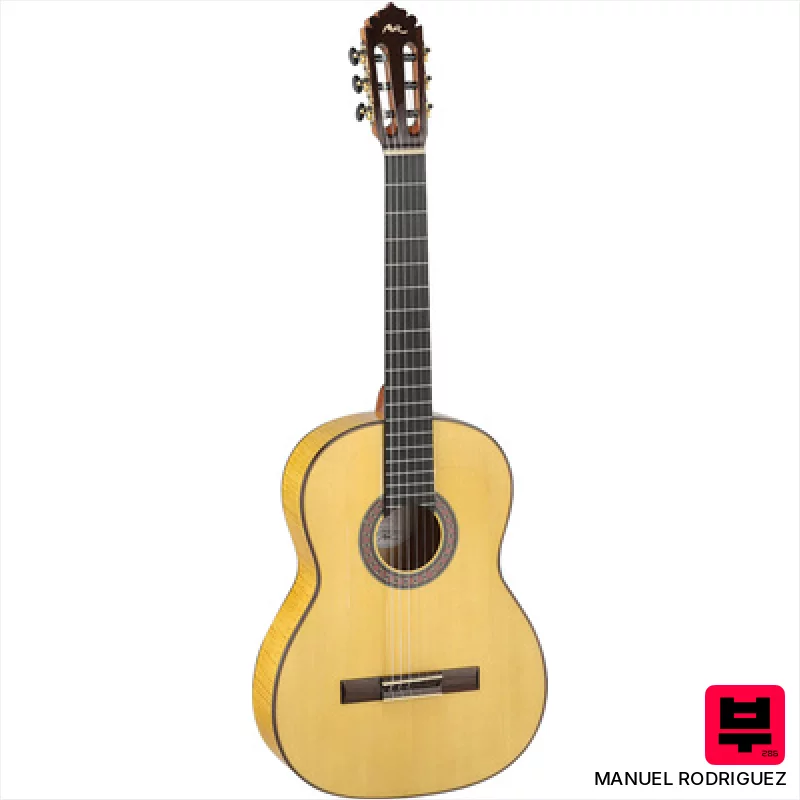
Manuel Rodriguez Superior Flamenco Sabicas C3-F
Flamenco Guitars
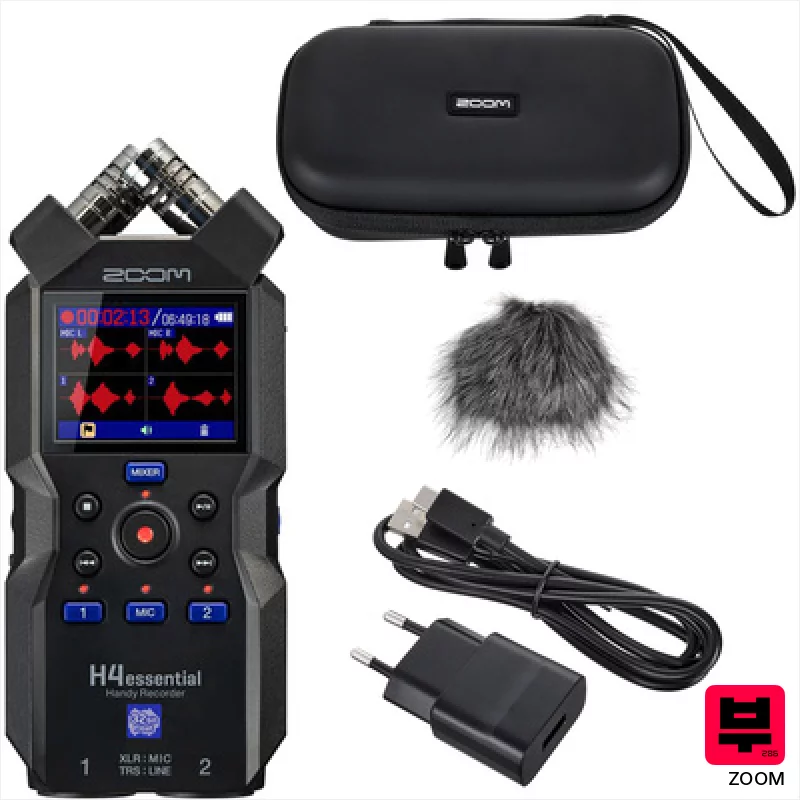
Zoom H4essential APH-4e Bundle
Portable Recorders
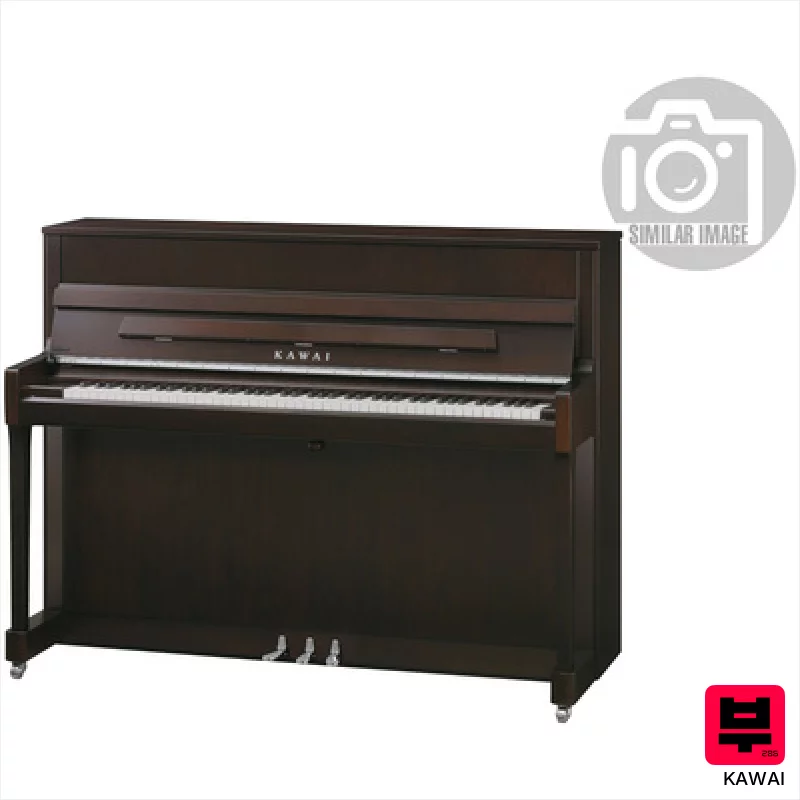
Kawai K-200 ATX 4 WDB Piano
Pianos
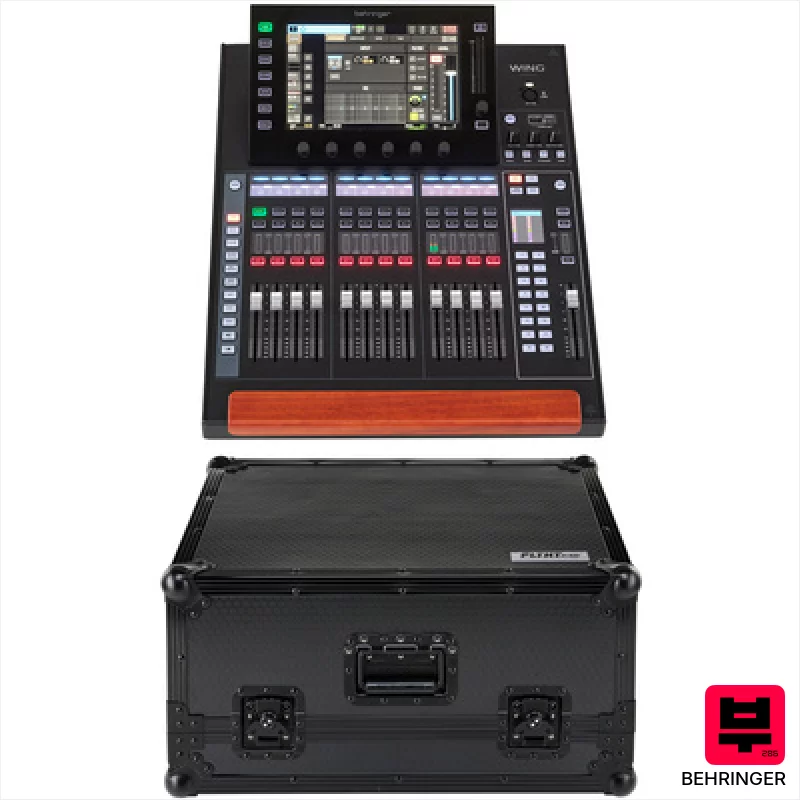
Behringer WING Compact Flyht Pro Bundle
Digital Mixers
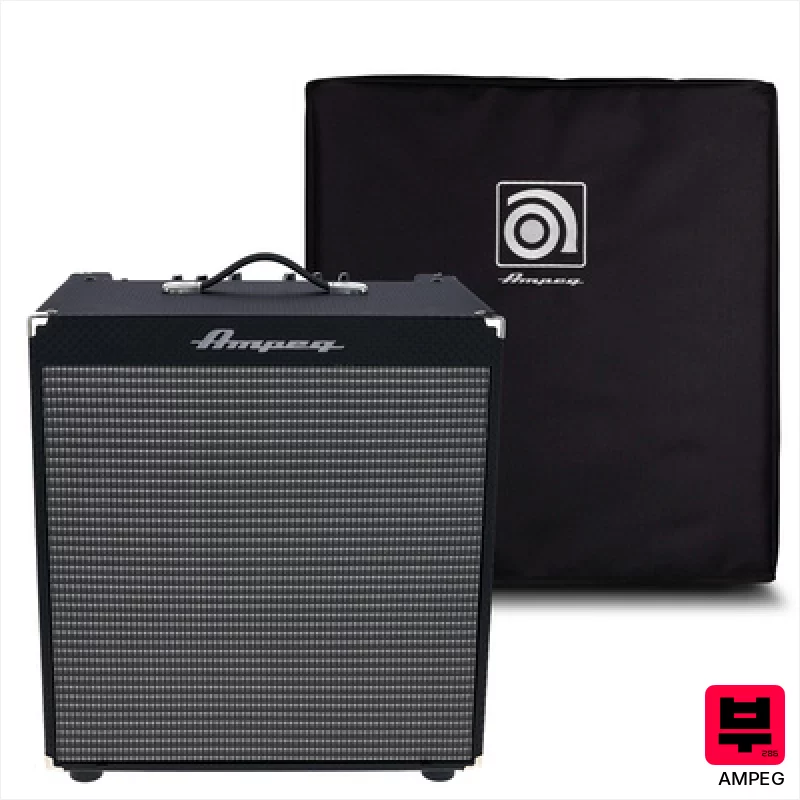
Ampeg RB-115 Bundle
Solid-State Bass Combos
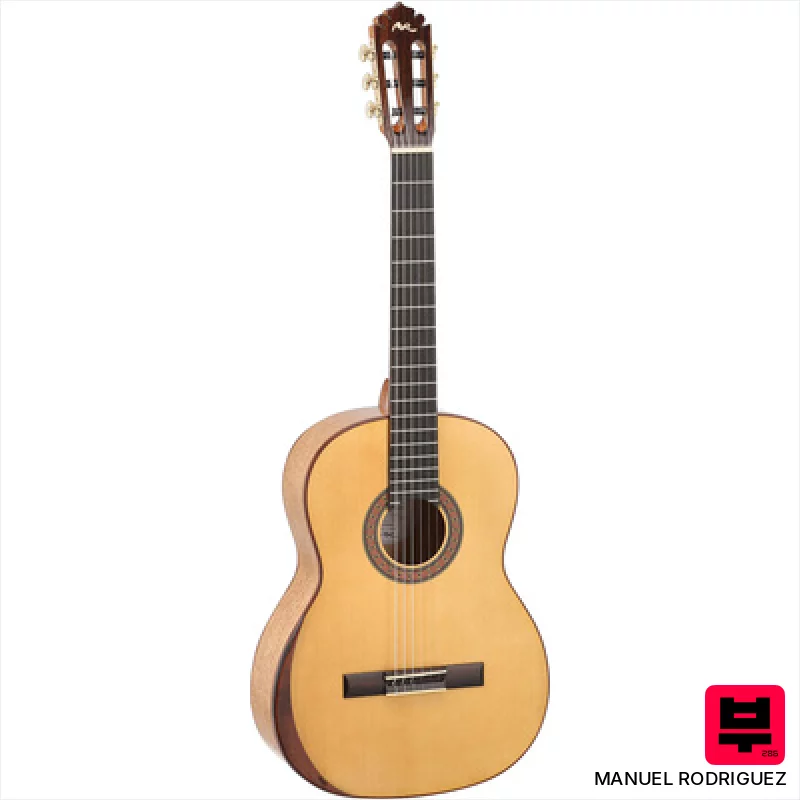
Manuel Rodriguez Superior Anniversario 120 J-SB
4/4 Size Classical Guitars

