Mackie Thump 212 vs Yamaha DBR12
Detailed comparison to help you choose the right Active Full-Range PA Speakers for your music.
Last updated: May 27, 2026 • Next update: June 3, 2026

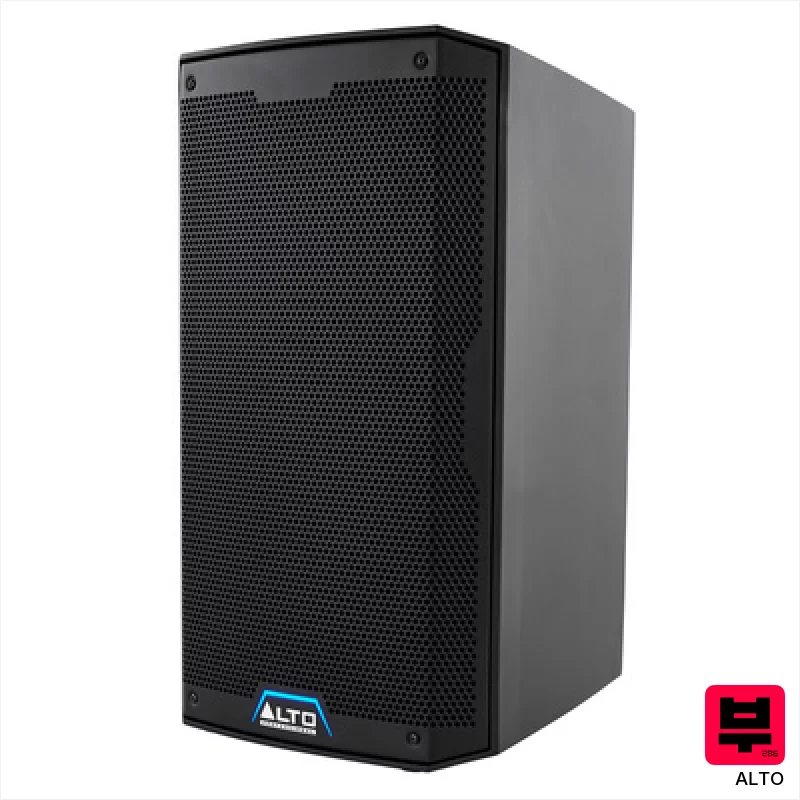
Mackie Thump 212
The Mackie Thump 212 is a solid, affordable workhorse speaker. It's perfect for smaller bands, DJs, or anyone needing portable PA for gigs or events – the built-in monitor angle is a huge convenience. Just don't expect earth-shattering low-end; it's more about clean projection than deep rumble.
$417

Yamaha DBR12
The DBR12 is a solid, affordable workhorse – a great option for gigging musicians, bands, and smaller venues needing reliable powered PA. It's surprisingly versatile, offering decent clarity and volume, but don't expect premium studio-grade performance. The build quality is good for the price point, but it’s not indestructible.
$549
Detailed Comparison
| Feature | Mackie Thump 212 | Yamaha DBR12 |
|---|---|---|
| Brand | Mackie | Yamaha |
| Model | Thump 212 | DBR12 |
| Price | $416 | $548 |
| Expert Rating | ⭐ 4.6/5 | ⭐ 4.4/5 |
| Power (Watts) | 1400 | 1000 / 465 |
| Woofer Size | 12" | 12 in |
| Frequency Range | 47 Hz - 23 kHz | 52 - 20000 Hz |
| Max SPL | 128 dB | 131 dB |
| Connections | XLR/TRS Combo, Stereo Mini Jack, Thru Output | XLR, Jack, RCA |
| Weight | 13.2 kg | 15.8 kg |
| Pros | + Robust Class-D amplification delivers surprising headroom and clean power. | + Robust waveguide delivers clear highs, even at higher volumes |
| Pros | + The angled design is genuinely useful as a stage monitor, well-thought-out. | + The angled design is genuinely useful as a stage monitor |
| Pros | + Feedback eliminator works surprisingly well in live, challenging environments. | + Yamaha's D-PAD processing minimizes distortion at high output |
| Pros | + Polymer compression driver provides clear highs without excessive harshness. | + Surprisingly tight and controlled low-end for a powered speaker |
| Cons | - The low-end extension, while adequate, lacks the deep thump of higher-end speakers. | - The plastic enclosure feels a bit flimsy for frequent heavy use |
| Cons | - Road-ready build feels a bit plasticky; not quite as durable as some competitors. | - Limited EQ controls restrict fine-tuning for specific applications |
| Cons | - Music ducking feature can be a bit clunky and requires careful adjustment. | - Weight makes transportation a chore for solo performers |
| Category | Active Full-Range PA Speakers | Active Full-Range PA Speakers |
| Article Number | 564574 | 350853 |
| Check Price | Check Price |