
Focusrite Scarlett 4i4 4th Generation vs Universal Audio Volt 276 USB Recording Studio
Detailed comparison to help you choose the right USB Audio Interfaces for your music.
Last updated: June 3, 2026 • Next update: June 10, 2026
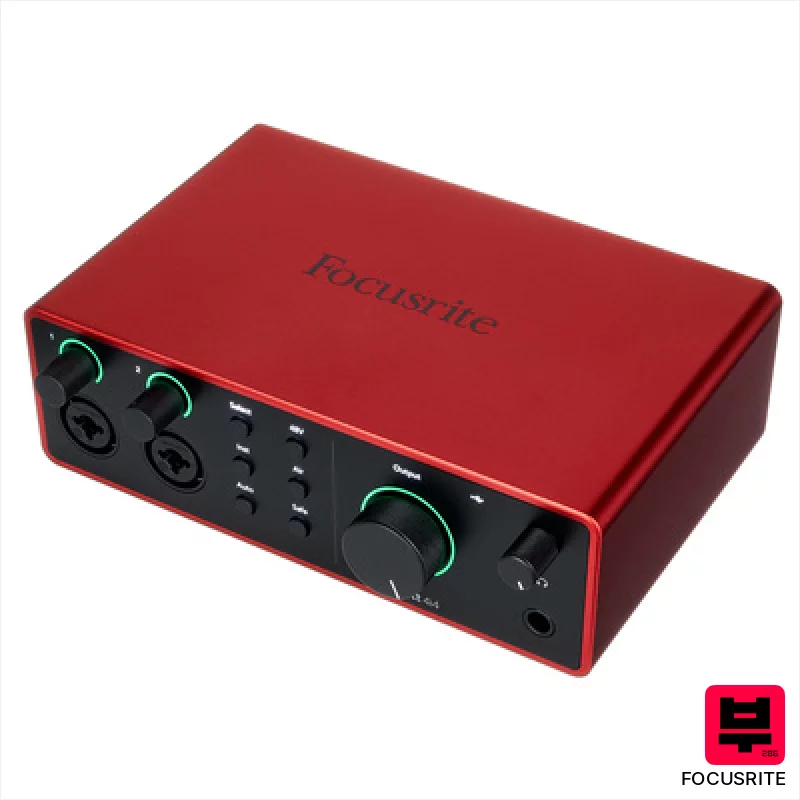
Focusrite Scarlett 4i4 4th Generation
The 4i4 4th Gen is a fantastic entry point for home recording and smaller studios. The preamps are surprisingly good, and the Dynamic Gain Halos really simplify gain staging. It’s a solid, reliable interface perfect for singer-songwriters, podcasters, and anyone wanting a clean, focused recording chain without a lot of complexity.
$261

Universal Audio Volt 276 USB Recording Studio
The Volt 276 is a surprisingly capable little interface. That built-in compressor is a real game-changer for quick tracking and adding some grit. It's ideal for singer-songwriters, podcasters, or anyone needing a portable, easy-to-use recording solution with a touch of vintage vibe.
$282
Detailed Comparison
| Feature | Focusrite Scarlett 4i4 4th Generation | Universal Audio Volt 276 USB Recording Studio |
|---|---|---|
| Brand | Focusrite | Universal Audio |
| Model | Scarlett 4i4 4th Generation | Volt 276 USB Recording Studio |
| Price | $260 | $281 |
| Expert Rating | ⭐ 4.4/5 | ⭐ 4.7/5 |
| Inputs | 4 (2 x XLR/TRS combo, 2 x TRS line) | 2 (XLR/Line combo) |
| Outputs | 4 TRS line + 1 Stereo Headphone | 2 (TRS), 1 (Headphone) |
| Max Sample Rate | 192 kHz | 192 kHz |
| Bit Depth | 24-bit | 24 Bit |
| Preamps | 2 Scarlett microphone preamps (69 dB gain) | 2 (with 'Vintage' mode) |
| Weight | 0.808 kg | 0.79 kg |
| Pros | + Excellent preamps deliver clean gain with Focusrite's signature warmth. | + Excellent built-in 1176-style compressor adds instant character. |
| Pros | + Dynamic Gain Halos offer genuinely intuitive and fast level adjustments. | + The 'Vintage' preamp mode delivers a warm, classic tube sound. |
| Pros | + Robust build quality; the enclosure feels solid and well-assembled. | + Solid construction feels robust despite its compact size and light weight. |
| Pros | + Flexible I/O options suit small studios and multi-instrument tracking. | + Comprehensive software bundle provides immediate creative tools and plugins. |
| Cons | - USB 2.0 limits bandwidth; consider a Thunderbolt interface for demanding projects. | - Limited I/O restricts its use for more complex recording setups. |
| Cons | - Limited routing options compared to more expensive, higher-end interfaces. | - The USB bus-powered design might experience dropouts with power-hungry devices. |
| Cons | - Phantom power delivery might be marginal for some high-power condenser mics. | - While versatile, lacks dedicated hardware monitoring controls. |
| Category | USB Audio Interfaces | USB Audio Interfaces |
| Article Number | 566688 | 529077 |
| Check Price | Check Price |

