Behringer U-Phoria UMC204HD vs Focusrite Scarlett 2i2 3rd Gen
Detailed comparison to help you choose the right USB Audio Interfaces for your music.
Last updated: May 6, 2026 • Next update: May 13, 2026
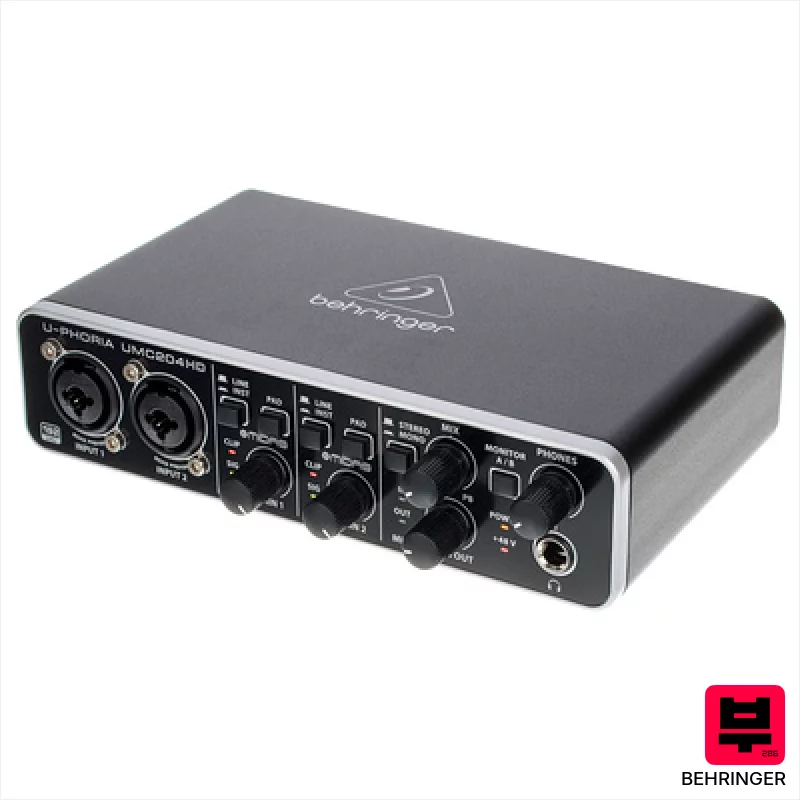
Behringer U-Phoria UMC204HD
The UMC204HD is a surprisingly capable interface for the budget-conscious home recordist. Its clean preamps and flexible routing make it a great starting point for singer-songwriters or small bands looking to capture decent quality recordings without a huge investment. Just be mindful of the plastic jack construction—handle it with care.
$87
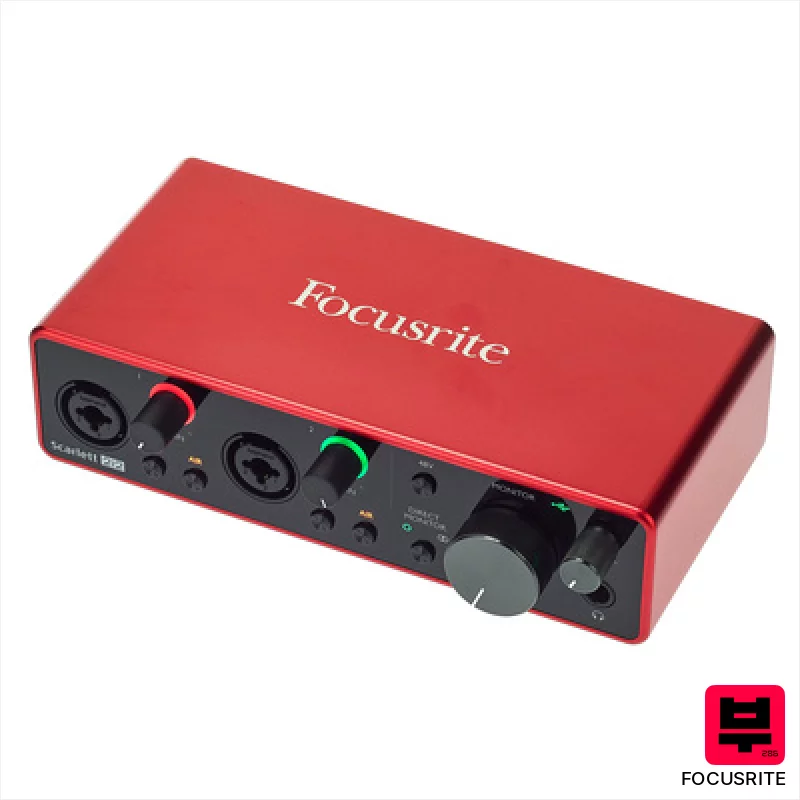
Focusrite Scarlett 2i2 3rd Gen
The Scarlett 2i2 3rd Gen is a solid entry point for singer-songwriters, podcasters, and bedroom producers. It delivers surprisingly good sound quality for its class, with clean preamps and a useful software bundle. It's a dependable workhorse for tracking vocals and instruments, especially when you’re just getting started.
$131
Detailed Comparison
| Feature | Behringer U-Phoria UMC204HD | Focusrite Scarlett 2i2 3rd Gen |
|---|---|---|
| Brand | Behringer | Focusrite |
| Model | U-Phoria UMC204HD | Scarlett 2i2 3rd Gen |
| Price | $86 | $130 |
| Expert Rating | ⭐ 4.7/5 | ⭐ 4.8/5 |
| Inputs | 2 (XLR/TRS combo) | 2x XLR/6.3mm combo jacks |
| Outputs | 4 (2 x TRS, 2 x RCA) | 2x 6.3mm line outputs, 1x stereo headphone output |
| Max Sample Rate | 192 kHz | 192 kHz |
| Bit Depth | 24 bits | 24 Bit |
| Preamps | 2 Midas-designed microphone preamps | 2 Scarlett Mikrofon-Preamps |
| Weight | 2.5 lbs | 0.47 kg |
| Pros | + Solid metal chassis provides unexpected durability for the price. | + Excellent preamps offer clean gain with a touch of Focusrite's signature warmth |
| Pros | + Midas preamps deliver surprisingly clean gain with low noise floor. | + USB-C connectivity provides reliable, low-latency performance |
| Pros | + Flexible I/O routing allows for versatile recording setups. | + Air function subtly brightens vocals and acoustic instruments |
| Pros | + Guitar input with direct monitoring is convenient for tracking. | + Hitmaker software bundle provides a valuable starting point for beginners |
| Cons | - Plastic combi jacks feel flimsy and prone to wear with heavy use. | - Limited I/O restricts recording complex setups or multiple musicians simultaneously |
| Cons | - USB bus power only limits portability and can introduce noise. | - Plastic enclosure feels somewhat budget-oriented compared to higher-end interfaces |
| Cons | - Limited headroom on the preamps can be an issue for louder sources. | - Bus-powered operation can be susceptible to noise with long or unshielded USB cables |
| Category | USB Audio Interfaces | USB Audio Interfaces |
| Article Number | 359082 | 467950 |
| Check Price | Check Price |