Audient iD4 MKII vs MOTU M2
Detailed comparison to help you choose the right USB Audio Interfaces for your music.
Last updated: May 13, 2026 • Next update: May 20, 2026
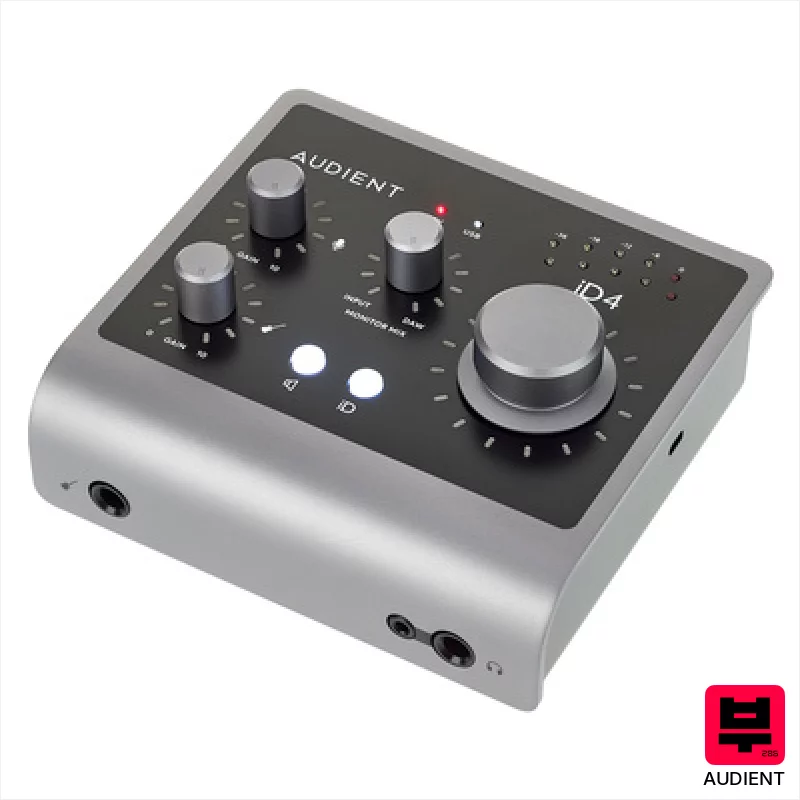
Audient iD4 MKII
The iD4 MKII is a seriously impressive little box for the money. It's perfect for singer-songwriters, podcasters, or anyone needing a high-quality interface for tracking vocals or instruments without a ton of channels. The preamps are surprisingly good, and the build feels solid.
$169
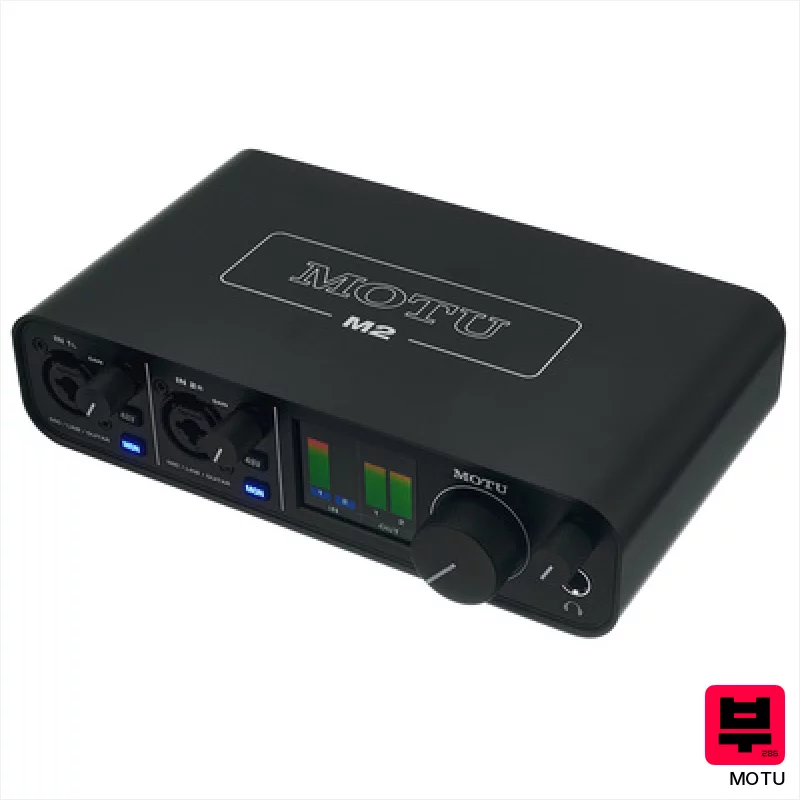
MOTU M2
The MOTU M2 is a fantastic entry point for home recording and podcasting. Its clean preamps and rock-solid drivers make it a joy to use, and the included software is a real bonus for those just starting out. It's a great choice for singer-songwriters, bedroom producers, and anyone needing a reliable and affordable interface.
$252
Detailed Comparison
| Feature | Audient iD4 MKII | MOTU M2 |
|---|---|---|
| Brand | Audient | MOTU |
| Model | iD4 MKII | M2 |
| Price | $169 | $251 |
| Expert Rating | ⭐ 4.3/5 | ⭐ 4.3/5 |
| Inputs | 2 (1 x XLR/TRS combo, 1 x JFET instrument) | 4 (2 XLR/jack combo, 2 line) |
| Outputs | 2 x TRS main, 2 x headphone (6.3mm, 3.5mm) | 4 (2 balanced jack, 2 RCA, 1 headphone) |
| Max Sample Rate | 96 kHz | 192 kHz |
| Bit Depth | 24 bit | 24 bit |
| Preamps | Audient Class A console mic preamp | 2, +48V phantom power |
| Weight | 1.3 lbs | 1.2 lbs |
| Pros | + Audient preamps deliver a remarkably clean, detailed, and musical sound. | + Excellent AD/DA conversion delivers pristine audio quality |
| Pros | + Discrete JFET input excels for direct instrument recording with a warm, responsive tone. | + Flexible combo XLR/Hi-Z inputs handle mics and instruments well |
| Pros | + ScrollControl offers genuinely useful DAW integration, streamlining workflow. | + Compact design and sturdy metal chassis inspire confidence |
| Pros | + Compact design and USB-C connectivity provide excellent portability and modern compatibility. | + Comprehensive software bundle adds significant value for beginners |
| Cons | - Limited I/O makes it unsuitable for complex multi-mic recording setups. | - RCA outputs limit connectivity for professional studio setups |
| Cons | - The single combo XLR/TRS input can be restrictive for some users. | - USB-C requirement can be restrictive for older computers |
| Cons | - Headphone amplifier, while powerful, lacks the finesse of higher-end interfaces. | - Phantom power headroom slightly less than higher-end interfaces |
| Category | USB Audio Interfaces | USB Audio Interfaces |
| Article Number | 510532 | 478035 |
| Check Price | Check Price |