
ARP 2600 M vs ASM Hydrasynth Desktop
Detailed comparison to help you choose the right Sound Modules for your music.
Last updated: April 29, 2026 • Next update: May 6, 2026
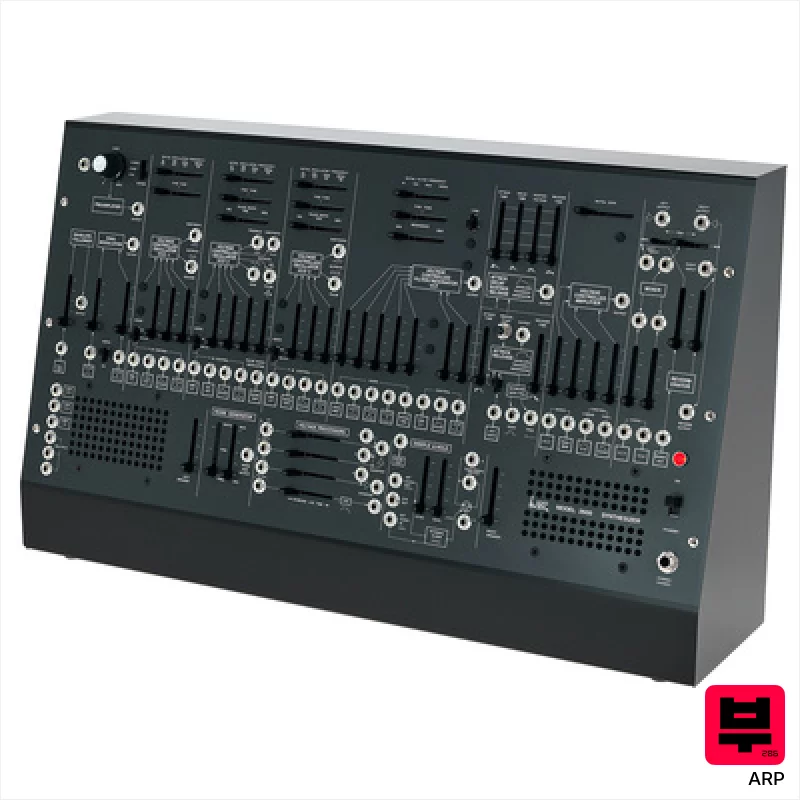
ARP 2600 M
⭐
4.9/5
Expert Rating
Sound:
10/10
Build:
9/10
Value:
5/10
The ARP 2600 M is a fantastic re-creation of a legendary synth, bringing that classic ARP sound to a more accessible format. It’s perfect for sound designers, experimental musicians, and anyone wanting to explore the world of semi-modular synthesis – just be prepared to dive into patching!
$1,506
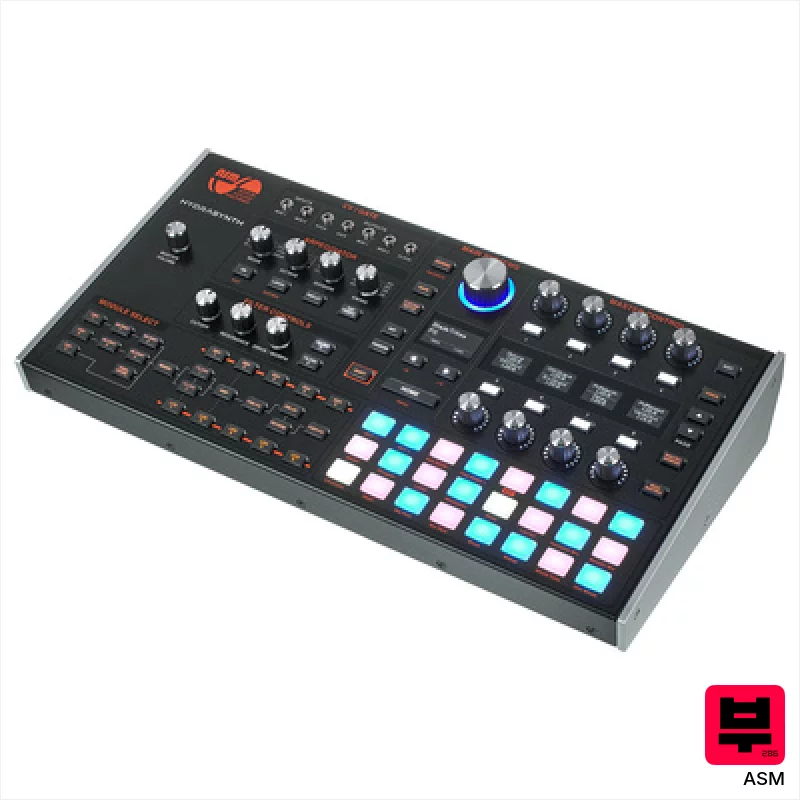
ASM Hydrasynth Desktop
⭐
4.9/5
Expert Rating
Sound:
9/10
Build:
9/10
Value:
8/10
The Hydrasynth Desktop is a sound designer's dream, offering an unparalleled degree of waveform manipulation. It's perfect for electronic musicians, experimental sound artists, and anyone craving a unique, evolving sonic palette—just be prepared to invest the time to unlock its full potential.
$879
Detailed Comparison
| Feature | ARP 2600 M | ASM Hydrasynth Desktop |
|---|---|---|
| Brand | ARP | ASM |
| Model | 2600 M | Hydrasynth Desktop |
| Price | $1505 | $878 |
| Expert Rating | ⭐ 4.9/5 | ⭐ 4.9/5 |
| Sounds | Warm, classic analog tones with a distinctive ARP character; capable of basses, leads, and evolving textures | Complex, evolving digital waveforms with exceptional morphing capabilities. |
| Polyphony | Two voices duophonic | 8 voices, monotimbral. |
| Effects | Ring modulation and sample & hold provide unique timbral possibilities | Noise generator, ring modulator, filter sweep, comprehensive modulation matrix. |
| MIDI | Comprehensive MIDI implementation with CC control over pitch bend and portamento | Full MIDI implementation including velocity and aftertouch, arpeggiator sync. |
| Connections | 3.5 mm mini-jack line inputs/outputs, stereo headphone output, USB A/B, MIDI input | Stereo outputs, MIDI in/out, USB for audio/MIDI, sustain pedal input. |
| Weight | 5.9 kg | Approximately 14 lbs |
| Pros | + Authentic ARP filter sound, a true recreation of the classic | + Exceptional wave morphing creates unique, evolving textures. |
| Pros | + Duophonic capabilities expand sonic possibilities beyond mono | + Velocity-sensitive pads offer expressive, playable performance. |
| Pros | + Built-in speakers offer immediate, convenient sound check | + Comprehensive modulation matrix unlocks deep sound design capabilities. |
| Pros | + Compact size relative to original, making it more accessible | + Filter section provides a wide palette of tonal shaping options. |
| Cons | - Mini-jack connections feel a bit flimsy for a synth of this caliber | - Monotimbral design limits complex layered soundscapes. |
| Cons | - Limited polyphony restricts complex, layered arrangements | - Learning curve is steep, requires dedicated time to master. |
| Cons | - Patching can be daunting for beginners, steep learning curve | - Desktop form factor lacks portability compared to larger synths. |
| Category | Sound Modules | Sound Modules |
| Article Number | 511571 | 475387 |
| Check Price | Check Price |
Frequently Asked Questions
The ARP 2600 M meticulously recreates the character of the original filters, offering that signature warmth and resonance, although subtle differences in component tolerances are inevitable.
While it can produce basic sounds without patching, the real magic lies in the patching capabilities; beginners will benefit from tutorials and experimentation to fully unlock its potential.
The built-in speakers are fine for quick checks and casual use, but for serious monitoring or recording, external outputs are highly recommended to capture the full dynamic range.
WaveScan offers a more granular control over waveform evolution, allowing for subtle or dramatic shifts in timbre not always found in other systems.
While generally consistent, slight variations in pressure sensitivity are typical of touch-sensitive pads, requiring some adaptation for even pressure distribution.
Absolutely, it functions as a fully self-contained synthesizer with built-in oscillators, filters, and modulation sources, requiring no external computer for basic operation.

