
Allen & Heath QU-6 vs Behringer X32 Compact Stagebox f.Plus
Detailed comparison to help you choose the right Digital Mixers for your music.
Last updated: May 6, 2026 • Next update: May 13, 2026
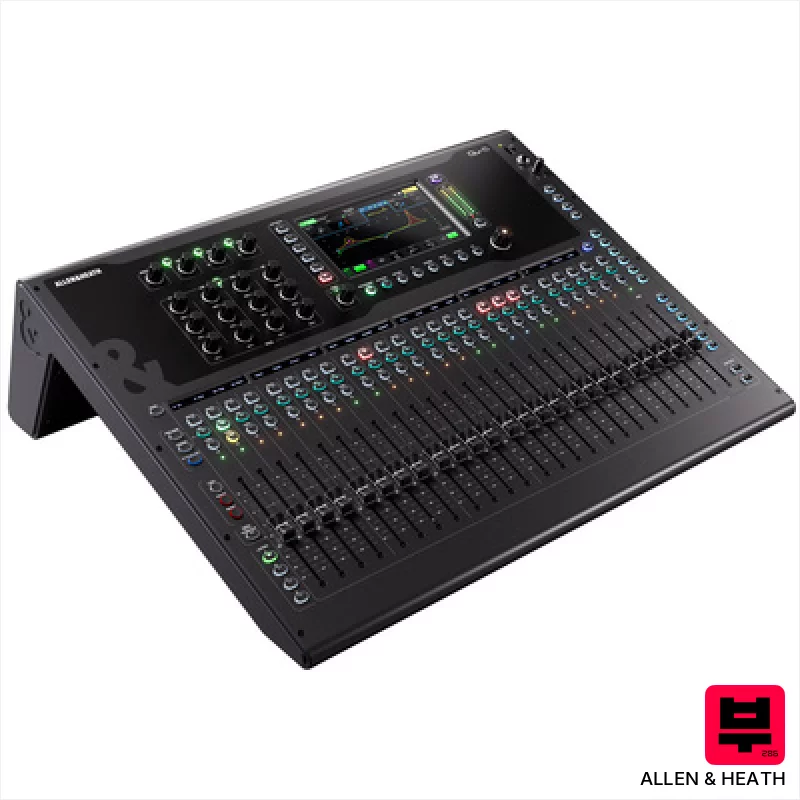
Allen & Heath QU-6
The QU-6 is a serious step up for bands and sound engineers needing a flexible, powerful mixer. The touchscreen workflow is surprisingly intuitive once you get the hang of it, and the sheer number of inputs and outputs make it a real workhorse for live sound or complex studio setups. It's a premium-priced solution, but the feature set justifies the investment for those who need it.
$2,892

Behringer X32 Compact Stagebox f.Plus
The X32 Compact Stagebox f.Plus is a serious workhorse for smaller to mid-sized bands and touring acts needing flexible routing and recall. It packs a ton of functionality into a relatively compact form factor, making it a great solution for those who want the power of an X32 without the full-sized console. It's a real game-changer for bands on a budget needing professional-level control.
$2,541
Detailed Comparison
| Feature | Allen & Heath QU-6 | Behringer X32 Compact Stagebox f.Plus |
|---|---|---|
| Brand | Allen & Heath | Behringer |
| Model | QU-6 | X32 Compact Stagebox f.Plus |
| Price | $2891 | $2541 |
| Expert Rating | ⭐ 4.7/5 | ⭐ 4.8/5 |
| Channels | 38 (32 mono, 2 stereo, USB) | 16 XLR Mic/Line Inputs, 8 Stereo FX Returns |
| Aux/Bus | 12 mono, 6 stereo aux/group + 4 matrix buses | 16 Mix Buses, 6 Matrix Buses, 6 Aux Inputs/Outputs |
| Effects | 6 FX engines (reverb, delay, chorus, etc.) | Virtual Effect Rack with 8 FX Slots |
| Motorized Faders | 25 motorized faders for precise level control | 100 mm Motorized Faders |
| Connections | 24 XLR mic/line, 2 stereo line, 16 XLR out, 2 TRS out, 1 AES3, SLink | 8 XLR Outputs, AES/EBU, USB Audio Interface |
| Weight | 12.9 kg | Approximately 21.3 lbs |
| Pros | + Excellent XCVI core provides pristine audio fidelity and low latency. | + Robust build with metal chassis provides excellent road-worthiness. |
| Pros | + Intuitive touchscreen interface significantly streamlines complex mixing tasks. | + Motorized faders offer precise recall and automation capabilities. |
| Pros | + Comprehensive connectivity options cover almost any live or studio scenario. | + Comprehensive routing matrix handles complex monitor mixes effortlessly. |
| Pros | + Solid build quality; feels robust and ready for demanding touring conditions. | + 32x32 USB interface provides seamless integration with recording software. |
| Cons | - Size and weight make portability challenging for solo operators or smaller rigs. | - Menu diving can be overwhelming for users unfamiliar with digital mixers. |
| Cons | - Learning curve exists for users unfamiliar with digital mixer workflows. | - Limited physical connectivity compared to larger format X32 mixers. |
| Cons | - Limited dynamic EQ options compared to higher-end, fully-featured consoles. | - Power supply isn't user-replaceable, potential maintenance concern. |
| Category | Digital Mixers | Digital Mixers |
| Article Number | 617832 | 473062 |
| Check Price | Check Price |

