 AudioFu
Catalog
Steel Snare Drums
70 instruments available · See the ranking

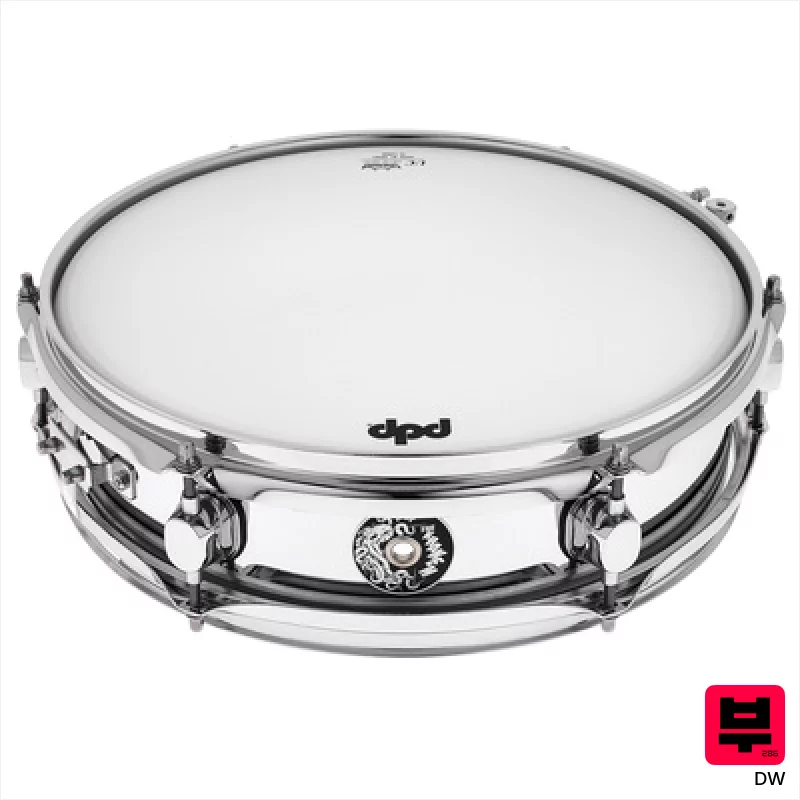
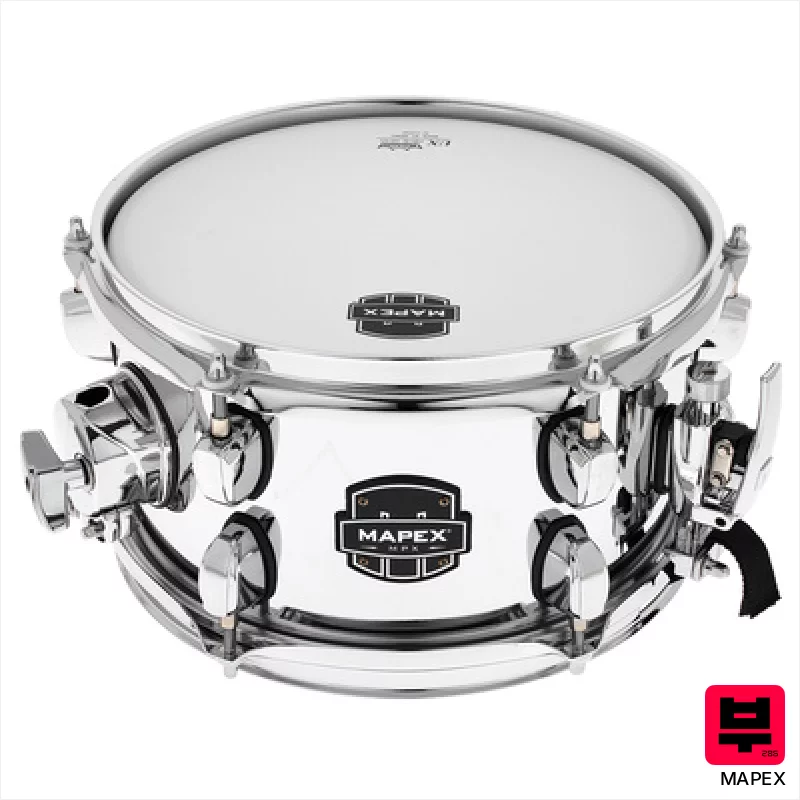
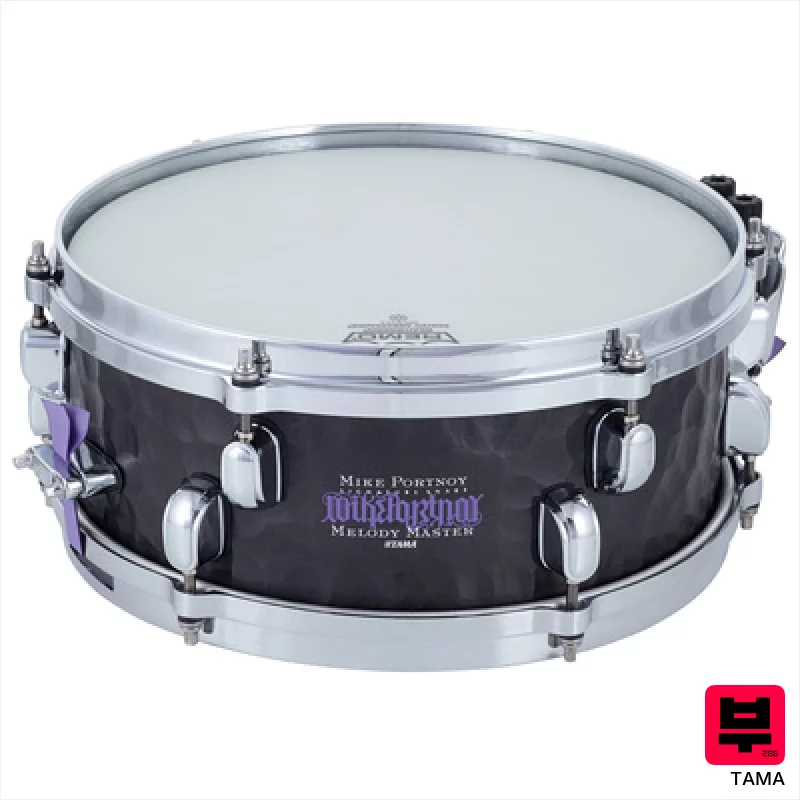
About Steel Snare Drums
Steel snare drums offer a crisp, bright, and resonant tone distinct from wood or other materials. Favored by drummers across genres needing a cutting edge, they're often utilized in genres like metal, funk, and pop where articulation and sensitivity are paramount. The inherent sustain and projection of steel allows for a wide range of playing styles and recording applications.
Best for
What to look for
Steel Snare Drums — pros & cons
- Delivers a bright, cutting tone with excellent projection.
- Known for durability and resistance to humidity changes.
- Often provide a longer sustain compared to wood snares.
- Can be incredibly sensitive, allowing for nuanced playing.
- Can lack the warmth and complexity of wood snare drums.
- May exhibit a 'ringing' quality if not properly dampened.
- Higher-end models can be expensive.
- The bright tone might not suit all musical styles.
Questions about Steel Snare Drums
What's the difference between carbon steel and stainless steel snare drums?
Carbon steel generally offers a more raw, resonant tone, while stainless steel tends to be brighter and more controlled, with greater corrosion resistance.
How does the bearing edge affect the sound of a steel snare?
A sharper, more defined bearing edge will generally produce a more focused and articulate sound, while a rounded edge can soften the attack and add warmth.
Why would someone choose a flanged rim over a die-cast rim on a steel snare?
Flanged rims contribute to a more controlled resonance and a slightly drier tone, often preferred for recording or styles where a less 'ringy' sound is desired.