
Standard Euphoniums
21 instruments available
Shop Standard Euphoniums 2026
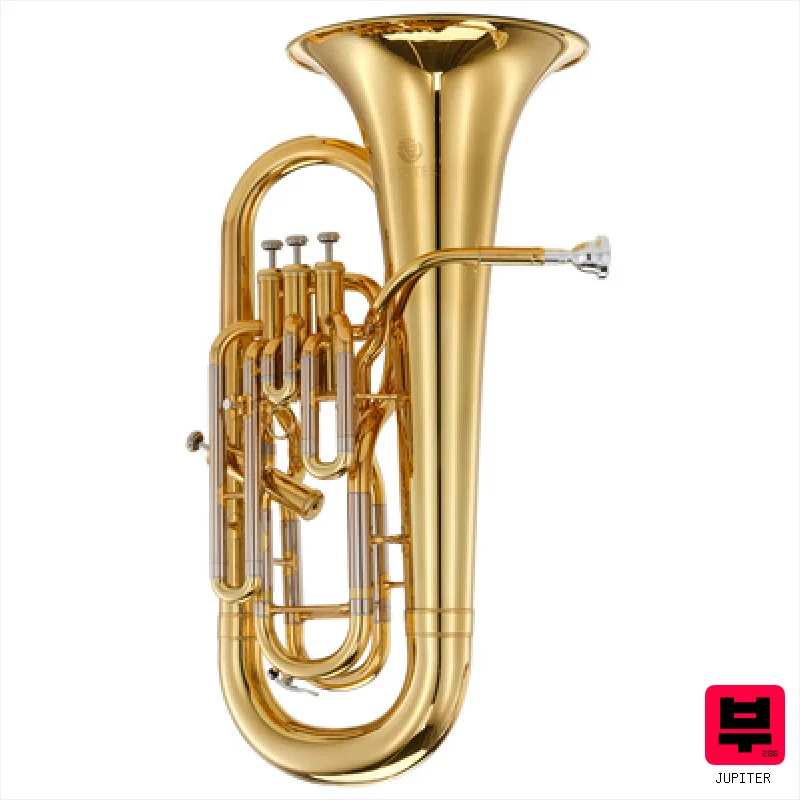
Jupiter JEP1025 Bb-Euphonium
Standard Euphoniums
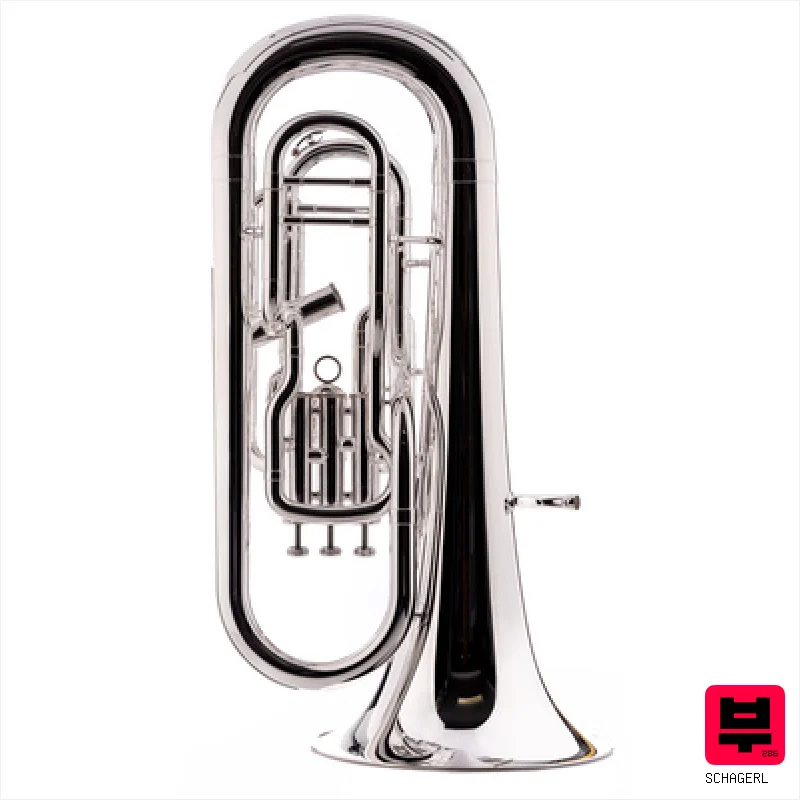
Schagerl Bb-Euphonium James Morrison
Standard Euphoniums
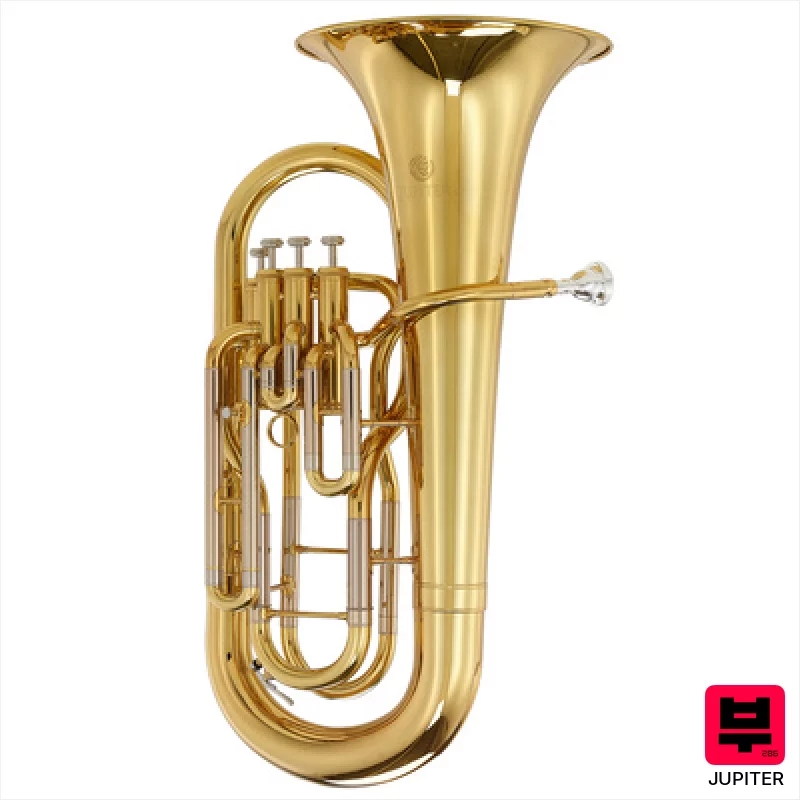
Jupiter JEP1005 Bb-Euphonium
Standard Euphoniums
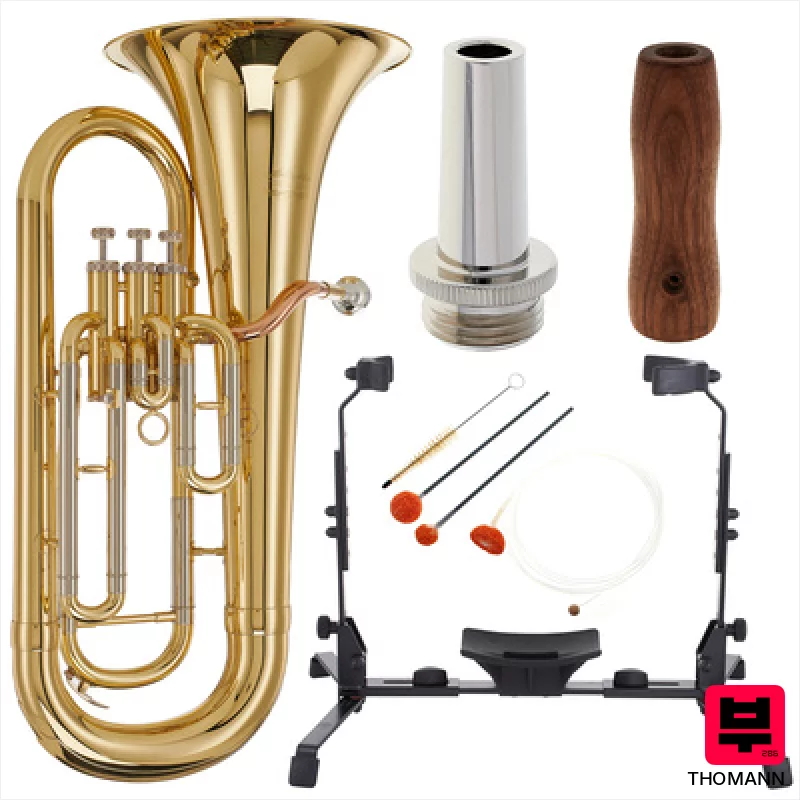
Thomann EP 604-3 Euphonium Set
Standard Euphoniums

Adams Sonic Bb-Euphonium
Standard Euphoniums
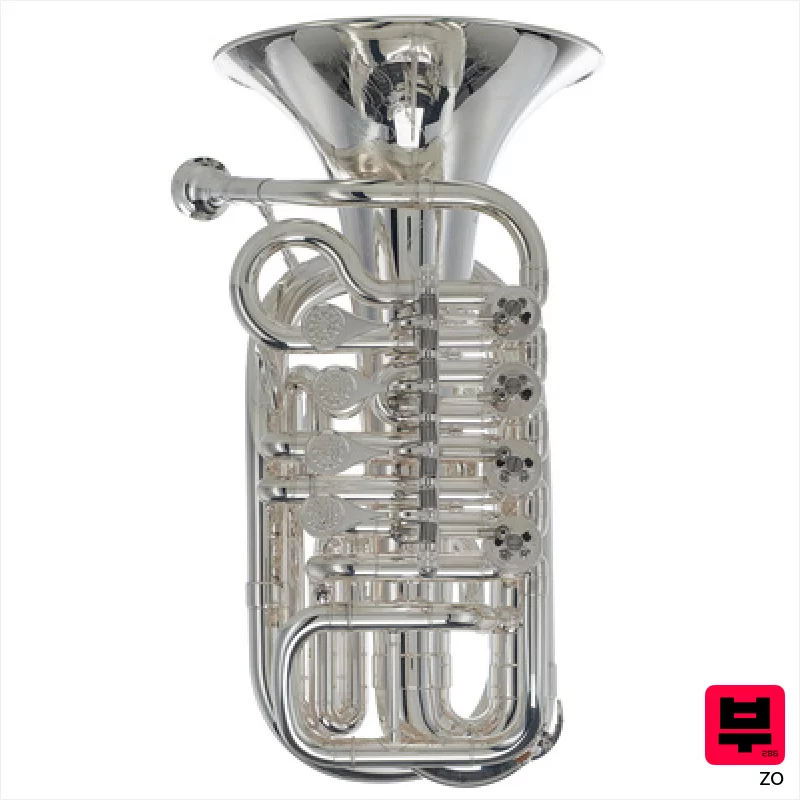
ZO ZEU-800S Bb-Euphonium
Standard Euphoniums
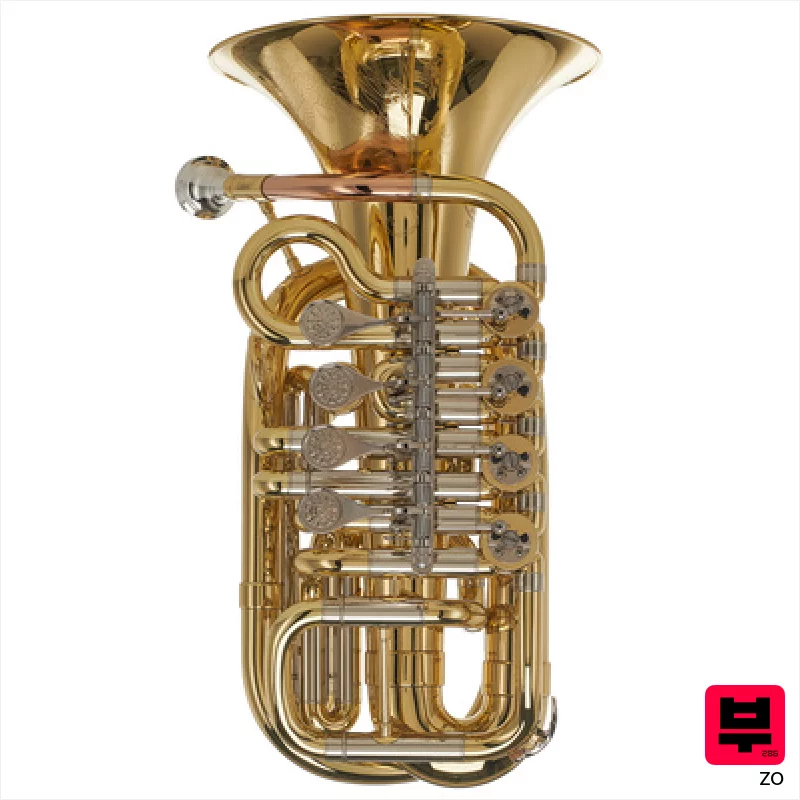
ZO ZEU-800L Bb-Euphonium
Standard Euphoniums
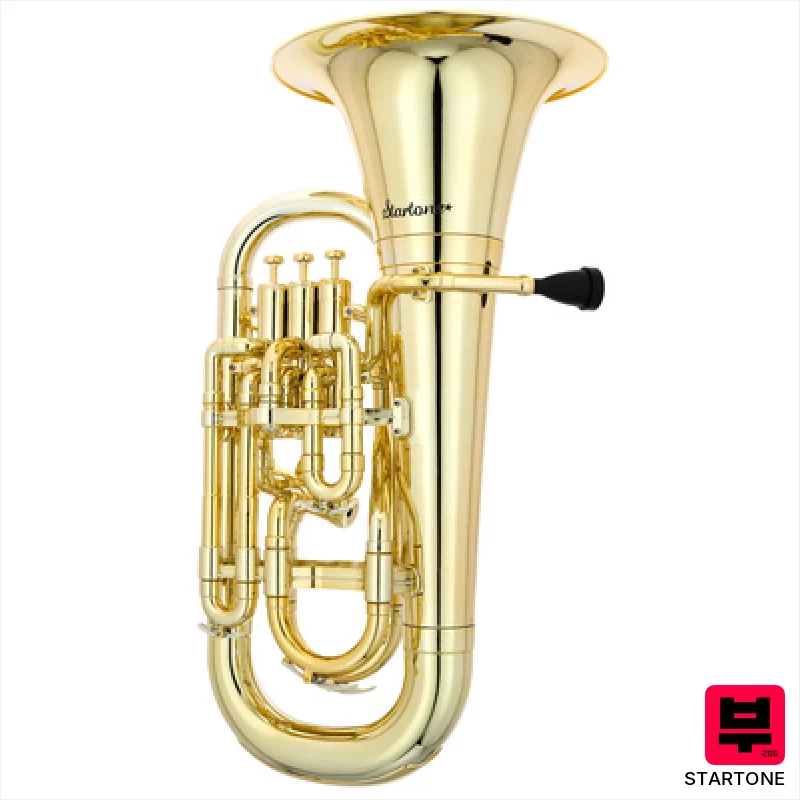
Startone PEP-20 GOLD Bb-Euphonium
Standard Euphoniums
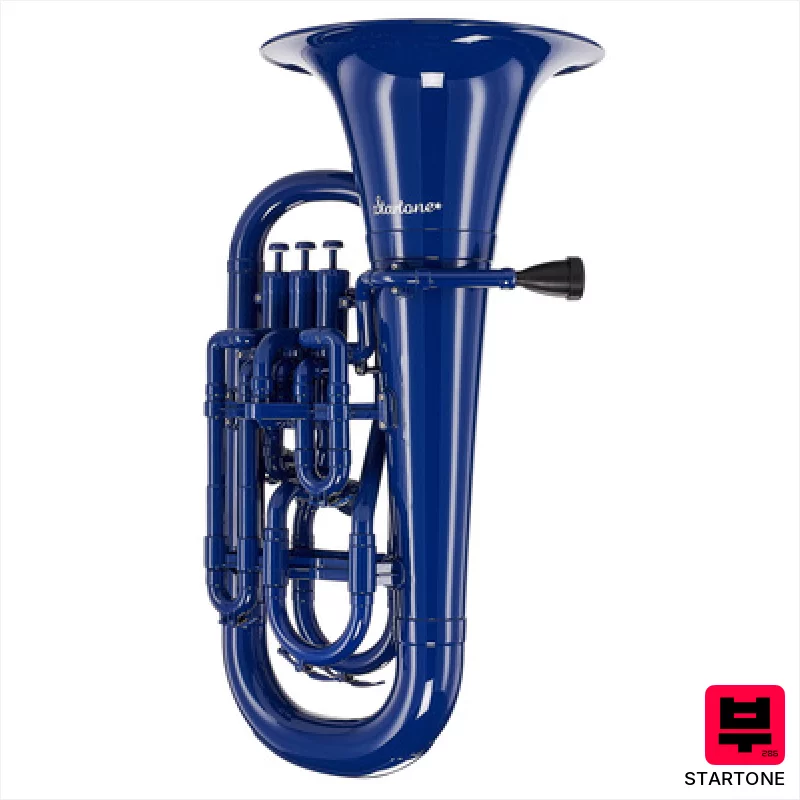
Startone PEP-20 BLUE Bb-Euphonium
Standard Euphoniums
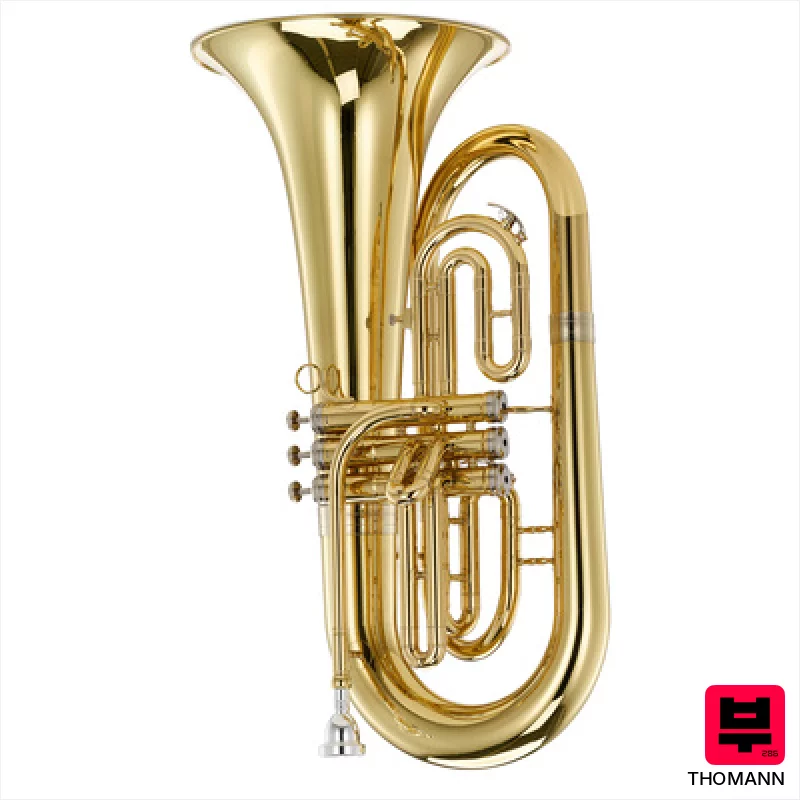
Thomann MEP-304L Bb-Marching Euphonium
Standard Euphoniums
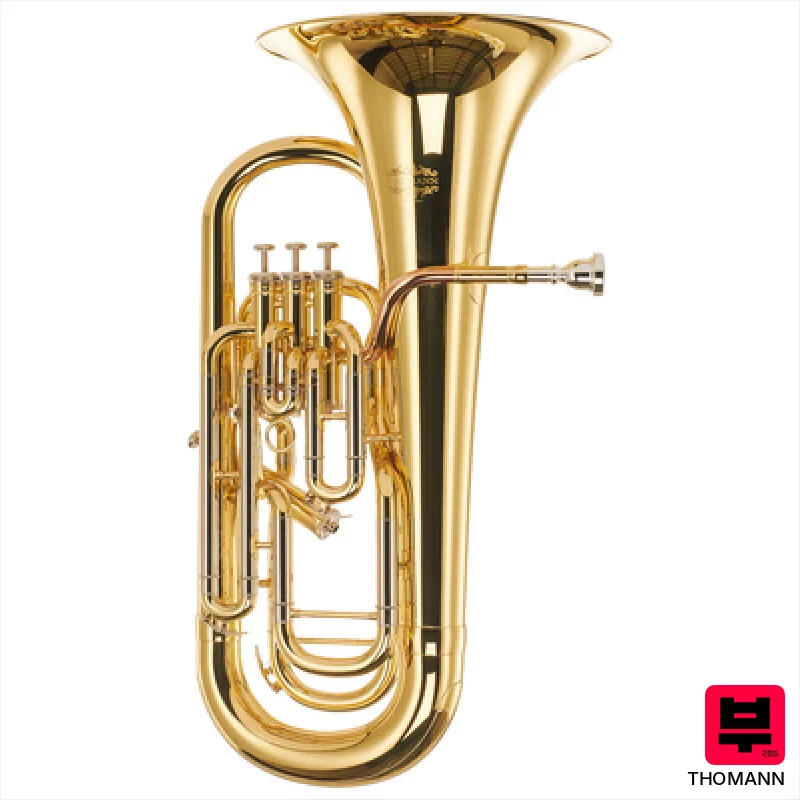
Thomann EP 802L Bb-Euphonium
Standard Euphoniums
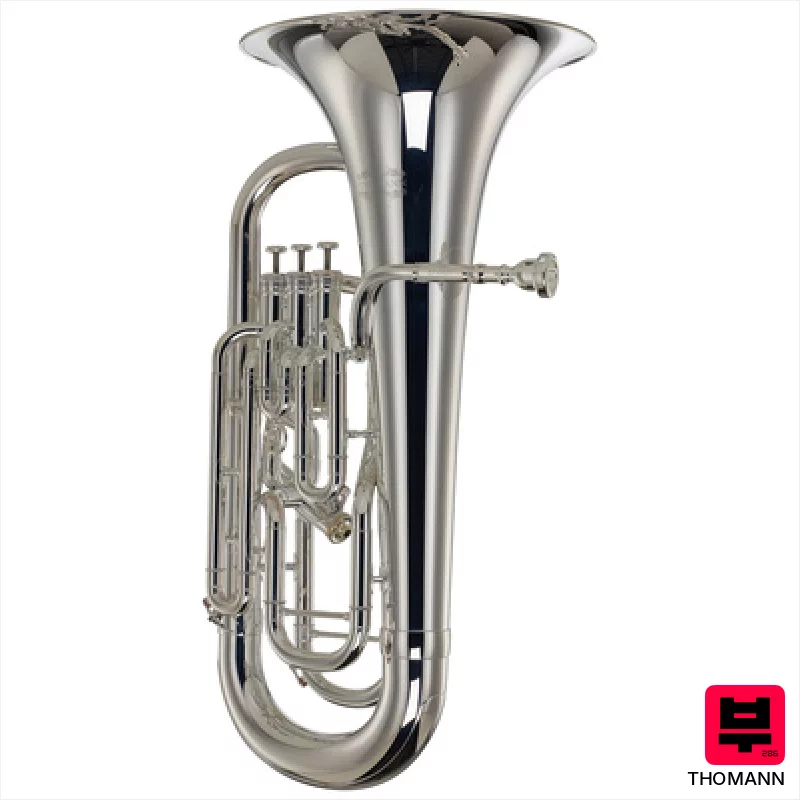
Thomann EP 802S Bb-Euphonium
Standard Euphoniums
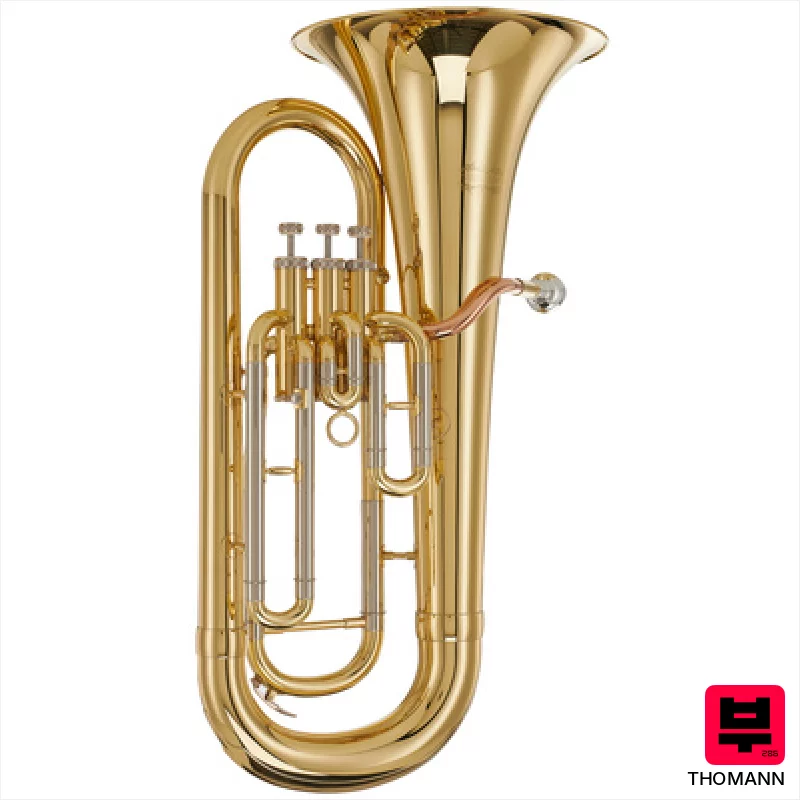
Thomann EP 604-3 Bb-Euphonium
Standard Euphoniums
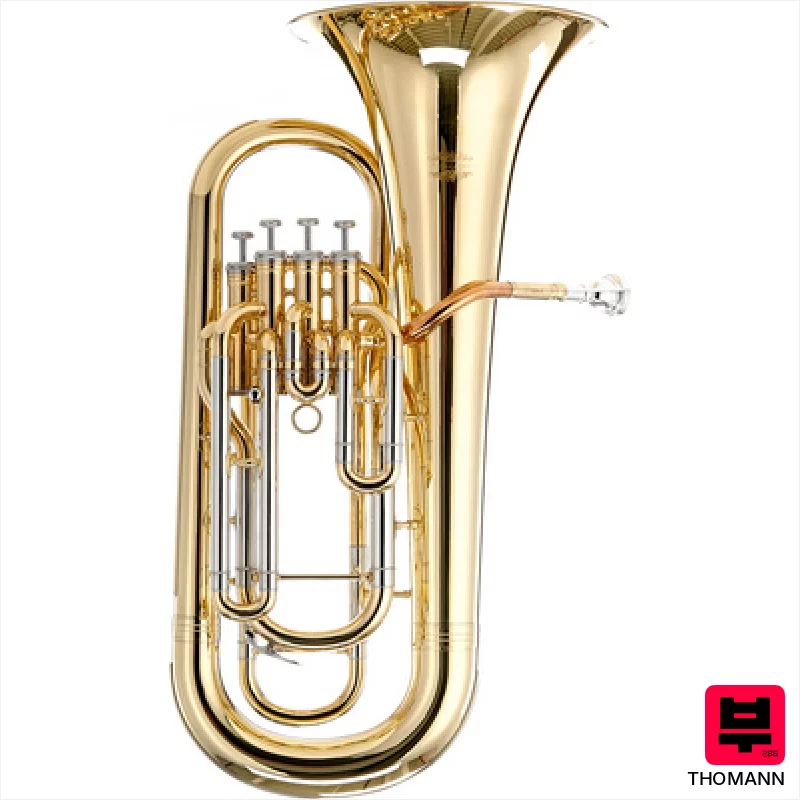
Thomann EP 604-4 Bb-Euphonium
Standard Euphoniums
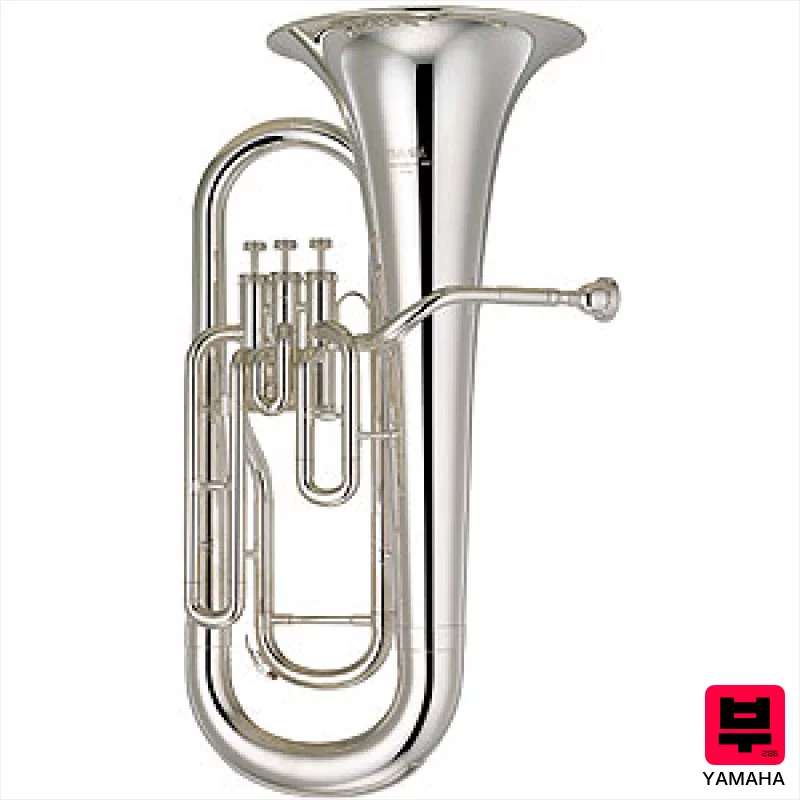
Yamaha YEP-201S Bb-Euphonium
Standard Euphoniums
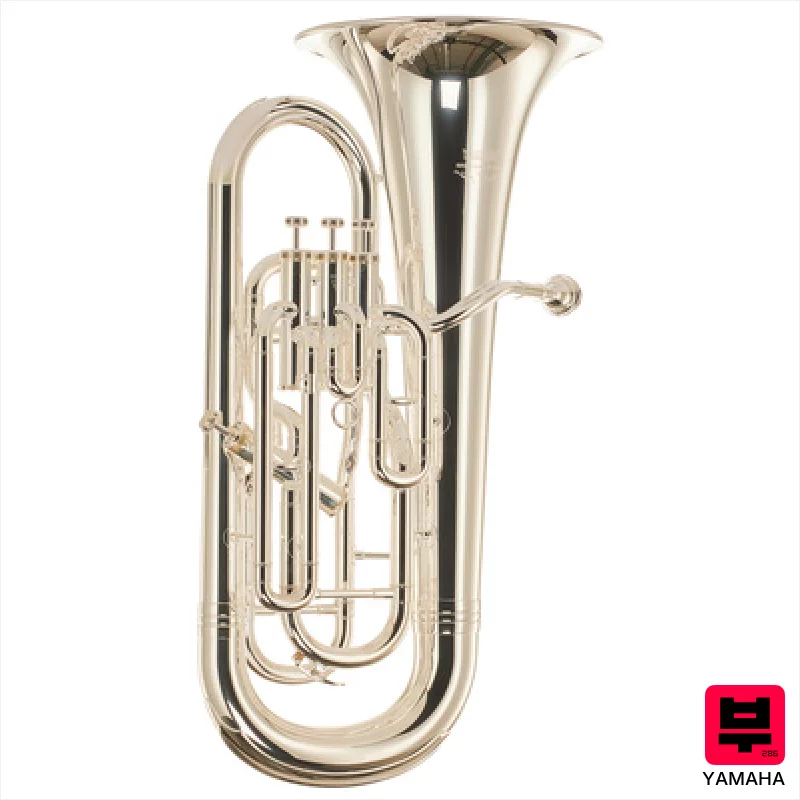
Yamaha YEP-621S Bb-Euphonium
Standard Euphoniums
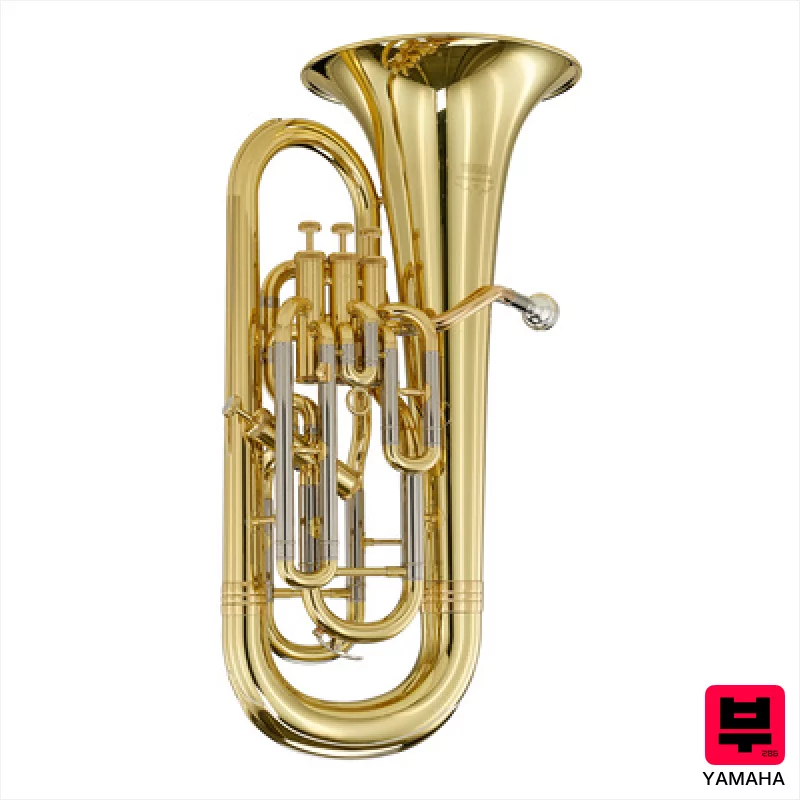
Yamaha YEP-621 Bb-Euphonium
Standard Euphoniums
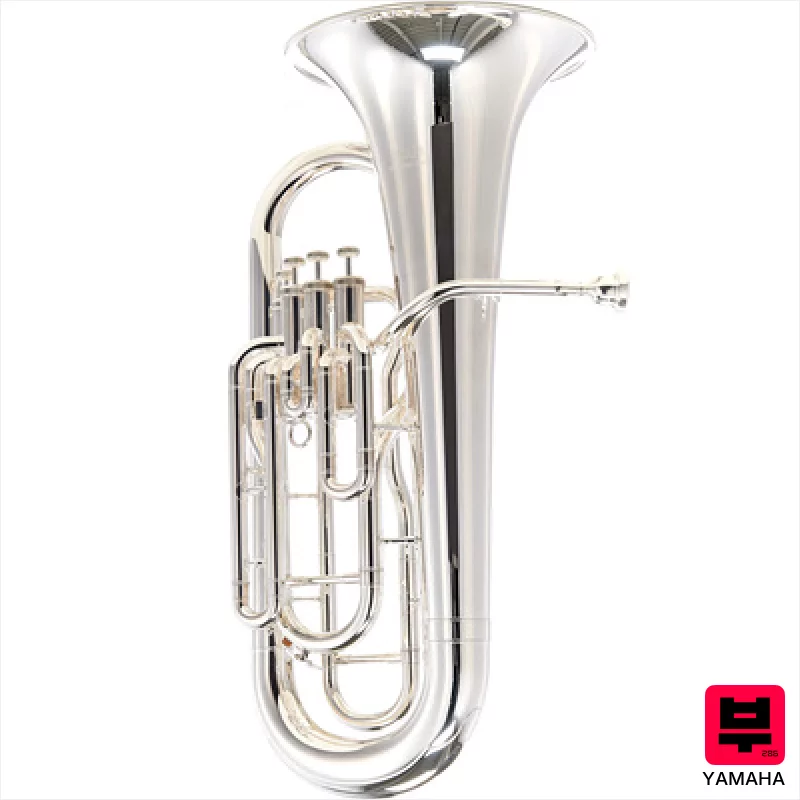
Yamaha YEP-321S Bb-Euphonium
Standard Euphoniums
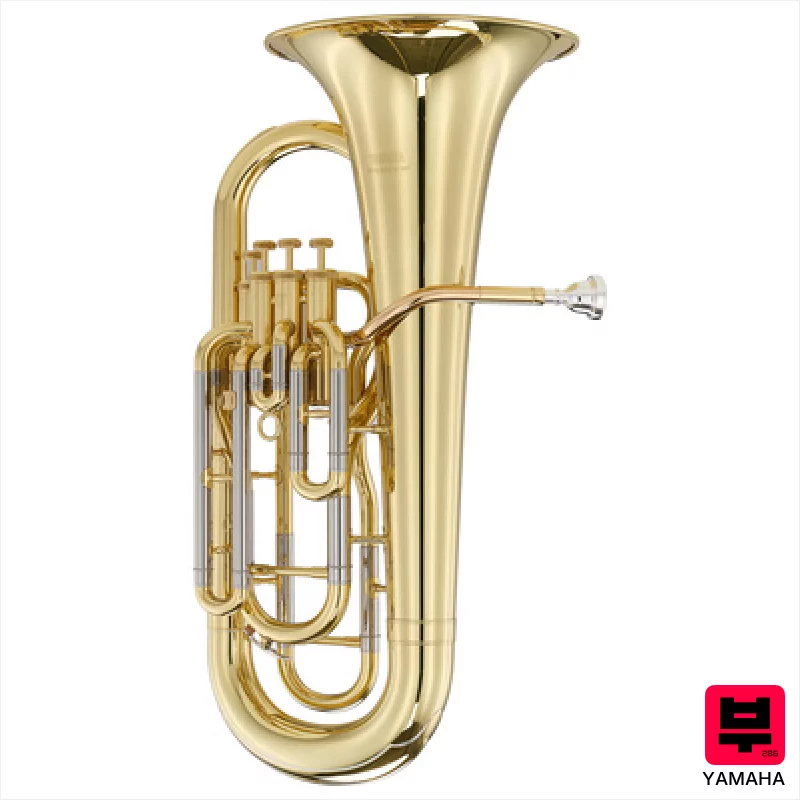
Yamaha YEP-321 Bb-Euphonium
Standard Euphoniums
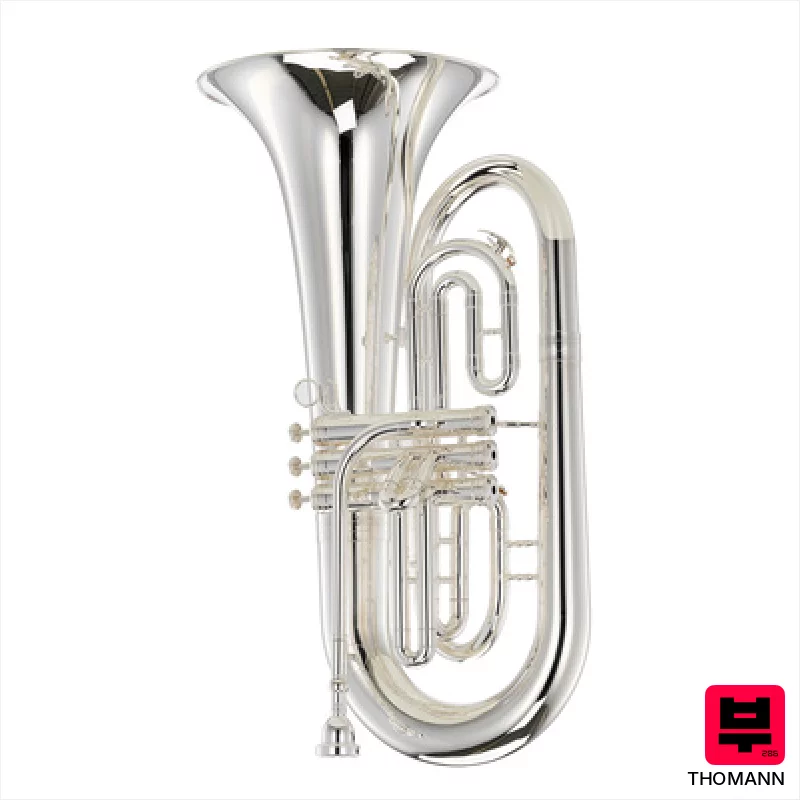
Thomann MEP-304S Bb-Marching Euphonium
Standard Euphoniums

Yamaha YEP-201 Bb-Euphonium
Standard Euphoniums
About Standard Euphoniums
This category encompasses standard, pitched euphoniums, typically in Bb. Primarily used by band directors, soloists, and advanced students, these instruments provide a rich, warm tone and are foundational for brass band and orchestral settings. The euphonium's unique voicing and projection capabilities make it a versatile and expressive instrument.
Standard Euphoniums — Pros & Cons
PROS
- Offers a distinctive, warm tonal color compared to other brass instruments.
- Generally robust construction designed for frequent use and transport.
- Versatile enough for both solo and ensemble performance situations.
- Provides a comfortable playing experience for a wide range of player sizes.
CONS
- Can be physically larger and heavier than some other brass instruments.
- Requires careful embouchure control to achieve optimal tone and intonation.
- Higher-end models can represent a significant investment.
- Potential for breath fatigue with extended playing without proper technique.
Frequently Asked Questions About Standard Euphoniums
While visually similar, euphoniums are typically pitched a perfect fifth higher than baritone horns and have a more conical bore for a richer tone.
Depressed valves, where the valves are recessed into the body, allow for a more compact design and can influence the instrument's acoustic properties, potentially improving resonance.
Materials like brass and gold brass impact the instrument's projection and tonal characteristics; brass offers a brighter sound while gold brass tends to be warmer.

