
Solid-State Guitar Heads
16 instruments available
Shop Solid-State Guitar Heads 2026
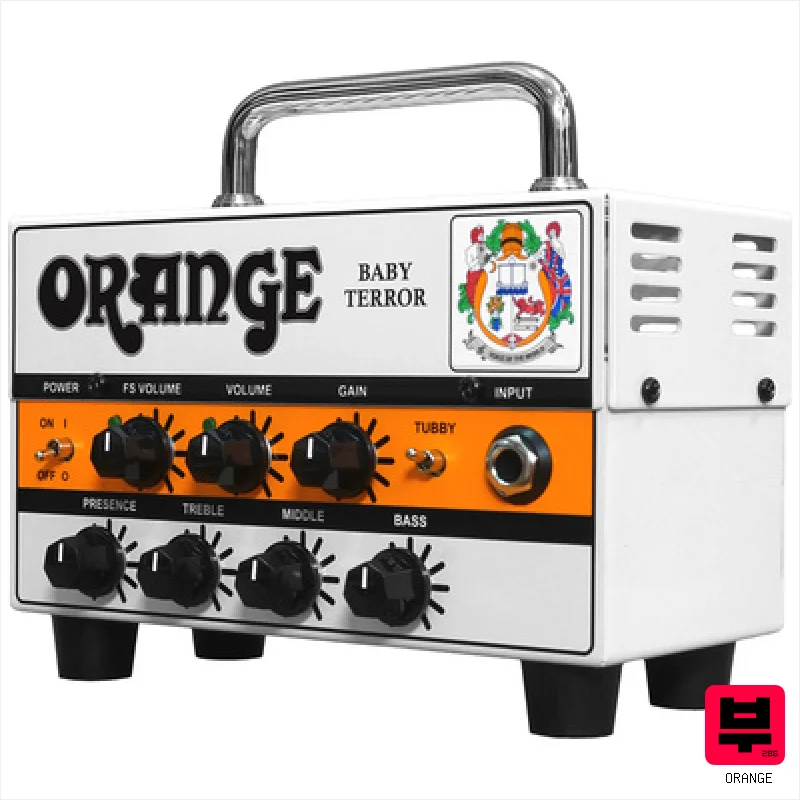
Orange Baby Terror Micro Amp
Solid-State Guitar Heads
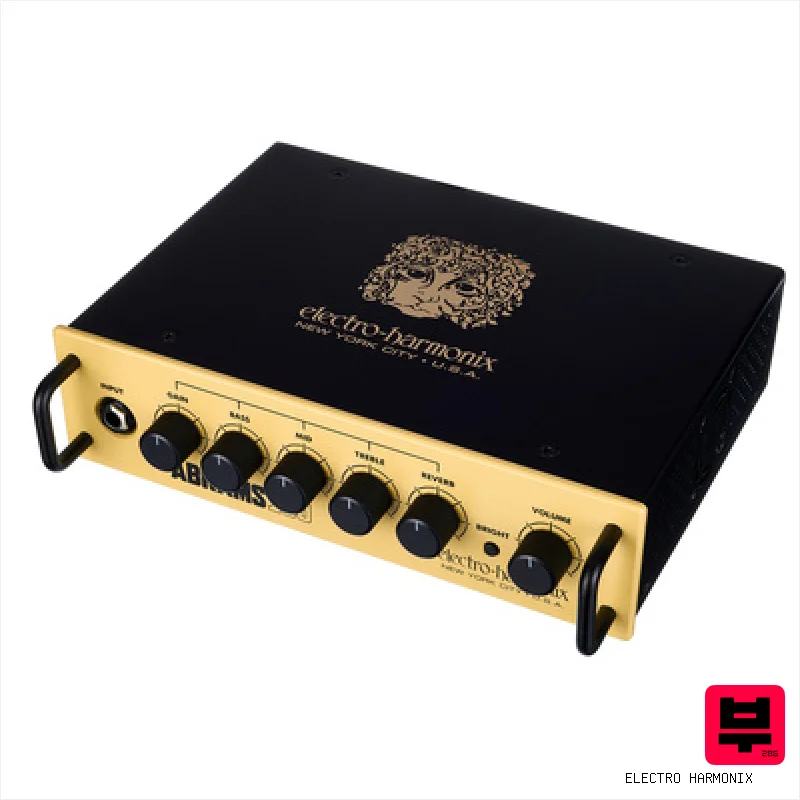
Electro Harmonix Abrams100 Amp Head
Solid-State Guitar Heads
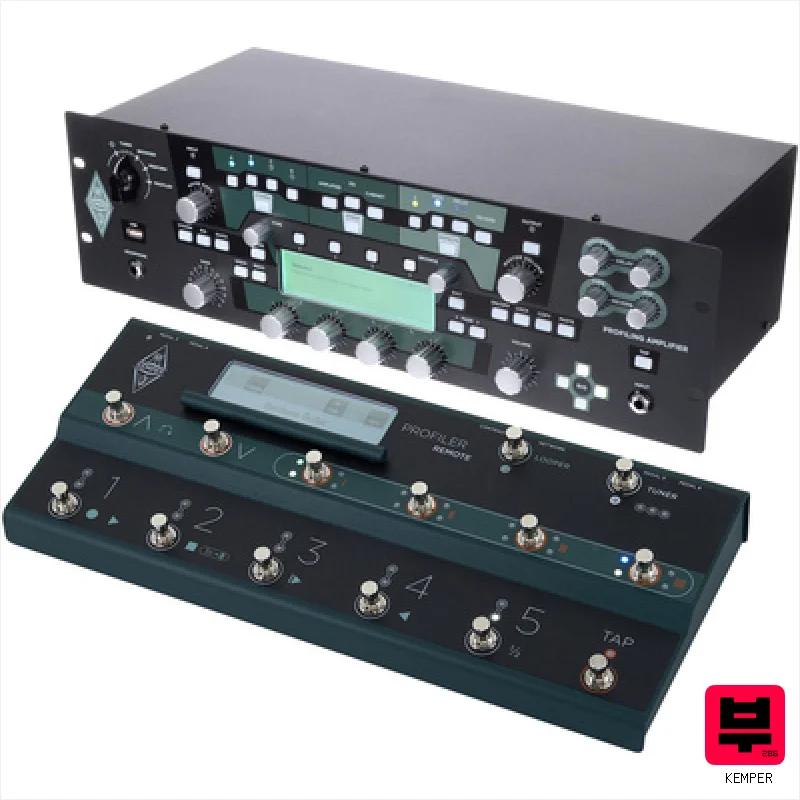
Kemper Profiling Amp PowerRack Set
Solid-State Guitar Heads

Orange Tour Baby 100
Solid-State Guitar Heads
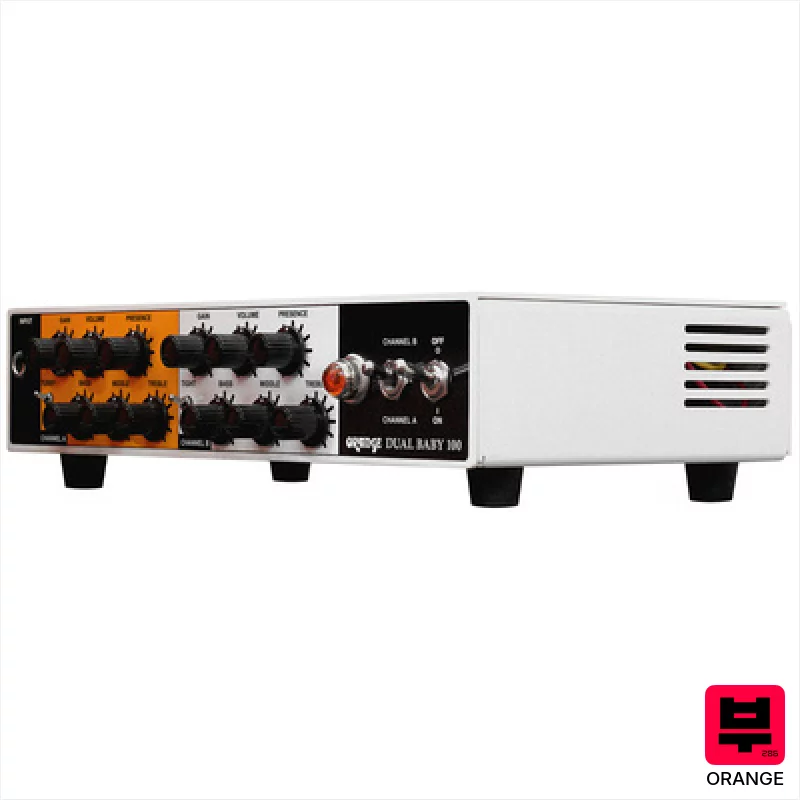
Orange Dual Baby 100
Solid-State Guitar Heads

Quilter Aviator Mach 3 Head
Solid-State Guitar Heads
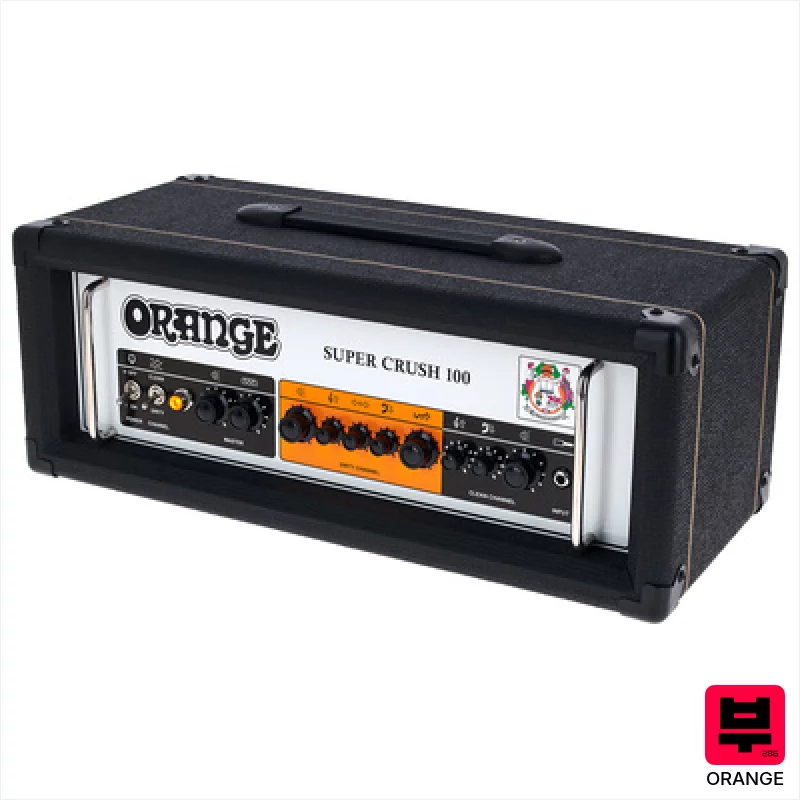
Orange Super Crush 100 Head Black
Solid-State Guitar Heads
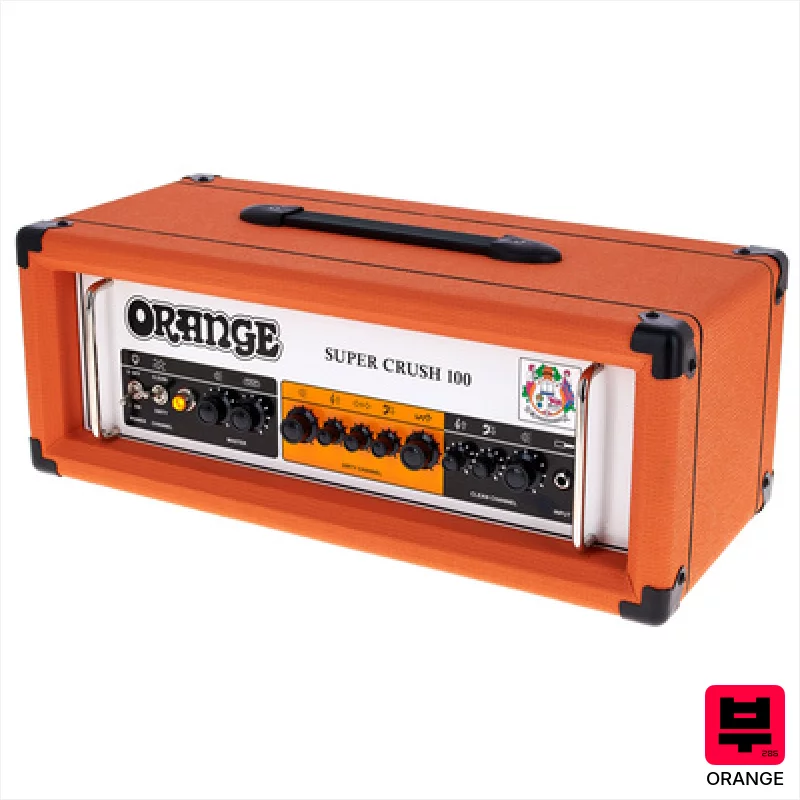
Orange Super Crush 100 Head
Solid-State Guitar Heads
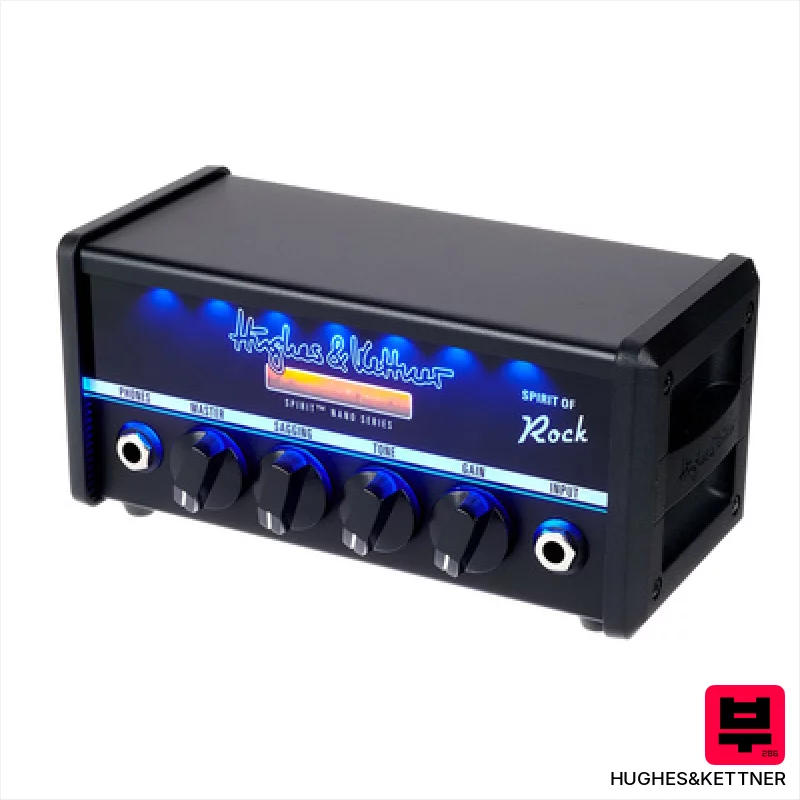
Hughes&Kettner Spirit of Rock
Solid-State Guitar Heads
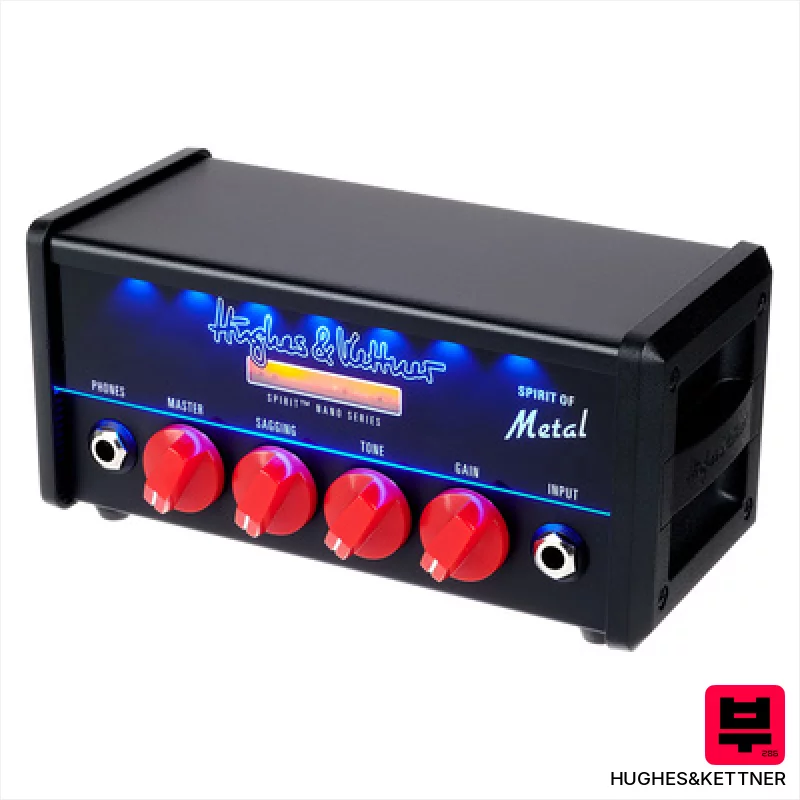
Hughes&Kettner Spirit of Metal
Solid-State Guitar Heads
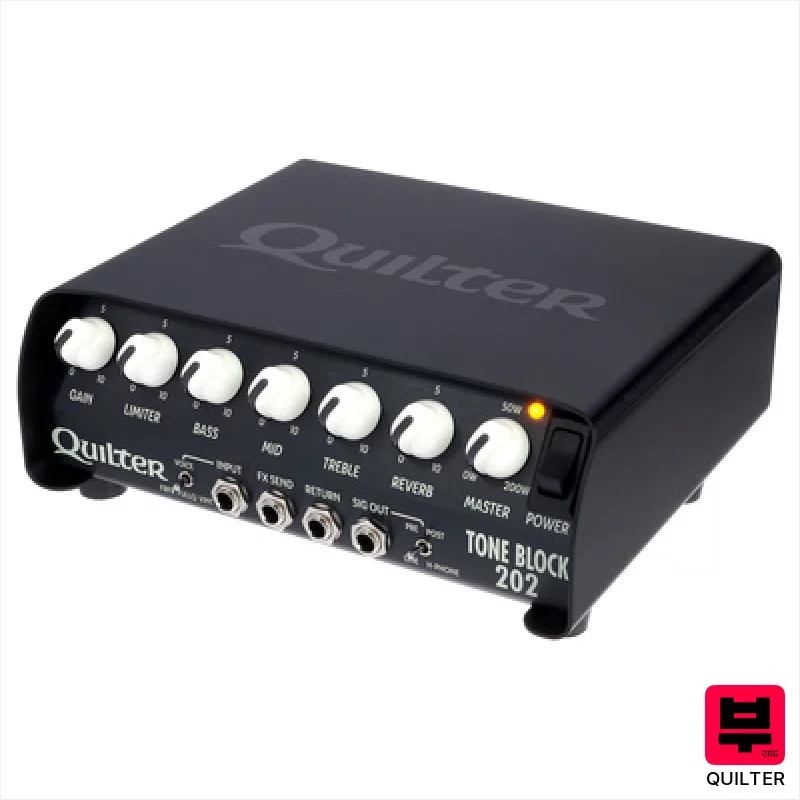
Quilter Tone Block 202
Solid-State Guitar Heads
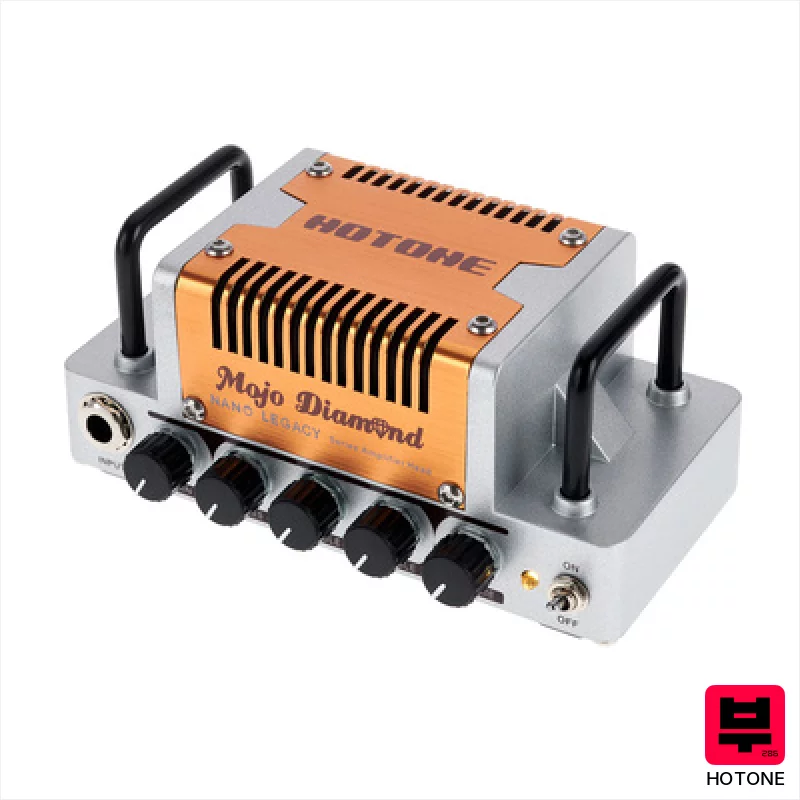
Hotone Nano Legacy Mojo Diamond
Solid-State Guitar Heads
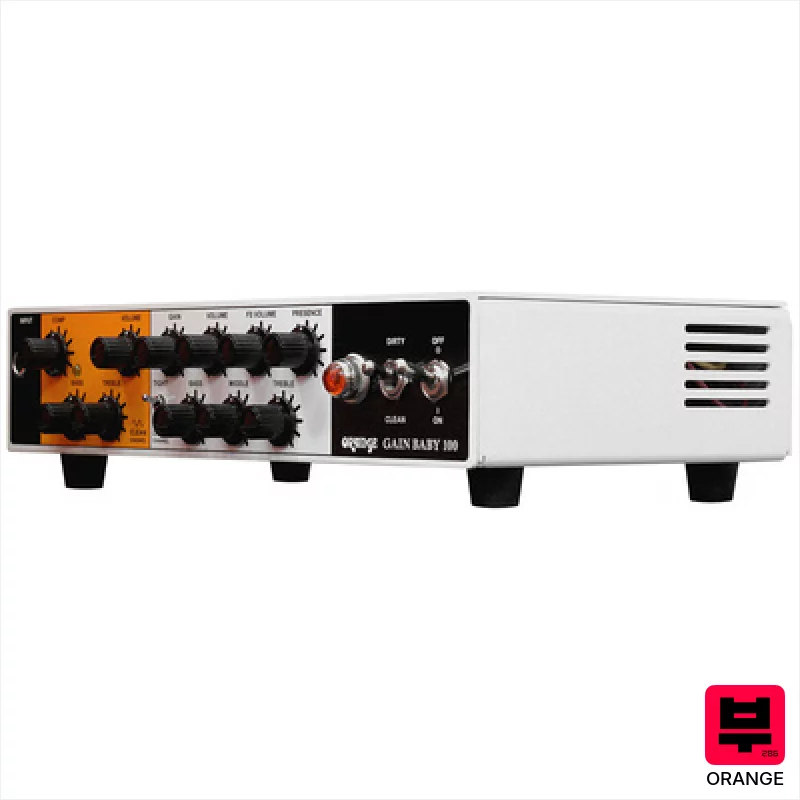
Orange Gain Baby 100
Solid-State Guitar Heads
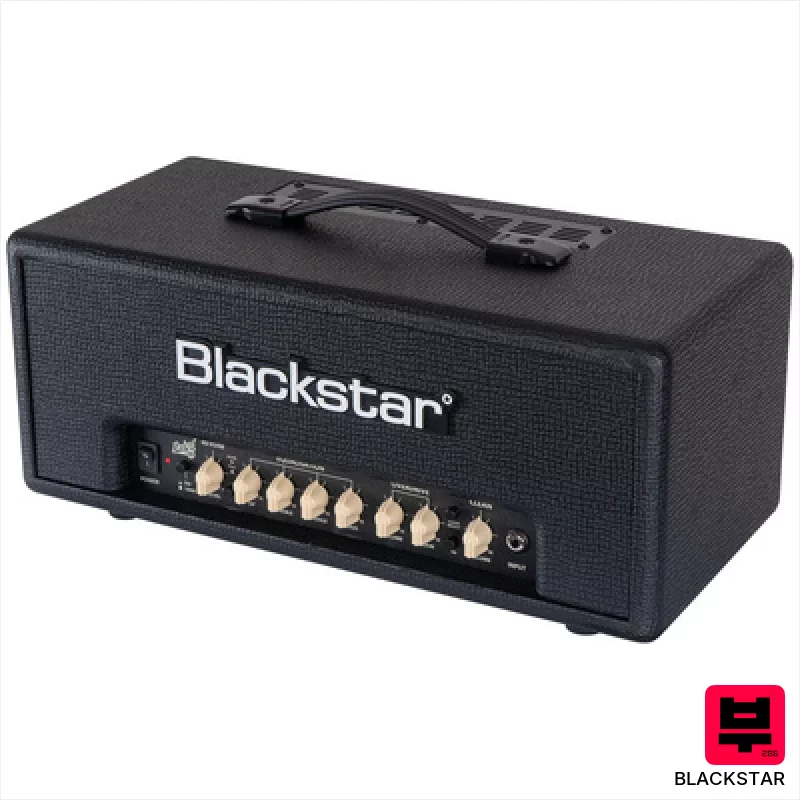
Blackstar Debut 100RH Head Black
Solid-State Guitar Heads
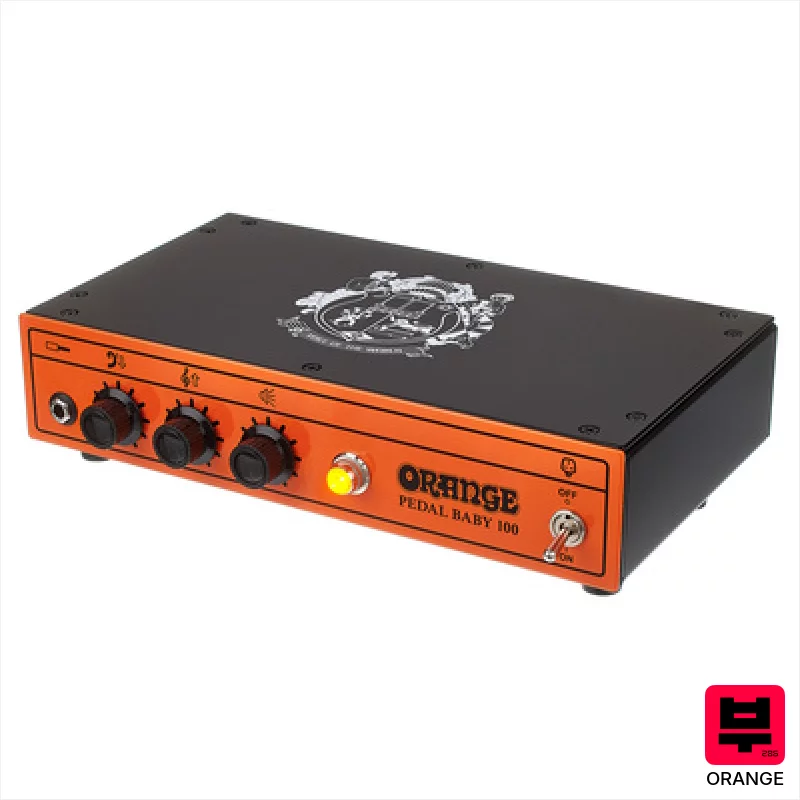
Orange Pedal Baby 100
Solid-State Guitar Heads

Blackstar Debut 100RH Head Beige
Solid-State Guitar Heads
About Solid-State Guitar Heads
Solid-state guitar heads offer a modern alternative to traditional tube amplification, providing consistent performance, reliability, and often a lighter weight. They’re favored by players seeking a wide range of tones, from high-gain distortion to pristine cleans, without the maintenance demands of tubes. These heads are increasingly popular for stage, studio, and practice environments where consistent sound reproduction is paramount.
Solid-State Guitar Heads — Pros & Cons
PROS
- Consistent performance across environments, eliminating tonal fluctuations.
- Generally lighter and more portable than tube amps.
- Often feature extensive built-in effects and modeling capabilities.
- Lower maintenance requirements compared to tube amplification.
CONS
- May lack the perceived 'warmth' or 'organic' feel of tube amps.
- Can sometimes sound 'sterile' without careful EQ and effects.
- Potential for a 'digital' feel if not well-designed.
- May not offer the same headroom as some tube counterparts.
Frequently Asked Questions About Solid-State Guitar Heads
Consider your typical playing volume – practice, small gigs, large venues – and the efficiency of your speakers. Lower wattage heads are suitable for practice and smaller rooms, while higher wattage is needed for louder stages.
An effects loop allows you to place time-based effects (reverb, delay) after the preamp section, preserving their clarity and avoiding muddying the distortion. It’s crucial for complex signal chains.
Yes, many modern solid-state heads incorporate tube preamps to emulate the characteristics of tube amplification while retaining the benefits of solid-state power sections. This offers a hybrid approach to tone.

