
Preamps for Acoustic Guitars
15 instruments available
Shop Preamps for Acoustic Guitars 2026
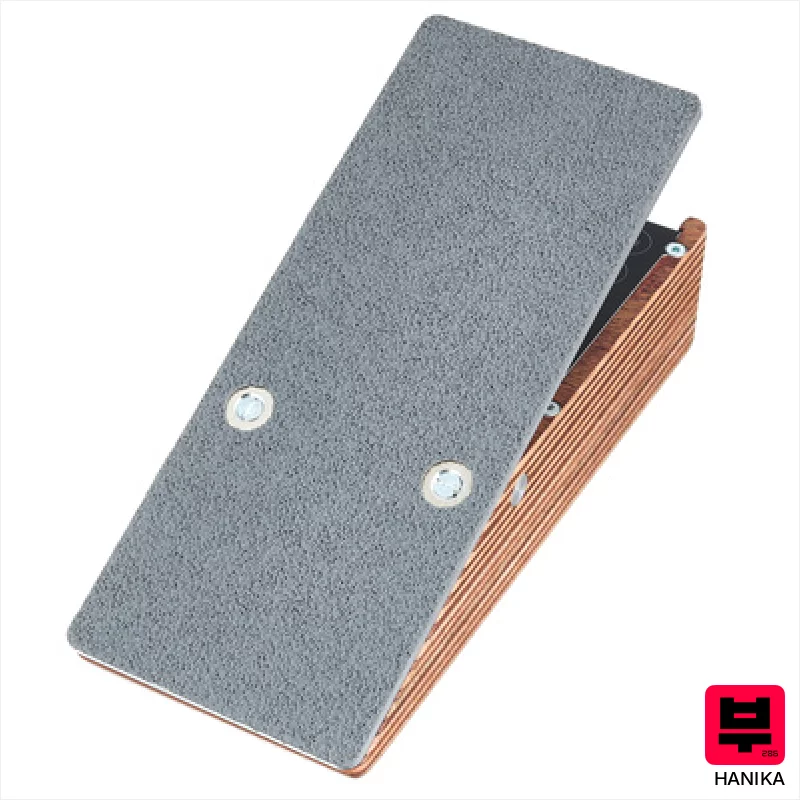
Hanika PPA-SLV Volume-Pedal Preamp
Preamps for Acoustic Guitars
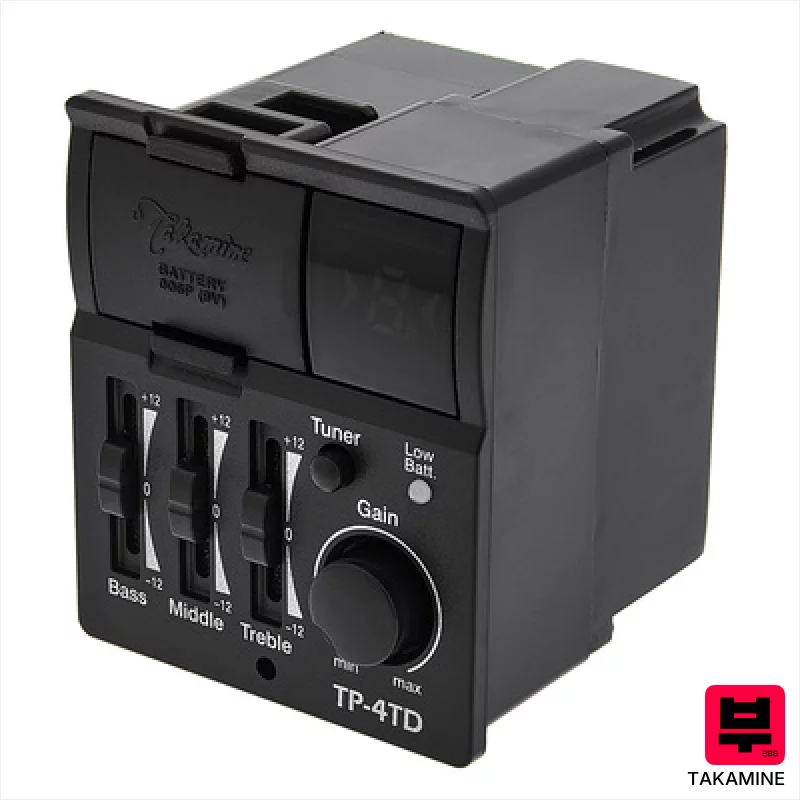
Takamine TP-4TD Preamp for G-Series
Preamps for Acoustic Guitars
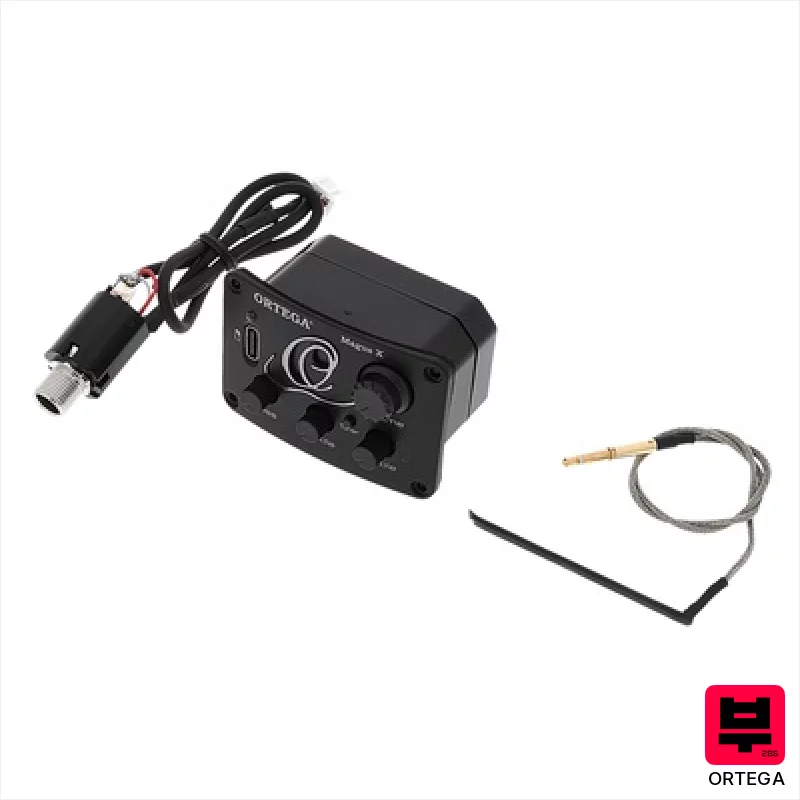
Ortega MAGUSX/U
Preamps for Acoustic Guitars
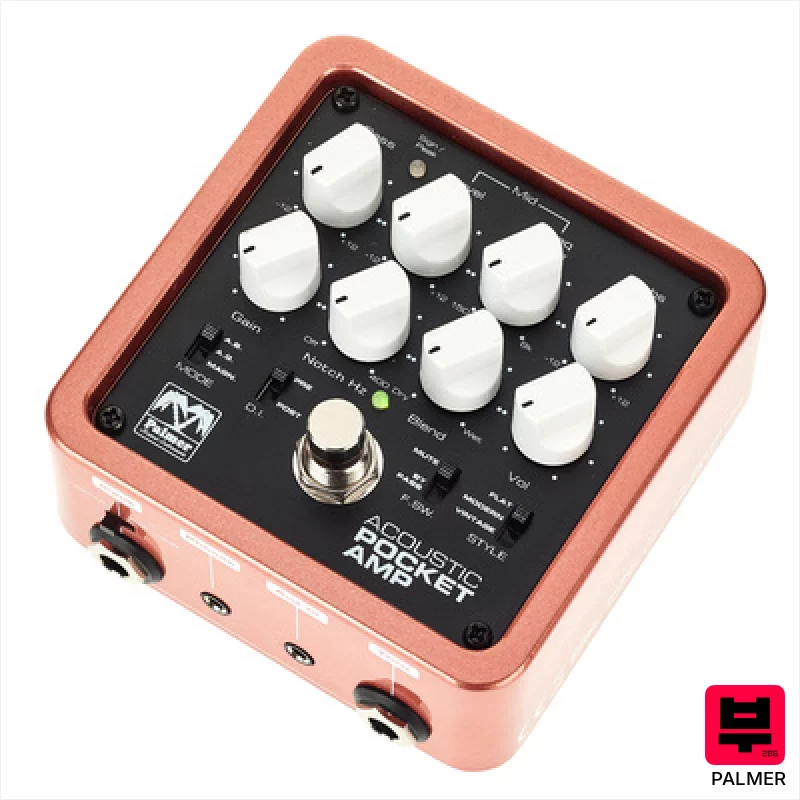
Palmer MI Pocket Amp Acoustic
Preamps for Acoustic Guitars
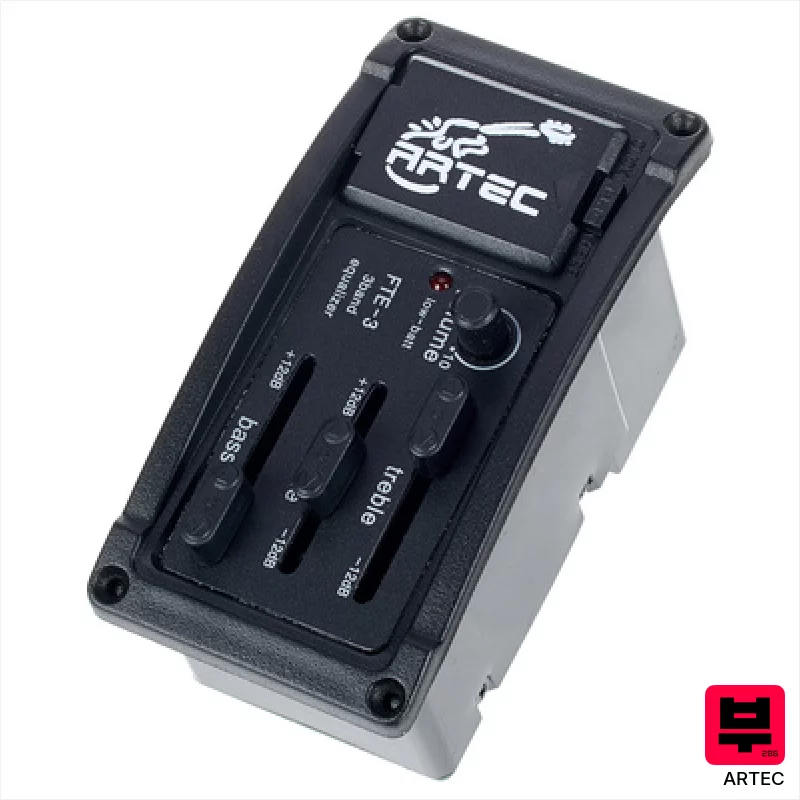
Artec FTE-3
Preamps for Acoustic Guitars

Trace Elliot Multipedal TRANSIT-A
Preamps for Acoustic Guitars

K&K Trinity Pro Preamp
Preamps for Acoustic Guitars
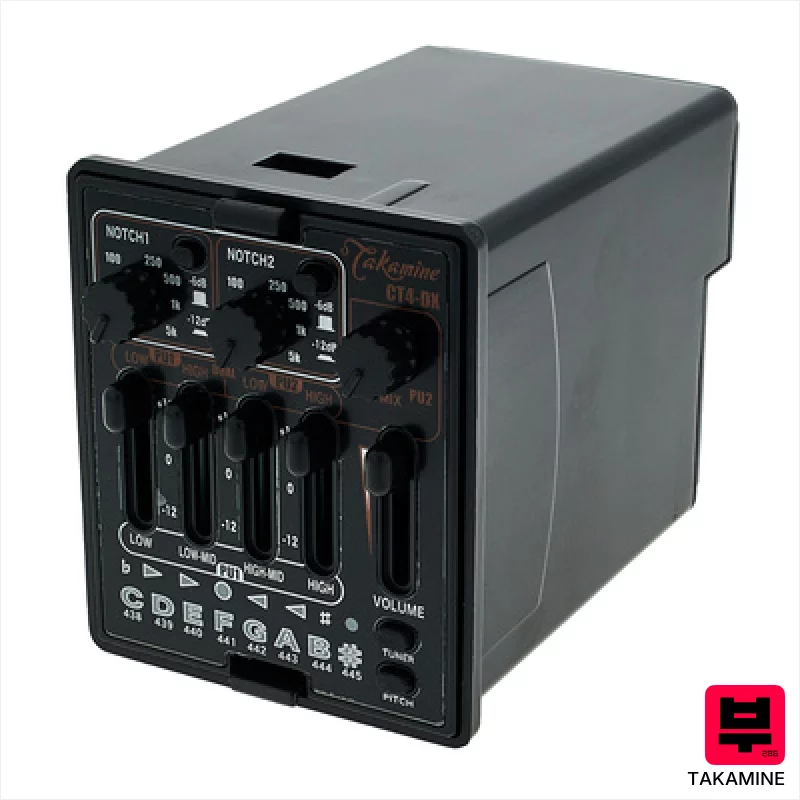
Takamine CT4-DX Preamp
Preamps for Acoustic Guitars
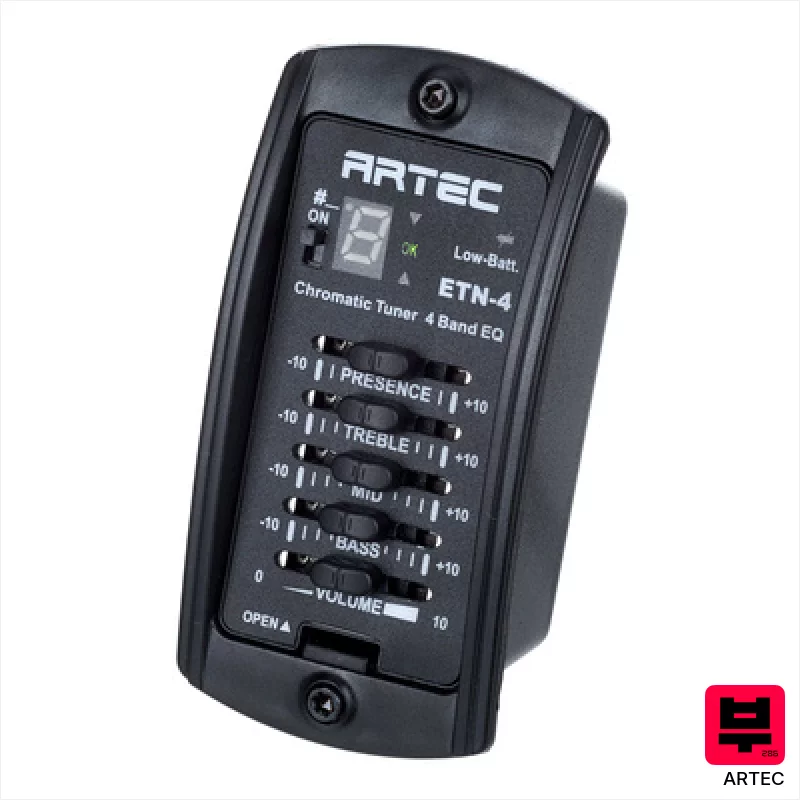
Artec ETN-4 Preamp
Preamps for Acoustic Guitars
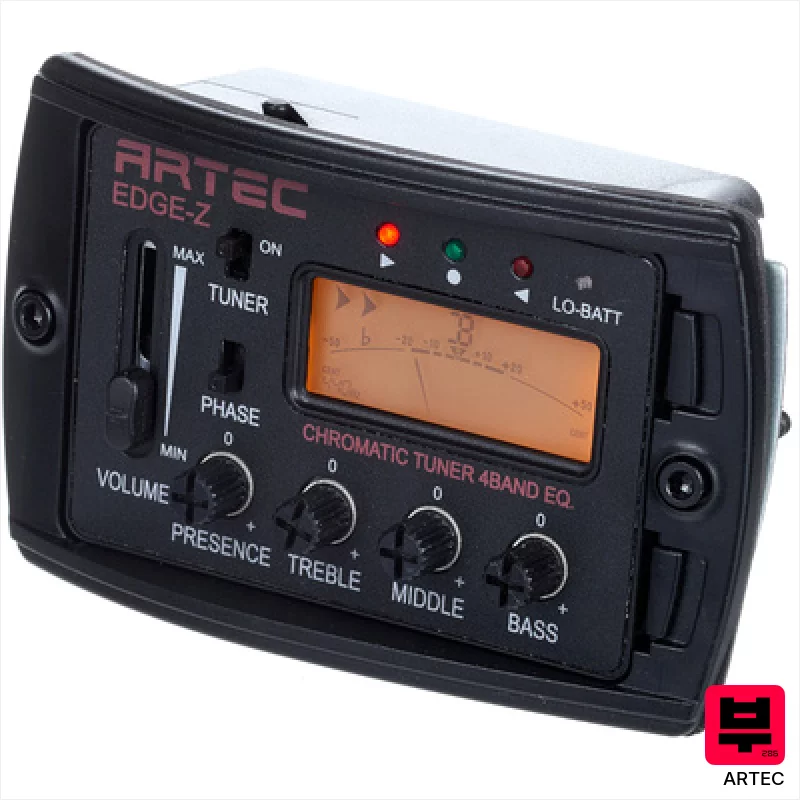
Artec Edge Z
Preamps for Acoustic Guitars
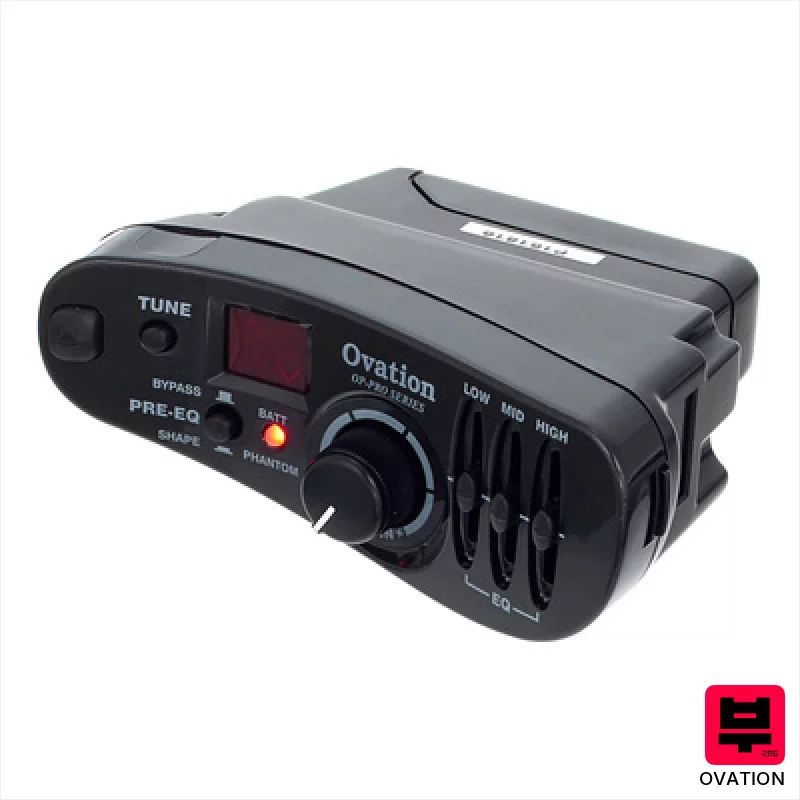
Ovation OP-PRO Preamp
Preamps for Acoustic Guitars

Ovation OP Pro Studio
Preamps for Acoustic Guitars
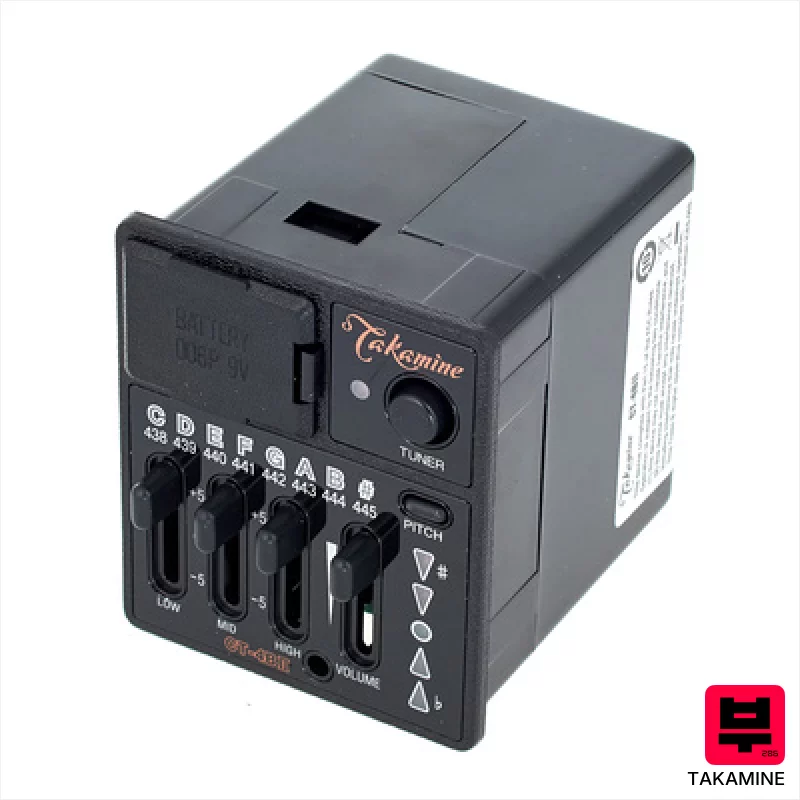
Takamine CT4BII
Preamps for Acoustic Guitars
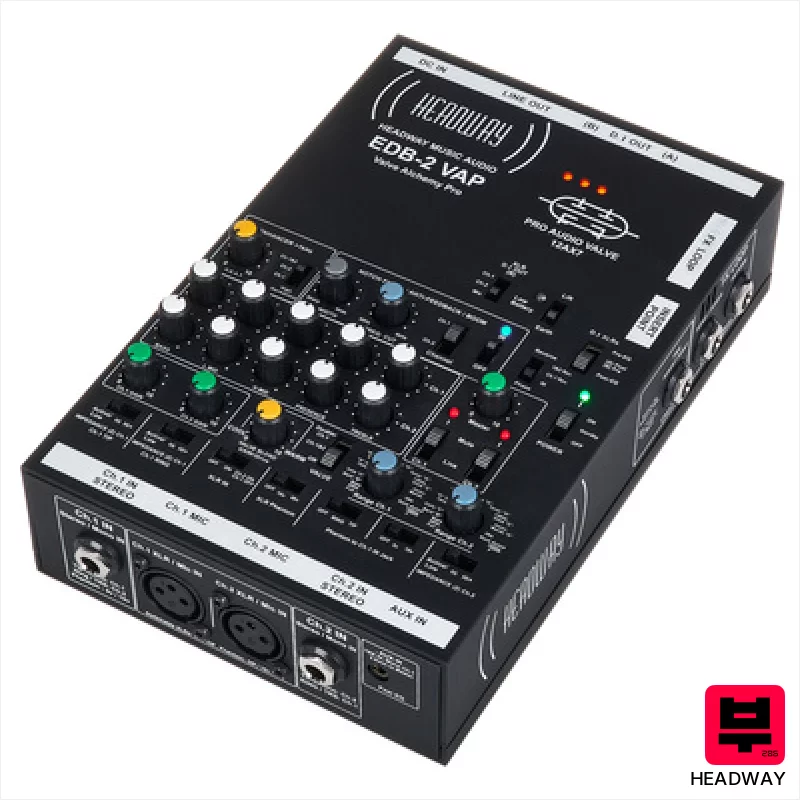
Headway EDB-2 VAP
Preamps for Acoustic Guitars

Headway EDB-2 H.E.
Preamps for Acoustic Guitars
About Preamps for Acoustic Guitars
Acoustic guitar preamps are essential for amplifying your instrument with clarity and control. They boost the signal from your pickup, shape the tone, and often provide features like EQ and phase adjustment. For performing musicians and recording engineers, a good preamp is the bridge between your acoustic guitar and a pristine sound.
Preamps for Acoustic Guitars — Pros & Cons
PROS
- Allows for greater tonal shaping and customization of acoustic guitar sound.
- Provides a clean, amplified signal with reduced noise and feedback potential.
- Often includes features for addressing common acoustic guitar recording challenges.
- Can significantly improve the stage volume and clarity of acoustic guitar performances.
CONS
- Can introduce unwanted noise if not properly matched to the pickup system.
- May require careful gain staging to avoid distortion or clipping.
- Can add complexity to the signal chain, potentially requiring more technical knowledge.
- Battery-powered models require regular battery changes or external power.
Frequently Asked Questions About Preamps for Acoustic Guitars
Input impedance dictates how the preamp interacts with your pickup; a mismatch can result in a thin or dull tone.
Phase adjustment helps eliminate unwanted cancellation when blending the direct acoustic signal with a microphone.
Phantom power allows the preamp to be powered directly from a mixing console or audio interface, eliminating the need for batteries.

