 AudioFu
Catalog
Power Amps
164 instruments available · See the ranking
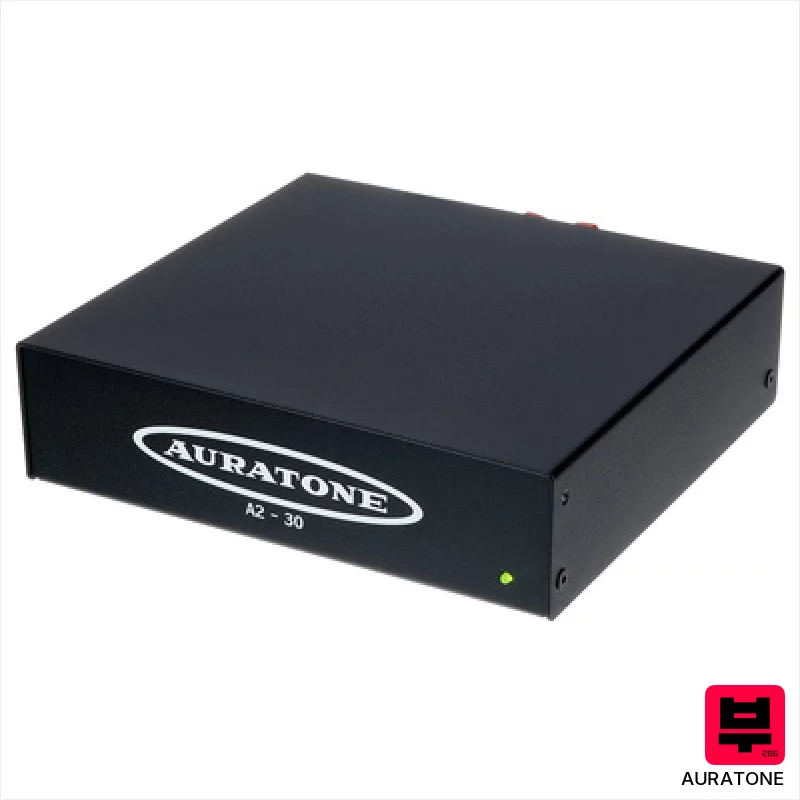

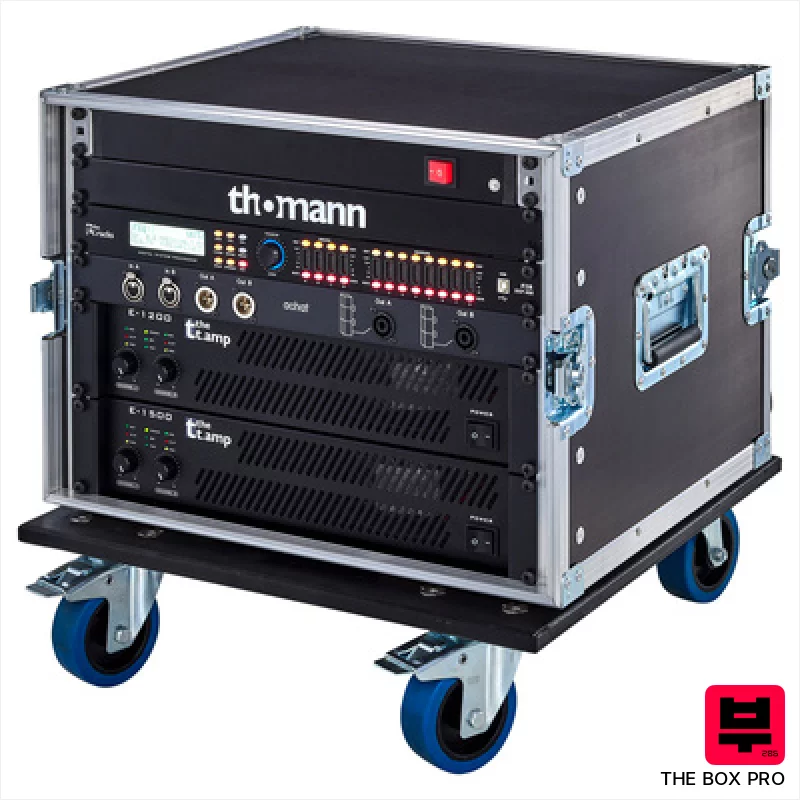
About Power Amps
Power amplifiers are the crucial link between your audio source (mixer, preamp) and your loudspeakers, providing the necessary wattage to drive them effectively. These amps are essential for live sound reinforcement, professional audio installations, and any application requiring substantial audio output. Choosing the right power amp ensures optimal sound quality and protects your speakers from damage.
Best for
What to look for
Power Amps — pros & cons
- Delivers substantial power to drive loudspeakers efficiently.
- Provides crucial amplification for larger venues and systems.
- Offers a variety of connectivity options for flexible integration.
- Protection circuitry safeguards against damage from overload.
- Can be heavy and require significant rack space.
- Power consumption can be high, impacting electricity costs.
- Improper impedance matching can damage speakers.
- Potential for noise and distortion if not properly configured.
Questions about Power Amps
What does impedance matching mean and why is it important?
Impedance matching ensures the amplifier delivers the correct voltage to the speakers, preventing damage or inefficient sound reproduction. Mismatched impedance can lead to amplifier overheating or speaker failure.
What is the difference between Class A, B, AB, and D amplifiers?
Each class represents a different operating efficiency and heat dissipation method; Class D amps are generally the most efficient and compact, while Class A offers the purest sound but is less efficient.
What are 'protection circuits' and why are they necessary in a power amp?
Protection circuits safeguard the amplifier and speakers from damage caused by overheating, short circuits, or excessive signal levels. They automatically shut down the amp if a problem is detected.