 AudioFu
Catalog
Orchestral Percussion
655 instruments available · See the ranking
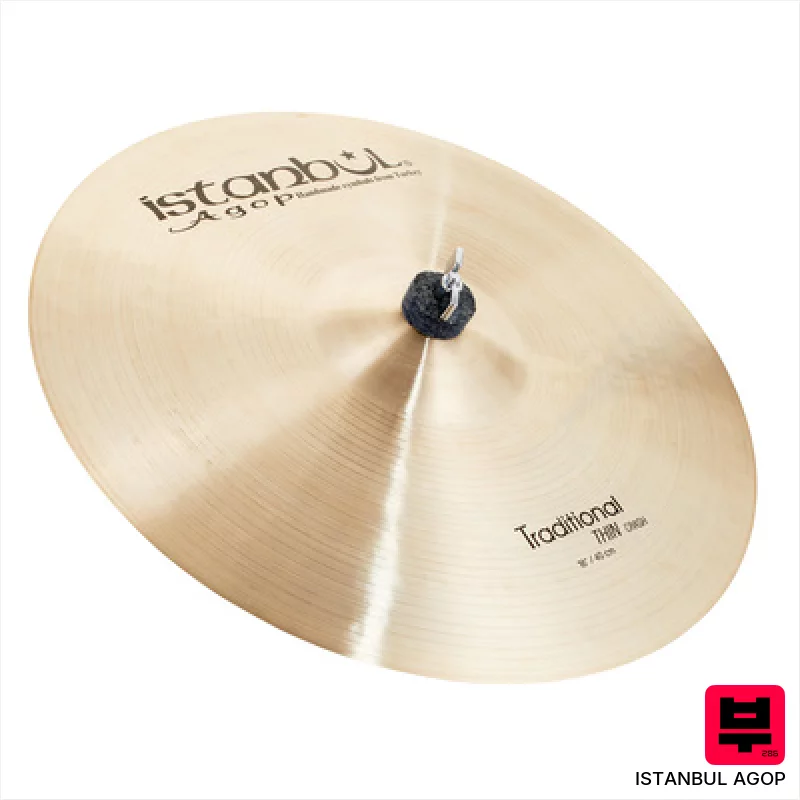
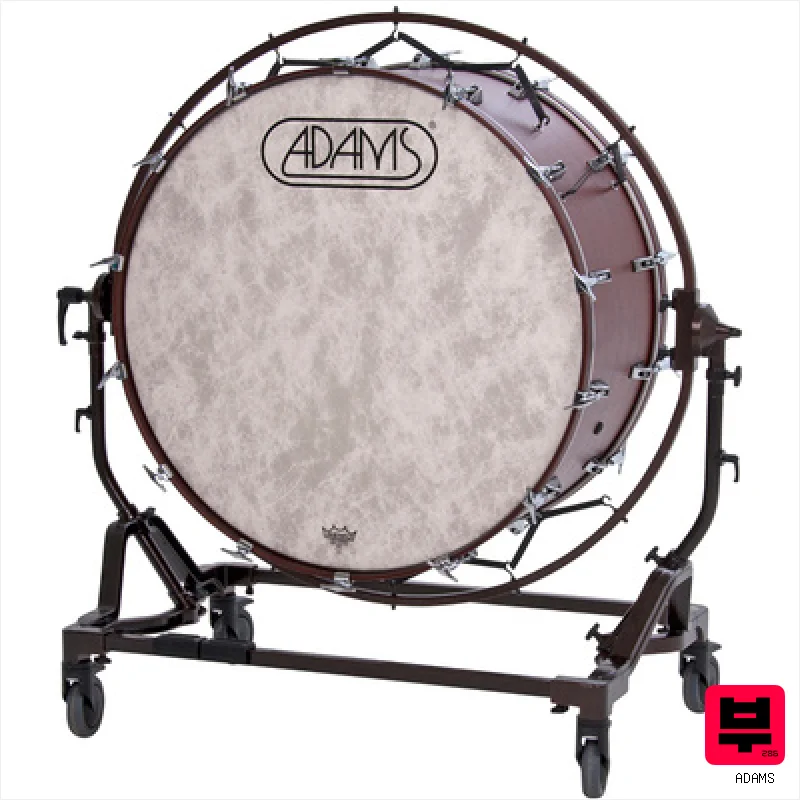
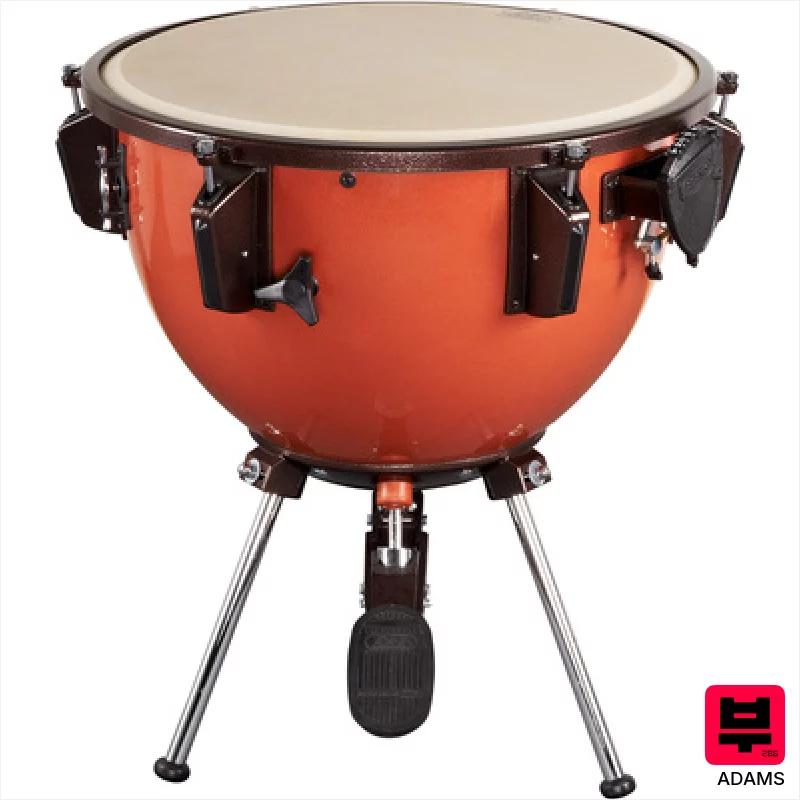
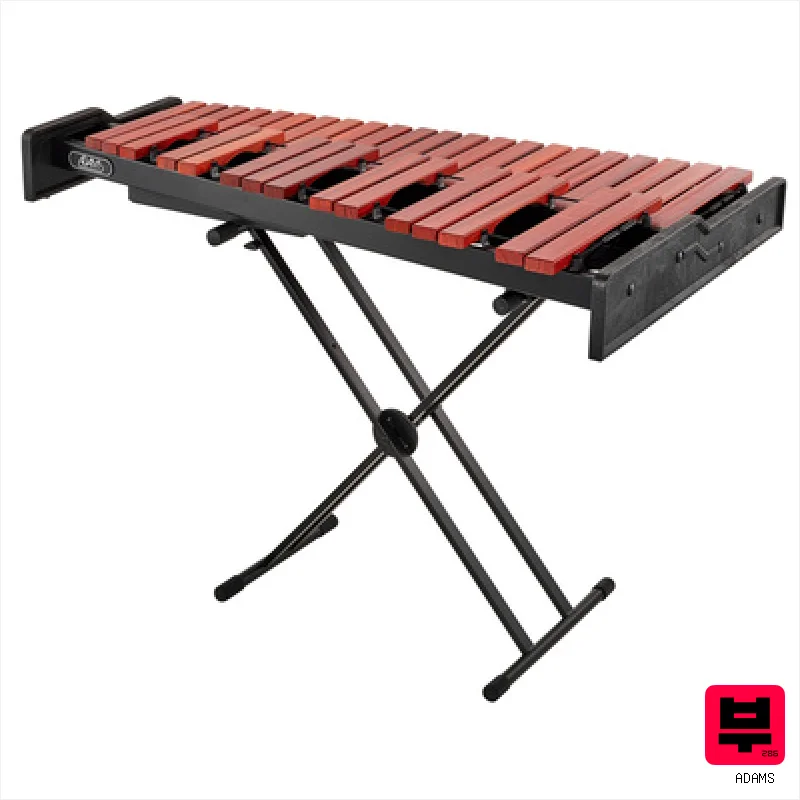
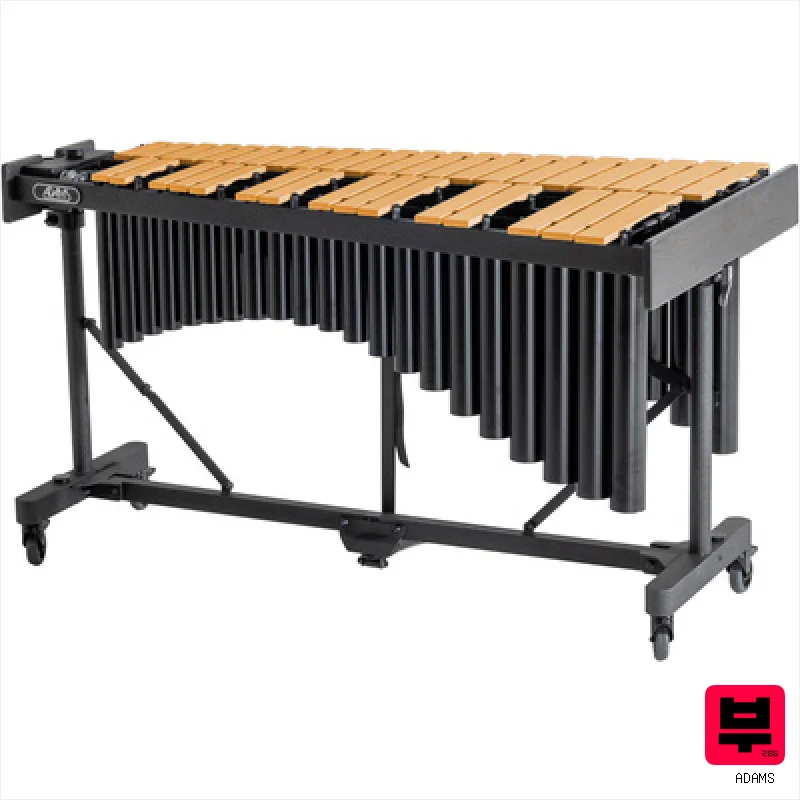
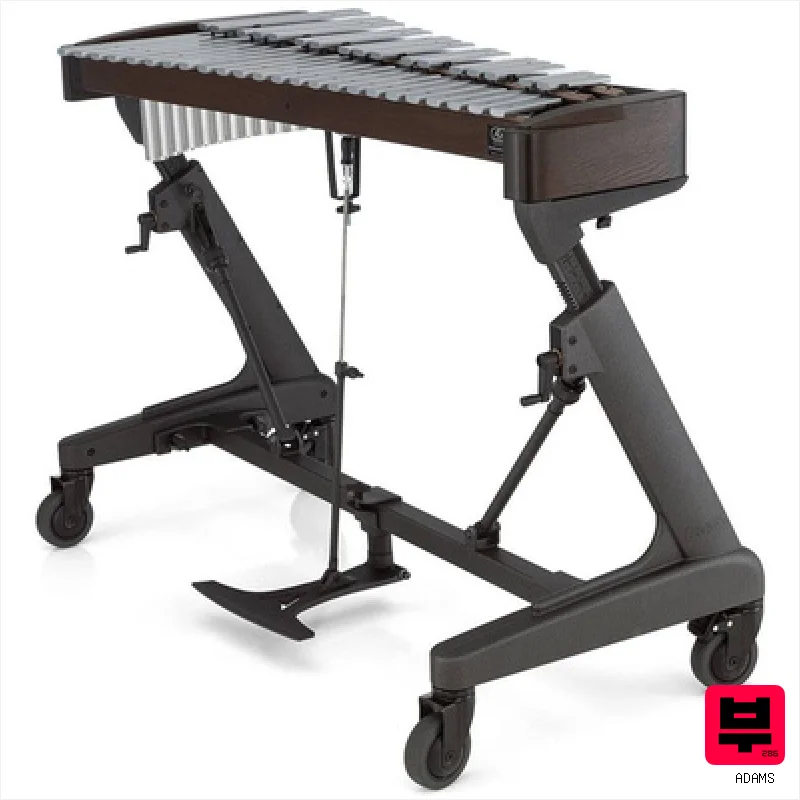
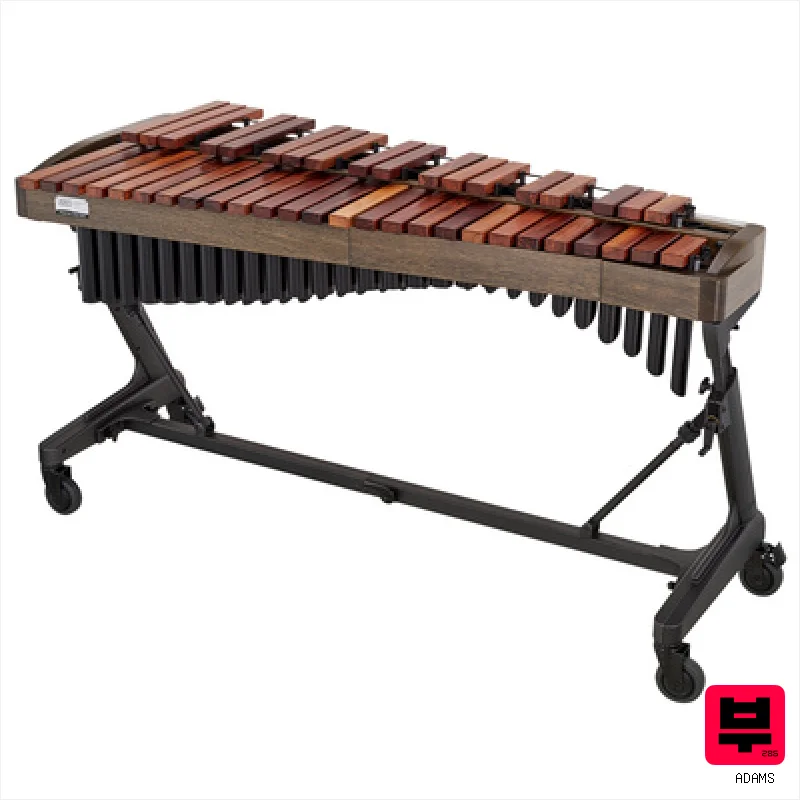
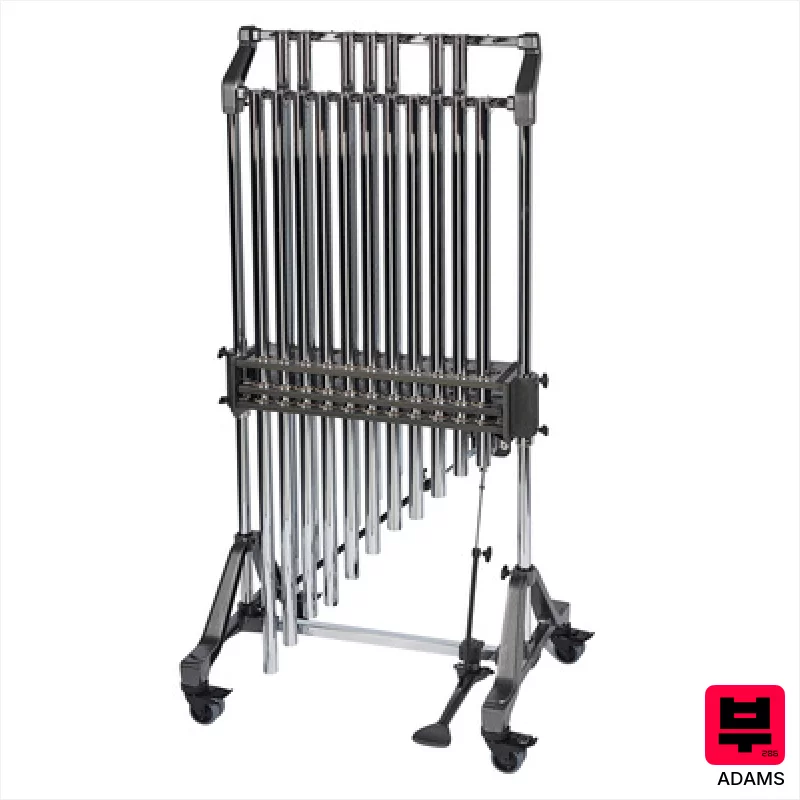

About Orchestral Percussion
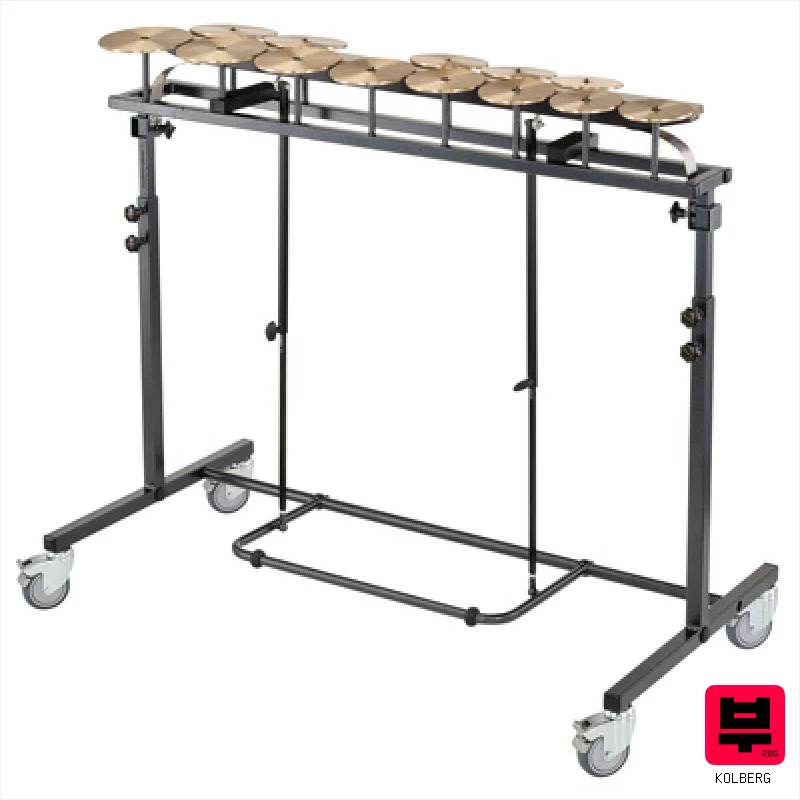
Orchestral percussion instruments encompass a vast range of tuned and untuned instruments used in symphonic and film scores. These instruments provide color, texture, and rhythmic drive, often crucial for creating a complete sonic landscape. From delicate crotales to powerful timpani, this category represents the backbone of many orchestral soundscapes.
Best for
What to look for
Orchestral Percussion — pros & cons
- Adds unique timbral colors and textures to orchestral works
- Provides a wide range of dynamic and expressive possibilities
- Offers a diverse selection for various musical styles
- Essential for creating a full and impactful orchestral sound
- Can be expensive, particularly higher-end instruments
- Requires significant storage space and transport logistics
- Maintenance can be complex and require specialized knowledge
- Some instruments demand a high level of skill to play effectively
Questions about Orchestral Percussion
What is the difference between a marimba and a metallophone?
Marimbas generally have a warmer, mellower tone and are often constructed with resonators, while metallophones produce a brighter, more metallic sound.
Why are crotales so sensitive to temperature changes?
Crotales are made of bronze, which expands and contracts with temperature, significantly affecting their tuning and requiring careful temperature acclimation.
What are the considerations when selecting timpani sizes?
Timpani sizes dictate the range of pitches achievable; a full set typically covers a wide range to meet the demands of orchestral scores.