
Oboes
35 instruments available
Shop Oboes 2026
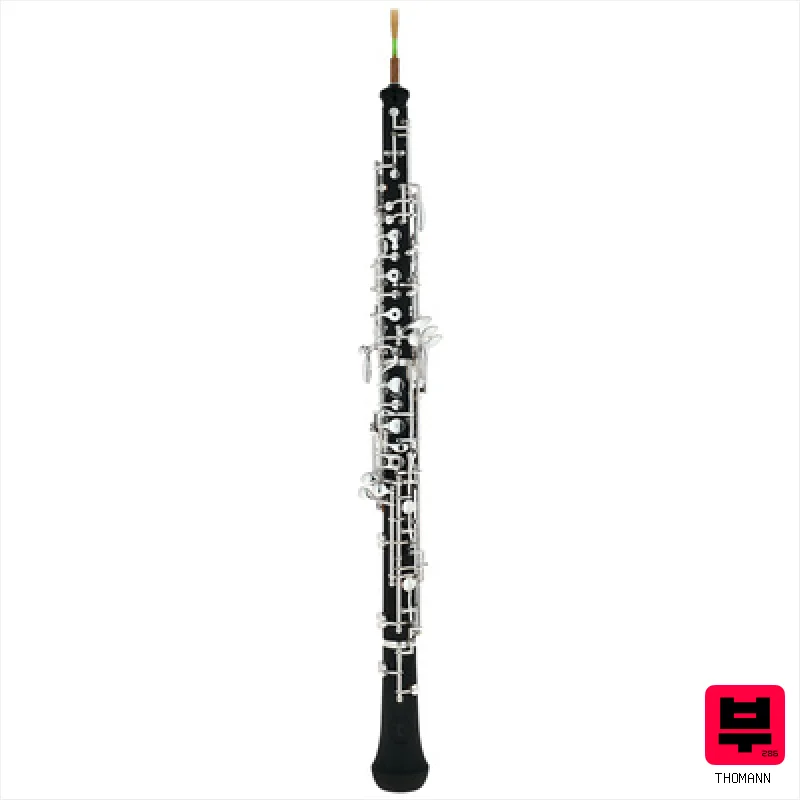
Thomann TOB-100 Oboe
Oboes
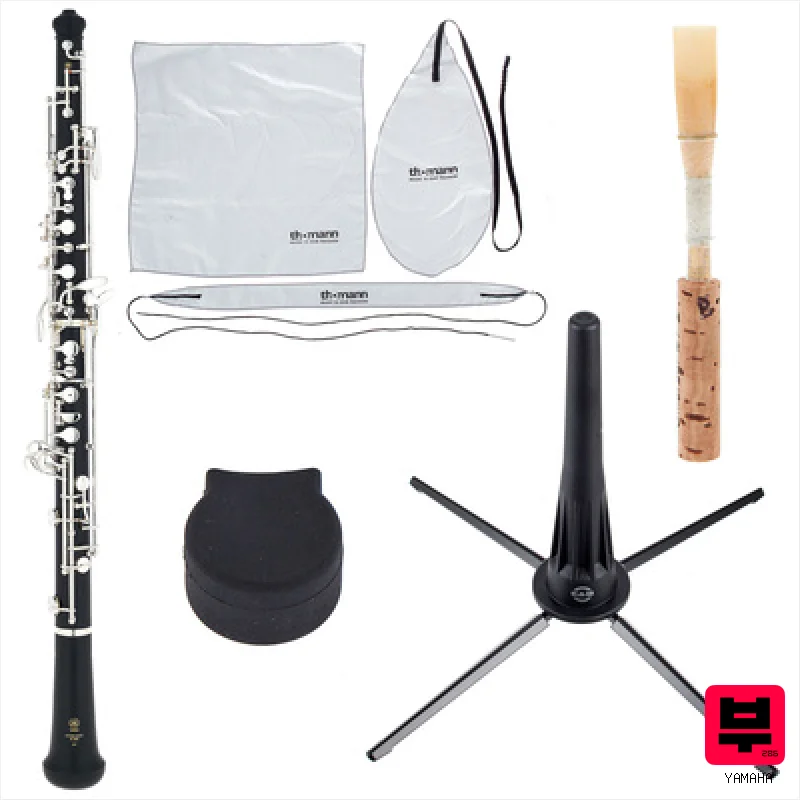
Yamaha YOB-241 Oboe Set
Oboes
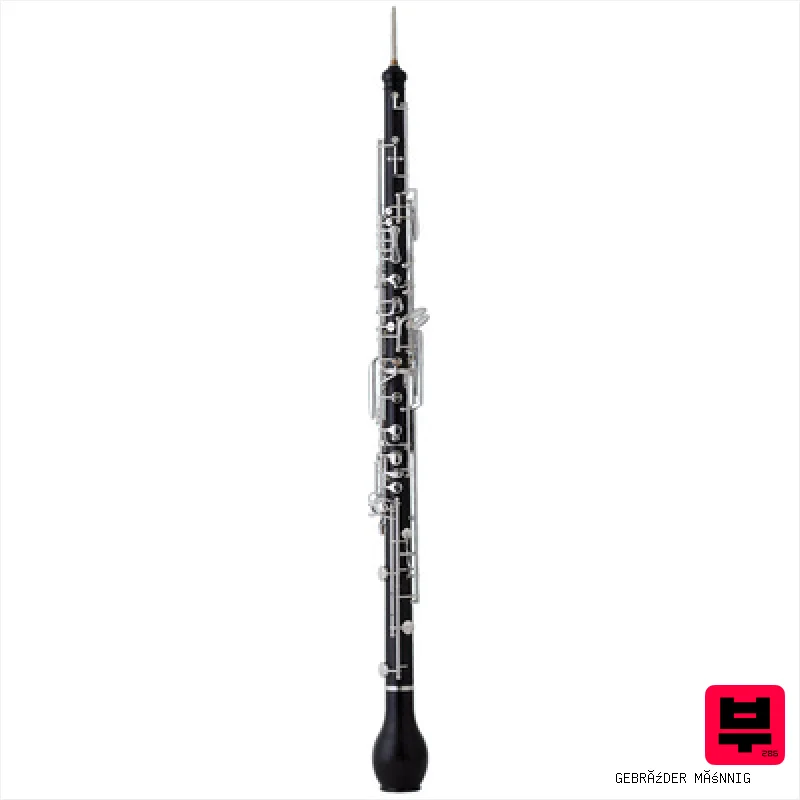
Gebrüder Mönnig 160 English Horn
Oboes
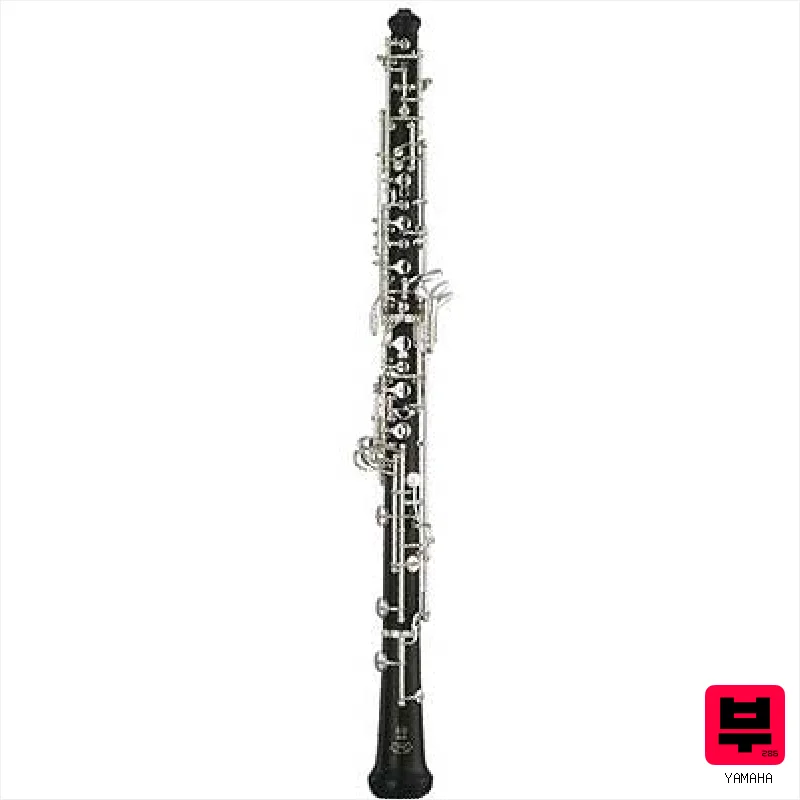
Yamaha YOB-432 F Oboe
Oboes
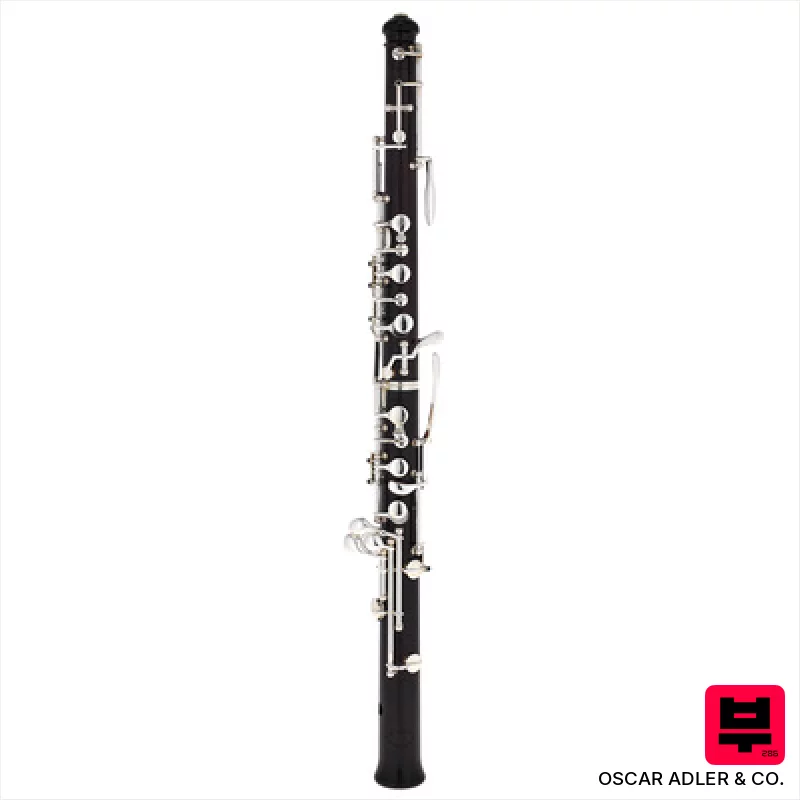
Oscar Adler & Co. 100F Oboe Children Model
Oboes
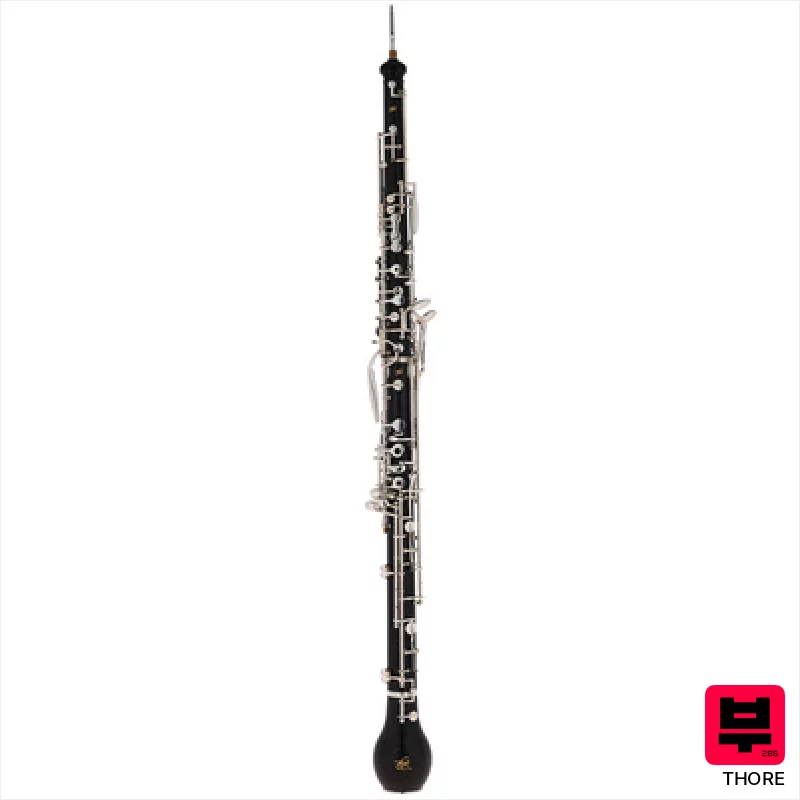
Thore English Horn
Oboes
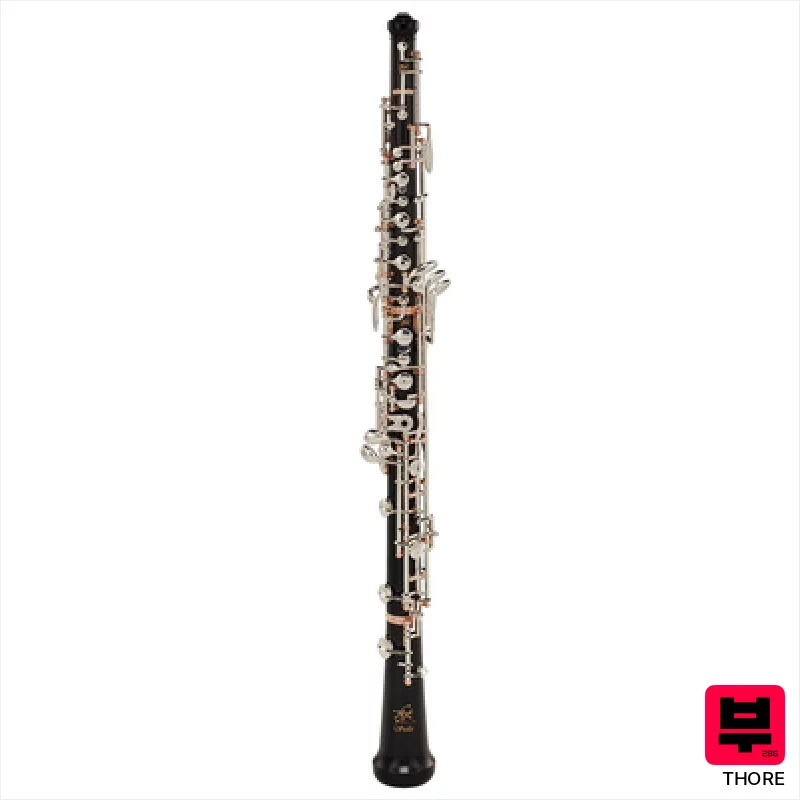
Thore Stella Oboe
Oboes
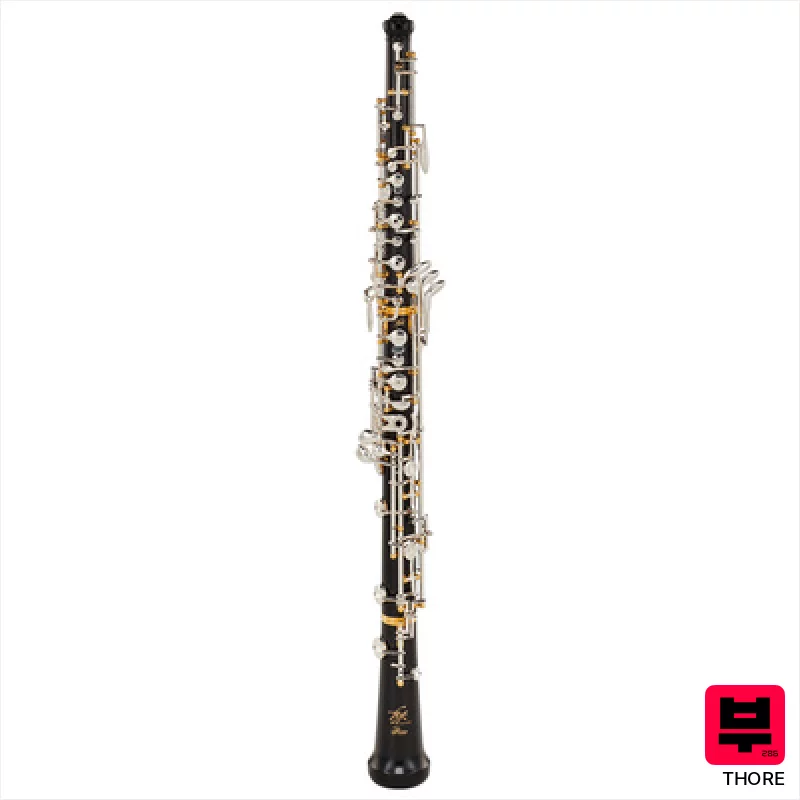
Thore Presto Oboe
Oboes
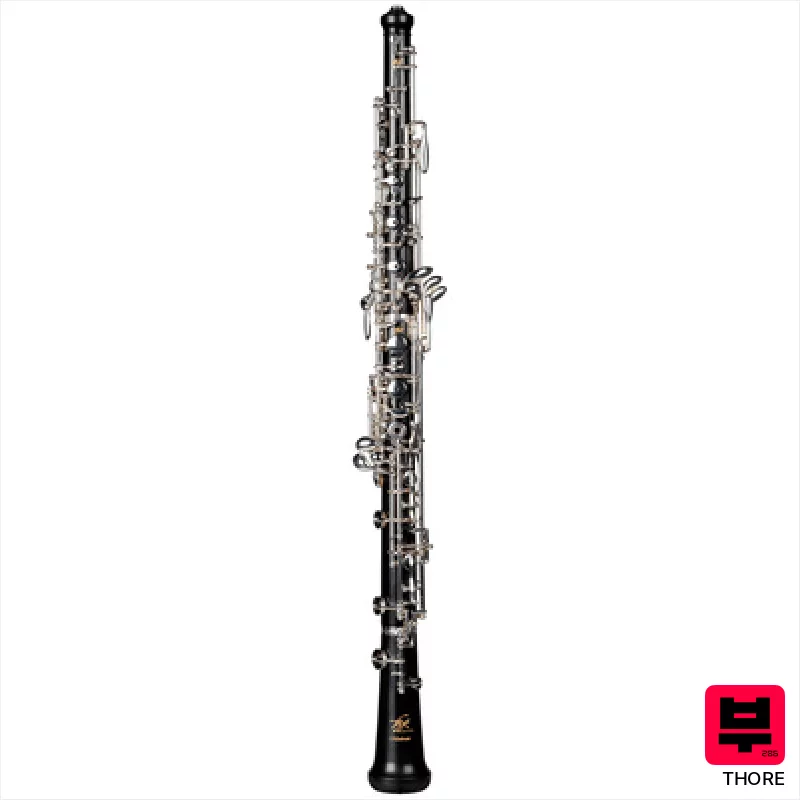
Thore Moderato Oboe
Oboes
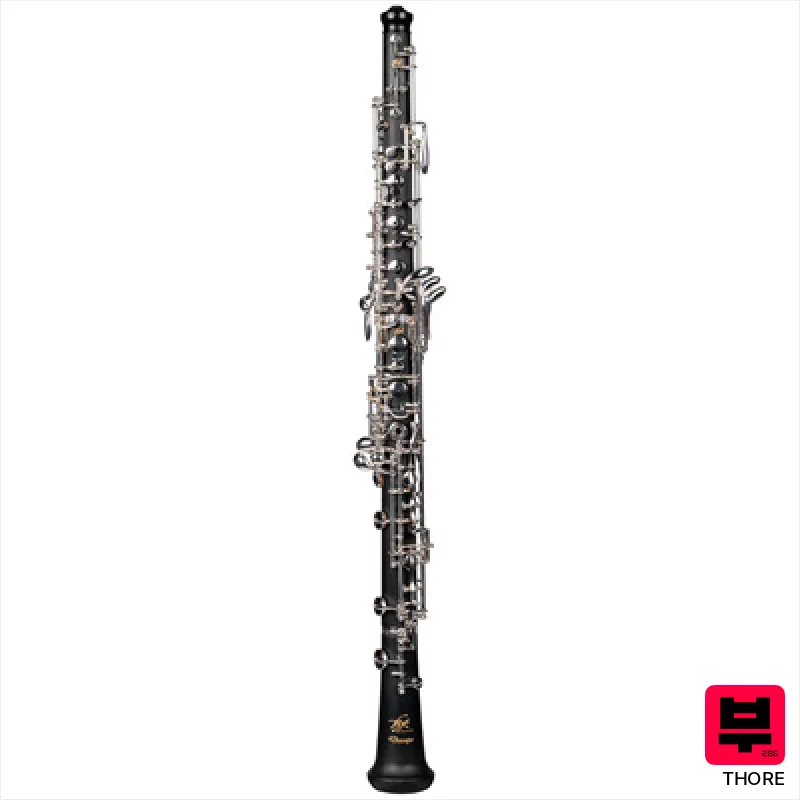
Thore Dacapo Oboe
Oboes
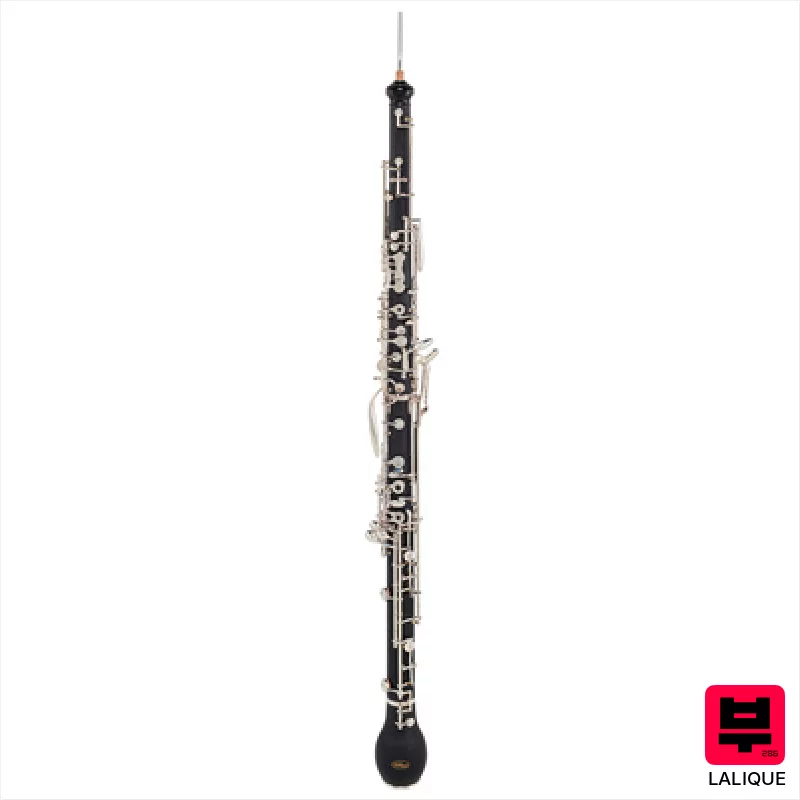
LaLique Noteo Ebonyx English Horn
Oboes

LaLique Noteo English Horn
Oboes

Buffet Crampon BC4067-2-0 Oboe
Oboes
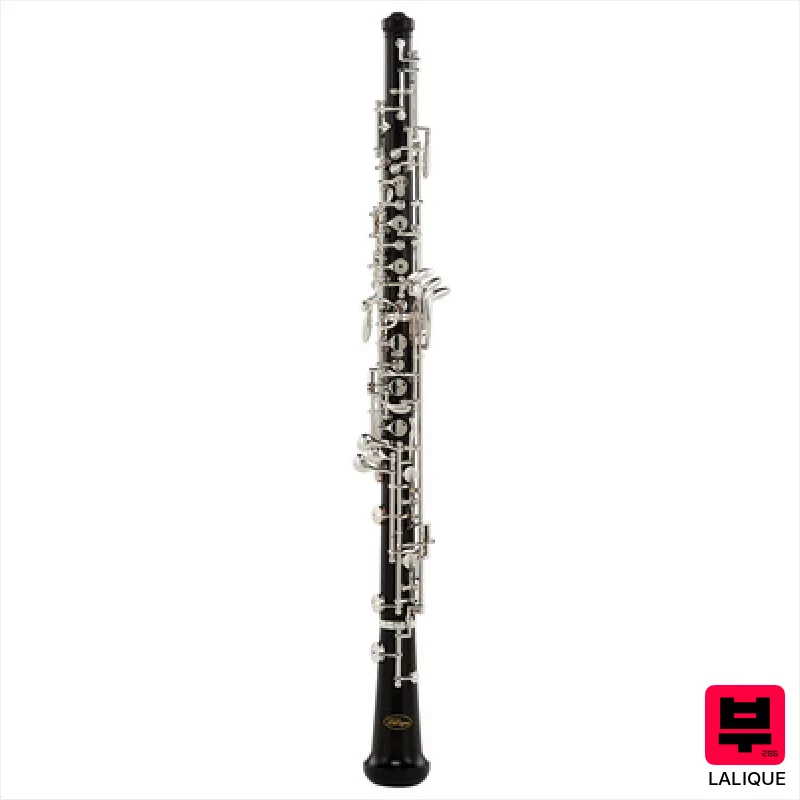
LaLique Oboe HF40
Oboes
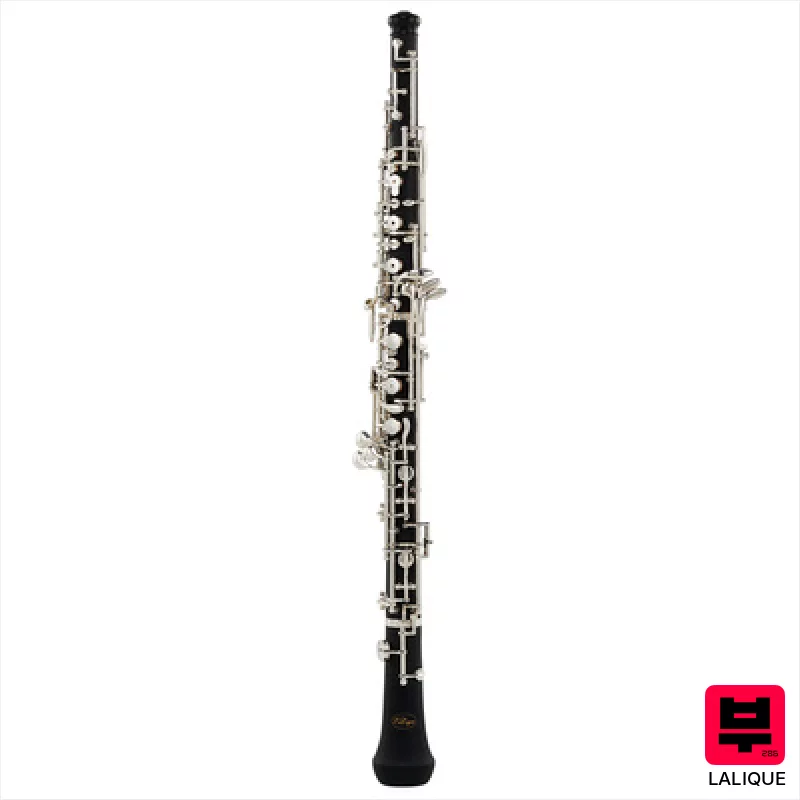
LaLique Oboe HF30
Oboes
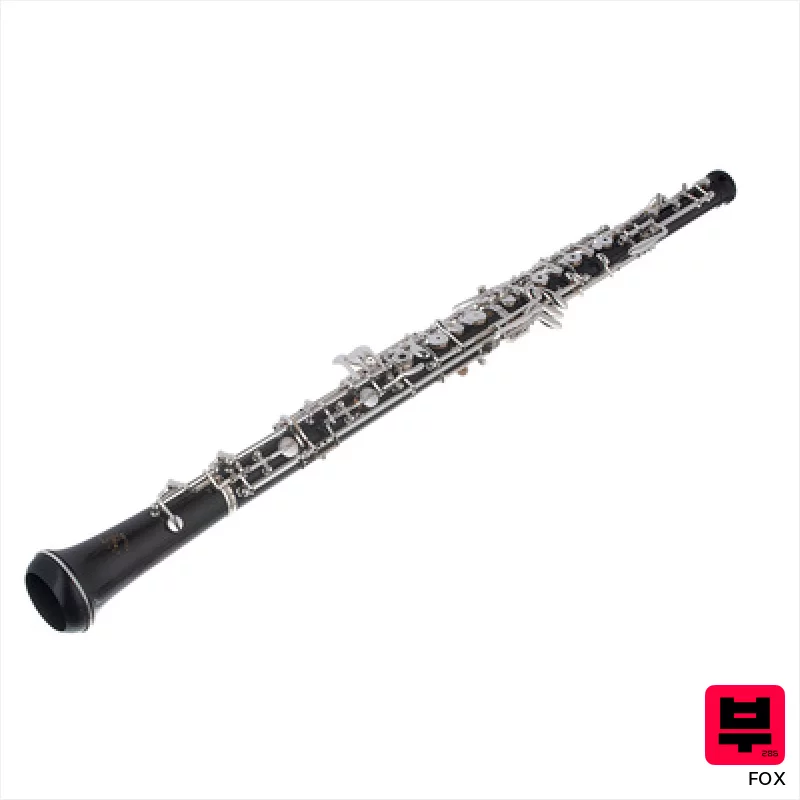
Fox Oboe Model 800
Oboes
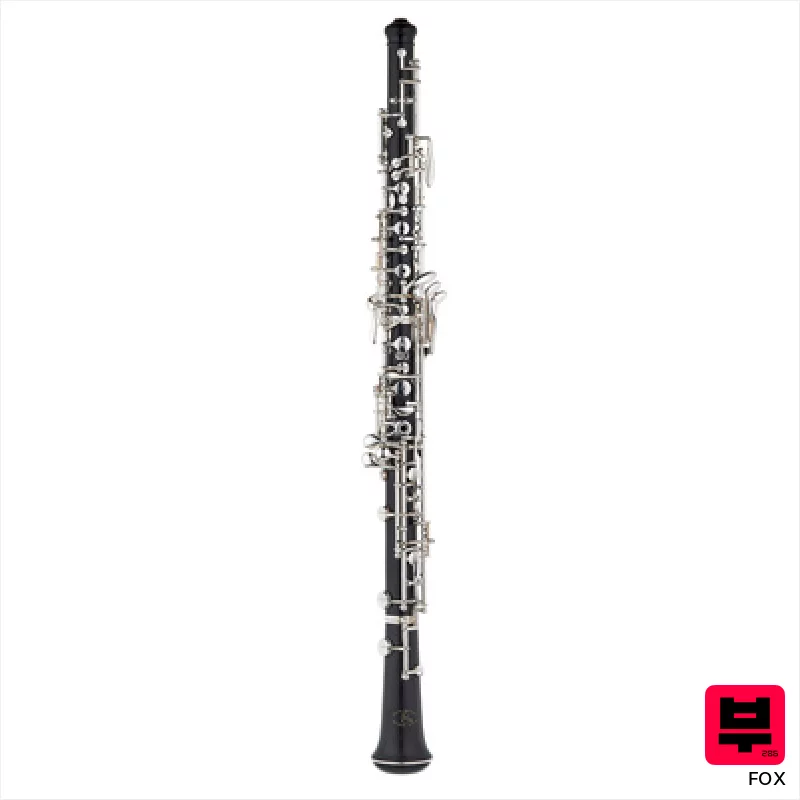
Fox Oboe Model 400
Oboes
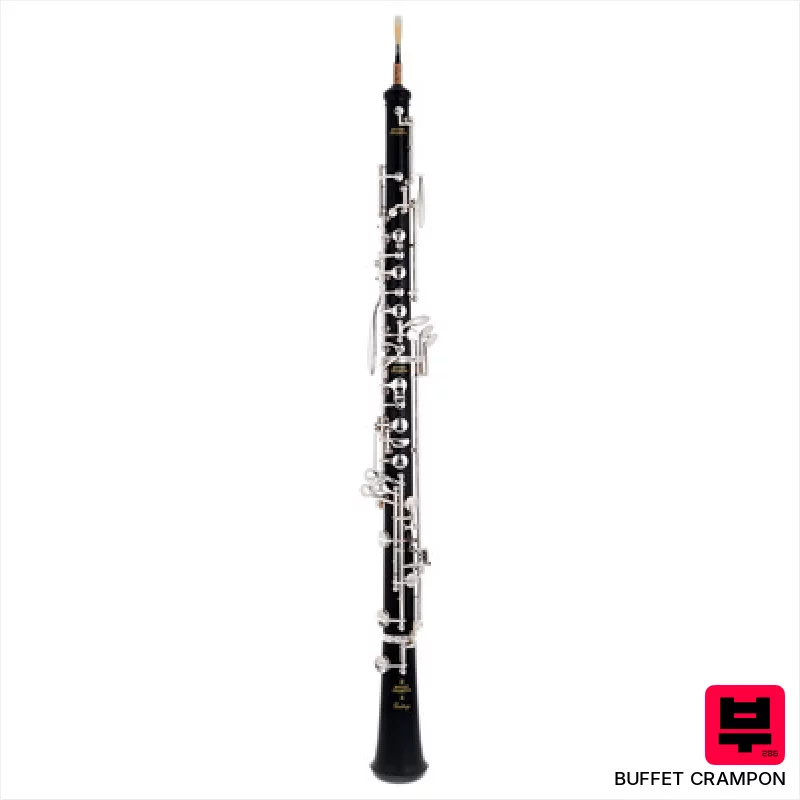
Buffet Crampon BC4131-2-0 Oboe
Oboes
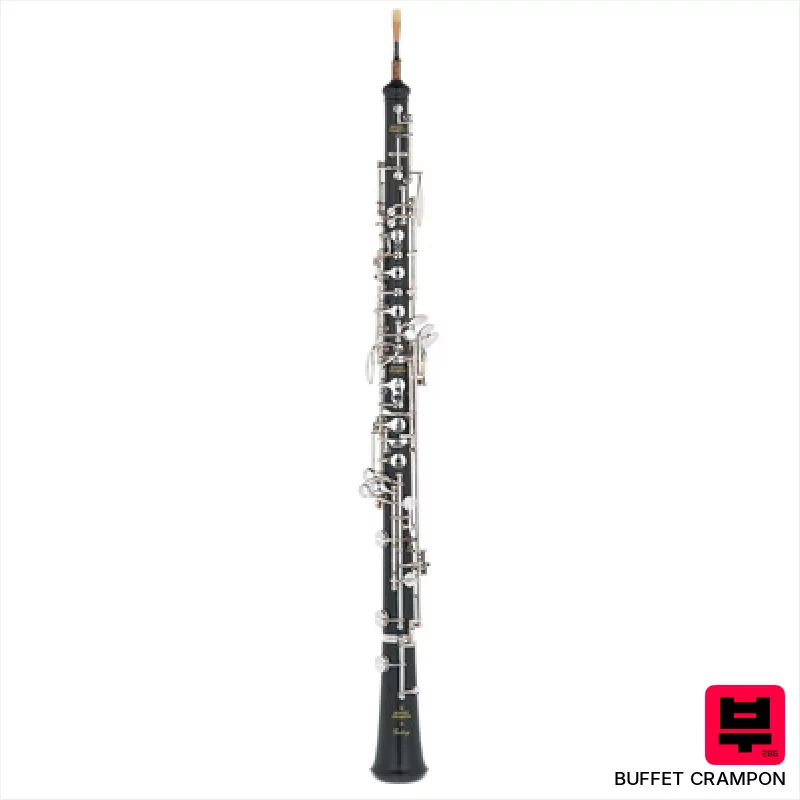
Buffet Crampon BC4161-2-0 Oboe
Oboes
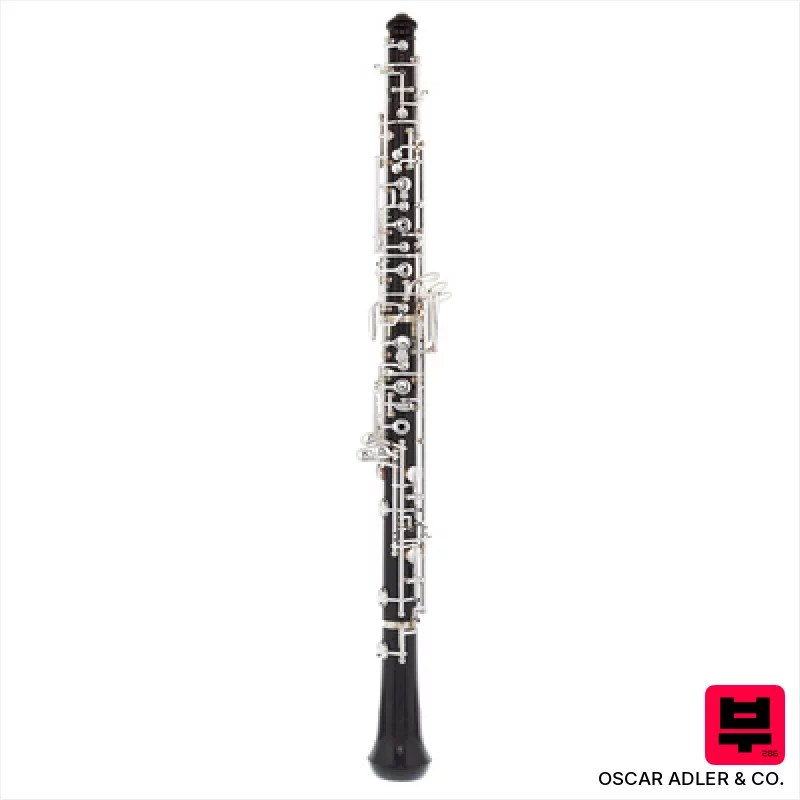
Oscar Adler & Co. 4510 Oboe Orchestra Model
Oboes

Oscar Adler & Co. 4500 Oboe Orchestra Model
Oboes
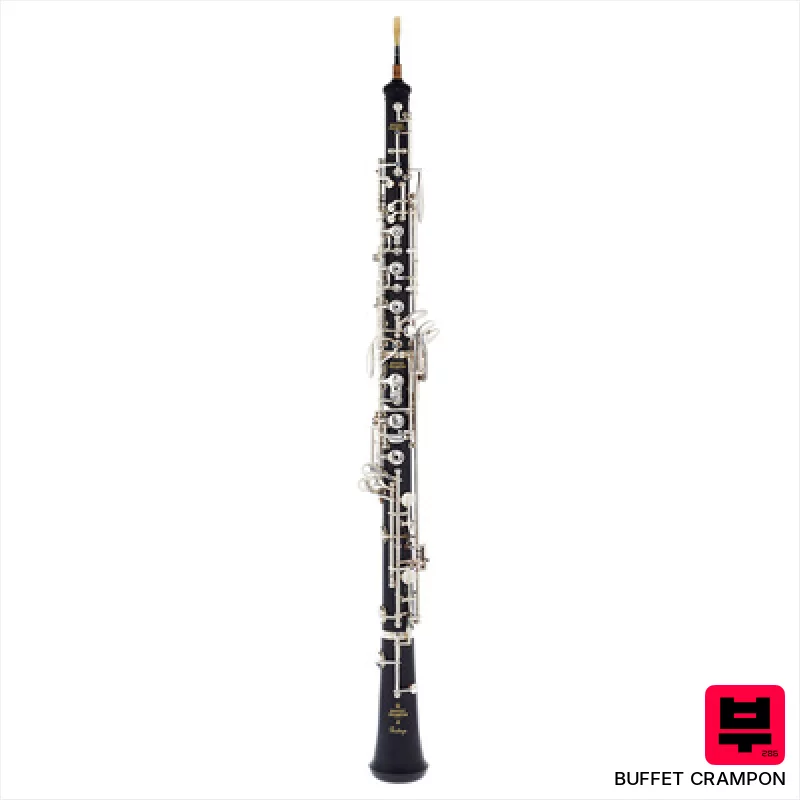
Buffet Crampon BC-4062-2-0 Oboe
Oboes
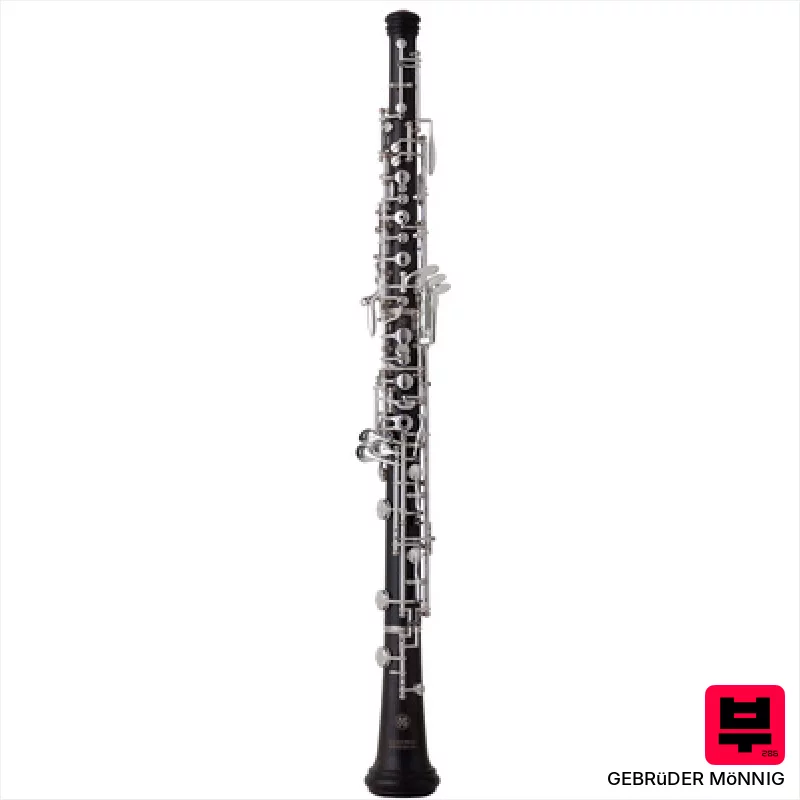
Gebrüder Mönnig 155 AM-B Oboe
Oboes
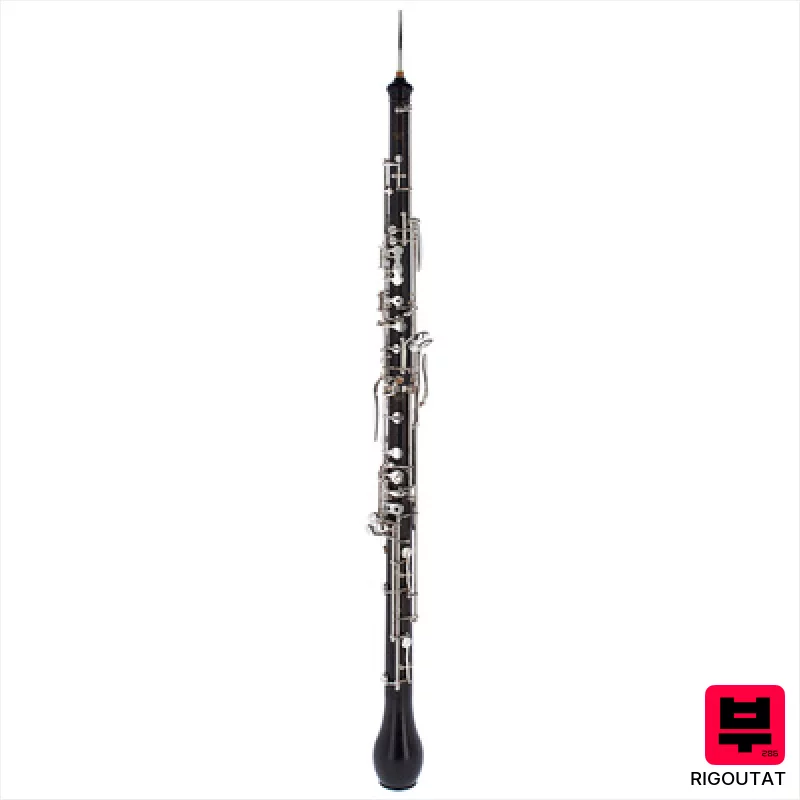
Rigoutat English Horn Riec
Oboes
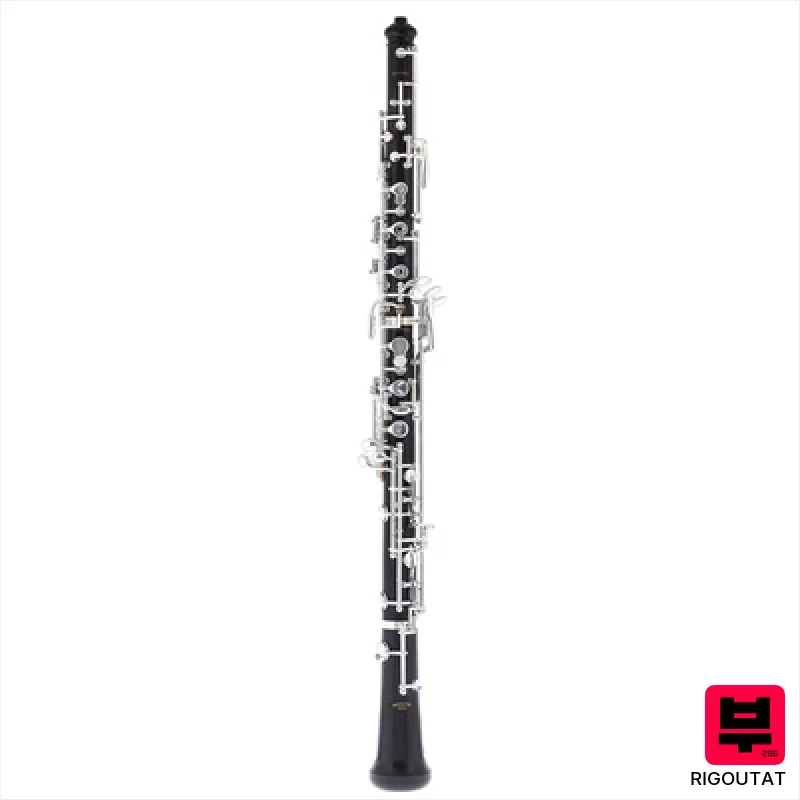
Rigoutat Oboe Delphine Semi Automatic
Oboes
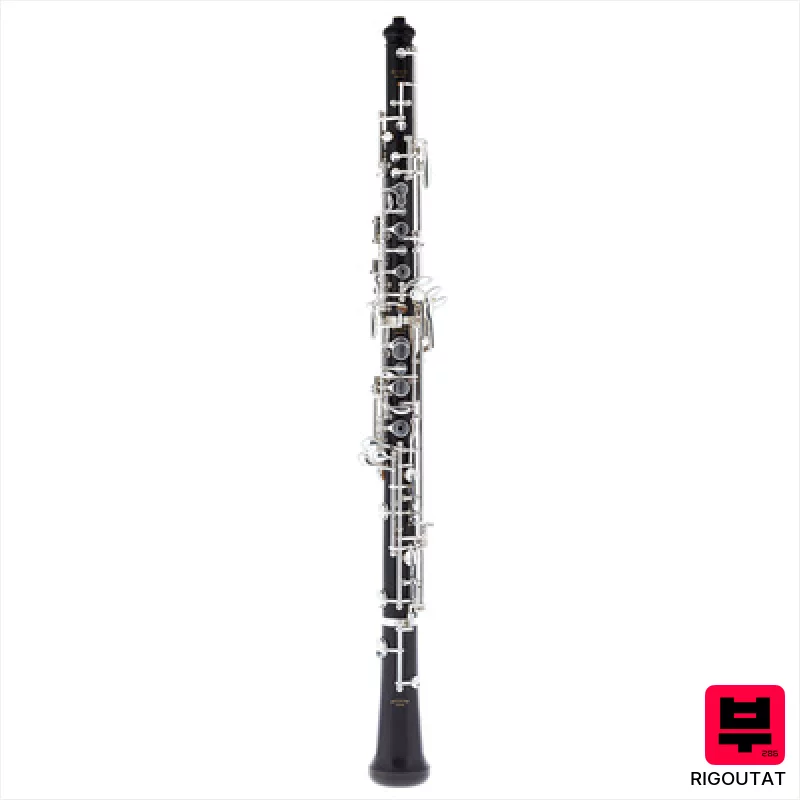
Rigoutat Oboe Riec Semi Automatic
Oboes
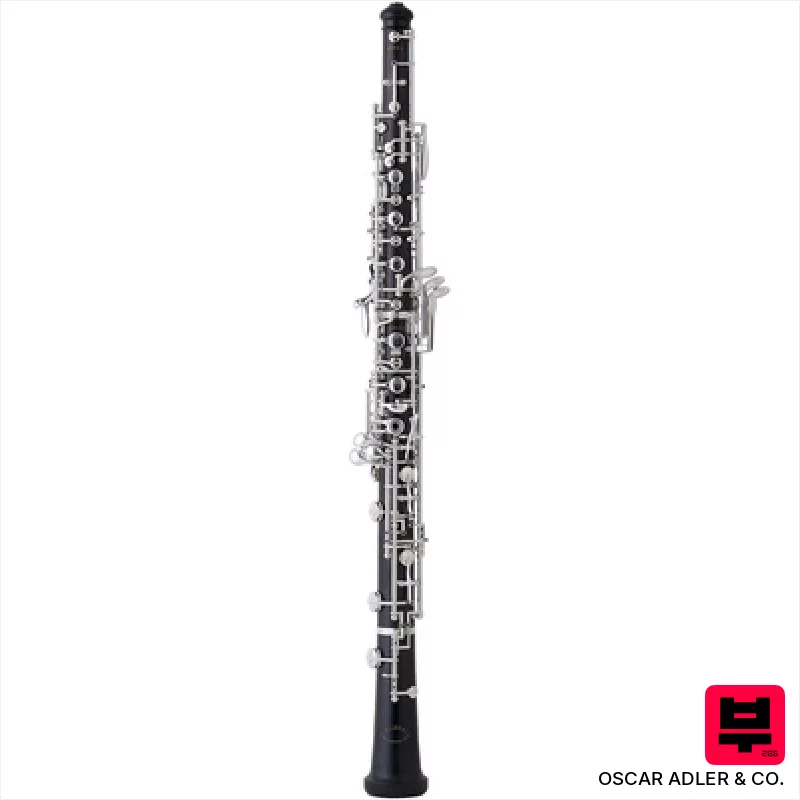
Oscar Adler & Co. 6000 Oboe Orchestra Plus
Oboes
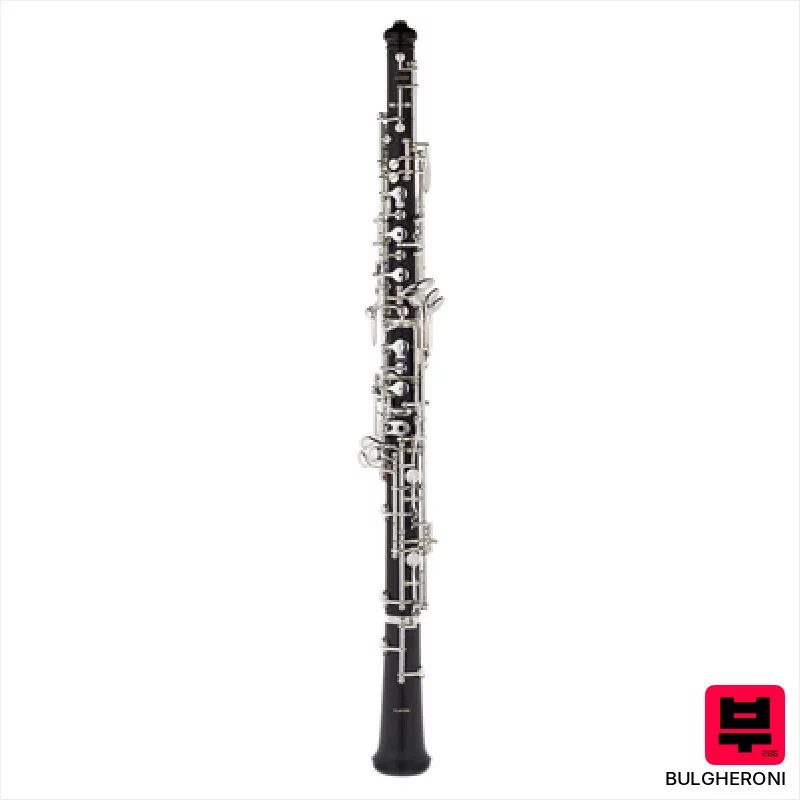
Bulgheroni FB- 095/3
Oboes
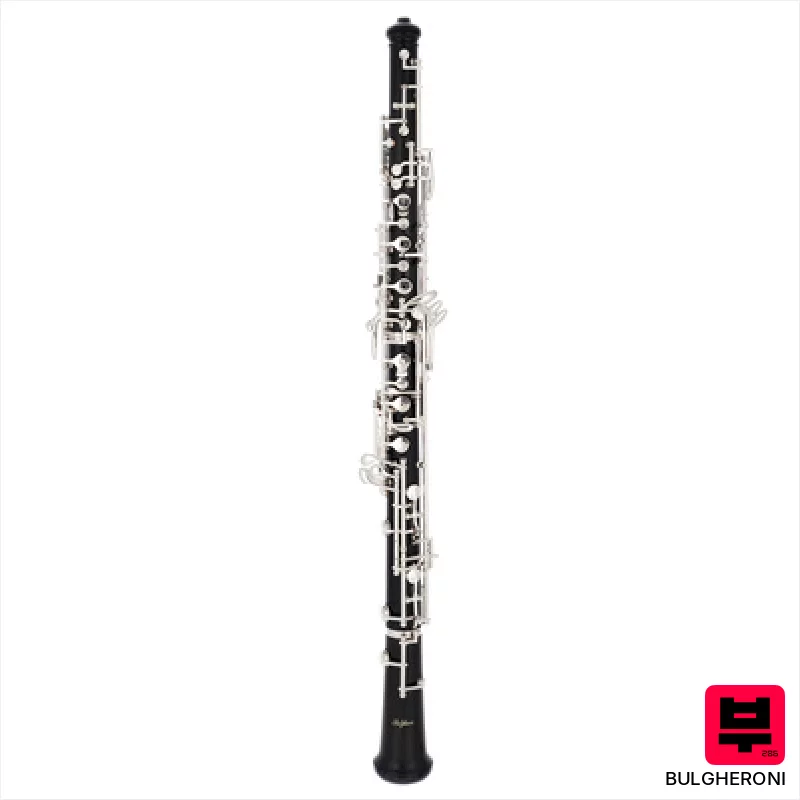
Bulgheroni FB- 101/3 Oboe
Oboes
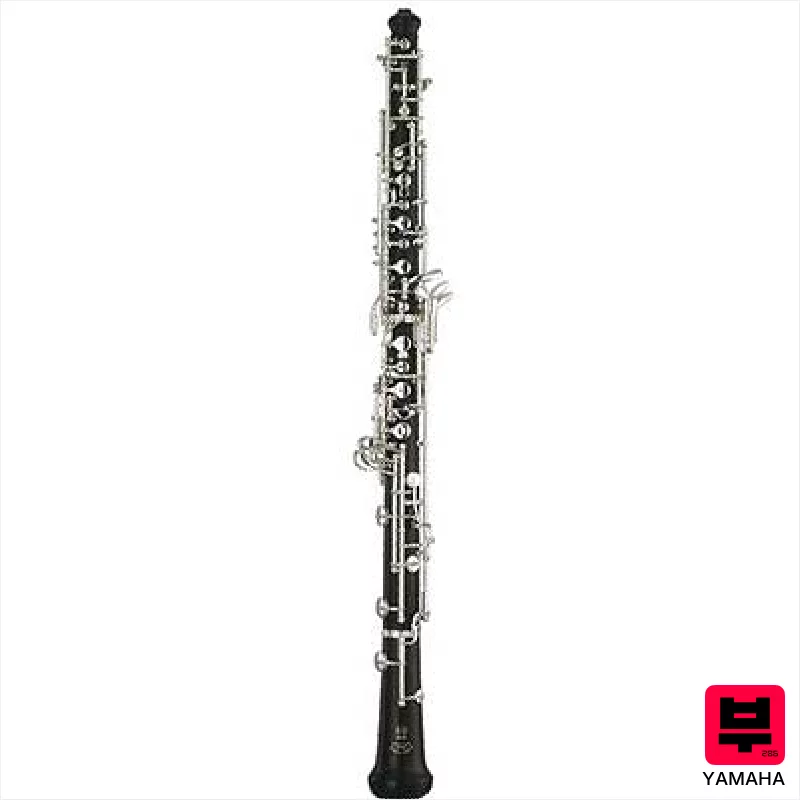
Yamaha YOB-432 Oboe
Oboes
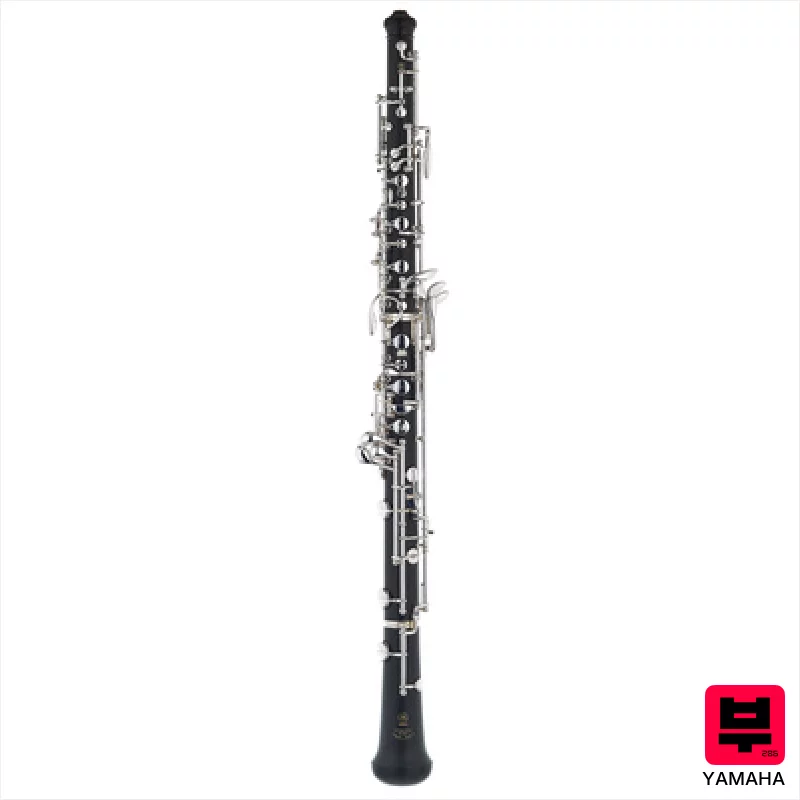
Yamaha YOB-431 Oboe
Oboes
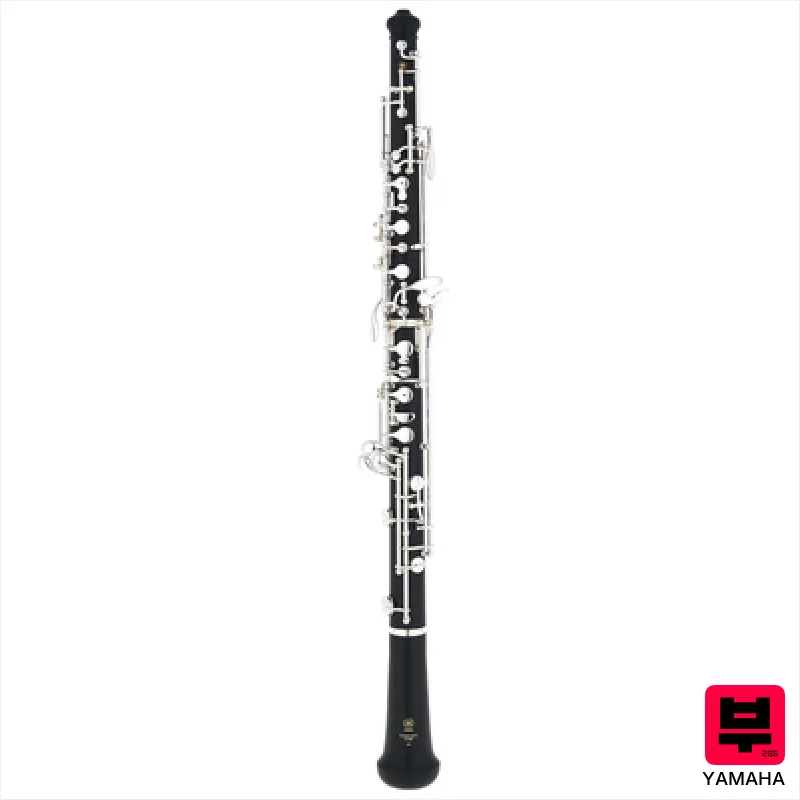
Yamaha YOB-241 Oboe
Oboes
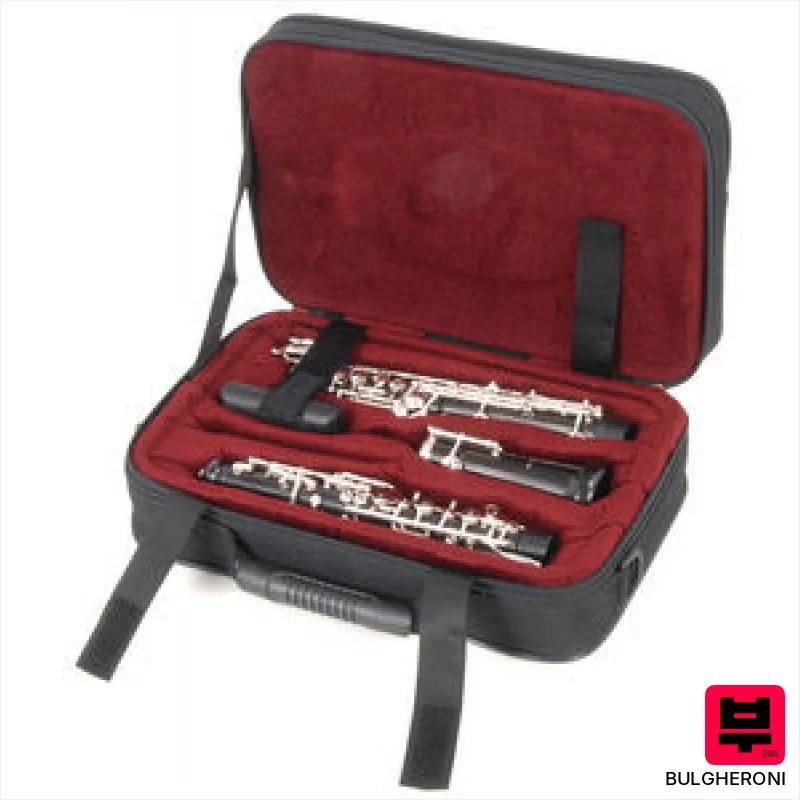
Bulgheroni FB- 091/3 TF ART RK Oboe
Oboes
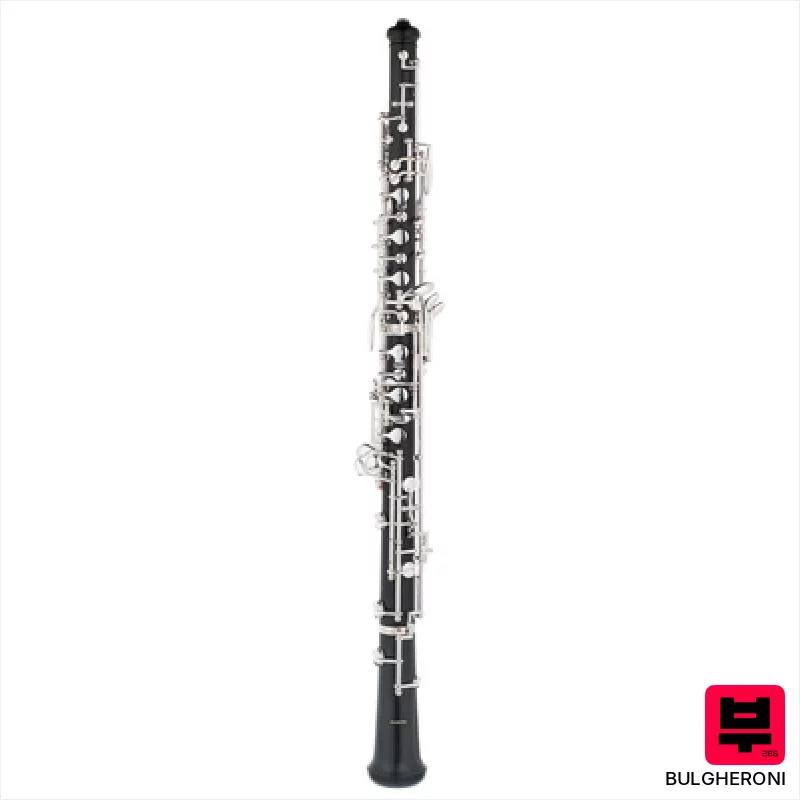
Bulgheroni FB- 091/3 Oboe
Oboes
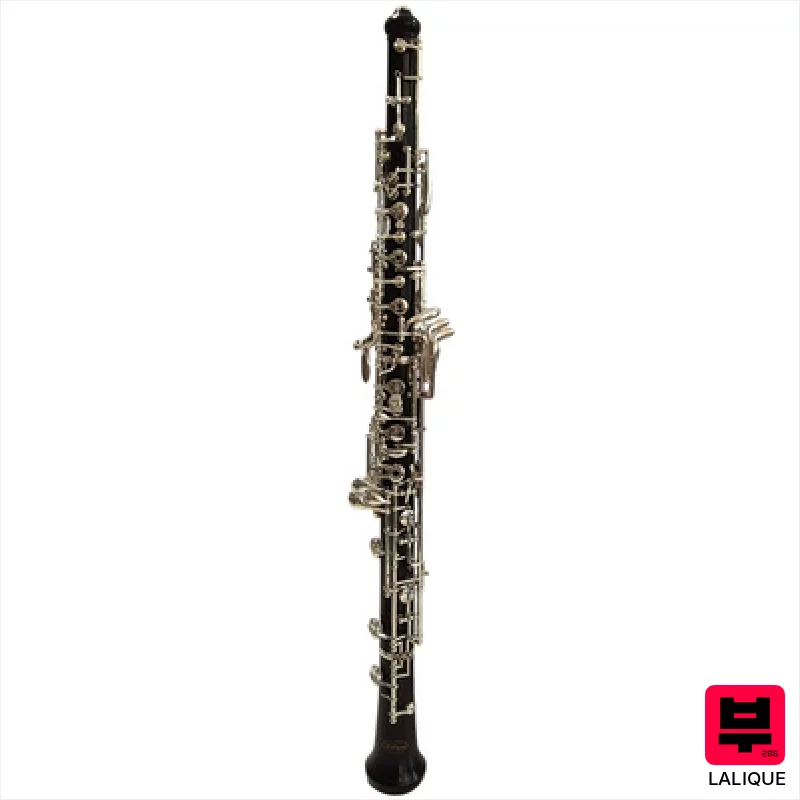
LaLique Lumina Oboe
Oboes
About Oboes
This category features oboes and English horns, double-reed instruments crucial for orchestral, chamber, and solo performance. The oboe's distinctive, penetrating tone is a cornerstone of many musical genres, and its expressive capabilities demand a high level of craftsmanship. Selecting the right instrument is a significant investment for professional and serious student players.
Oboes — Pros & Cons
PROS
- Exceptional projection and clarity for solo and orchestral work.
- Offers nuanced tonal colors and expressive capabilities.
- Well-crafted oboes provide consistent intonation across registers.
- Durable construction ensures longevity with proper care.
CONS
- Requires significant practice and embouchure development.
- Reed selection and adjustment are critical for optimal performance.
- Can be sensitive to humidity and temperature changes.
- Maintenance and repair can be specialized and costly.
Frequently Asked Questions About Oboes
Its density, stability, and acoustic properties provide the ideal tonal resonance and response.
The English horn is a lower-pitched relative of the oboe, with a wider bore and a mellower, more plaintive tone.
The bore’s shape and diameter significantly affect the instrument's intonation, tone color, and overall responsiveness to the player.

