
MIDI Footswitches
11 instruments available
Shop MIDI Footswitches 2026
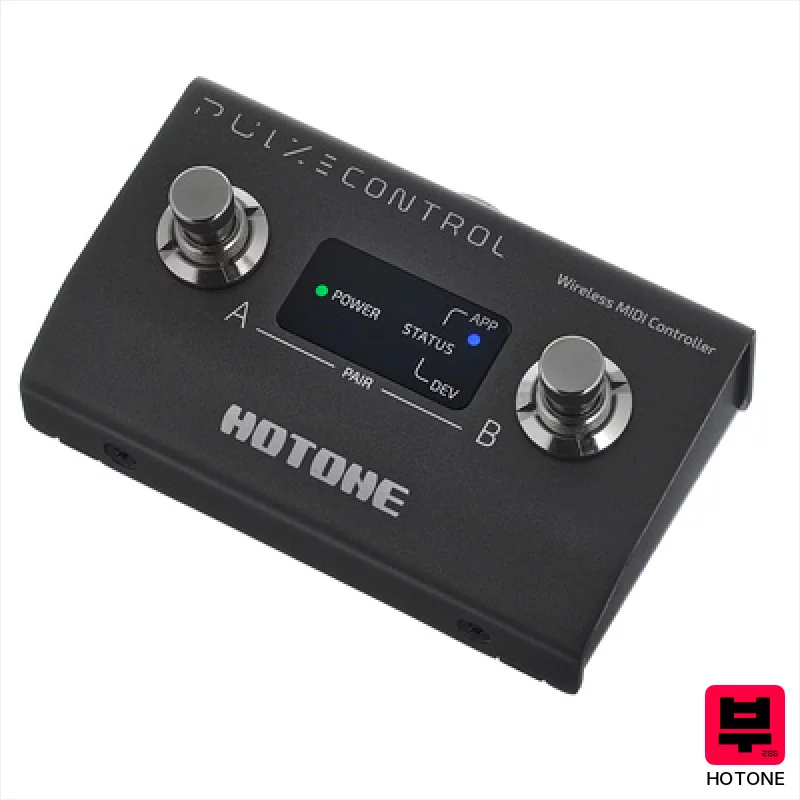
Hotone Pulze Control
MIDI Footswitches
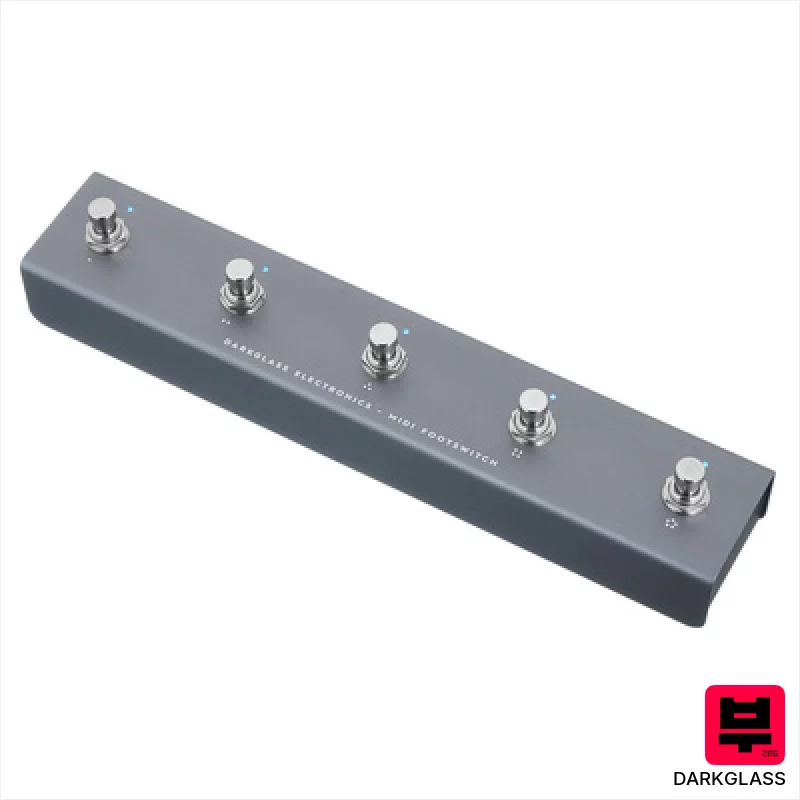
Darkglass Midi Footswitch
MIDI Footswitches
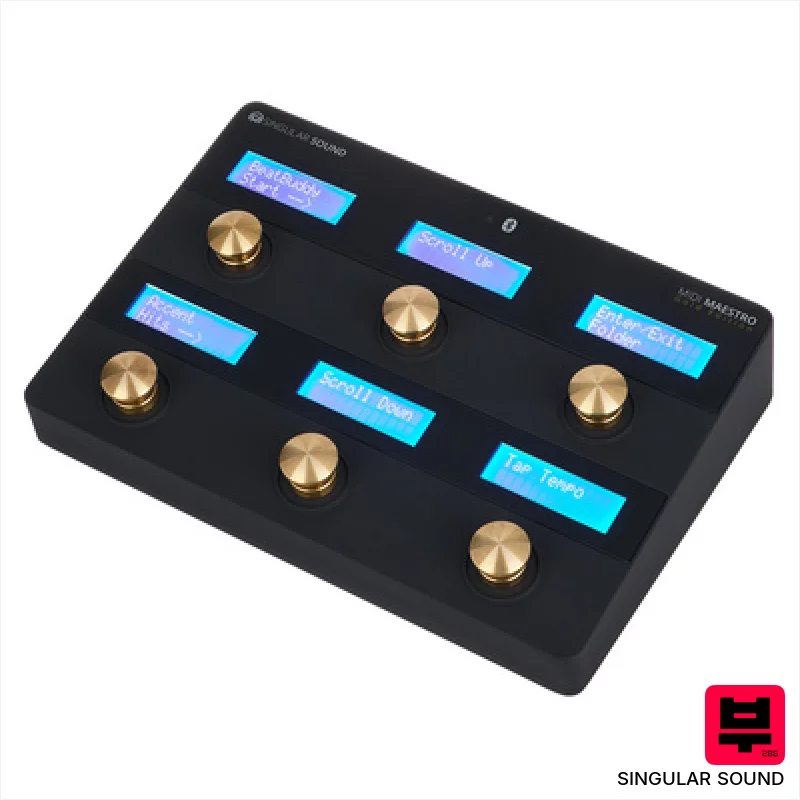
Singular Sound Midi Maestro GE Controller
MIDI Footswitches
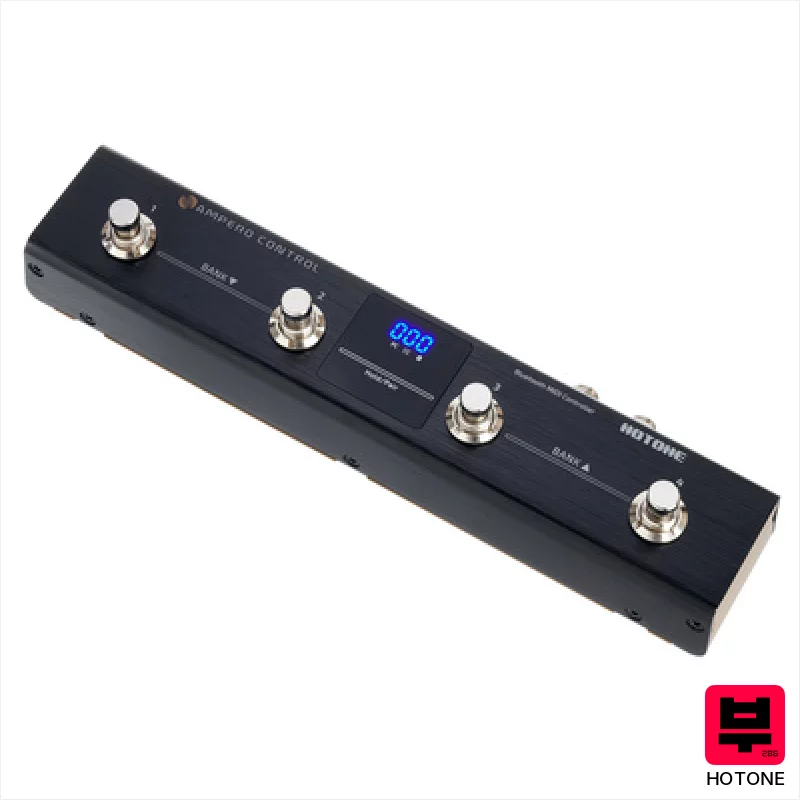
Hotone Ampero Control
MIDI Footswitches

Fishman FC1 Foot Controller
MIDI Footswitches
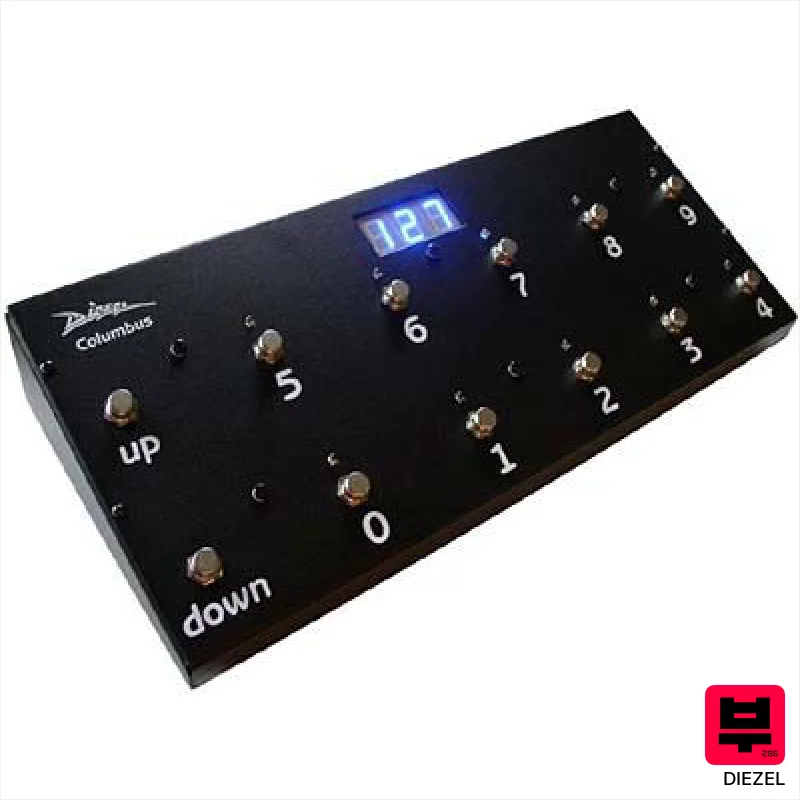
Diezel Columbus
MIDI Footswitches

Engl Z12
MIDI Footswitches
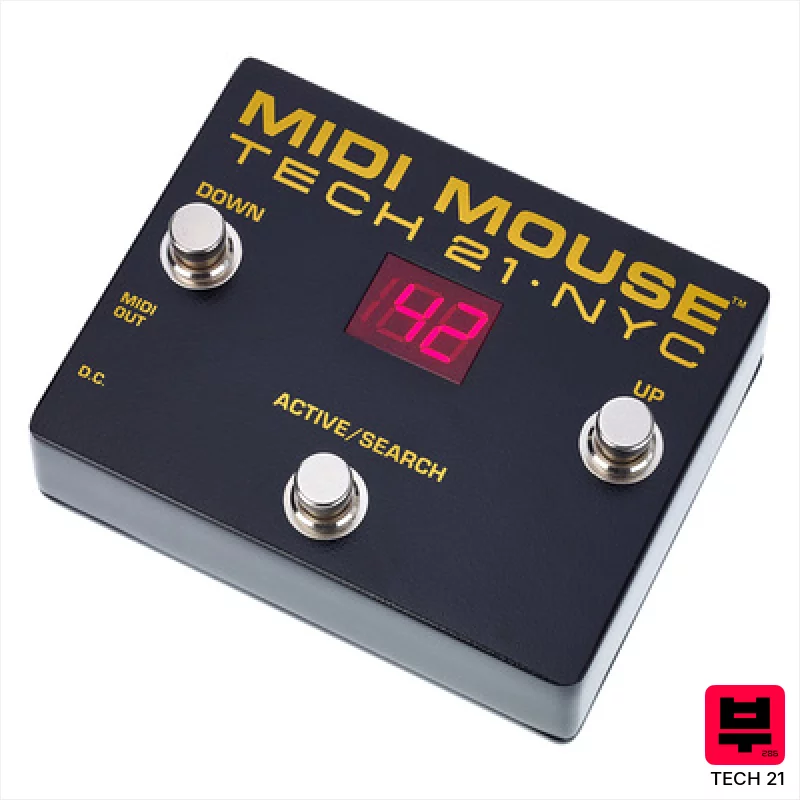
Tech 21 SansAmp MIDI Mouse
MIDI Footswitches
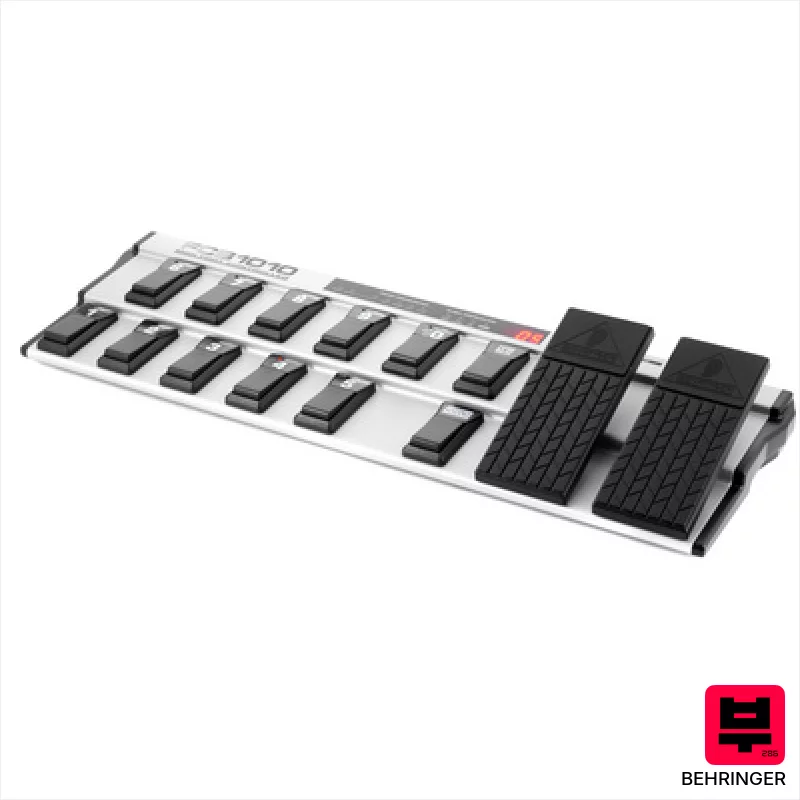
Behringer FCB1010
MIDI Footswitches
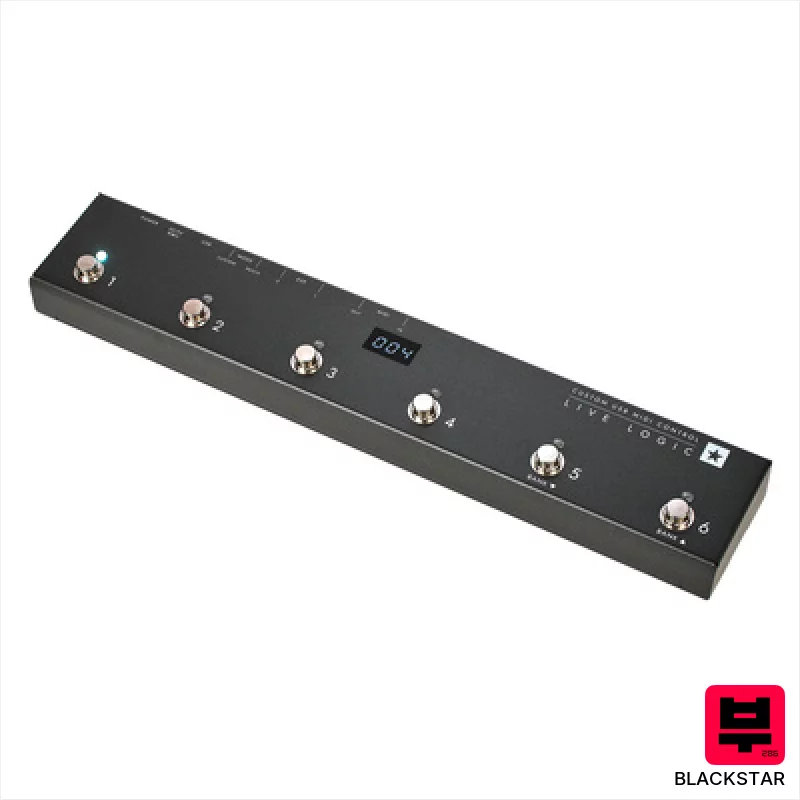
Blackstar Live Logic
MIDI Footswitches
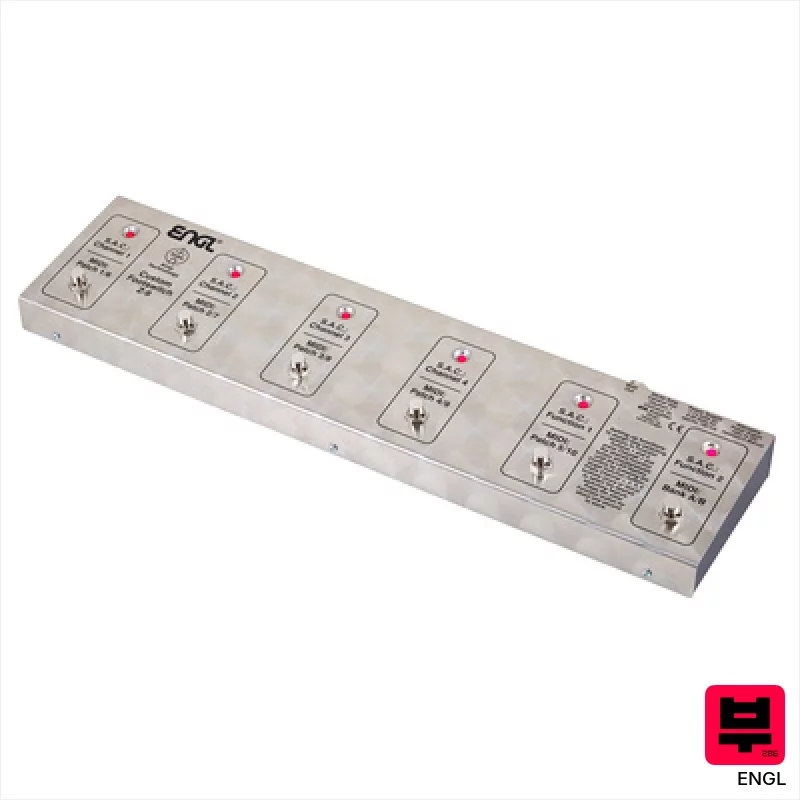
Engl Z9 MIDI Foot Controller
MIDI Footswitches
About MIDI Footswitches
MIDI footswitches provide hands-free control over digital amplifiers, effects processors, and other MIDI-enabled gear. Guitarists and bassists use them to seamlessly switch channels, presets, and effects during live performance or recording. These controllers offer precision and repeatability, essential for dynamic and complex musical setups.
MIDI Footswitches — Pros & Cons
PROS
- Allows for complex, hands-free control of MIDI devices.
- Increases performance flexibility and dynamic range.
- Provides consistent and repeatable preset changes.
- Can streamline recording workflows with automated transitions.
CONS
- Programming can be complex and time-consuming initially.
- Reliant on MIDI implementation within connected devices.
- Can add to stage clutter and cable management needs.
- Foot feel can vary significantly between models.
Frequently Asked Questions About MIDI Footswitches
Standard footswitches are simple on/off controls; MIDI footswitches transmit MIDI messages to control a wider range of parameters on connected devices.
Yes, many MIDI footswitches allow for assigning multiple MIDI messages to a single switch, enabling complex control over multiple parameters.
Momentary switches only send a MIDI message while pressed; latching switches toggle a setting on and off with each press.

