 AudioFu
Catalog
In-Ear Monitoring
380 instruments available · See the ranking



About In-Ear Monitoring
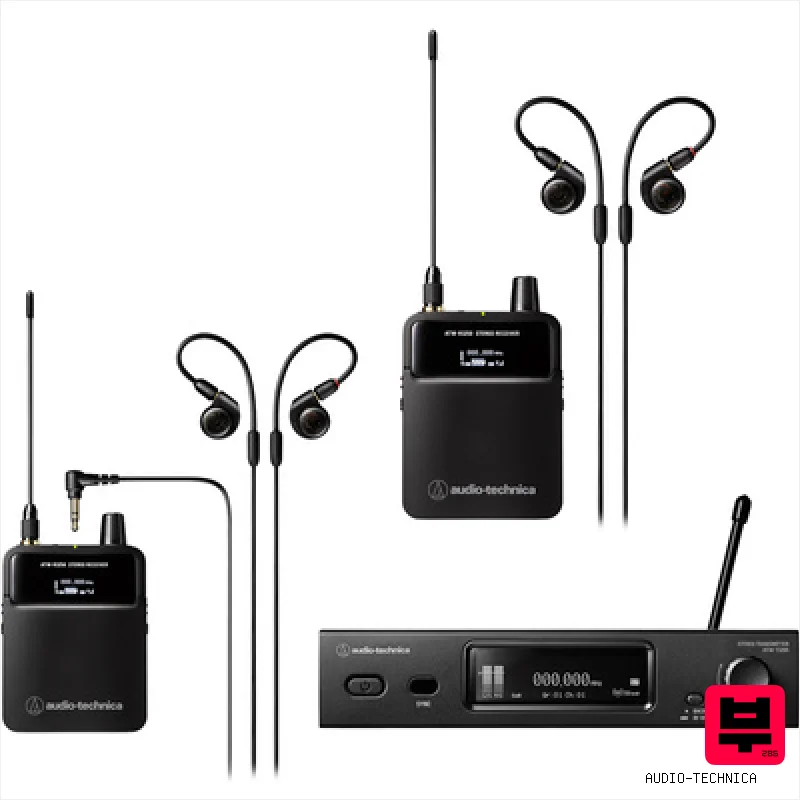
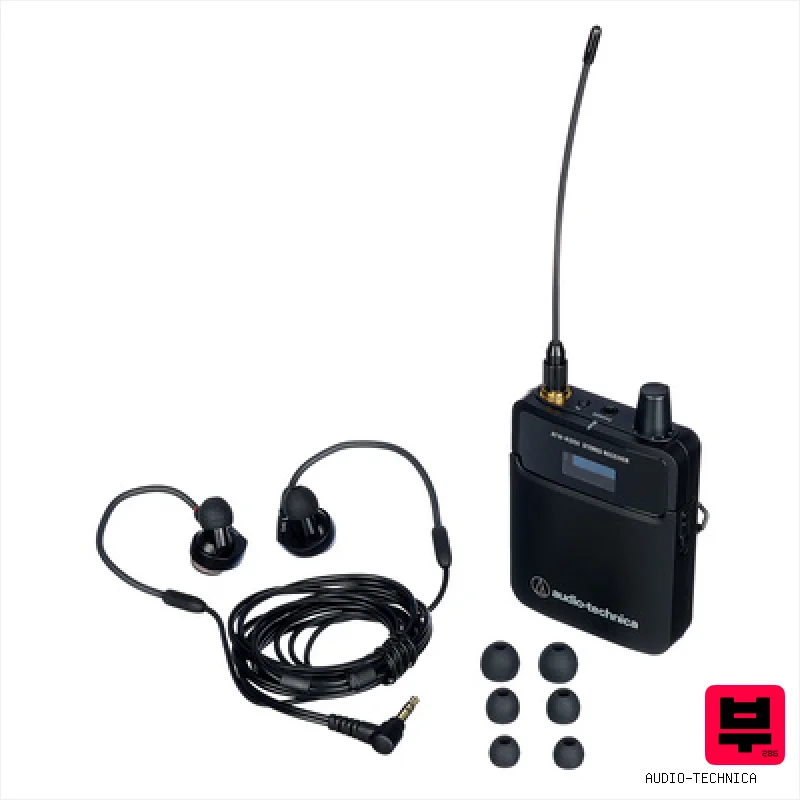
In-ear monitoring (IEM) systems provide a personal, stage-friendly alternative to traditional wedge monitors. These systems, comprised of headphones and wireless transmitters, deliver a focused and consistent audio mix directly to the performer's ears, minimizing stage volume and feedback issues. IEMs are crucial for maintaining clarity and control in demanding live and studio environments.
Best for
What to look for
In-Ear Monitoring — pros & cons
- Improved clarity and isolation compared to traditional stage monitors
- Reduced stage volume and feedback potential
- Greater control over individual monitor mixes
- Enhanced on-stage communication and hearing protection
- Can be expensive, especially for comprehensive wireless systems
- Potential for latency issues if the system isn't well-engineered
- Requires careful setup and EQ to avoid unnatural sound
- Reliance on batteries and proper charging
Questions about In-Ear Monitoring
What's the difference between 'wired' and 'wireless' IEM systems?
Wired IEMs connect directly to a mixer with a cable, offering reliable signal but limited movement. Wireless systems use a transmitter and receiver, providing freedom of movement but potentially introducing latency.
How many channels do I need in an IEM system?
More channels allow for more independent monitor mixes; typically, a band needs 4-8 channels to accommodate individual preferences.
What does 'latency' mean in the context of wireless IEMs?
Latency is the delay between the sound source and what you hear in your ears; excessive latency can be disorienting and impact performance.