
Headless Bass Guitars
29 instruments available
Shop Headless Bass Guitars 2026
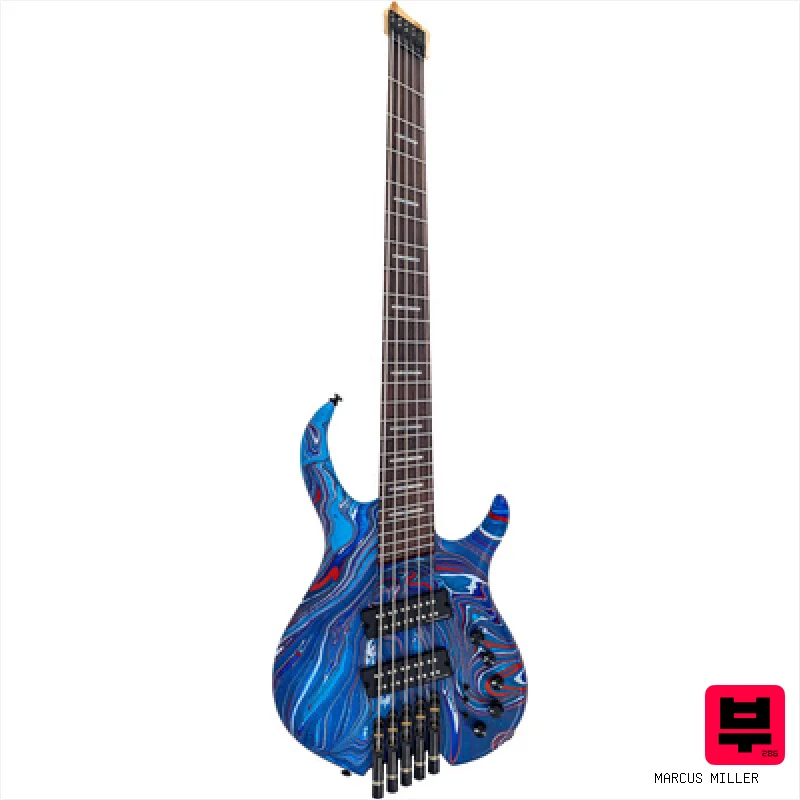
Marcus Miller M6 Headless 5 Blue Swirl
Headless Bass Guitars
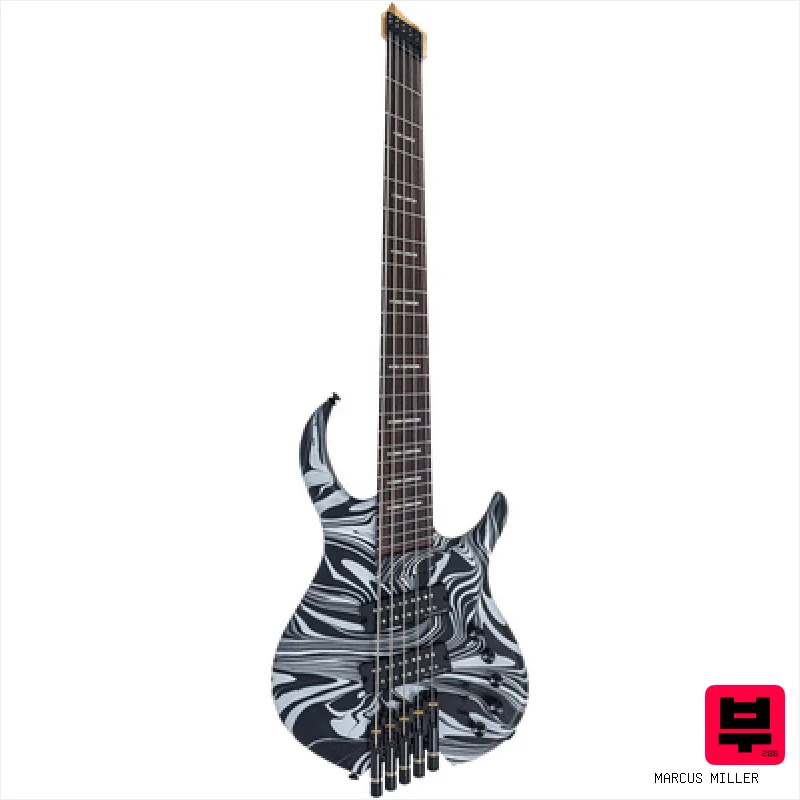
Marcus Miller M6 Headless 5 Black Swirl
Headless Bass Guitars
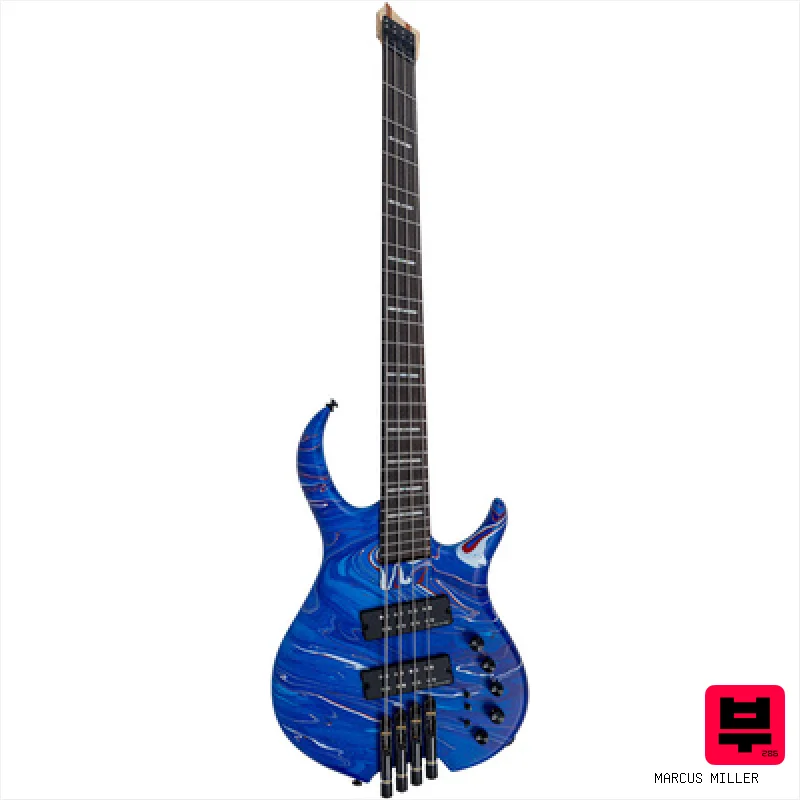
Marcus Miller M6 Headless 4 Blue Swirl
Headless Bass Guitars
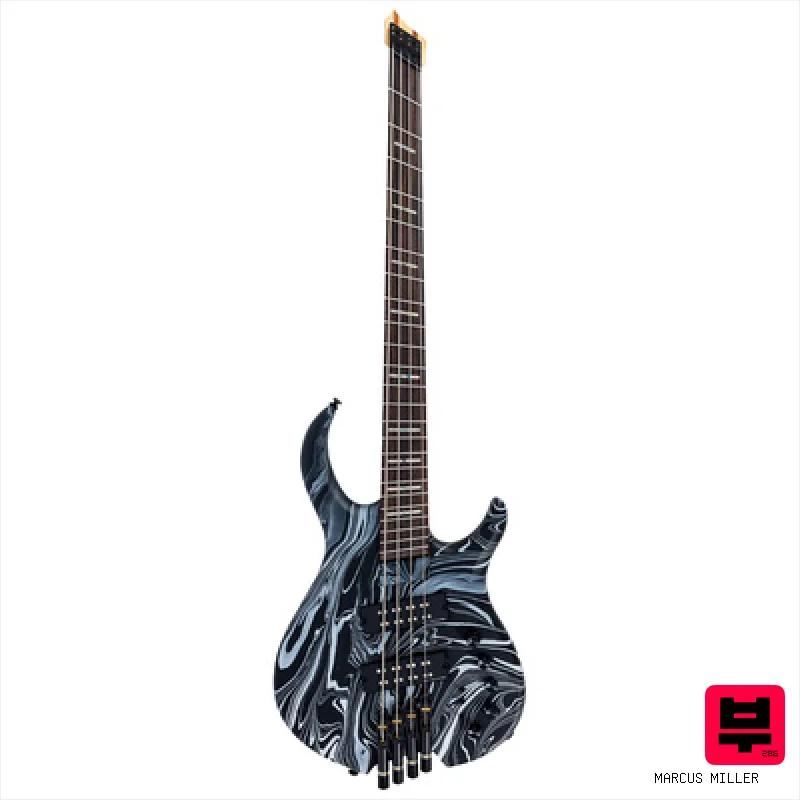
Marcus Miller M6 Headless 4 Black Swirl
Headless Bass Guitars
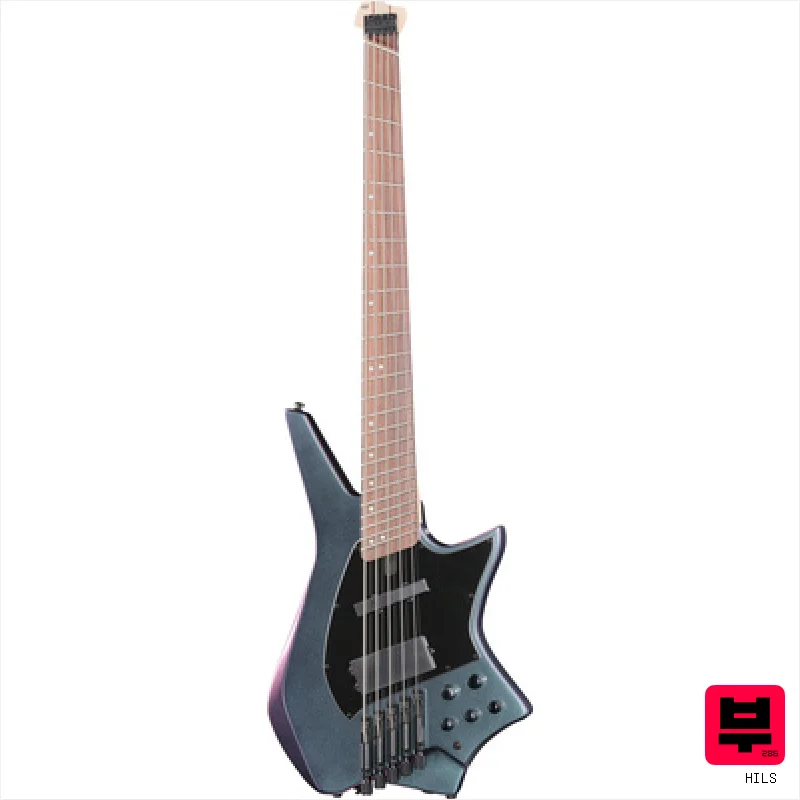
Hils HZB5 Mystic Purple
Headless Bass Guitars
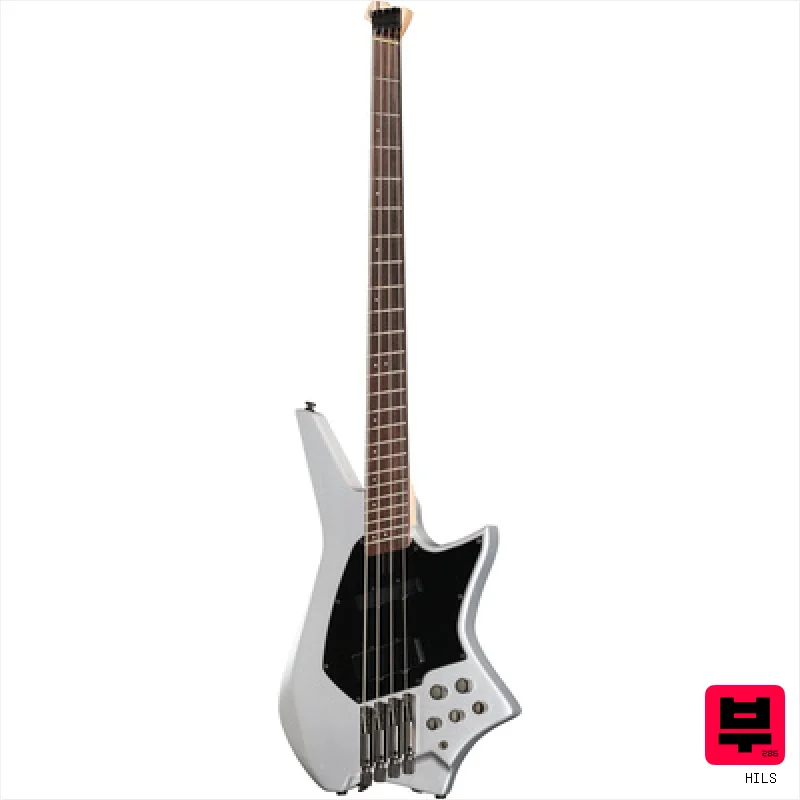
Hils HZB4 SSV
Headless Bass Guitars
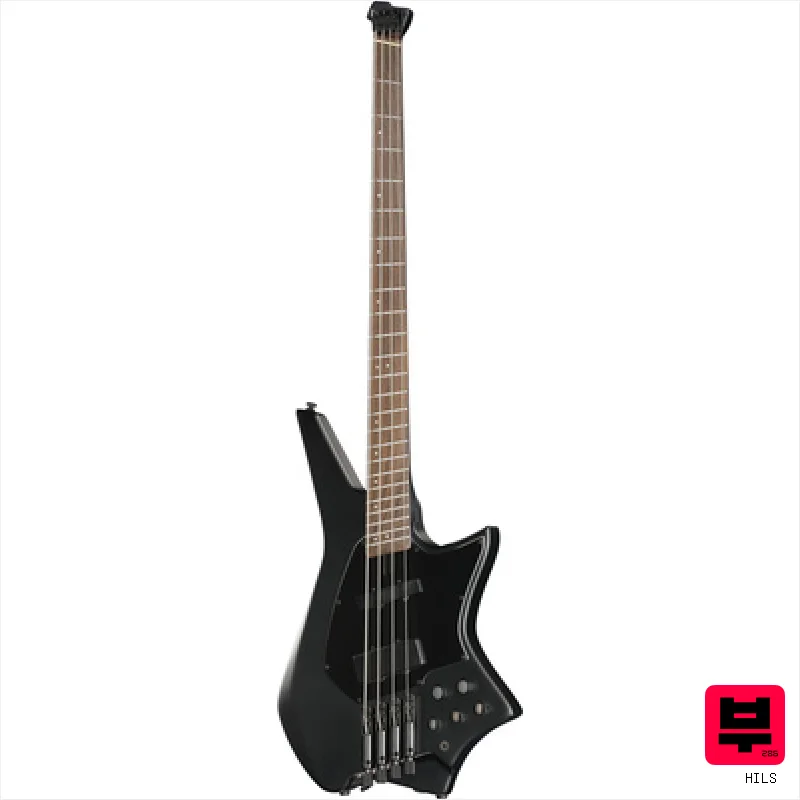
Hils HZB4 SBK
Headless Bass Guitars
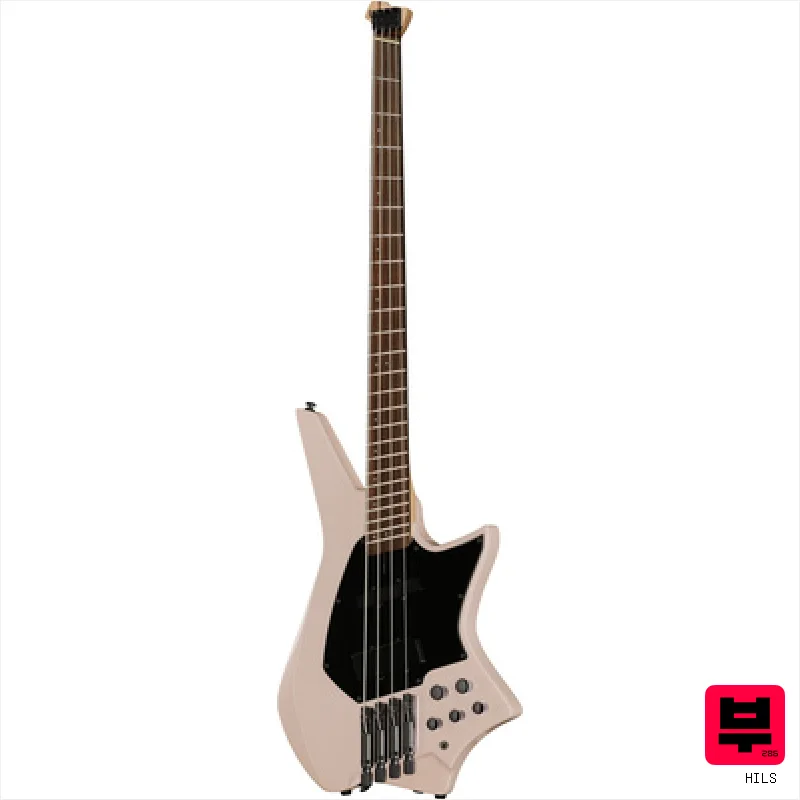
Hils HZB4 GAP
Headless Bass Guitars
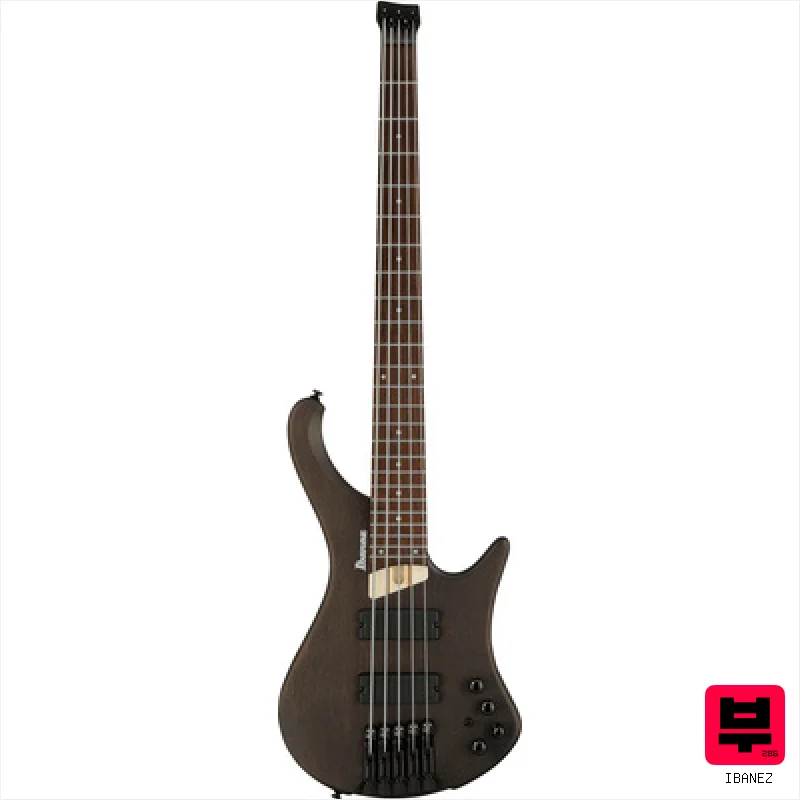
Ibanez EHB605-WNF
Headless Bass Guitars
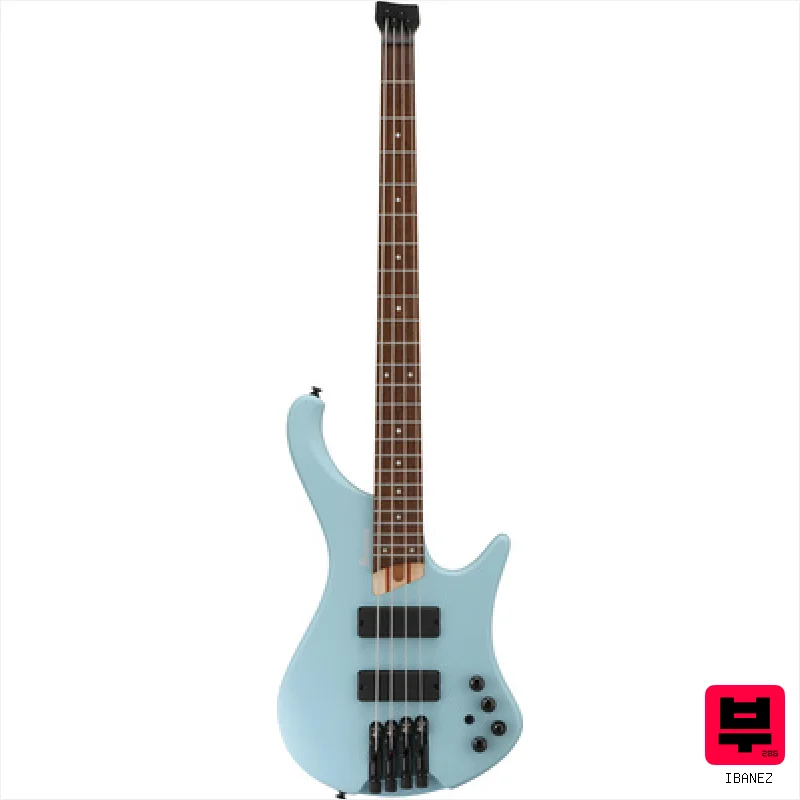
Ibanez EHB600-PRM
Headless Bass Guitars
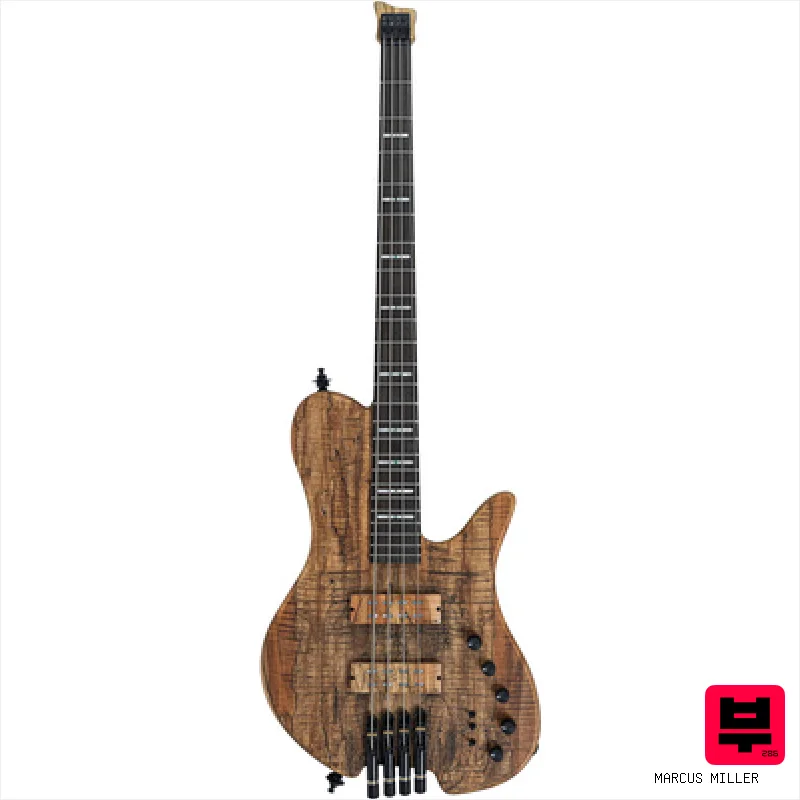
Marcus Miller F10 Dx 4 Headless Natural
Headless Bass Guitars
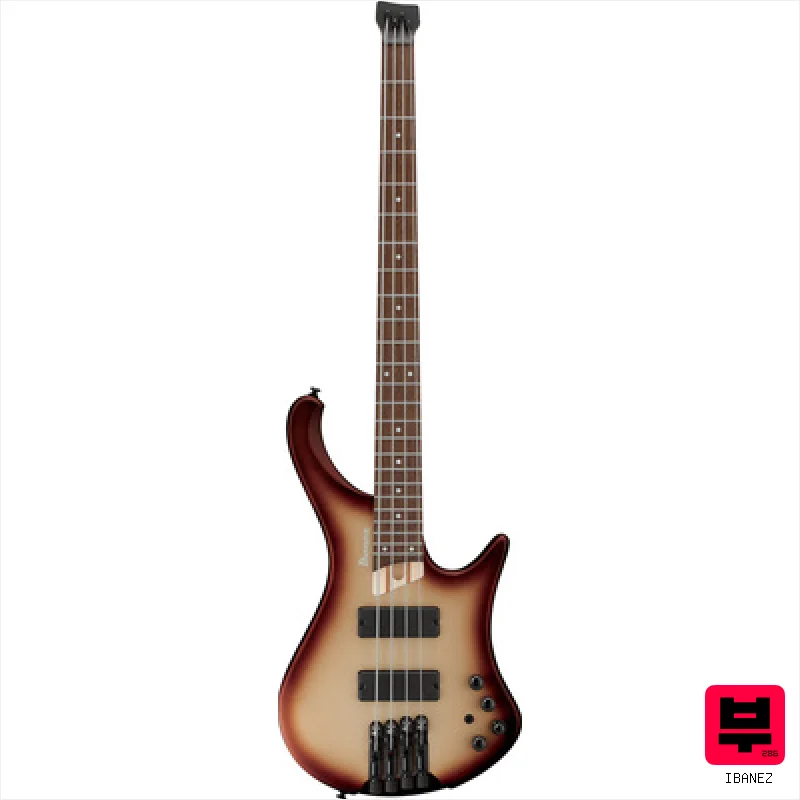
Ibanez EHB600-CCM
Headless Bass Guitars
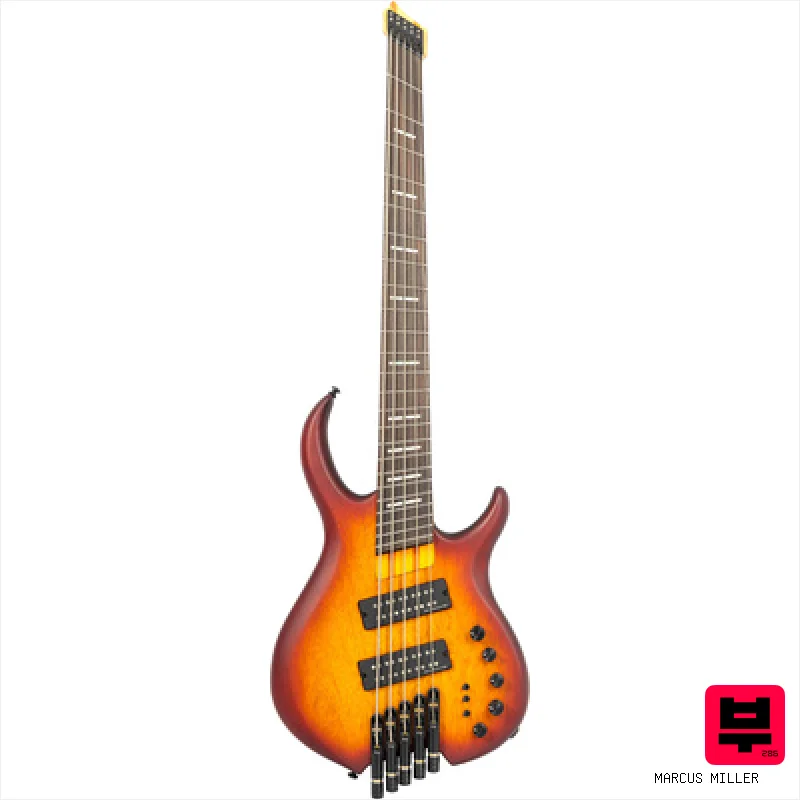
Marcus Miller M6 Headless 5 TS
Headless Bass Guitars
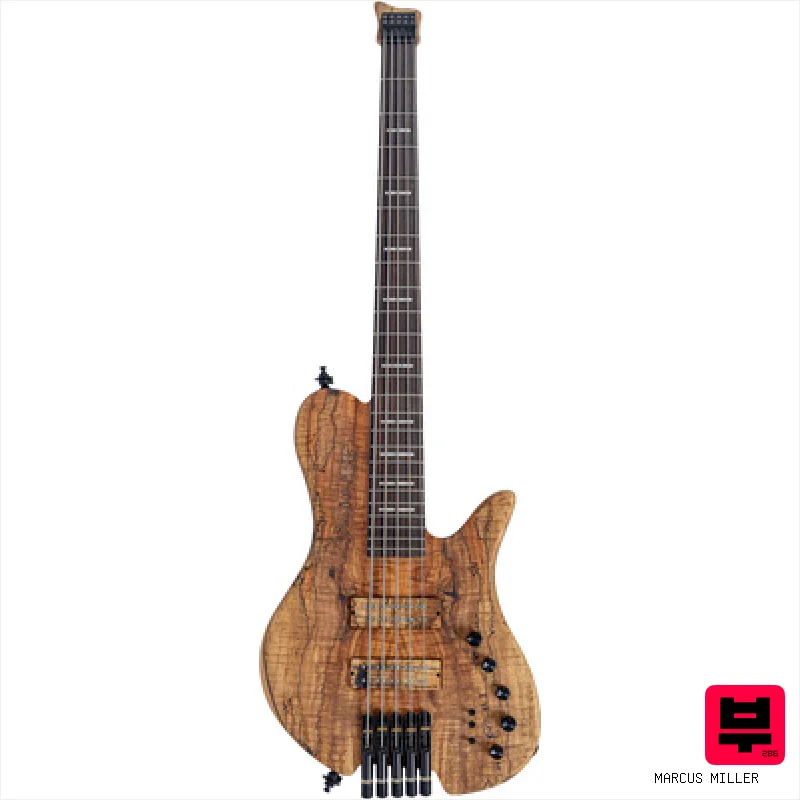
Marcus Miller F10 Dx 5 Headless Natural
Headless Bass Guitars
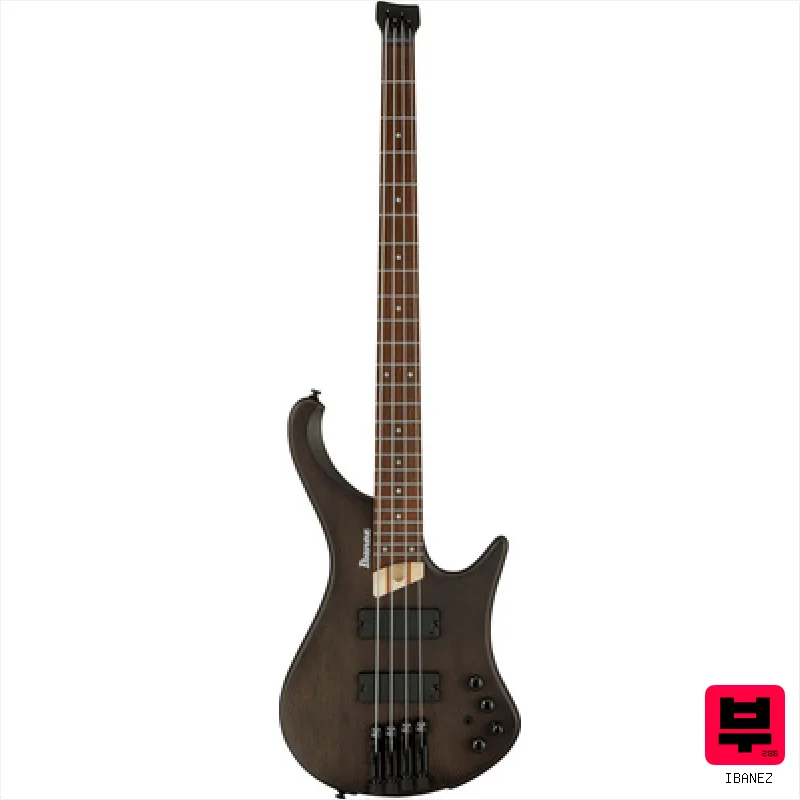
Ibanez EHB600-WNF
Headless Bass Guitars

Cort Space 4 Star Dust Green
Headless Bass Guitars
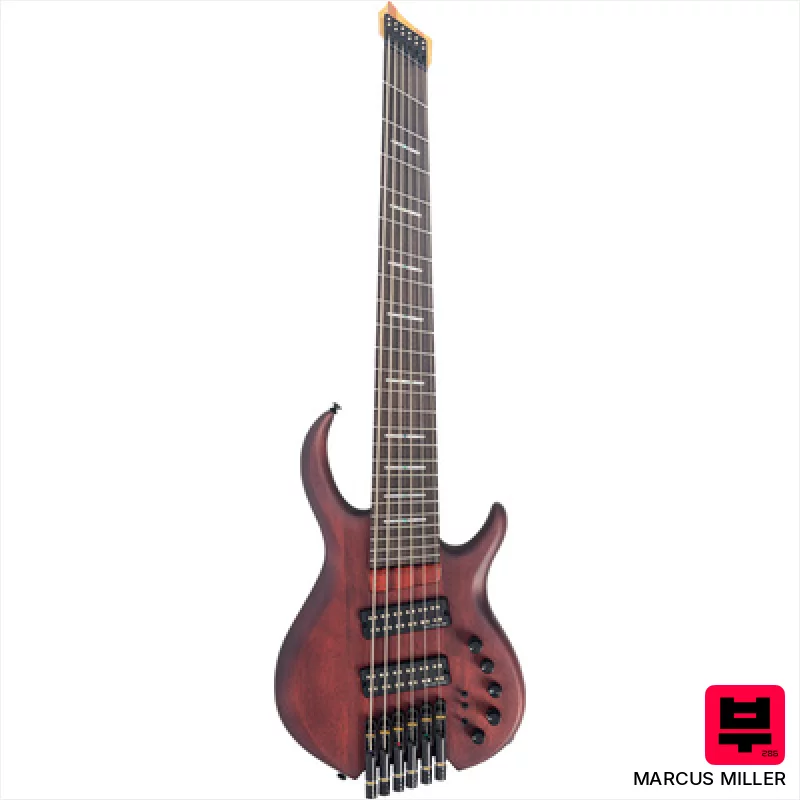
Marcus Miller M6 Headless 6 MS
Headless Bass Guitars
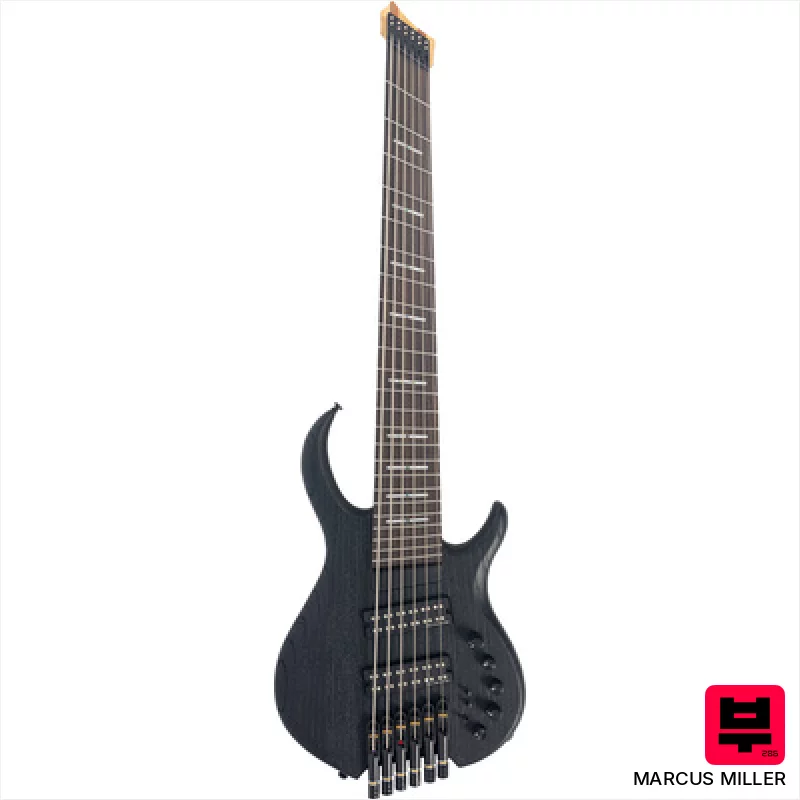
Marcus Miller M6 Headless 6 BK
Headless Bass Guitars
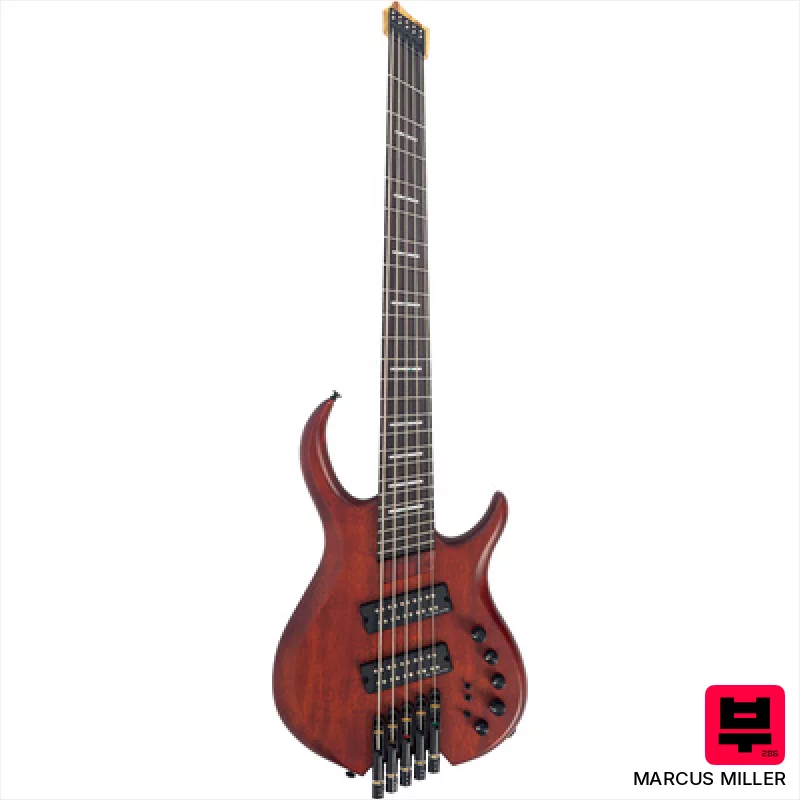
Marcus Miller M6 Headless 5 MS
Headless Bass Guitars
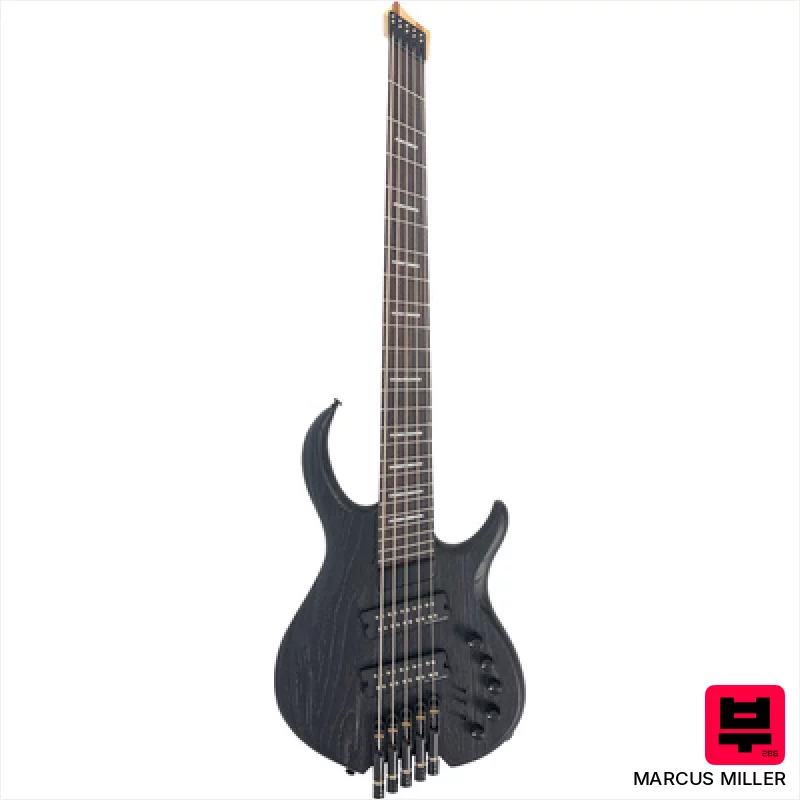
Marcus Miller M6 Headless 5 BK
Headless Bass Guitars
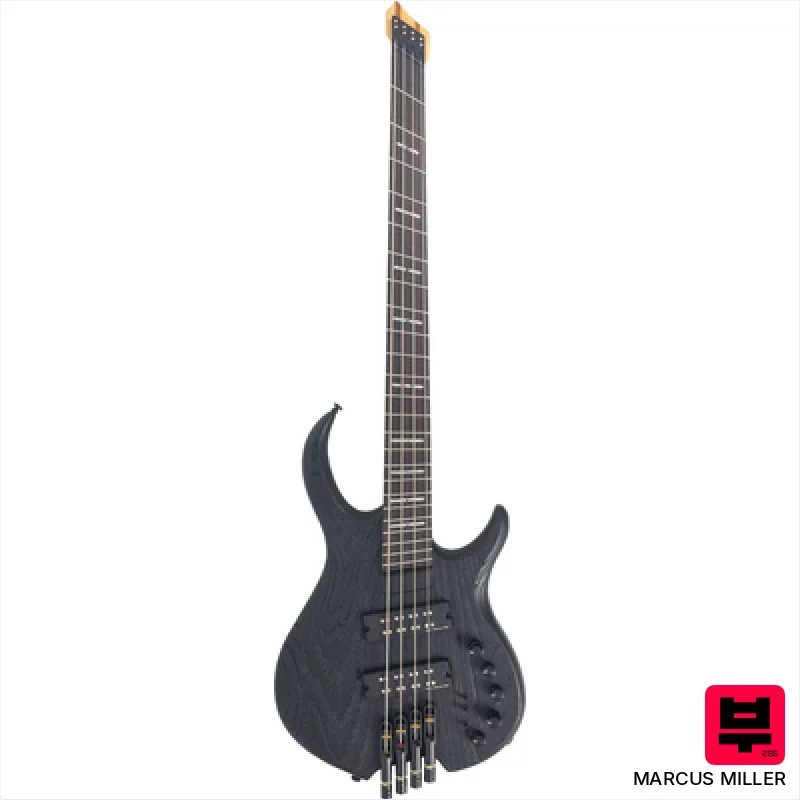
Marcus Miller M6 Headless 4 BK
Headless Bass Guitars
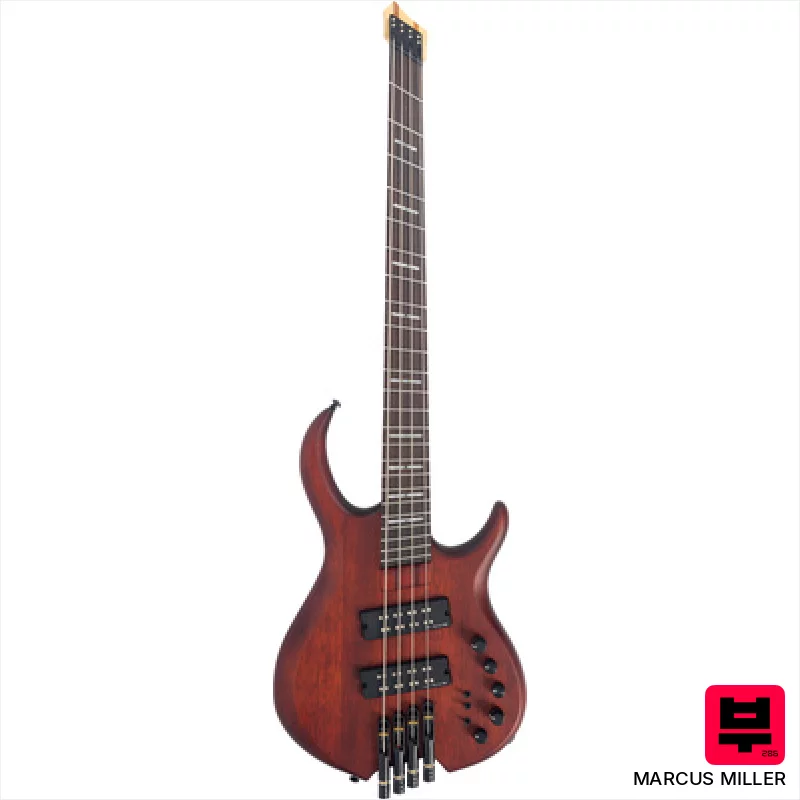
Marcus Miller M6 Headless 4 MS
Headless Bass Guitars

Hils HNB3 Black
Headless Bass Guitars
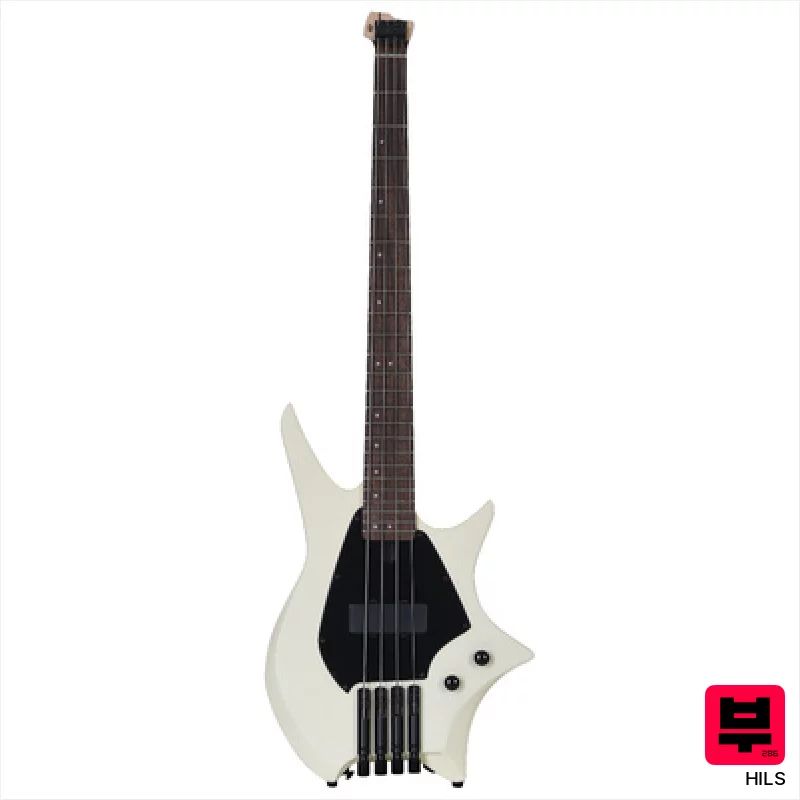
Hils HNB3 Ivory
Headless Bass Guitars
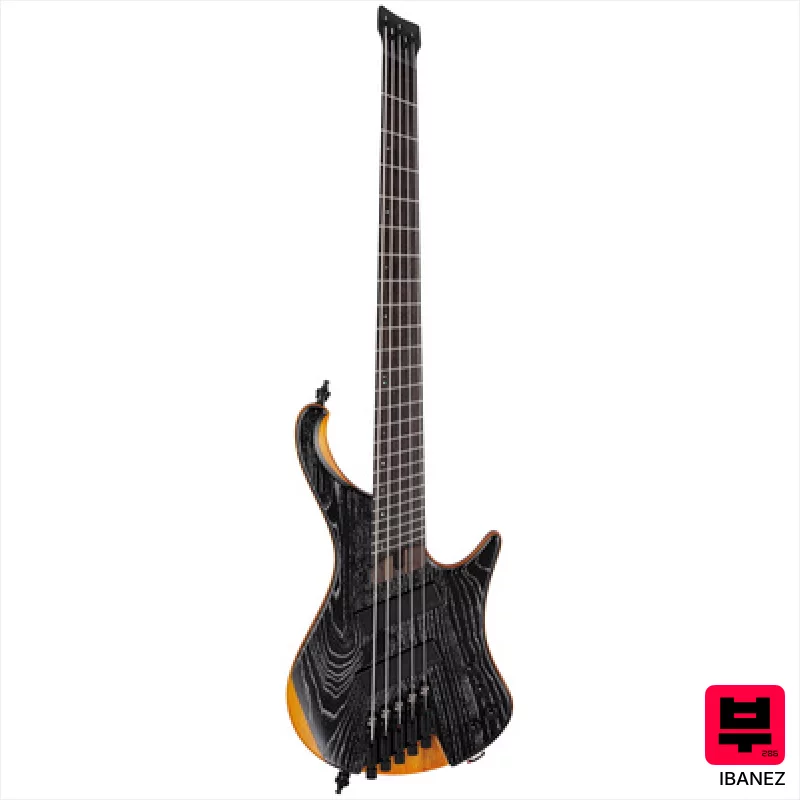
Ibanez EHB1135MS-SKL
Headless Bass Guitars
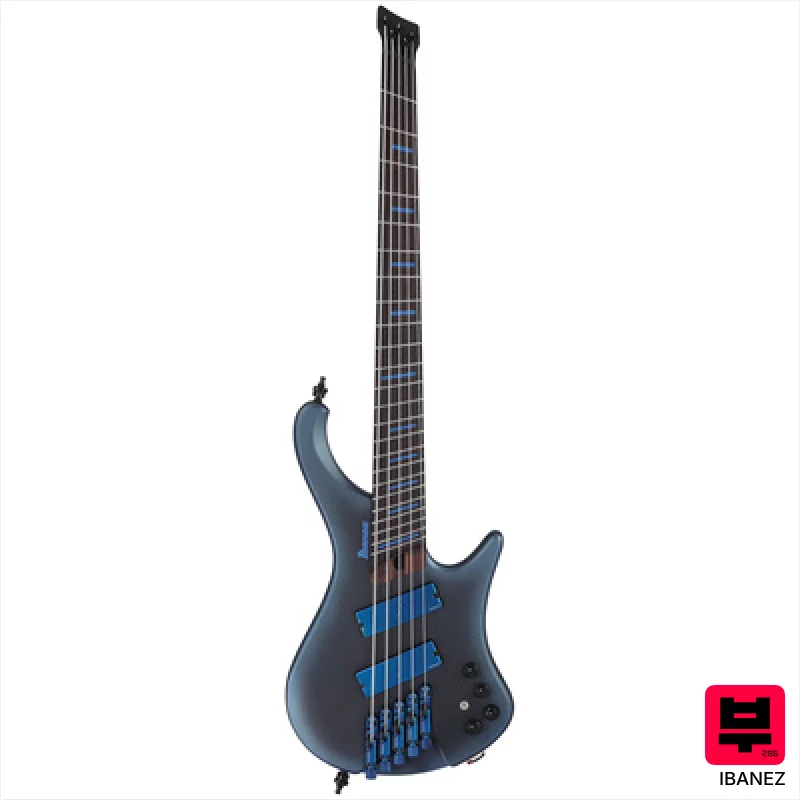
Ibanez EHB5MSBSP-MAM
Headless Bass Guitars
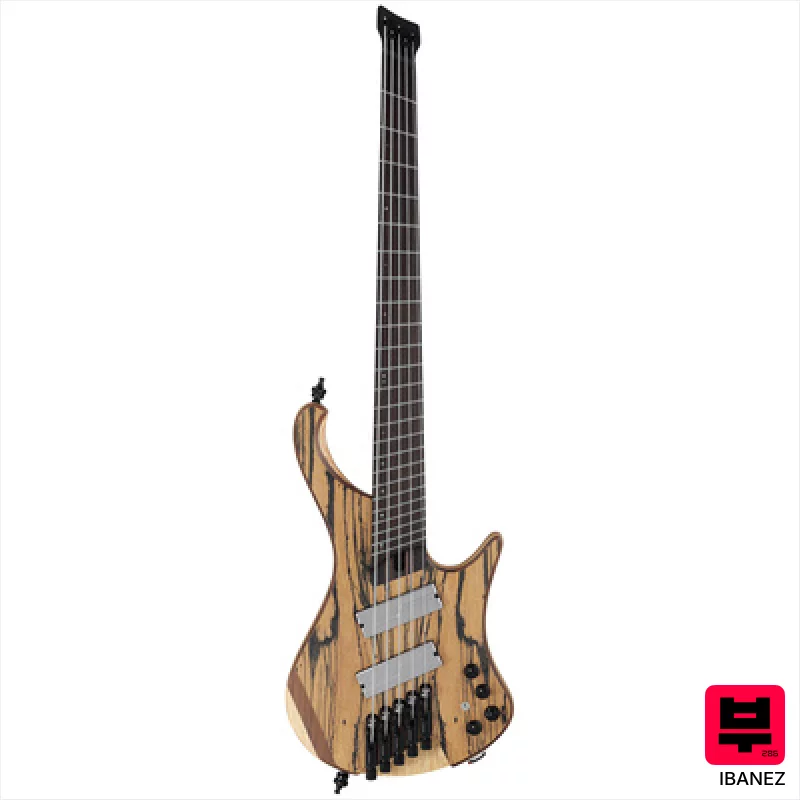
Ibanez EHB1675MS-NTF
Headless Bass Guitars

Cort Artisan Space 5 SDB
Headless Bass Guitars
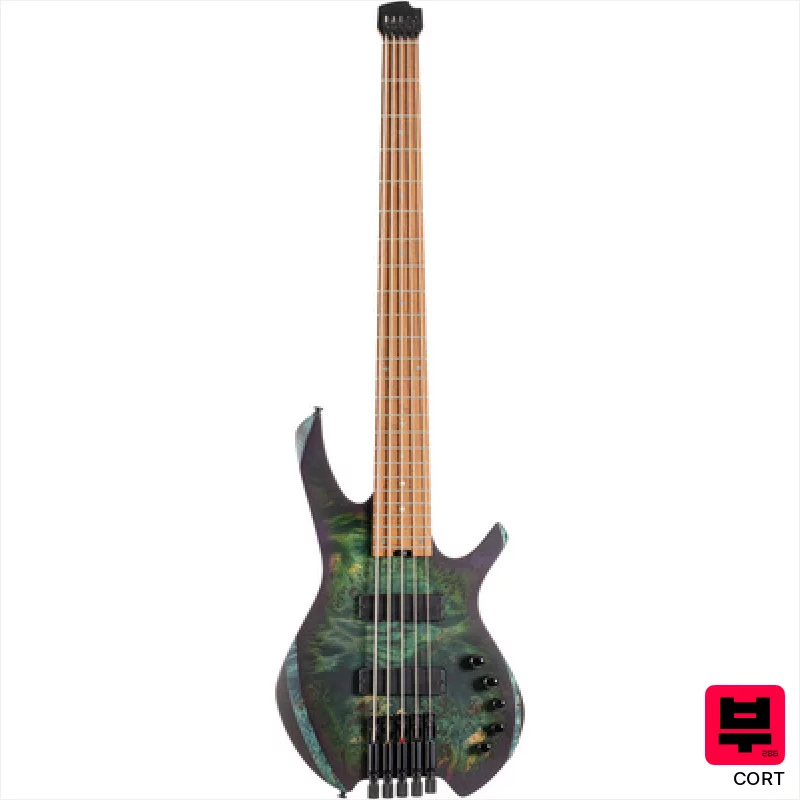
Cort Artisan Space 5 SDG
Headless Bass Guitars
About Headless Bass Guitars
Headless bass guitars offer a striking aesthetic and unique ergonomic advantages, favored by players seeking precision and a streamlined stage presence. Their unconventional design, eliminating the headstock, shifts the tuning machines to the bridge, often resulting in improved balance and string tension. This category caters to bassists prioritizing a modern look and exceptional playability.
Headless Bass Guitars — Pros & Cons
PROS
- Enhanced balance improves comfort and reduces strain during performance.
- String tension is more even, potentially improving intonation and feel.
- Unique aesthetics provide a distinct visual identity on stage.
- Often feature innovative design elements and modern electronics.
CONS
- Initial setup and string changes can be more complex.
- Bridge adjustments can be more sensitive and require precision.
- Can feel less familiar to players accustomed to traditional headstocks.
- Potential for increased bridge wear due to concentrated tuning stress.
Frequently Asked Questions About Headless Bass Guitars
While standard strings can be used, some players prefer lighter gauge strings to compensate for the increased tension and adjust feel.
The bridge acts as the anchor point for all tuning adjustments, so its construction and locking mechanism are critical for maintaining consistent pitch under performance demands.
It can be slightly more involved, as you must thread the string through the bridge and secure it properly. However, it's a manageable process with practice and the right tools.

