
Flugelhorns
97 instruments available
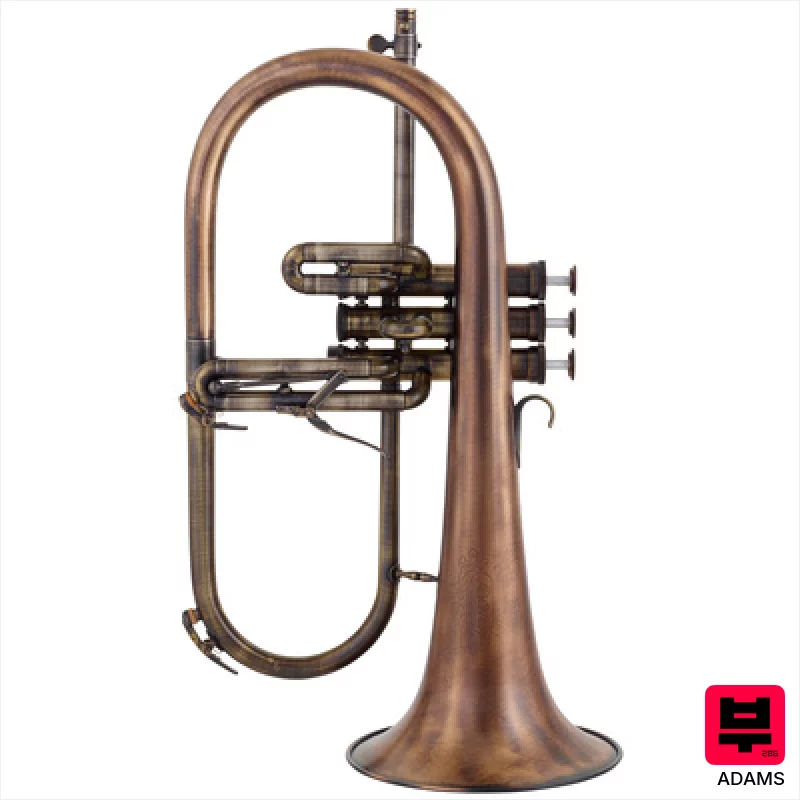
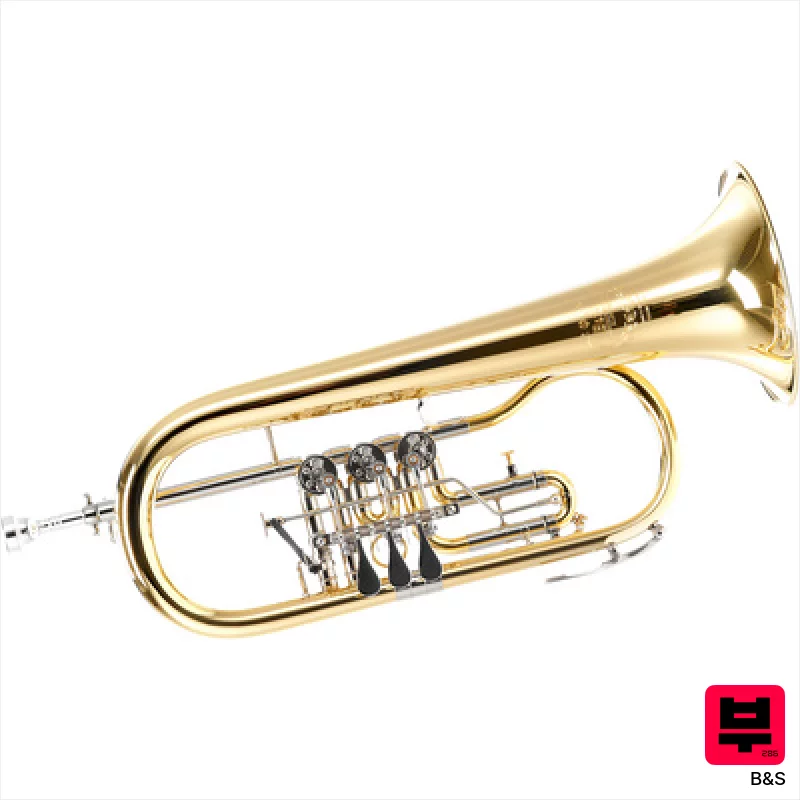
About Flugelhorns
Flugelhorns are mellophones pitched in B♭, offering a warmer, more rounded tone than trumpets. Primarily favored by British brass bands and jazz musicians, they provide a distinctive voice in ensemble settings and solo performance. Their mellow timbre is particularly well-suited for lyrical melodies and expressive playing.
Flugelhorns — Pros & Cons
PROS
- Offers a uniquely warm and mellow tonal character compared to trumpets
- Excellent projection and blend within a brass band setting
- Generally comfortable to hold and play, with a manageable embouchure requirement
- Versatile for both lyrical melodies and expressive improvisation
CONS
- Can be less penetrating than a trumpet in louder settings
- Rotary valve models require a different playing technique to master
- May exhibit a slightly darker tone, unsuitable for all musical styles
- Higher-end models can represent a significant investment
Frequently Asked Questions About Flugelhorns
The flugelhorn is pitched in B♭ like a trumpet but has a wider bell and different valve configuration, resulting in a warmer, more mellow tone.
Rotary valve flugelhorns are significantly more prevalent, particularly in British brass band tradition, while piston valves are less frequently encountered.
Generally, brass bells offer a brighter tone, while gold brass bells provide a warmer, richer, and more focused sound.

