 AudioFu
Catalog
Digital Pianos
318 instruments available · See the ranking

About Digital Pianos
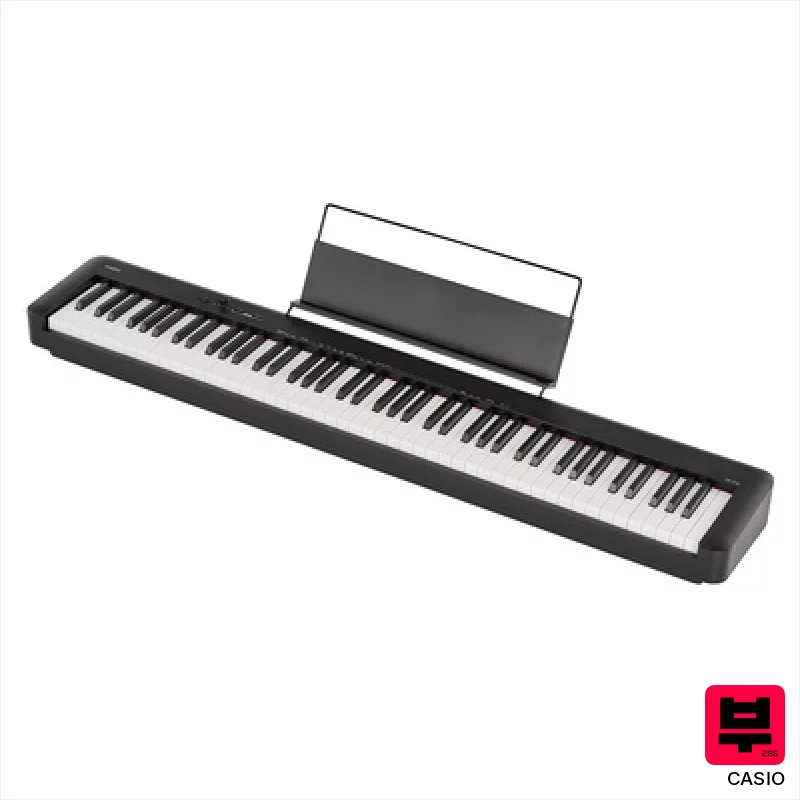
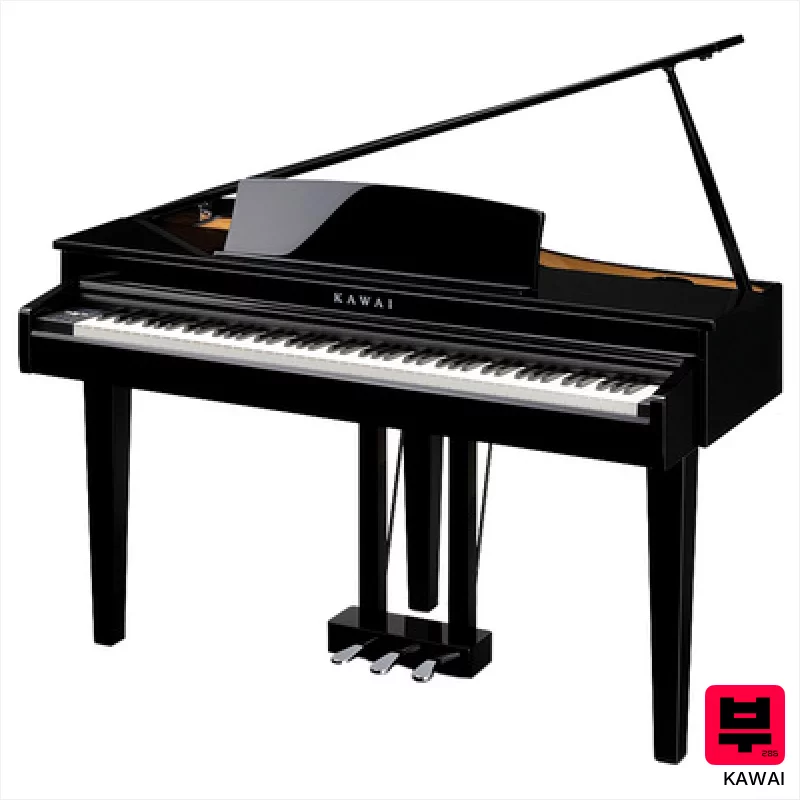
Digital pianos offer a versatile alternative to acoustic instruments, providing realistic sound and feel in a more compact and often more affordable package. They're ideal for beginners, experienced pianists with limited space, or those needing silent practice options. The technology has advanced significantly, blurring the lines between digital and acoustic pianos.
Best for
What to look for
Digital Pianos — pros & cons
- Space-saving compared to acoustic pianos, offering portability and convenience.
- Silent practice capabilities with headphones are a significant benefit.
- Often include a wide range of sounds beyond piano, expanding versatility.
- Generally more affordable than comparable acoustic pianos.
- The feel of the key action may not perfectly replicate an acoustic piano.
- Sound quality, while improving, can still lack the nuanced resonance of an acoustic.
- Dependence on power – requires electricity or batteries for operation.
- Can be susceptible to electronic malfunctions or component failure.
Questions about Digital Pianos
What is 'graded hammer action' and why is it important?
Graded hammer action simulates the heavier feel of lower piano keys and lighter feel of higher keys, creating a more realistic playing experience.
How much polyphony do I need in a digital piano?
Higher polyphony (number of notes that can sound simultaneously) is crucial for complex pieces or layered sounds, avoiding note dropouts.
What are the advantages of a digital piano with a wooden key action?
Wooden key actions provide a more authentic feel and improved responsiveness compared to plastic actions, enhancing the playing experience.