
Compensating Euphoniums
34 instruments available
Shop Compensating Euphoniums 2026
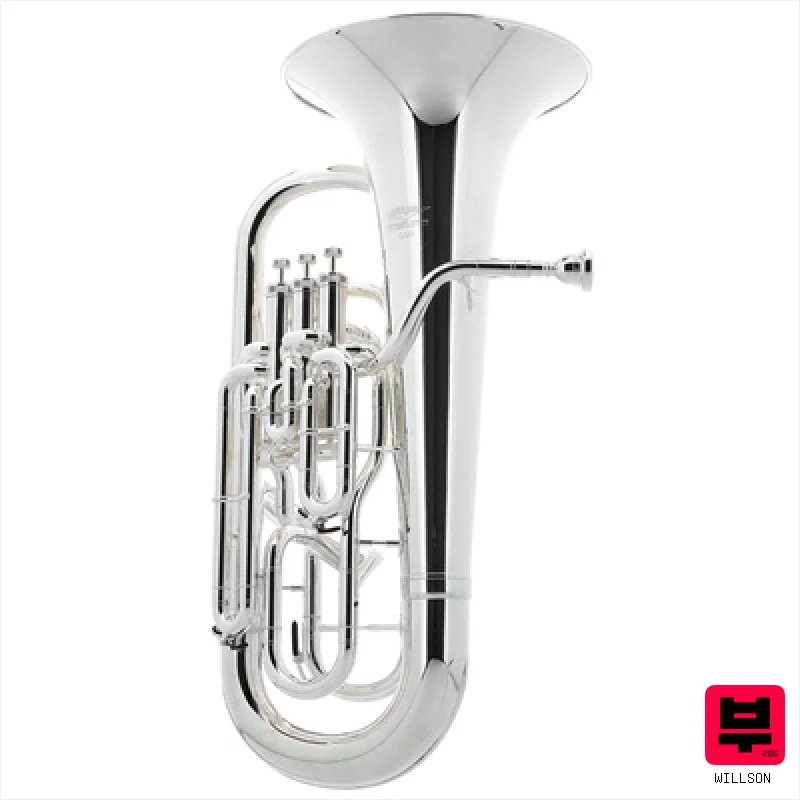
Willson Q90S Bb-Euphonium
Compensating Euphoniums
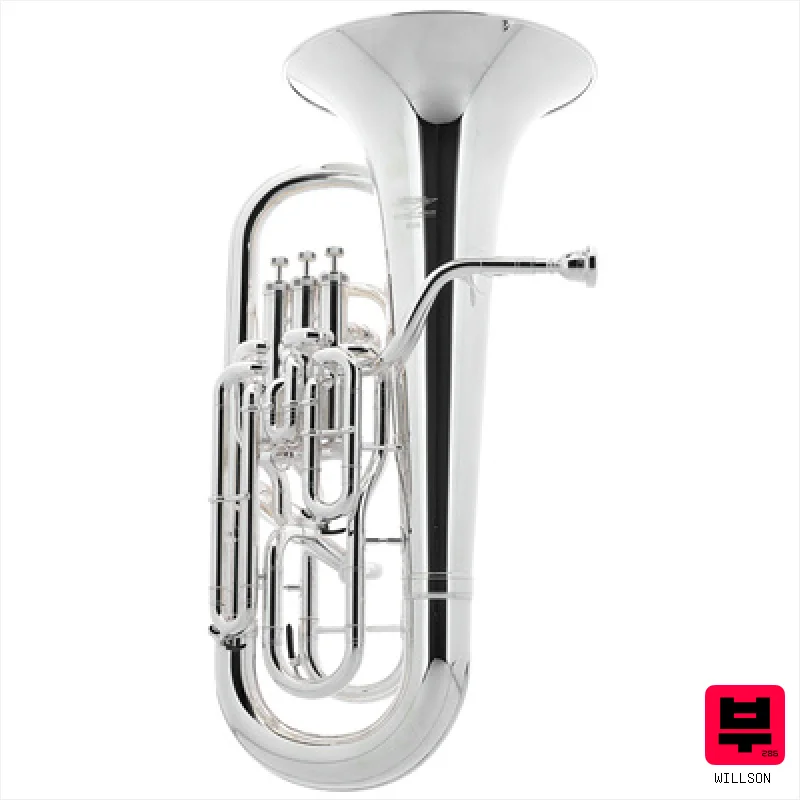
Willson K56S Bb-Euphonium
Compensating Euphoniums
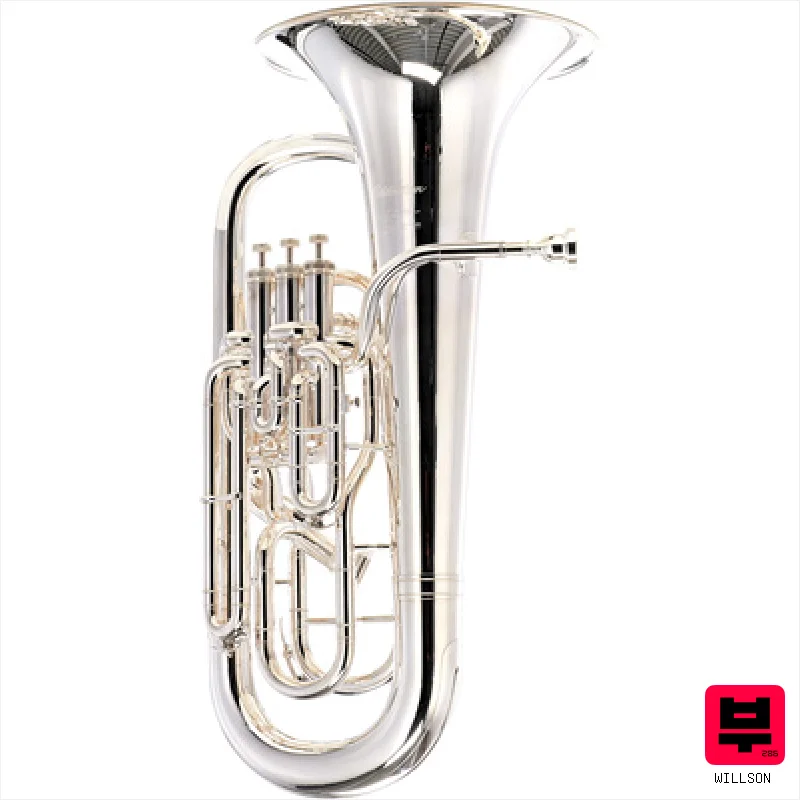
Willson 2960 TA-UK Bb-Euphonium
Compensating Euphoniums
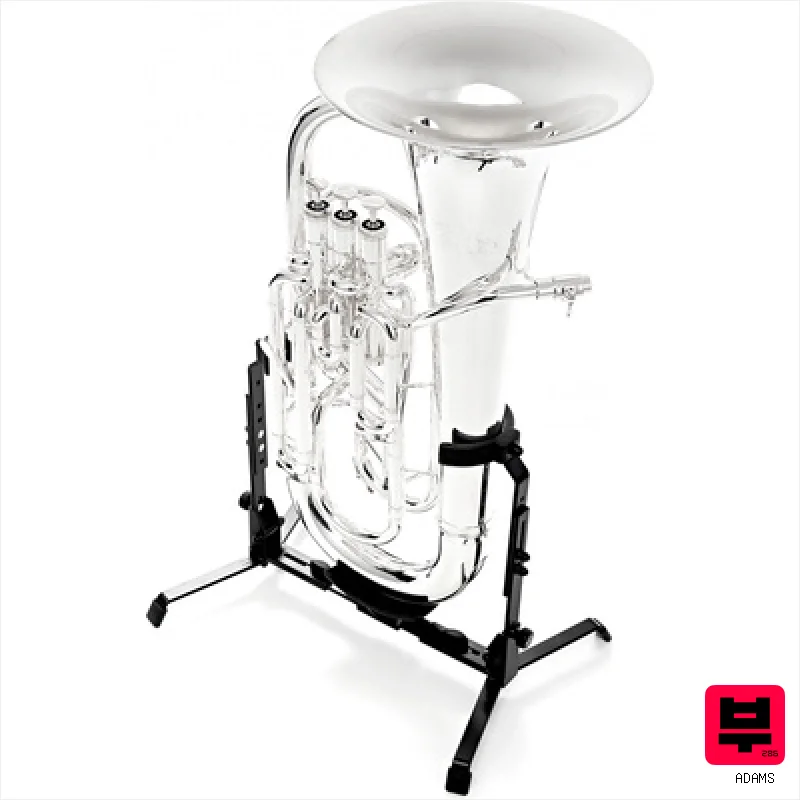
Adams E1 M-S 070 Bb-Euphonium
Compensating Euphoniums
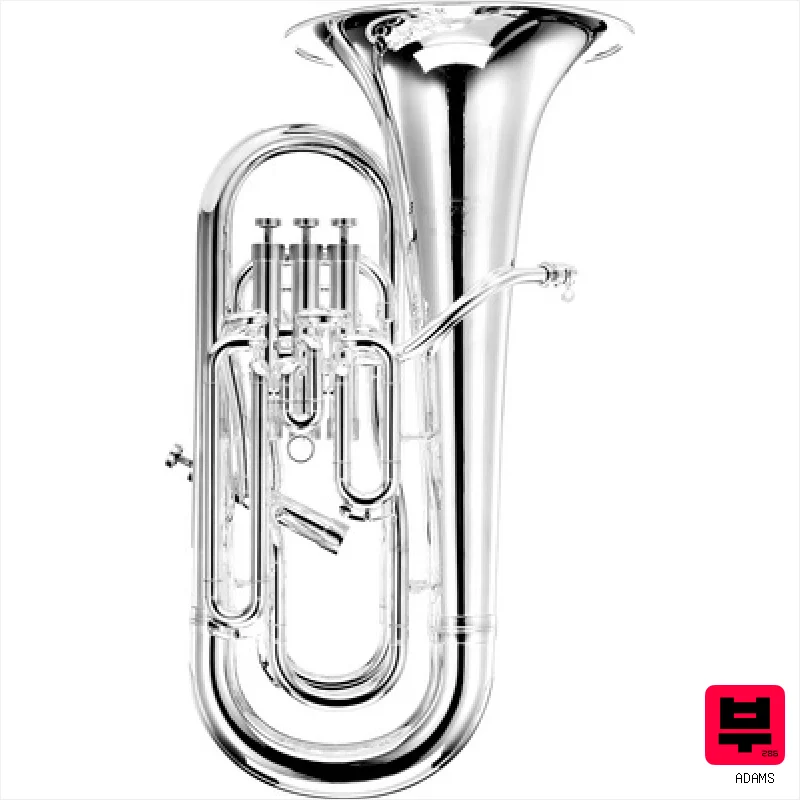
Adams E2 M-S 080 Bb-Euphonium
Compensating Euphoniums
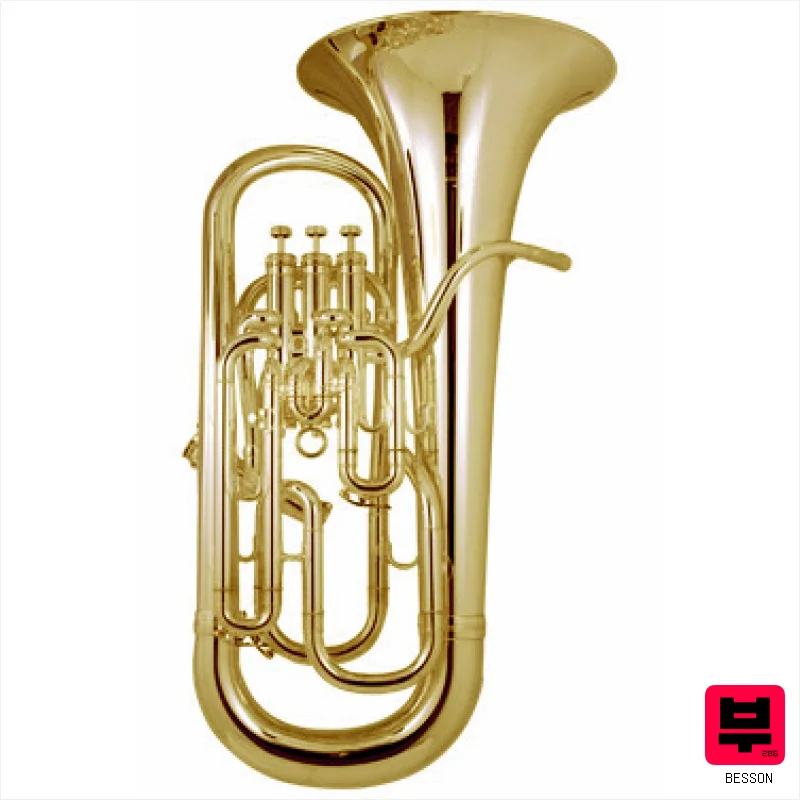
Besson BE967 Bb-Euphonium
Compensating Euphoniums
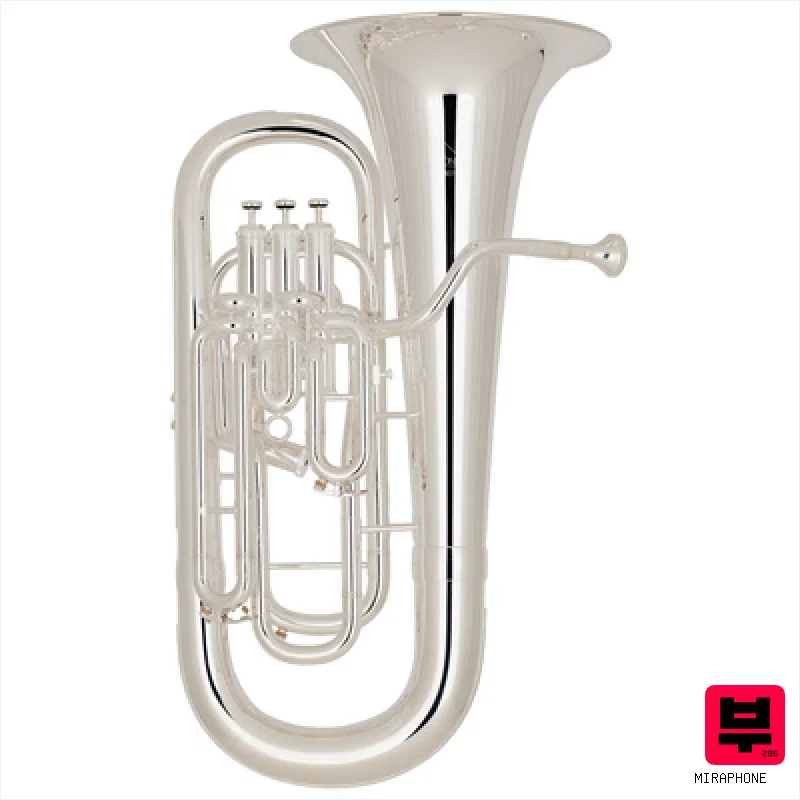
Miraphone M5000 Bb-Euphonium
Compensating Euphoniums
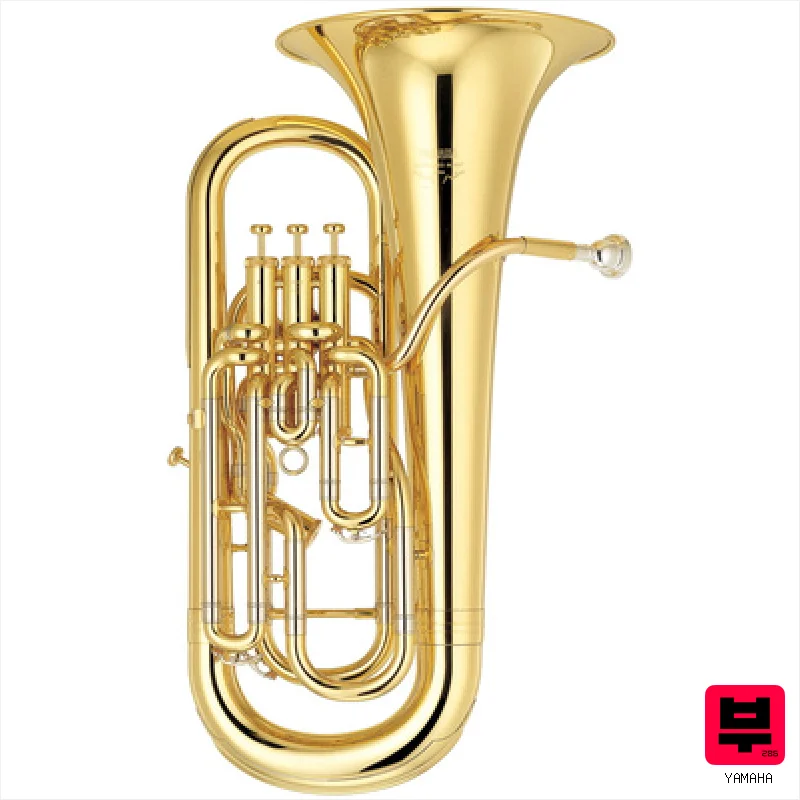
Yamaha YEP-642 II NEO Bb-Euphonium
Compensating Euphoniums
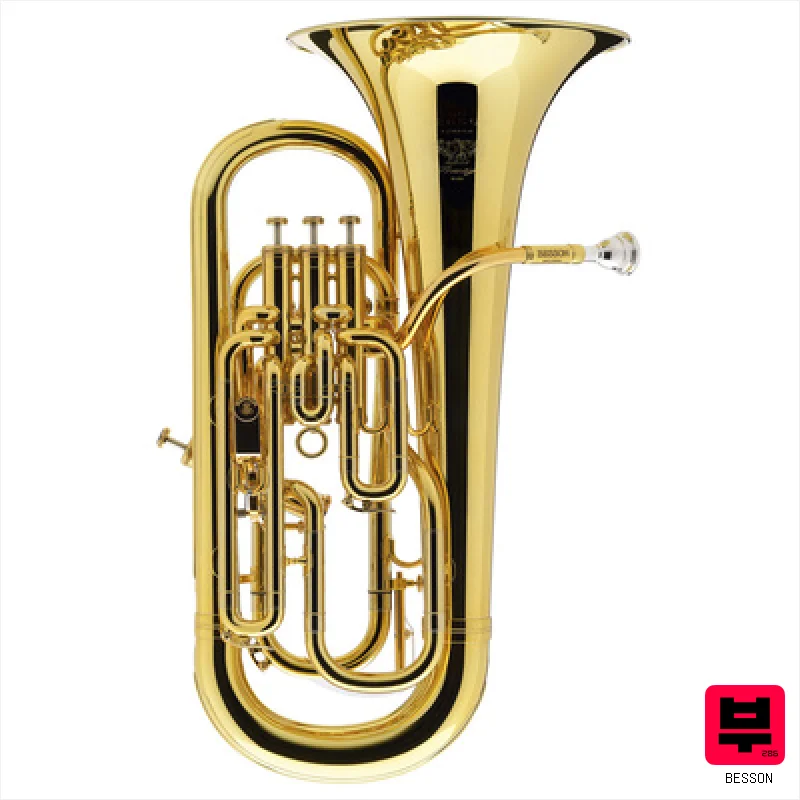
Besson BE2052-1 Bb-Euphonium
Compensating Euphoniums
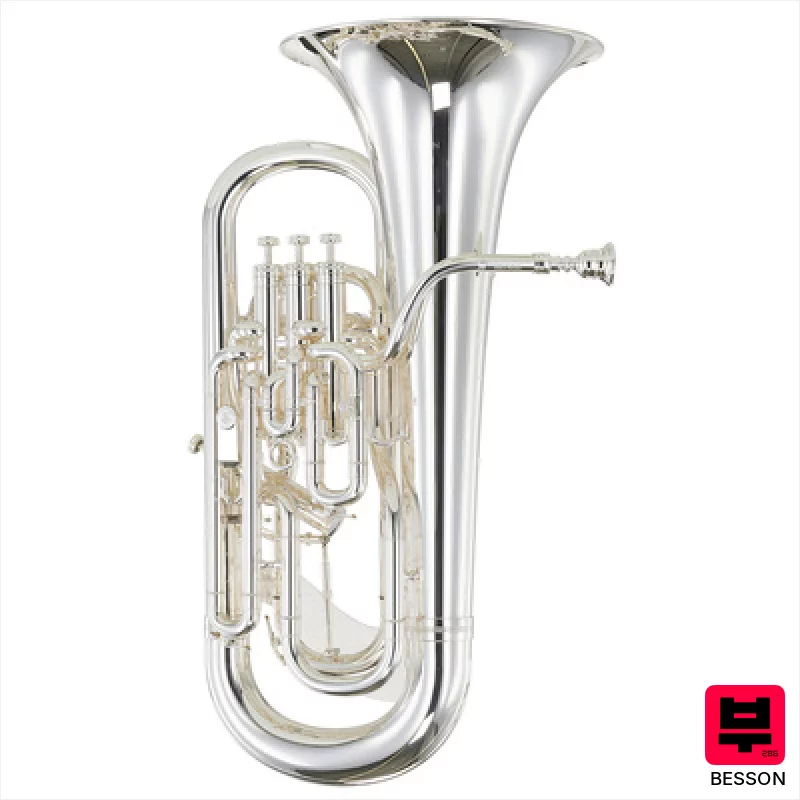
Besson BE969T-2 Bb-Euphonium
Compensating Euphoniums
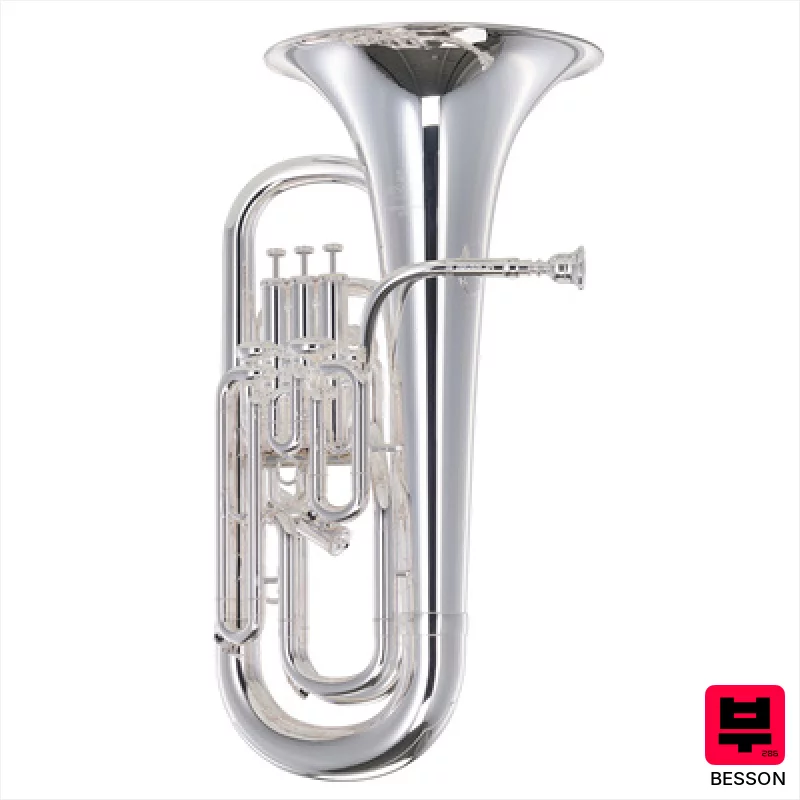
Besson BE767-2 Bb-Euphonium
Compensating Euphoniums
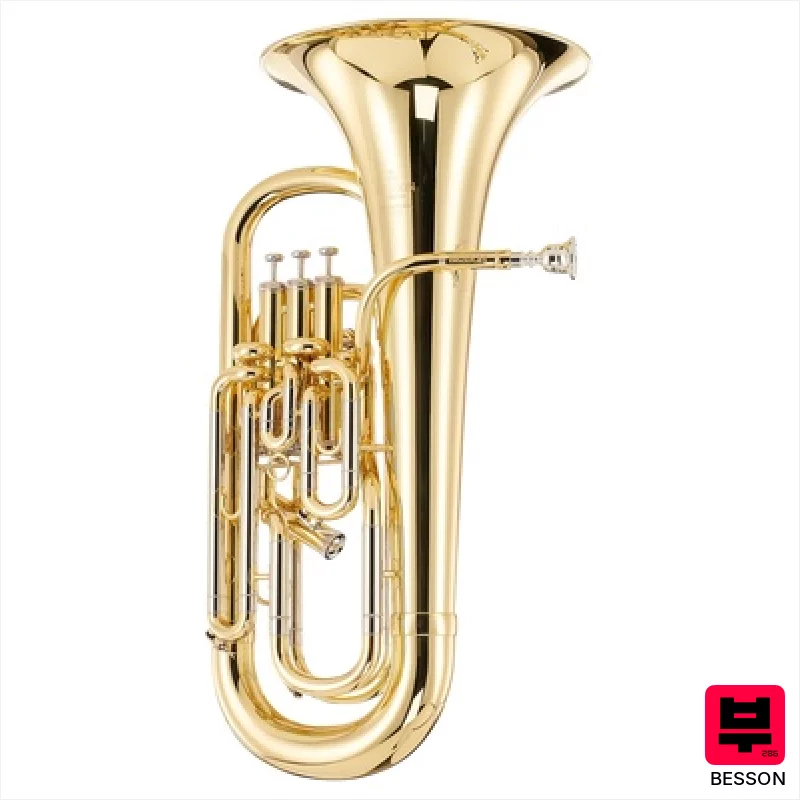
Besson BE767-1 Bb-Euphonium
Compensating Euphoniums

Thomann EP 906 GP Bb-Euphonium Set
Compensating Euphoniums
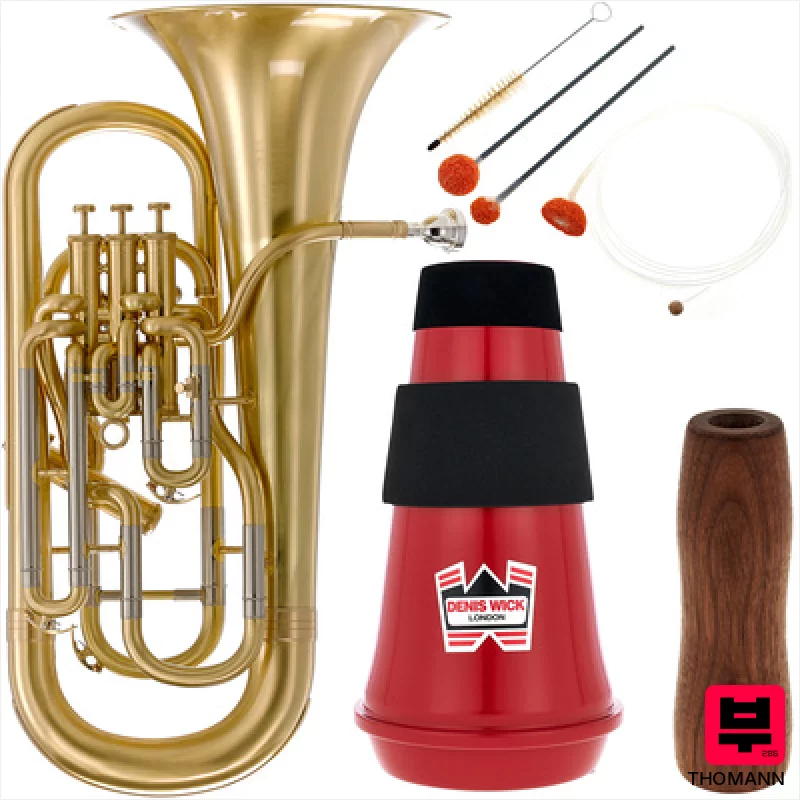
Thomann EP 902SL Bb-Euphonium Set
Compensating Euphoniums

Besson 20522-8G-0 Bb-Euphonium
Compensating Euphoniums

Thomann EP 906 Vintage Bb-Euphonium
Compensating Euphoniums
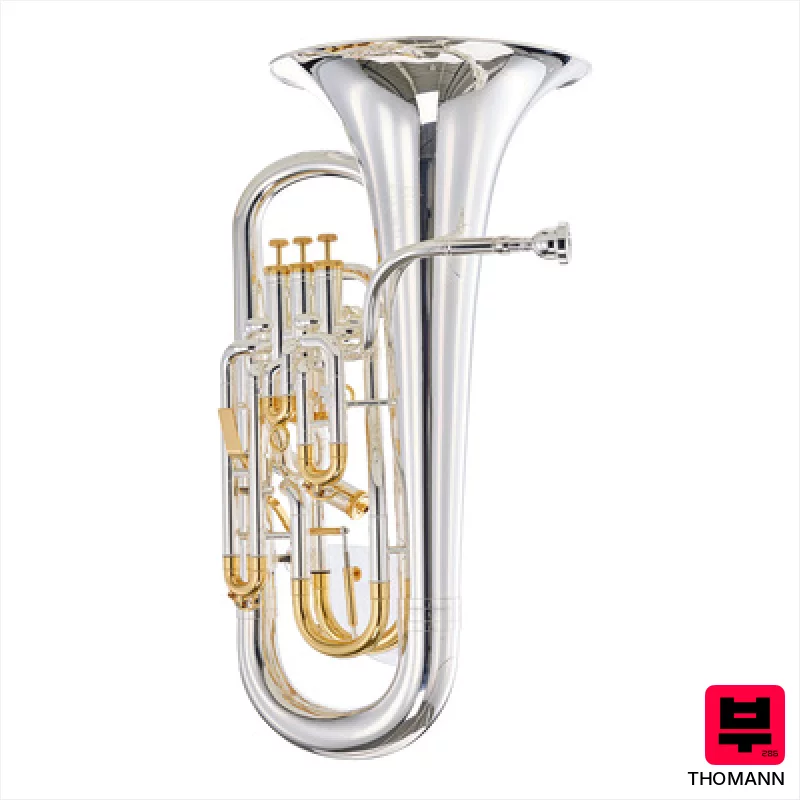
Thomann EP 906 GP Bb-Euphonium
Compensating Euphoniums
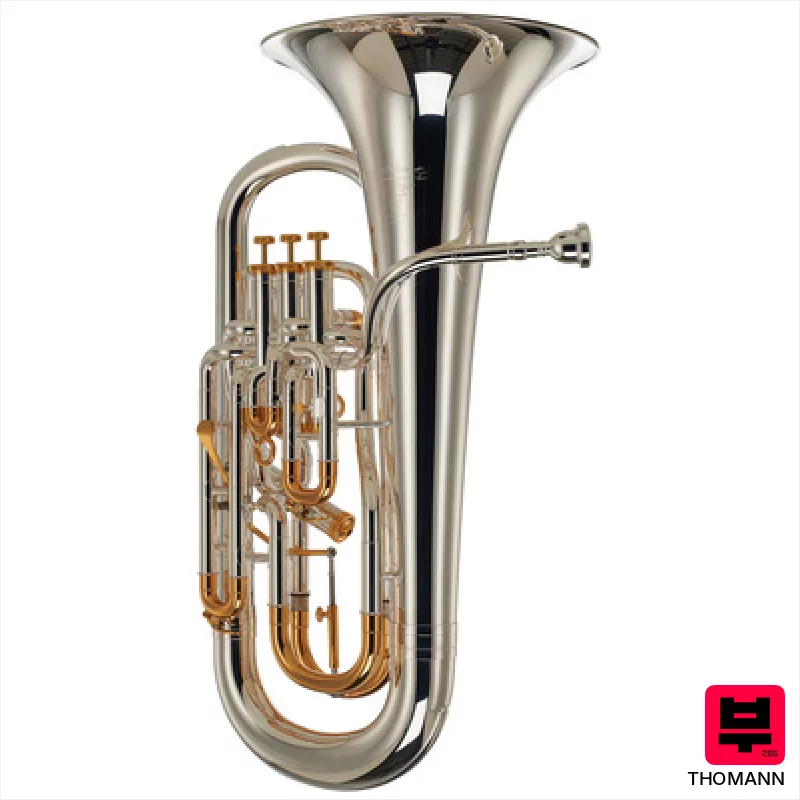
Thomann EP 904 GP Bb-Euphonium
Compensating Euphoniums
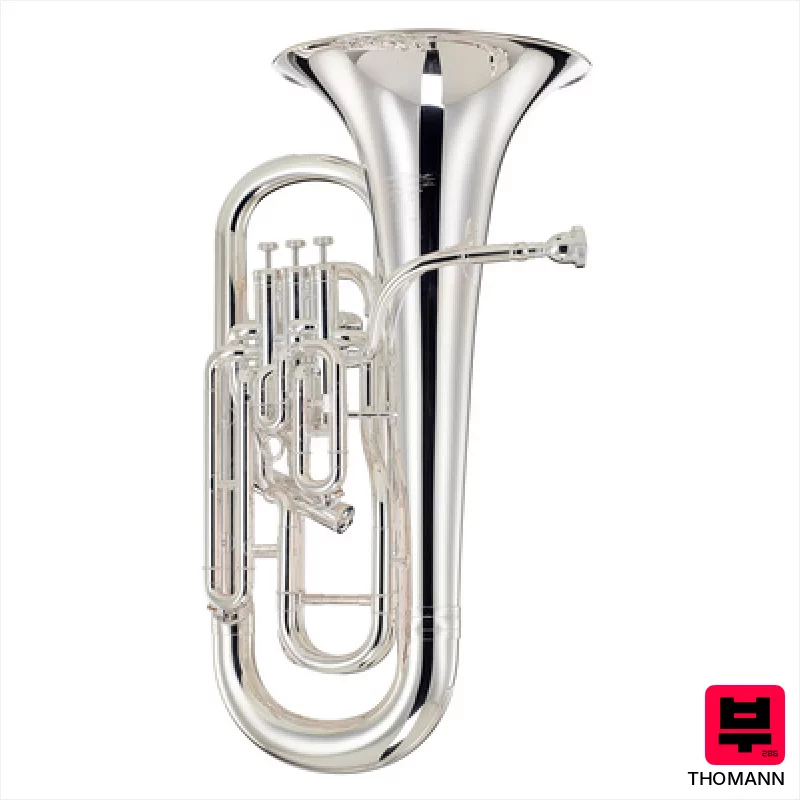
Thomann EP 902S Bb-Euphonium
Compensating Euphoniums
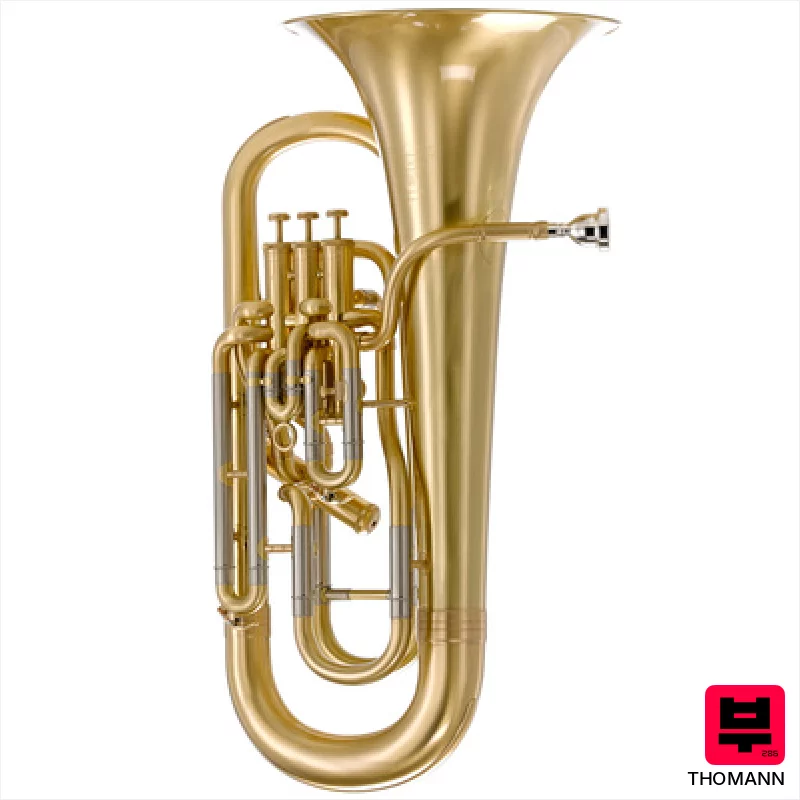
Thomann EP 902SL Bb-Euphonium
Compensating Euphoniums
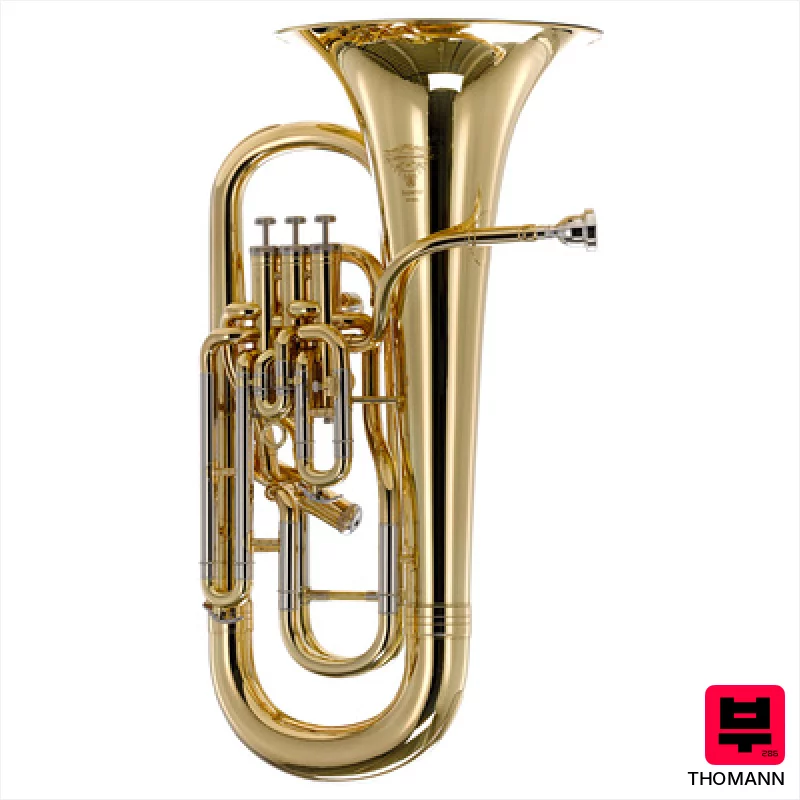
Thomann EP 902L Bb-Euphonium
Compensating Euphoniums
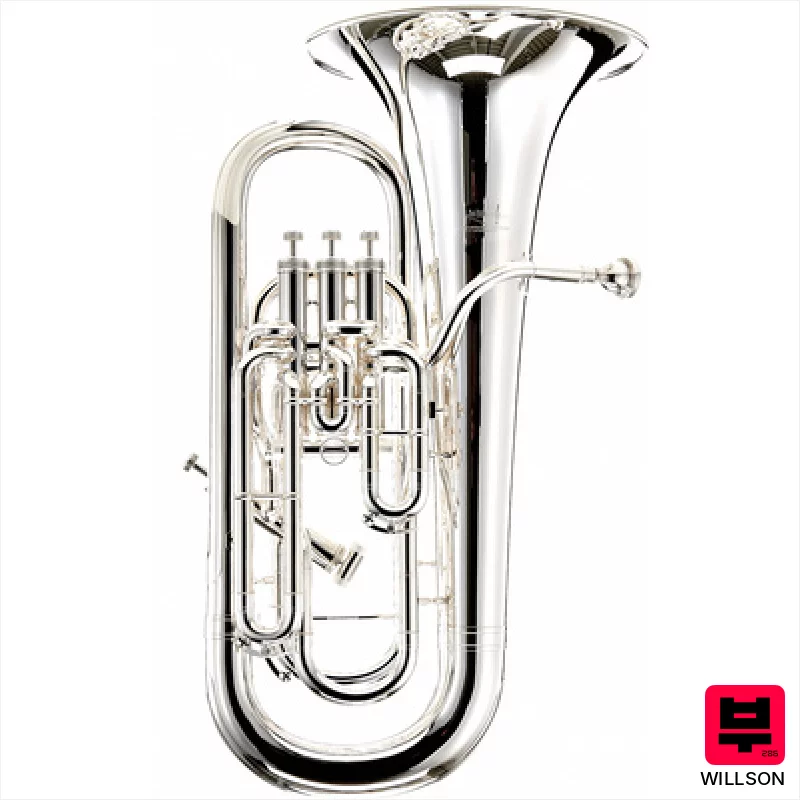
Willson 2950 TA-UK Bb-Euphonium
Compensating Euphoniums
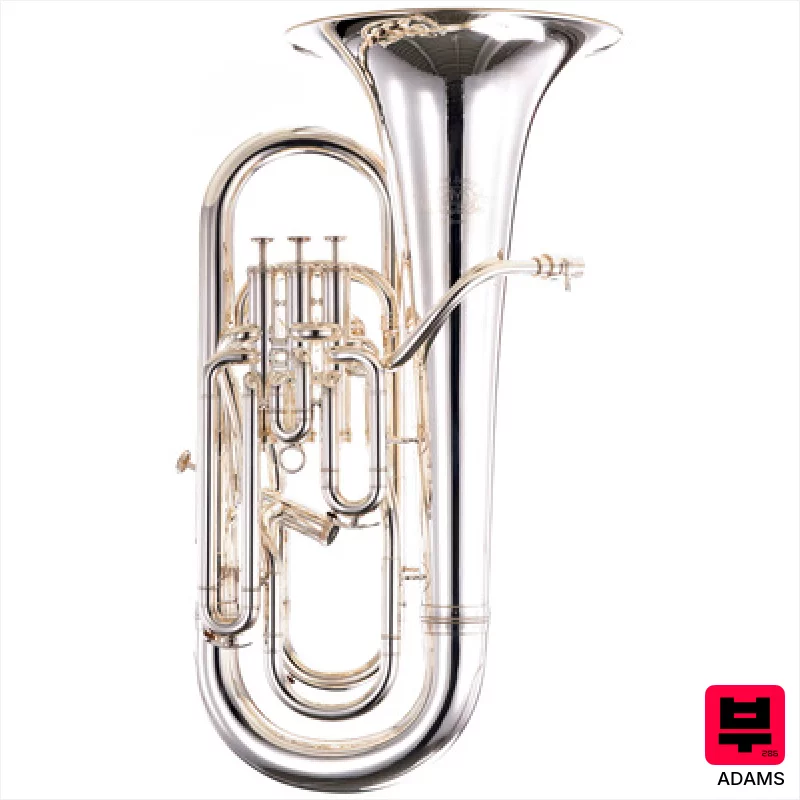
Adams E1 GM 050 SP Bb-Euphonium
Compensating Euphoniums
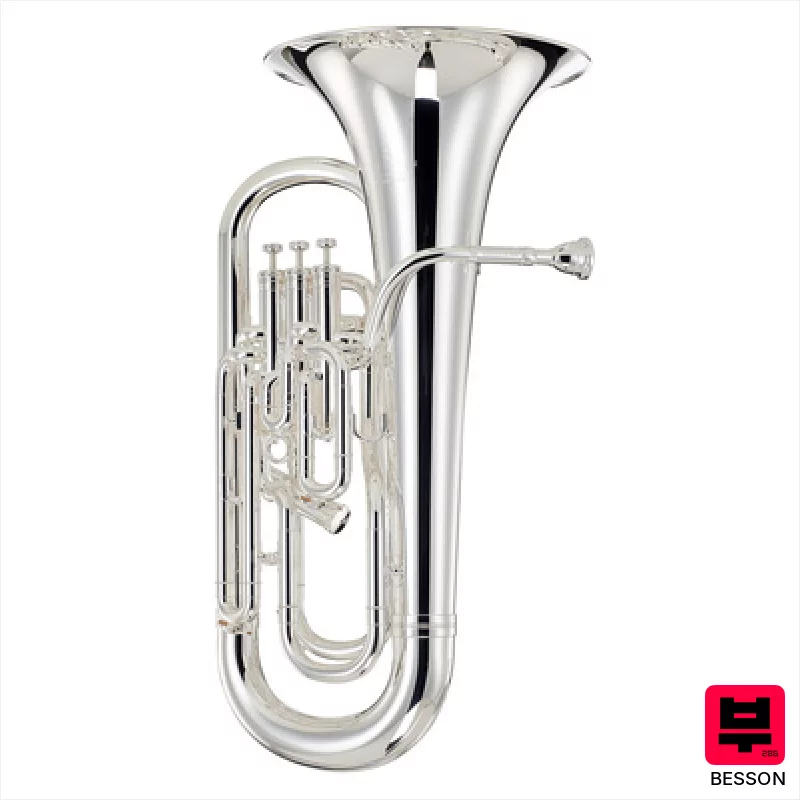
Besson BE967-2 S Bb-Euphonium
Compensating Euphoniums
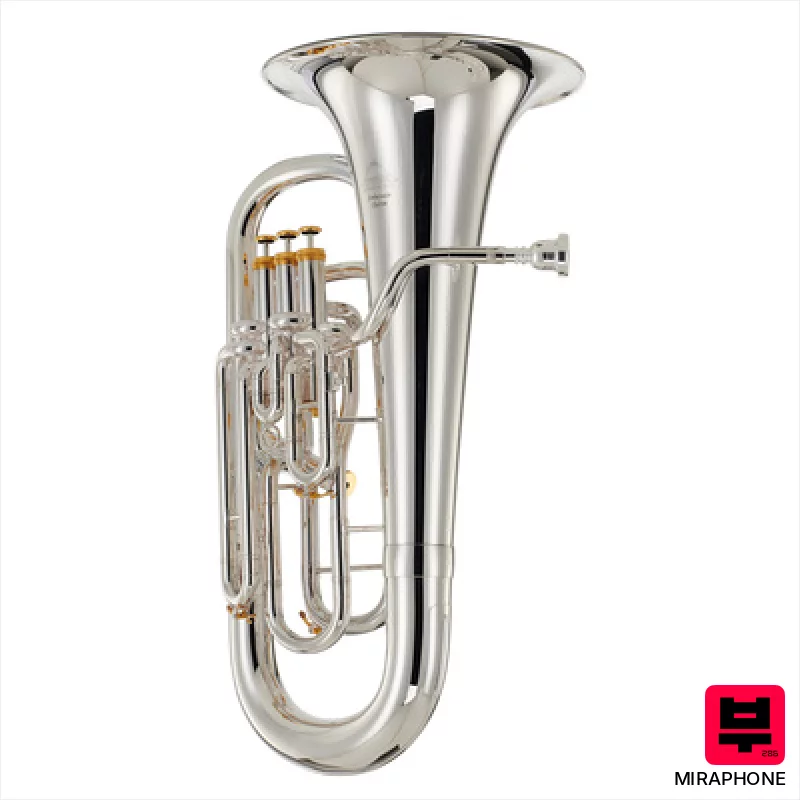
Miraphone M5050 E10 Bb-Euphonium
Compensating Euphoniums
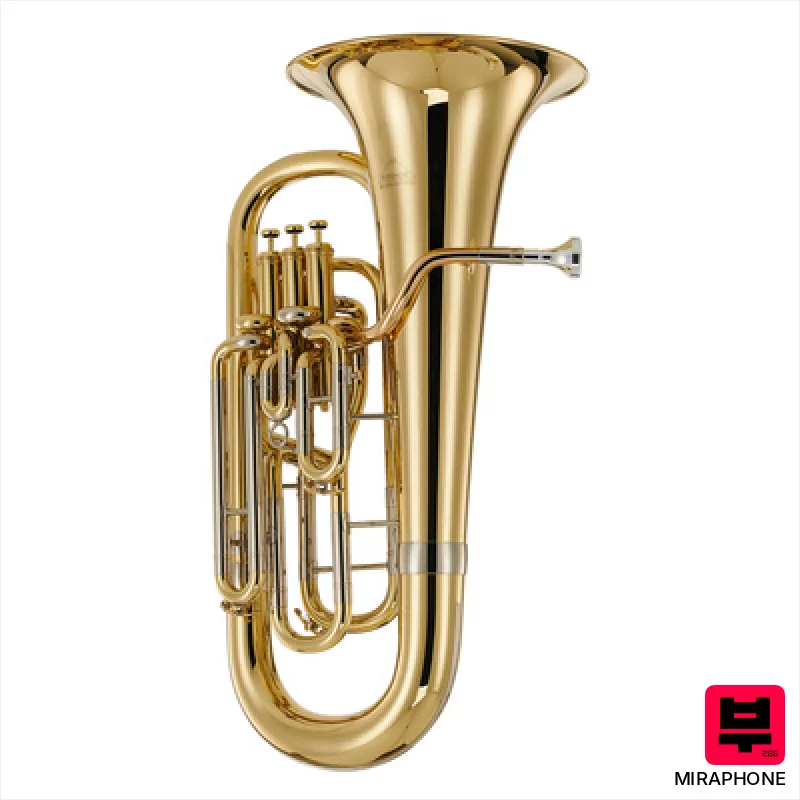
Miraphone 1258A Bb-Euphonium
Compensating Euphoniums
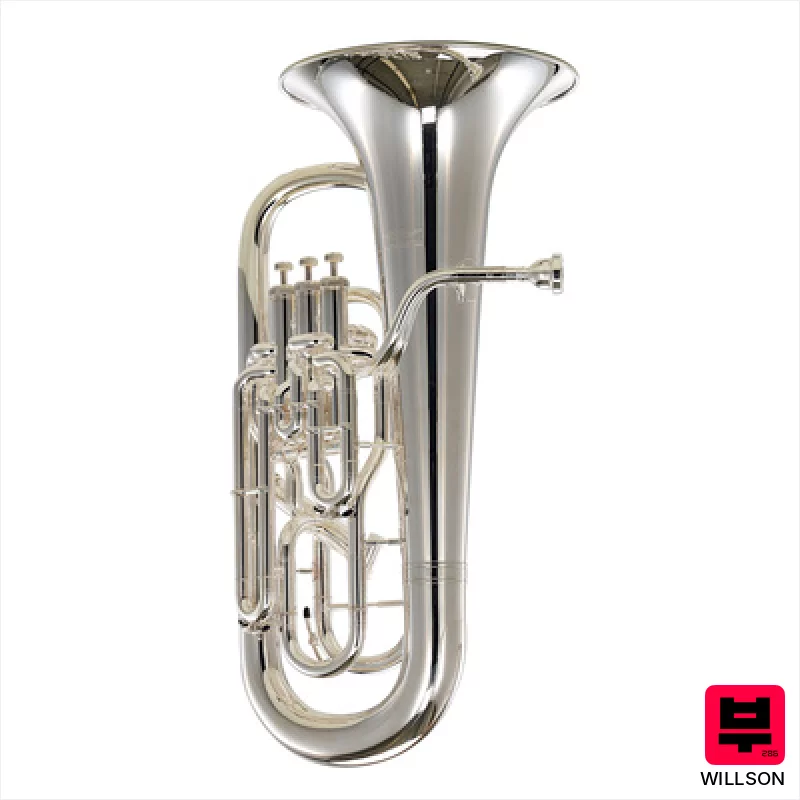
Willson 2900 TA Bb-Euphonium
Compensating Euphoniums
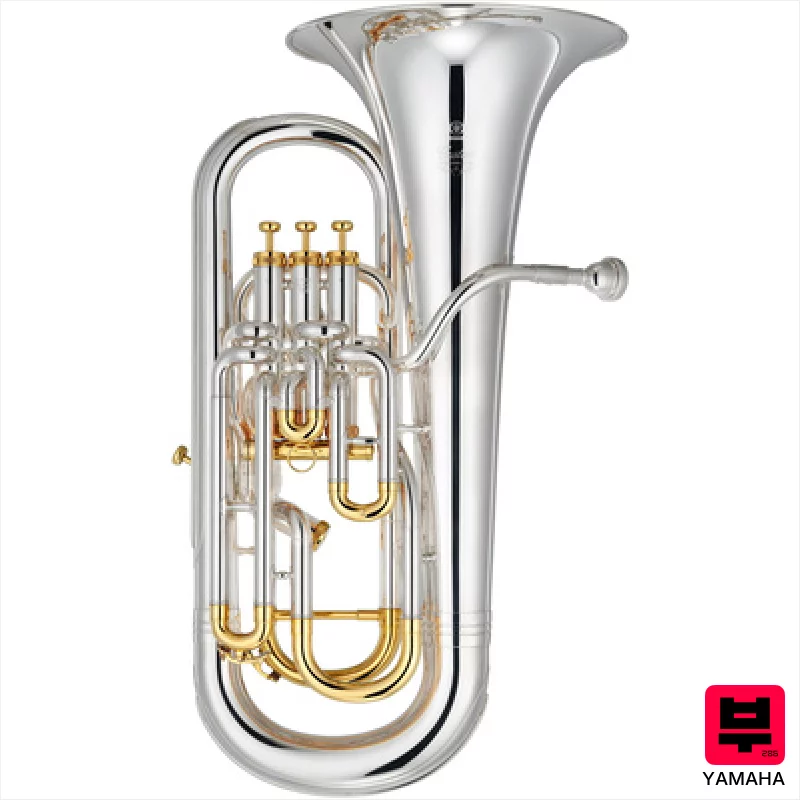
Yamaha YEP-842 S Custom Bb-Euphonium
Compensating Euphoniums
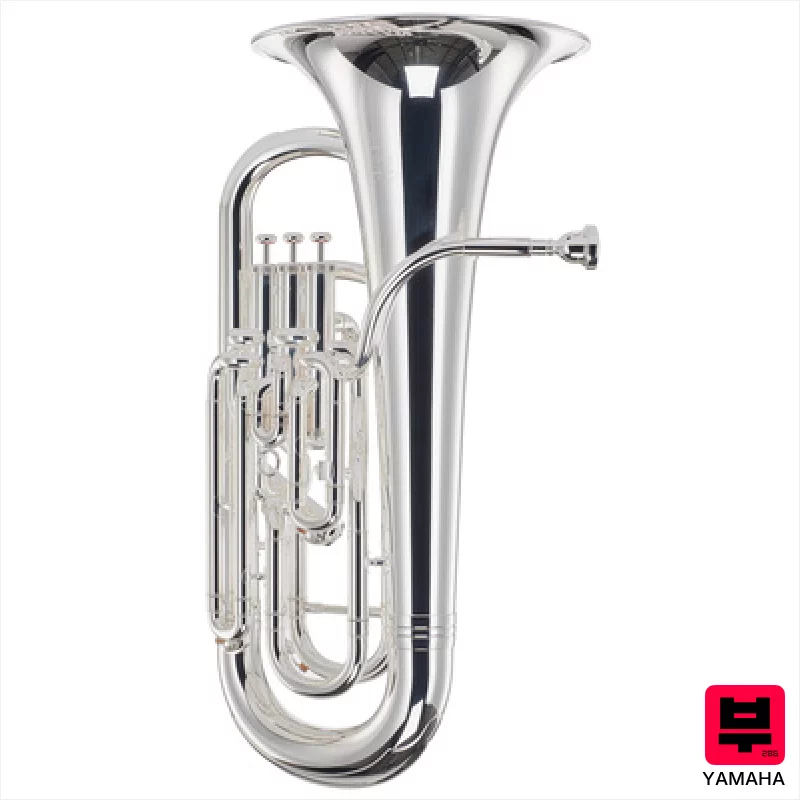
Yamaha YEP-642 S II NEO Bb-Euphonium
Compensating Euphoniums
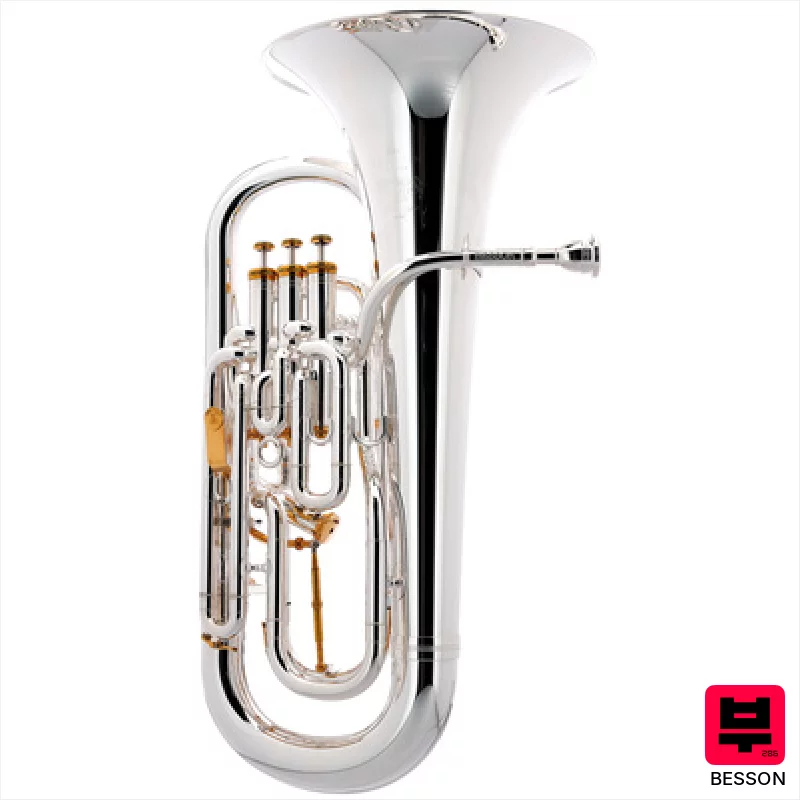
Besson BE2052-2 Bb-Euphonium
Compensating Euphoniums
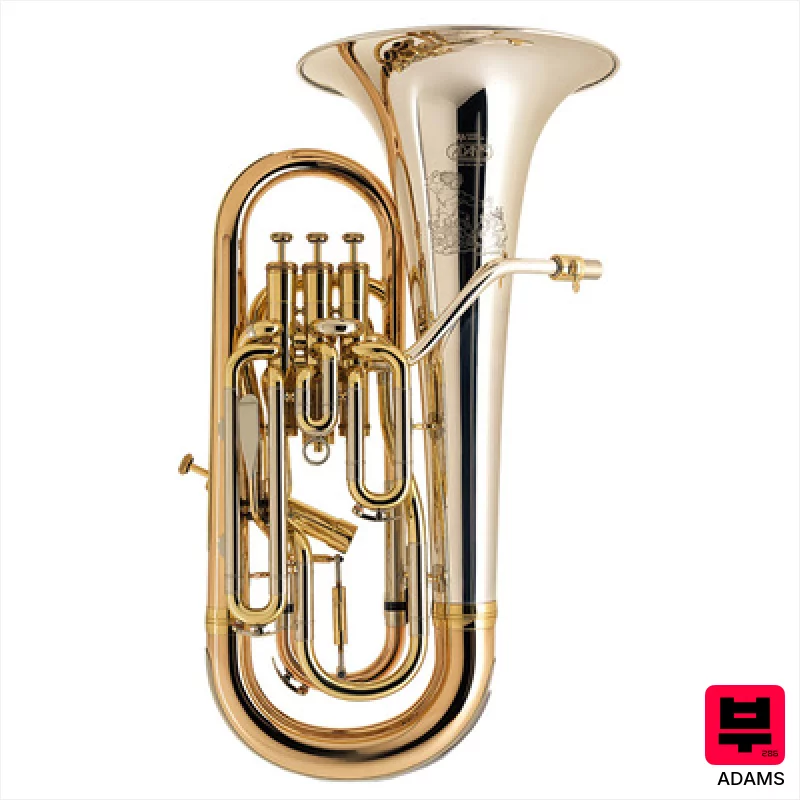
Adams E1 Mauro Martins Pack
Compensating Euphoniums

Adams E3 M 060 SP Bb-Euphonium
Compensating Euphoniums
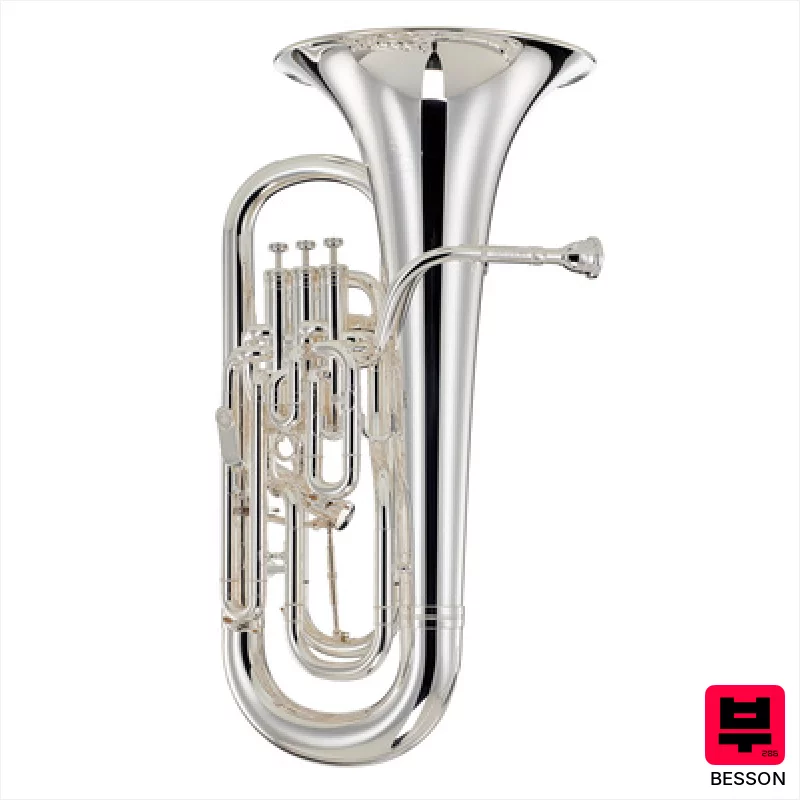
Besson BE967T S Bb-Euphonium
Compensating Euphoniums
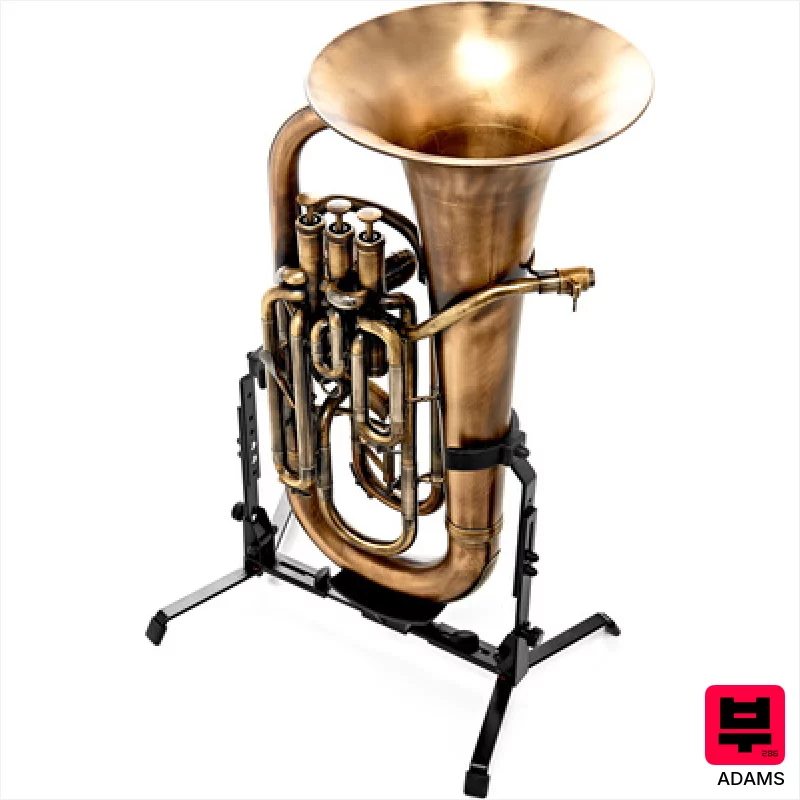
Adams E1 M 060 AF Bb-Euphonium
Compensating Euphoniums
About Compensating Euphoniums
Compensating euphoniums are valve brass instruments offering a richer, more resonant tone than their simpler counterparts. Primarily used by advanced band and orchestral players, and soloists, these instruments incorporate extra valves to manage intonation across a wider range. This compensation allows for greater harmonic complexity and easier performance of challenging passages.
Compensating Euphoniums — Pros & Cons
PROS
- Enhanced intonation across a wider range of notes.
- Greater tonal complexity and richness compared to simpler euphoniums.
- Increased versatility for complex musical passages and solo work.
- Often feature higher quality materials and craftsmanship.
CONS
- Generally more expensive than non-compensating euphoniums.
- Can be more complex to maintain and repair.
- The increased weight can be a factor for some players.
- The compensation system can slightly alter the 'feel' of the instrument.
Frequently Asked Questions About Compensating Euphoniums
Extra valves are added and carefully linked to the others, effectively shortening or lengthening the tubing to correct intonation as the player moves up and down the range.
Generally, no. The complexity and higher cost make them better suited for intermediate to advanced players who understand intonation and are ready for a more sophisticated instrument.
Compensating euphoniums typically require more frequent and specialized maintenance due to the additional valve system and more intricate mechanics.

