 AudioFu
Catalog
Classical Organs
8 instruments available · See the ranking
About Classical Organs
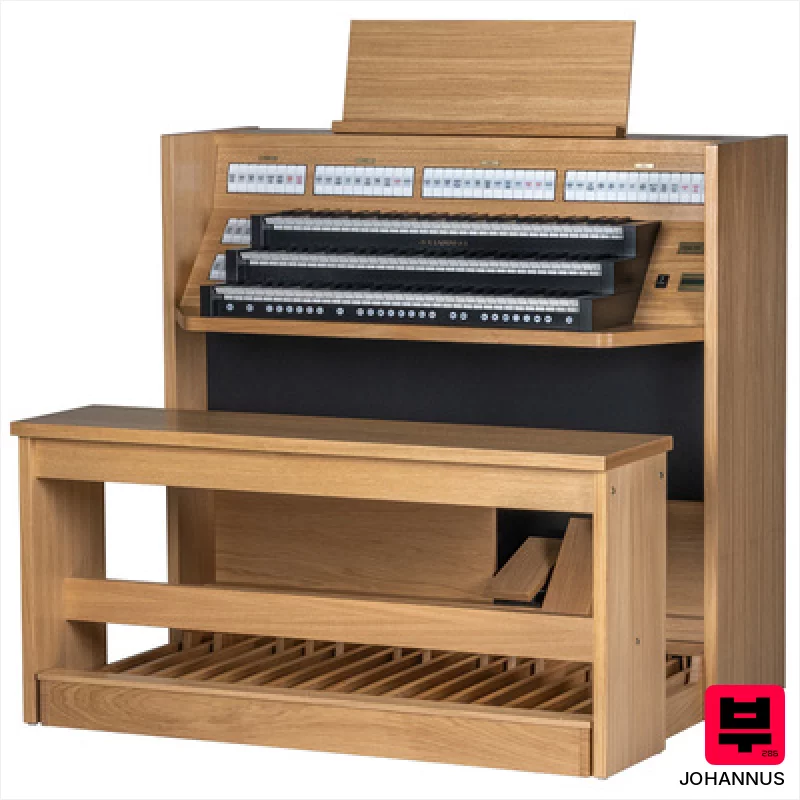
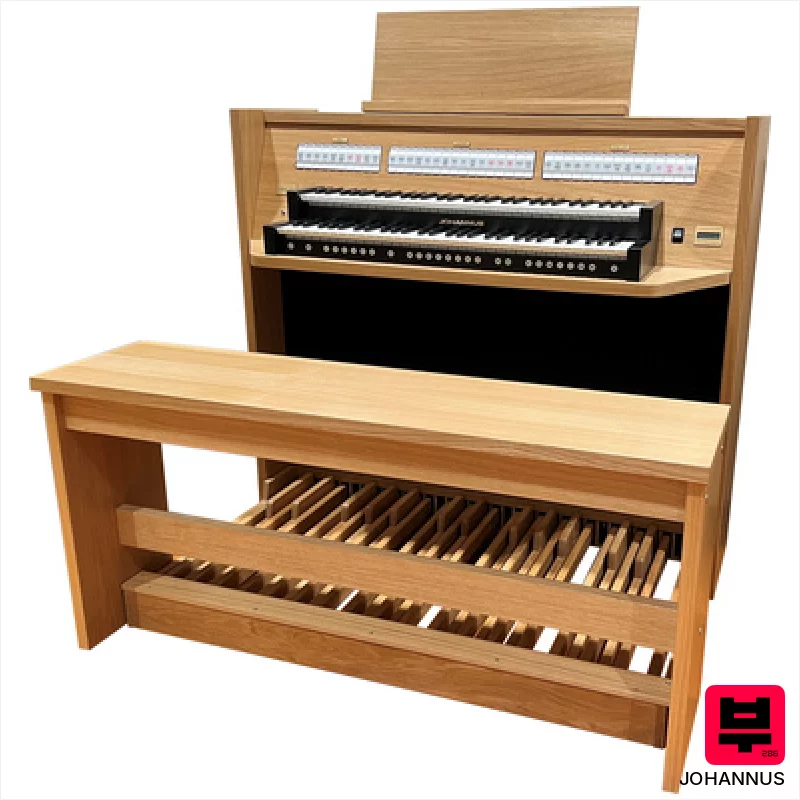
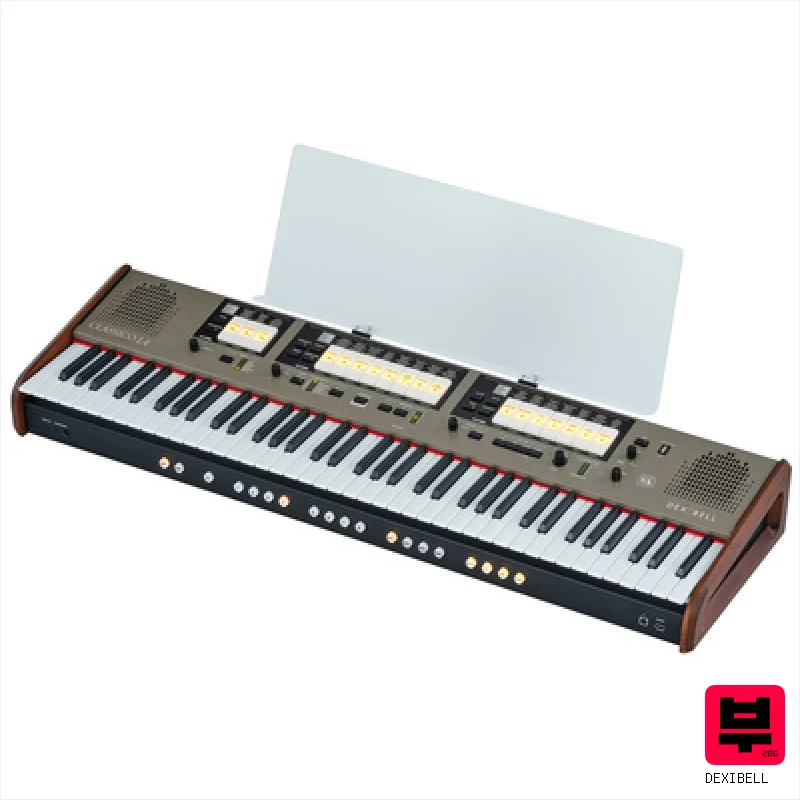
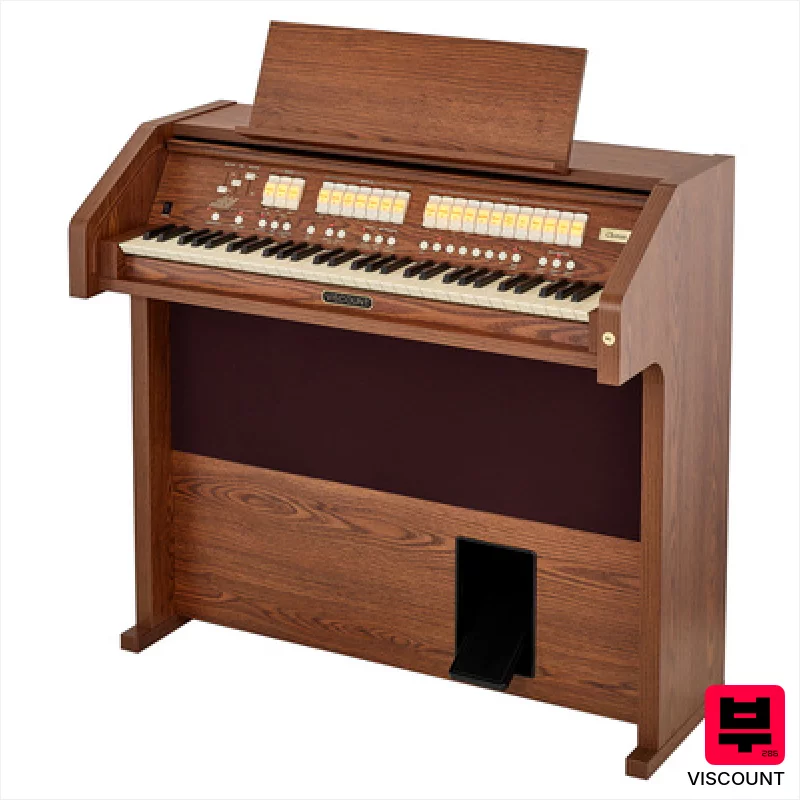
Classical organs offer a remarkably authentic pipe organ experience in a more accessible and space-friendly format. Primarily used by church organists, recitalists, and music educators, these instruments meticulously recreate the complex tonal palette and playing feel of traditional pipe organs. They bridge the gap between affordability and the grandeur of a full pipe installation.
Best for
What to look for
Classical Organs — pros & cons
- Offers a comprehensive pipe organ experience without extensive space requirements
- Provides a wide range of tonal possibilities and registrations
- Often includes advanced features like drawstop control and MIDI connectivity
- More affordable than installing a traditional pipe organ
- Cannot fully replicate the acoustic properties of a pipe organ
- May require significant power and speaker system investment
- Complex controls and voicing can have a steep learning curve
- Physical footprint, while smaller than pipe organs, can still be substantial
Questions about Classical Organs
How realistic is the key action compared to a pipe organ’s mechanical action?
Modern classical organs strive for authenticity, employing various mechanisms to simulate the feel of mechanical key action, but nuances are often lost.
What does 'drawstop simulation' mean and why is it important?
Drawstops mimic the traditional drawstops of pipe organs, allowing for precise control over individual ranks and creating a vast array of registrations.
Are classical organs suitable for advanced organ repertoire?
Yes, higher-end models offer the tonal range and control necessary for performing complex organ literature, though careful voicing is crucial.