
Basses
15975 instruments available
Shop Basses 2026
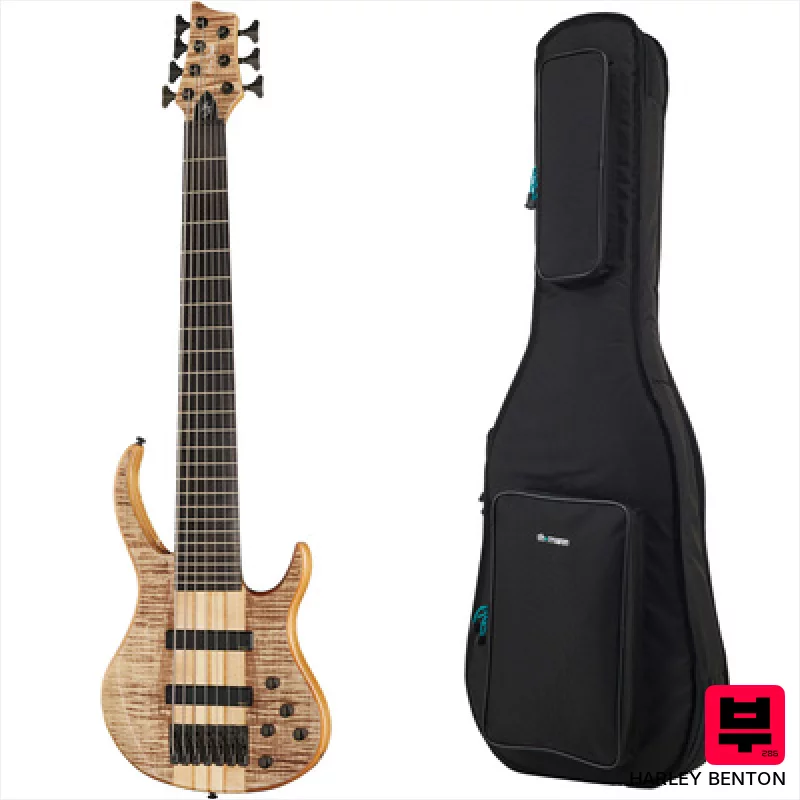
Harley Benton BZ-7000 II NT w/Bag
Basses
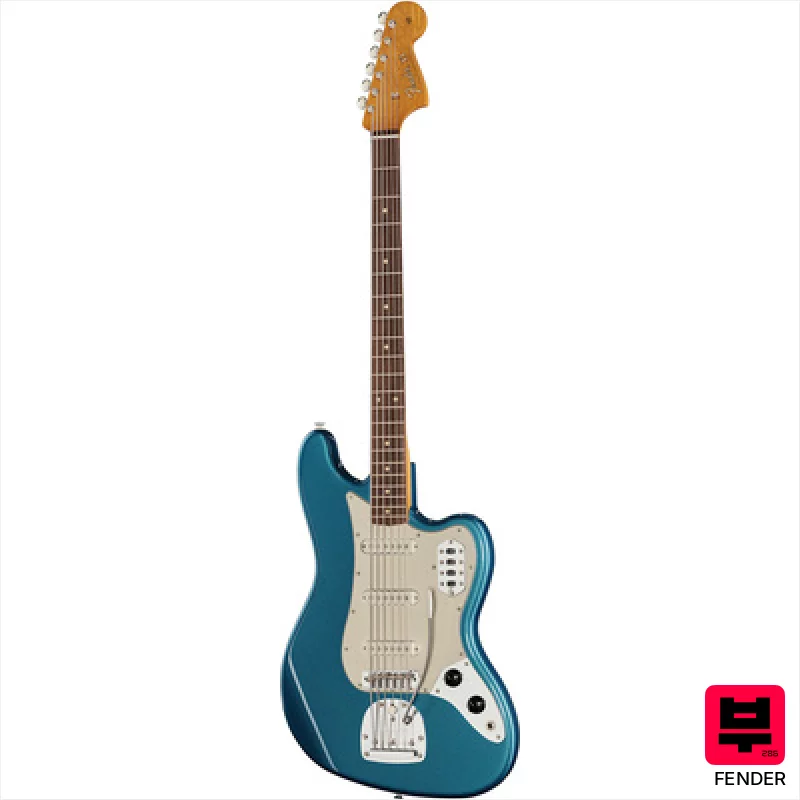
Fender Vintera II 60s Bass VI LPB
Basses
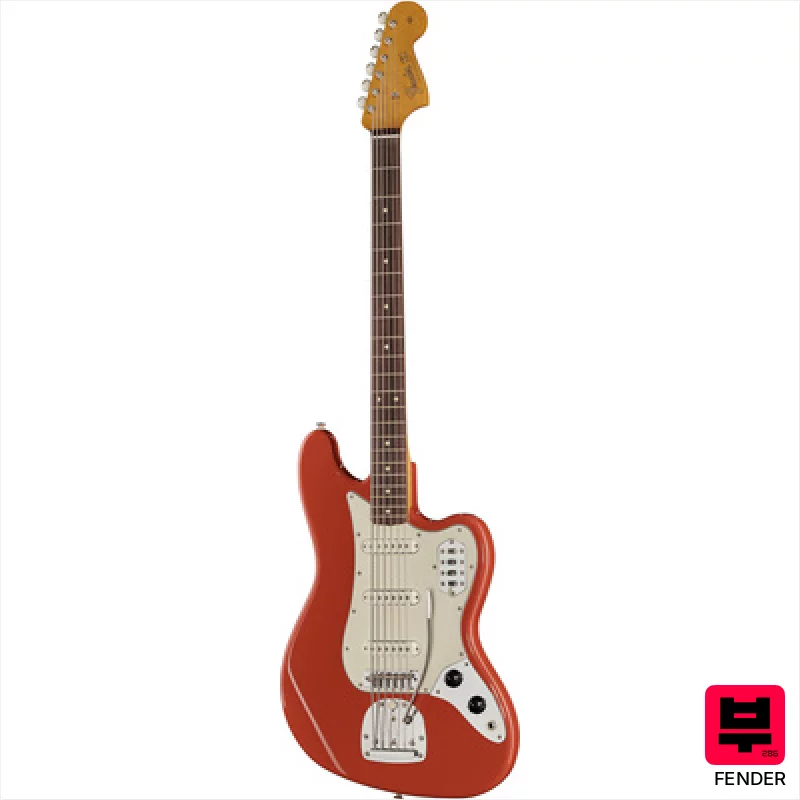
Fender Vintera II 60s Bass VI FR
Basses
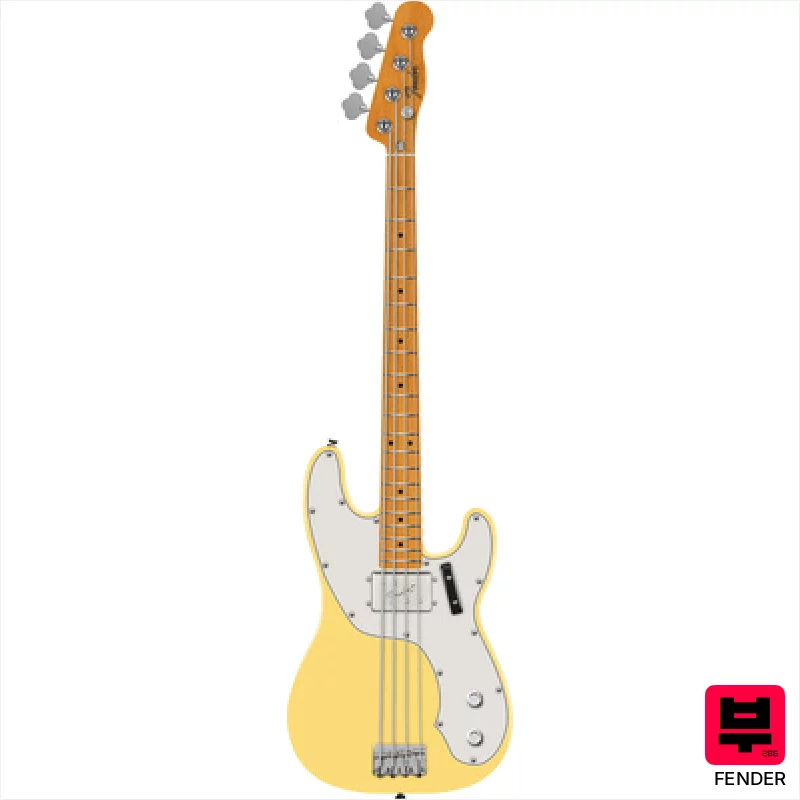
Fender Vintera II 70s Tele Bass VWT
Basses
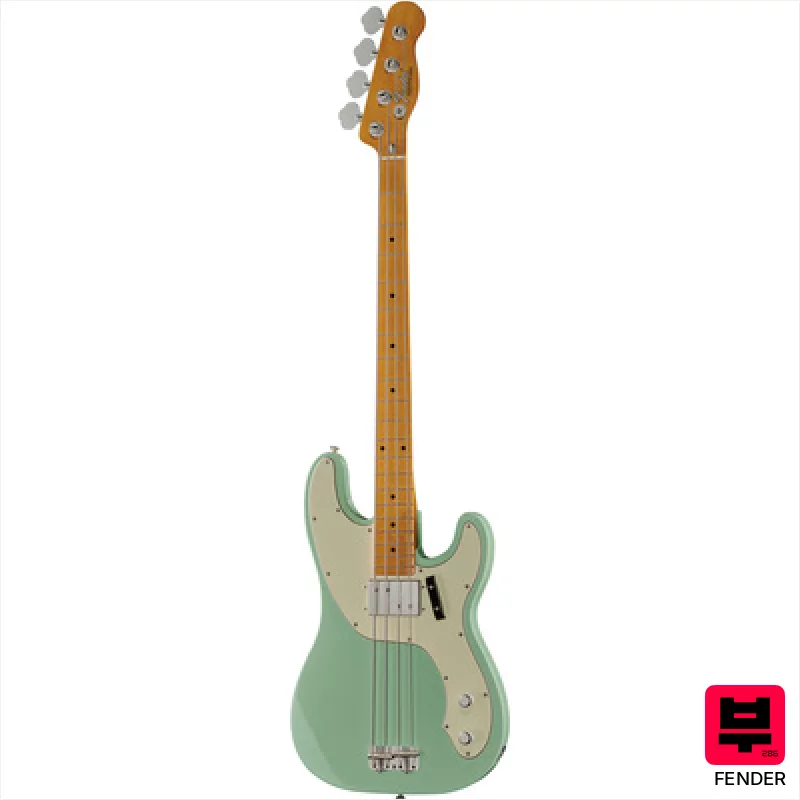
Fender Vintera II 70s Tele Bass SG
Basses

Höfner Club Bass Vintage Relic
Basses
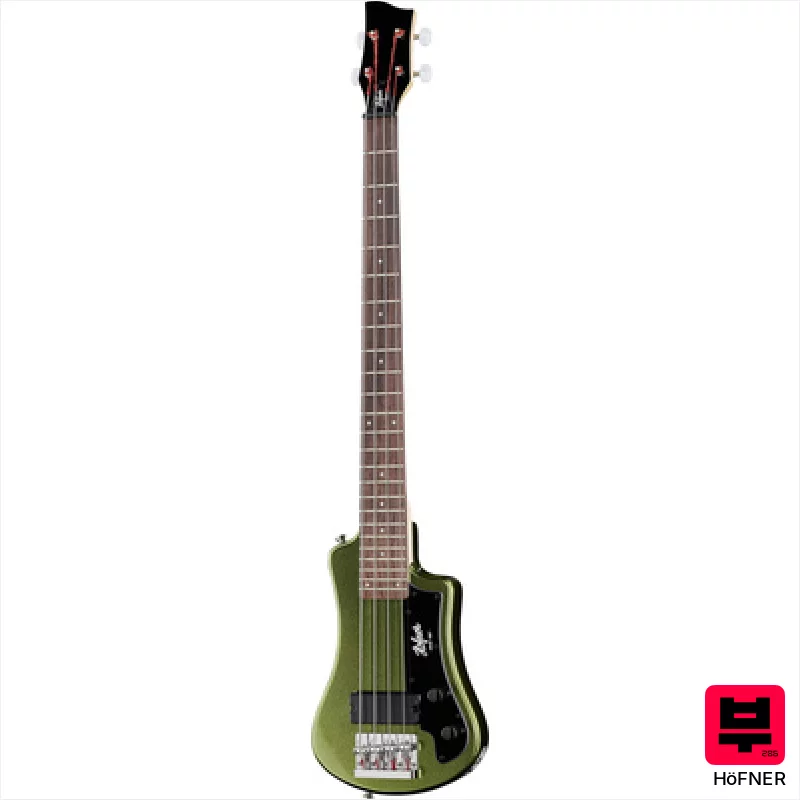
Höfner Shorty Bass Cadillac Green
Basses
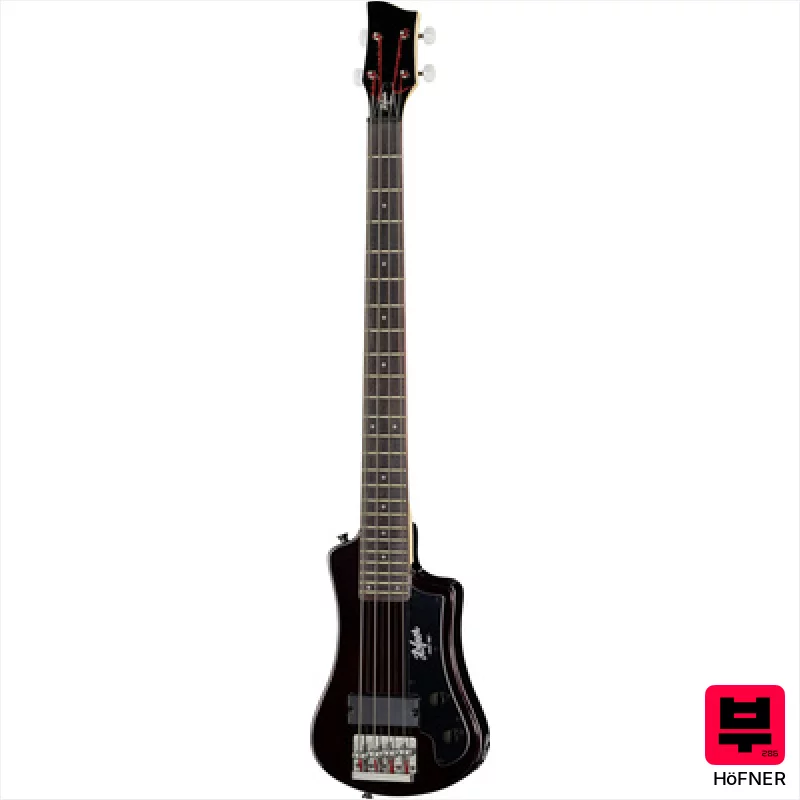
Höfner Shorty Bass Root Beer
Basses

Harley Benton BZ-7000 II NT
Basses
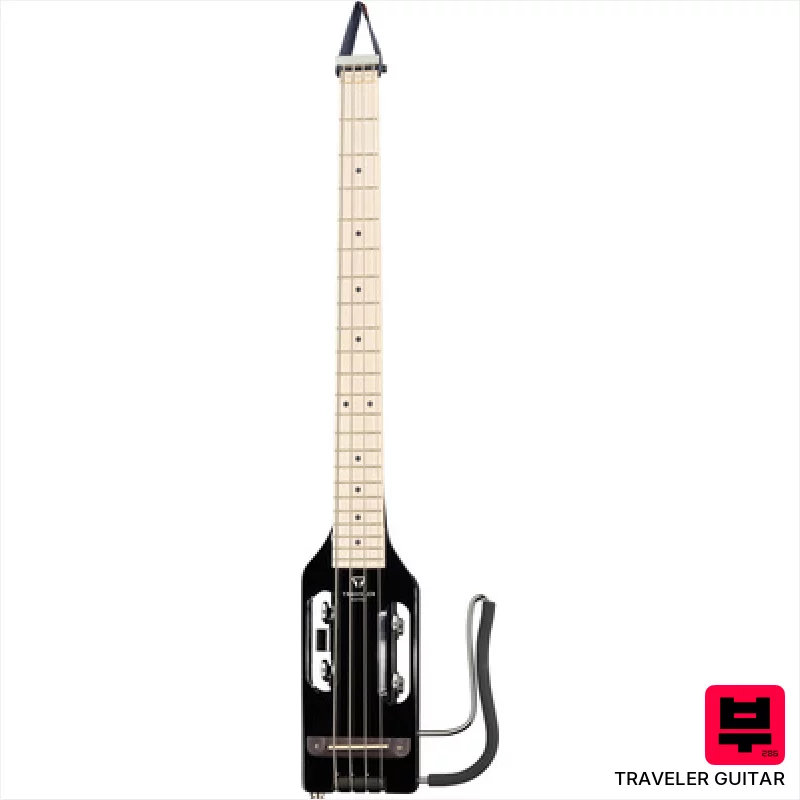
Traveler Guitar Ultra-Light Bass 4-String BL
Basses
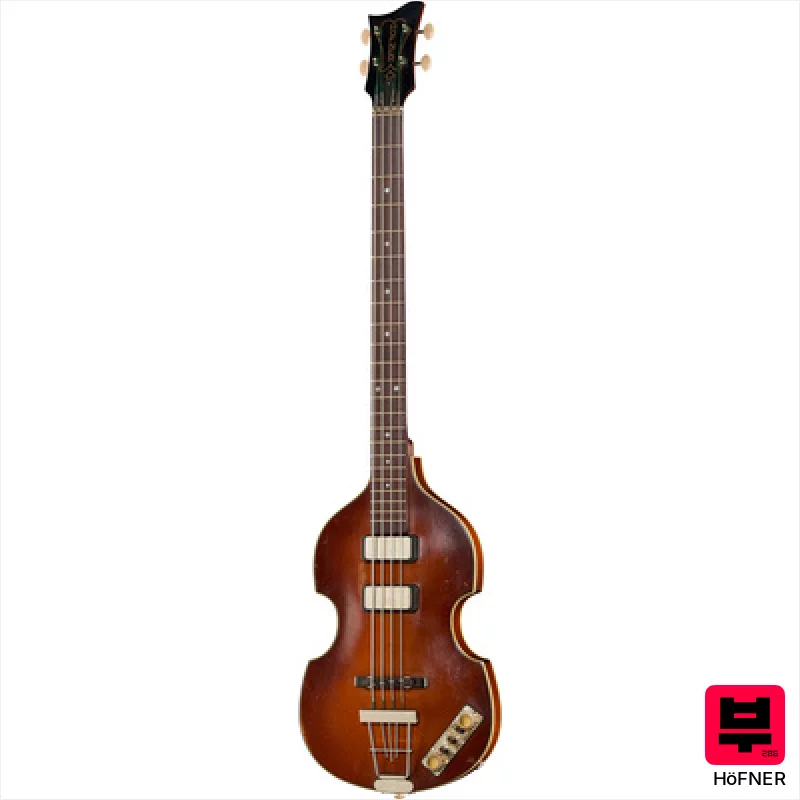
Höfner Violin Bass 500/1 Relic 61
Basses

Höfner Violin Bass 500/1 Relic 63
Basses

Ibanez BTB747-NTL 7 String
Basses

Danelectro DB604 Black Burst
Basses
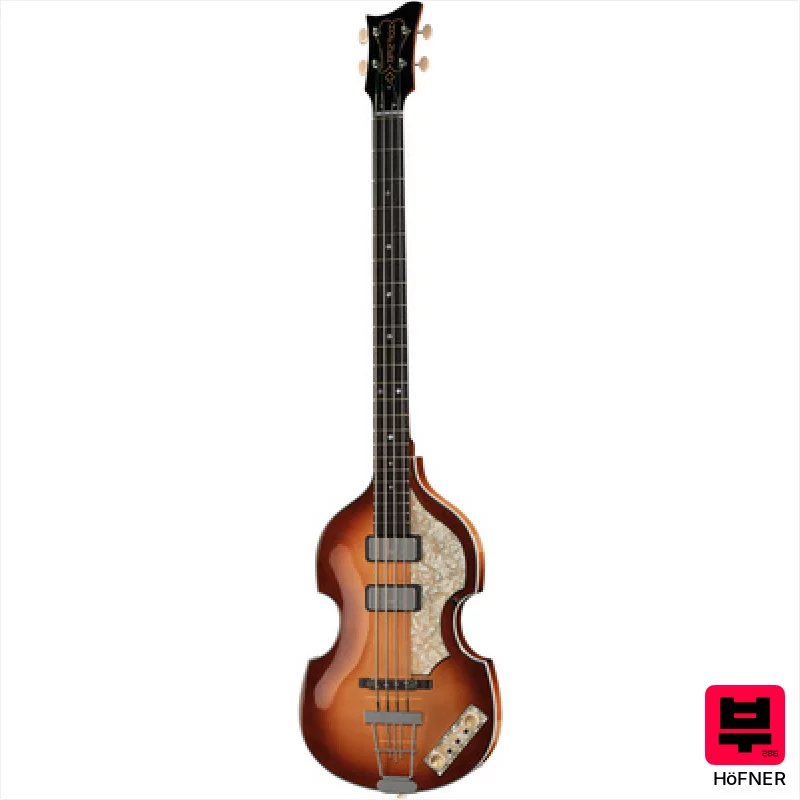
Höfner H500/1-61-0 Beatles CavernBass
Basses

Höfner HCT-500/2-SB Club-Bass
Basses
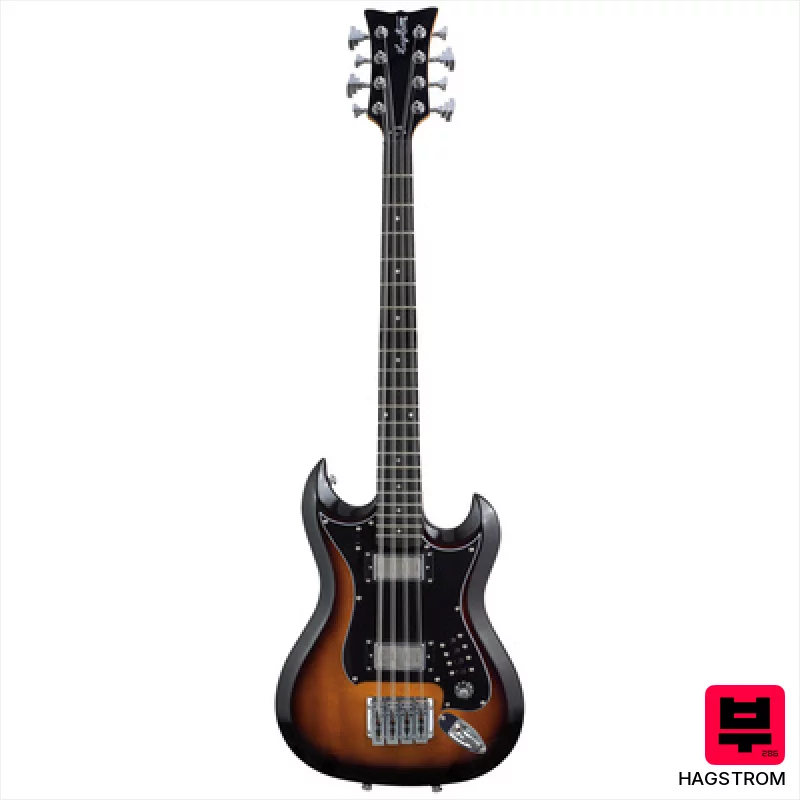
Hagstrom H8-II Tobacco Sunburst
Basses
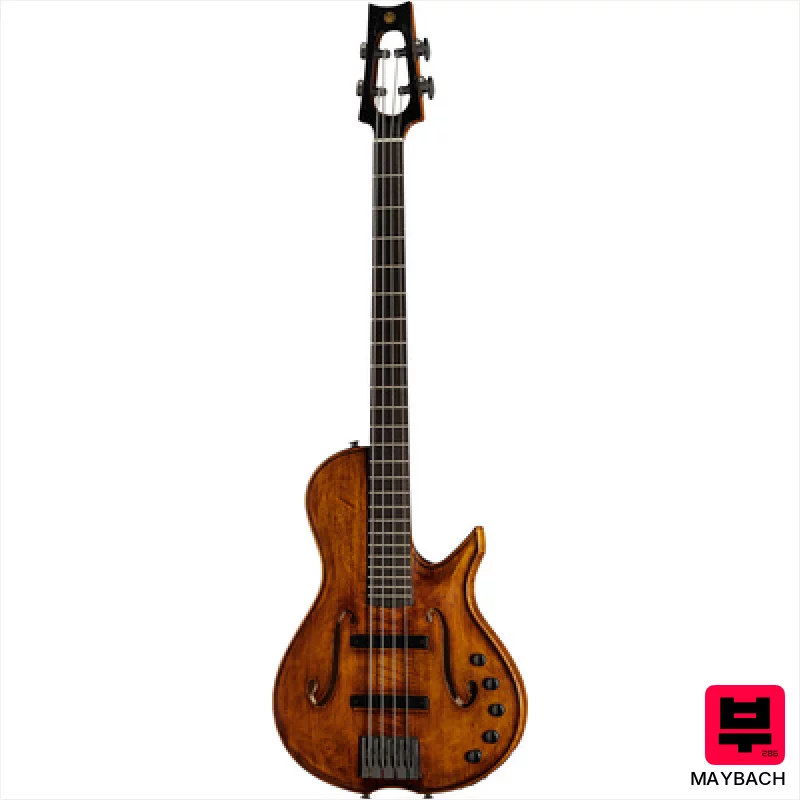
Maybach DaVinci Bass Antique Violin
Basses
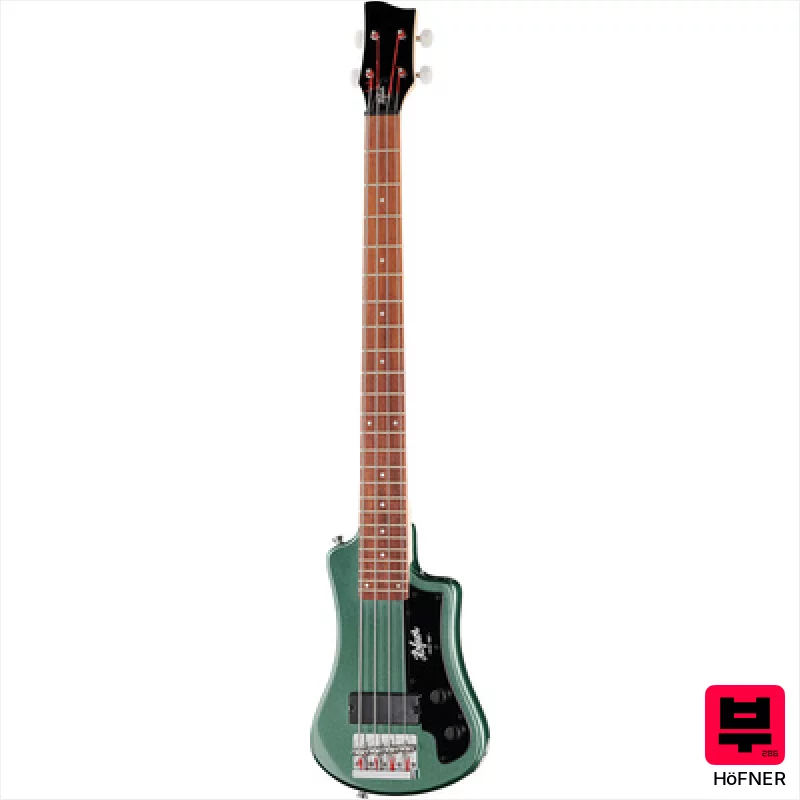
Höfner Shorty Bass Turquoise Blue
Basses
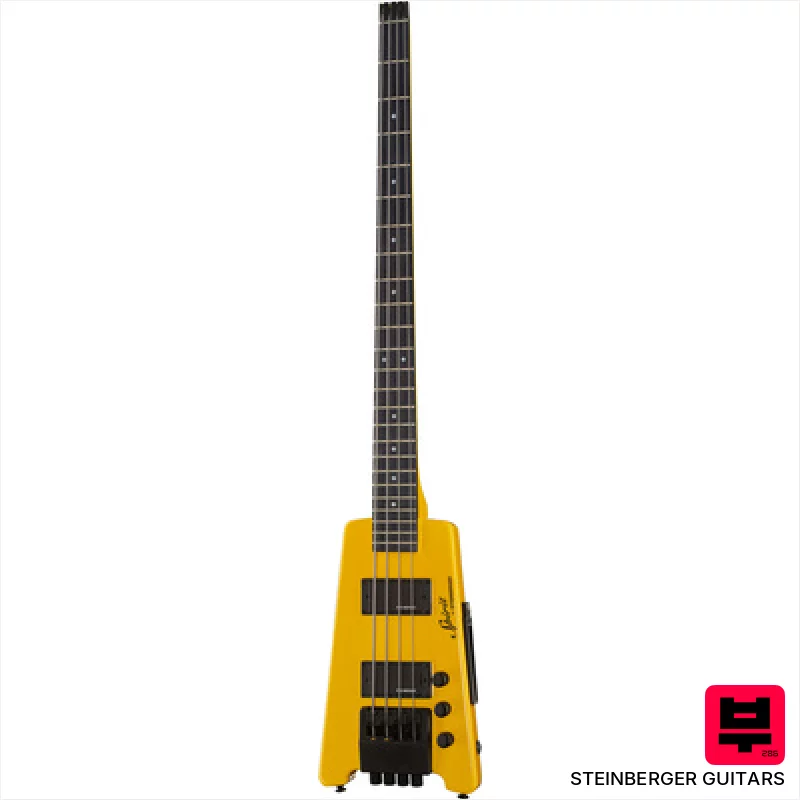
Steinberger Guitars Spirit XT-2 Standard Bass HY
Basses

Steinberger Guitars Spirit XT-2 Standard Bass FB
Basses
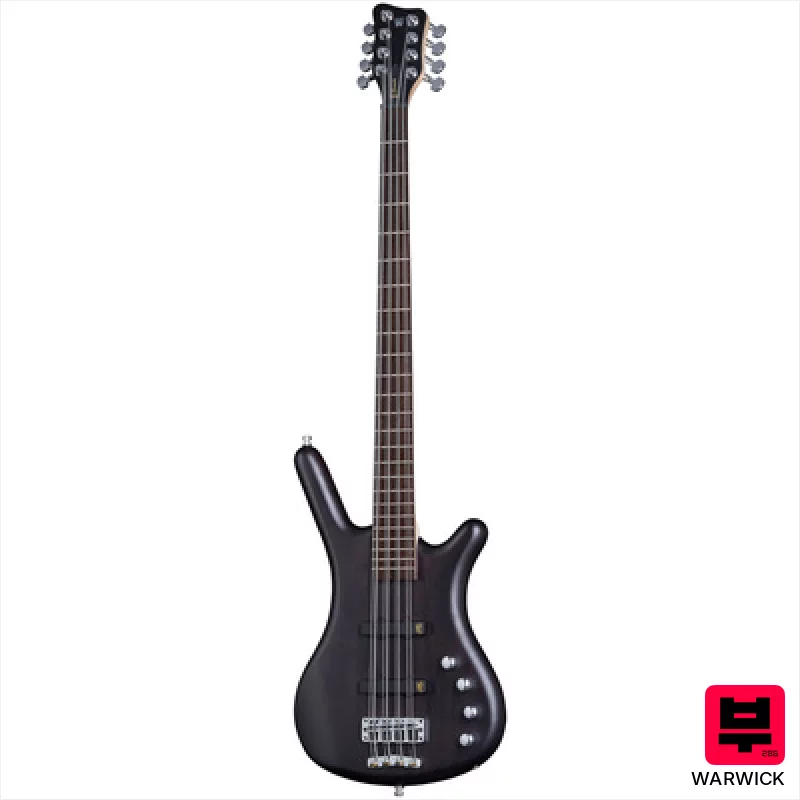
Warwick RB Corvette Basic 8-String
Basses
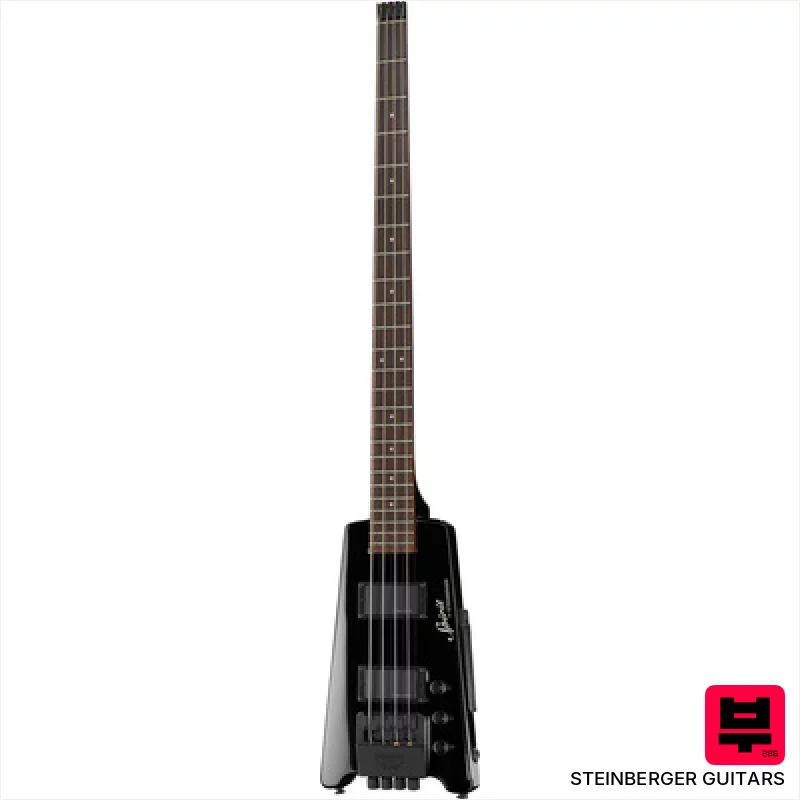
Steinberger Guitars Spirit XT-2 Standard Bass BK
Basses
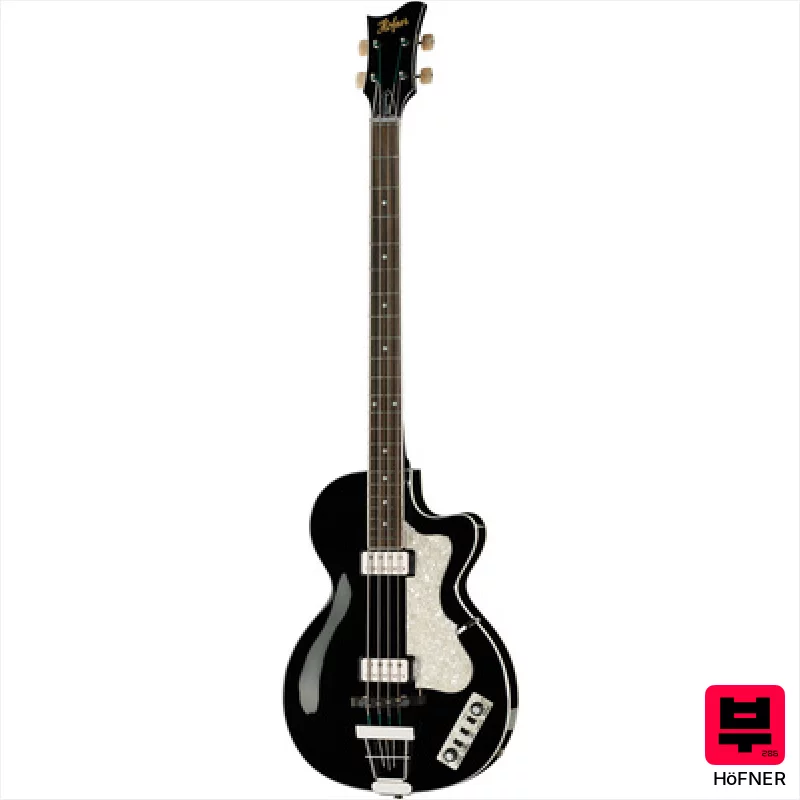
Höfner HCT-500/2-BK Club-Bass
Basses
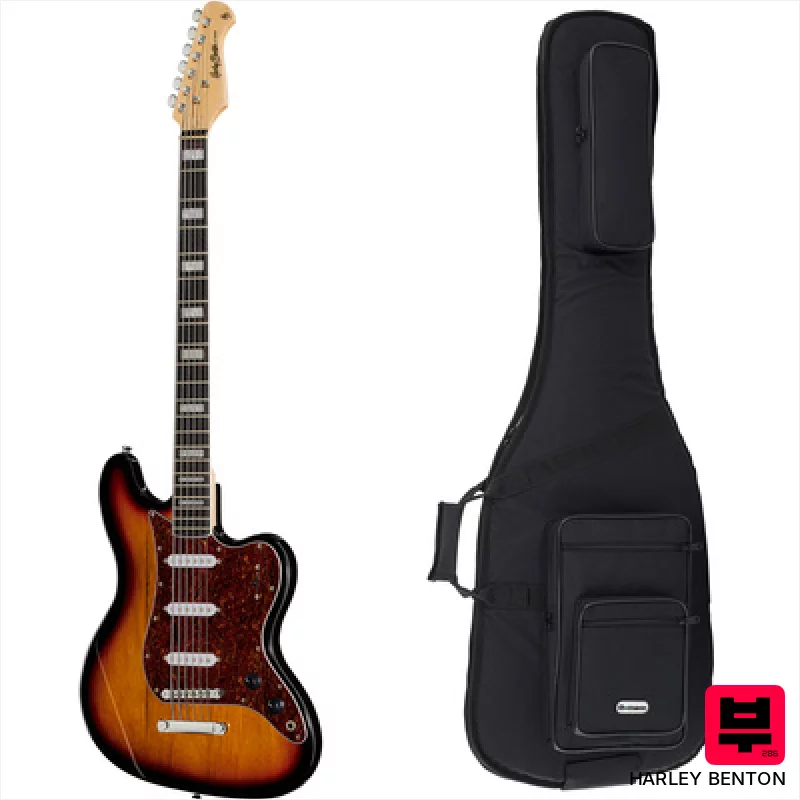
Harley Benton GuitarBass VS V. Series w/Bag
Basses

Harley Benton GuitarBass VS Vintage Series
Basses
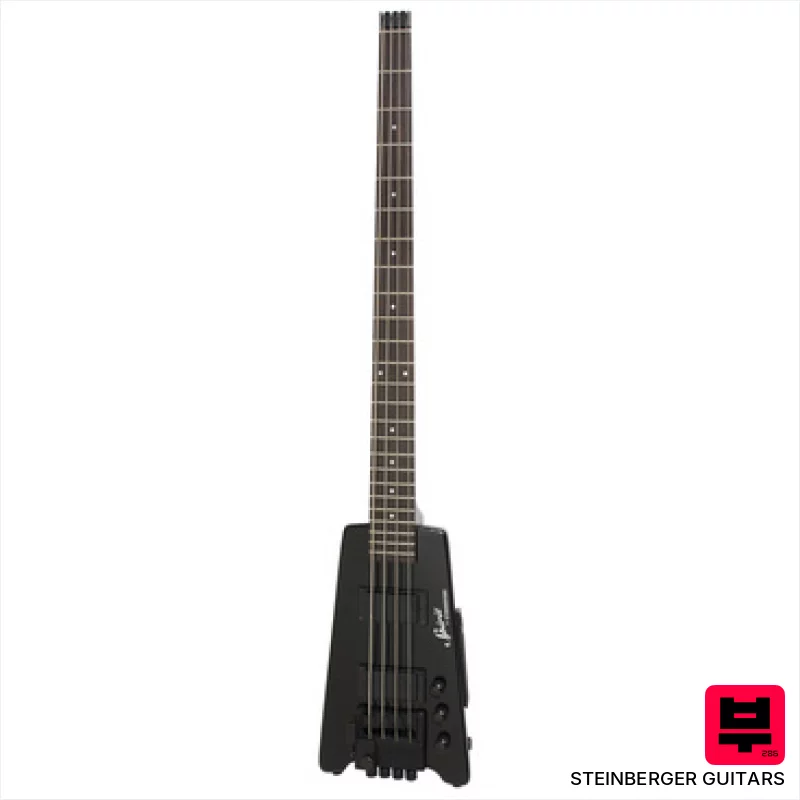
Steinberger Guitars Spirit XT-2DB Standard Bass BK
Basses
About Basses
This category features electric basses, the foundational low-end instrument for countless genres. From classic rock and pop to jazz and beyond, the bass provides the rhythmic and harmonic bedrock. Selecting the right bass involves considering factors like tone, playability, and construction to suit your musical style and playing preferences.
Basses — Pros & Cons
PROS
- Offers a wide range of tonal possibilities and playing styles.
- Provides a strong, percussive low-end presence in a mix.
- Relatively versatile, adaptable to many musical contexts.
- Can be a visually striking and expressive instrument.
CONS
- Can be physically demanding to play for extended periods.
- Lower frequencies can muddy a mix if not properly managed.
- Requires careful amplification and EQ for optimal sound.
- Larger size can be cumbersome for some players.
Frequently Asked Questions About Basses
Short scale basses (typically 30-32") have a shorter string length, resulting in a slightly warmer tone and easier playability, while long scale basses (34" or longer) offer a tighter, more defined low end.
Different woods impart distinct tonal characteristics; for example, mahogany often provides a warm, mellow tone, while alder is known for its balanced and versatile sound.
Passive electronics rely solely on the pickups and hardware, while active electronics include a preamp that allows for more tonal shaping and often higher output.

