AudioFu
AudioFu Chart · October 2026
Best Korg Workstation Home Keyboards 2026
The top pick is Korg PA1000 61-Key Professional Arranger ($2,114). Korg PA-5X 88 Musikant leads the high end. Ranked by the AudioFu Index from 2 models, prices checked every night.
Last updated: October 15, 2026
Top 2
Full detail for the 2 highest AudioFu Index scores. Every other model is listed below.
-
- Weight10.75 kg
- Keys61 keys
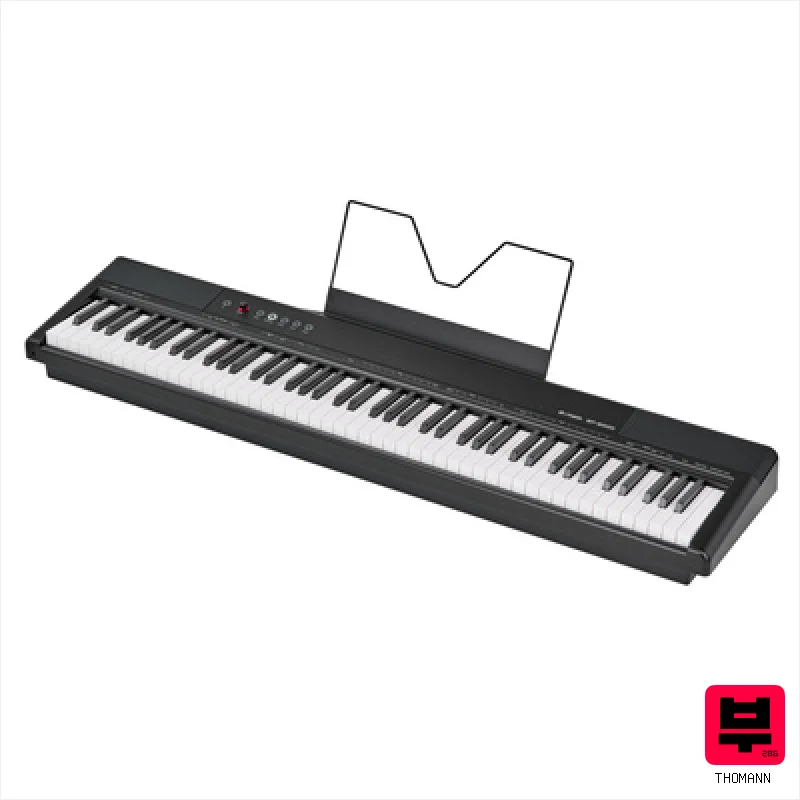
The PA-1000 is a powerhouse arranger keyboard, perfect for gigging musicians, wedding performers, and those who love creating full-band arrangements on the fly. Its sounds are surprisingly good, and the workflow is streamlined for live performance, making it a joy to use even with complex song structures.
Pros
- EDS-X engine delivers remarkably realistic and nuanced sounds
- Digital drawbar organ authentically replicates classic organ tones
- Comprehensive style library caters to diverse musical genres
Cons
- 61-key action may feel limiting for seasoned pianists
- Arranger-focused design limits appeal for pure performance needs
75AudioFu
Index↓ 3.1%since Aug 14 · lowest so far$2,182 · Aug 14$2,114 now$2,114€1,888 at Thomann · in stockCheck price ↗ -
- Weight20.1 kg
- Key actionWeighted keys
The PA-5X 88 Musikant is a serious contender for gigging musicians and those needing a comprehensive performance keyboard. It’s a powerhouse for creating complex arrangements and sounds, but its complexity and premium price mean it's best suited for experienced players looking for a complete, self-contained solution.
Pros
- Weighted keys offer expressive, nuanced playing feel
- Smooth Sound Transition is genuinely useful for live performance
- Dual sequencer system provides unparalleled arrangement possibilities
Cons
- High-end price point puts it out of reach for many hobbyists
- Size and weight make transport a significant undertaking
64AudioFu
Index↓ 9.3%since Aug 14 · lowest so far$5,484 · Aug 14$4,975 now$4,975€4,444 at Thomann · in stockCheck price ↗
Workstation Home Keyboards by the numbers
Measured across all 18 models we track, not a sample.
Median $4,454 — half of all workstation home keyboards here cost less.
median of 18 models · 10.75 kg–20.1 kg
median of 9 models · 61–76
most common · 6 models
How to choose the best workstation home keyboards
Sound Engine & ROM
Korg's known for their distinctive sounds - that signature bright, almost glassy clean, especially in their piano and Rhodes emulations. They've also got a knack for thick, warm analog-style synths, although some of the older sounds can feel a little dated. The sheer volume of sounds is impressive, but dig deep - the hidden gems are often the best.
Keybed & Action
This is where a lot of workstations fall down, but Korg generally does a decent job. Expect semi-weighted actions in the lower tiers; they're okay for pads and leads but won't give you the nuanced control you need for expressive piano playing. The higher-end models will have better weighted actions, but they still might not fool a seasoned piano player.
Workstation Features (Sequencing, Sampling)
Korg's sequencing capabilities are generally solid - easy to pick up and use, with enough depth for basic song arrangements. The sampling features are a mixed bag; some models offer surprisingly powerful sampling, while others feel a bit tacked-on. Pay attention to the sample length and polyphony limits.
Connectivity & Effects
Korg workstations are usually well-equipped with connectivity - MIDI in/out, USB, audio outputs. The built-in effects are often surprisingly good, offering a range of reverbs, delays, and modulation effects that can add a lot of polish to your sounds. The chorus, in particular, often has that classic Korg vibe.
Build Quality & Ergonomics
Korg's build quality is generally reliable, though the plastic casings can feel a little less premium than some competitors. The layout is usually intuitive, but the smaller models can feel cramped, especially if you're used to a full-size keyboard. The transport controls are usually well-placed and responsive.
Buying guide
Alright, so you're looking at a Korg workstation for your home studio or gig setup? Smart move. Korg's been a player in the keyboard game for decades, consistently delivering powerful sounds and features packed into relatively accessible packages. We're talking about instruments that can handle everything from laying down lush pads to slamming out some serious groove - and often, without breaking the bank completely.
Don't chase the latest and greatest just for the spec bump. Often, a slightly older model can offer incredible value. Pay close attention to the keybed action if you're serious about piano or organ - that's a compromise that's tough to live with.
And remember, a workstation's power is only as good as your ability to use it - spend time learning the workflow and digging into those sounds.
How the AudioFu Index works
Five measured signals and nothing else — no stars from strangers, no “tested by experts” we didn’t do. The weights are fixed and public. We don’t play these instruments; we measure the market around them.
This chart covers 9 workstation home keyboards from the Thomann catalogue (of 18 in the category). Before you buy, read hands-on reviews and, where you can, play it. Full methodology.
AudioFu earns a commission when you buy through our Thomann links. It never changes the order — the index does.
- Demand40%
How many of this exact model are for sale on Reverb right now — what musicians actually buy and resell.
- Lineup20%
How many finishes Thomann stocks — makers expand the models that sell.
- Price15%
Where the price has moved since we started tracking in August.
- Specs15%
How completely the maker documents it.
- Maker10%
How deep the brand’s range is in this category.
Questions
Are Korg workstations easy to learn?
They're generally more approachable than some competitors, but there's still a learning curve. The sheer number of sounds and features can be overwhelming at first. Start with the basics and gradually explore the more advanced features.
How do Korg workstations compare to Yamaha or Roland?
Yamaha tends to focus on realistic acoustic instruments, while Roland leans towards powerful synth sounds. Korg sits somewhere in the middle, offering a good balance of both, with a distinct sonic character that many find appealing - that brightness, that slightly glassy clean. It's a matter of taste really.
Can I use Korg workstations for live performance?
Absolutely. Many Korg workstations are gig-ready, with robust build quality and plenty of connectivity. Just be mindful of the keybed action if you're a demanding pianist.
What's the deal with Korg's effects engines?
They're surprisingly good, especially the chorus and reverb. They can really add warmth and dimension to your sounds, and are often a step above what you find in cheaper workstations.
Are Korg workstations good for recording?
Definitely. The quality of the sounds and the sequencing capabilities make them a great option for recording everything from basic backing tracks to full-blown productions. Just make sure you have enough polyphony for your needs.