
Best Wired Intercom Systems for Multi Station Communication 2026
Alright, so you're running a multi-station setup - maybe a rehearsal space with a drummer in one room, a bassist in another, and the rest of the band spread out. Or a studio with an engineer in the booth and multiple musicians tracking simultaneously. Clear communication is everything in those situations, and relying on yelling across rooms just isn't gonna cut it. Wired intercoms are the real deal, and choosing the right one can save you a ton of frustration and wasted time.
Last updated: May 27, 2026 • Next update: June 3, 2026
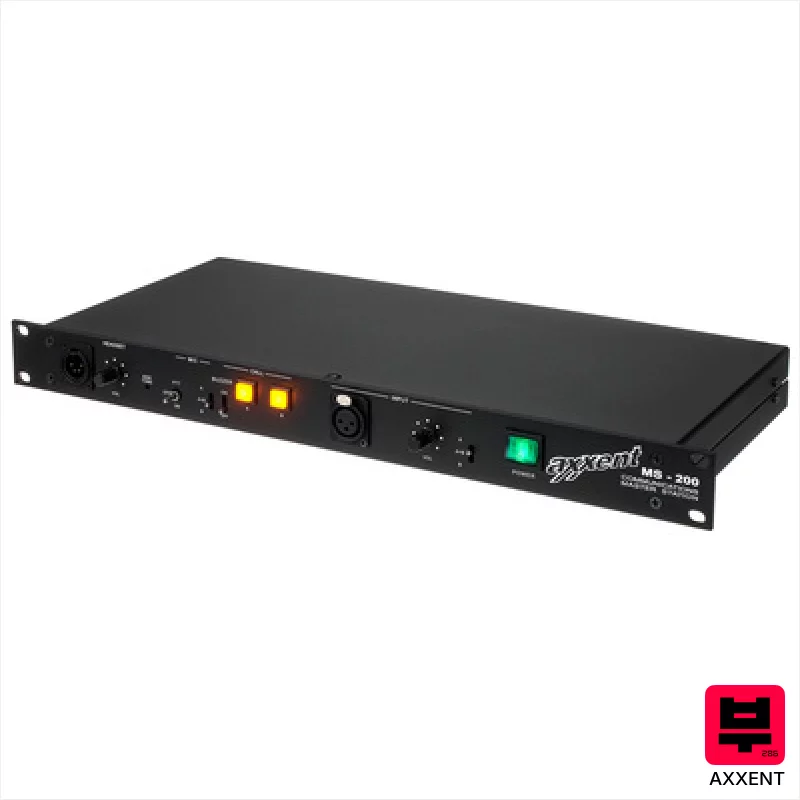
Axxent MS200 Master
- • Solid 1U rackmount construction feels robust and professional
- • Separate channel call functions enhance workflow efficiency on set
- • Multiple XLR outputs offer flexible routing and signal management
- • Front-panel mic input with LS simplifies quick vocal communication
- • Limited expandability compared to higher-end intercom systems
- • The 1U height might restrict installation in some tight spaces
- • Lacks advanced features like programmable buttons or scene recall
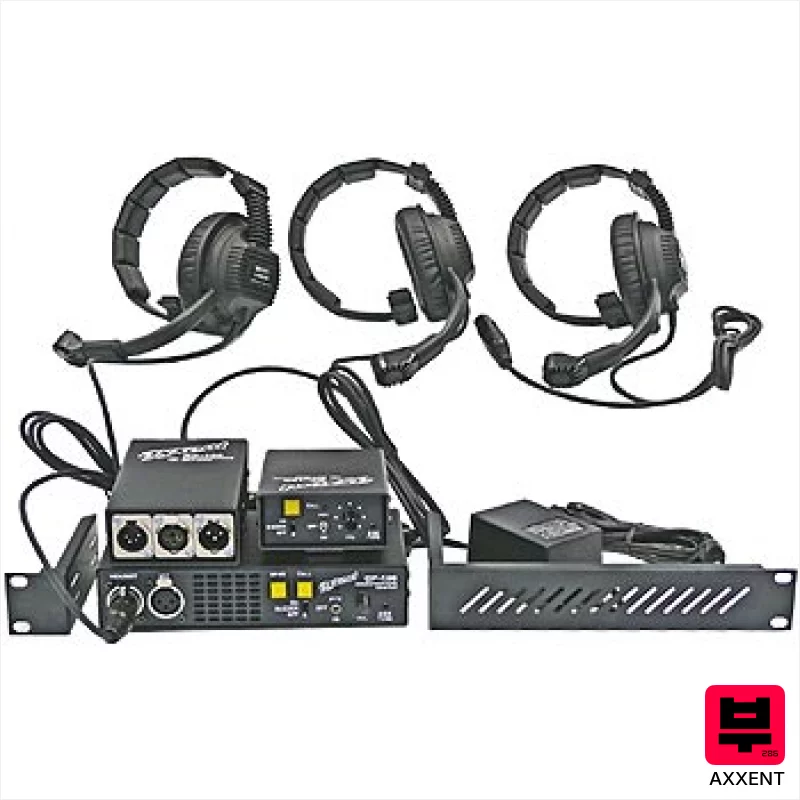
Axxent Intercom-Set 1
- • Compact CP-100S station offers surprisingly clear audio reproduction
- • BP-100 beltpacks provide comfortable, reliable hands-free operation
- • PS-65 power supply supports a substantial number of stations
- • D800E headsets offer decent noise isolation for stage environments
- • CP-100S station's 9.5in size can feel cramped in busy environments
- • D800E headsets are fairly basic – not audiophile quality
- • System's wired nature limits mobility compared to wireless alternatives
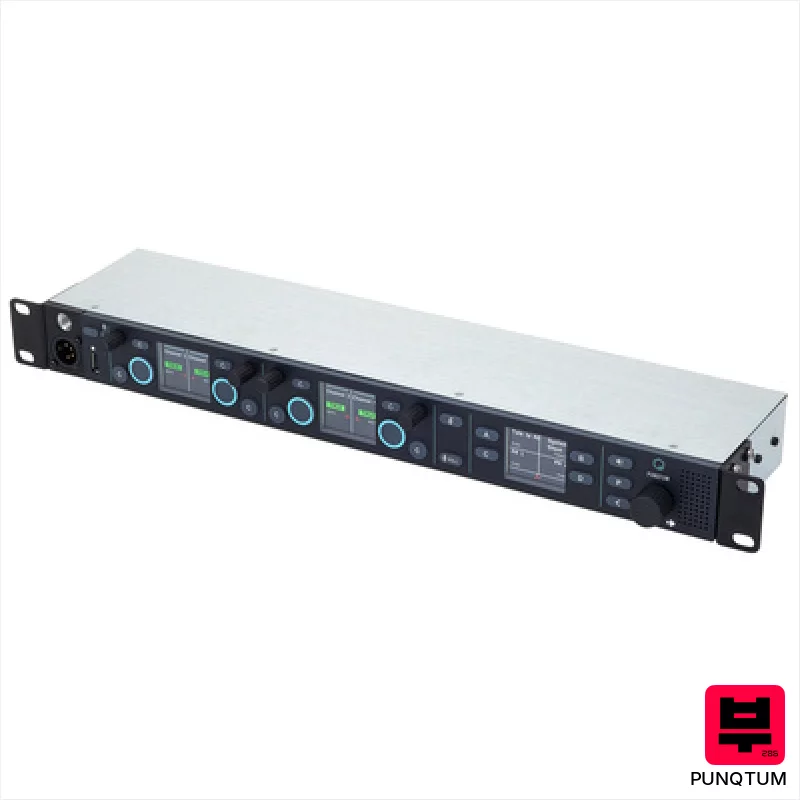
punQtum Q210 P
- • Robust Ethercom connectors ensure reliable, professional-grade connectivity.
- • Built-in PoE switch simplifies power distribution for multiple beltpacks.
- • Daylight-readable display offers excellent visibility in challenging environments.
- • Flexible configuration software provides granular control over system parameters.
- • The unit's dimensions, while compact, might limit placement options in tight spaces.
- • Premium-priced, representing a significant investment for smaller operations.
- • Limited channel count (32) might be restrictive for large, complex productions.

Axxent Intercom Tiny 2 Set
- • Robust CP100S main station offers excellent clarity and reliability
- • BP100 beltpack’s light/sound alarm is genuinely useful for stage monitoring
- • D800E headsets provide comfortable, secure one-ear listening experience
- • Rack kit availability allows for professional, organized system integration
- • Limited channel count restricts scalability for larger productions
- • System's wired nature lacks the flexibility of wireless alternatives
- • Price point places it firmly in the premium-priced category
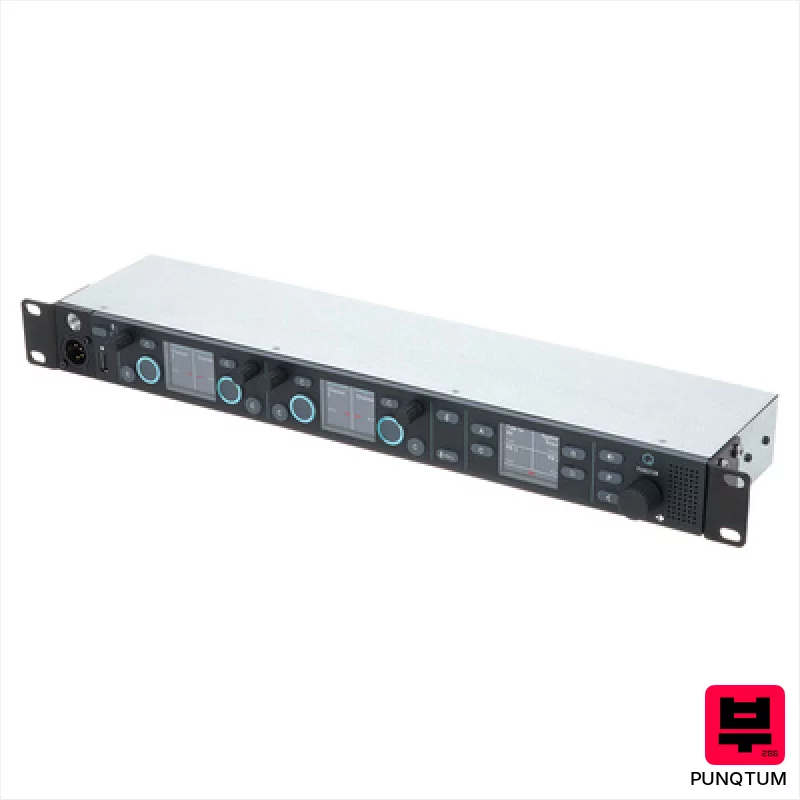
punQtum Q210 PW
- • Robust Ethercom connections ensure reliable, low-latency communication.
- • Built-in PoE switch simplifies power distribution for beltpacks.
- • Daylight-readable display is a genuine boon for outdoor use.
- • Configurable buttons offer versatile control for announcements and triggers.
- • Premium-priced, representing a significant investment for smaller operations.
- • 4-channel limit might feel restrictive for larger, complex productions.
- • Form factor, while compact, could be unwieldy in tight spaces.

Axxent Intercom Tiny Set
- • Robust CP100S main station offers reliable, clear communication.
- • BP100 beltpack’s light/sound alarm is genuinely useful for stage managers.
- • D800E headsets provide comfortable, secure one-ear monitoring.
- • Rack kit availability allows for professional, organized installation.
- • Limited channel count restricts scalability for larger productions.
- • System’s wired nature lacks the flexibility of wireless options.
- • Initial investment is premium-priced compared to simpler intercoms.
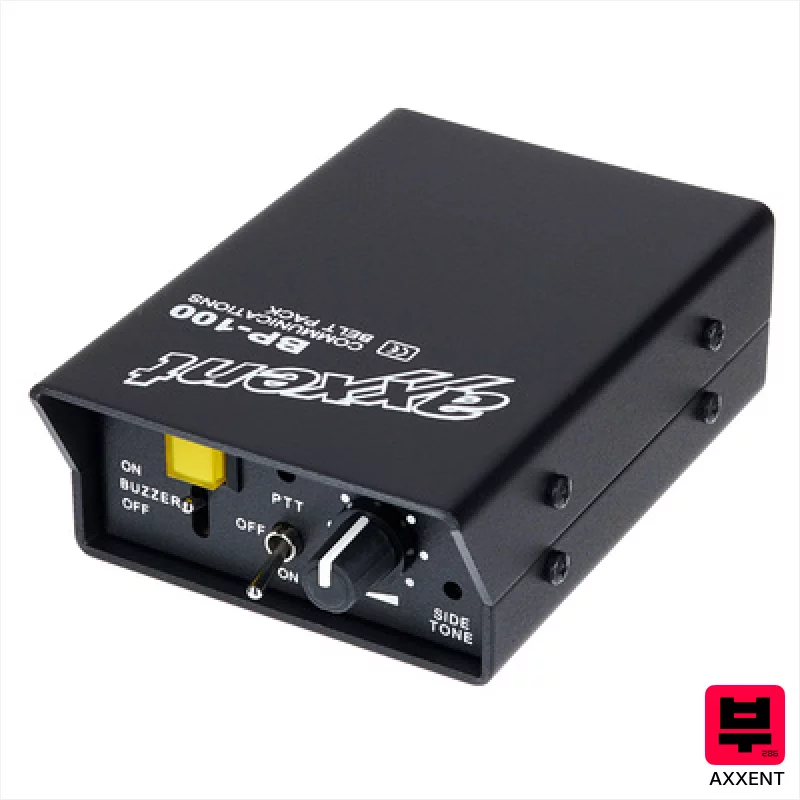
Axxent BP 100
- • Robust steel housing offers excellent durability on stage or in the studio
- • XLR connectivity ensures professional-grade audio signal transfer
- • Sound and light alerts provide clear, unambiguous communication during performances
- • Compact beltpack design allows for hands-free operation and mobility
- • Limited channel count restricts use in complex, multi-person intercom setups
- • 4-pin XLR connection restricts compatibility with some headset systems
- • Steel housing adds noticeable weight, potentially uncomfortable for extended wear
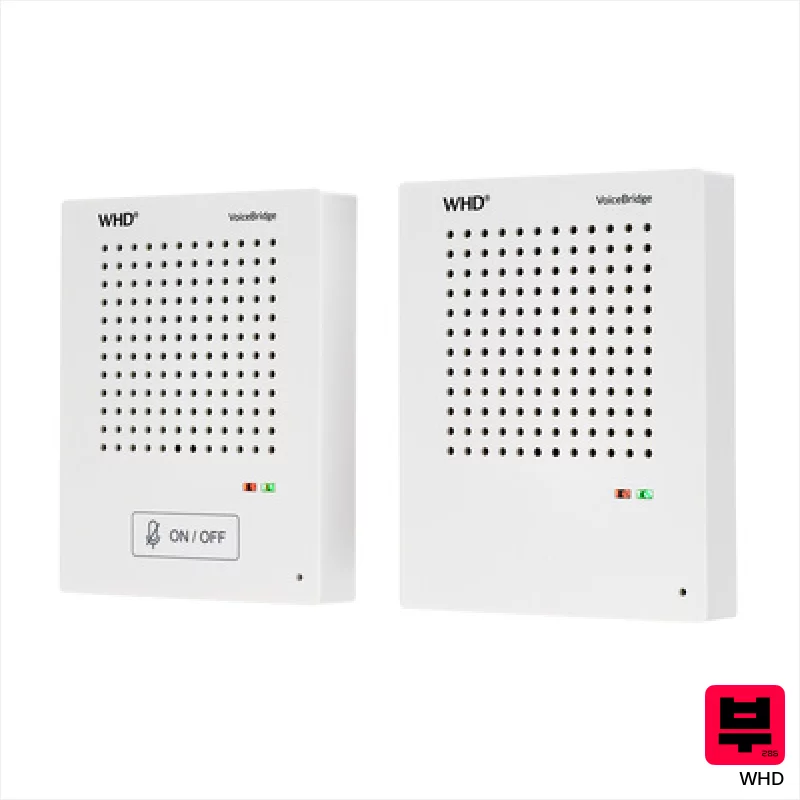
WHD VoiceBridge
- • Contactless operation ideal for hygiene-sensitive environments
- • AEC and NR mics improve speech clarity in noisy spaces
- • Compact size (86 x 111 x 18 mm) allows for flexible placement
- • Automatic operation simplifies setup, reducing user training
- • Limited channel count restricts use in complex communication scenarios
- • Battery not included, adding to overall system cost
- • White plastic construction feels somewhat budget-oriented
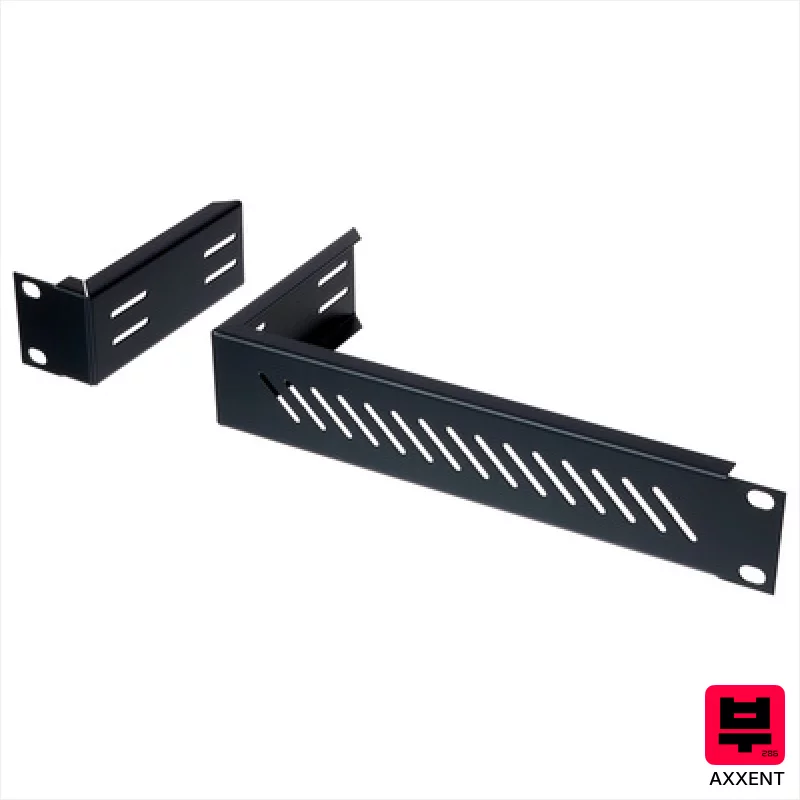
Axxent RME-100
- • Robust rackmount chassis provides solid protection during transport.
- • Designed for seamless integration with Axxent CP-100 speaker and PS-100 power supply.
- • Simple, straightforward design minimizes setup complexity and training time.
- • Provides a cost-effective solution for basic intercom needs in smaller venues.
- • Limited functionality compared to more advanced intercom systems.
- • Dependent on CP-100 speaker unit, increasing overall system cost.
- • Lacks advanced features like individual station monitoring or call queuing.
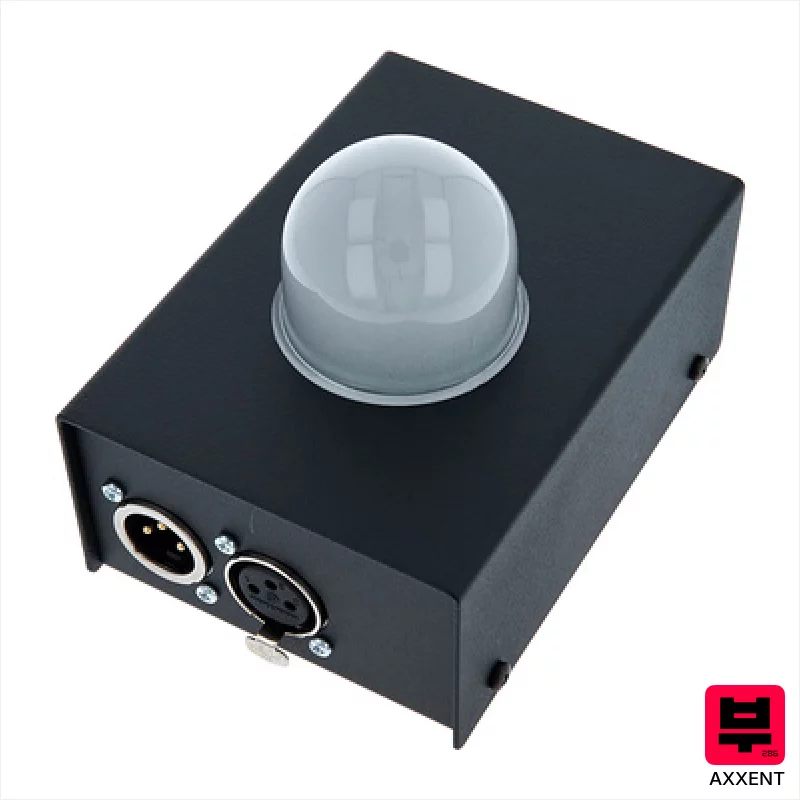
Axxent LP 100
- • Lightweight ABS plastic housing minimizes fatigue during extended use
- • Simple call signalling functionality streamlines basic communication needs
- • Robust construction ensures reliability in demanding environments
- • Compact design allows for easy integration into various setups
- • Limited channel capacity restricts use in complex, multi-party scenarios
- • Basic features lack advanced options like talkback or group calling
- • Wired connection limits mobility compared to wireless alternatives
How to Choose the Best Wired Intercom Systems
Clarity & Noise Floor
A low noise floor is non-negotiable. You don't want to hear hiss or static competing with the crucial cues you're trying to communicate. We're listening for that clean, articulate delivery, especially when multiple stations are talking simultaneously.
Channel Count & Flexibility
A two-channel system is fine for a simple setup, but if you're coordinating a larger band or complex recording session, you'll need more channels. The ability to easily re-route channels and create subgroups is a huge time-saver.
Durability & Build Quality
These things take a beating on the road. We're looking for robust construction - solid connectors, durable wiring, and a system that can withstand regular use and transport. Cheap plastic housings and flimsy cables are a red flag.
Headroom & Distortion
Just like an amp, an intercom system has headroom. Pushing it too hard introduces distortion and muddiness. We want a system that maintains clarity even when multiple stations are talking at once and the volume is cranked up.
Integration & Compatibility
Does it play nice with your existing gear? Can you easily connect it to your mixing console or headphone amplifiers? Compatibility with standard connectors (XLR, TRS) is a big plus.
Buying Guide
Don't cheap out here - a bad intercom system is more frustrating than a poorly voiced snare drum. Entry-level systems often cut corners on build quality and noise reduction, leading to a muddy, unusable signal. Investing in a system with a decent noise floor and robust construction will pay off in the long run. Think about your long-term needs - a system that's barely adequate now will quickly become a bottleneck.
Our Methodology
We're not just looking at spec sheets here. We've spent countless hours testing these systems in real-world scenarios - band rehearsals, tracking sessions, even just simulating a noisy gig environment. Our evaluations are based on clarity, reliability, ease of use, and how well they integrate into existing PA setups - basically, what a working musician needs to know.

