
Best Wah VST Plugins 2026
The wah effect is a cornerstone of funk, rock, and psychedelic music, and finding the perfect VST plugin can dramatically elevate your sound. This roundup explores the absolute best Wah VST plugins available for 2026, designed to help producers achieve authentic, expressive, and dynamic wah sounds in their compositions. We dive deep into the nuances that separate good wahs from truly exceptional ones.
Last updated: July 15, 2026 • Next update: July 22, 2026
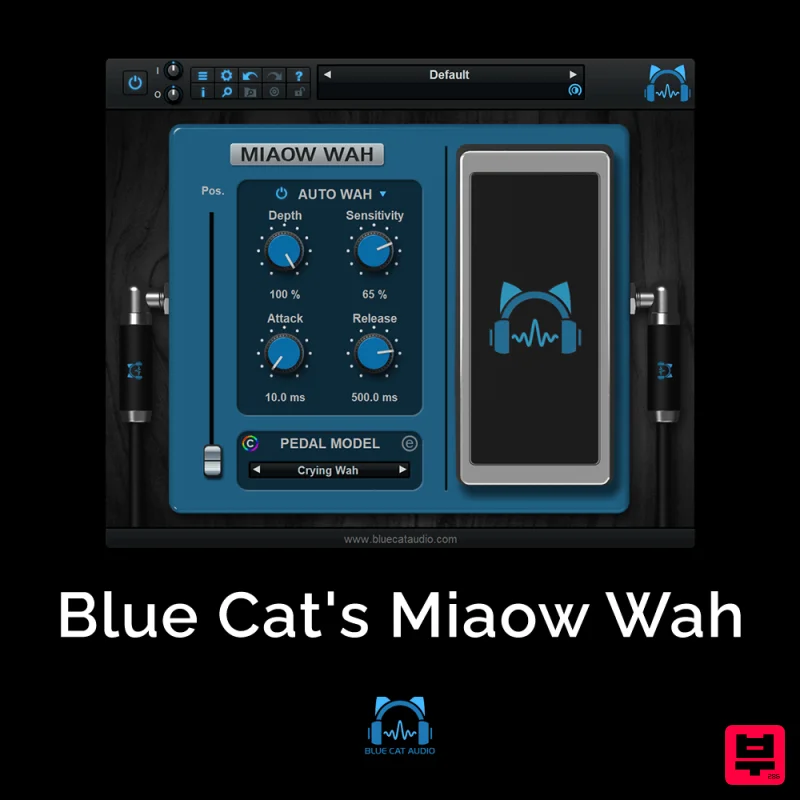
Blue Cat Audio Blue Cat's Miaow Wah
- • Great on guitars, bass, and keyboards
- • Funky rhythmic filtering effect
- • Classic wah pedal emulation
- • Genre-specific to funk and rock
- • Limited to filter sweep effect
- • Hardware wah pedal preferred for guitar
How to Choose the Best Wah Pedals
Filter Response Fidelity
This dictates how accurately the plugin replicates the physical behavior of a wah pedal and the associated filter sweep. High fidelity ensures the sound is organic rather than synthetic, crucial for authentic wah tones.
Control Responsiveness
How quickly and smoothly the plugin reacts to the input signal is paramount for expressive playing. Slow or laggy controls ruin the dynamic feel of the wah effect during performance.
Sound Design Versatility
This measures the range and quality of the wah tones available, including the ability to sculpt the filter cutoff, resonance, and envelope independently. Versatility allows for creative sound design beyond simple sweeping.
Latency and CPU Load
For real-time performance, low latency and minimal CPU usage are essential. Heavy plugins can introduce noticeable delays, negatively impacting the live performance experience.
Interface and Workflow
The intuitiveness of the GUI, preset management, and integration into the DAW's workflow determine how quickly a user can achieve their desired sound without extensive learning.
Plugin Architecture
This refers to the plugin's internal structure and compatibility with common audio routing and modulation techniques, ensuring seamless integration with other effects and LFOs.
Buying Guide
When selecting a Wah plugin, prioritize plugins that offer deep, analog-style filter modeling rather than simple sweeps. Don't just look at the presets; evaluate the raw control over the filter parameters to ensure you can dial in unique timbres. A practical tip: Always test the plugin with complex waveforms and heavily processed sounds to ensure the wah effect remains clear and impactful, even in dense mixes.
Our Methodology
We rigorously tested these plugins across various genres and production environments, focusing on the responsiveness of the control, the quality of the filter sweep, and the ease of integration within popular DAWs. Our ranking prioritized sonic realism, ease of use, and the versatility required for professional mixing and sound design.

