
Best Voice Processor for Broadcast 2026
So, you're doing broadcast work - radio, podcasts, voiceovers, streaming - and need a voice processor to polish that raw vocal track? It's not just about slapping on some reverb; broadcast demands clarity, a professional sheen, and the ability to sit in a mix without sounding cheesy or artificial. Forget the autotune gimmicks and focus on tools that enhance your natural voice - we're talking subtle compression, EQ shaping, and de-essing that doesn't suck the life out of your performance.
Last updated: July 15, 2026 • Next update: July 22, 2026
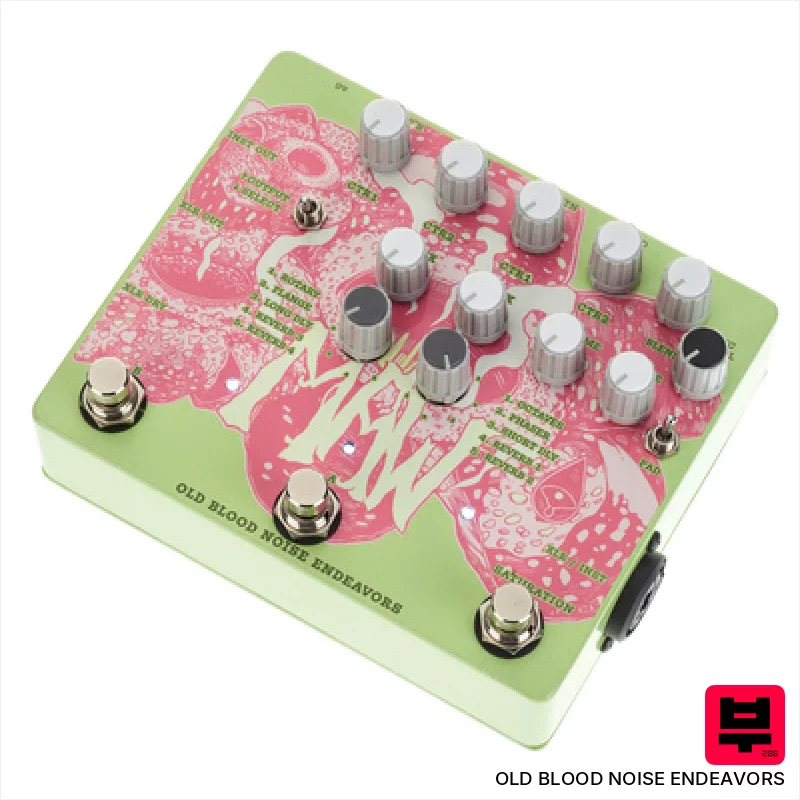
Old Blood Noise Endeavors MAW XLR Pedal
- • Excellent preamplifier for dynamic mics, adds significant warmth
- • Creative effects routing via the FX loop offers tonal flexibility
- • Expression pedal inputs allow for nuanced, real-time control
- • Robust build quality, typical of Old Blood Noise Endeavors' standard
- • Limited preset storage demands diligent knob tweaking
- • The interface, while creative, can feel overwhelming initially
- • Power supply not included adds to the overall investment

Tascam TA-1VP
- • Antares Auto-Tune integration delivers polished, professional vocal correction
- • EVO voice processing offers unique, characterful tonal shaping possibilities
- • Comprehensive connectivity suite handles diverse studio and live setups
- • Robust 19in rackmount design ensures roadworthiness and stable integration
- • Limited flexibility compared to modular software vocal processing chains
- • The tube modelling, while pleasant, is a simulation – lacks true tube warmth
- • The learning curve can be steep for users unfamiliar with vocal processing

Roland AIRA Compact E-4 Voice Tweaker
- • Intuitive fader control offers immediate, expressive vocal manipulation.
- • Compact size and battery power enable portable performance and experimentation.
- • Built-in looper simplifies layering and creating vocal textures on the fly.
- • Vocoder effect delivers classic robotic tones with surprising ease and quality.
- • Limited 24-second looper length restricts complex song construction.
- • 3.5mm connections feel a bit flimsy for a professional environment.
- • Microphone preamp lacks the headroom for extremely dynamic vocal sources.
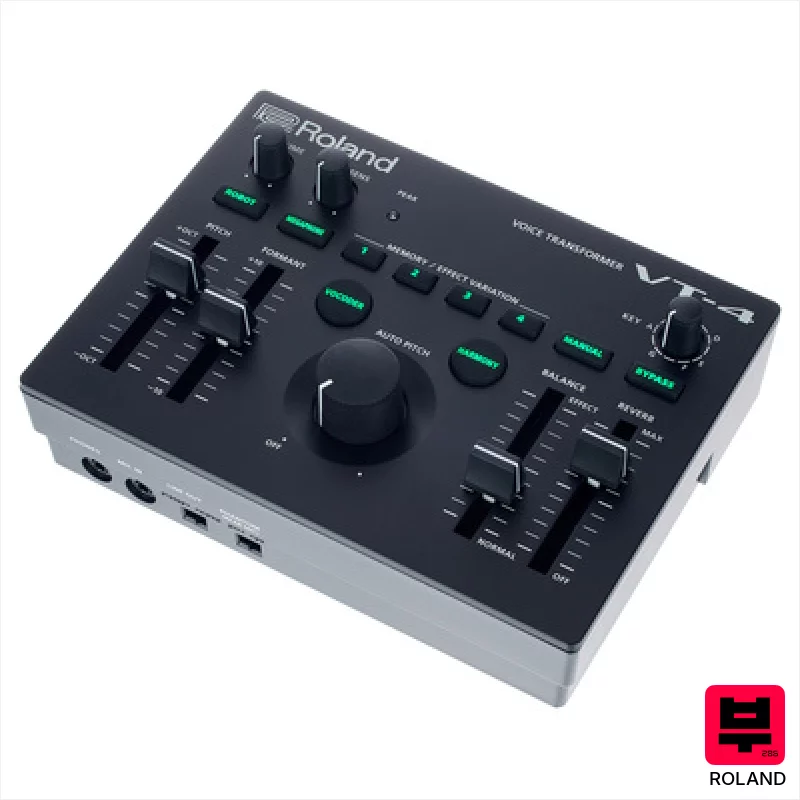
Roland VT-4
- • Intuitive controls offer immediate, creative vocal manipulation.
- • Vocoder is surprisingly usable and sounds genuinely vintage.
- • Compact size and battery operation enable performance flexibility.
- • XLR combo input with phantom power handles professional mics.
- • Limited routing options restrict complex signal chains.
- • Effect quality, while decent, isn't flagship-level Roland.
- • Build feels somewhat plasticky, not as robust as higher-end units.
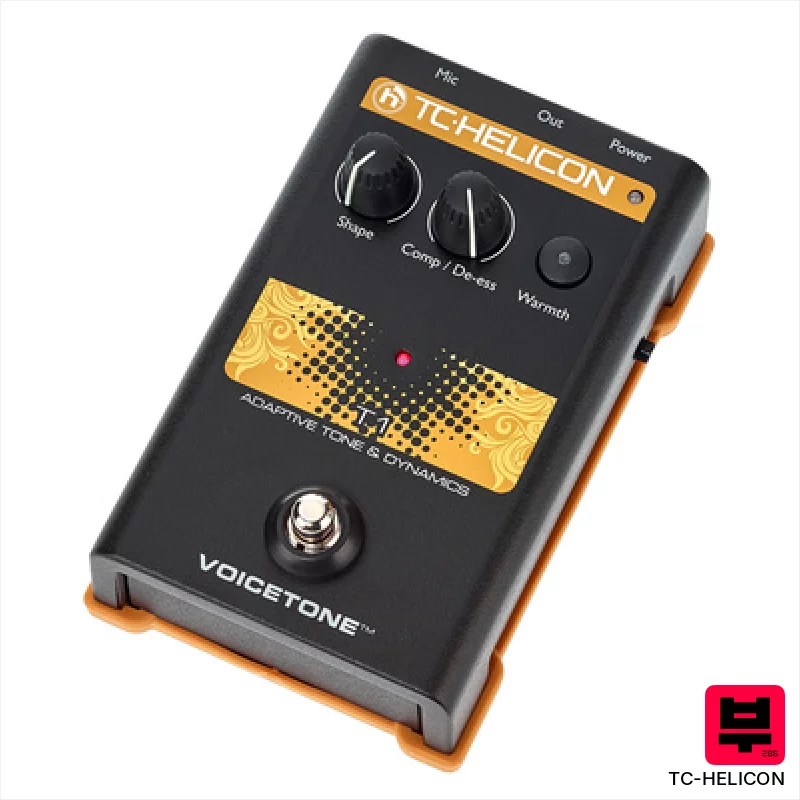
TC-Helicon VoiceTone T1
- • Excellent VoiceLive 2 algorithms deliver professional vocal polish
- • Built-in phantom power simplifies setup with condenser mics
- • Recessed gain control prevents accidental signal adjustments
- • Daisy-chaining with other VoiceTone pedals expands functionality
- • Limited effects compared to full VoiceLive units
- • Phantom power is always on, potentially problematic for some mics
- • USB connectivity primarily for software, not audio interface

TC-Helicon VoiceTone R1
- • Excellent reverb quality leveraging VoiceLive algorithms
- • Compact footprint ideal for pedalboard integration
- • XLR input with phantom power simplifies mic connectivity
- • Daisy-chaining expands functionality with other VoiceTone pedals
- • Limited to reverb effects; lacks broader vocal processing options
- • Phantom power cannot be disabled, potentially problematic with some mics
- • Preset selection is somewhat restricted for extensive creative control

TC-Helicon VoiceTone E1
- • Compact footprint ideal for pedalboards, doesn’t take up much space
- • XLR input with phantom power simplifies live vocal rigs
- • Tap tempo and mic-control add performance flexibility
- • Solid build quality; feels durable for gigging
- • Effect selection is limited compared to rack-mount processors
- • Echo/delay algorithms are decent, but lack nuanced character
- • USB connectivity primarily for updates, not deep editing
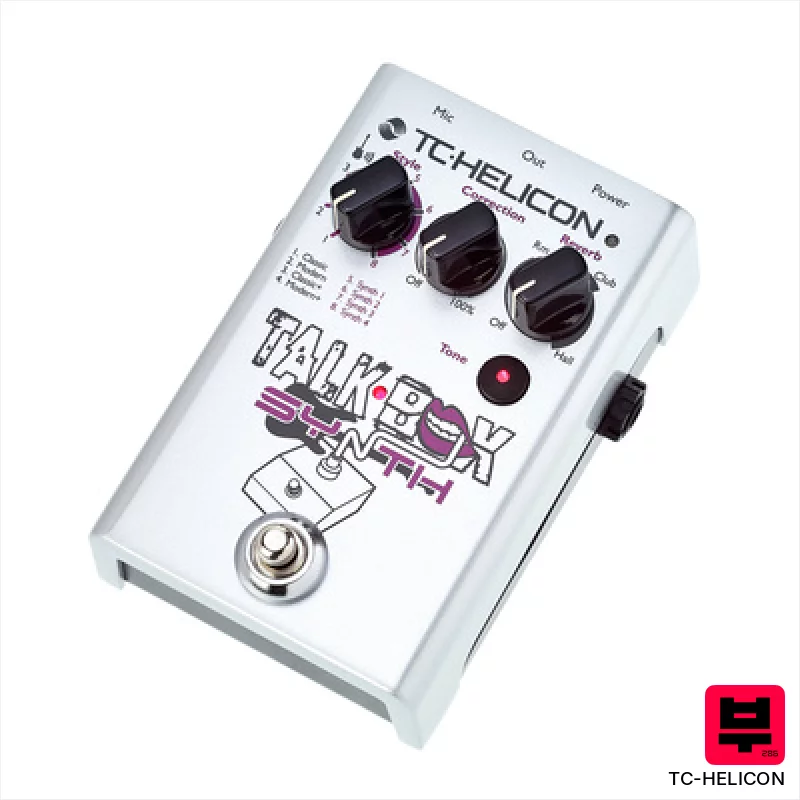
TC-Helicon Talkbox Synth
- • Unique talkbox emulation, surprisingly authentic and fun
- • Guitar-triggered synth sounds add creative sonic possibilities
- • Adaptive Tone technology simplifies gain staging and EQ
- • Compact size and lightweight design enhance pedalboard portability
- • Requires external power supply, adding to overall cost
- • Microphone preamp quality is adequate, not high-end studio level
- • Talkbox effect can sound artificial with less skilled vocalists

TC-Helicon Critical Mass
- • Clean preamp provides a surprisingly transparent and low-noise signal
- • Compact size makes it ideal for gigging musicians with limited space
- • Footswitch offers immediate effect engagement for dynamic performance
- • Balanced XLR connections ensure robust signal transfer and minimal hum
- • Limited effects selection compared to more modern voice processors
- • USB connection requires external power – no included power adapter
- • Harmonizer quality isn't as refined as dedicated vocal harmony units
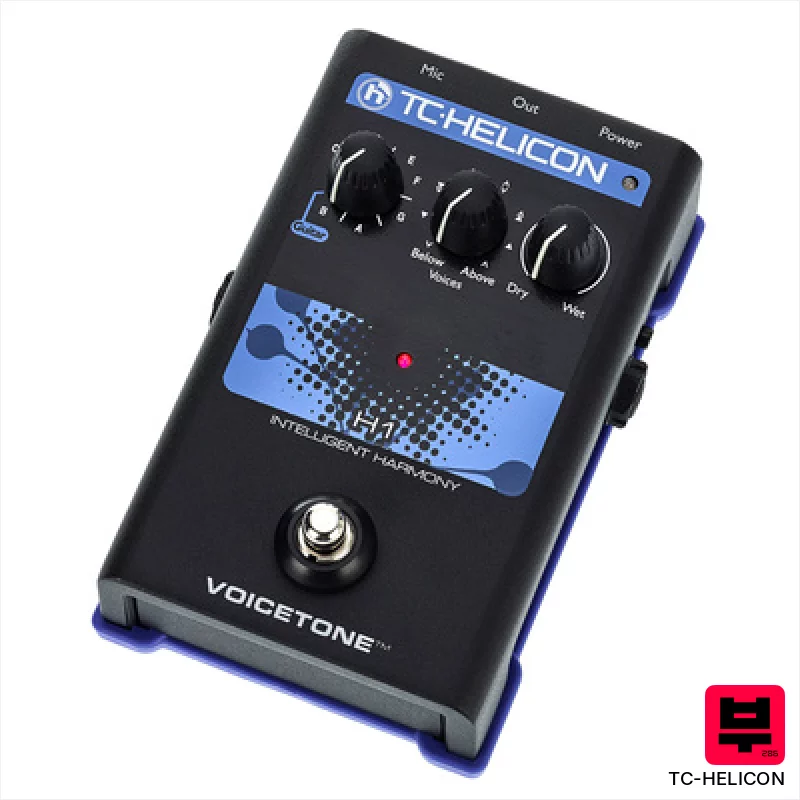
TC-Helicon VoiceTone H1
- • Compact footprint ideal for pedalboards, even smaller ones
- • Solid build quality; feels robust for its size and price
- • Excellent chord recognition for surprisingly accurate harmonies
- • XLR input with phantom power simplifies vocal recording setups
- • Harmonies can sound 'processed' without careful tweaking
- • Limited effect options compared to more expensive vocal processors
- • USB connectivity primarily for software updates, not extensive editing
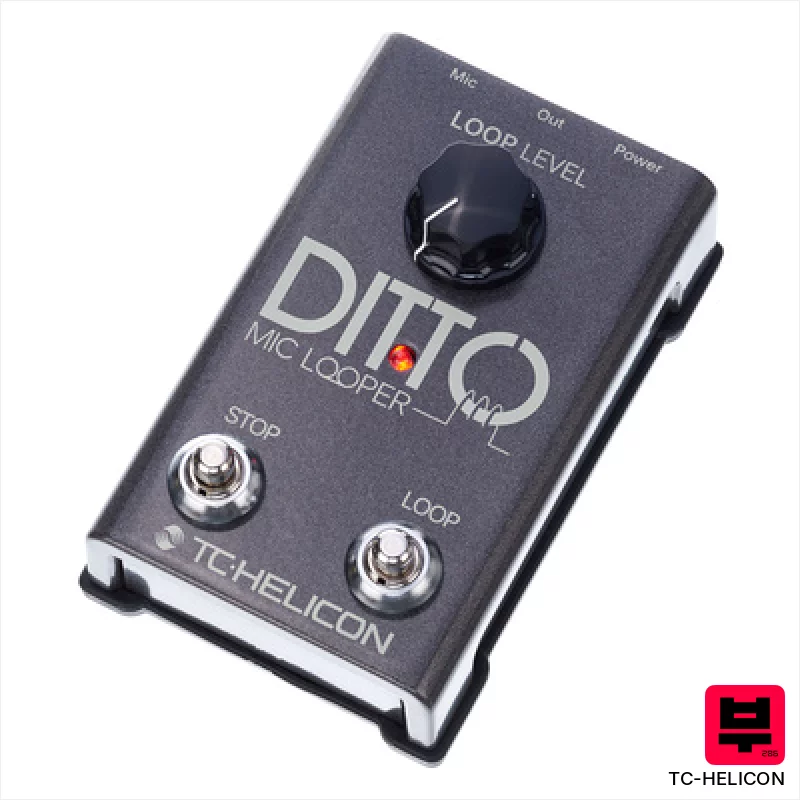
TC-Helicon Ditto Mic Looper
- • Excellent audio resolution for pristine loop clarity
- • Compact, rugged build perfect for gigging musicians
- • Phantom power simplifies condenser mic use on the fly
- • Saved loop functionality prevents frustrating data loss
- • Limited effects beyond basic looping functionality
- • Small footprint can make footswitching feel cramped
- • No MIDI control for advanced parameter adjustments
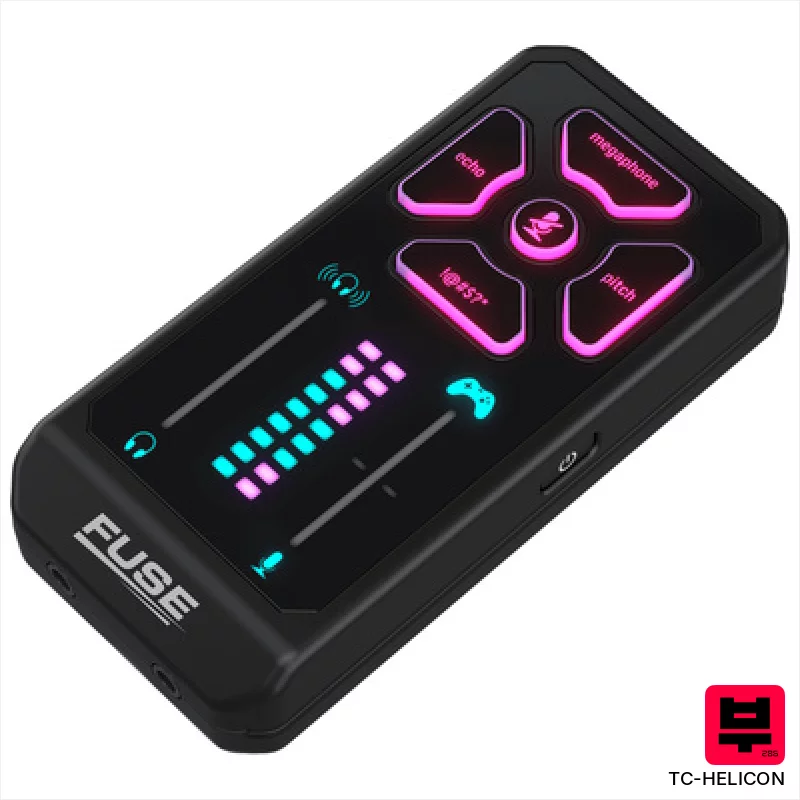
TC-Helicon Fuse
- • Compact form factor enhances portability and setup ease
- • TC Helicon's vocal effects offer professional-grade processing
- • USB connectivity enables seamless integration with streaming platforms
- • Built-in battery provides flexibility for on-the-go use
- • Limited control compared to dedicated vocal processors
- • RGB lighting may feel gimmicky to some users
- • Analog headset compatibility restricts microphone options
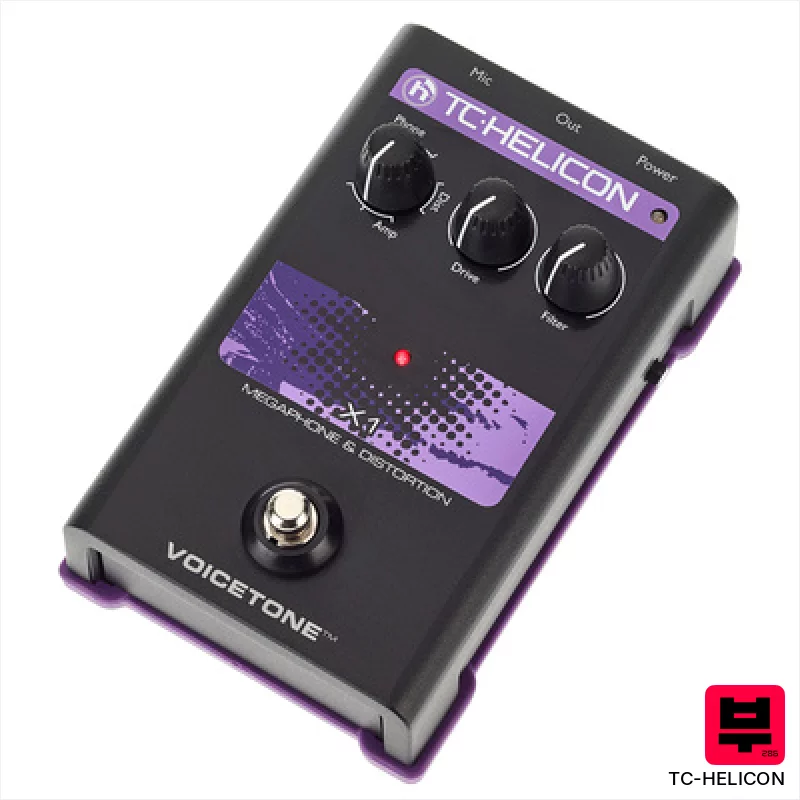
TC-Helicon VoiceTone X1
- • Solid build quality with robust foot-switches and housing
- • XLR input & phantom power simplifies recording and live use
- • Megaphone effect adds unique character for performance
- • Daisy-chaining with other VoiceTone pedals expands sonic possibilities
- • Limited effect selection compared to higher-end vocal processors
- • USB connectivity primarily for software, not audio interface functionality
- • Distortion effect can be harsh and one-dimensional
How to Choose the Best Voice Processor
Transparency
This is paramount. A good broadcast processor shouldn't change your voice, it should refine it. We're looking for subtle shaping, not a robotic makeover. Too much processing creates a noticeable 'artifact' that pulls the listener out of the experience.
Dynamic Range Control
Broadcast demands consistent levels. A solid compressor/limiter is essential to tame peaks and bring up quiet passages without introducing pumping or distortion. Headroom is your friend - you don't want it slamming into the red.
EQ Flexibility
Precise EQ control is crucial for sculpting the vocal tone and eliminating problem frequencies (mud in the low-mids, harshness in the high-mids). Broad, sweeping curves won't cut it; you need surgical precision.
De-essing
That sibilance can be brutal on air. A transparent de-esser is vital, but avoid those that sound like they're sucking the breath out of your performance. The goal is control, not erasure.
Ease of Use/Recall
Broadcast often means quick turnarounds and consistent results. A processor with a logical workflow and the ability to save and recall presets is a huge time-saver. Nobody wants to re-dial settings every session.
Buying Guide
Don't chase the latest hype. Many 'vocal processors' are just glorified karaoke machines. Focus on units with clean preamps, transparent processing, and a solid build. Paying extra for analog circuitry often buys you smoother, more musical compression and EQ - especially when you're dealing with dynamic vocals. Be wary of processors that rely heavily on presets; you want control, not a pre-baked 'sound'.
Our Methodology
We don't go by spec sheets here. We've put these processors through the wringer: plugged them into various interfaces, run them through different microphones (from cheap SM58s to boutique ribbon mics), and A/B'd them against industry-standard plugins. The real test is how they sound in a realistic broadcast environment - clear, present, and fatigue-free after hours of use.

