
Best TV Headphones Under $500 2026
Alright, so you're looking for decent TV headphones without blowing your gig money? Smart move. Let's be honest, those built-in TV speakers often sound like a tin can in a reverb chamber, and blasting your roommates with explosions isn't exactly neighborly. We're hunting for that sweet spot - good sound, comfortable for marathon movie nights, and won't force you to eat ramen for a month.
Last updated: August 18, 2026
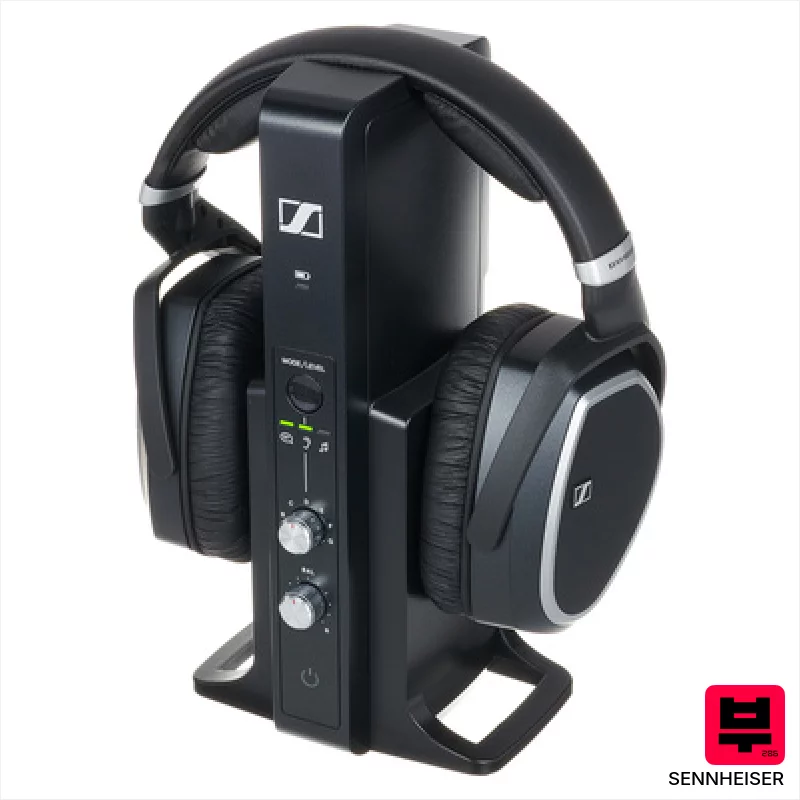
Sennheiser RS 195
- • Excellent clarity and detail across the frequency spectrum.
- • Robust build quality with comfortable, durable earcups.
- • Impressive range avoids signal dropouts in larger rooms.
- • Integrated charging dock simplifies storage and battery management.
- • The 340g weight can become fatiguing during extended listening sessions.
- • Closed-back design limits soundstage and natural ambience.
- • Limited codec support restricts high-resolution audio streaming.
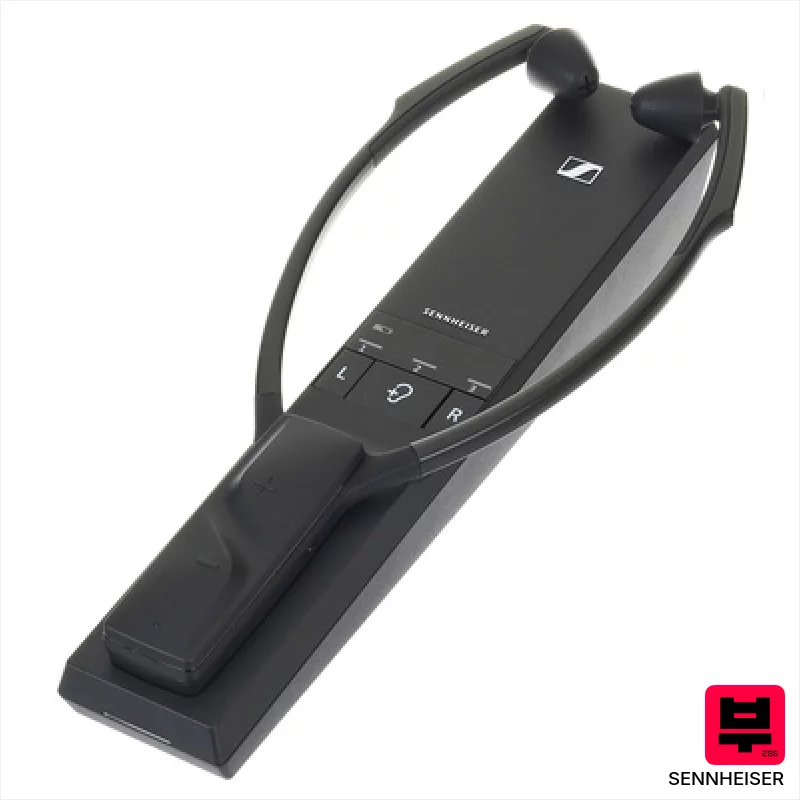
Sennheiser RS 5200
- • Excellent RF clarity; minimizes dropouts common in TV headphones.
- • Memory foam earpads offer exceptional, long-term comfort.
- • Balance control is genuinely useful for uneven hearing.
- • Solid build quality; feels durable despite the lightweight design.
- • Sound profile is somewhat flat; lacks excitement for music listening.
- • Base station takes up a fair amount of space.
- • Limited codec support; no aptX or higher-end wireless options.

Sennheiser RS 175
- • Excellent bass response, surprisingly impactful for TV headphones
- • Robust build quality; feels solid and durable despite the weight
- • Simple, reliable RF transmission – no Bluetooth connectivity issues
- • Dual headphone support is genuinely useful for families or couples
- • 310g is substantial; long listening sessions can cause fatigue
- • Soundstage is limited; not ideal for critical listening or audiophiles
- • Analogue connection only for some devices; lacks modern digital options
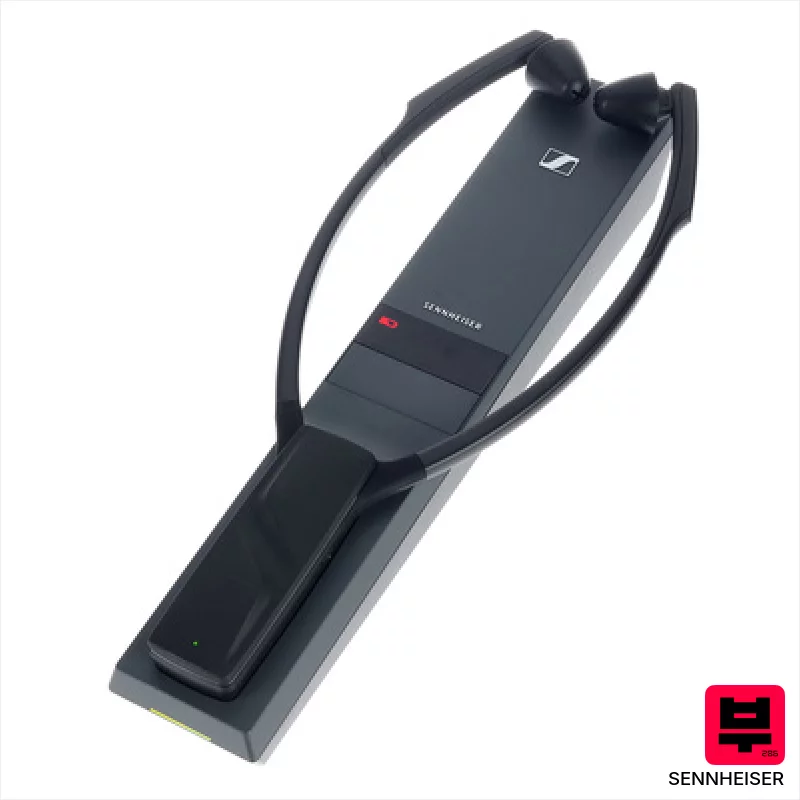
Sennheiser RS 2000
- • Excellent clarity for dialogue, crucial for TV viewing
- • Comfortable earpiece design minimizes fatigue during extended use
- • Reliable RF transmission avoids interference common in many wireless systems
- • Simple, intuitive controls for volume and bass adjustment
- • Soundstage is closed-back, lacks immersive spatial qualities
- • Limited frequency response restricts enjoyment of bass-heavy genres
- • Design feels somewhat dated compared to modern, sleeker alternatives
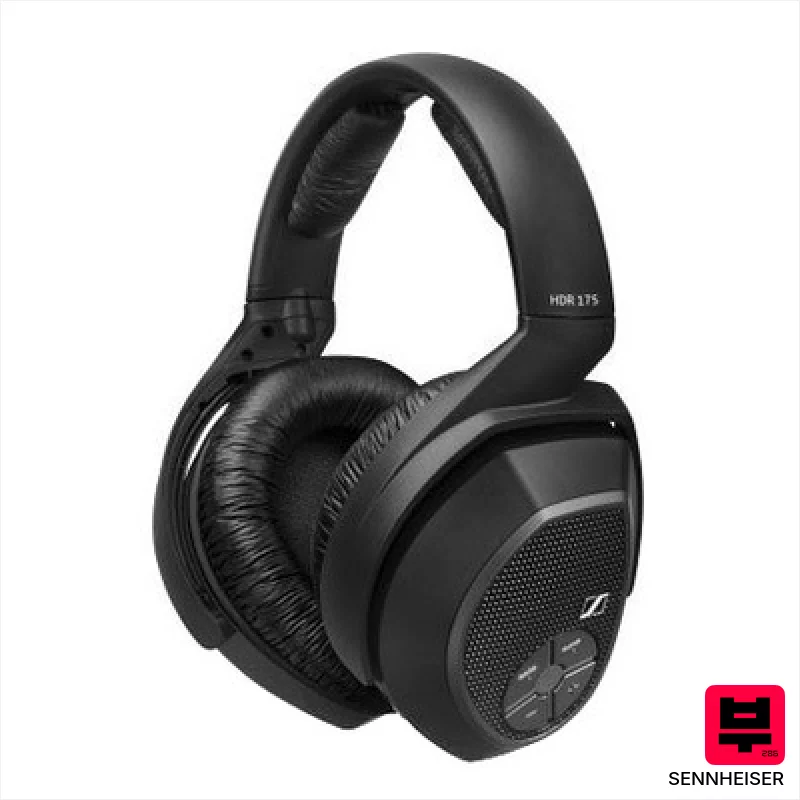
Sennheiser HDR 175
- • Comfortable earpads provide extended listening enjoyment
- • Solid build quality with durable plastic and metal accents
- • Excellent wireless range minimizes dropouts in larger rooms
- • Clear, balanced sound signature suitable for movies and TV shows
- • Limited versatility outside of TV/movie watching applications
- • Design lacks premium aesthetics compared to higher-end headphones
- • Bass response can feel slightly lacking for some music genres
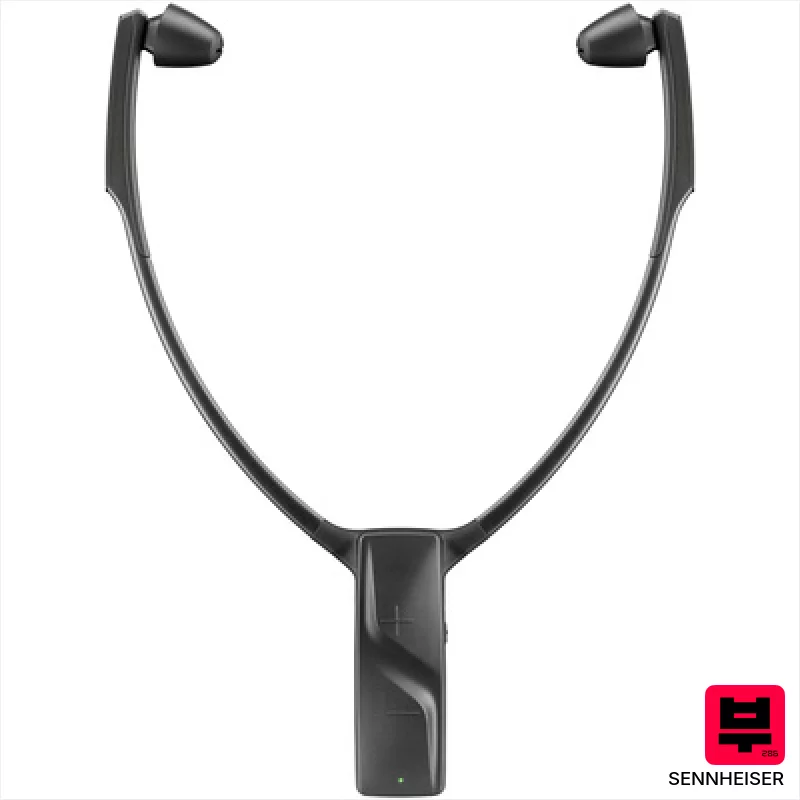
Sennheiser RR 5200
- • Memory foam ear pads offer exceptional comfort for extended listening sessions.
- • Balance control allows for precise, independent channel volume adjustment.
- • Lightweight design minimizes fatigue, even during long periods of use.
- • Solid 70-meter range provides freedom of movement around the house.
- • Requires a separate RS 5000 or RS 5200 transmitter, adding to the overall cost.
- • Limited to TV/radio listening; not versatile for general audio use.
- • Radio frequency transmission can be susceptible to interference in dense environments.
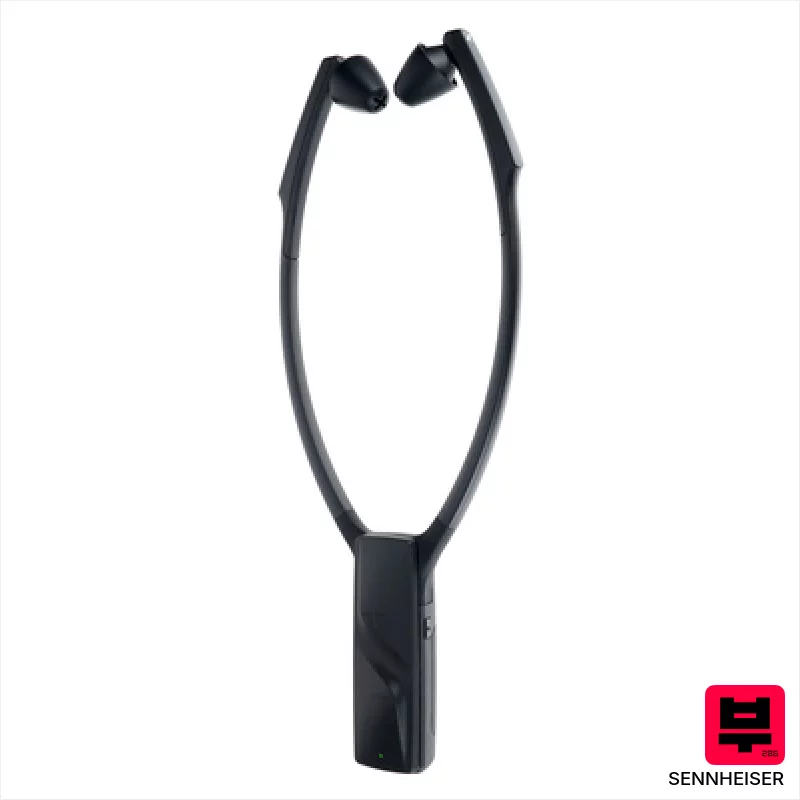
Sennheiser RR 2000
- • Comfortable earpads provide extended listening sessions without fatigue
- • Robust headband construction ensures durability for daily use
- • Clear audio reproduction, especially noticeable in dialogue clarity
- • Impressive range allows for movement throughout a typical living room
- • Requires the RS 2000 system; a significant additional investment
- • Frequency response leans towards a flatter profile; lacks pronounced bass
- • Plastic construction feels less premium compared to higher-end headphones
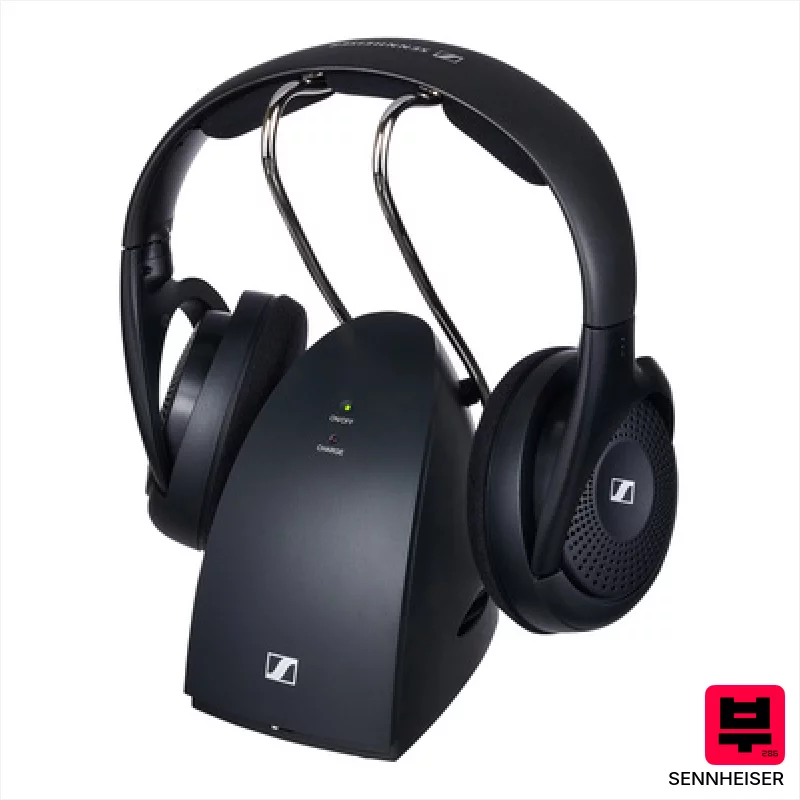
Sennheiser RS 120-W
- • Comfortable velour ear pads minimize pressure during extended listening sessions.
- • Open design offers a surprisingly spacious soundstage for a closed-back design.
- • Reliable RF transmission avoids Bluetooth interference issues common in TVs.
- • LE Audio Broadcast mode is genuinely useful for shared listening experiences.
- • Supra-aural design can get warm during long use, especially in warmer environments.
- • Limited frequency response compared to higher-end audiophile headphones; lacks deep bass extension.
- • Lack of Bluetooth Classic compatibility restricts modern device connectivity.
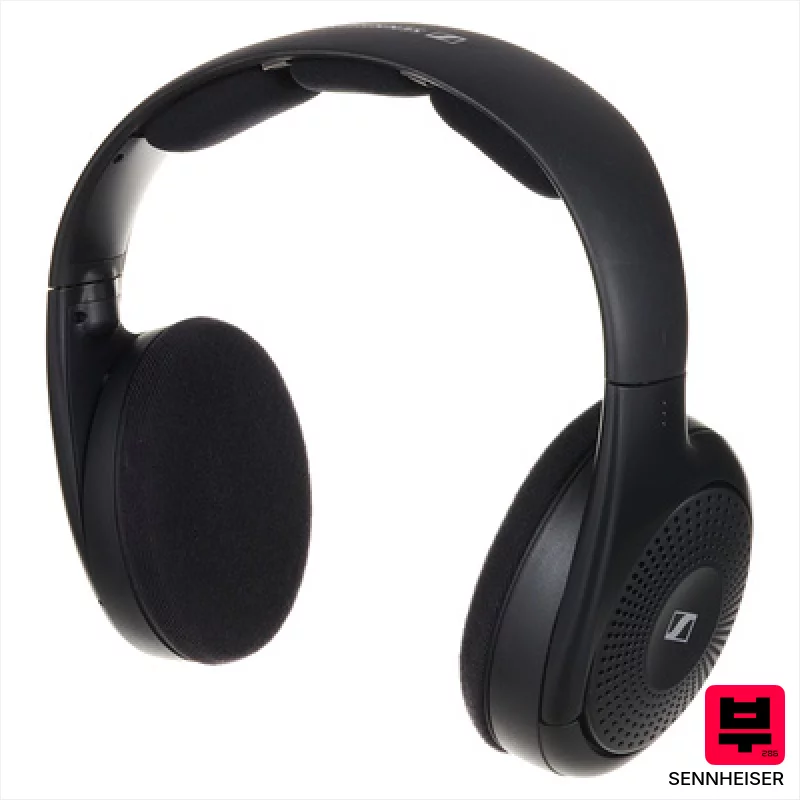
Sennheiser HDR 120-W
- • Comfortable circumaural design minimizes fatigue during extended movie watching.
- • Closed-back design effectively isolates ambient noise for immersive sound.
- • Reliable 2.4GHz wireless connection ensures stable, low-latency audio.
- • Sennheiser's audio heritage delivers clear dialogue and balanced sound reproduction.
- • Limited versatility; primarily designed for TV audio, not general music listening.
- • Plastic construction feels budget-oriented compared to premium Sennheiser models.
- • Range is typical for TV headphones; not ideal for moving around a large space.
TV Headphones by the numbers
Measured across all 9 models in this category, so «wide», «short» or «expensive» mean something you can check.
How to Choose the Best TV Headphones
Soundstage
A wider soundstage creates a more immersive experience, making dialogue and sound effects feel less boxed-in. Don't expect hi-fi stereo separation like headphones used for mixing, but a sense of space is key for TV viewing.
Frequency Response
We're looking for a balanced response - not overly bass-heavy (which can muddy the low-end thump) or overly bright (that ice-picky harshness that fatigues your ears). Good articulation in the mids is crucial for clear dialogue.
Comfort
Hours of binge-watching demand comfort. Ear cup padding, headband pressure - these are the details that separate a tolerable experience from an unbearable one. Think about gigging for 3 hours straight - comfort matters!
Wireless Connectivity
Bluetooth is standard, but latency is a killer. Look for headphones with low-latency codecs (aptX Low Latency is a plus) to avoid audio-visual sync issues, especially important for action movies.
Battery Life
Nobody wants to stop a crucial scene to charge headphones. A reasonable battery life (15+ hours) is a must, and ideally, quick charging is a bonus. It's like having extra headroom on your amp - always good to have.
Buying Guide
At this price point, you're making trade-offs. Don't expect audiophile-grade detail - you're getting a good, immersive experience for the money. Bluetooth codecs are your friend for minimizing lag, but wired connections will always offer better fidelity if your TV has an output. Comfort is paramount; try before you buy if possible, or read reviews carefully.
How This List Is Built
We don't play these instruments — we're a catalog, not a review desk, and we'd rather say so than pretend otherwise. This page covers 9 tv headphones from the Thomann catalogue, which is the largest single source of specification data in this category: 9 in detail, the rest listed with their specifications.
Position is computed, not curated. We parse the manufacturer's own description into actual values — nut width, scale, fret count, fingerboard radius, size, alloy — and rank on them: how many specifications a model has published, how many of them are measurable numbers, and how precisely it meets this page's criterion. A product image adds a little. Price is not a ranking signal: it tells you nothing about whether a neck fits your hand. The same inputs always produce the same order, so nothing here is shuffled to look fresh.
What this list is good for: narrowing a category down to a shortlist by spec and budget. What it isn't: a substitute for hearing an instrument. Before you buy, read hands-on reviews and, where you can, play it. Full methodology.

