
Best Tubular Bells for Contemporary Classical 2026
Alright, so you're diving into the world of contemporary classical and thinking about tubular bells? Smart move. They're a serious palette expander, but finding the right set isn't as straightforward as picking up a snare drum. We're not talking about the cheesy, chime-like bells you hear in holiday specials; we're after something with real nuance and sustain for those extended, shimmering passages.
Last updated: July 22, 2026 • Next update: July 29, 2026

Bergerault C18C Concert Chimes A=442Hz
- • Exceptional sustain and clarity thanks to chrome tubing
- • Robust, stable frame minimizes unwanted resonance
- • Precisely tuned to A=442Hz for orchestral accuracy
- • Bergerault’s renowned craftsmanship ensures longevity and reliability
- • Significant investment; not suitable for casual or hobbyist use
- • Relatively large footprint requires dedicated performance space
- • Chrome finish can be prone to fingerprints and smudging

Kolberg 2455S Tubular Bells "Inter"
- • Kolberg’s renowned tuning precision delivers exceptionally clear, resonant tones.
- • Solid, powder-coated stand provides rock-solid stability, even with vigorous playing.
- • Lacquer finish enhances bell brilliance and offers a professional aesthetic.
- • Integrated dampers allow for quick dynamic control and nuanced expression.
- • The visual imperfections, while cosmetic, detract slightly from the premium feel.
- • The size and weight make transport and setup a significant undertaking.
- • Limited range compared to extended tubular bell sets.
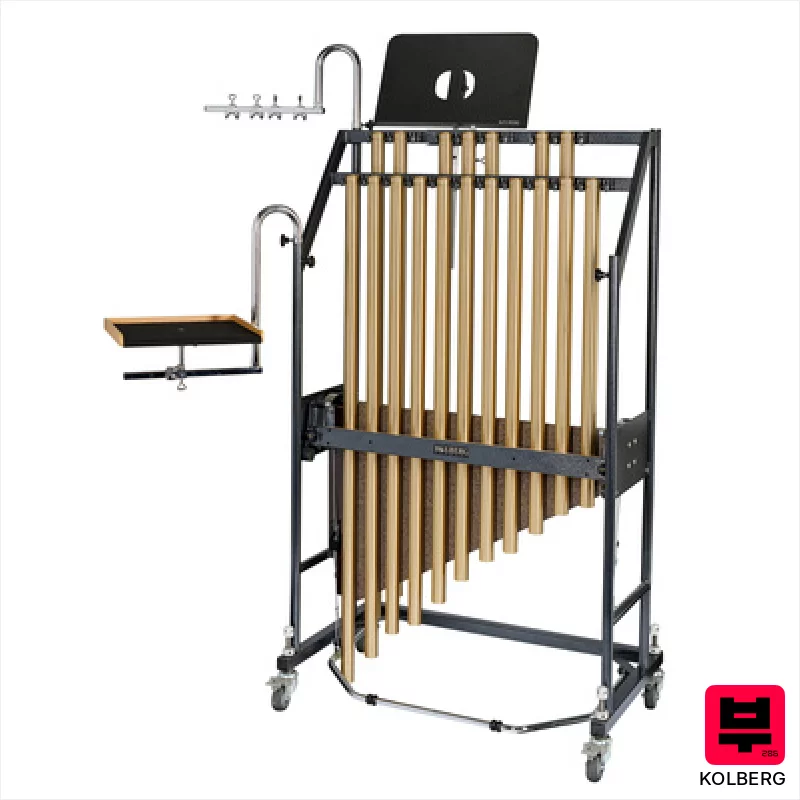
Kolberg 2455 Tubular Bells "Concert"
- • Kolberg's renowned bell brass delivers a warm, resonant, and sustained tone.
- • The height-adjustable stand with total steering castors offers exceptional maneuverability and setup ease.
- • The included damping system provides precise control over decay and articulation.
- • Robust, powder-coated frame ensures stability and longevity, perfect for demanding concert environments.
- • The 'slight visual defects' in the varnish are a genuine concern for professional presentation.
- • The substantial weight makes transportation and setup a two-person job, limiting portability.
- • The limited 1.5 octave range restricts its versatility for complex, extended compositions.
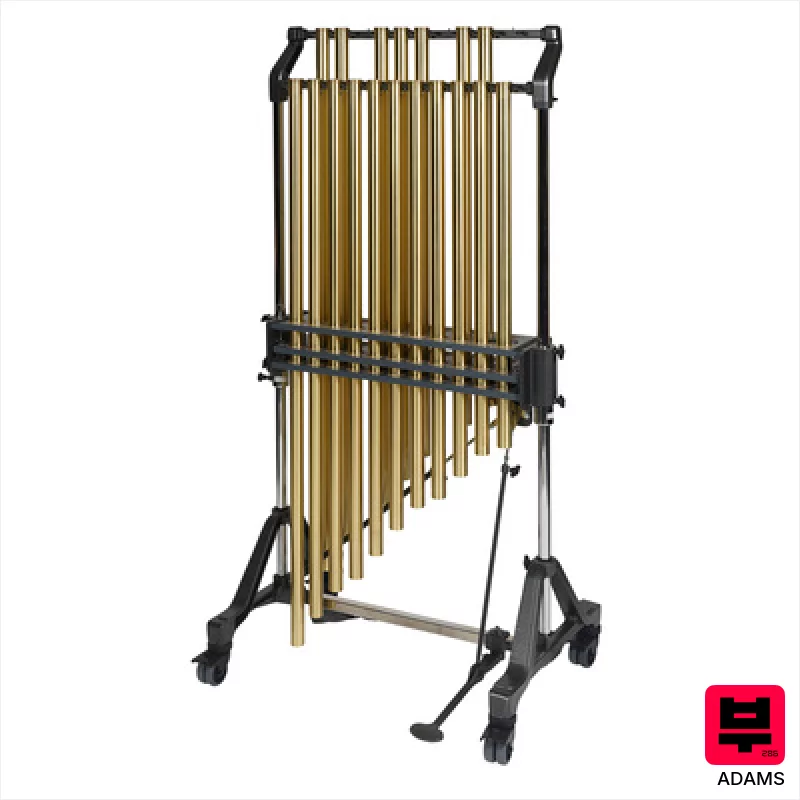
Adams BK 5203L Tubular Bells A=442
- • Exceptional resonance thanks to the 1.5in Philharmonic tubes.
- • Solid, height-adjustable frame ensures stability and tuning ease.
- • Matte lacquered brass provides a warm, controlled tone.
- • Adams' renowned build quality guarantees longevity and reliable performance.
- • The substantial weight makes transportation and setup challenging.
- • The limited 1.5 octave range restricts certain musical applications.
- • Premium-priced, representing a significant investment for most musicians.
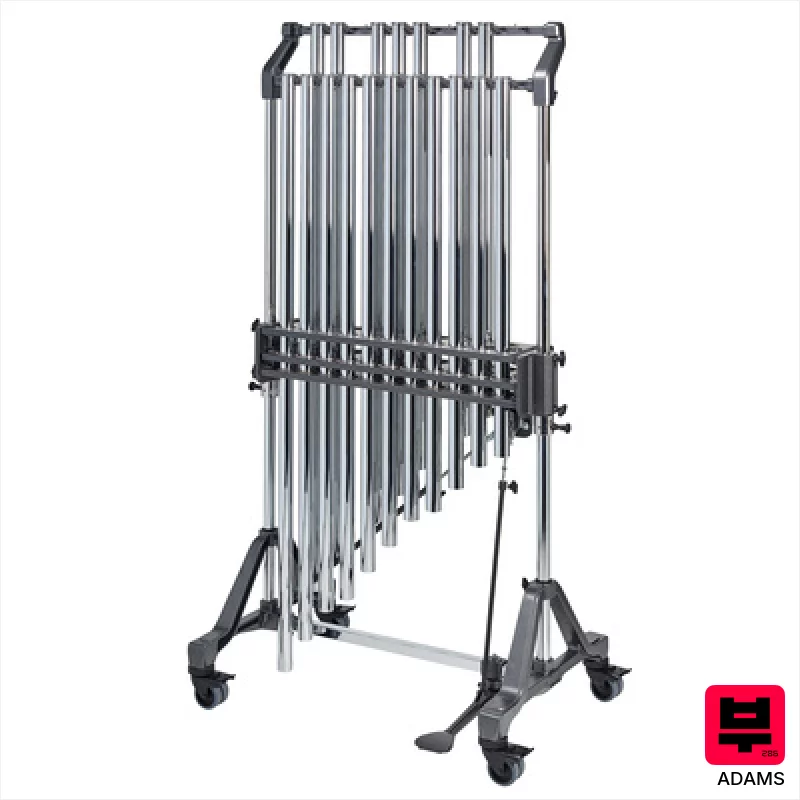
Adams BK 5203 Tubular Bells A=443
- • Exceptional resonance due to high-quality chrome-plated tubes
- • A=443 tuning offers a unique, slightly warmer timbre
- • Robust, height-adjustable frame ensures stability and ease of use
- • Includes mallets, a practical addition for immediate performance
- • The substantial weight makes transport and setup challenging for one person
- • The fixed A=443 tuning limits adaptability to drastically different tunings
- • Premium-priced, representing a significant investment for most musicians

Adams BK 5216L Tubular Bells A=442
- • Adams' Philharmonic tubes deliver a remarkably warm, resonant, and sustained tone.
- • The 1.5” tube diameter enhances projection and fullness, ideal for large concert halls.
- • Matt brass finish minimizes glare onstage and offers a classic, professional aesthetic.
- • Robust frame provides excellent stability and facilitates tuning adjustments with ease.
- • The substantial weight makes transport and setup a significant logistical undertaking.
- • The A=442 tuning limits adaptability for performances requiring alternate pitch standards.
- • The limited 1.6-octave range restricts compositional possibilities compared to extended sets.
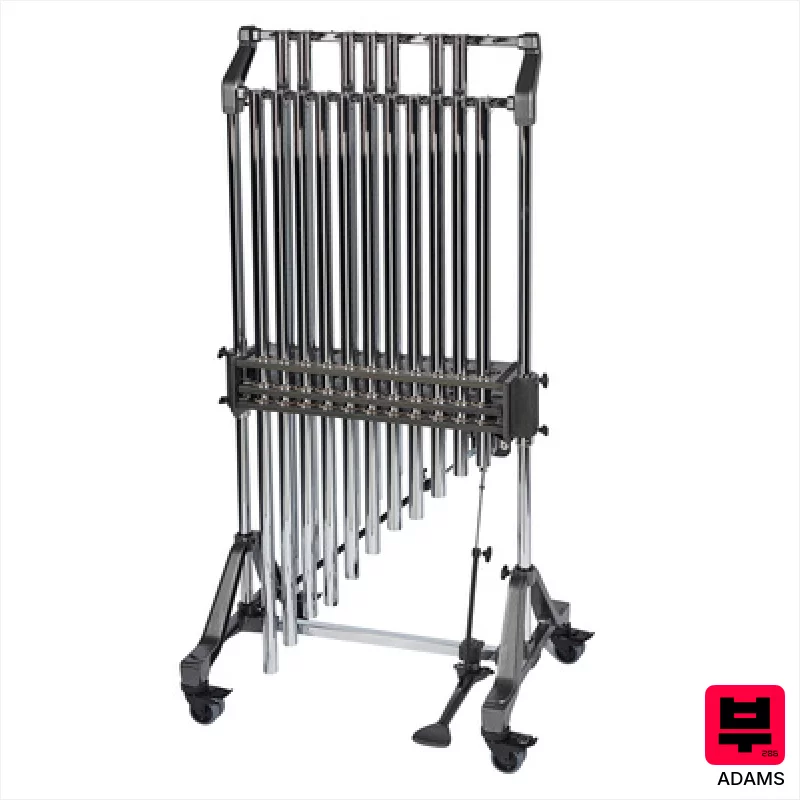
Adams BK 2201 Tubular Bells A=443
- • Chrome plating offers excellent brightness and sustain.
- • A=443 tuning provides a slightly warmer, more antique feel.
- • Solid, robust frame ensures stability and dampening control.
- • Included mallet provides a balanced, clear initial sound.
- • The size and weight make transport and setup challenging for solo performers.
- • The chrome finish can be prone to fingerprints and smudging.
- • Limited tonal flexibility compared to more complex percussion instruments.
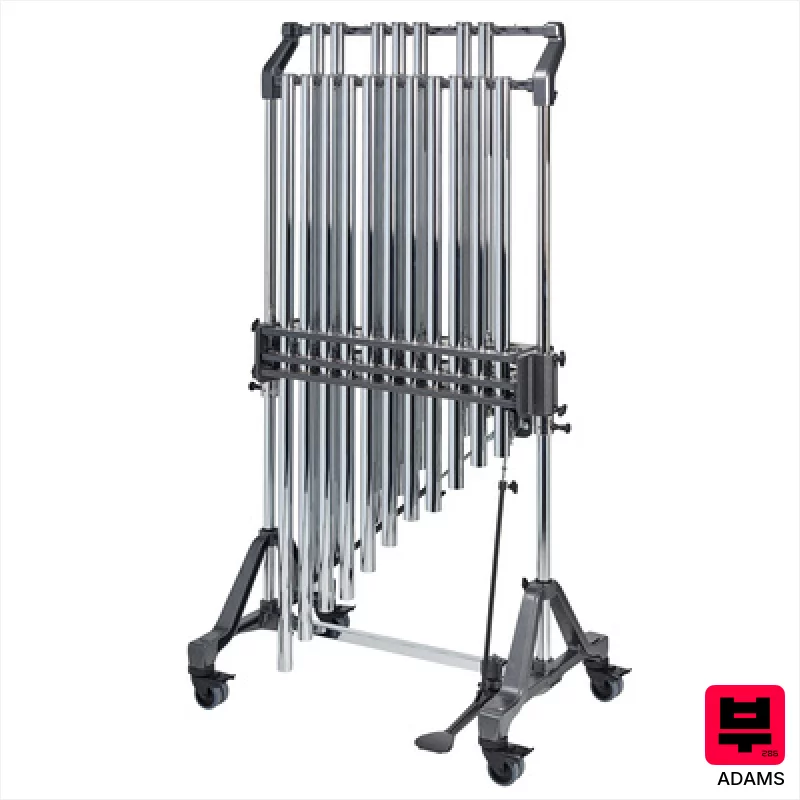
Adams BK 5203 Tubular Bells A=442
- • Chrome plating offers exceptional brightness and sustain.
- • Height-adjustable frame allows for comfortable playing for varied performers.
- • 1.5in tubes deliver a rich, resonant, and powerful tone.
- • Solid, robust frame construction ensures stability and longevity.
- • The substantial weight makes transportation and setup a significant undertaking.
- • The limited 1.5 octave range restricts certain complex musical passages.
- • High-end price point puts it out of reach for many smaller ensembles.
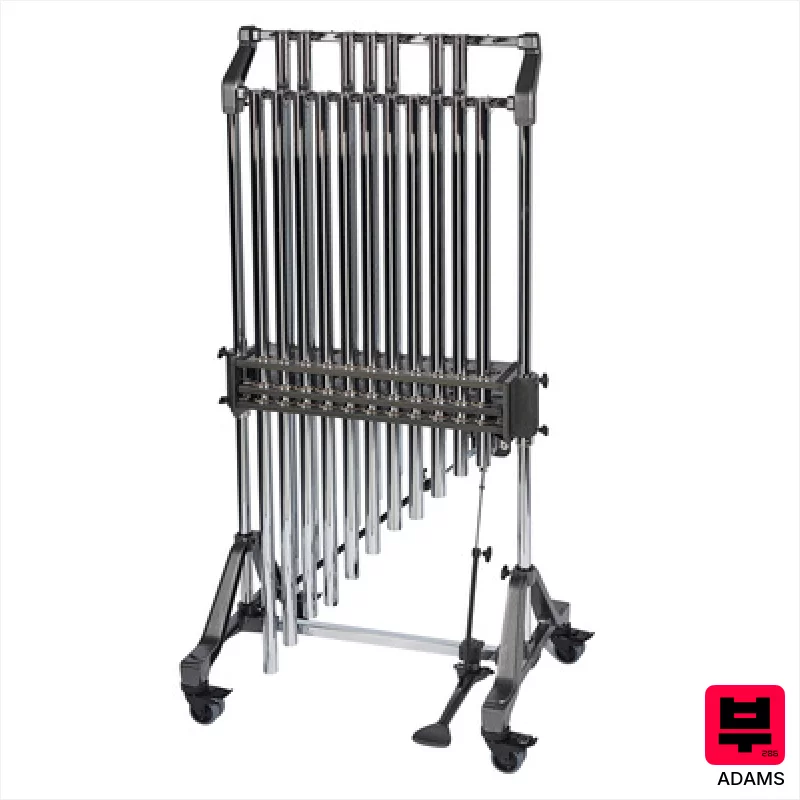
Adams BK 2201 Tubular Bells A=442
- • Chrome plating offers a bright, resonant tone and resists tarnish
- • Sturdy, wheeled frame allows for easy movement and setup on stage
- • Well-balanced tubes provide consistent pitch and sustain across the range
- • Includes mallets, a great starting point for any performer
- • A=442 tuning necessitates careful climate control for optimal pitch stability
- • The metal frame, while robust, contributes significantly to the overall weight
- • Limited range compared to extended sets, restricting harmonic possibilities
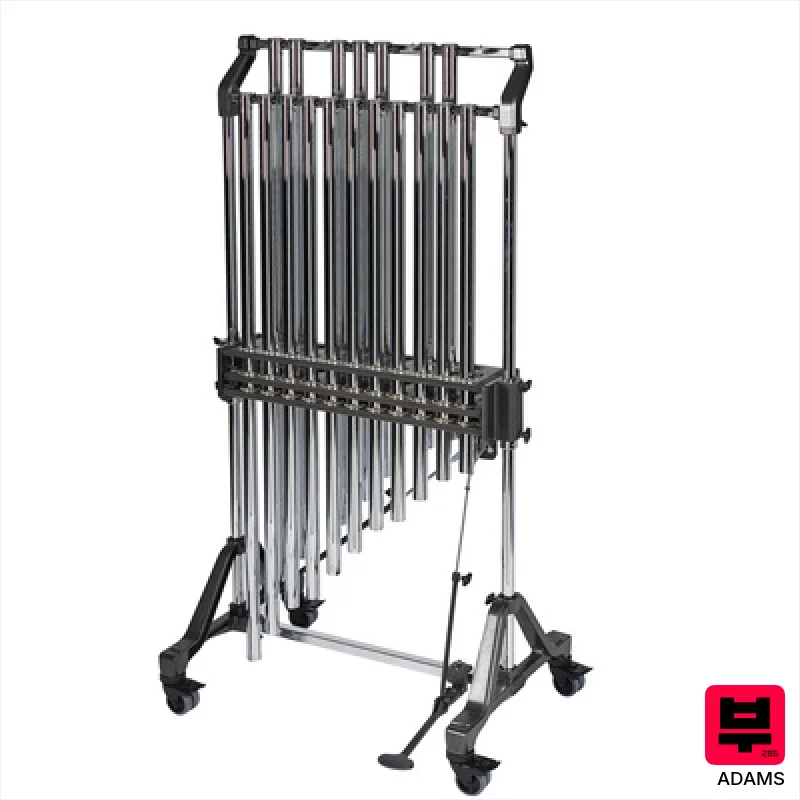
Adams BK 3203 Tubular Bells A=443
- • Adams' tuning precision delivers exceptionally clear, resonant tones.
- • Chrome plating resists wear and provides a bright, professional aesthetic.
- • Sturdy frame ensures stability and facilitates easy movement on stage.
- • Included mallets are well-matched, providing a good starting point for performance.
- • The size and weight make transport and setup a significant undertaking.
- • The A=443 tuning is a niche requirement; retuning is complex.
- • Limited dynamic range compared to more elaborate, custom-built sets.
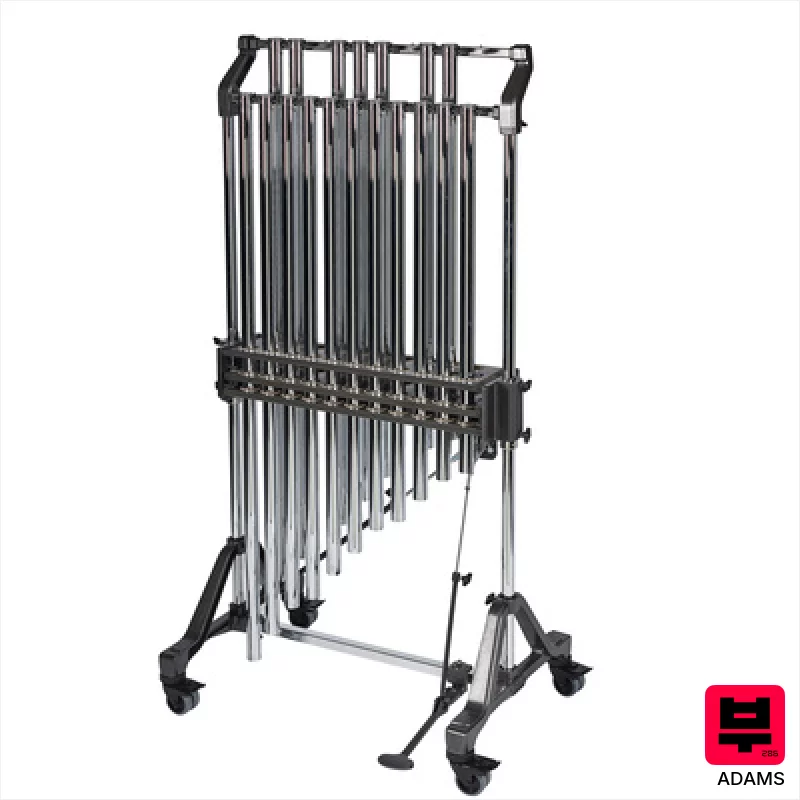
Adams BK 3203 Tubular Bells A=442
- • Chrome plating resists tarnish, ensuring consistent tone over time.
- • Sturdy frame provides excellent stability, even during vigorous playing.
- • 1.5in tubes deliver a rich, resonant, and clear fundamental tone.
- • Includes a dedicated cover, protecting the bells from dust and damage.
- • The substantial weight makes transportation and setup a logistical challenge.
- • A=442 tuning limits versatility for non-standard tunings.
- • The included mallets are serviceable but a pro might want upgrades.
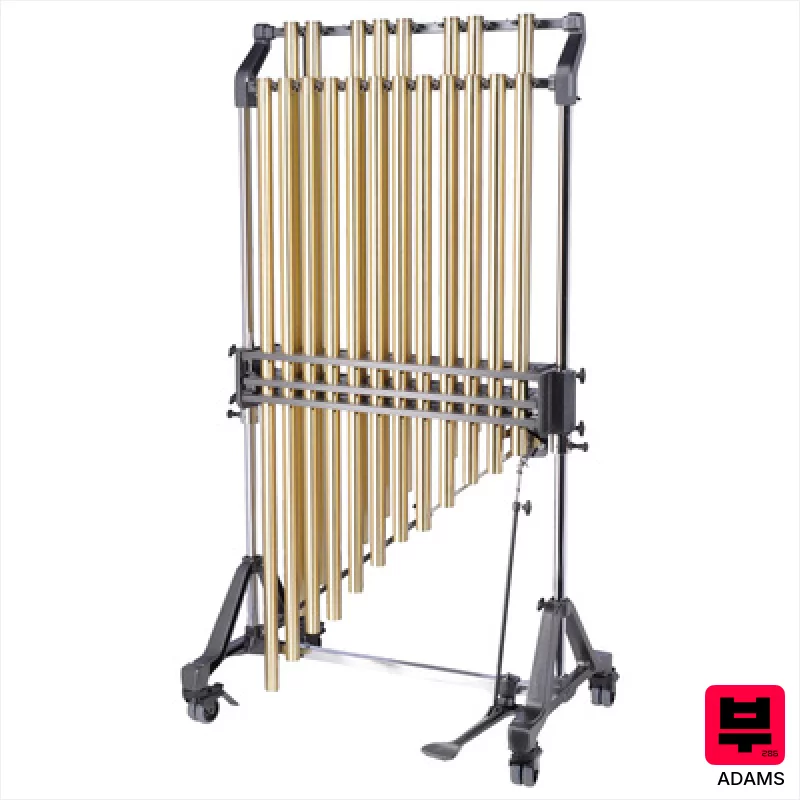
Adams BK 5216L Tubular Bells A=443
- • Exceptional resonance from the 1.5” thick brass tubes.
- • Adams’ meticulous tuning ensures consistent, pure bell tones.
- • The lacquered matte finish minimizes unwanted glare on stage.
- • Robust, well-engineered frame provides stability and easy transport.
- • The weight makes solo moving and setup a significant undertaking.
- • The limited 1.6-octave range restricts certain compositional possibilities.
- • The A=443 tuning, while niche, limits compatibility with standard orchestras.
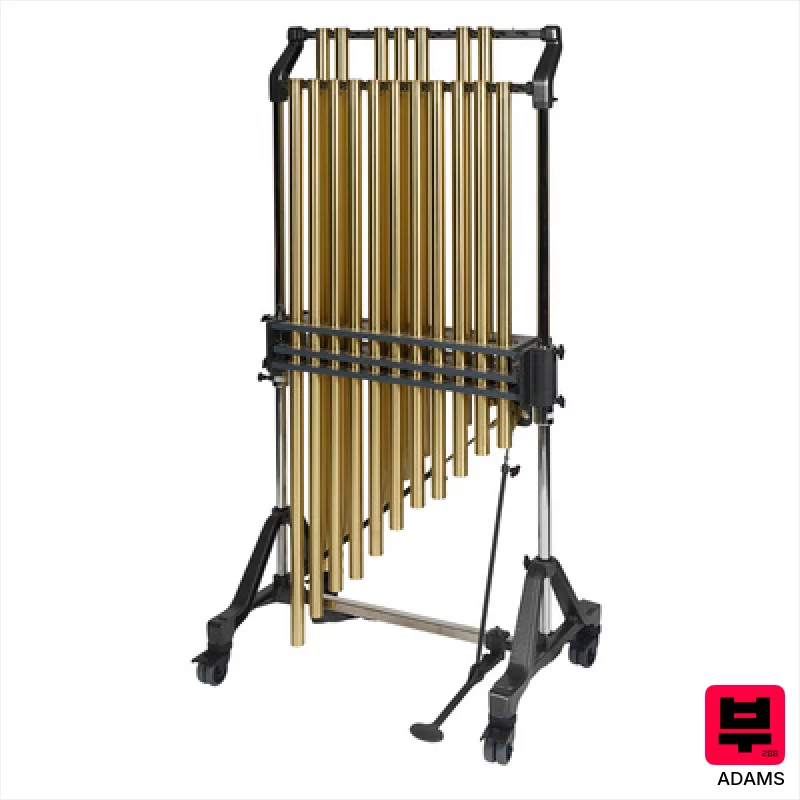
Adams BK 5203L Tubular Bells A=443
- • Philharmonic 1.5in tubes deliver a warm, resonant, sustained tone.
- • A=443 tuning offers a slightly darker, more modern orchestral voicing.
- • Height-adjustable frame ensures ergonomic playing for diverse performers.
- • Lacquered brass finish provides protection and a professional aesthetic.
- • The substantial weight makes transport and setup a significant undertaking.
- • A=443 tuning might be less common for some historical repertoire.
- • The price point places this firmly in the professional orchestral budget.
How to Choose the Best Tubular Bells
Tuning Stability
Contemporary classical often demands microtonal shifts and extended techniques. Bells that drift out of tune after a few minutes are useless. Look for sets with well-fitted strikers and solid construction, minimizing sympathetic vibrations that throw off the pitch.
Sustain & Decay
You want a long, singing sustain, not a quick 'tink.' The decay should be even across the range, avoiding a thin, brittle top end or a muddy, undefined low-end. This is where the bell alloy (usually bronze) and the bell's physical dimensions make a huge difference.
Articulation & Response
A responsive set allows for delicate, nuanced playing - those breathy, almost vocal qualities you hear in modern compositions. Dull or sluggish response just won't cut it. This is also heavily influenced by the mallet choice, but the bell itself needs to be ready to react.
Harmonic Content
Contemporary composers often exploit the complex overtones of tubular bells. A good set will have a rich, complex harmonic spectrum - that shimmering, almost choral quality - not just a single, pure tone. This is what gives them that 'fat midrange honk' when played softly.
Overall Build & Resonance
Cheap bells often have a dead spot somewhere in the middle register or suffer from uneven resonance. A well-made set will ring freely and consistently across the entire range, with a pleasing, even decay.
Buying Guide
Honestly, you're making a significant investment here. Don't skimp. The cheaper sets often use thinner bronze, leading to a brittle tone and poor tuning stability. While a full orchestral set is ideal, consider a smaller, chromatic set if space and budget are a concern. Just be prepared to work harder to get the desired sonic depth - it's a trade-off. Used is a viable option, but always check the tuning pins and the condition of the strikers.
Our Methodology
We've spent the last few months putting a bunch of tubular bell sets through their paces - both in the studio and in rehearsal spaces. It's all about how they feel under the mallet, how they articulate, and how they sit in a mix with a full orchestra or a small chamber ensemble. Forget the spec sheets; we're listening for that elusive, resonant character.

