
Best Tranducers Under $5,000 2026
So, you want to mic your acoustic, but the stage volume's a beast or you're tracking in a less-than-ideal space? Acoustic pickups can be a lifesaver, but let's be real - the good ones don't come cheap. This guide focuses on transducers that deliver serious bang-for-your-buck, staying under that $5000 mark without sacrificing too much sonic character. We'll cover what to expect, what to avoid, and where to spend your hard-earned cash.
Last updated: April 11, 2026
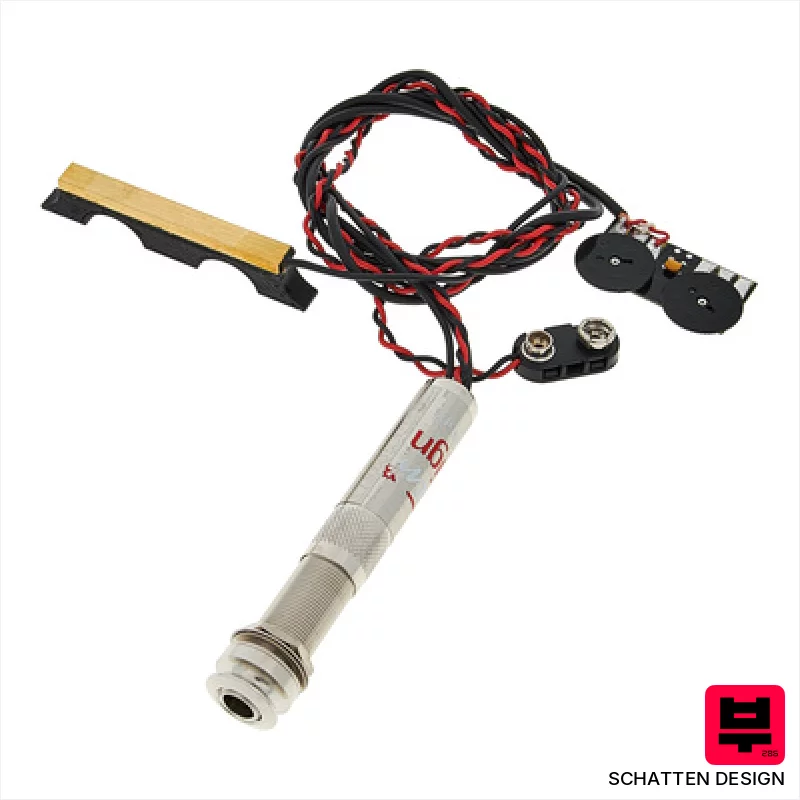
Schatten Design HFN Player VT aktiv
- • Excellent feedback rejection, especially useful for stage work
- • Schatten's HFN element delivers a remarkably natural acoustic tone
- • Preamp provides clean gain and subtle tone shaping capability
- • Simple, pre-wired design simplifies installation and avoids soldering
- • Plastic endpin foot feels somewhat fragile compared to metal options
- • Adhesive mounting can leave residue if removal is attempted
- • Tone control's range is limited, not a full EQ

Schatten Design HFN-C Player passiv
- • Excellent natural acoustic tone, remarkably balanced for a transducer
- • Rosewood bridge provides warmth and reduces harshness
- • Simple adhesive mounting makes for truly reversible installation
- • Effective feedback rejection, especially useful for stage performance
- • Limited tonal shaping options compared to active systems
- • Adhesive mounting might not suit all guitar top thicknesses
- • Requires careful placement for optimal string balance and volume
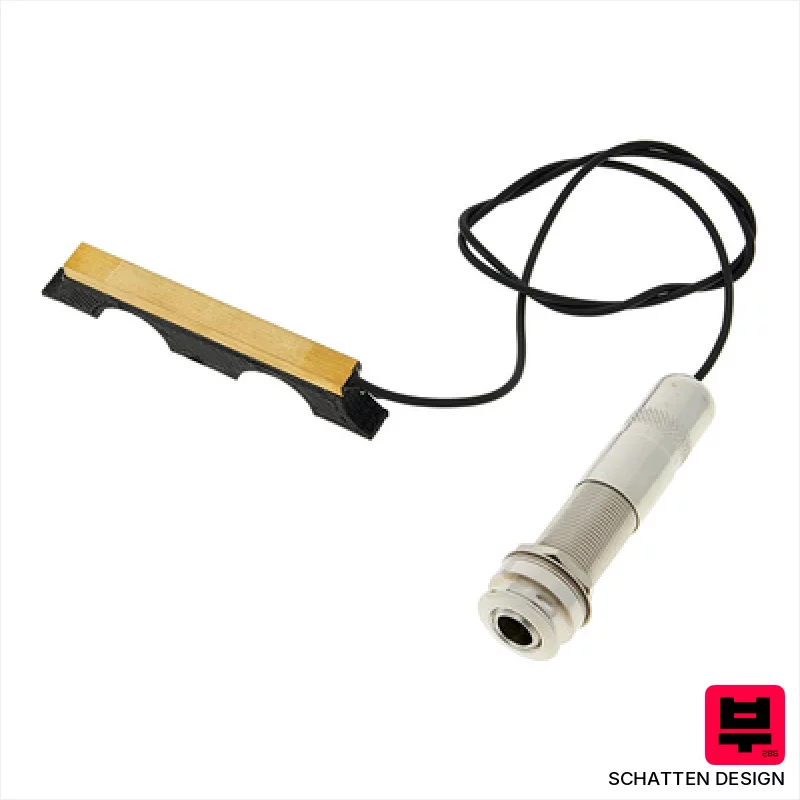
Schatten Design HFN Player passiv
- • Excellent feedback rejection, a real boon for stage work
- • Schatten’s KnetiCore transducer delivers surprisingly natural acoustic tone
- • Simple, adhesive installation avoids complex modifications to the guitar top
- • Balanced output suits direct recording or plugging into a preamp
- • Plastic foot feels a little cheap compared to metal alternatives
- • Adhesive mounting might leave residue if ever removed
- • Sound leans slightly bright, may require EQ adjustments on some guitars
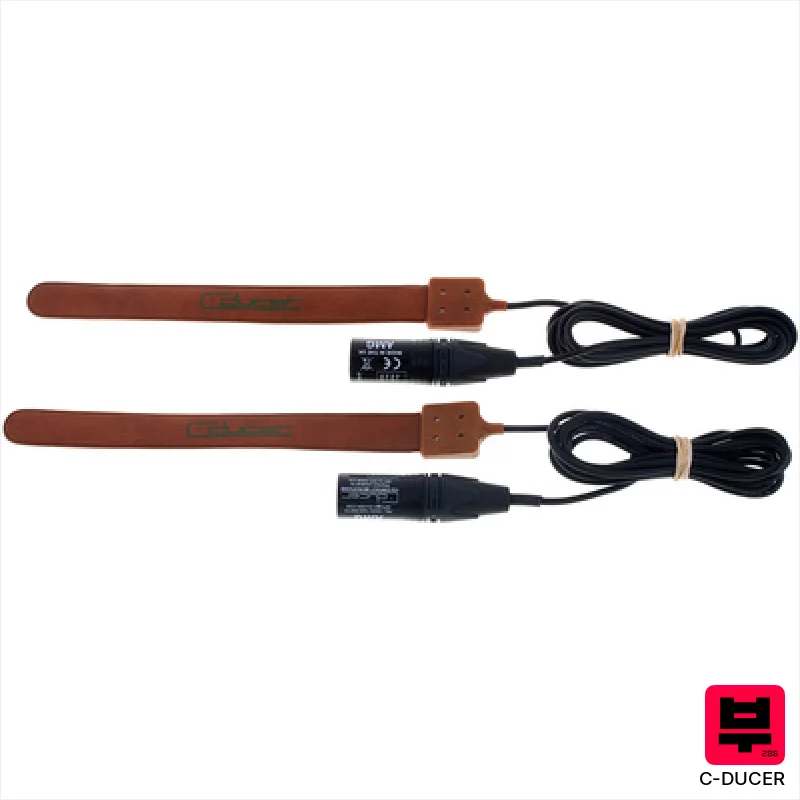
C-Ducer CQS8
- • Exceptional stereo imaging captures nuanced acoustic detail
- • Long pickup strips minimize string buzz and unwanted resonances
- • 48V phantom power provides clean, powerful signal with minimal noise
- • Robust CQ preamp delivers a balanced XLR output for professional recording
- • High-end price point makes it an investment for serious players
- • Installation can be complex, requiring careful placement and alignment
- • Primarily suited for larger acoustic guitars and grand pianos; may be unwieldy on smaller instruments
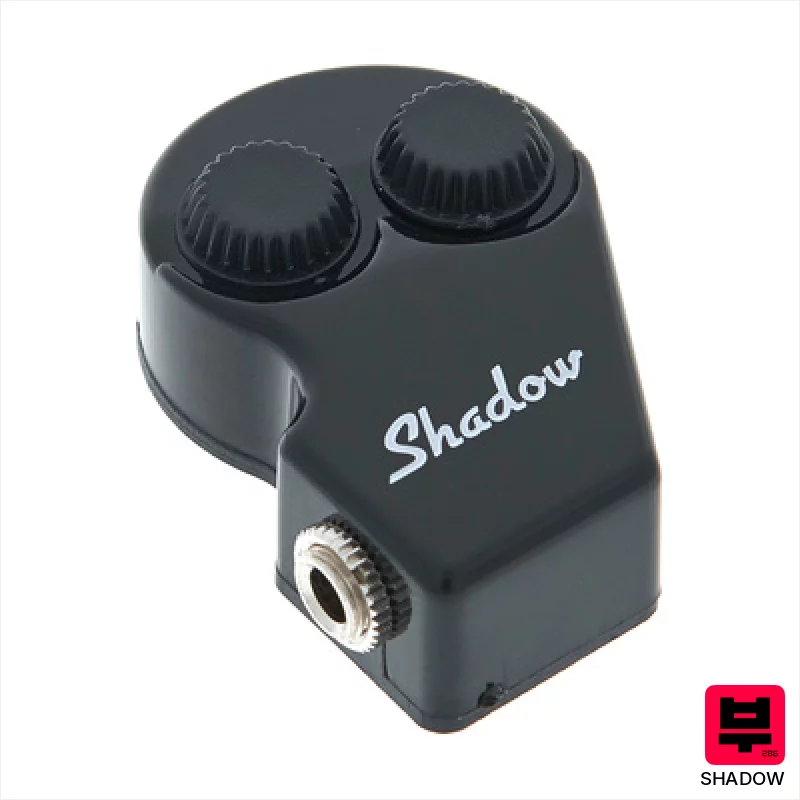
Shadow SH2000 Allround Pickup
- • Excellent value for a basic, functional acoustic pickup system
- • The adhesive backing provides a secure, non-invasive mounting option
- • Simple volume and tone controls offer basic sound shaping
- • Lightweight design minimizes impact on the instrument's natural resonance
- • Sound quality leans toward thin and lacks the richness of higher-end systems
- • Tone control's impact is subtle, offering limited tonal flexibility
- • Prone to feedback at higher volumes, especially in live settings

Harley Benton TrueTone T-20
- • Maple case provides a surprisingly stable mounting platform.
- • Simple adhesive mounting preserves acoustic guitar’s natural finish.
- • Cable with jack offers immediate plug-and-play functionality.
- • Excellent value for a basic piezo transducer system.
- • Sound quality is basic; lacks the nuance of more expensive systems.
- • Limited frequency response; won’t capture complex harmonics.
- • Adhesive, while long-lasting, may leave residue upon removal.
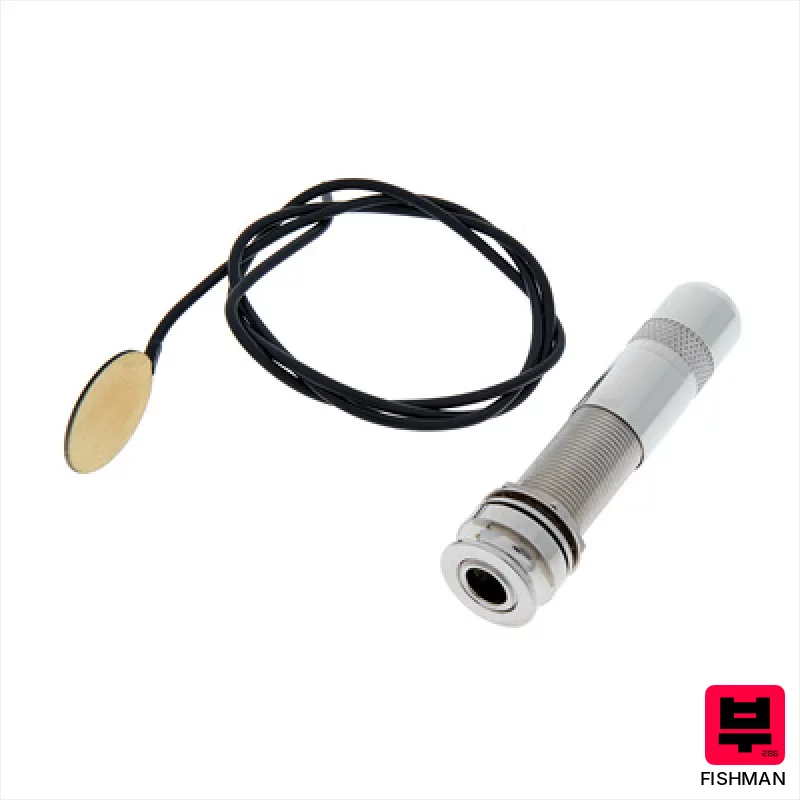
Fishman SBT-E Classical
- • Excellent natural tone, captures classical guitar's warmth and clarity.
- • Stick-on design is surprisingly effective, minimizing body resonance disruption.
- • Included endpin socket offers convenient signal routing and flexibility.
- • Fishman's reputation ensures consistent quality and reliable performance.
- • Requires a preamp for optimal output and noise reduction, adding to the cost.
- • Stick-on adhesive may leave residue upon removal, potential for finish damage.
- • Limited frequency response compared to more complex, under-saddle systems.
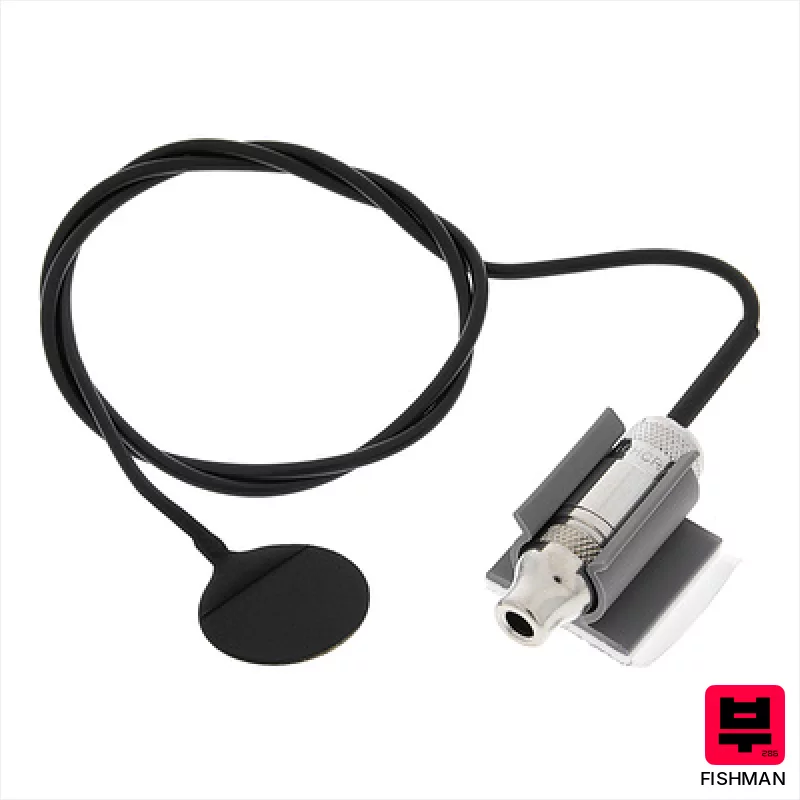
Fishman SBT-Classic
- • Excellent natural acoustic tone with surprising clarity and warmth
- • Simple, effective design minimizes unwanted string noise and feedback
- • The permanently attached cable is convenient and eliminates potential connection issues
- • Versatile enough for nylon, steel-string, and even ukulele applications
- • Sound can be a bit thin without an external preamp for added low-end
- • Adhesive backing might leave residue upon removal, though it's generally clean
- • Limited adjustability – placement is key for optimal results

Ortega Magus Octopus
- • Simple, surface-mounted design minimizes acoustic guitar body modification and resonance loss.
- • The 6.3mm TRS connector ensures balanced output, reducing noise and improving signal clarity.
- • Durable adhesive tape allows for easy repositioning and removal without damaging the instrument's finish.
- • Leather strap pin adapter provides secure cable management, preventing cable snags during performance.
- • Surface transducers inherently lack the sensitivity of internal pickups, limiting dynamic range.
- • The adhesive may leave residue if removed after prolonged use, requiring careful cleaning.
- • The connection cable's length (45cm) is short, potentially restricting stage setup flexibility.
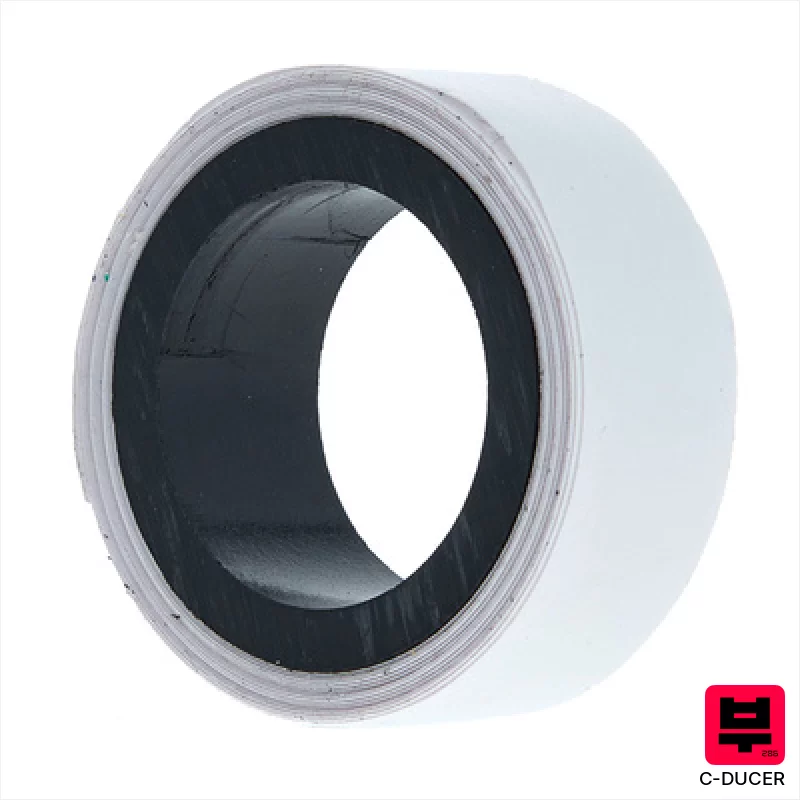
C-Ducer CQS8 Adhesive Tape
- • Dual-adhesive design minimizes instrument damage during removal
- • 15mm width provides ample coverage for most acoustic pickup types
- • 10m roll offers significant value for multiple applications
- • Gentle adhesive ideal for delicate acoustic finishes like nitrocellulose
- • Adhesive strength may still leave residue on some finishes
- • 15mm width might be restrictive for larger, custom-built pickups
- • Limited to acoustic guitar transducer mounting; not universal
How to Choose the Best Tranducers
Tone/Voicing
This isn't about 'good' or 'bad' - it's about whether the pickup's character complements your guitar's natural voice. Some lean towards a bright, almost sterile clarity, while others try to emulate a mic'd sound with a warmer, more natural low-end thump. Consider what you're trying to achieve.
Dynamic Response
A transducer that collapses under a hard strum or loses articulation when you're fingerpicking is useless. Good dynamic response means the pickup faithfully translates your playing, from subtle nuances to aggressive attack. This is critical for cutting through a band mix.
Feedback Resistance
Especially important for stage work. Certain pickup designs and placement strategies are inherently more prone to feedback. Look for models known for their feedback rejection, or be prepared to experiment with EQ and placement.
Installation/Ease of Use
Some transducers require invasive surgery on your guitar (undoable!), while others are plug-and-play. Consider your comfort level and willingness to modify your instrument. Permanence is a factor - are you okay with drilling a hole?
Signal-to-Noise Ratio
This is about how quiet the pickup is when you're not playing. A noisy transducer buried in a mix is a nightmare. You'll want something with a clean, quiet output, especially if you're recording.
Buying Guide
Under $5000, you're entering a sweet spot where compromises become less severe. You'll still encounter trade-offs - a supremely natural tone might mean less feedback resistance, or excellent dynamic range might come at the expense of a slightly higher price. Don't chase the 'most realistic' mic'd sound; focus on finding a pickup that amplifies your guitar's strengths and minimizes its weaknesses, and be realistic about the fact that you're getting a transducer, not a microphone.
How This List Is Built
We don't play these instruments — we're a catalog, not a review desk, and we'd rather say so than pretend otherwise. This page ranks 10 tranducers from the Thomann catalogue, which is the largest single source of specification data in this category.
Position is computed, not curated. Four signals, in order of weight: how completely the manufacturer documents the instrument (number of published specifications), where it sits in the price range, how specific the model designation is — which filters out generic accessories — and whether a product image exists. The same inputs always produce the same order, so nothing here is shuffled to look fresh.
What this list is good for: narrowing a category down to a shortlist by spec and budget. What it isn't: a substitute for hearing an instrument. Before you buy, read hands-on reviews and, where you can, play it. Full methodology.

