
Best Schagerl Tenor Saxophones 2026
Okay, let's talk Schagerl tenor saxophones. You've probably heard the name, especially if you've been digging for something with a bit of old-school European vibe that doesn't break the bank. They're not Yamaha or Selmer, but they've quietly carved out a niche for themselves, offering a unique blend of affordability and surprisingly decent build. If you're tired of the same cookie-cutter American or Japanese horns, Schagerl deserves a serious listen.
Last updated: April 11, 2026

Schagerl Tenor Sax 66FV-EC
- • Robert Schröck’s updates enhance responsiveness and intonation across the range.
- • Musicmedic pads offer exceptional feel, sealing, and a refined tonal quality.
- • Custom brass resonators provide a warmer, richer sound than standard models.
- • Mother-of-Pearl inlays elevate the instrument’s aesthetic and feel luxurious.
- • The unvarnished brass finish requires diligent maintenance to prevent excessive tarnishing.
- • The 'inVintagein' aesthetic might not appeal to players seeking a bright, modern tone.
- • European-made horns can sometimes require a more experienced technician for repairs.

Schagerl Superior Tenor Sax T-1VB
- • Lacquered bronze body provides a warm, resonant, and focused tonal character.
- • High F# key significantly expands the instrument's range and versatility.
- • Double braces on low keys improve stability and response, crucial for advanced players.
- • Metal thumb rest offers increased comfort and support during extended playing sessions.
- • The included 4C mouthpiece is a decent starting point, but a step up will unlock more tonal potential.
- • The lacquered bronze finish, while beautiful, requires diligent care to prevent tarnish.
- • While well-built, the overall feel might lack the refined precision of higher-end, Japanese-made saxophones.
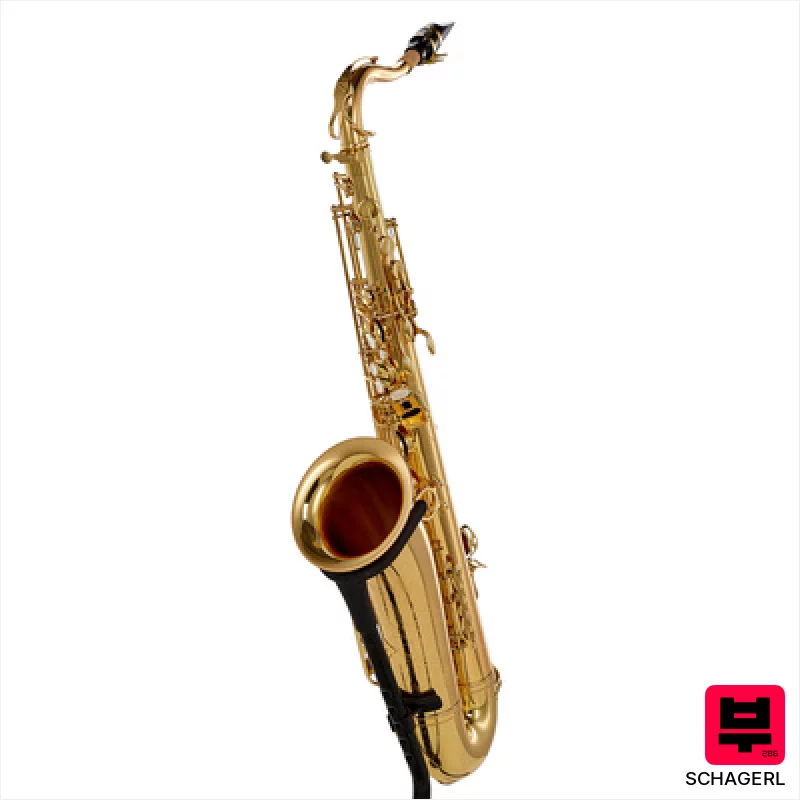
Schagerl Superior Tenor Sax T-1L
- • Solid brass construction delivers a warm, resonant core tone.
- • The high F# key expands upper register possibilities for advanced players.
- • Double-braced deep keys offer exceptional stability and reliable action.
- • Trekking case provides robust protection for travel and storage.
- • Gold lacquer can be prone to wear with aggressive playing and polishing.
- • The included 4C mouthpiece is decent, but an upgrade will likely be desired.
- • The overall build, while good, doesn't quite match top-tier, hand-finished brands.
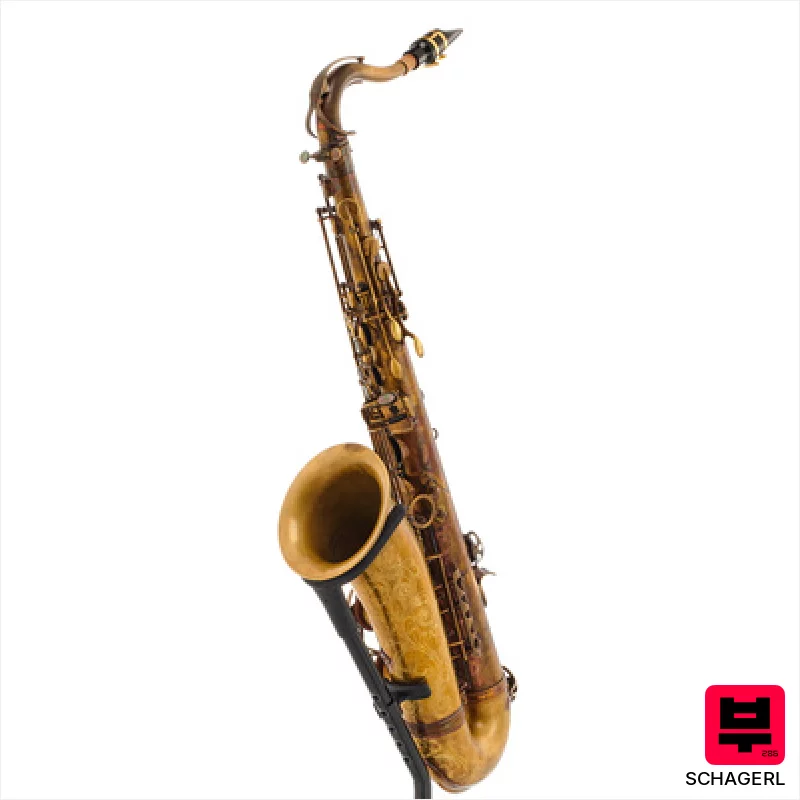
Schagerl SuperiorPro Tenor Sax T-2V
- • Solid brass construction delivers a warm, resonant, and responsive tone.
- • Improved keywork provides smoother, faster action and reduced fatigue.
- • High F# key expands upper register possibilities for advanced players.
- • Unvarnished finish allows for a unique, evolving patina and vintage aesthetic.
- • Unvarnished brass requires diligent maintenance to prevent excessive tarnishing.
- • The raw brass finish may not appeal to players seeking a brighter, more modern sound.
- • The weight, typical of brass instruments, can be tiring for extended playing sessions.
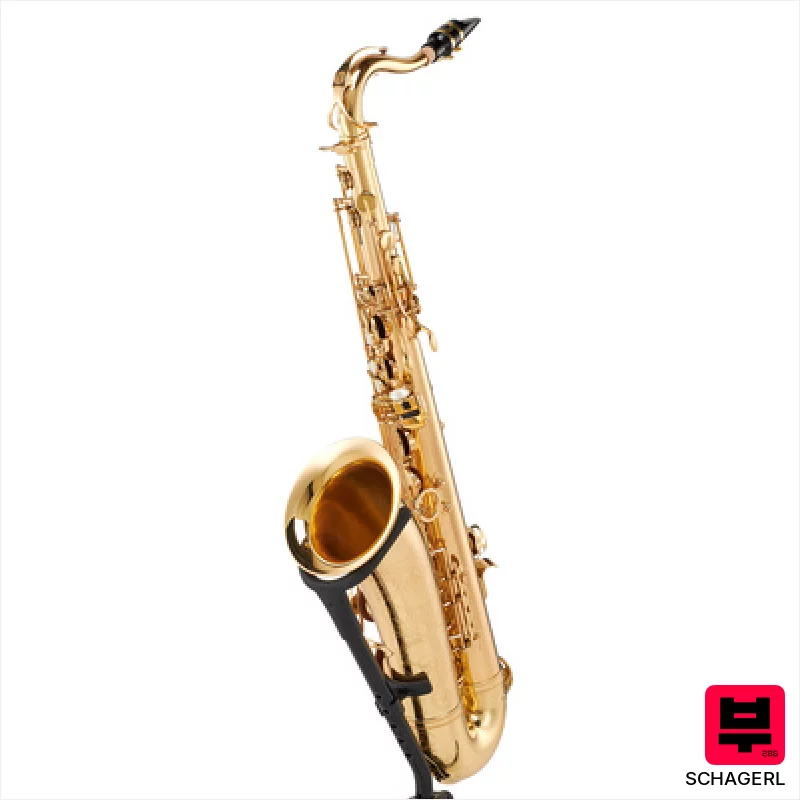
Schagerl SuperiorPro Tenor Sax T-2L
- • Excellent intonation across the range, a hallmark of Schagerl’s engineering.
- • Gold-lacquered brass offers a warm, responsive tonal character.
- • Robust, nickel-plated keywork ensures smooth, reliable action for years.
- • High F# key expands upper register possibilities for advanced players.
- • The Superior Trekking case, while functional, isn’t as protective as a premium hard case.
- • The included mouthpiece is adequate but likely a bottleneck for serious players.
- • Weight (around 5.5 lbs) can be tiring for extended playing sessions, especially for younger students.
How to Choose the Best Tenor Saxophones
Tone
Schagerl's generally lean towards a darker, warmer tone than many American horns. It's not a bright, sparkly clean - more of a grounded, woody character with a subtle, almost vocal quality. This can be a real asset cutting through a rock band, but might require some tweaking for brighter jazz settings.
Build Quality
They're built in Austria, and you can tell. The keywork is generally solid, though the plating isn't as thick as you'd find on a Selmer. It's not a dealbreaker, but if you're a gigging player, expect to have it replated eventually. The overall feel is surprisingly robust, though.
Neck Profile & Action
The neck profile is a bit more traditional, a bit chunkier than some of the thinner, modern necks. This gives a good sense of control, especially for players with larger hands. The action tends to be a little higher out of the box, requiring some adjustment to get it truly comfortable - a common trait with European horns.
Intonation
Intonation can be a bit quirky. They're not terrible, but you'll likely spend some time tweaking the neck angle and adjusting pads to get it singing consistently across the range. It's something to factor in, especially if you're a stickler for perfect pitch.
Value
This is where Schagerl really shines. They offer a surprising amount of quality for the price. You're getting a horn with a unique voice and decent construction that won't drain your bank account. It's a great option for students, gigging musicians on a budget, or anyone looking for something a little different.
Buying Guide
Don't expect a Schagerl to play like a vintage Selmer right out of the case. They usually require some setup work - neck adjustment, pad seating, maybe even a bit of key leveling. The plating isn't as thick as top-tier brands, so be mindful of wear and tear if you're playing a lot of gigs. The slightly darker tone is a strength, but be prepared to experiment with mouthpieces to find what works best for your style.
How This List Is Built
We don't play these instruments — we're a catalog, not a review desk, and we'd rather say so than pretend otherwise. This page ranks 5 tenor saxophones from the Thomann catalogue, which is the largest single source of specification data in this category.
Position is computed, not curated. Four signals, in order of weight: how completely the manufacturer documents the instrument (number of published specifications), where it sits in the price range, how specific the model designation is — which filters out generic accessories — and whether a product image exists. The same inputs always produce the same order, so nothing here is shuffled to look fresh.
What this list is good for: narrowing a category down to a shortlist by spec and budget. What it isn't: a substitute for hearing an instrument. Before you buy, read hands-on reviews and, where you can, play it. Full methodology.

