
Best Tambourines Under $300 2026
Alright, let's talk tambourines. You need that shimmery, percussive sparkle, but your gig budget isn't exactly overflowing. Finding a tambourine that cuts through a loud band or sounds decent on a studio recording without emptying your wallet can be tricky. We've sifted through a bunch to find the best bang-for-your-buck options under $300 - enough to get you a solid, reliable sound without breaking the bank.
Last updated: September 28, 2026
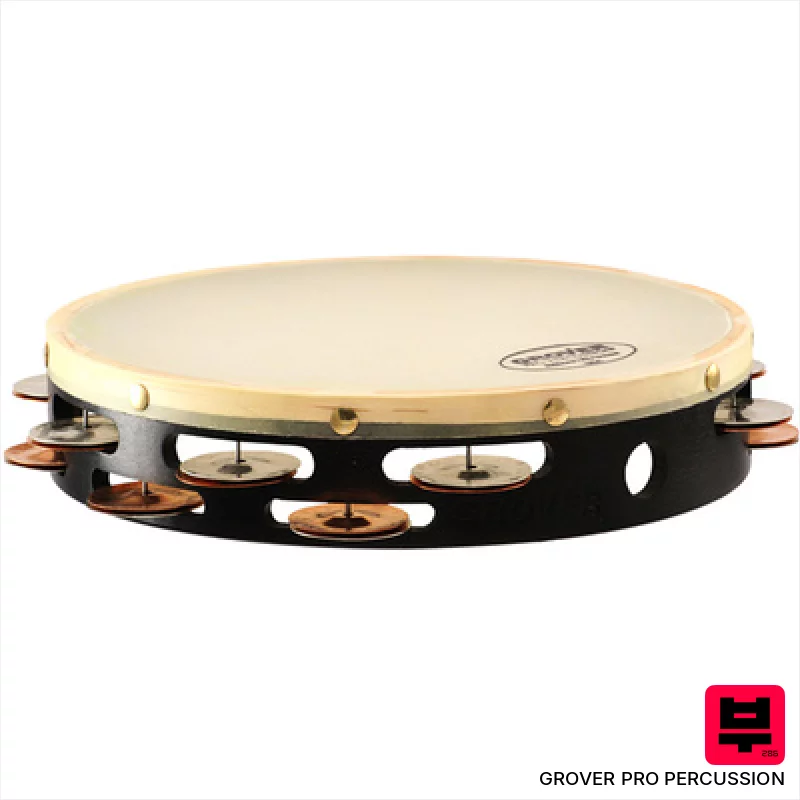
Grover Pro Percussion T2/GsPh-X Tambourine
- • Solid hardwood frame offers excellent resonance and durability.
- • Silver/bronze jingles deliver a bright, shimmering orchestral tone.
- • Synthetic drumhead provides consistent articulation and avoids cracking.
- • Well-balanced design promotes comfortable playing for extended periods.
- • Jingle sustain might be perceived as slightly short for some recording applications.
- • The synthetic head, while durable, lacks the nuanced response of a traditional skin.
- • Premium-priced, placing it beyond the reach of budget-conscious percussionists.
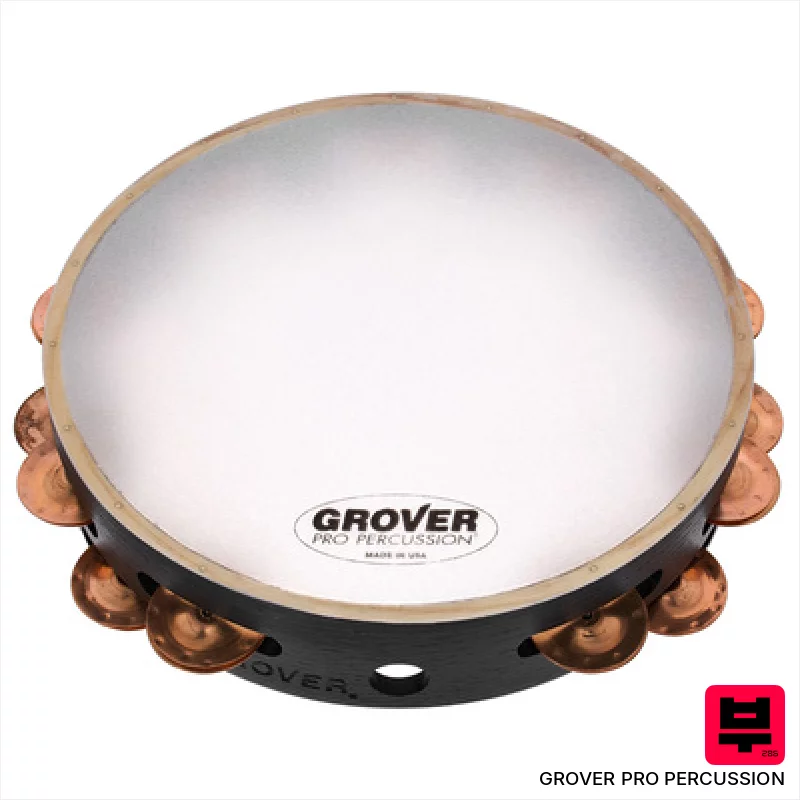
Grover Pro Percussion T2/PhBr-X Tambourine
- • Exceptional phosphor bronze jingles deliver bright, shimmering tone.
- • Solid hardwood shell provides focused resonance and sustain.
- • Synthetic drumhead offers durability and consistent response.
- • Grover's renowned craftsmanship ensures a long-lasting, reliable instrument.
- • Premium-priced compared to entry-level tambourine options.
- • 10” diameter may feel small for players accustomed to larger sizes.
- • Synthetic head, while durable, lacks the nuance of a traditional skin.
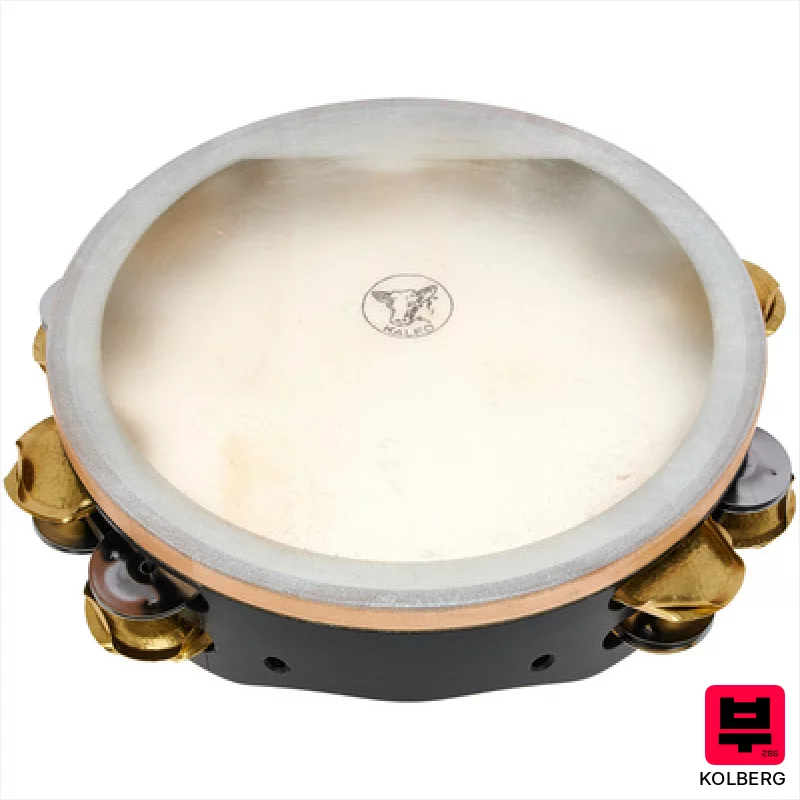
Kolberg 2025DBC Tambourine
- • Kalfo head offers warm, nuanced tones for orchestral versatility.
- • Dual jingle types provide a broad spectrum of shimmering sounds.
- • European beech frame ensures excellent resonance and durability.
- • Thumb coating enhances grip and control, improving playing comfort.
- • Kalfo heads can be more susceptible to humidity changes than synthetic options.
- • The recessed grip, while ergonomic, might not suit all hand sizes.
- • Jingle sustain, while pleasant, isn’t as long as some higher-end models.
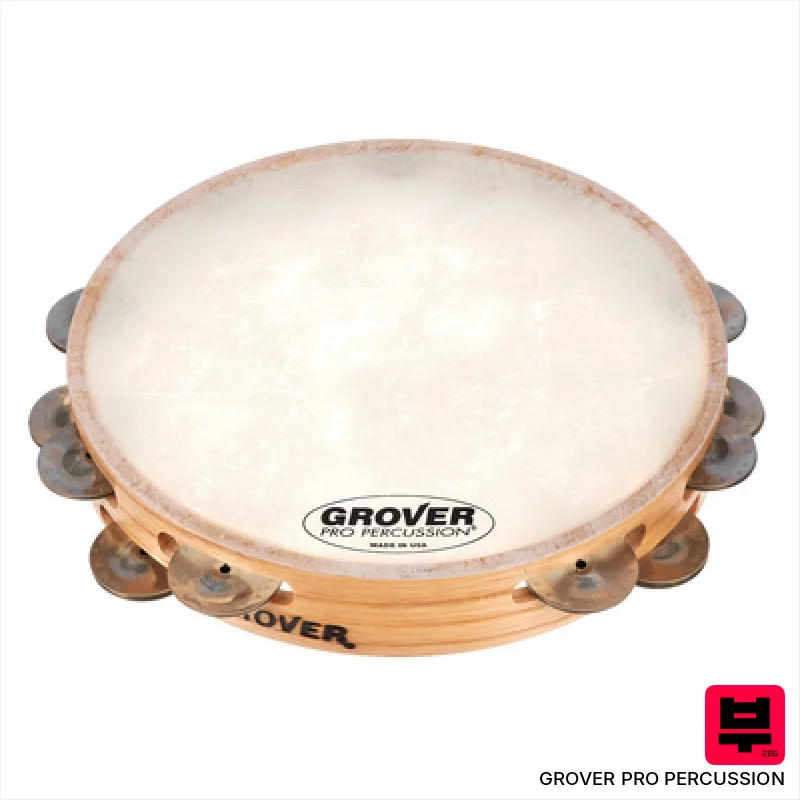
Grover Pro Percussion T2/GS-B Tambourine
- • Solid hardwood frame delivers excellent resonance and sustain
- • German silver jingles provide a bright, crisp, and articulate tone
- • Remo Skyntone head offers a warm, responsive playing surface
- • Bantamweight design ensures comfortable handling and fast playing
- • The jingle sustain might be too bright for some very nuanced orchestral passages
- • The Remo Skyntone head, while warm, isn't as durable as some other options
- • The included bag is basic; a more robust gig bag is recommended
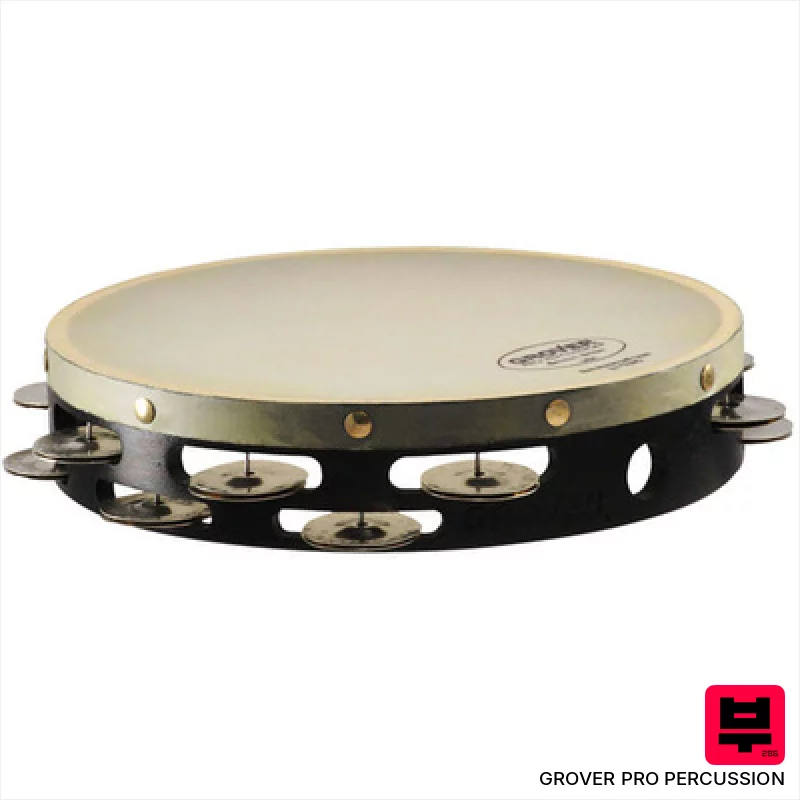
Grover Pro Percussion T2/GS-X Tambourine
- • Exceptional German silver jingles deliver a bright, cutting tone.
- • Solid hardwood frame provides excellent resonance and durability.
- • Synthetic head offers consistent response and avoids cracking.
- • Well-balanced design facilitates comfortable playing and handling.
- • The synthetic head, while durable, lacks the warmth of a traditional skin head.
- • Price point positions it as a premium-priced option for tambourines.
- • Bag not included, adding to the overall investment.
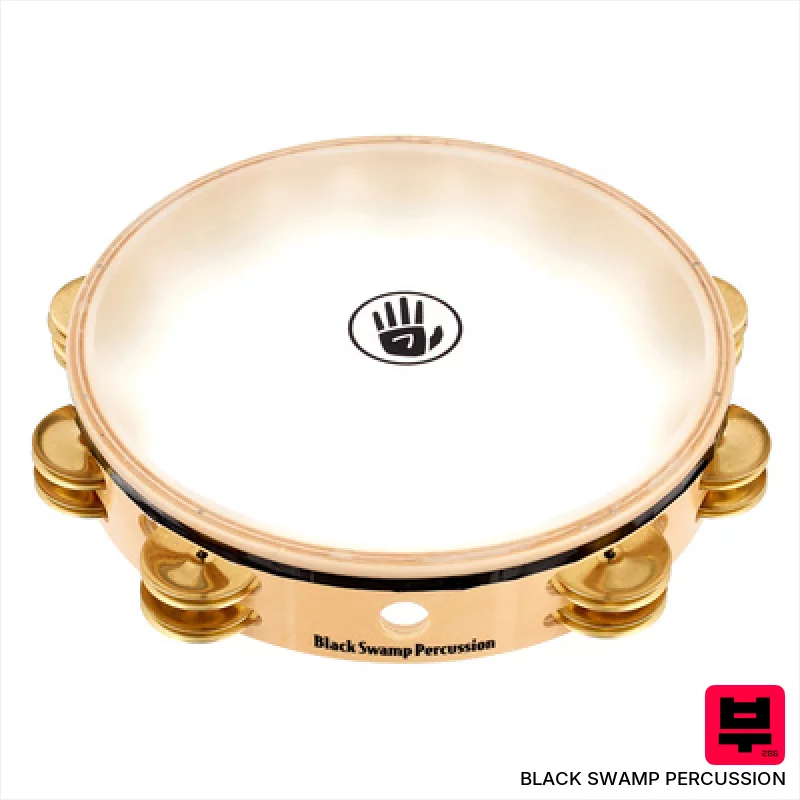
Black Swamp Percussion TDOV Tambourine
- • Solid maple body provides warm, resonant tones
- • Brass jingles offer a bright, articulate shimmer
- • Well-constructed, reliable build quality from Black Swamp
- • 10-ply construction enhances durability and projection
- • Plastic drumhead limits the nuanced tonal possibilities
- • Lacks the complexity of tambourines with more jingles
- • The overture series is geared towards beginners or students
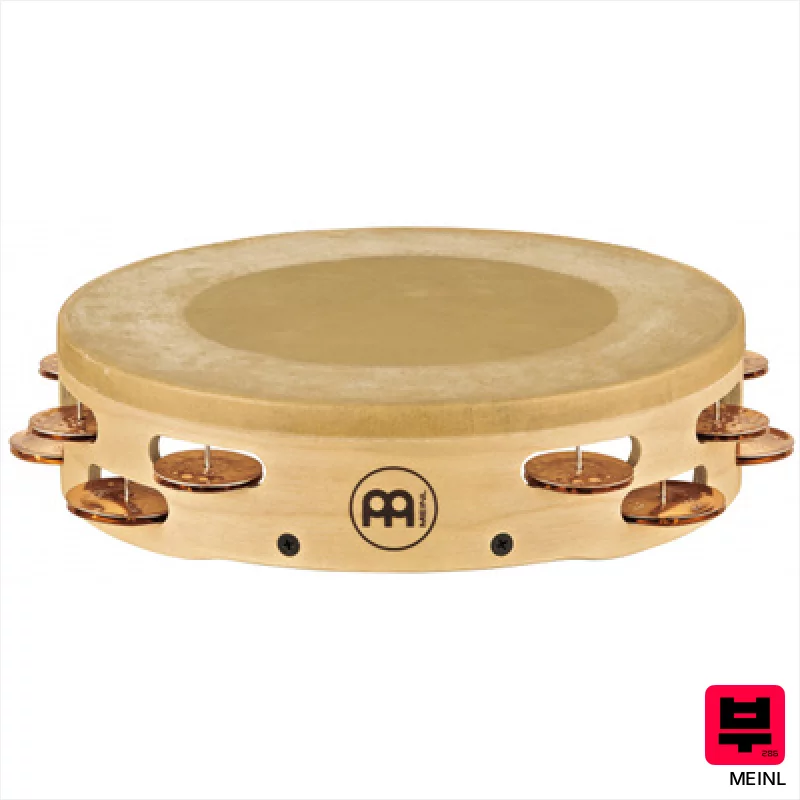
Meinl AE-MTAH2BO Tambourine
- • Maple ring delivers a warm, focused resonance unlike typical steel frames
- • Hand-selected calfskin head offers a natural, organic tone and feel
- • Cymbal bronze jingles provide a bright, shimmering articulation
- • Ergonomic handle ensures comfortable playing for extended periods.
- • Calfskin head requires more careful maintenance to prevent stretching or cracking
- • The natural finish may be susceptible to scuffs and discoloration over time
- • Jingle count is moderate; some players may desire a fuller, more complex sound.
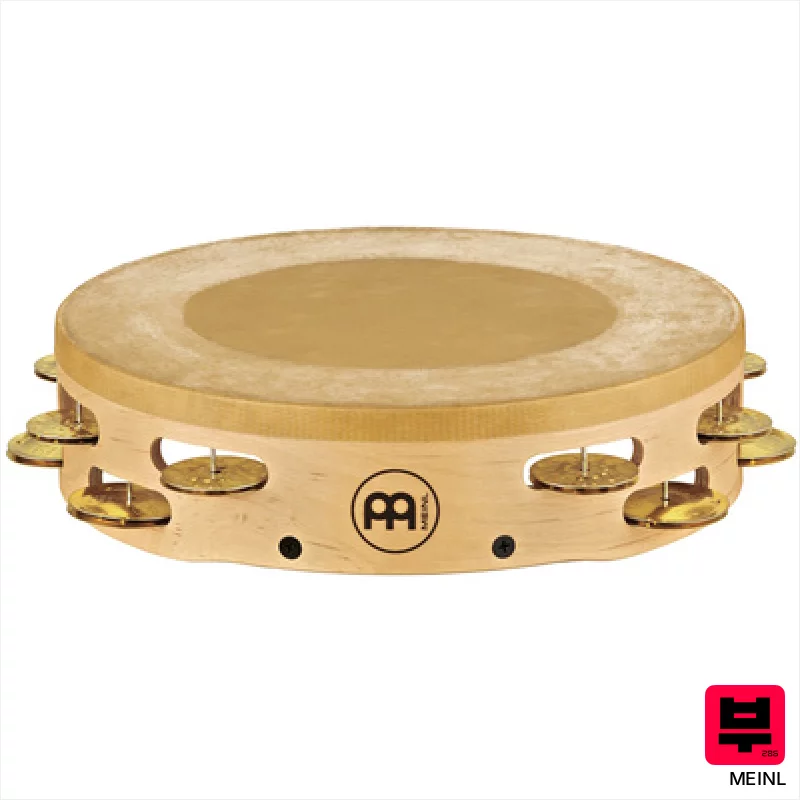
Meinl AE-MTAH2B Tambourine
- • Maple ring delivers a warm, resonant tone unlike plastic alternatives
- • Hand-selected calfskin head provides a natural, textured response
- • Brass jingles offer a bright, articulate shimmer with good sustain
- • Ergonomic handle ensures comfortable playing, even during extended use
- • Calfskin head requires careful maintenance to prevent cracking or warping
- • Brass jingles can be a bit loud for very subtle, nuanced playing
- • The natural finish might show wear and tear more readily than lacquered options
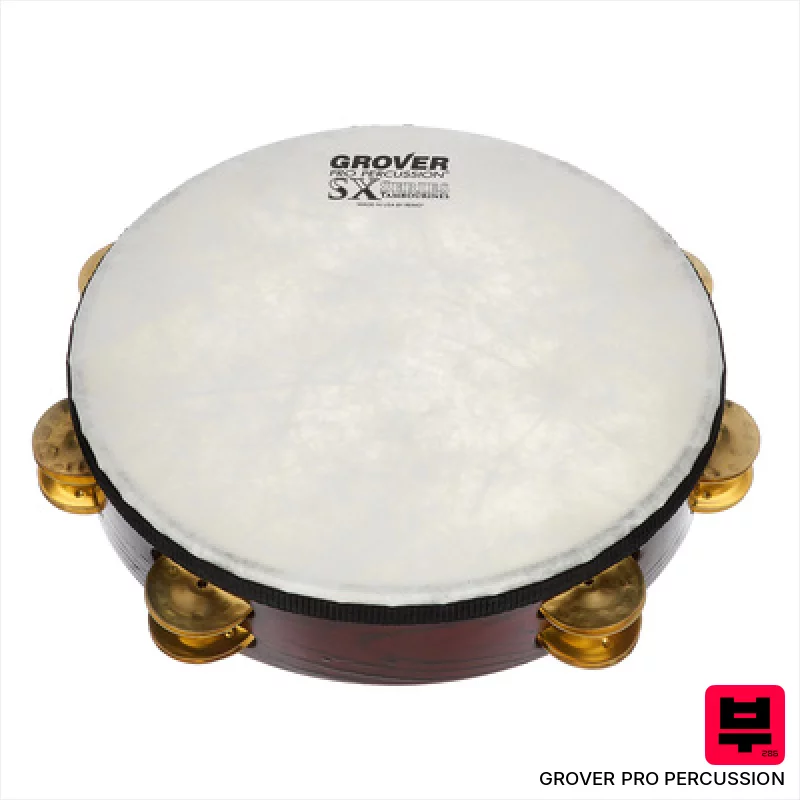
Grover Pro Percussion SXP-BR Tambourine
- • Hammered brass jingles deliver a bright, cutting, and articulate sound
- • The Fiberskyn head provides a warm, responsive, and controlled tone
- • Acousticon body construction enhances resonance and projection effectively
- • Robust build quality ensures durability for demanding performance environments
- • The jingle count might be a bit low for some orchestral applications
- • Fiberskyn head, while warm, can be more susceptible to wear than plastic
- • Lacks a carrying bag, which is a notable omission at this price point
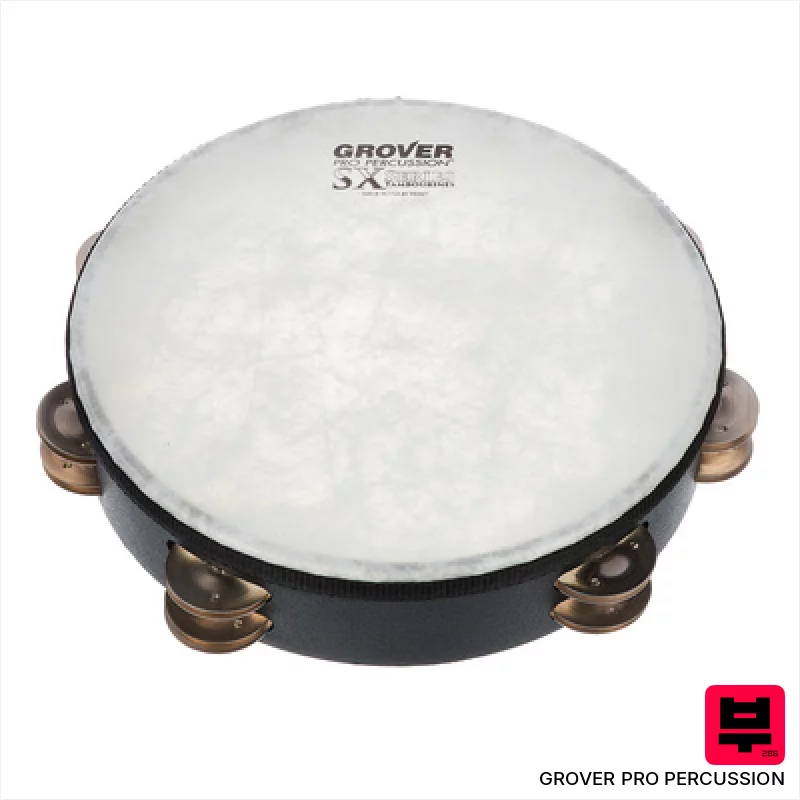
Grover Pro Percussion SX-GS Tambourine
- • Nickel silver jingles offer a bright, crisp, professional tone.
- • Fiberskyn head provides a warm, responsive drum sound.
- • Acousticon body construction enhances resonance and projection.
- • Includes a gig bag, making transport and storage convenient.
- • The nickel silver jingles, while bright, can be a bit brittle with very aggressive playing.
- • The Acousticon body, while resonant, isn't as durable as a heavier metal shell.
- • The 10 in size might feel small for percussionists accustomed to larger tambourines.
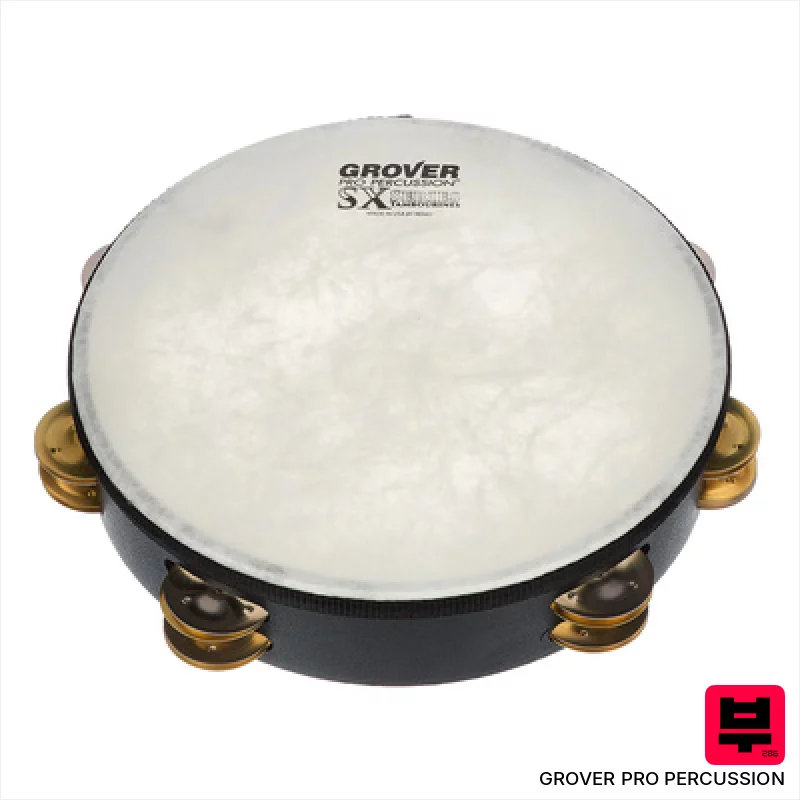
Grover Pro Percussion SX-SB Tambourine
- • Nickel-silver/brass jingles deliver a bright, articulate shimmer.
- • Fiberskyn head provides a warm, responsive tone and durability.
- • Acousticon body construction enhances resonance and sustain.
- • Includes a gig bag for convenient transport and protection.
- • The nickel-silver jingles can be a bit brittle with rough handling.
- • The Acousticon body, while resonant, isn't as loud as some all-metal designs.
- • The Fiberskyn head might require occasional tightening for optimal sound.
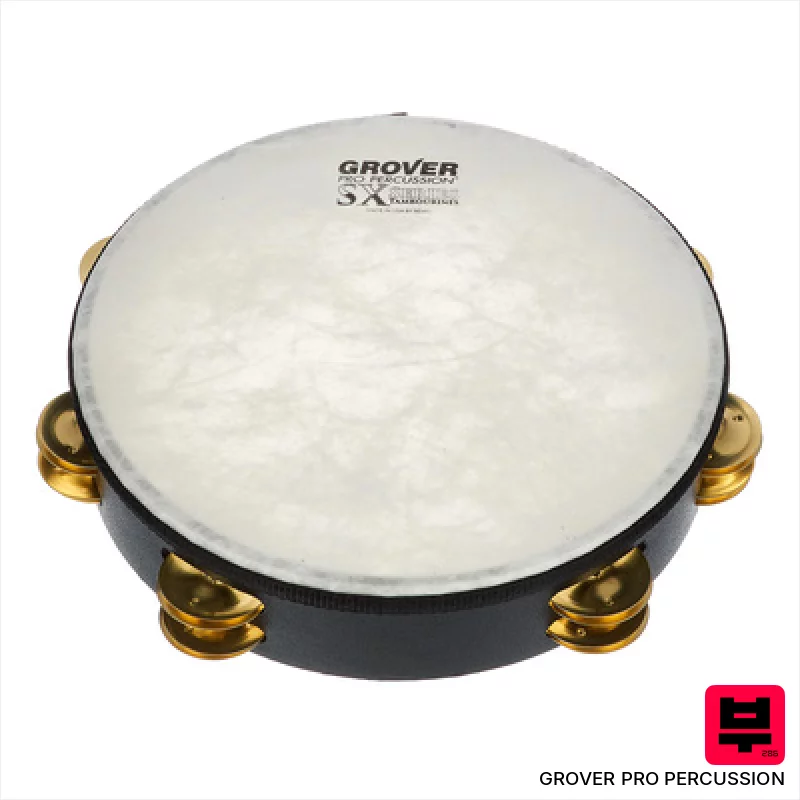
Grover Pro Percussion SX-BR Tambourine
- • Solid Acousticon body provides warm, resonant tone.
- • Double brass jingles deliver bright, cutting shimmer.
- • Fiberskyn head offers a responsive, controlled feel.
- • Includes a gig bag for convenient transport and storage.
- • The Acousticon body can be a bit heavy for extended playing.
- • Jingle sustain might be too short for some modern recording styles.
- • Fiberskyn head isn't as durable as a traditional animal skin.
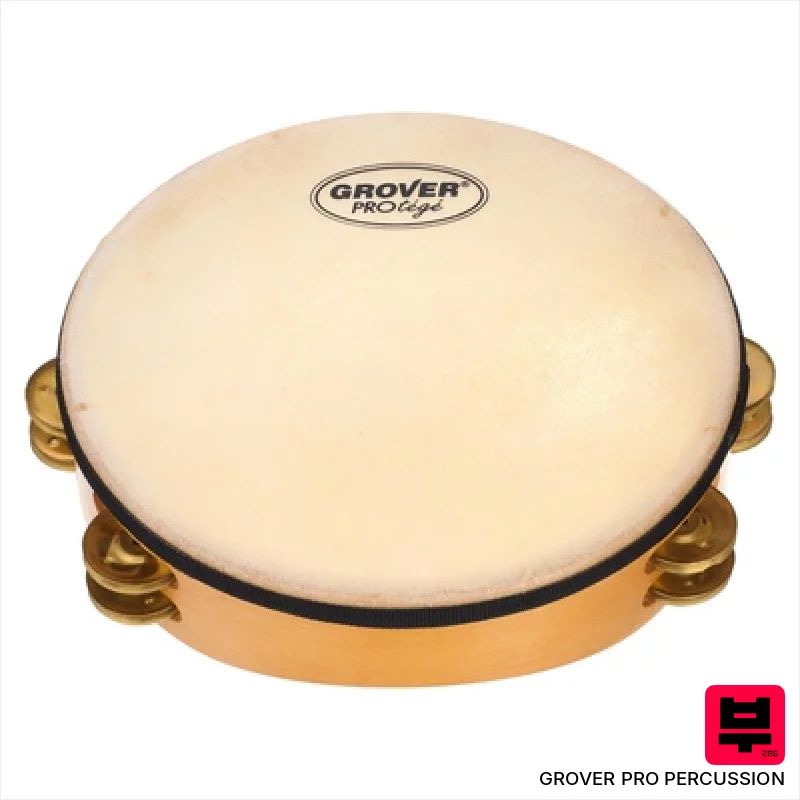
Grover Pro Percussion P-T2/BR Tambourine Protégé
- • Solid hardwood shell offers excellent resonance and projection.
- • Double brass jingles provide a bright, crisp, and articulate tone.
- • Non-losable jingle pins are a genuinely useful and well-executed design feature.
- • Conical shell and finger grip improve comfort and control for varied hand sizes.
- • Natural head might require more frequent tuning and occasional replacement.
- • 10” diameter is somewhat smaller, limiting low-end response for some players.
- • Hardwood finish, while durable, can be susceptible to scratches with heavy use.

Grover Pro Percussion P-T2/GS Tambourine Protégé
- • German silver jingles offer a bright, crisp, and articulate tone.
- • The conical shell provides a focused, resonant sound projection.
- • Durable hardwood shell with high-gloss finish looks professional and resists wear.
- • Exclusive finger grip caters to a wide range of hand sizes for comfortable playing.
- • The natural head might require more frequent tuning and care compared to synthetic options.
- • Non-detachable jingle pins limit customization or replacement of individual jingles.
- • 10” size is somewhat smaller; advanced players might desire a larger tambourine for broader dynamic range.
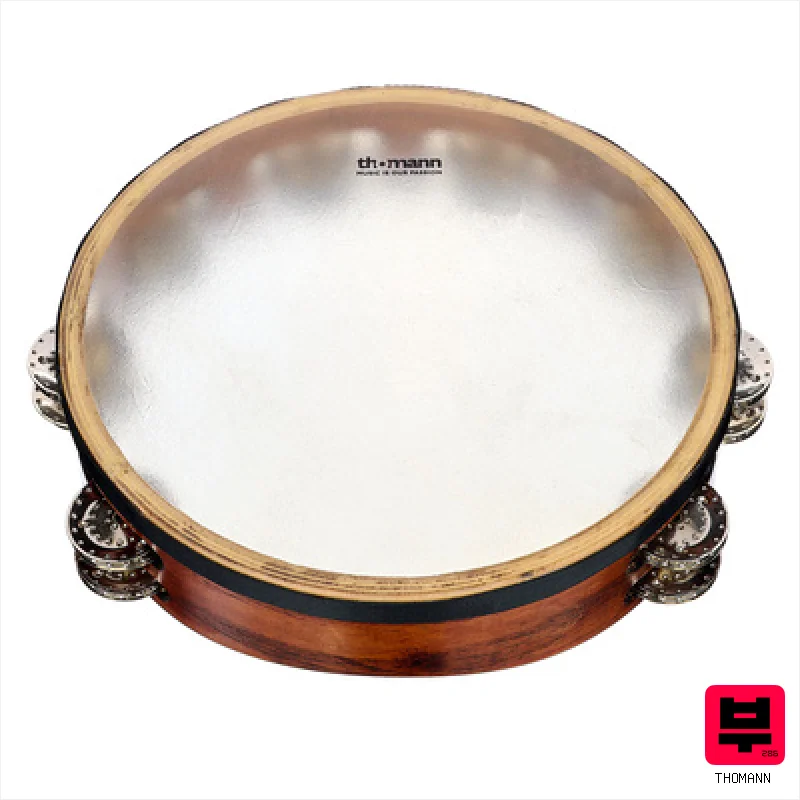
Thomann Tambourine T2CSH
- • Double row of jingles for louder volume
- • Stainless steel rings for bright tone
- • Calfskin head for classic feel
- • Ten inch size for standard use
- • No internal rattle mechanism mentioned
- • Weight not listed for carry plans
- • No specific tuning adjustment described
Every tambourines that matches
17 models match this page. The 15 above are covered in detail; the rest are listed here with their published specifications.
| # | Model | Specifications | Price |
|---|---|---|---|
| 16 | Black Swamp Percussion THR-10 Head Replacement Kit | Size 10" | $86 |
| 17 | Grover Pro Percussion HK-10 Head Replacement Kit | Size 10" | $56 |
Tambourines by the numbers
Measured across all 17 models in this category, so «wide», «short» or «expensive» mean something you can check.
How to Choose the Best Tambourines
Jingles
The material (brass, nickel, steel) dictates the tone. Brass is warmer, steel is brighter, nickel is somewhere in between. Thickness matters too - thinner jingles will have more shimmer, thicker ones more sustain and a 'thwack'.
Shell Material
Wood (maple, birch) tends to be warmer and more organic sounding. Plastic is brighter and more durable, good for gigging. The shell's role is subtle, but it contributes to the overall resonance.
Mounting System
How the jingles are attached. Rivets are common and affordable, but can dampen the sound. Floating mounts (less common in this price range) let the jingles vibrate more freely for a richer tone.
Weight/Feel
A heavier tambourine will have more presence in a loud band. The feel in your hand matters too - a comfortable grip and balanced weight will make playing easier and more expressive.
Overall Articulation
How cleanly and distinctly each jingle sounds. A well-made tambourine will have a clear, defined attack, avoiding a muddy or indistinct sound, especially important for recording.
Buying Guide
At this price point, expect some compromises. You're unlikely to find floating jingles or exotic wood shells. The biggest trade-offs will be in jingle material and build quality - cheaper tambourines sometimes have jingles that sound a bit tinny or are prone to rattling. Don't be afraid to try a few different jingle materials to find the tone you prefer; brass is usually a safe bet for a balanced sound.
How This List Is Built
We don't play these instruments — we're a catalog, not a review desk, and we'd rather say so than pretend otherwise. This page covers 17 tambourines from the Thomann catalogue, which is the largest single source of specification data in this category: 15 in detail, the rest listed with their specifications.
Position is computed, not curated. We parse the manufacturer's own description into actual values — nut width, scale, fret count, fingerboard radius, size, alloy — and rank on them: how many specifications a model has published, how many of them are measurable numbers, and how precisely it meets this page's criterion. A product image adds a little. Price is not a ranking signal: it tells you nothing about whether a neck fits your hand. The same inputs always produce the same order, so nothing here is shuffled to look fresh.
What this list is good for: narrowing a category down to a shortlist by spec and budget. What it isn't: a substitute for hearing an instrument. Before you buy, read hands-on reviews and, where you can, play it. Full methodology.

