
Best Schecter T Style Guitars 2026
So, you're looking at a Schecter T-style? Good choice. They've carved out a serious niche - not just cheap Fender copies, but guitars that offer a lot of bang for your buck, especially if you're chasing a raw, aggressive tone. We're gonna break down the best Schecter Telecasters, what makes them tick, and whether they're the right fit for your gig, whether it's a smoky blues club or a high-energy rock show.
Last updated: October 10, 2026
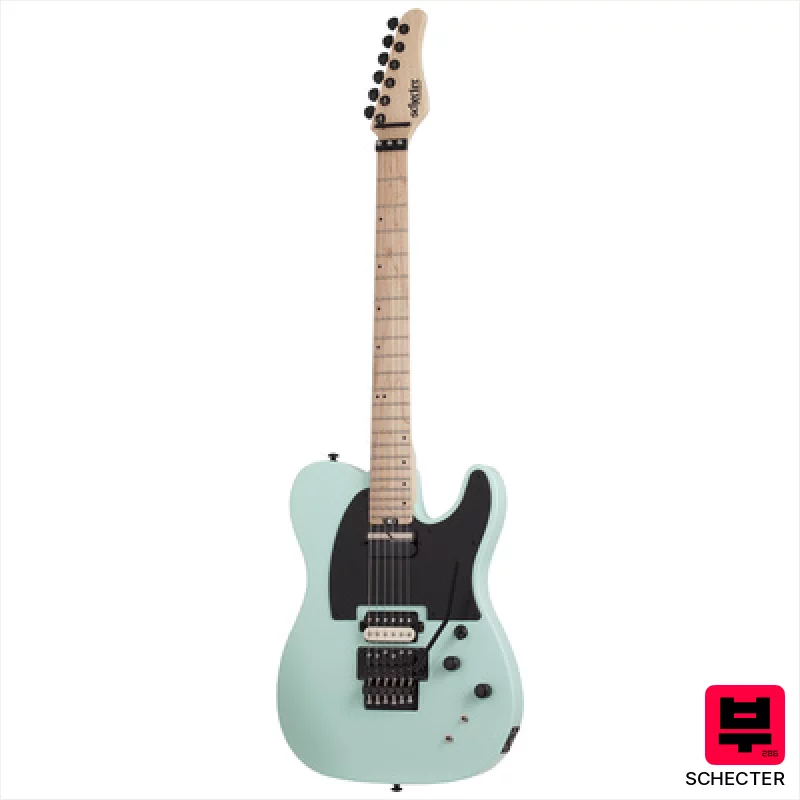
Schecter SVSS PT FR S SFG
- • Mahogany body delivers warm, resonant sustain and a vintage tone.
- • EMG Retro Active Hot 70 provides aggressive bridge humbucker punch.
- • Sustainiac neck pickup enables infinite sustain experimentation.
- • Floyd Rose Special tremolo offers reliable, wide-ranging vibrato.
- • Mahogany body contributes to a potentially heavier feel for extended playing.
- • Limited pickup versatility might not suit all genres or players.
- • Thin C neck profile may not appeal to players preferring thicker necks.
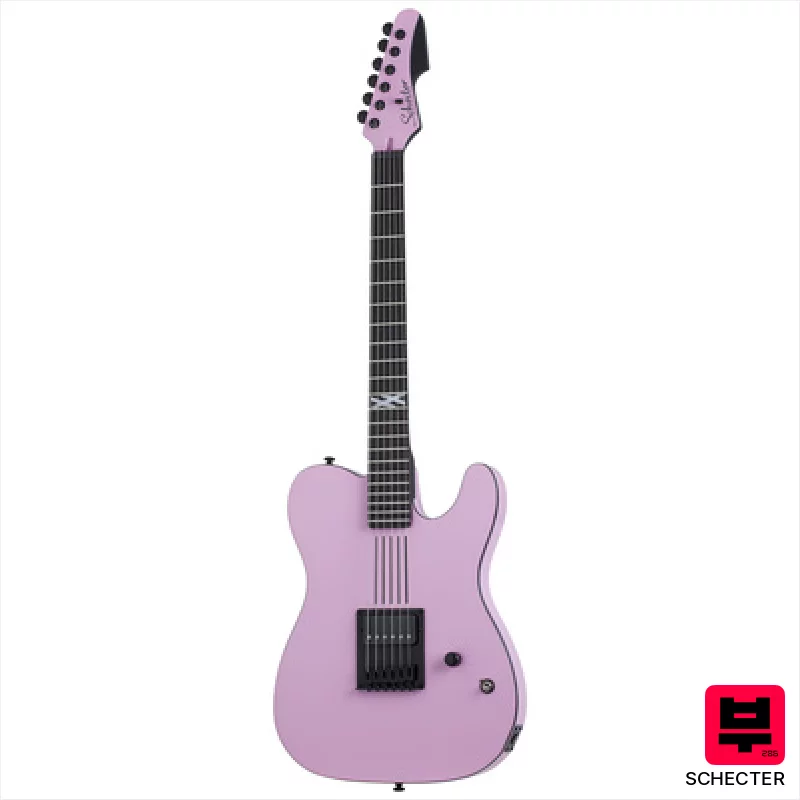
Schecter Machine Gun Kelly Signature PT
- • Alder body provides a balanced, resonant tone with good sustain.
- • Thin C neck profile offers exceptional comfort and fast playing feel.
- • USA Pasadena Plus humbucker delivers high-output, modern rock tones.
- • Kill switch adds a unique performance element for stage presence.
- • Ebony fingerboard can be quite slick for some players, requiring adjustments.
- • Limited pickup versatility; geared towards heavier rock/metal styles.
- • The pink finish, while striking, may not appeal to all tastes.

Schecter PT Fastback II B DEG
- • Alder body delivers a balanced, resonant tone with surprising sustain
- • Thin 'C' neck profile is exceptionally comfortable for fast playing and chording
- • Diamond SuperRock pickups offer high-output, articulate rock and blues tones
- • Bigsby tremolo adds vintage vibe and expressive pitch bending capabilities
- • Rosewood fretboard may feel slightly sticky to some players compared to maple
- • Bolt-on neck construction lacks the inherent warmth of a set-neck design
- • Limited pickup versatility; primarily suited for rock and blues styles
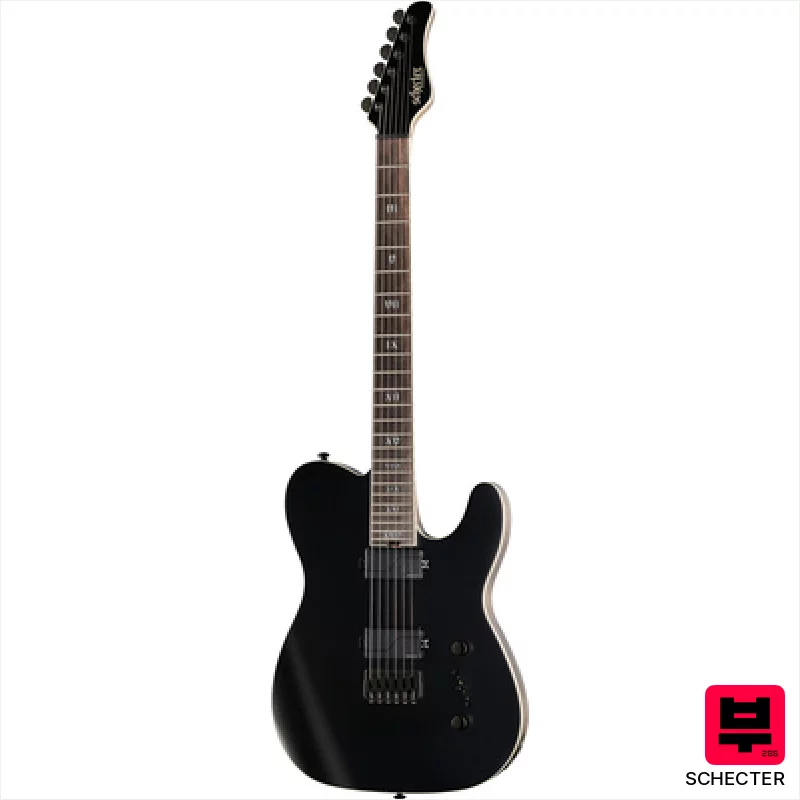
Schecter PT SLS Evil Twin
- • Swamp ash body delivers resonant, balanced tonal character.
- • Maple/walnut neck offers stiffness and a premium feel.
- • Fishman Fluence Modern pickups provide versatile, high-output tones.
- • Carbon reinforcement enhances neck stability and reduces unwanted flex.
- • The ultra-thin C neck profile isn’t for everyone; might be too thin.
- • Satin black finish shows fingerprints and smudges easily.
- • T-style guitars inherently have a more limited tonal palette than others.
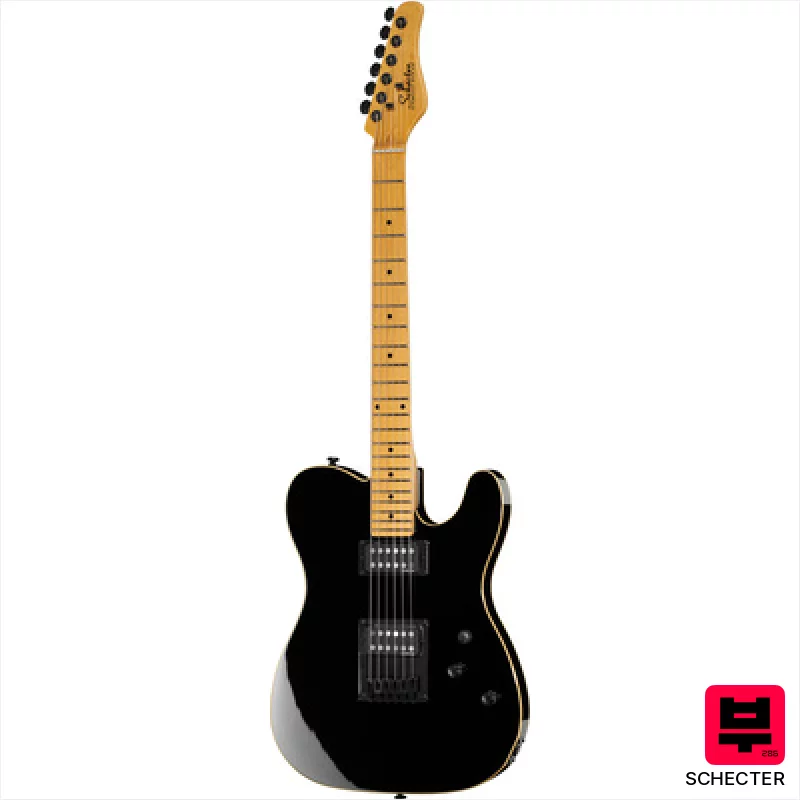
Schecter PT BK
- • Alder body delivers a balanced, resonant tone with a pleasing attack.
- • Bolt-on maple neck provides a snappy, responsive feel and fast action.
- • Schecter Super Rock II pickups offer a thick, aggressive high-gain sound.
- • String-thru body design enhances sustain and improves overall resonance.
- • The bolt-on neck, while fast, lacks the warmth of a set-neck design.
- • Flat-mount bridge might not offer the same adjustability as a more complex system.
- • Limited pickup versatility; primarily suited for rock and heavier genres.
T Style Guitars by the numbers
Measured across all 1,843 models in this category, so «wide», «short» or «expensive» mean something you can check.
How to Choose the Best T Style Guitars
Neck Profile
Schecter's necks are generally slim and comfortable, bordering on modern C profiles. This is a plus for faster playing, but some might find them lacking that vintage, chunky feel you get on some older Teles. It's a trade-off - easier to shred, less authentic vintage vibe.
Pickup Voicing
This is where Schecter really differentiates itself. They rarely go for a completely scooped, classic Tele tone. Expect more output, a slightly more aggressive edge, and a tendency towards a more modern rock/blues sound. Some models use custom pickups that add a nice mid-range honk, which cuts through a dense mix.
Bridge Design
Many Schecter T-styles use fixed bridges, which gives you rock-solid tuning stability and a focused, direct tone. However, you lose the string-through-body sustain and twang that a traditional ashtray bridge offers. It's a choice between stability and that classic Tele vibe.
Hardware Quality
The hardware is generally solid for the price point. Tuners are usually decent enough for gigging, and the bridge saddles are functional. You might want to upgrade them down the line for a more refined feel and even better tuning stability, but they'll get you through plenty of gigs.
Body Wood & Construction
Schecter typically uses alder or ash for their T-style bodies, both good choices for a balanced tone. Bolt-on construction is standard, which keeps costs down, but it does mean you lose some of the resonance and warmth you'd get from a neck-through design.
Buying Guide
Don't expect a Schecter Tele to perfectly replicate a vintage Fender. They're built for a different purpose - more aggressive playing and a hotter output. Pay attention to the pickup configuration and neck profile - those are the biggest differentiators. If you need that classic, scooped Tele tone, this might not be your guitar, but if you want something that screams without needing a ton of gain, Schecter's a strong contender.
How This List Is Built
We don't play these instruments — we're a catalog, not a review desk, and we'd rather say so than pretend otherwise. This page covers 5 of 1,843 t style guitars from the Thomann catalogue, which is the largest single source of specification data in this category: 5 in detail, the rest listed with their specifications.
Position is computed, not curated. We parse the manufacturer's own description into actual values — nut width, scale, fret count, fingerboard radius, size, alloy — and rank on them: how many specifications a model has published, how many of them are measurable numbers, and how precisely it meets this page's criterion. A product image adds a little. Price is not a ranking signal: it tells you nothing about whether a neck fits your hand. The same inputs always produce the same order, so nothing here is shuffled to look fresh.
What this list is good for: narrowing a category down to a shortlist by spec and budget. What it isn't: a substitute for hearing an instrument. Before you buy, read hands-on reviews and, where you can, play it. Full methodology.

