
Best Studio Packages for Educational 2026
So, you're setting up a studio for music education? That's awesome, but it's more than just slapping a mic on a drum kit. You need something versatile enough for vocal lessons, acoustic guitar workshops, and even tracking a student band - all while providing a solid, reliable foundation for learning. We've looked at a bunch of studio packages aimed at this market, and here's what we think you should know.
Last updated: July 15, 2026 • Next update: July 22, 2026
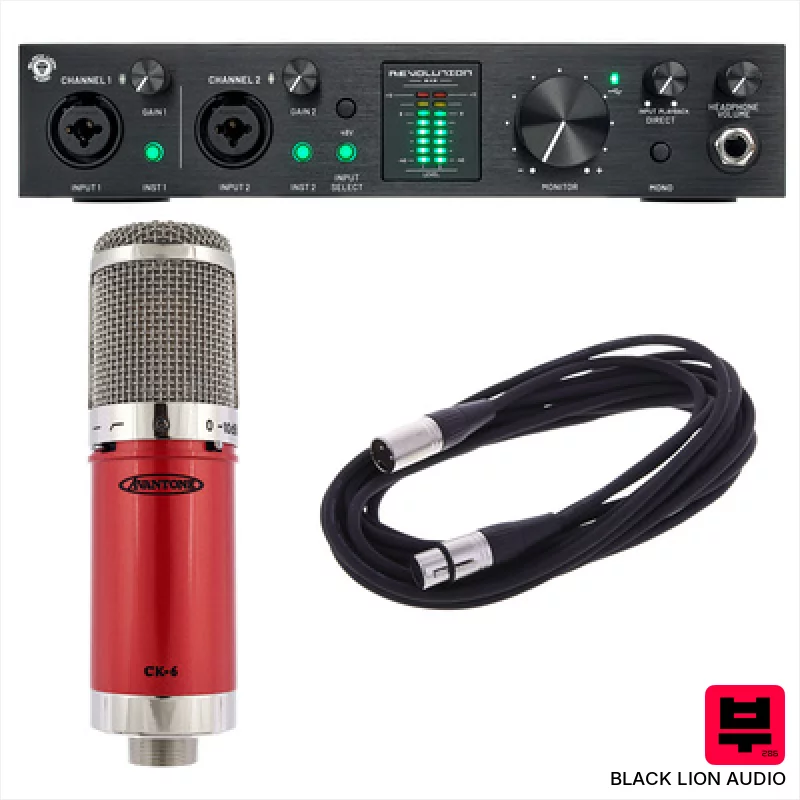
Black Lion Audio Revolution 2x2 Mic Bundle
- • Solid build quality with metal chassis; feels robust and well-made.
- • Preamp delivers a surprisingly clean, low-noise signal for the price.
- • Flexible combo XLR/TRS inputs cater to varied recording needs.
- • USB-C connectivity offers reliable power and data transfer.
- • Limited I/O compared to higher-end interfaces; may restrict complex setups.
- • Headphones included are likely a basic model; audiophiles will want to upgrade.
- • Software bundle is likely introductory; experienced users will seek alternatives.
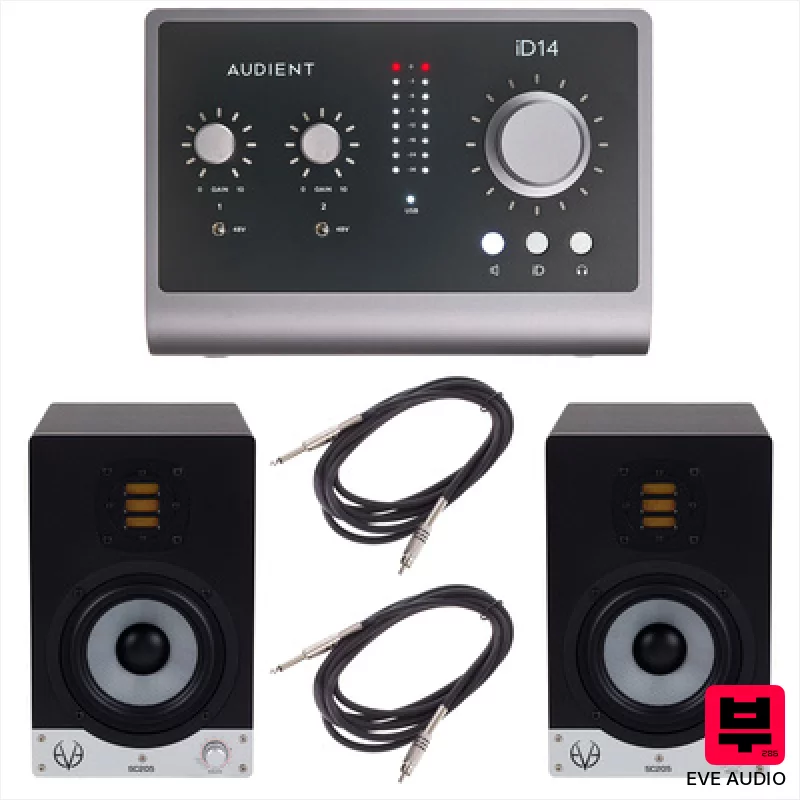
EVE Audio SC205 ID14 Bundle
- • AMT tweeter delivers exceptional detail and transient response.
- • The 5” mid-woofer provides surprisingly deep and controlled bass.
- • Flexible EQ settings allow for room correction and precise tuning.
- • Solid build quality with back mounting and mic stand threads.
- • SC205's limited low-end extension might not suit bass-heavy genres.
- • The AMT tweeter can be fatiguing at high volumes for some listeners.
- • Relatively compact size might necessitate multiple pairs for larger spaces.

Audient iD14 MKII Complete Bundle
- • Warm Audio WA-47jr delivers a surprisingly authentic vintage '47 vibe.
- • Audient iD14 MKII's discrete preamp offers clean, low-noise amplification.
- • USB-C connection provides reliable, high-bandwidth digital transfer.
- • Bundle offers excellent value, combining quality components.
- • WA-47jr's 9dB self-noise isn't ideal for very quiet recordings.
- • iD14 MKII's two inputs limit multi-mic recording capabilities.
- • Transformerless design lacks the unique coloration of a true transformer mic.
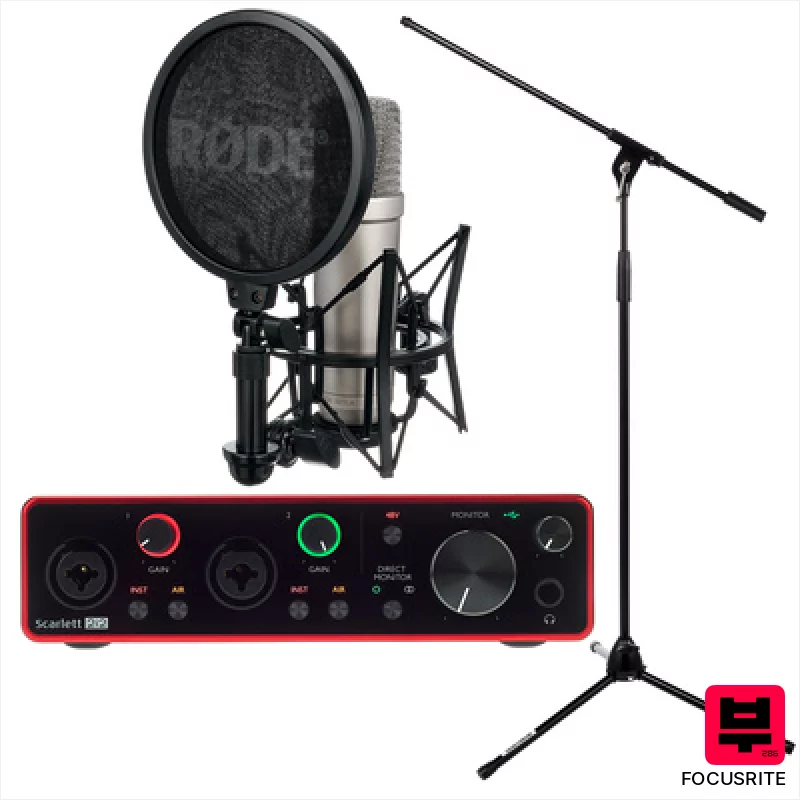
Focusrite Scarlett 2i2 3rd NT1A Bundle
- • NT1-A delivers a remarkably clean, detailed vocal capture, excellent for nuanced performances.
- • Scarlett 2i2’s ‘Air’ mode adds a subtle, pleasing high-end lift reminiscent of classic Focusrite consoles.
- • The included SM6 shock mount effectively isolates the mic from vibrations, improving recording clarity.
- • USB-C connectivity offers a reliable, low-latency connection for modern computer setups.
- • NT1-A’s sensitivity requires a very quiet recording environment to avoid unwanted noise.
- • The Scarlett 2i2’s two inputs limit its versatility for recording full bands or ensembles.
- • While the included XLR cable is decent, a higher-quality cable could further reduce noise.

Focusrite Vocaster Two Podcast Bundle 1
- • Rode PodMic delivers a surprisingly full, warm vocal tone with excellent rejection.
- • Vocaster Two's Auto Gain is genuinely useful for quick, consistent level setting.
- • The stainless steel pop protection and ceramic cover feel robust and high-quality.
- • Easy Start tool simplifies setup, ideal for beginners or those short on time.
- • PodMic's cardioid pattern can be unforgiving with room acoustics; treatment is needed.
- • Vocaster Two's 'Enhance' presets are a bit gimmicky and lack nuanced control.
- • Limited I/O restricts use for more complex recording setups or multi-instrument tracking.
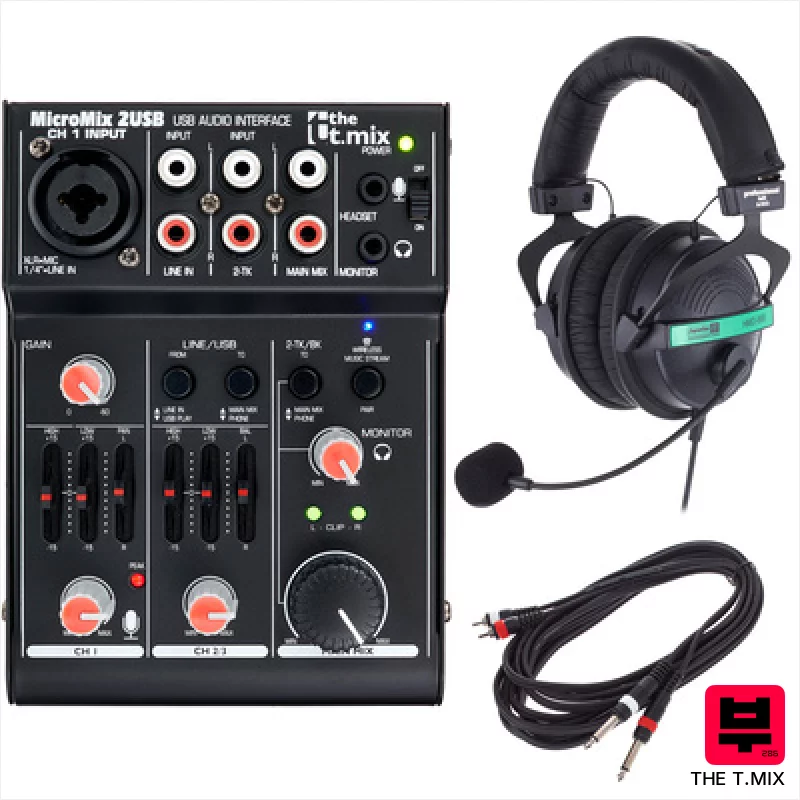
the t.mix MicroMix 2 USB Bundle
- • Compact micromixer offers surprising flexibility for its size
- • Superlux HMD-660E provides decent closed-back isolation for tracking
- • Bluetooth connectivity adds convenience for playback and mobile recording
- • XLR input allows connection to professional microphones and preamps
- • Dynamic mic lacks the clarity and detail of condenser alternatives
- • Superlux headphones are fairly basic, lacking premium sound reproduction
- • EQ is limited, offering only basic tonal shaping capabilities
- • Build quality feels plasticky and not exceptionally robust
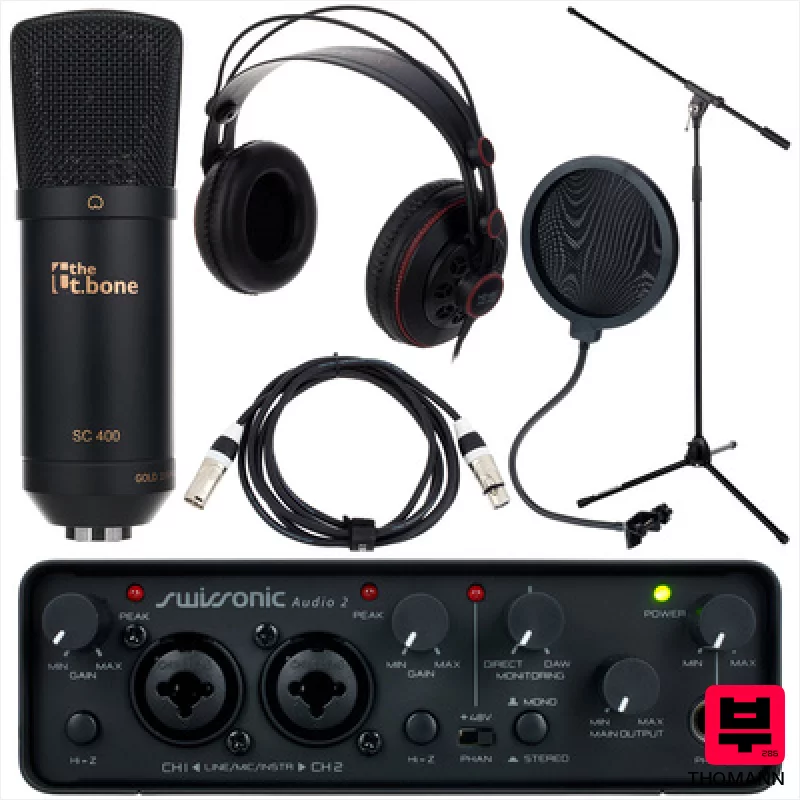
Thomann Home Studio Bundle
- • Swissonic Audio 2 offers decent preamp clarity for budget recording.
- • Cubase LE provides a functional DAW for basic music creation.
- • Compact interface is portable and USB bus-powered for ease of use.
- • Headphone output allows for direct monitoring and convenient tracking.
- • Swissonic Audio 2's preamps lack the headroom of higher-end interfaces.
- • Cubase LE is a limited version, requiring upgrades for advanced features.
- • Included microphone quality will be entry-level, expect a basic sound.
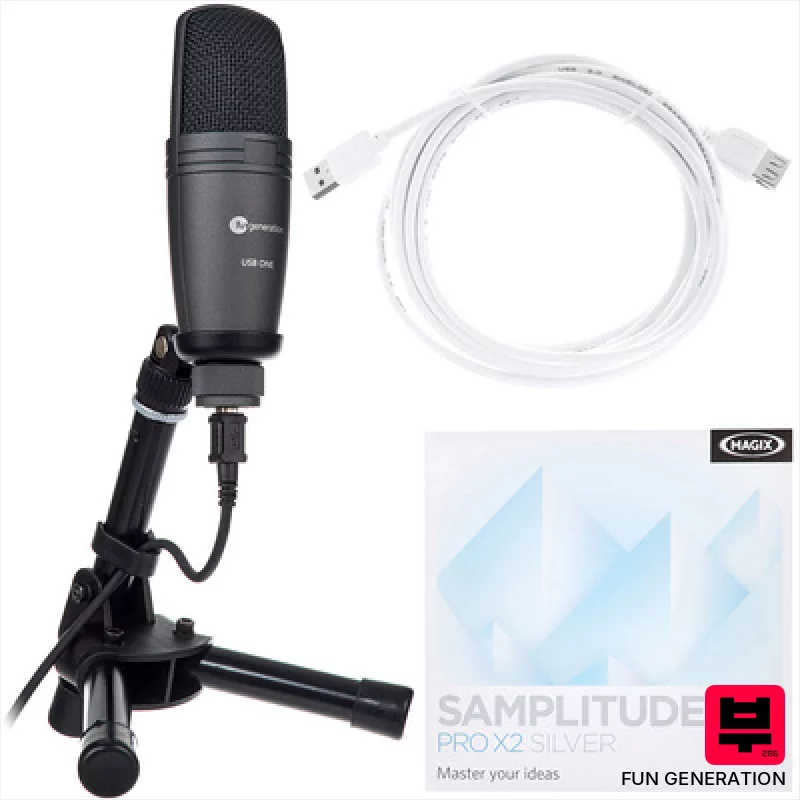
Fun Generation USB One Starter Bundle
- • Lightweight plastic housing keeps the mic unobtrusive and portable
- • The included 3m USB extension cable provides welcome flexibility in setup
- • Compact tripod stand is genuinely useful for small desk spaces
- • Plug-and-play functionality simplifies setup for beginners.
- • Microphone's sensitivity suggests a noisier pre-amp might be needed for critical recordings
- • Plastic construction feels budget-oriented and may not withstand heavy use
- • Cardioid pattern limits versatility for multi-microphone recording scenarios
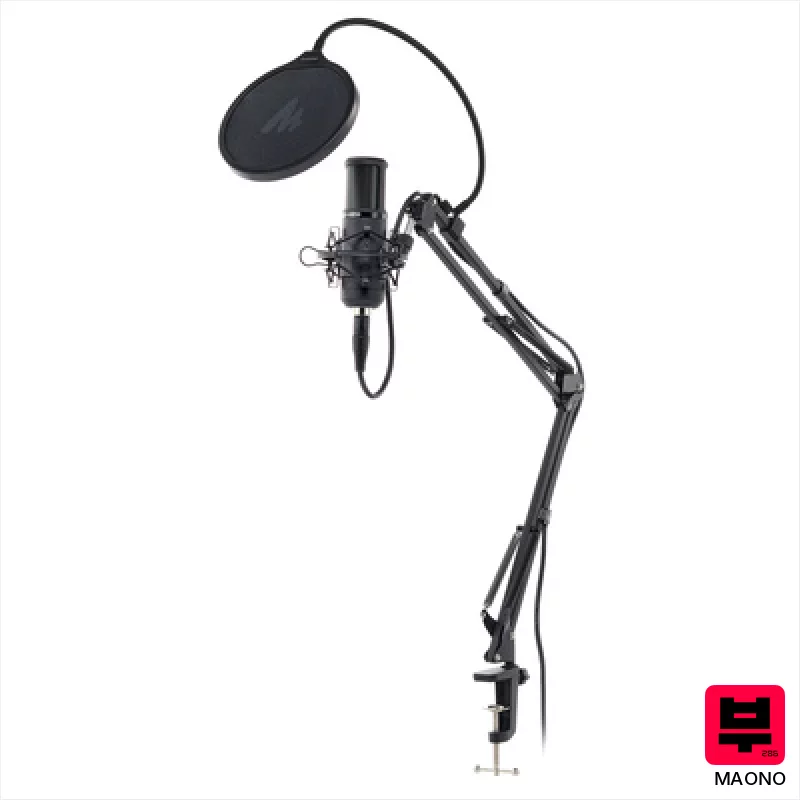
Maono Vocal Studio Recording Kit
- • Decent large-diaphragm capsule captures vocals with surprising clarity.
- • Included mic arm offers stable positioning and cable management.
- • Pop filter noticeably reduces plosives for cleaner recordings.
- • Budget-friendly entry point for aspiring vocalists and podcasters.
- • Microphone’s build quality feels plasticky and less robust.
- • Cardioid pattern limits versatility for multi-mic recording setups.
- • Limited frequency response lacks detail for critical, professional applications.

the t.bone SC 440 USB Podcast Bundle 2
- • Supercardioid pattern excels at isolating vocals from room noise
- • Included software suite provides immediate recording and editing capabilities
- • Lightweight plastic case protects mic during transport and storage
- • USB connectivity offers plug-and-play simplicity for most computers
- • Plastic microphone stand feels flimsy and lacks robust stability
- • Supercardioid pattern requires careful mic placement to avoid artifacts
- • Microphone's sensitivity (-13.3 dB) may need gain adjustments on some interfaces
How to Choose the Best Studio Packages
Versatility
Can it handle a wide range of instruments and vocal styles? A package focused solely on rock guitar won't do much good for a student learning classical piano.
Preamp Quality
Clean, transparent preamps are essential for accurate representation of the source. That subtle warmth is nice, but you don't want coloration masking a student's technique.
Interface Usability
Intuitive controls and clear metering are crucial for teaching. Fumbling with menus during a lesson is a major distraction.
Software Bundle
A good DAW and some basic plugins (EQ, compression) are a must. The more time spent learning the software, the less time spent making music.
Expandability
Can you add more mics, instruments, or processing later? Education often involves evolving needs, so future-proofing your setup is smart.
Buying Guide
Look, these educational studio packages are often a compromise. You're getting a lot for the money, but somewhere, corners get cut - usually in preamp headroom or the quality of the included microphones. Don't get blinded by the number of plugins; focus on the core components: interface, preamps, and a decent DAW. Spending a bit more on a better interface with solid preamps will pay dividends in the long run - better recordings mean better learning.
Our Methodology
We didn't just look at spec sheets here. We've spent time tracking vocals, laying down acoustic guitar parts, and even trying to get a decent drum kit sound out of these setups - all while simulating a real-world educational environment. We've A/B'd against more expensive setups to see where the compromises lie, and critically evaluated how user-friendly they are for both the instructor and the student.

