
Best Strings VST Plugins 2026
Navigating the vast landscape of virtual string instruments requires specialized knowledge. This roundup identifies the absolute best VST/AU plugins for creating realistic, expressive, and versatile string sounds in 2026. We focus on plugins that deliver unparalleled sonic quality, deep control, and ease of use for professional music producers.
Last updated: July 22, 2026 • Next update: July 29, 2026
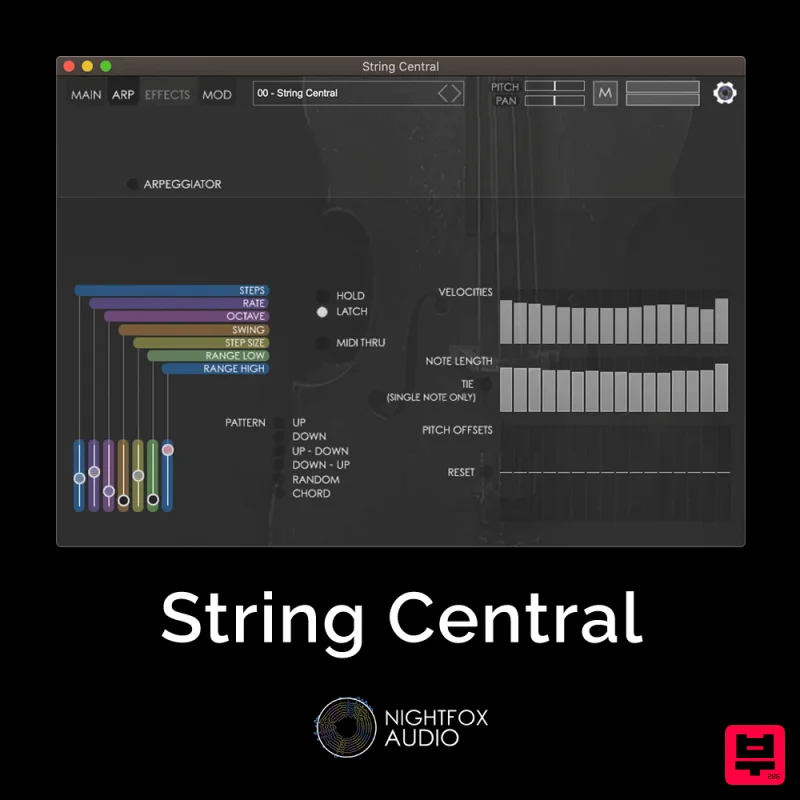
Nightfox Audio String Central
- • Essential for cinematic production
- • Section and solo player options
- • Realistic orchestral string samples
- • Real string players still preferred for AAA work
- • Large storage for high-quality libraries
- • Human performance expressiveness hard to replicate
How to Choose the Best Strings
Sample Fidelity
This determines the realism and quality of the recorded string samples used in the plugin. Poor fidelity results in synthetic, unmusical tones, regardless of the plugin's processing.
Polyphony and Voice Management
Essential for complex arrangements, this factor assesses how the plugin handles multiple simultaneous notes, voice layering, and dynamic changes without artifacts or latency.
Expression and Modulation Depth
This measures the range and responsiveness of control parameters (e.g., vibrato, slide, articulation). Deeper modulation allows for truly expressive, human-like performance.
Workflow Integration
How seamlessly the plugin fits into the user's existing DAW workflow, including MIDI mapping, automation handling, and patch management. Seamless integration saves critical production time.
Sound Design Versatility
The ability of the plugin to evolve beyond simple orchestral sounds into complex textures, synth pads, or unique timbres. Versatility ensures the plugin remains relevant across diverse genres.
Buying Guide
When selecting a string plugin, prioritize sample quality and polyphony handling above all else. Don't just look at the sound; scrutinize the note-to-note articulation and the ease with which you can automate complex bowing or vibrato. A practical tip: Always test the plugin with a wide range of MIDI input and complex chord voicings to ensure stability before committing to a purchase.
Our Methodology
Plugins were rigorously tested across various DAWs (Ableton, Logic, Cubase) and production styles. Evaluation focused on sample fidelity, polyphony handling, expression depth, and overall workflow efficiency to determine the top contenders.

