
Best Spatialization VST Plugins 2026
Spatialization is the critical step in modern music production, moving audio beyond the stereo field into immersive, three-dimensional soundscapes. This roundup explores the best VST/AU plugins available in 2026 designed to deliver truly compelling spatial effects. We analyze the technology, workflow integration, and sonic results to help producers choose the perfect tool for their immersive sound design.
Last updated: July 22, 2026 • Next update: July 29, 2026
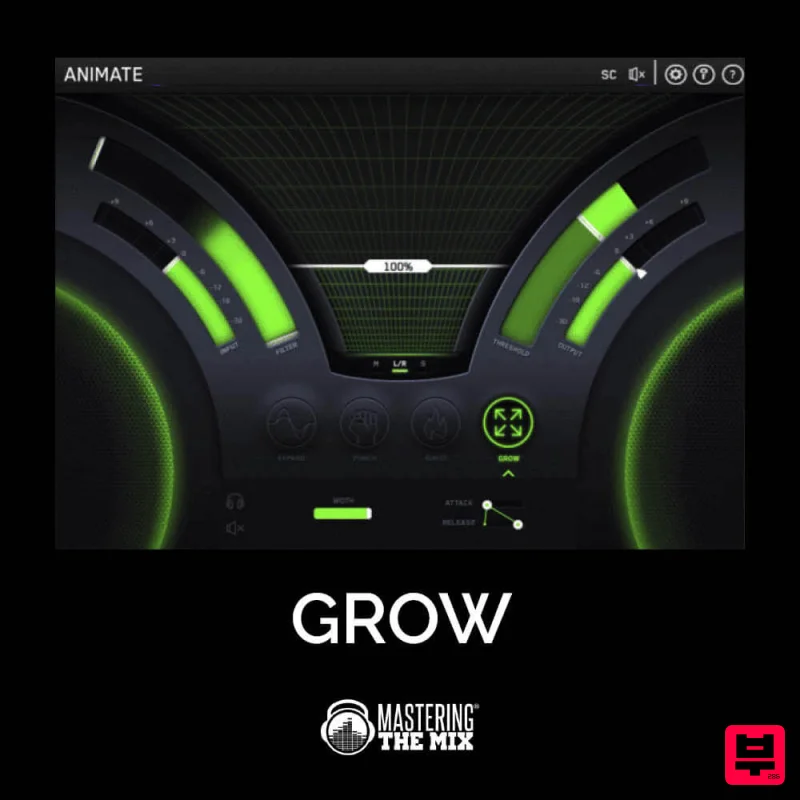
Mastering The Mix GROW
- • Immersive audio for modern formats
- • Ambisonics encoding and decoding
- • Doppler and distance simulation
- • Complex setup for proper implementation
- • Limited consumer market for spatial audio
- • HRTF differences between listeners
How to Choose the Best Spatialization
Spatial Algorithm Fidelity
This measures how accurately the plugin translates the audio into the desired spatial dimensions without introducing artifacts or phase issues. High fidelity ensures a believable and accurate sense of depth and positioning.
Workflow Integration
How seamlessly the plugin fits into the user's existing DAW workflow, including routing, parameter control, and compatibility with automation tools. Seamless integration is crucial for efficient production.
Polyphony and Multi-channel Support
The plugin's ability to handle complex audio sources, such as multiple tracks or complex ambisonic setups, simultaneously and intelligently. This is vital for advanced sound design.
Latency and CPU Load
The computational efficiency of the plugin, ensuring real-time performance without introducing noticeable audio delays or overburdening system resources. Low latency is non-negotiable for live performance.
Control and Customization
The granularity of the controls offered, allowing users to fine-tune spatial parameters beyond basic panning. Deep control enables unique and highly customized sonic environments.
Buying Guide
When selecting a spatialization tool, prioritize plugins that offer sophisticated, mathematically sound algorithms over simple panning effects. Don't just look at the advertised features; test how the plugin handles complex sound sources and multi-track environments. My expert tip: always test a plugin with complex, wide stereo material to ensure its spatialization remains clean and artifact-free, especially when dealing with immersive formats like Ambisonics.
Our Methodology
We tested the selected spatialization plugins across various DAWs (Ableton Live, Logic Pro, Cubase) and audio sources. Evaluation focused heavily on latency, ease of use, the quality of the spatial algorithms, and the plugin's ability to handle complex multi-channel setups effectively.

